
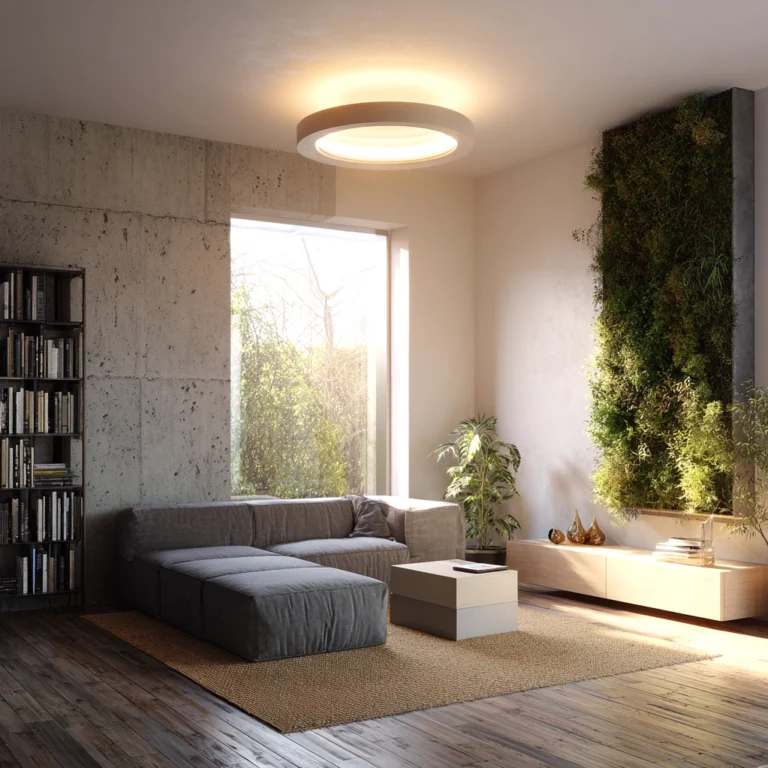
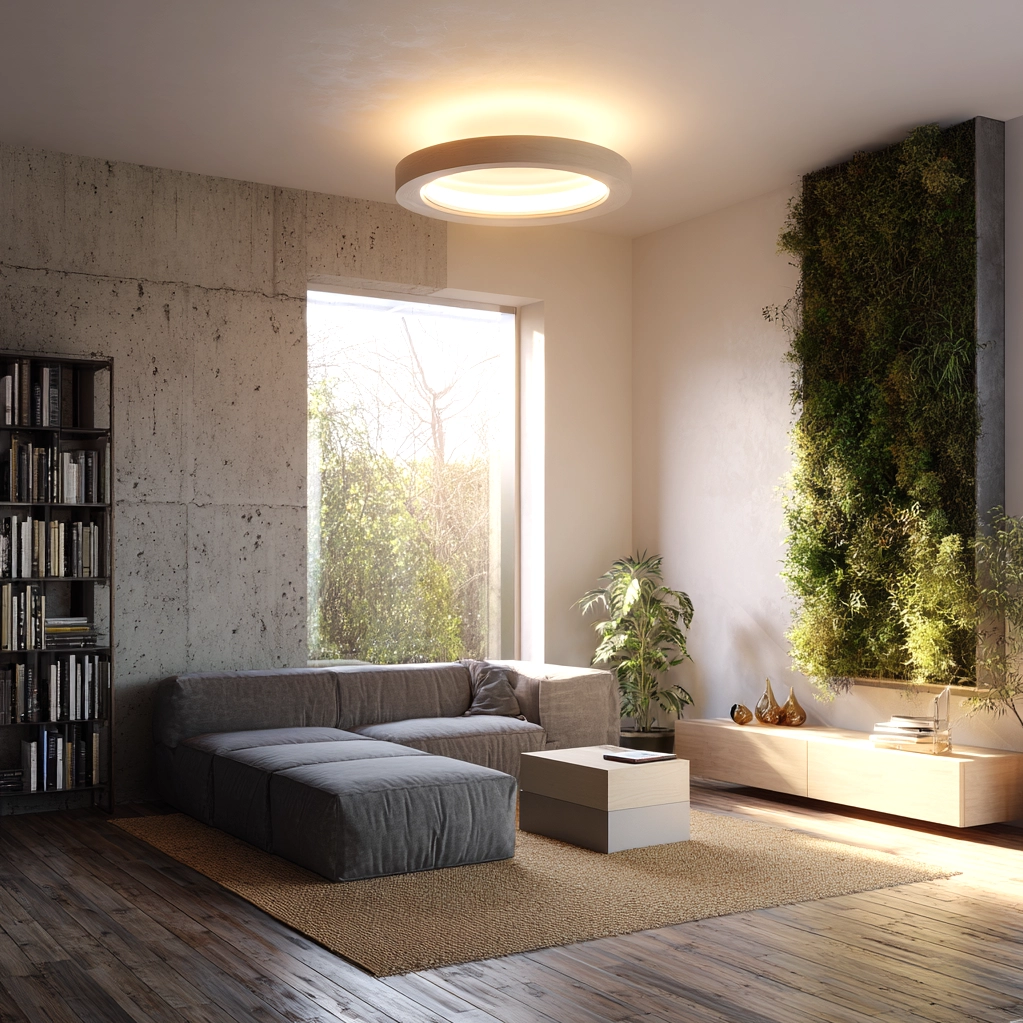
The world of interior design is constantly evolving, and as we look toward 2026, living room decor trends are already taking shape in exciting new directions. This forward-looking perspective matters because our living spaces profoundly impact our daily lives, serving as both personal sanctuaries and social hubs. Understanding these emerging trends allows homeowners to create environments that not only reflect current aesthetics but also anticipate future needs for comfort, functionality, and sustainability. The 2026 living room decor trends represent more than just visual updates—they embody shifting cultural values, technological integration, and environmental consciousness that will redefine how we inhabit our homes. By exploring these developments now, you can make informed design decisions that will keep your space feeling fresh and relevant for years to come. This article will guide you through the most significant trends expected to dominate living room design in 2026, providing practical insights to help you create a space that’s both beautiful and future-proof. From smart material choices to innovative layout concepts, these trends offer exciting possibilities for transforming your living area into a truly modern retreat.
Sustainable Materials and Biophilic Design in 2026 Living Room Decor Trends
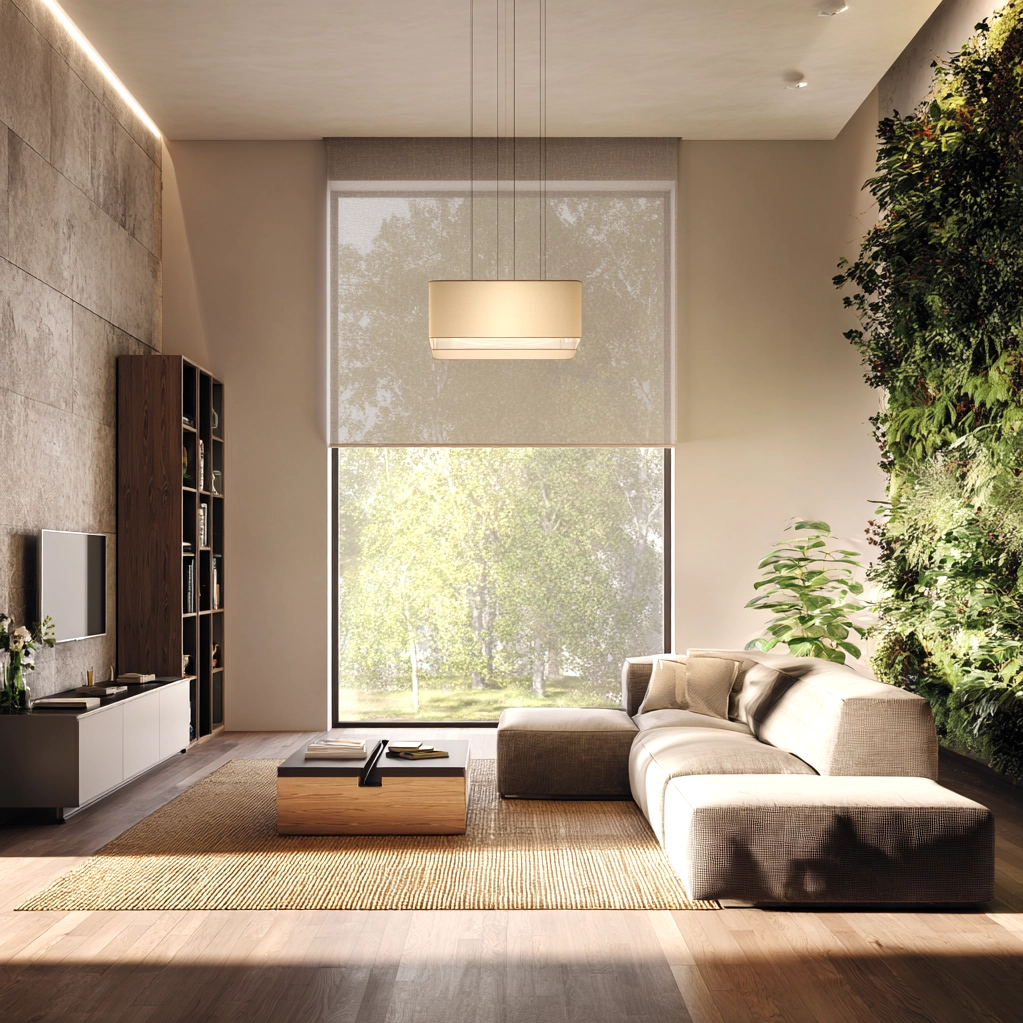
One of the most significant 2026 living room decor trends centers around sustainability and our connection to nature. Homeowners are increasingly seeking materials that minimize environmental impact while maximizing durability and beauty. Expect to see more recycled, upcycled, and rapidly renewable materials like bamboo, cork, and reclaimed wood taking center stage in furniture and accent pieces. These materials not only reduce waste but often bring unique textures and stories to living spaces. Biophilic design—the practice of incorporating natural elements into built environments—will reach new levels of sophistication in 2026. This goes beyond simply adding plants to creating living rooms that feel like extensions of the natural world. Think living walls with integrated irrigation systems, furniture made from sustainably harvested wood with visible grain patterns, and stone accents that bring geological textures indoors. Large windows that maximize natural light and provide garden views will become standard features in forward-thinking designs. Even artificial elements will mimic natural patterns, with textiles featuring organic motifs and lighting that replicates the quality of daylight throughout different times of day. This trend reflects a growing awareness that our wellbeing is deeply connected to our environment, making sustainable and nature-inspired choices not just aesthetically pleasing but essential to creating healthy, harmonious living spaces.
Smart Technology Integration: The Future of 2026 Living Room Decor Trends
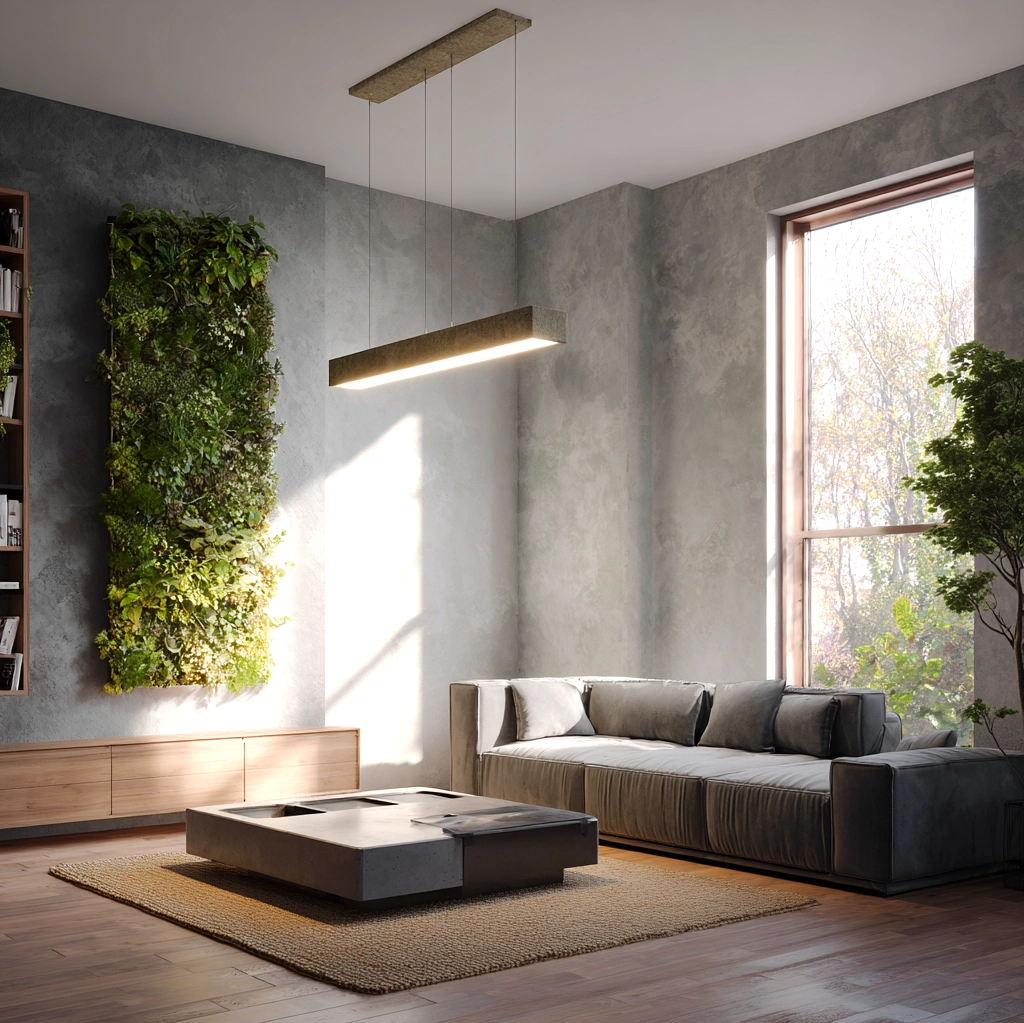
Technology will become seamlessly integrated into 2026 living room decor trends, moving beyond visible gadgets to become an invisible, intuitive part of the environment. Smart surfaces that can change color, texture, or pattern with a simple voice command or touch will transform how we experience our living spaces. Imagine walls that shift from warm wood tones to cool stone textures depending on the time of day or mood you want to create. Furniture will incorporate charging capabilities and connectivity without visible cords or ports, maintaining clean lines while providing modern convenience. Lighting systems will evolve to become more responsive, automatically adjusting based on natural light levels, time of day, and even the content being viewed on screens. Smart windows with adjustable transparency will allow homeowners to control privacy and light filtration without traditional window treatments. Acoustic technology will also advance, with sound-absorbing materials integrated into walls, ceilings, and furniture to create optimal audio environments for both entertainment and conversation. These technological integrations will prioritize user experience, with intuitive interfaces that don't require technical expertise to operate. The goal is to create living rooms that anticipate needs and adapt to activities—whether that's creating ideal movie-watching conditions, enhancing work-from-home productivity, or setting the perfect ambiance for social gatherings. This trend represents a shift toward living spaces that actively enhance our lives rather than simply containing them.
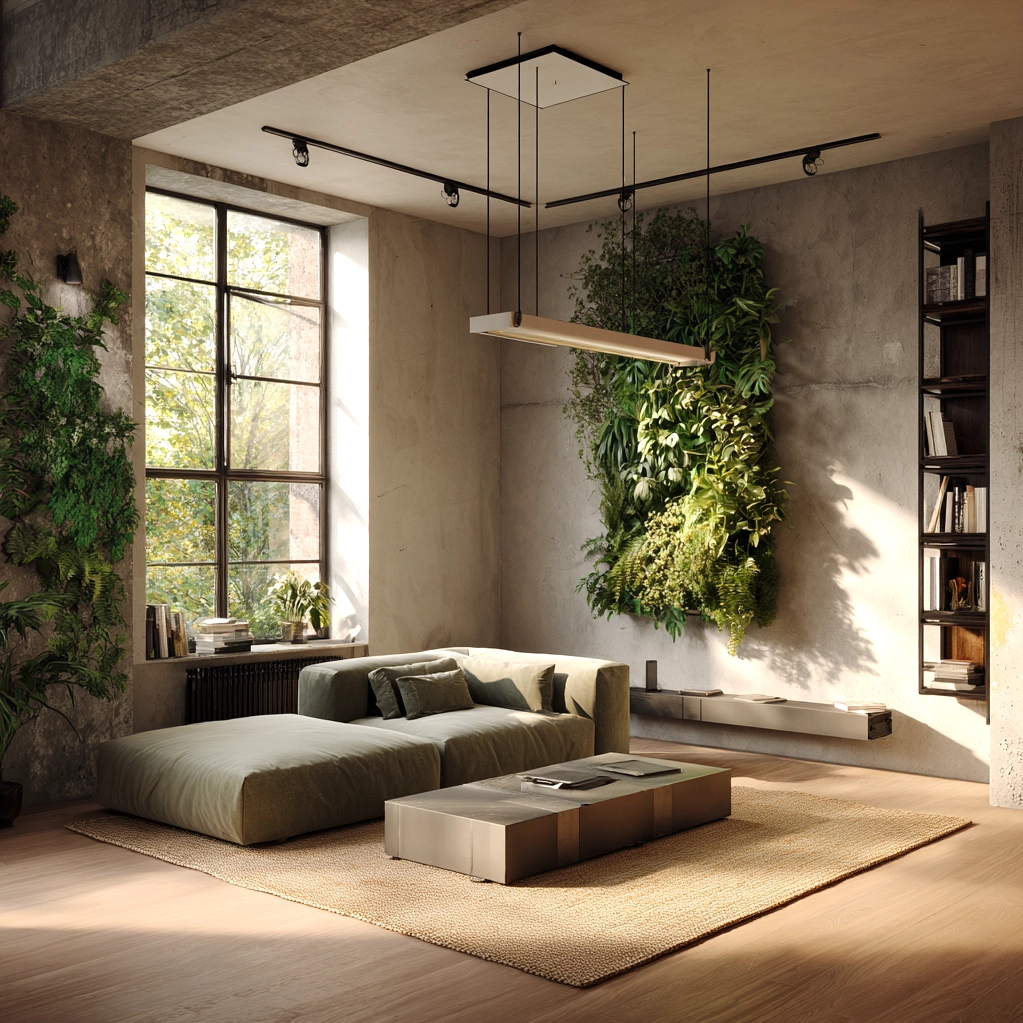
Flexible and Multifunctional Spaces in 2026 Living Room Decor Trends
The concept of the living room as a single-purpose space is fading, replaced by more adaptable environments that can serve multiple functions throughout the day. This evolution in 2026 living room decor trends responds to how modern life has blurred the boundaries between work, leisure, and family time. Furniture will become increasingly transformable, with sofas that convert to guest beds, coffee tables that rise to dining height, and storage units that fold away when not needed. Modular seating systems will allow homeowners to easily reconfigure their living rooms for different activities—creating intimate conversation areas one moment and open entertainment spaces the next. Room dividers will evolve beyond traditional screens to include functional elements like integrated shelving, green walls, or even transparent digital displays that can show artwork or provide privacy as needed. Zoning through lighting, flooring changes, and strategic furniture placement will help define different areas within open-concept living rooms without permanent walls. Storage solutions will become more innovative, with furniture that maximizes vertical space and hidden compartments that keep clutter out of sight. This trend acknowledges that our living spaces need to work harder than ever before, accommodating everything from remote work and virtual meetings to exercise routines and entertainment. The most successful 2026 living room designs will be those that can gracefully transition between different modes of living, providing both structure and flexibility as daily needs evolve.
Conclusion
The 2026 living room decor trends represent an exciting convergence of sustainability, technology, and adaptability that will transform how we experience our most important living spaces. As we've explored, these trends move beyond superficial aesthetics to address deeper needs for environmental responsibility, technological integration, and functional flexibility. By embracing sustainable materials and biophilic design, homeowners can create spaces that promote wellbeing while minimizing ecological impact. Through seamless smart technology integration, living rooms can become more responsive and intuitive, enhancing daily life without overwhelming complexity. And by designing for flexibility and multifunctionality, these spaces can adapt to our evolving lifestyles rather than constraining them. Looking forward, the most successful living room designs will balance these elements to create harmonious environments that feel both current and timeless. While trends will continue to evolve, the underlying principles of sustainability, technological enhancement, and adaptability are likely to remain relevant for years to come. To start incorporating these 2026 living room decor trends into your own space, begin by assessing which elements align with your lifestyle and values. You don't need to implement everything at once—even small changes toward more sustainable materials, smarter technology, or more flexible arrangements can make a significant difference. The future of living room design is about creating spaces that truly support how we want to live, and these trends provide a valuable roadmap for getting there.
Frequently Asked Questions
Q: How can I incorporate 2026 living room decor trends without a complete renovation?
You can gradually incorporate 2026 living room decor trends through strategic updates rather than a full renovation. Start with sustainable materials by replacing one piece of furniture with an eco-friendly option, such as a coffee table made from reclaimed wood or a sofa with organic upholstery. Add biophilic elements with larger statement plants or a living wall segment. For smart technology, begin with smart lighting that can be controlled via app or voice command—this requires minimal installation but offers significant functionality. To create flexibility, invest in modular furniture pieces that can be rearranged or serve multiple purposes. Consider room dividers that don't require permanent installation, like folding screens or mobile bookshelves. These smaller changes allow you to test what works for your lifestyle while building toward a more comprehensive update over time.
Q: Will 2026 living room decor trends work in small spaces?
Absolutely—many 2026 living room decor trends are particularly well-suited to small spaces. The emphasis on multifunctional furniture is ideal for maximizing limited square footage. Look for pieces that serve multiple purposes, like storage ottomans, sofa beds, or nesting tables that can expand when needed. Smart technology can actually help small living rooms feel more spacious through features like voice-controlled lighting that eliminates the need for multiple switches, or smart mirrors that can make spaces appear larger. Sustainable materials often include space-efficient options like bamboo, which is both durable and suitable for compact furniture designs. For biophilic elements, vertical gardens or hanging planters can bring nature indoors without occupying valuable floor space. The key is selecting trend elements that enhance functionality rather than adding clutter, focusing on quality over quantity in your design choices.
Q: How do I balance technology integration with maintaining a cozy atmosphere in my living room?
Balancing technology with coziness involves thoughtful placement and design integration. Start by choosing smart devices with minimalist designs that blend with your decor rather than standing out as obvious tech gadgets. Conceal wiring and components within furniture or behind panels to maintain clean lines. Use smart lighting to create warmth—program scenes with warmer color temperatures for evening relaxation and brighter, cooler light for daytime activities. Incorporate technology that enhances comfort, like smart thermostats that maintain ideal temperatures or motorized window treatments that adjust natural light. Most importantly, designate technology-free zones or times to ensure your living room remains a place for genuine connection. Place charging stations in discreet locations rather than on prominent surfaces, and consider furniture arrangements that encourage face-to-face interaction rather than screen-focused seating. The goal is to make technology serve your comfort rather than dominate the space.