
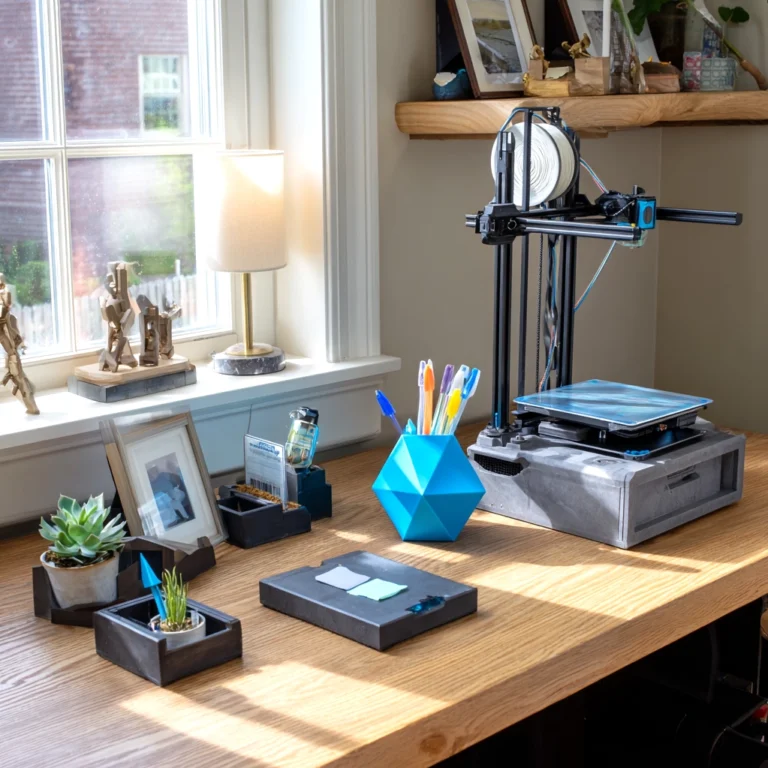
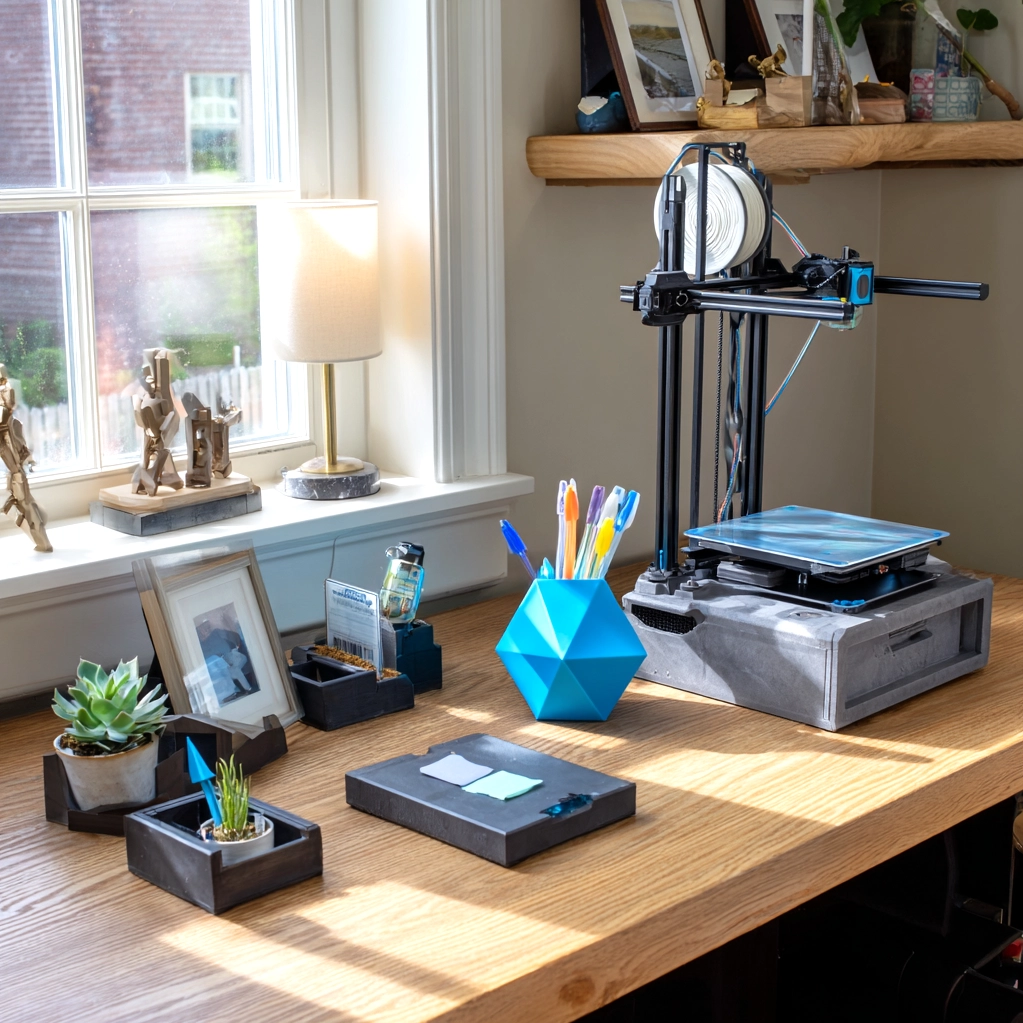
Imagine walking into your living room and seeing a stunning geometric light fixture you designed yourself, or opening a kitchen drawer to find perfectly organized custom compartments. This isn’t science fiction—it’s the reality of 3D printer designs revolutionizing home decor. With a 3D printer and the right designs, you can create personalized, functional items that reflect your unique style. These designs range from simple organizers to elaborate decorative pieces, offering endless possibilities for customization. Gone are the days of settling for mass-produced decor that lacks personality. Now, you can download or create designs that perfectly match your space, color scheme, and aesthetic preferences. The importance of 3D printer designs lies in their ability to democratize creativity. You don’t need to be an artist or engineer to benefit—online platforms host thousands of ready-to-print files shared by a global community. This technology empowers homeowners to solve practical problems, like creating missing hardware or designing space-saving solutions, while adding artistic flair. It’s cost-effective too; printing your own decor often costs a fraction of store-bought alternatives. As 3D printers become more accessible, embracing these designs means transforming your home into a truly personalized sanctuary where every item tells a story.
3D Printer Designs for Functional Home Organization
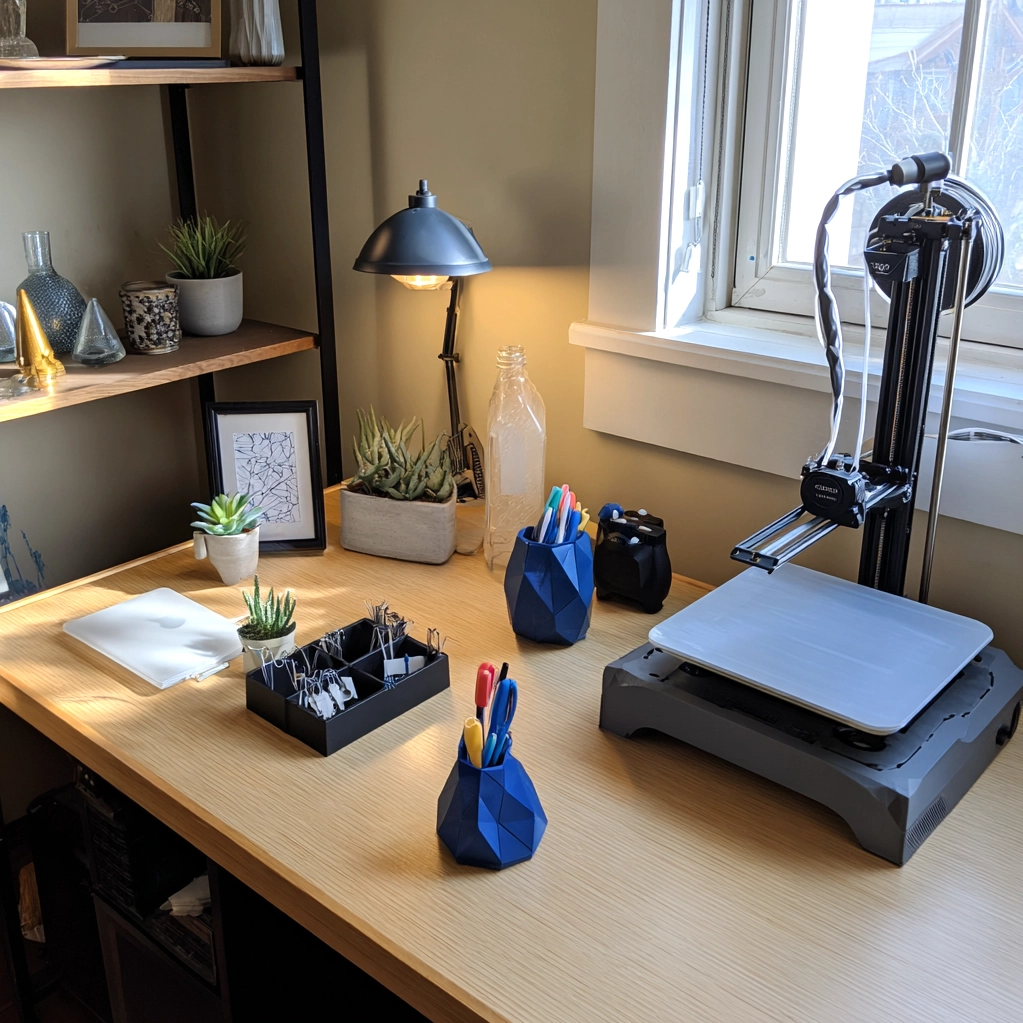
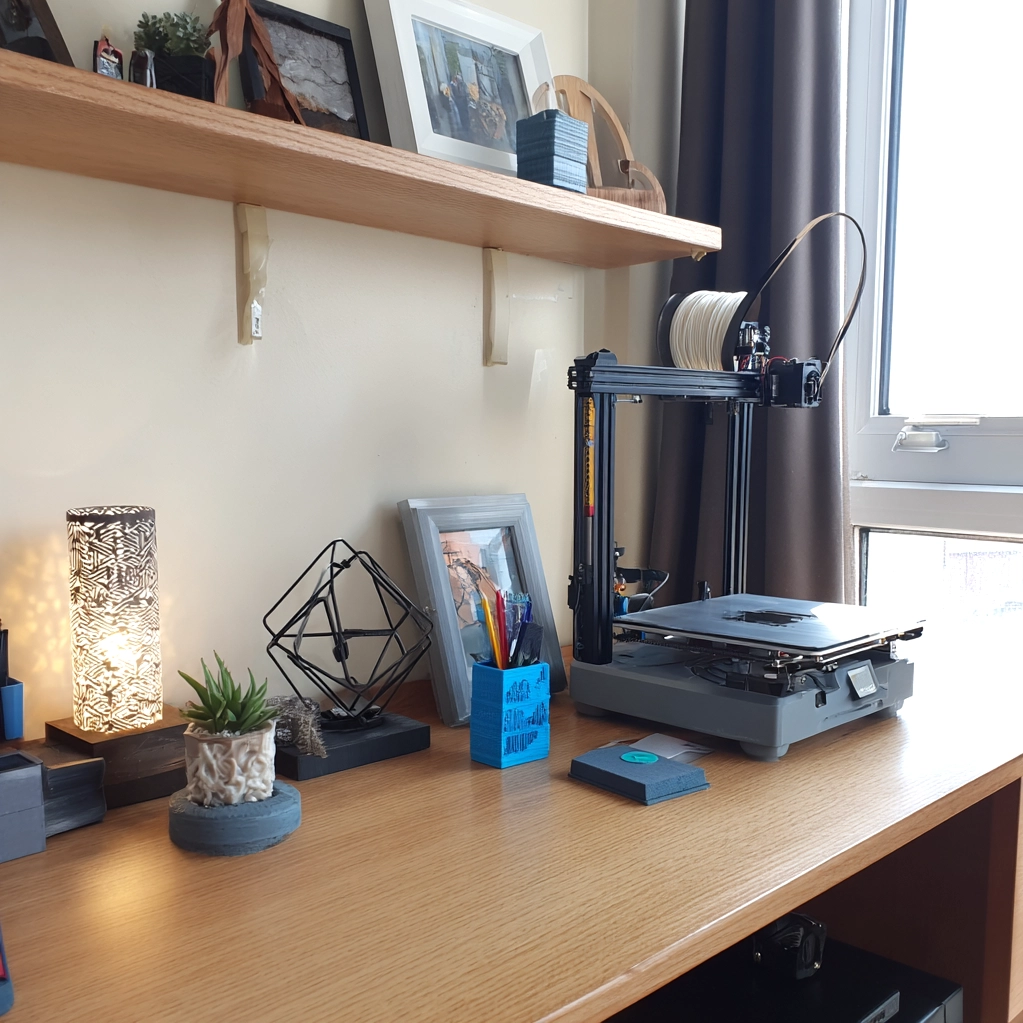
One of the most practical applications of 3D printer designs is in home organization. Clutter can disrupt the harmony of any space, but custom-designed organizers offer tailored solutions that standard products can't match. Start with the kitchen, where 3D printer designs can create spice racks, utensil holders, or drawer dividers that fit your cabinets perfectly. These items aren't just functional; they can be styled with textures or colors that complement your decor. In the bathroom, design toothbrush holders, soap dishes, or storage trays that resist moisture and add a modern touch. For home offices, 3D printed pen organizers, cable management clips, and desk accessories keep workspaces tidy while showcasing your creativity. The beauty of these designs lies in their adaptability. If a store-bought organizer doesn't fit an awkward corner, you can modify or create a design that does. Online repositories like Thingiverse or Printables host countless free designs, from simple hooks to complex shelving systems. By using 3D printer designs for organization, you not only declutter but also infuse personality into everyday items. This approach turns mundane tasks into opportunities for innovation, making your home more efficient and visually cohesive.
3D Printer Designs for Unique Decorative Accents
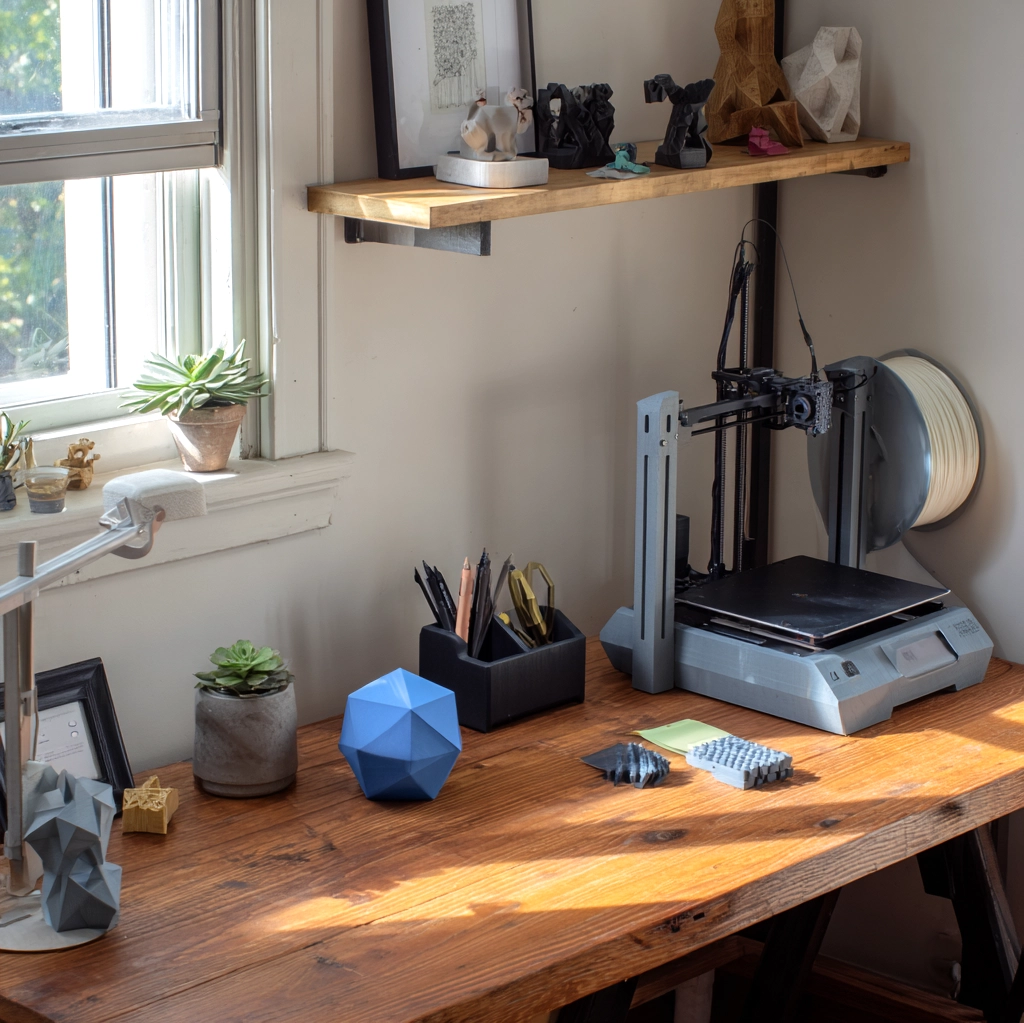
Beyond functionality, 3D printer designs excel at creating decorative accents that elevate your home's aesthetic. Imagine wall art with intricate patterns, vases with geometric shapes, or lamp bases that cast captivating shadows. These designs allow you to experiment with styles—from minimalist to ornate—without the high cost of artisan pieces. For example, you can print a series of abstract sculptures to display on a mantel or design planters that match your indoor garden's theme. Lighting is another area where 3D printer designs shine. Create custom lampshades, pendant lights, or sconces that diffuse light in unique ways, adding ambiance to any room. The materials matter too; using PLA or resin can produce finishes that mimic wood, metal, or ceramic, blending seamlessly with existing decor. Seasonal decor becomes more personal with 3D printed holiday ornaments, table centerpieces, or wreath elements. The key is to choose designs that resonate with your taste and scale them to fit your space. Many designers share parametric files that let you adjust dimensions before printing. This flexibility ensures every piece feels intentional and harmonious. By incorporating 3D printer designs into your decor, you move away from generic store-bought items toward a curated collection that reflects your identity. It's a creative outlet that results in conversation-starting pieces throughout your home.
3D Printer Designs for DIY Furniture and Customizations
For the ambitious homeowner, 3D printer designs extend to furniture and customizations that redefine interior spaces. While printing an entire sofa might be impractical, you can create components like table legs, drawer pulls, or shelving brackets that add a custom touch to IKEA or thrifted finds. This approach, often called 'IKEA hacking,' uses 3D printer designs to personalize flat-pack furniture, making it unique and more durable. Consider designing replacement parts for broken items, such as chair caps or cabinet hinges, saving money and reducing waste. For larger projects, 3D printed joints or connectors can assemble modular furniture tailored to your room's dimensions. Bookshelves, side tables, or plant stands can be printed in sections and assembled, offering lightweight yet sturdy options. The designs often include slots for tools or hardware, ensuring a professional finish. Beyond furniture, 3D printer designs enable customizations like switch plate covers, curtain rod finials, or picture frame accents that tie a room together. The community-driven nature of this field means you can find designs for nearly any need, or learn to model your own using free software like Tinkercad. By embracing 3D printer designs for furniture, you gain control over style and functionality, transforming generic pieces into bespoke elements that enhance your home's character.
Conclusion
3D printer designs are more than just digital files—they're gateways to a personalized, innovative home. From organizational tools to decorative masterpieces, these designs empower you to create items that align perfectly with your space and style. The technology bridges the gap between imagination and reality, allowing for cost-effective, sustainable solutions that reduce reliance on mass-produced goods. As we've explored, functional organizers keep your home tidy, decorative accents add artistic flair, and furniture customizations offer unique touches. The future of 3D printer designs looks bright, with advancements in materials like biodegradable filaments and multi-color printing expanding possibilities. To get started, browse online platforms for inspiration, invest in a beginner-friendly printer, and experiment with simple projects. Remember, the goal isn't perfection but creativity and problem-solving. By integrating 3D printer designs into your home, you cultivate an environment that's truly yours, filled with items that tell your story. Embrace this revolution in home decor, and watch as your living spaces transform into reflections of your ingenuity and taste.
Frequently Asked Questions
Q: What software do I need to use 3D printer designs?
To use 3D printer designs, you'll need slicing software, which converts design files into instructions for your printer. Popular free options include Cura, PrusaSlicer, and Simplify3D. These programs allow you to adjust settings like layer height and infill. For creating or modifying designs, CAD software like Tinkercad (beginner-friendly), Fusion 360, or Blender is useful. Most designs are shared in STL or OBJ formats, which slicing software can process. No advanced skills are required to start; many online tutorials guide you through the basics.
Q: Are 3D printed items safe for home use, especially in kitchens?
Yes, 3D printed items can be safe for home use if you choose appropriate materials and designs. For kitchens, use food-safe filaments like PETG or PLA that are certified non-toxic. However, note that 3D prints have microscopic layers where bacteria can grow, so avoid direct contact with wet food unless sealed with a food-safe coating. For decorative or dry storage items, safety isn't a concern. Always follow printer guidelines to ensure proper extrusion and avoid fumes by printing in well-ventilated areas. Designs should be sturdy and free of sharp edges for household safety.
Q: How much does it cost to start with 3D printer designs for home decor?
Starting with 3D printer designs is relatively affordable. A basic FDM 3D printer costs between $200 and $500, with filaments like PLA priced around $20 per kilogram. Many designs are free on sites like Thingiverse, so initial software and file costs can be zero. Overall, you might spend $300-$600 to begin, which often pays off quickly compared to buying decor items. For example, printing a set of organizers could save $50 versus store-bought versions. As you gain experience, costs decrease with bulk filament purchases and reusable designs.