
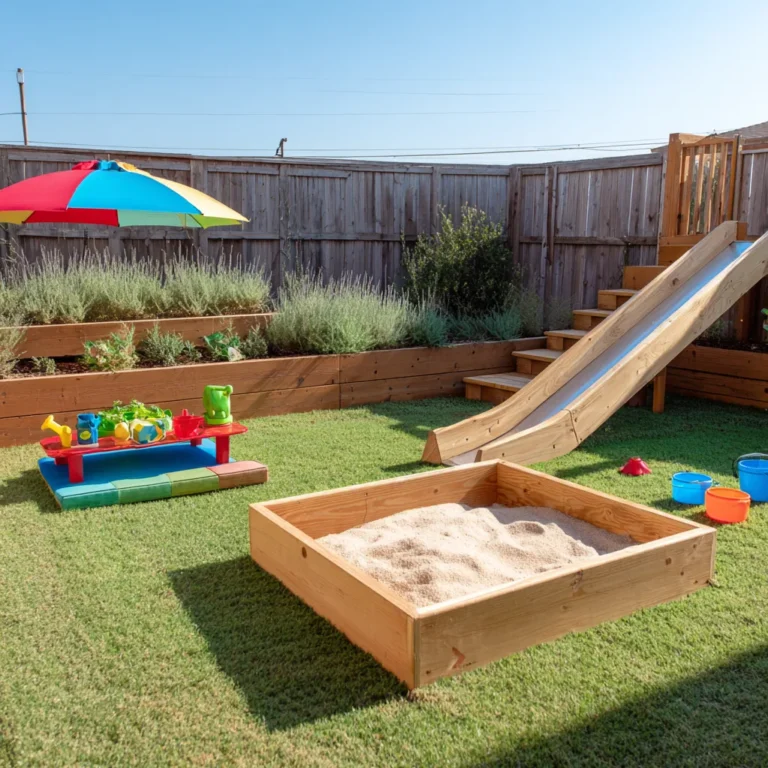
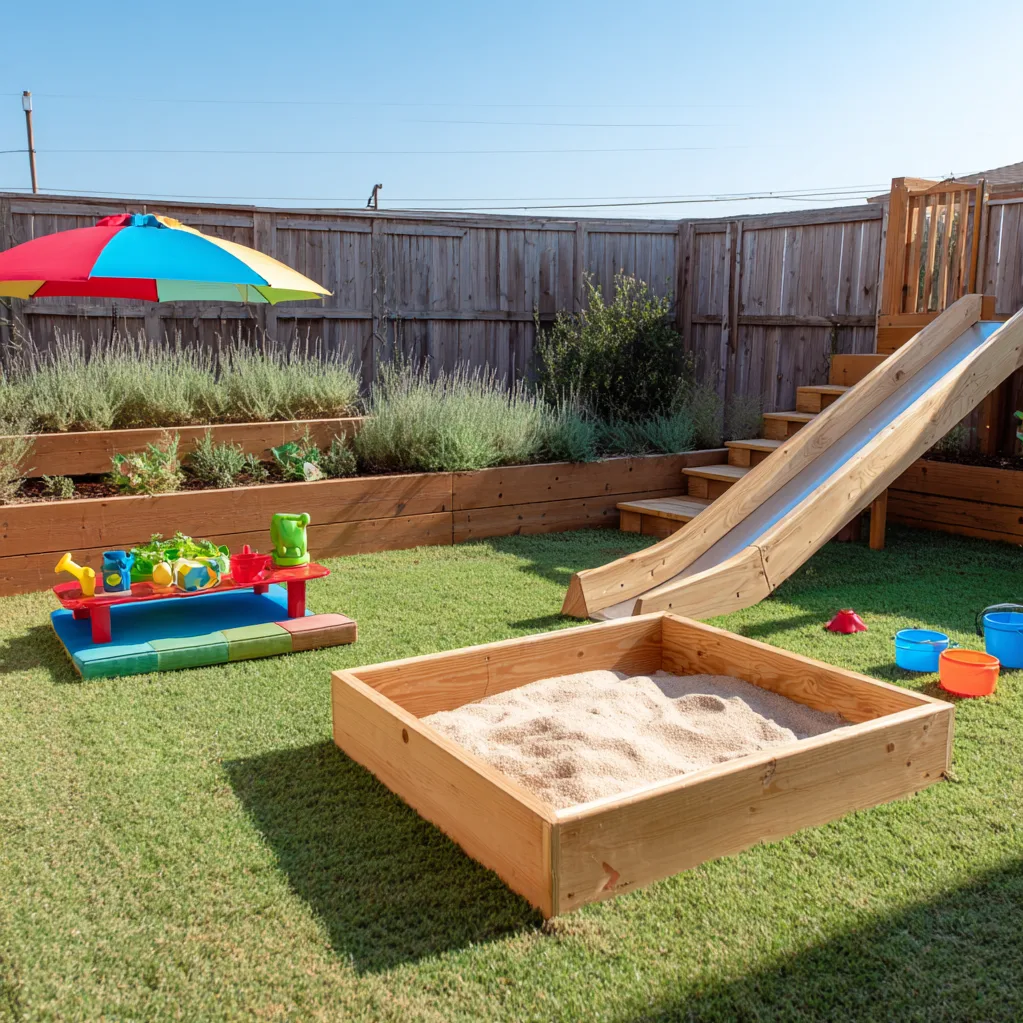
As a parent, watching your toddler explore and grow is one of life’s greatest joys. Imagine a sunny afternoon where your little one giggles while climbing a mini slide or splashing in a shallow pool—these moments aren’t just fun; they’re essential for development. Outdoor play fosters physical coordination, sparks creativity, and builds confidence in young children. Unfortunately, many families overlook the backyard as a prime spot for these activities, settling for bland or unsafe setups. That’s why focusing on creative outdoor play area ideas for toddlers can transform your space into a hub of adventure and learning. In this article, we’ll dive into practical, budget-friendly ways to design a play zone that encourages active play while keeping safety in mind. From sensory gardens to DIY sandboxes, you’ll discover how simple tweaks can make a big impact. According to experts at Parents.com, regular outdoor play can improve a child’s mood and sleep patterns, making it a win-win for everyone. Let’s explore how to turn your yard into a toddler-friendly paradise that nurtures growth and endless fun.
Creative Outdoor Play Area Ideas for Toddlers with Sensory Elements
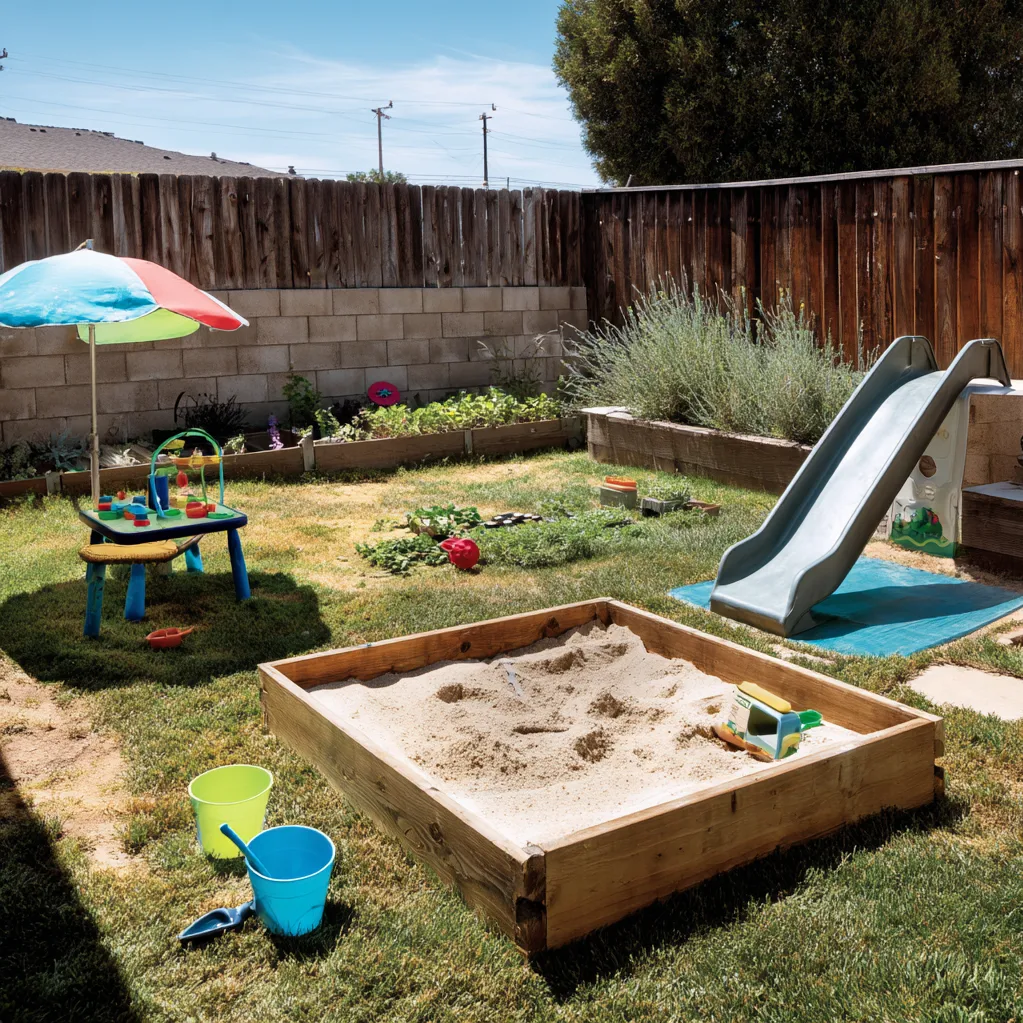
Sensory play is a cornerstone of toddler development, engaging their senses of touch, sight, and sound to boost cognitive skills. When designing outdoor play area ideas for toddlers, incorporating sensory elements can turn a basic yard into an enriching environment. Start with a simple sensory garden: plant herbs like mint or lavender in raised beds at toddler height, allowing little hands to smell and touch the leaves. Add a water table nearby, filled with cups and toys for pouring and splashing—this not only delights kids but also enhances fine motor skills. For auditory stimulation, hang wind chimes or set up a DIY drum station using overturned buckets. These features encourage exploration and can be easily integrated into small spaces. Safety is key, so ensure all materials are non-toxic and edges are rounded. According to a study by Zero to Three, sensory-rich play helps toddlers process information better, laying a foundation for learning. To keep it engaging, rotate items seasonally, like swapping sand for leaves in autumn. For more inspiration on child-friendly gardens, check out this guide from Better Homes & Gardens. Remember, the goal is to create a space that feels like a mini-adventure, where every corner offers something new to discover. With these ideas, your outdoor play area will not only entertain but also support your toddler’s growth in a holistic way.
Budget-Friendly Outdoor Play Area Ideas for Toddlers Using DIY Projects
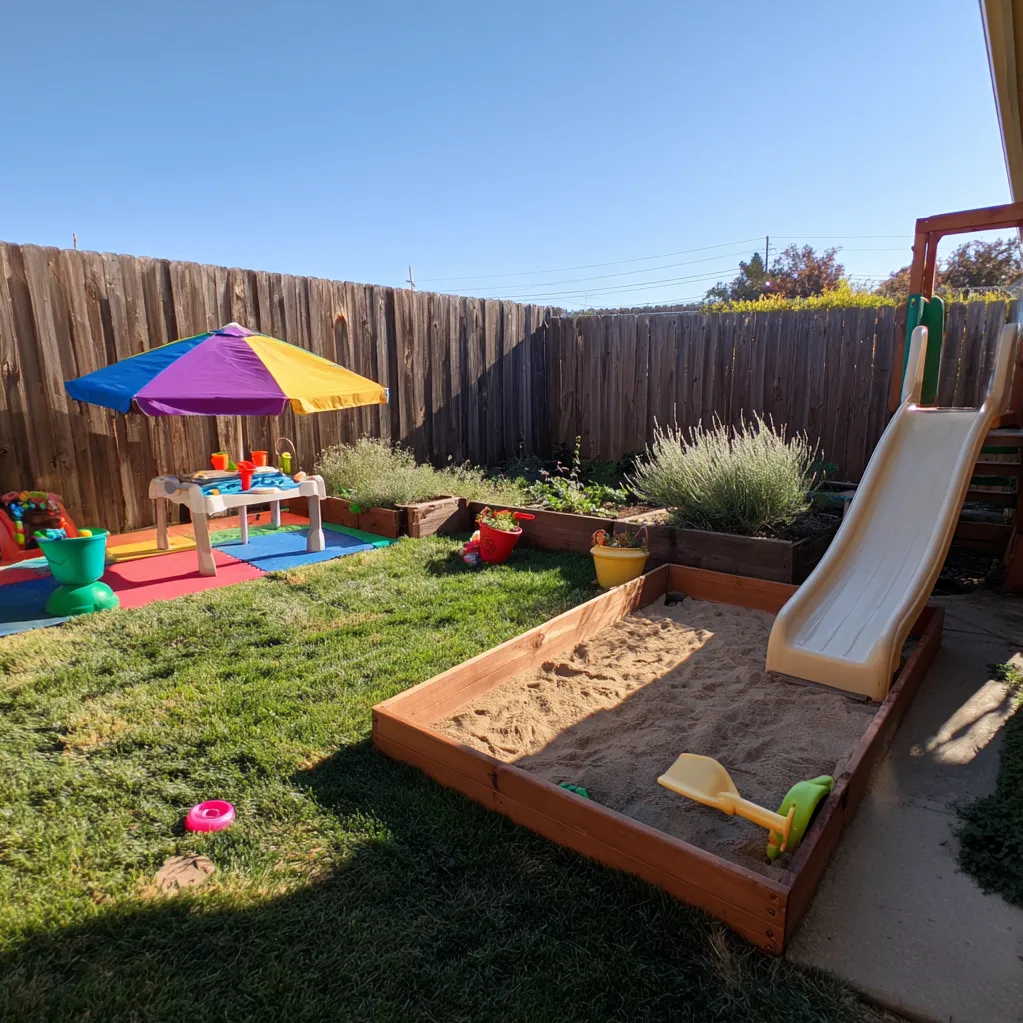
Creating a stimulating outdoor play area for toddlers doesn’t have to break the bank. With a bit of creativity and some DIY spirit, you can build a fun, safe space on a budget. Start with a simple sandbox: use an old tire or a wooden frame filled with clean play sand, and add shovels and molds for hours of imaginative play. Another easy project is a mud kitchen—repurpose an old table or crate with pots and pans, letting toddlers mix water and dirt to “cook” their creations. This type of play encourages problem-solving and social skills. For added fun, set up a mini-obstacle course with cushions, hula hoops, and low balance beams made from scrap wood. These elements promote physical activity and coordination without expensive equipment. When planning your outdoor play area ideas for toddlers, prioritize durability and weather resistance; for example, seal wooden items to prevent splinters. If you’re short on space, a vertical garden with hanging planters can double as a sensory wall. For step-by-step tutorials, visit our DIY and Makeovers section at https://chicaurahome.com/diy-toddler-play-zones. By embracing DIY, you not only save money but also customize the space to fit your child’s interests, making it a unique and cherished part of their childhood.
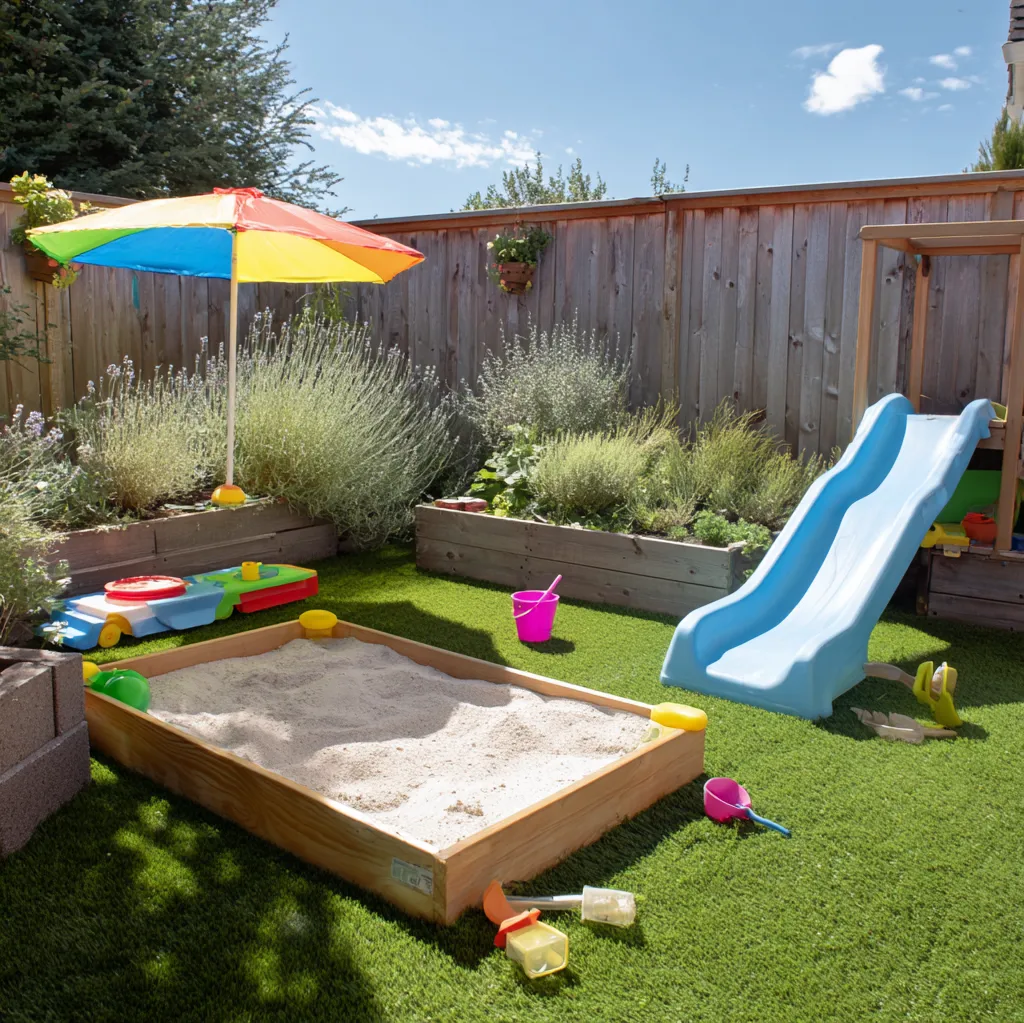
Safe and Engaging Outdoor Play Area Ideas for Toddlers in Small Yards
Limited space doesn’t mean sacrificing fun when it comes to outdoor play area ideas for toddlers. In fact, small yards can be transformed into cozy, engaging zones with smart design choices. Focus on multi-functional elements, like a foldable play tent that serves as a reading nook or a hideout, easily stored when not in use. Incorporate vertical play by installing a low climbing wall on a fence or wall, ensuring it has soft matting underneath for safety. For water play, a compact splash pad or a shallow inflatable pool can provide hours of entertainment without taking up much room. Always supervise water activities to prevent accidents. To maximize space, use movable items like bean bags or foam blocks that can be rearranged for different activities. When selecting materials, opt for lightweight, non-toxic options that are easy to clean. According to safety guidelines from the American Academy of Pediatrics, keeping play areas clutter-free reduces tripping hazards. Additionally, include shaded areas with umbrellas or awnings to protect toddlers from sun exposure. By thinking vertically and prioritizing flexibility, you can create a dynamic outdoor play area that adapts to your toddler’s evolving needs, proving that even the smallest spaces can foster big adventures.
Conclusion
Designing an outdoor play area for toddlers is more than just arranging toys—it’s about creating a space that supports their development, safety, and joy. Throughout this article, we’ve explored sensory-rich gardens, budget-friendly DIY projects, and smart solutions for small yards, all aimed at making your backyard a haven for exploration. These outdoor play area ideas for toddlers emphasize practicality and fun, ensuring that every element, from sandboxes to climbing walls, contributes to physical and cognitive growth. As you implement these tips, remember that the best play areas evolve with your child; start simple and add features as they grow. Looking ahead, consider involving your toddler in the planning process—their input can lead to even more personalized and engaging spaces. For ongoing inspiration, explore our Interiors And Styling category at https://chicaurahome.com/toddler-friendly-designs. By investing time in these ideas, you’re not just building a play zone; you’re fostering a lifetime of happy memories and healthy habits. So, grab those tools, head outside, and watch as your toddler’s imagination takes flight in their very own outdoor paradise.
Frequently Asked Questions
Q: What are the essential safety features for an outdoor play area for toddlers?
Safety is paramount in any outdoor play area for toddlers. Key features include soft surfacing like rubber mats or grass to cushion falls, rounded edges on all structures to prevent injuries, and secure fencing to keep toddlers within bounds. Always ensure that play equipment is age-appropriate and stable, with no loose parts. Supervision is crucial, especially near water elements. Additionally, provide shaded areas to protect from sun exposure and regularly inspect the space for hazards like sharp objects or toxic plants. For detailed safety tips, refer to guidelines from organizations like the Consumer Product Safety Commission.
Q: How can I make an outdoor play area educational for my toddler?
To make an outdoor play area educational, incorporate elements that stimulate learning through play. For example, add a sensory garden with different textures and smells to teach about nature, or use labeled bins for sorting toys to develop organizational skills. Include items like chalkboards for drawing and counting, or set up a weather station with a simple rain gauge. Activities that encourage problem-solving, such as puzzle-based games or obstacle courses, can also boost cognitive development. By blending fun with educational opportunities, you create a space that supports overall growth. For more ideas, check out resources from educational blogs or our site at https://chicaurahome.com/learning-through-play.
Q: What low-cost materials are best for DIY toddler play areas?
Low-cost materials are ideal for DIY toddler play areas and include items like recycled wood for building sandboxes or climbing structures, old tires for swings or sand pits, and PVC pipes for creating tunnels or frames. Use non-toxic paint to add color and ensure all materials are sanded smooth to prevent splinters. For soft surfaces, consider affordable options like mulch or foam mats. Repurposed household items, such as plastic containers for water play or blankets for forts, can also save money. Always prioritize safety by checking for stability and avoiding small parts that could be choking hazards. For budget-friendly project ideas, visit DIY forums or our https://chicaurahome.com/diy-guides section.