
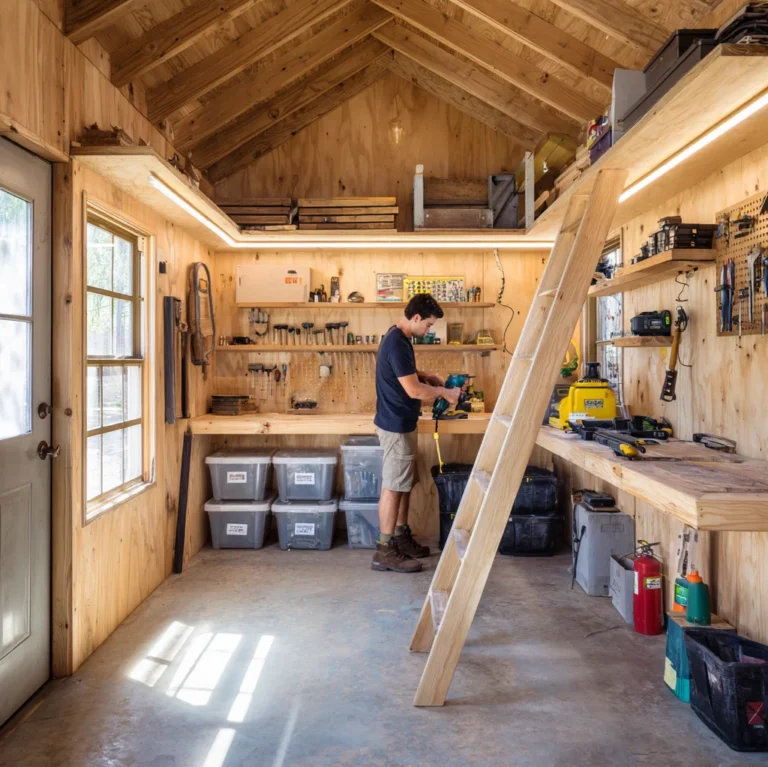
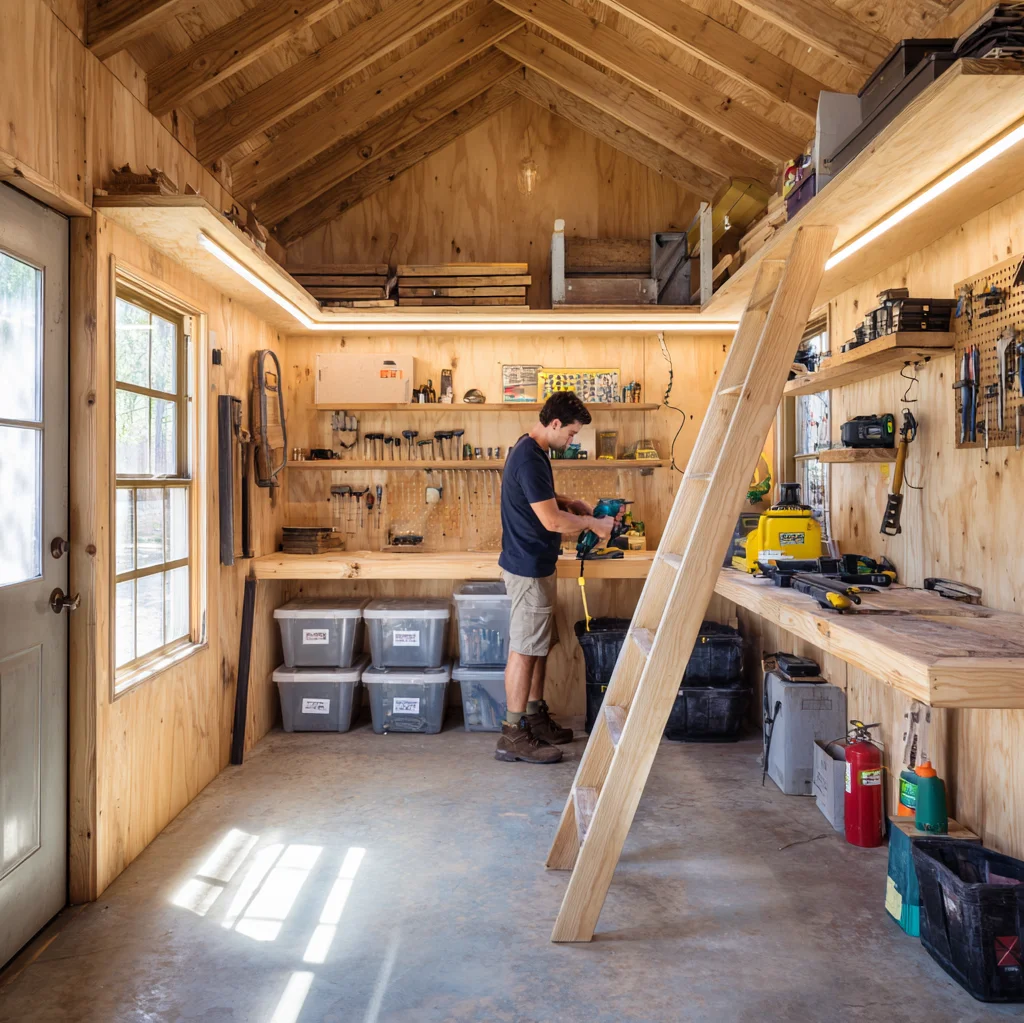
Transforming a humble shed into a functional workshop is a game-changer for any DIY enthusiast or hobbyist. With the right shed workshop ideas, you can create a dedicated space that fuels creativity, boosts productivity, and keeps your main home clutter-free. Whether you’re into woodworking, crafting, or small repairs, a well-designed shed workshop offers privacy and focus, allowing you to immerse yourself in projects without distractions. In today’s world, where remote work and personal hobbies are on the rise, optimizing such spaces has never been more relevant. By implementing smart shed workshop ideas, you not only enhance your skills but also add value to your property. Think about it: a shed can evolve from a storage dump into a sanctuary for innovation. This article dives into practical and inspiring approaches, helping you unlock the full potential of your backyard structure. From layout planning to essential tools, we’ll guide you through steps that make your workshop both efficient and enjoyable. Remember, a great workshop starts with a vision—let’s turn yours into reality with these actionable tips. Get ready to be inspired and take the first step toward building the ultimate creative haven right in your own yard.
Essential Shed Workshop Ideas for Maximizing Space
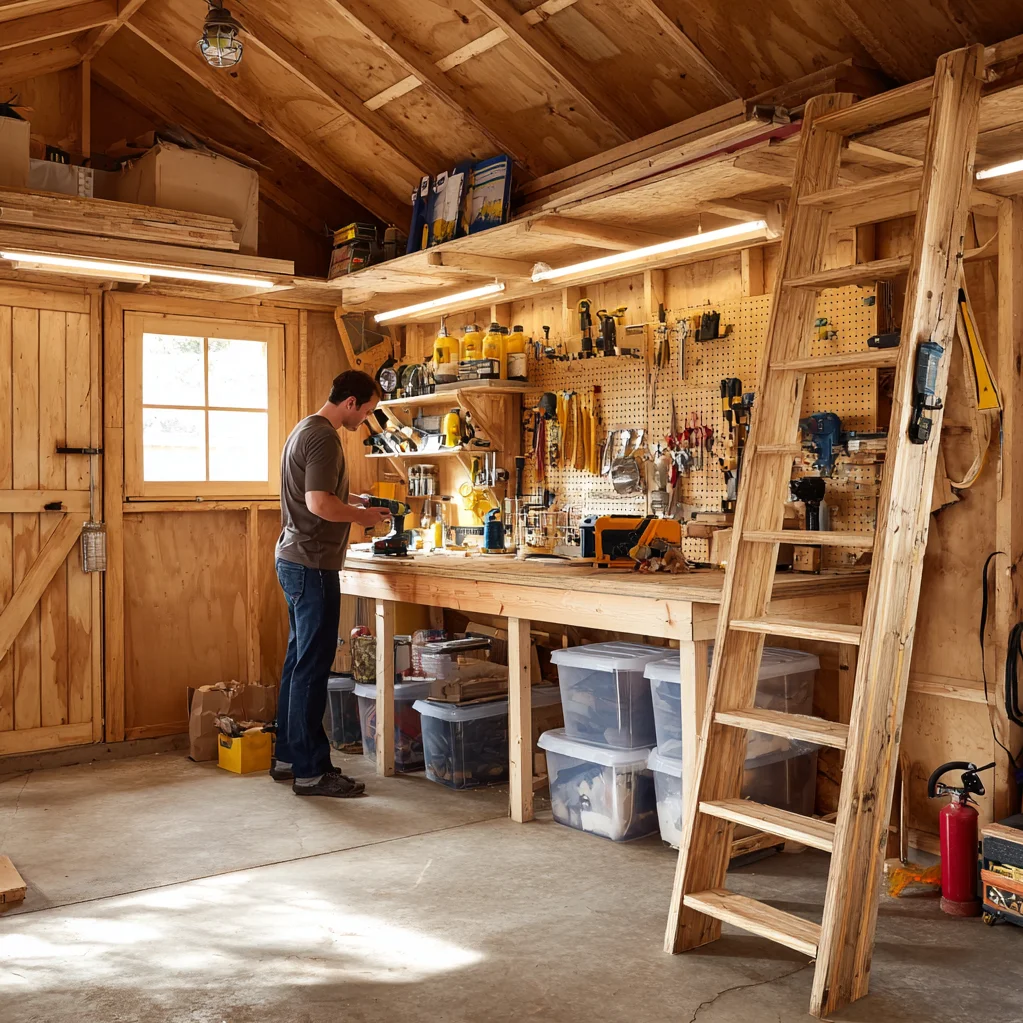
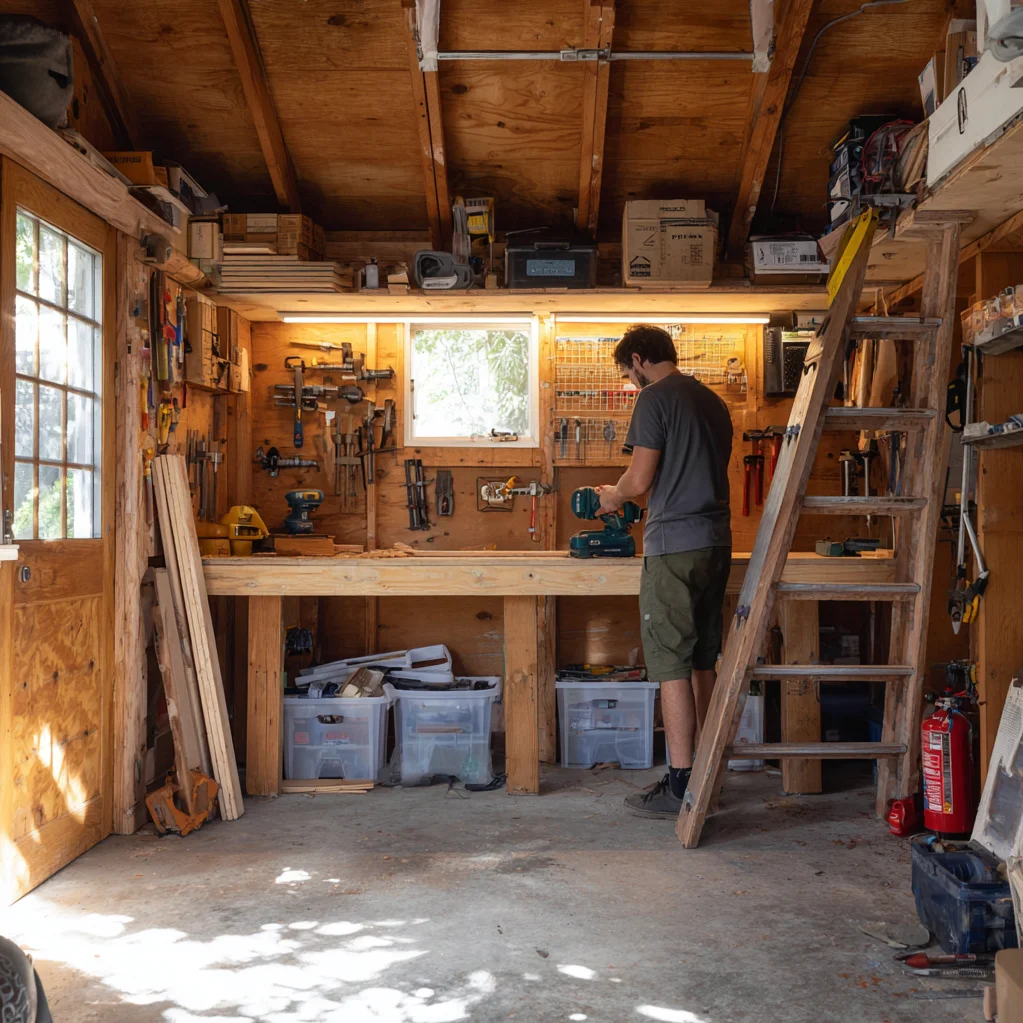
When planning shed workshop ideas, maximizing space is crucial to ensure efficiency and comfort. Start by assessing the dimensions of your shed—even a small one can be optimized with clever layouts. Consider installing wall-mounted shelves and pegboards to keep tools off the floor, freeing up room for workbenches and movement. For example, a pegboard above a sturdy workbench allows easy access to frequently used items, while overhead racks can store lumber or supplies. Another key idea is to use foldable or multi-functional furniture, such as a workbench that doubles as a storage unit. This approach not only saves space but also keeps the area tidy. Incorporate vertical storage solutions like tall cabinets or hanging bins to make the most of every inch. If your shed has a sloped roof, use the higher sections for loft storage, accessible via a secure ladder. Lighting is also vital; install LED strip lights under shelves or overhead to brighten dark corners, making the space safer and more inviting. Additionally, think about ventilation and insulation to maintain a comfortable environment year-round. By focusing on these space-maximizing shed workshop ideas, you'll create a functional area that supports your projects without feeling cramped. For more tips on efficient storage, check out this guide from Family Handyman, a trusted resource for DIY projects. Remember, a well-organized workshop boosts productivity and makes every task more enjoyable.
Creative Shed Workshop Ideas for Woodworking Enthusiasts
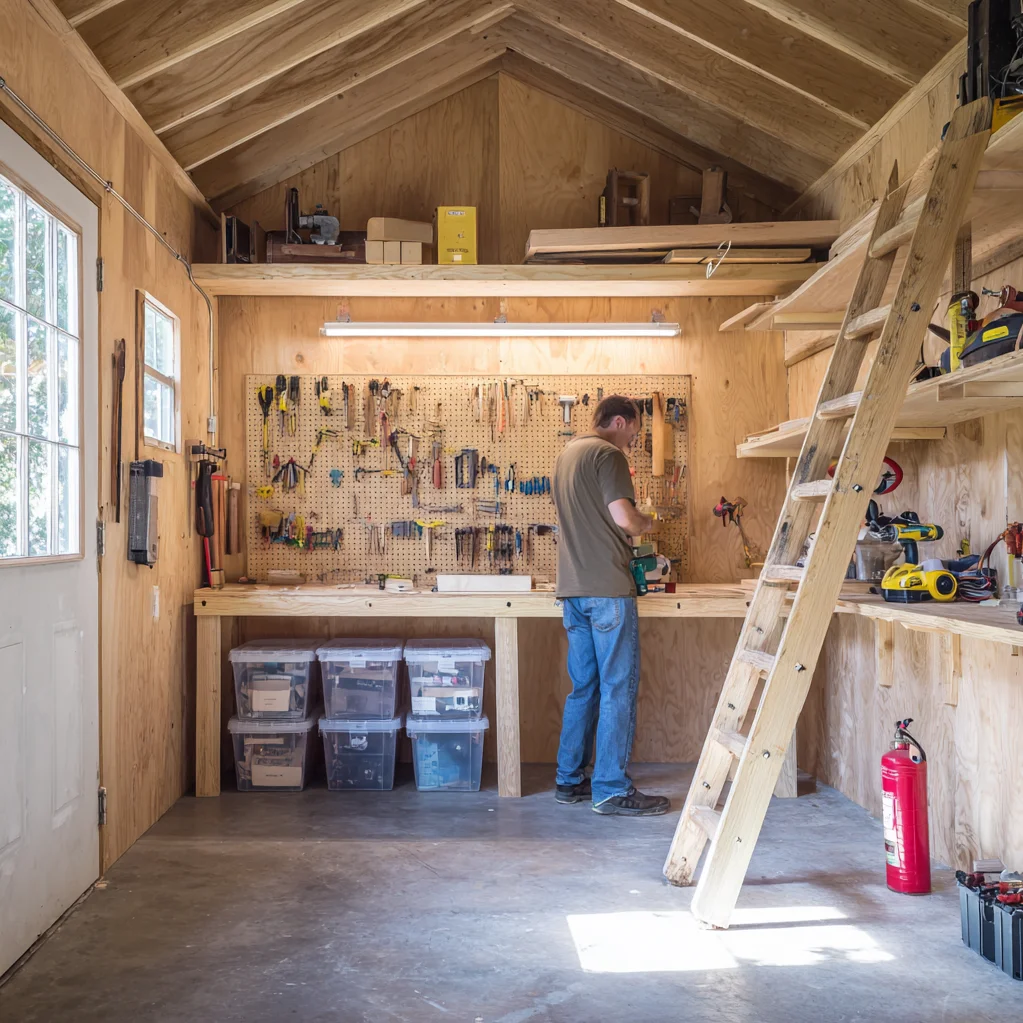
For woodworking fans, shed workshop ideas can transform a basic shed into a specialized haven for crafting fine pieces. Begin by designing a layout that accommodates essential tools like table saws, planers, and sanders, ensuring they're positioned for easy workflow. Dedicate one wall to a robust workbench with built-in vices and tool holders, made from durable materials like hardwood or laminated plywood. Incorporate dust collection systems to maintain air quality—a small shop vacuum or DIY ducting can make a big difference. To enhance functionality, add a clamping station and a lumber rack along the ceiling, using sturdy hooks or brackets. Consider soundproofing if noise is a concern; simple foam panels can reduce echo and disturbance. For inspiration, look at how professional workshops use zoning: separate areas for cutting, assembling, and finishing to minimize clutter. Don't forget safety; install fire extinguishers and first-aid kits in accessible spots. Lighting is key for detail work; combine natural light from windows with task lighting over benches. If space allows, include a small finishing area with ventilation for stains and paints. These shed workshop ideas not only improve efficiency but also make woodworking a pleasure. Explore our related post on tool organization at https://chicaurahome.com/diy-tool-storage for more insights. With careful planning, your shed can rival any commercial workshop, fueling your passion for creation.
Budget-Friendly Shed Workshop Ideas for DIY Projects
Creating a functional workshop doesn't have to break the bank—affordable shed workshop ideas can yield impressive results with a bit of creativity. Start by repurposing items you already own; old kitchen cabinets can become tool storage, and pallets can be transformed into shelves or workbenches. Shop at thrift stores or online marketplaces for second-hand tools and materials, which often come at a fraction of the cost. For insulation, use leftover foam boards or reflective barriers to regulate temperature without expensive upgrades. Lighting can be economical too; string LED lights or solar-powered options provide bright illumination without high electricity bills. When it comes to flooring, consider painting the concrete with epoxy for a durable, easy-to-clean surface that resists stains and wear. To organize small parts, use recycled jars or plastic containers labeled clearly. If you're building from scratch, opt for simple shed designs with basic materials like plywood and 2x4s, focusing on functionality over aesthetics initially. Another idea is to barter skills with friends—trade your carpentry work for electrical help, for instance. These budget-conscious shed workshop ideas prove that with resourcefulness, you can build a space that supports your hobbies without overspending. Remember, the goal is to create a practical area that grows with your needs, so start small and expand as your budget allows. For more money-saving tips, visit https://chicaurahome.com/diy-budget-tips to keep your projects on track.
Conclusion
In summary, implementing effective shed workshop ideas can turn an underutilized space into a vibrant hub for creativity and productivity. From maximizing storage to tailoring the layout for specific hobbies like woodworking, these strategies ensure your workshop is both functional and inspiring. By focusing on organization, safety, and budget-friendly solutions, you'll create an environment that supports your projects and enhances your skills. As you move forward, remember that a great workshop evolves over time—start with the basics and gradually incorporate advanced features as your needs change. The future of home workshops looks bright, with trends leaning toward sustainable materials and smart technology integration. Consider adding solar panels for energy efficiency or digital tool trackers for better inventory management. Ultimately, the key is to keep experimenting and adapting your space. We hope these shed workshop ideas ignite your passion and provide a solid foundation for your DIY journey. For ongoing inspiration, explore our blog and share your own transformations. Embrace the process, and soon, your shed will become the ultimate retreat for innovation and accomplishment.
Frequently Asked Questions
Q: What are the basic tools I need for a shed workshop?
For a basic shed workshop, start with essential tools like a hammer, screwdrivers, a measuring tape, a utility knife, and a set of pliers. If you're into woodworking, add a circular saw, a drill, and a sander. Safety gear such as goggles and gloves is a must. As you expand, consider a workbench, clamps, and storage solutions like pegboards. These tools form a solid foundation for most DIY projects and can be acquired gradually to fit your budget and needs.
Q: How can I insulate my shed workshop for year-round use?
To insulate your shed workshop for all seasons, begin by sealing gaps around doors and windows with weatherstripping. Use insulation materials like fiberglass batts or foam boards in the walls and ceiling, ensuring proper ventilation to prevent moisture buildup. For flooring, add a layer of rigid foam insulation under the finish, such as plywood or epoxy-coated concrete. In colder climates, a small space heater can provide warmth, while a fan or vent helps in summer. This approach maintains a comfortable temperature, making your workshop usable no matter the weather.
Q: What lighting options work best in a small shed workshop?
In a small shed workshop, LED lights are ideal due to their brightness, energy efficiency, and long lifespan. Install overhead LED fixtures for general illumination and add task lighting, such as under-shelf LEDs or adjustable lamps, for detailed work. If natural light is limited, consider adding a window or skylight. Solar-powered options are great for off-grid setups. Ensure lights are positioned to avoid shadows on work surfaces, and use dimmable models for flexibility. Proper lighting enhances safety and precision in your projects.