
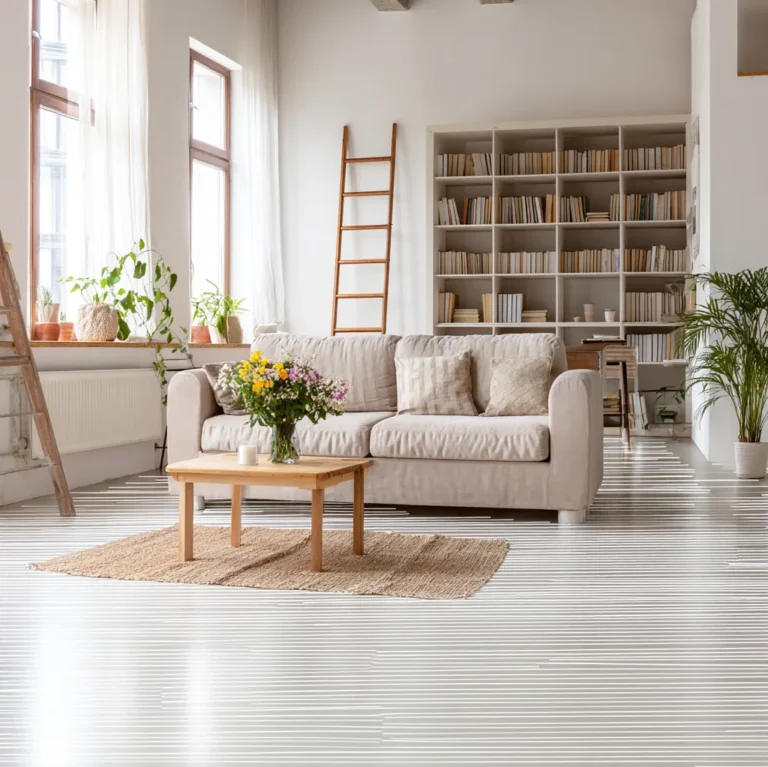
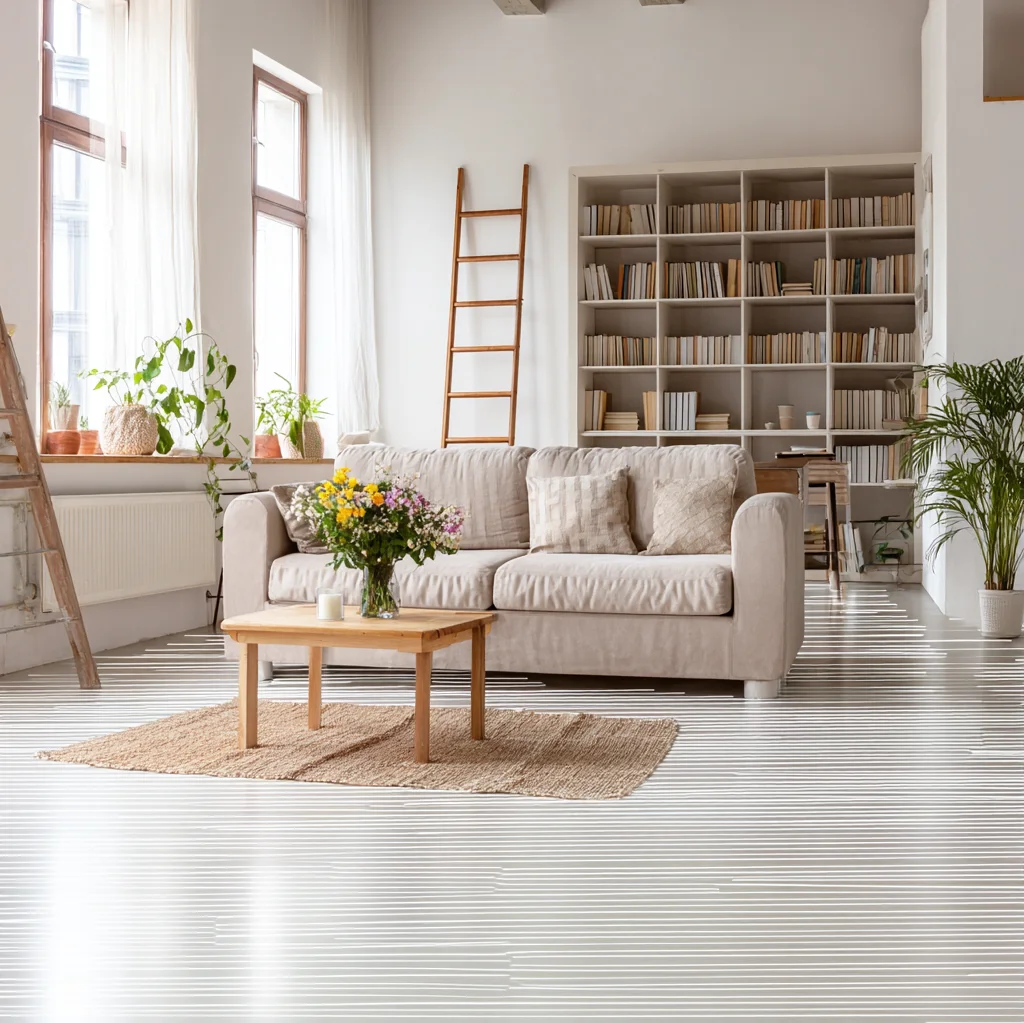
When it comes to home decor, floors are often overlooked, yet they form the foundation of your interior’s aesthetic. Simple floor paint design ideas offer a budget-friendly and creative way to revitalize any room, providing a fresh look without the high costs of replacement. Imagine walking into a space where the floor itself tells a story, with subtle patterns or bold colors that tie everything together. This approach not only enhances visual appeal but also protects surfaces from wear and tear, making it ideal for DIY enthusiasts and design lovers alike. In today’s fast-paced world, simplicity is key, and these ideas allow you to achieve stunning results without overwhelming complexity. Whether you’re sprucing up a dated kitchen or adding personality to a bland hallway, floor painting can transform your home into a cozy, inviting haven. By focusing on easy-to-implement designs, you can boost your home’s value and express your unique style. Plus, with a variety of paints and techniques available, you can customize floors to match any decor theme, from rustic charm to modern minimalism. Embrace the power of simple floor paint design ideas to create a space that feels both refreshed and uniquely yours, proving that small changes can make a big impact. For more inspiration on home makeovers, check out this guide from The Spruce, a trusted resource for DIY projects.
Simple Floor Paint Design Ideas for Beginners
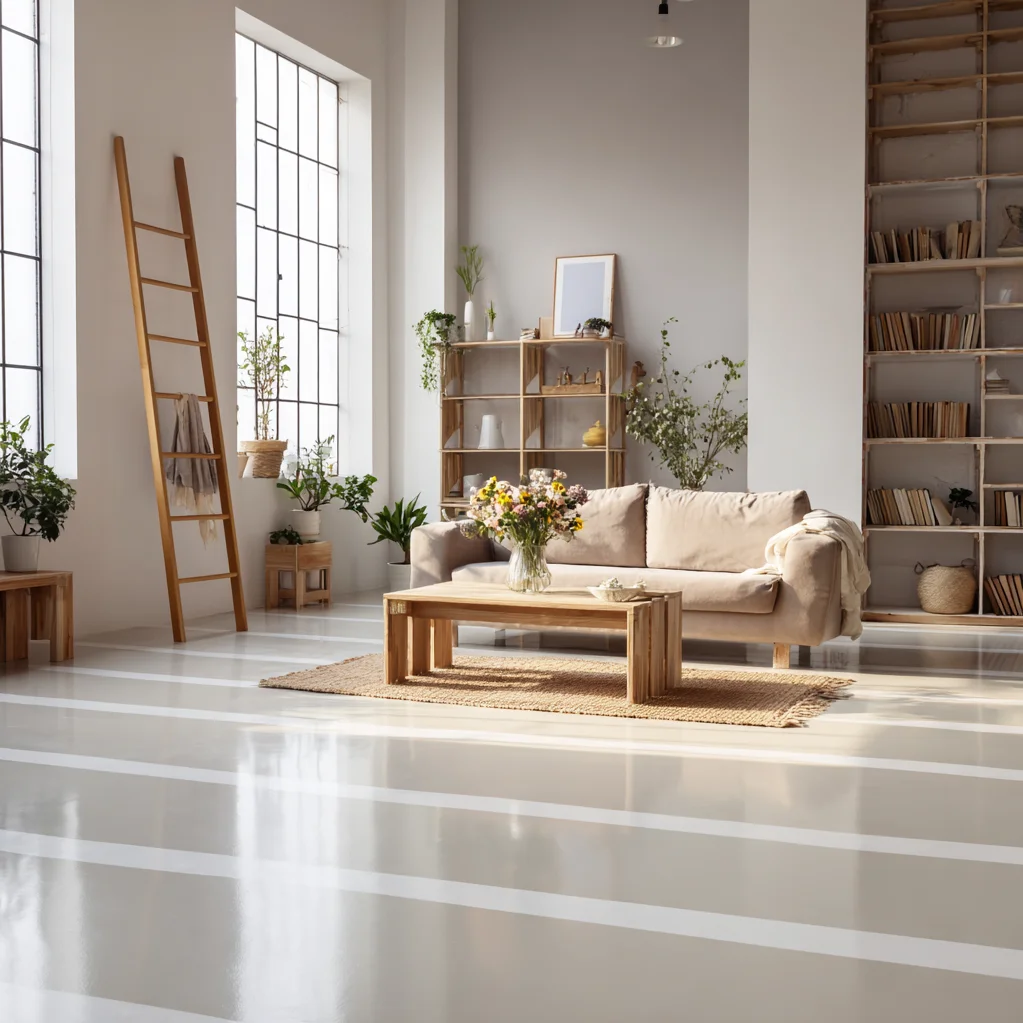
Starting with simple floor paint design ideas is perfect for those new to DIY projects, as it requires minimal tools and expertise. Begin by choosing a design that complements your room's existing decor, such as a basic stripe pattern or a solid color refresh. For instance, in a living room, painting wide, alternating stripes in neutral tones can add depth without overwhelming the space. Prep is crucial: clean the floor thoroughly, sand any rough spots, and apply a primer to ensure the paint adheres well. Use high-quality floor paint, like epoxy-based options, which are durable and resistant to scratches. When painting, work in small sections to avoid drips and allow ample drying time between coats. A great example is a checkerboard pattern in a child's playroom; use masking tape to create squares, paint them in contrasting colors, and seal with a clear topcoat for longevity. These simple floor paint design ideas not only enhance aesthetics but also build confidence for more complex projects. Remember, mistakes are easy to fix with a touch-up, so don't be afraid to experiment. For additional tips, visit a site like Bob Vila's home improvement blog, which offers step-by-step tutorials. By starting small, you can achieve professional-looking results that make your floors a focal point of your home.
Budget-Friendly Simple Floor Paint Design Ideas
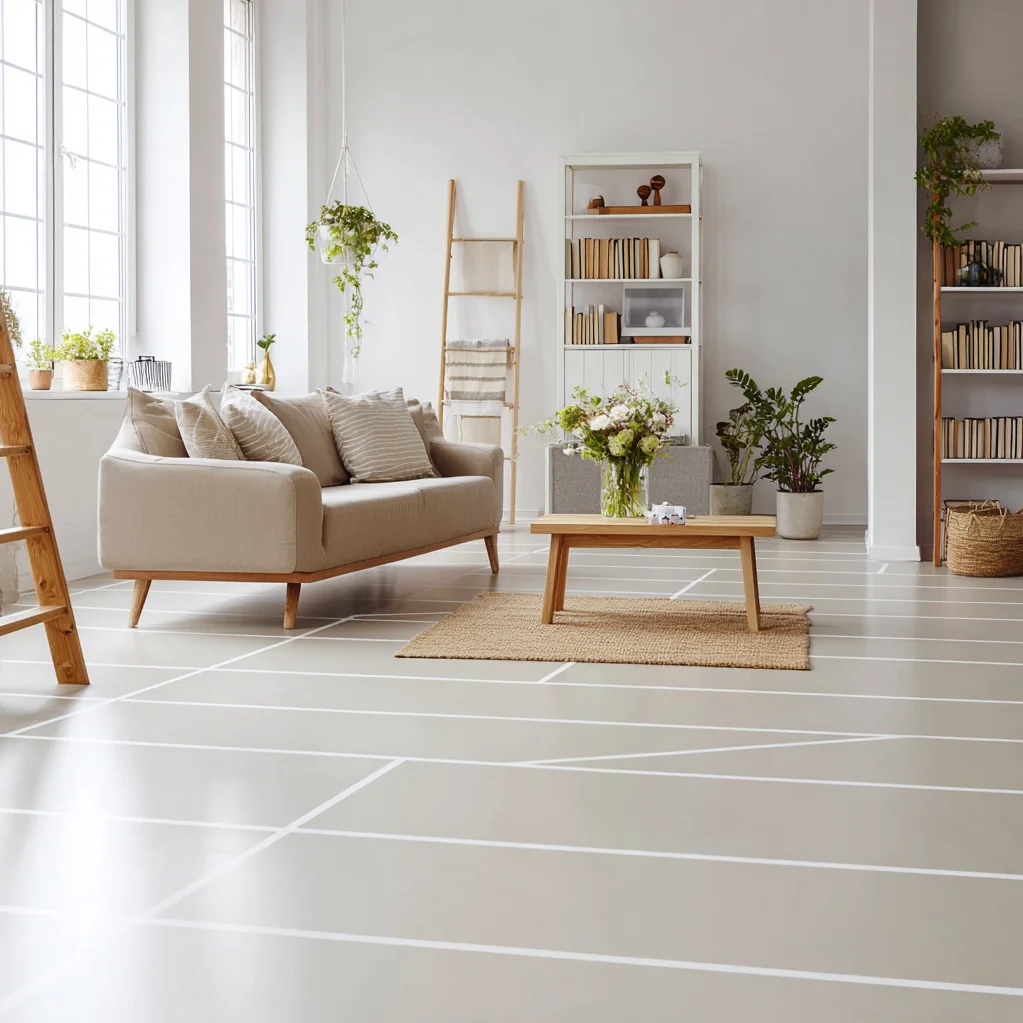
One of the biggest advantages of simple floor paint design ideas is their affordability, making them accessible for any budget. Instead of investing in expensive materials like hardwood or tile, a gallon of paint and some basic supplies can completely transform a room. For example, in a garage or basement, a solid coat of gray or beige paint can hide stains and create a cleaner look. To save money, opt for water-based paints, which are easier to apply and clean up, and reuse old brushes or rollers if they're in good condition. Stenciling is another cost-effective technique; purchase reusable stencils for patterns like geometric shapes or floral motifs, and use contrasting colors to make them pop. In a small bathroom, painting a faux tile design with stencils can mimic the look of expensive ceramics without the cost. These simple floor paint design ideas also reduce waste, as you're updating existing surfaces rather than replacing them. For inspiration, browse DIY blogs that highlight low-cost projects, and always compare prices at local hardware stores. By focusing on creativity over expenditure, you can achieve a stylish update that doesn't break the bank. Plus, this approach allows for frequent refreshes, so you can change your floor's look with the seasons or your mood.
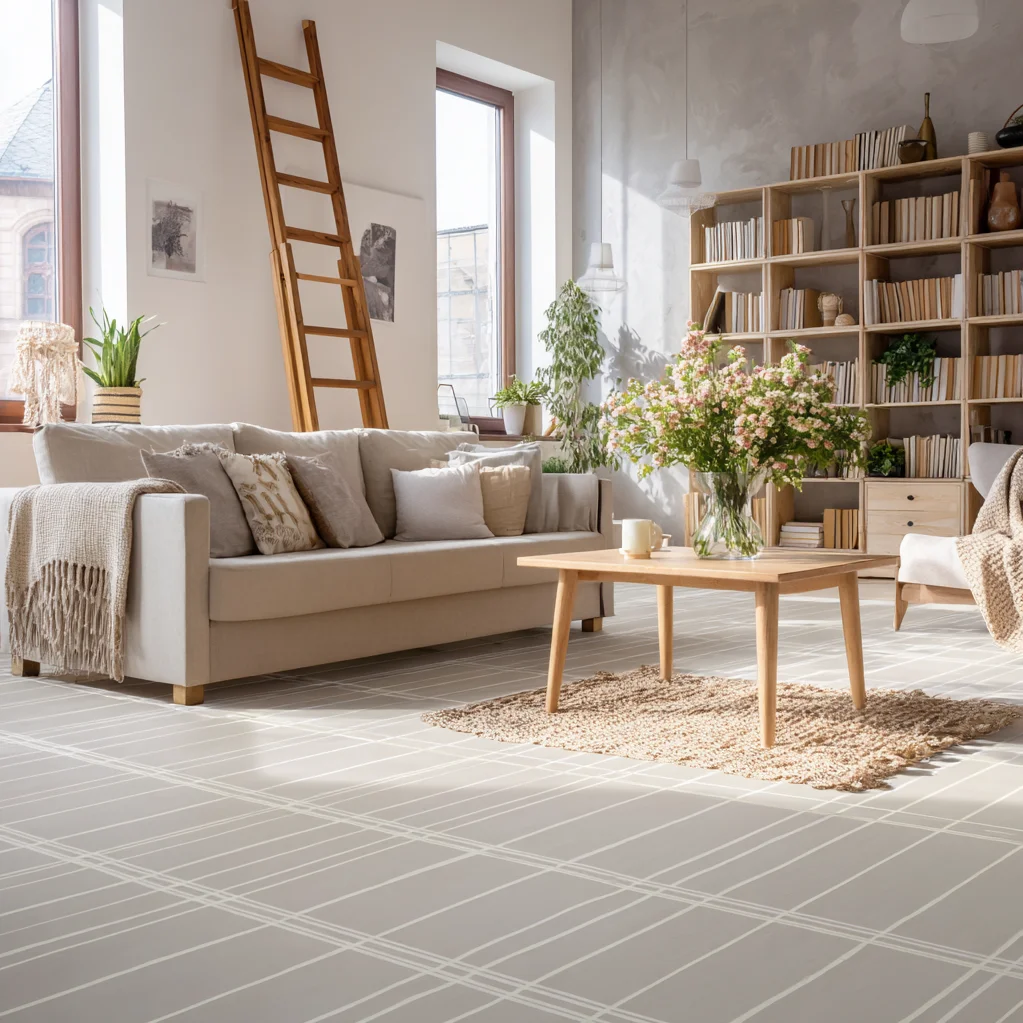
Creative Simple Floor Paint Design Ideas for Every Room
Simple floor paint design ideas can be tailored to suit any room in your home, adding personality and functionality. In kitchens, consider painting a durable, easy-to-clean surface with a subtle pattern, like a herringbone design in muted colors, to complement cabinets and countertops. For bedrooms, soft hues like pastel blues or greens can create a calming atmosphere, while a border painted along the edges adds a custom touch. In entryways, a bold, solid color like deep red or navy makes a strong first impression and hides dirt well. Don't forget outdoor spaces; painting a patio or deck with non-slip paint in simple stripes or dots can extend your living area. When planning, think about traffic flow; high-traffic areas like hallways benefit from darker shades or patterns that camouflage wear. These simple floor paint design ideas also allow for thematic elements, such as a beach-inspired wave pattern in a bathroom or a rustic wood-grain effect in a living room. Use tools like painters tape and stencils to achieve precise lines, and always finish with a sealant to protect against moisture and scratches. By adapting designs to each room's purpose, you enhance both beauty and practicality. For more room-specific ideas, explore resources like design magazines that showcase real-home examples.
Conclusion
In summary, simple floor paint design ideas provide an accessible and impactful way to rejuvenate your home's interiors. From beginner-friendly stripes to budget-stretching stencils, these approaches empower you to customize floors without extensive time or money. By focusing on preparation, quality materials, and creative techniques, you can achieve durable, eye-catching results that reflect your personal style. As home design trends evolve, the appeal of DIY projects like this continues to grow, offering a sustainable alternative to full renovations. Looking ahead, consider how these ideas can adapt to new technologies, such as eco-friendly paints or smart home integrations that highlight floor designs with lighting. To keep your space fresh, revisit your floor paint every few years for touch-ups or new patterns. Remember, the key is to start simple and build from there; even small changes can transform a room's ambiance. For ongoing inspiration and tips on home decor, check out our other articles on chicaurahome.com. Embrace the joy of creating and let your floors become a canvas for your imagination, proving that elegance often lies in simplicity.
Frequently Asked Questions
Q: What type of paint is best for simple floor paint design ideas?
For simple floor paint design ideas, epoxy-based or porch and floor paints are highly recommended due to their durability and resistance to wear. These paints are formulated to handle foot traffic, moisture, and cleaning, making them ideal for indoor and outdoor use. Water-based options are easier to apply and clean up, while oil-based paints offer a harder finish but require more ventilation. Always choose a paint labeled for floors, and consider adding a non-slip additive for safety in areas like kitchens or bathrooms. Prep the surface well with cleaning and priming to ensure longevity.
Q: How long does it take to complete a simple floor paint design project?
The time required for simple floor paint design ideas depends on the size of the area and complexity of the design. On average, a small room like a bathroom might take a weekend, including prep, painting, and drying. Prep work (cleaning, sanding, and priming) can take 4-6 hours, while painting and detailing add another 4-8 hours. Drying times vary by paint type; typically, it's 24 hours between coats and 48-72 hours before heavy use. For intricate designs with stencils or tape, allow extra time for application and removal. Plan ahead to avoid rushing, and ensure good ventilation for faster drying.
Q: Can I use simple floor paint design ideas on any type of flooring?
Yes, simple floor paint design ideas can be applied to various flooring types, including concrete, wood, and even vinyl, with proper preparation. For wood floors, sanding and priming are essential to ensure adhesion and prevent peeling. Concrete floors may need etching or a concrete primer for best results. Avoid painting over carpets or highly textured surfaces, as paint won't adhere well. Always test a small area first to check compatibility, and use appropriate sealants to protect the design. If unsure, consult a professional or refer to paint manufacturer guidelines for specific surface recommendations.