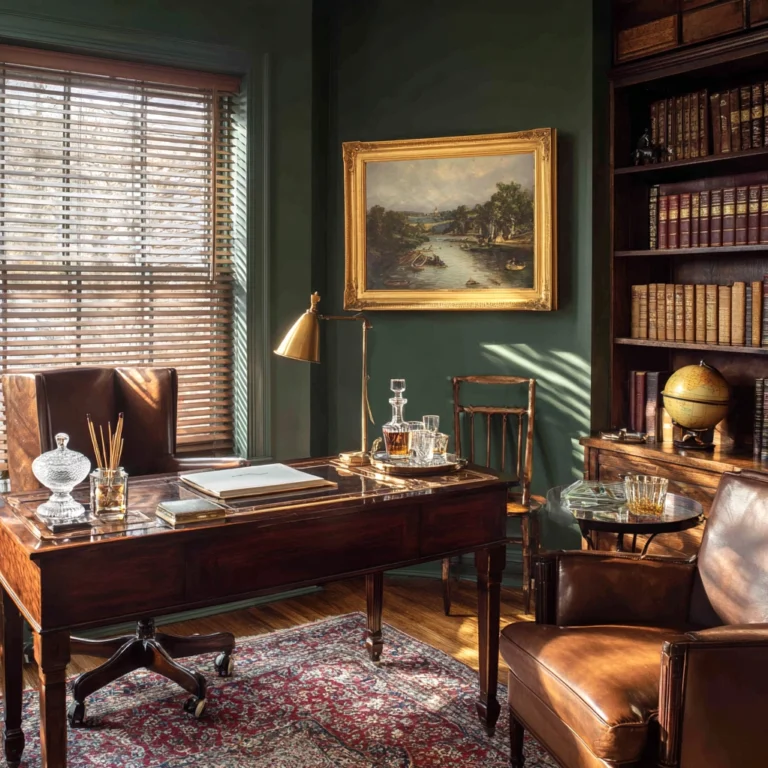
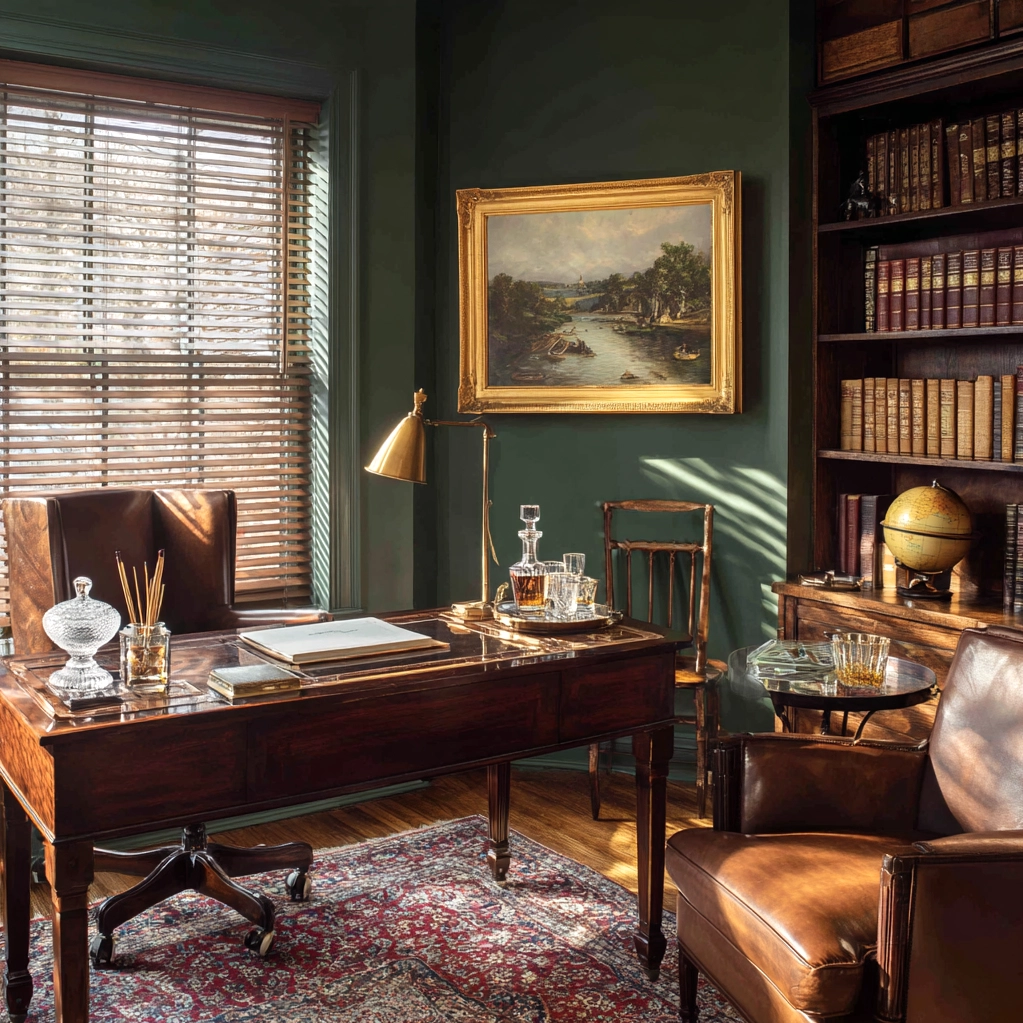
Imagine walking into an office that whispers rather than shouts—a space where every element speaks of heritage, quality, and quiet confidence. This is the allure of the old money office look, a design approach that transcends fleeting trends to create environments of enduring elegance. Unlike the flashy, tech-driven workspaces that dominate today’s corporate landscape, old money aesthetics prioritize substance over show, crafting rooms that feel both luxurious and lived-in. The importance of this style goes beyond mere decoration; it’s about cultivating an atmosphere that inspires focus, respect, and productivity through refined surroundings. In our fast-paced world, where workspaces often feel sterile and temporary, the old money office look offers a sanctuary of stability and sophistication. It draws from centuries of aristocratic and academic traditions, blending classic materials, thoughtful craftsmanship, and subtle personal touches. This isn’t about replicating a museum piece but creating a functional, beautiful space that tells a story of excellence. Whether you’re designing a home office, a corporate executive suite, or a creative studio, embracing these principles can transform your work environment into a place where ideas flourish and professionalism shines. By focusing on quality, history, and comfort, you invest in a workspace that not only impresses clients and colleagues but also enhances your daily experience. The old money office look proves that true luxury isn’t loud—it’s the quiet confidence of a perfectly appointed room designed for both business and pleasure.
Mastering the Old Money Office Look with Classic Furniture
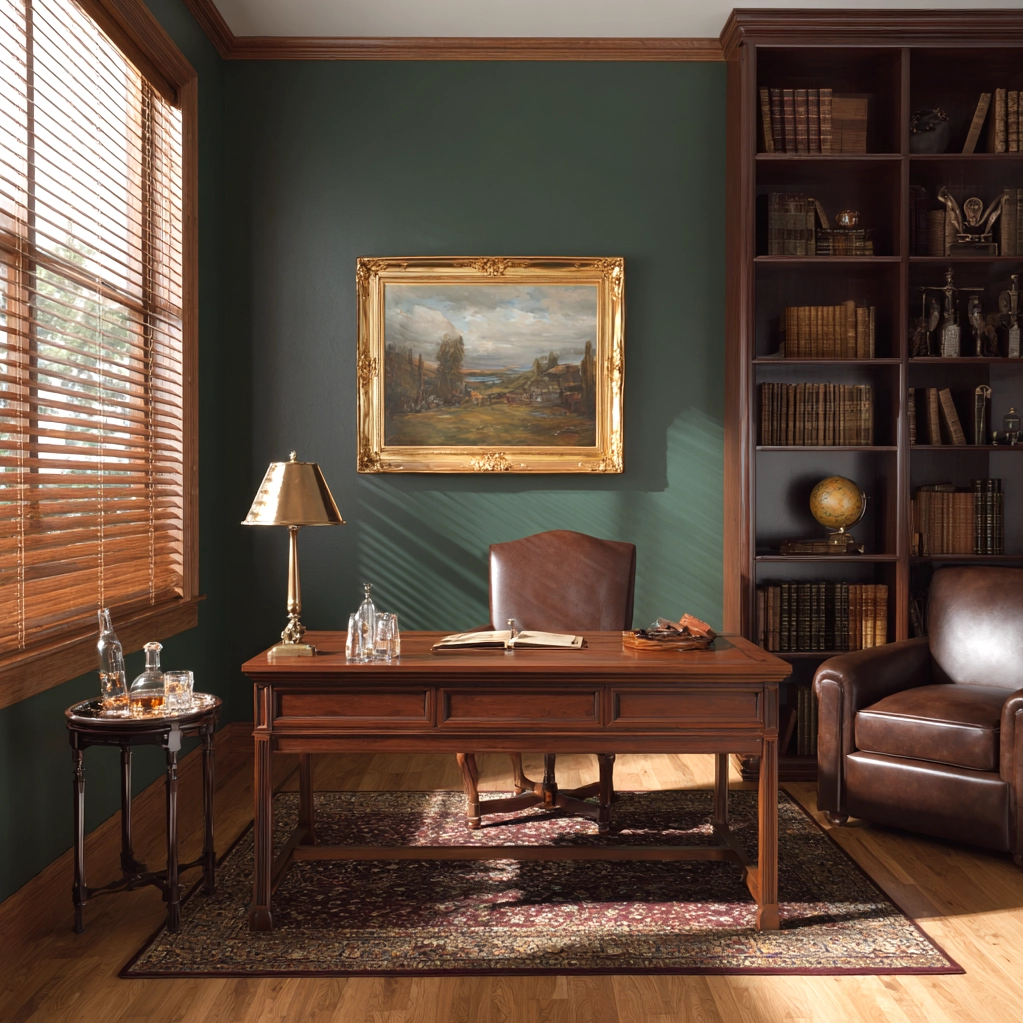
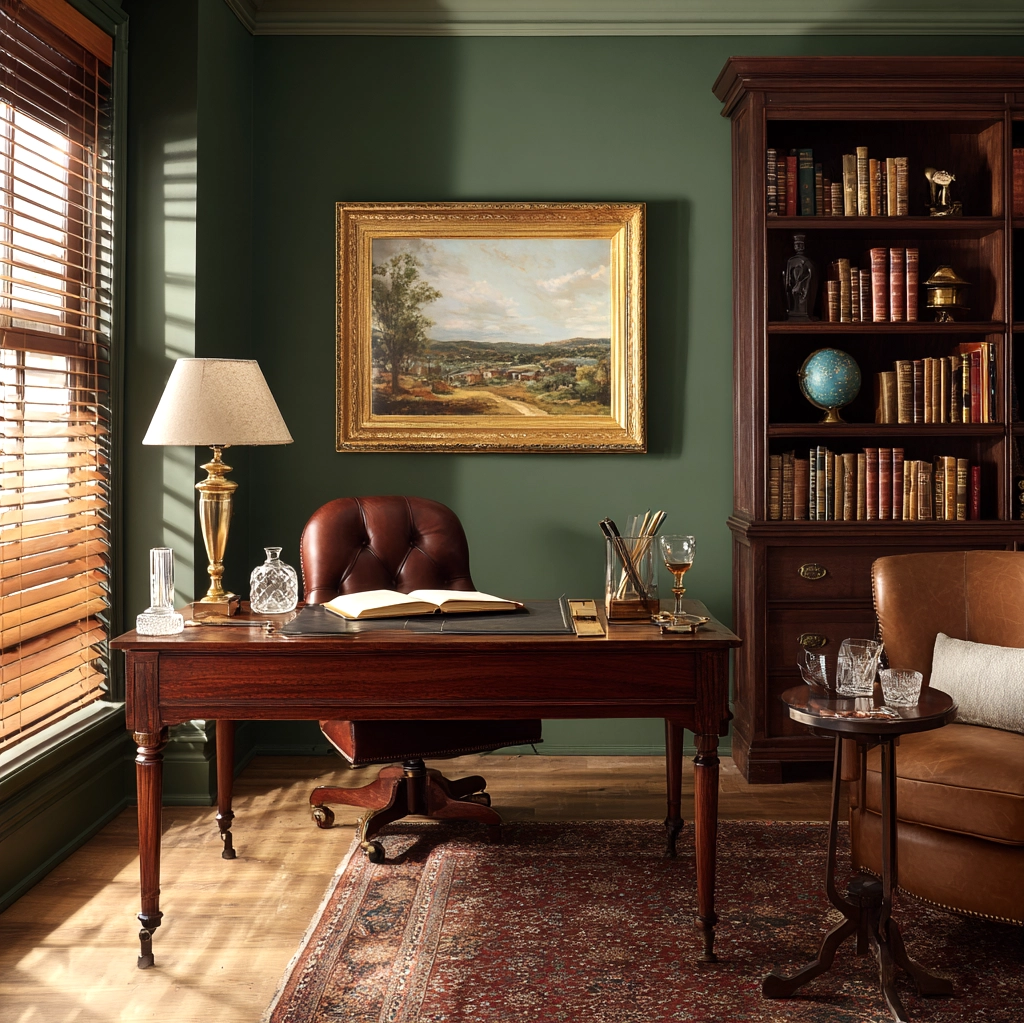
At the heart of any authentic old money office look lies the furniture—pieces that are built to last and designed with timeless appeal. Start with a substantial wooden desk, preferably in rich hardwoods like mahogany, walnut, or oak. Look for desks with clean lines, solid construction, and perhaps subtle decorative details such as carved legs or inlaid patterns. Avoid anything overly ornate or modern; instead, opt for designs that evoke the feel of a traditional library or study. A leather executive chair in a deep brown or burgundy hue adds both comfort and authority, while a matching credenza or bookcase provides essential storage without clutter. When selecting furniture, prioritize quality over quantity. Invest in fewer, better-made pieces that will age gracefully, developing a patina that tells a story of use and care. Vintage or antique items can be particularly effective, as they bring genuine history and character to the space. Pair your desk with a comfortable armchair for guests, upholstered in durable fabrics like tweed or velvet, and add a small side table for holding drinks or books. The arrangement should feel intentional but not stiff; allow for easy movement and practical use. Remember, the old money office look isn't about filling every corner but curating a selection of furniture that serves both function and form. By focusing on classic designs and superior materials, you create a foundation that exudes sophistication and permanence.
Elevating Your Old Money Office Look with Refined Materials
The materials you choose are crucial in achieving an authentic old money office look, as they convey a sense of heritage and quality through texture and finish. Wood should be your primary material, with dark, polished hardwoods creating a warm, inviting atmosphere. Complement this with leather accents—think desk blotters, chair upholstery, or document holders—in rich tones that develop character over time. For flooring, consider hardwood with a classic area rug in wool or silk, featuring traditional patterns like Persian or Oriental designs. These rugs add color and softness while maintaining an air of refinement. Walls can be painted in muted, sophisticated colors such as deep greens, navy blues, or warm grays, or covered with textured wallpaper like grasscloth or damask for added depth. Avoid glossy paints or synthetic materials; instead, embrace matte finishes and natural fibers that feel substantial and elegant. When it comes to accessories, incorporate brass or bronze fixtures, such as desk lamps with weighted bases and fabric shades, or bookends with a aged metallic finish. Paperweights, inkwells, and other desk items in glass, stone, or metal can enhance the tactile experience. The key is consistency; every material should feel deliberate and high-quality, contributing to a cohesive aesthetic. By layering these refined materials, you build a sensory-rich environment that feels both luxurious and grounded, perfect for focused work and thoughtful conversation.
Curating Details for the Perfect Old Money Office Look
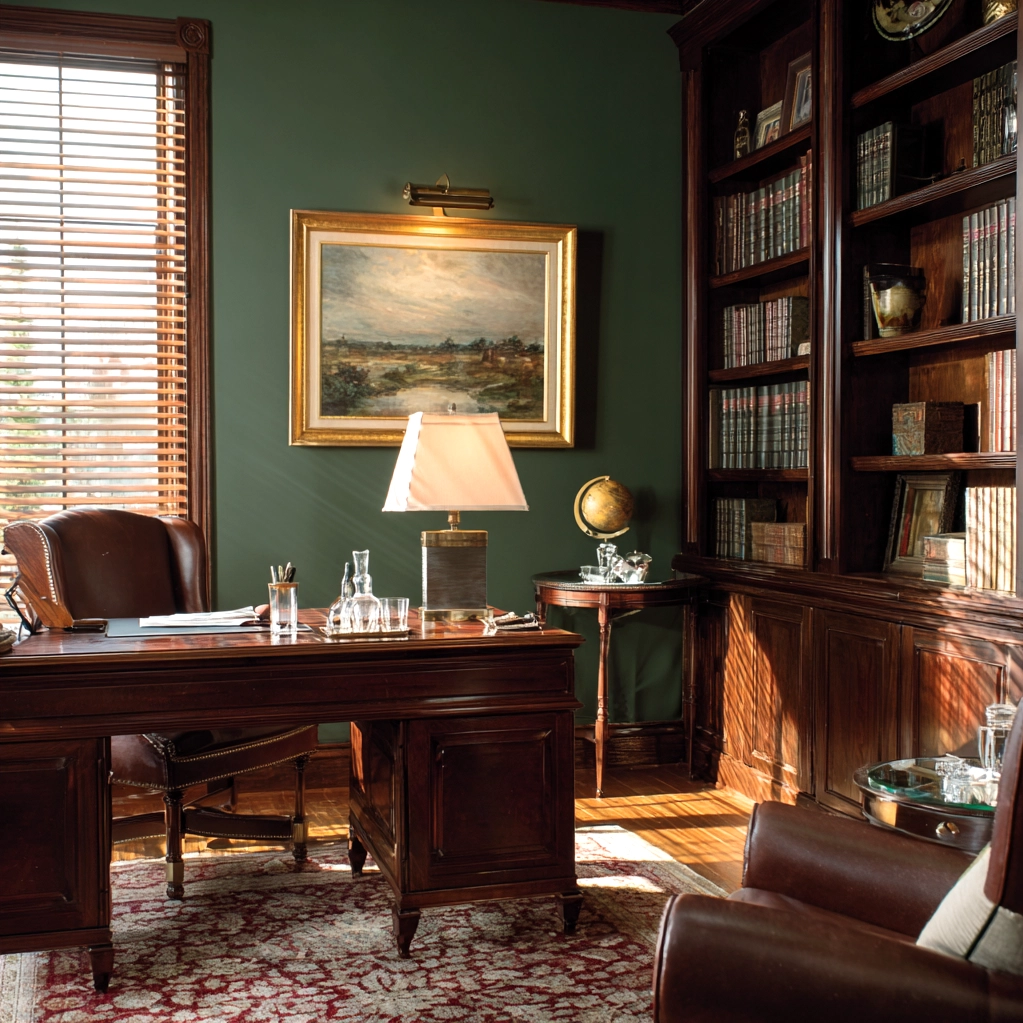
It's the details that truly bring the old money office look to life, transforming a simple room into a narrative-rich space filled with personal and historical touches. Start with artwork—choose framed prints or original paintings that reflect classic themes, such as landscapes, portraits, or botanical studies, in gilded or wooden frames. Avoid anything too abstract or trendy; instead, opt for pieces that feel timeless and intellectually stimulating. Books are another essential element; fill your shelves with leather-bound volumes, historical texts, or classic literature, arranged neatly but not too perfectly. Incorporate functional accessories like a vintage globe, a brass telescope, or a wooden filing cabinet that blends seamlessly with the decor. Lighting should be soft and layered, with a combination of overhead fixtures, table lamps, and perhaps a floor lamp to create a warm, inviting glow. Use lampshades in fabric or parchment to diffuse light gently. Personal mementos, such as family photographs in silver frames, heirloom desk sets, or collected curiosities, add individuality without cluttering the space. The goal is to create a sense of curated abundance—where every item has a purpose or story, contributing to an atmosphere of cultured sophistication. Pay attention to small touches like high-quality stationery, a crystal decanter for drinks, or a woven basket for blankets. By thoughtfully selecting and arranging these details, you ensure your old money office look feels lived-in and authentic, rather than staged or impersonal.
Conclusion
Creating an old money office look is about more than just aesthetics; it's a commitment to quality, history, and thoughtful design that enhances both your work and well-being. By focusing on classic furniture, refined materials, and curated details, you can craft a space that exudes timeless sophistication and quiet confidence. This style offers a welcome respite from the often chaotic and transient nature of modern workspaces, providing an environment where focus and creativity can thrive. As we move forward, consider how these principles can adapt to contemporary needs—perhaps integrating discreet technology or sustainable materials without compromising the core elegance. The future of the old money office look lies in its ability to evolve while staying true to its roots, blending tradition with innovation to create spaces that are both functional and inspiring. Start small if needed; even a few key pieces or details can transform your office into a sanctuary of style. Remember, the goal isn't perfection but character—a room that reflects your values and aspirations through every carefully chosen element. Embrace this approach to design, and you'll not only elevate your workspace but also cultivate a daily environment that supports success and satisfaction.
Frequently Asked Questions
Q: What are the key colors for achieving an old money office look?
The old money office look thrives on a palette of rich, subdued colors that evoke warmth and sophistication. Focus on deep, muted tones such as forest green, navy blue, burgundy, chocolate brown, and warm gray. These colors create a cozy, enveloping atmosphere that feels both luxurious and grounded. Accents in cream, beige, or gold can add contrast without being overwhelming. Avoid bright, neon, or overly trendy colors; instead, stick to classic hues that have stood the test of time. Paint walls in matte finishes, and incorporate these colors through furniture upholstery, rugs, and accessories for a cohesive effect.
Q: Can I incorporate modern technology into an old money office without ruining the aesthetic?
Yes, modern technology can be seamlessly integrated into an old money office look with careful planning. Choose devices in minimalist designs with neutral colors like black, silver, or wood finishes that blend with classic decor. Conceal wires using cable management solutions or built-in channels in furniture. Opt for discreet placements—for example, a laptop can be stored in a drawer when not in use, or a monitor can be mounted on a sleek stand that complements wooden desks. Use traditional accessories like leather desk pads or brass lamp bases to anchor tech items, ensuring they don't dominate the space. The key is to prioritize functionality without sacrificing style, maintaining the refined atmosphere.
Q: How can I achieve an old money office look on a budget?
Achieving an old money office look on a budget is possible with smart shopping and focus on key elements. Start by investing in one or two quality pieces, such as a solid wood desk or a leather chair, and build around them. Shop for vintage or second-hand items at thrift stores, estate sales, or online marketplaces, where you can find classic furniture and accessories at lower prices. Repurpose existing items with refinishing techniques—like sanding and staining wood or reupholstering chairs in rich fabrics. Use paint to update walls in sophisticated colors, and add affordable details like framed prints from library sales or DIY projects. Prioritize materials that look expensive, such as wool rugs or brass finishes, and avoid cheap plastics or synthetics. With creativity and patience, you can create a luxurious feel without overspending.