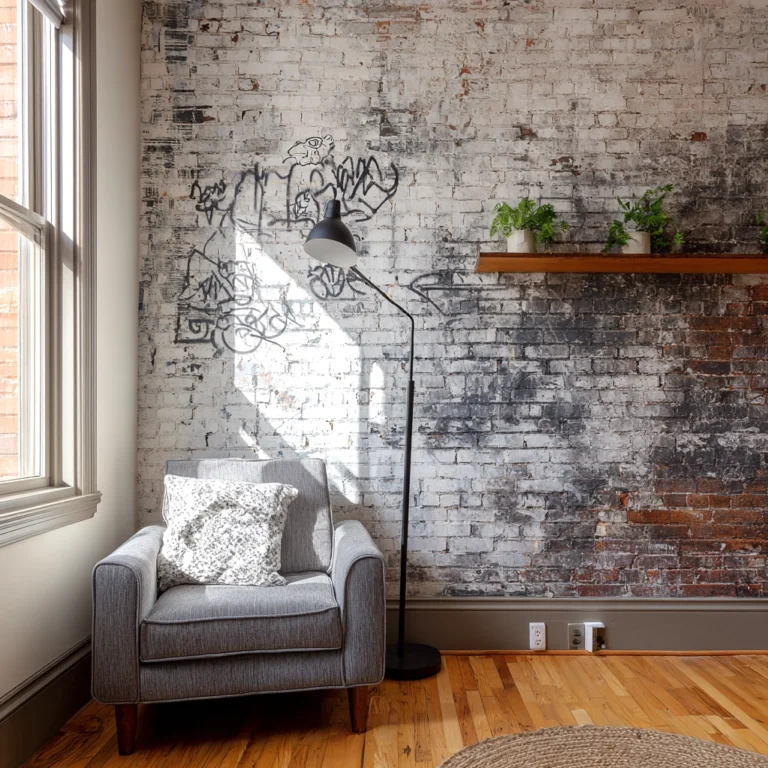
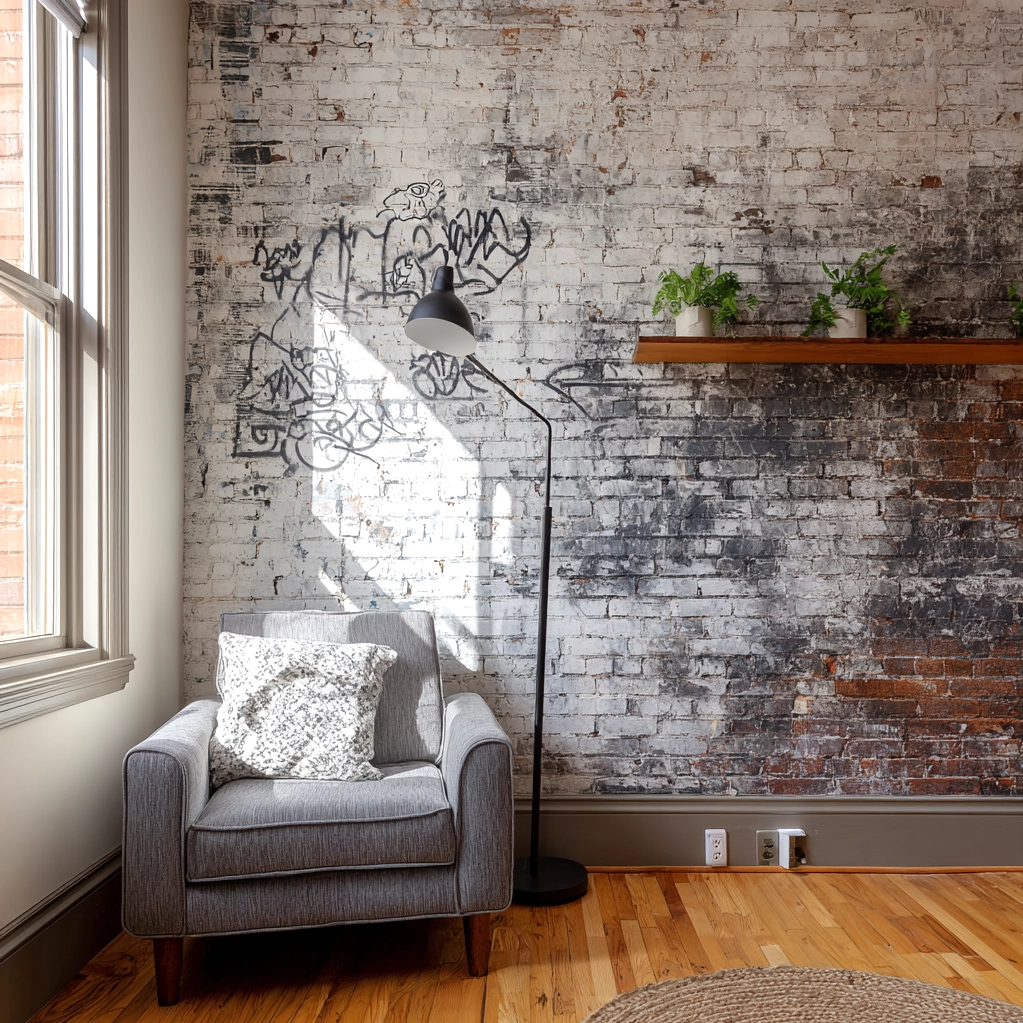
Imagine walking into a room that doesn’t just look good—it tells a story. That’s the power of hood wallpapers aesthetic, an emerging design trend that brings authentic urban culture into your living spaces. More than just decorative elements, these wallpapers capture the raw energy, artistic expression, and community spirit found in urban neighborhoods. They transform ordinary walls into vibrant canvases that reflect real street art, architectural details, and cultural symbolism.
In today's interior design landscape, personalization matters more than ever. People want their homes to reflect their identities, values, and experiences. Hood wallpapers aesthetic offers exactly that—a way to incorporate the distinctive visual language of urban environments into residential and commercial spaces. These designs range from photorealistic brick walls with authentic graffiti to abstract interpretations of cityscapes, industrial textures, and cultural motifs.
What makes this aesthetic so compelling is its versatility. Whether you're aiming for an industrial loft feel, a modern urban apartment, or simply want to add an edge to a traditional space, hood wallpapers provide endless possibilities. They work beautifully as feature walls in living rooms, bedrooms, home offices, or even commercial spaces like cafes and studios. The key is choosing designs that resonate with your personal style while maintaining cohesion with your existing decor.
Beyond aesthetics, these wallpapers create conversation starters and emotional connections. They remind us of bustling city streets, artistic communities, and the beautiful imperfections that make urban spaces so captivating. As we spend more time in our homes, creating environments that inspire and energize us becomes essential. Hood wallpapers aesthetic offers a powerful tool for achieving this transformation, bringing the dynamic spirit of the city right into your personal sanctuary.
Understanding Hood Wallpapers Aesthetic: Beyond Basic Decor
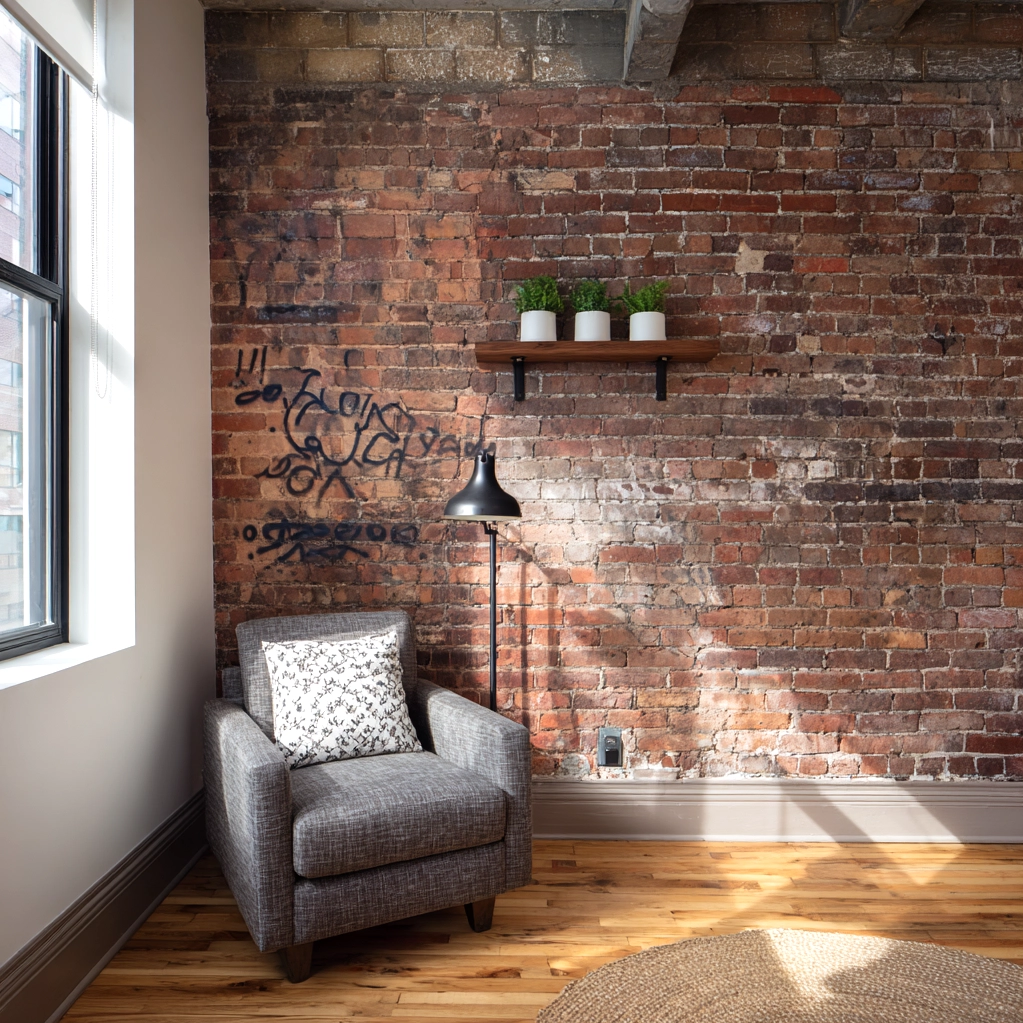
Hood wallpapers aesthetic represents more than just wall coverings—it's a design philosophy that celebrates urban authenticity. These wallpapers capture the essence of city neighborhoods through various visual elements. You'll find designs featuring realistic brick textures, weathered concrete surfaces, and architectural details like fire escapes and street signs. The graffiti elements aren't random scribbles but often carefully curated artistic expressions that mimic genuine street art.
What distinguishes this aesthetic from traditional urban decor is its commitment to realism and cultural accuracy. Designers study actual urban environments to create patterns that feel authentic rather than cartoonish or stereotypical. This attention to detail makes hood wallpapers particularly effective for creating immersive spaces. When applied correctly, they can make a room feel like it's part of a larger urban landscape, complete with the texture and character of real city walls.
The color palettes in hood wallpapers aesthetic typically reflect urban environments. You'll see lots of concrete grays, brick reds, industrial metals, and the vibrant hues of street art. Some designs incorporate more subtle elements like weathered posters, peeling paint textures, or architectural line work. The best implementations balance bold elements with enough negative space to prevent visual overload. This allows the wallpaper to serve as a dramatic backdrop without overwhelming the room.
Functionally, these wallpapers come in various materials suitable for different spaces. Vinyl options work well in moisture-prone areas like bathrooms, while paper-based versions offer superior texture reproduction for living areas. Many manufacturers now offer removable options perfect for renters or those who like to change their decor frequently. The key is choosing materials that not only look authentic but also perform well in your specific space.
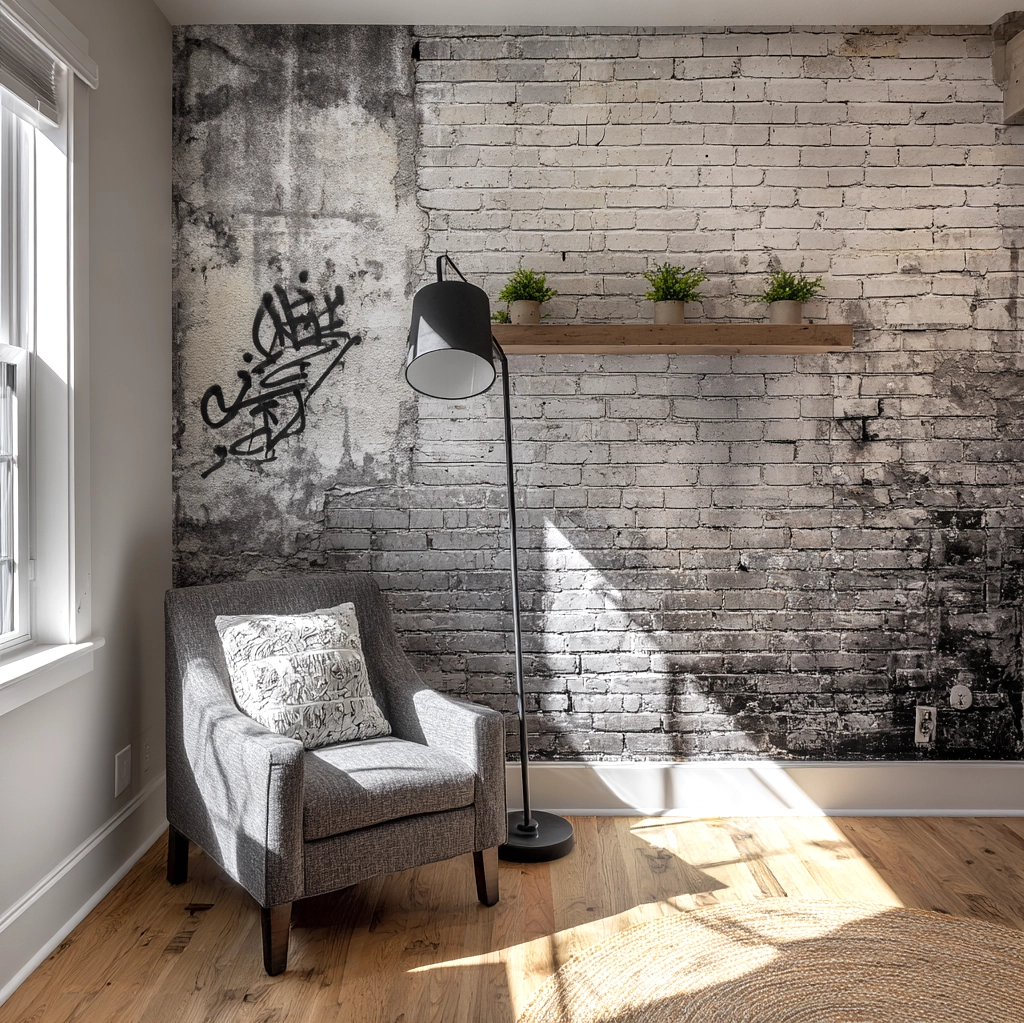
13 Essential Tips for Mastering Hood Wallpapers Aesthetic
Successfully incorporating hood wallpapers aesthetic requires thoughtful planning and execution. Here are 13 essential tips to help you achieve stunning results. First, consider the room's purpose and lighting. Bold, high-contrast designs work well in social spaces like living rooms, while subtler patterns might be better for bedrooms where relaxation is key. Natural light enhances texture details, so position your feature wall where it receives adequate illumination.
Second, balance is crucial. If you're using a dramatic hood wallpaper, keep other elements in the room relatively simple. Let the wallpaper be the star by choosing furniture and accessories in solid colors or simple patterns. Third, consider scale. Large rooms can handle bigger, bolder patterns, while smaller spaces might benefit from more contained designs or strategic placement on just one wall. Fourth, pay attention to color coordination. Pull one or two colors from the wallpaper to repeat in your furniture, textiles, or artwork.
Fifth, preparation matters. Ensure walls are smooth, clean, and properly primed before installation. Sixth, consider the viewing distance. Designs with fine details work best in spaces where people will be close to the wall, while bolder patterns can be appreciated from farther away. Seventh, think about transitions. How does the wallpaper meet other surfaces like ceilings, floors, and adjacent walls? Clean edges and proper alignment make a huge difference.
Eighth, lighting specifically aimed at the wallpaper can enhance its texture and depth. Ninth, don't forget about maintenance—choose washable options for high-traffic areas. Tenth, test samples in your actual space before committing. Colors and textures can look different under your specific lighting conditions. Eleventh, consider the psychological impact. Some people find certain urban textures energizing, while others might find them overwhelming. Twelfth, if using in commercial spaces, ensure the design aligns with your brand identity. Thirteenth, remember that quality installation is worth the investment for long-lasting results.
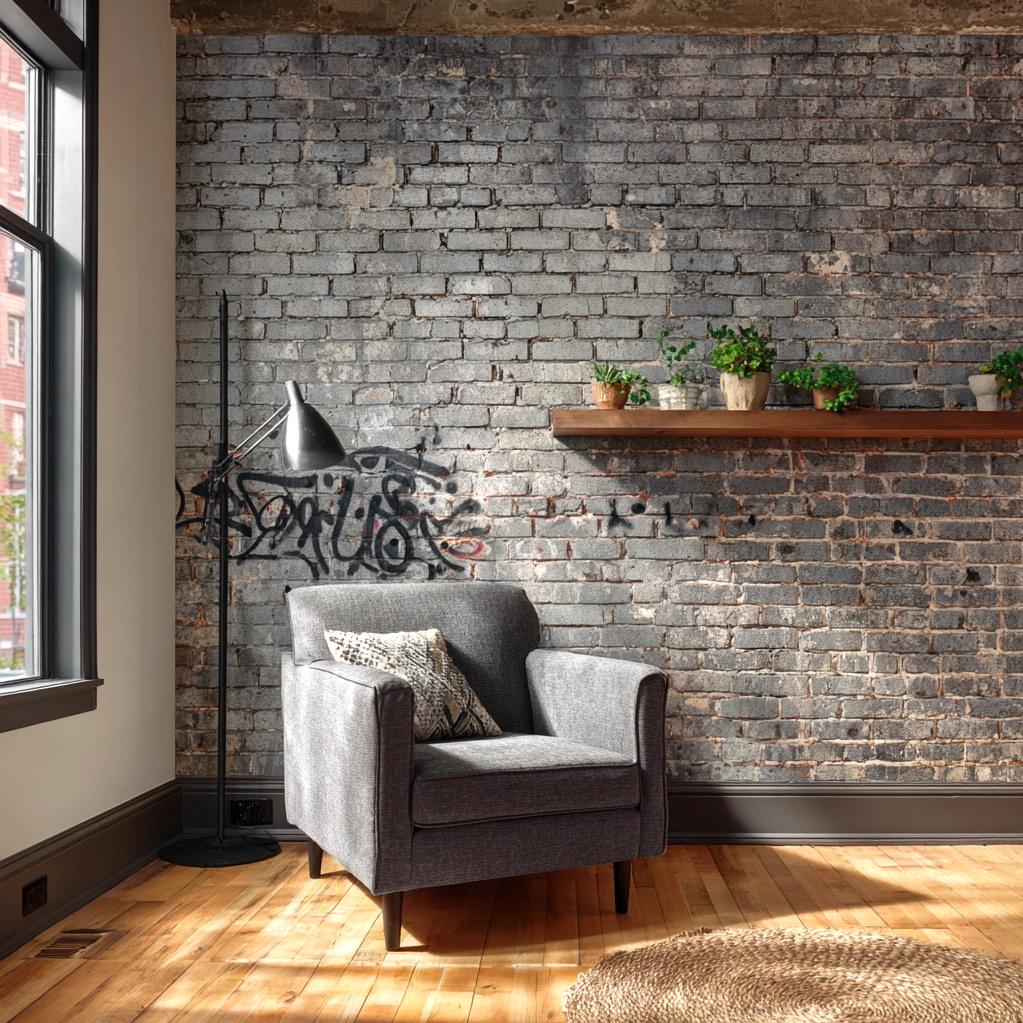
Creative Applications of Hood Wallpapers Aesthetic in Modern Interiors
The versatility of hood wallpapers aesthetic allows for creative applications beyond standard feature walls. One innovative approach is using these wallpapers to define zones within open-plan spaces. For example, applying an urban brick pattern behind a dining area can visually separate it from the living space without physical barriers. Similarly, in home offices, a subtle concrete texture wallpaper can create a focused, industrial-inspired workspace that feels distinct from more relaxed areas.
Another creative application involves combining hood wallpapers with other materials. Consider framing sections of wallpaper with wooden molding to create urban-inspired paneling. Or pair a graffiti-style wallpaper with sleek, modern furniture for an interesting contrast between raw and refined elements. Some designers even use these wallpapers on ceilings to create unexpected dramatic effects, particularly in rooms with high ceilings where this approach won't feel overwhelming.
For smaller applications, hood wallpapers aesthetic works beautifully in unexpected places. Line the back of bookshelves or cabinets with urban patterns to add depth and interest when doors are open. Create an accent wall behind a bed that extends just enough to frame the headboard area. Even in bathrooms, waterproof versions can transform ordinary spaces into urban retreats when paired with appropriate fixtures and lighting.
Commercial spaces particularly benefit from hood wallpapers aesthetic. Restaurants can use them to create specific atmospheres—think exposed brick patterns for cozy corners or graphic street art designs for vibrant bar areas. Retail stores often use these wallpapers to reinforce brand identity, especially for urban-focused brands. The key in commercial applications is durability and ease of maintenance, so choosing commercial-grade materials is essential.
For those who love DIY projects, hood wallpapers offer excellent opportunities for customization. You can create feature walls that incorporate actual framed street art photographs alongside wallpaper, or use stencils to add personalized elements to simpler urban patterns. The most successful applications always consider how the wallpaper interacts with the room's function, existing architecture, and the people who will use the space daily.
Conclusion
Hood wallpapers aesthetic represents more than a passing trend—it's a meaningful way to bring authentic urban energy into our living and working spaces. Throughout this exploration, we've seen how these designs capture the texture, color, and spirit of city environments while offering practical solutions for interior transformation. From understanding the design philosophy behind this aesthetic to implementing it with our 13 essential tips, the possibilities are both exciting and accessible.
The creative applications demonstrate how versatile this approach can be, working equally well in residential and commercial settings. Whether creating a dramatic feature wall, defining zones in open spaces, or adding subtle urban touches to unexpected areas, hood wallpapers provide tools for personal expression that go beyond conventional decor. They allow us to celebrate urban culture while creating environments that feel uniquely personal and authentically stylish.
Looking forward, we can expect hood wallpapers aesthetic to continue evolving. Advances in printing technology will likely bring even more realistic textures and details. We may see increased customization options, allowing homeowners to incorporate personal photographs or local urban scenes into their wall treatments. Sustainability will also play a growing role, with more manufacturers offering eco-friendly materials and production methods.
Ultimately, the most successful implementations will balance bold aesthetic statements with functional considerations. As you explore hood wallpapers for your own spaces, remember that the best results come from designs that resonate personally while complementing your existing architecture and lifestyle. Start with samples, consider lighting carefully, and don't be afraid to experiment. Your walls are waiting to tell their urban story.
Frequently Asked Questions
Q: What makes hood wallpapers different from regular urban-themed wallpapers?
Hood wallpapers aesthetic focuses specifically on authentic urban environments with careful attention to realistic details. While regular urban-themed wallpapers might feature generic city skylines or cartoonish graffiti, hood wallpapers capture the actual texture of brick walls, weathered surfaces, and genuine street art styles. They often incorporate architectural elements like fire escapes, utility boxes, and street signage in realistic proportions. The color palettes tend to be more authentic to actual urban settings, featuring concrete grays, industrial metals, and the specific hues found in different neighborhoods. This commitment to authenticity creates a more immersive and sophisticated result than generic urban patterns.
Q: Can hood wallpapers work in traditional or minimalist spaces?
Absolutely. The key is thoughtful integration. In traditional spaces, consider using hood wallpapers as a dramatic accent wall that contrasts with more conventional elements. For example, a brick texture wallpaper in a dining room with traditional furniture creates interesting tension between old and new. In minimalist spaces, choose subtler versions of hood wallpapers—perhaps a monochromatic concrete texture or a simple architectural line pattern. The clean lines of minimalist decor can actually enhance the raw quality of urban textures. Always balance bold patterns with plenty of negative space and simple furnishings to prevent visual overload. Many designers successfully blend hood wallpapers with various styles by treating them as textured backdrops rather than dominant patterns.
Q: How do I maintain and clean hood wallpapers in high-traffic areas?
Maintenance depends on the material. Vinyl-based hood wallpapers are generally the most durable and washable. For these, regular dusting with a soft cloth followed by occasional gentle cleaning with a damp sponge and mild soap works well. Avoid abrasive cleaners or excessive moisture. Paper-based options require more care—spot clean with a barely damp cloth and mild detergent, testing in an inconspicuous area first. For textured wallpapers that mimic brick or concrete, use a soft brush to remove dust from crevices. In commercial spaces or high-traffic residential areas, consider applying a protective clear coat designed for wallpapers. Always follow manufacturer instructions, and address spills immediately to prevent staining. Regular maintenance preserves both the appearance and longevity of your hood wallpapers aesthetic installation.