
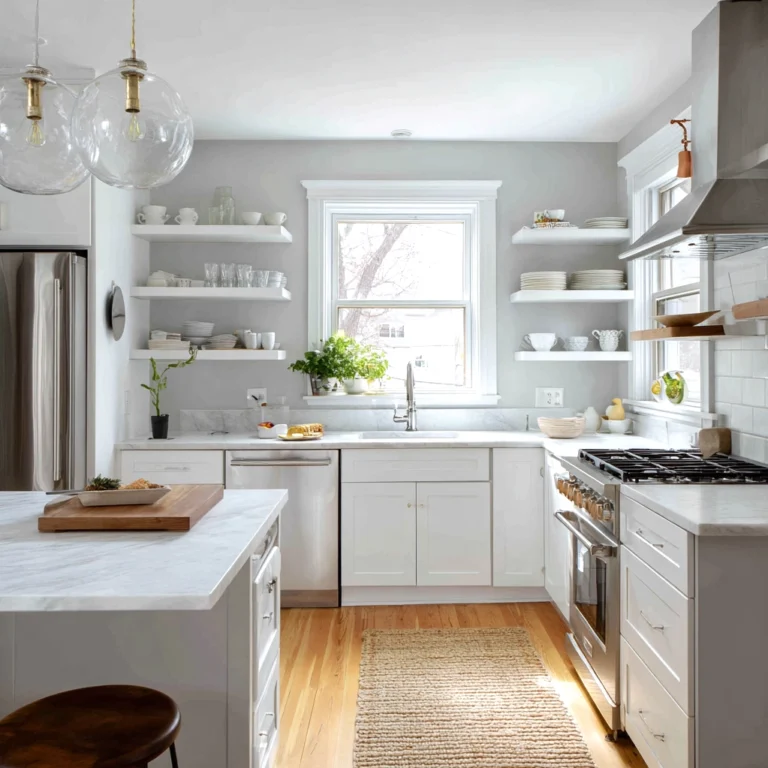
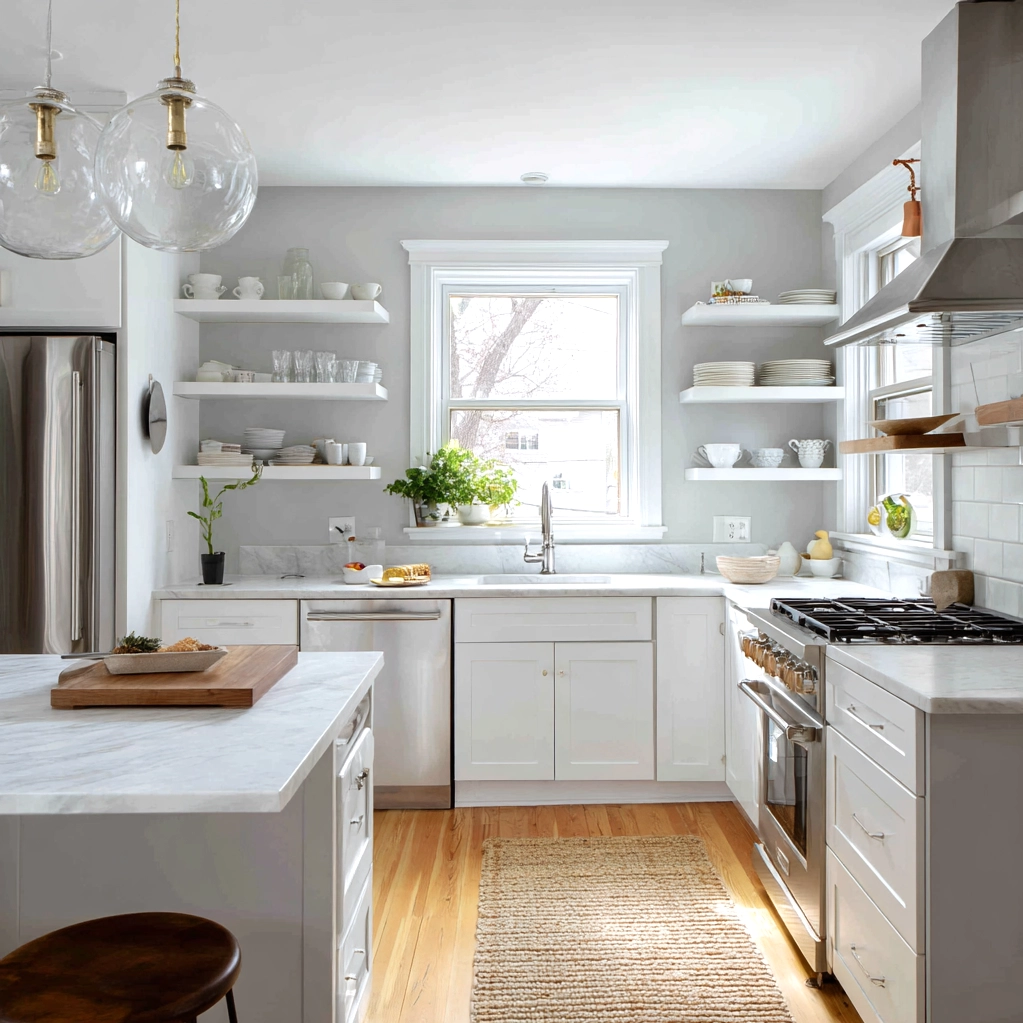
Your kitchen is more than just a place to prepare meals—it’s the heart of your home, a gathering spot for family and friends, and a reflection of your personal style. The right kitchen style design can transform this essential space from purely functional to truly inspiring. Whether you’re planning a complete renovation or simply looking to refresh your current setup, understanding how to craft a cohesive design is crucial for creating a kitchen that not only looks beautiful but works beautifully too.
A well-designed kitchen blends aesthetics with practicality, ensuring every element serves a purpose while contributing to an overall harmonious look. From the layout and cabinetry to the countertops and lighting, each choice you make influences the atmosphere and functionality of the space. Many homeowners feel overwhelmed by the countless options available, but by focusing on key design principles, you can create a kitchen that suits your lifestyle and enhances your daily routines.
This article will guide you through the essential aspects of kitchen style design, helping you make informed decisions that lead to a space you'll love for years to come. Whether you prefer sleek modern lines or warm traditional charm, understanding these fundamentals will empower you to create your dream kitchen. Let's explore how thoughtful design can elevate your home's most important room.
Modern Kitchen Style Design: Sleek and Sophisticated
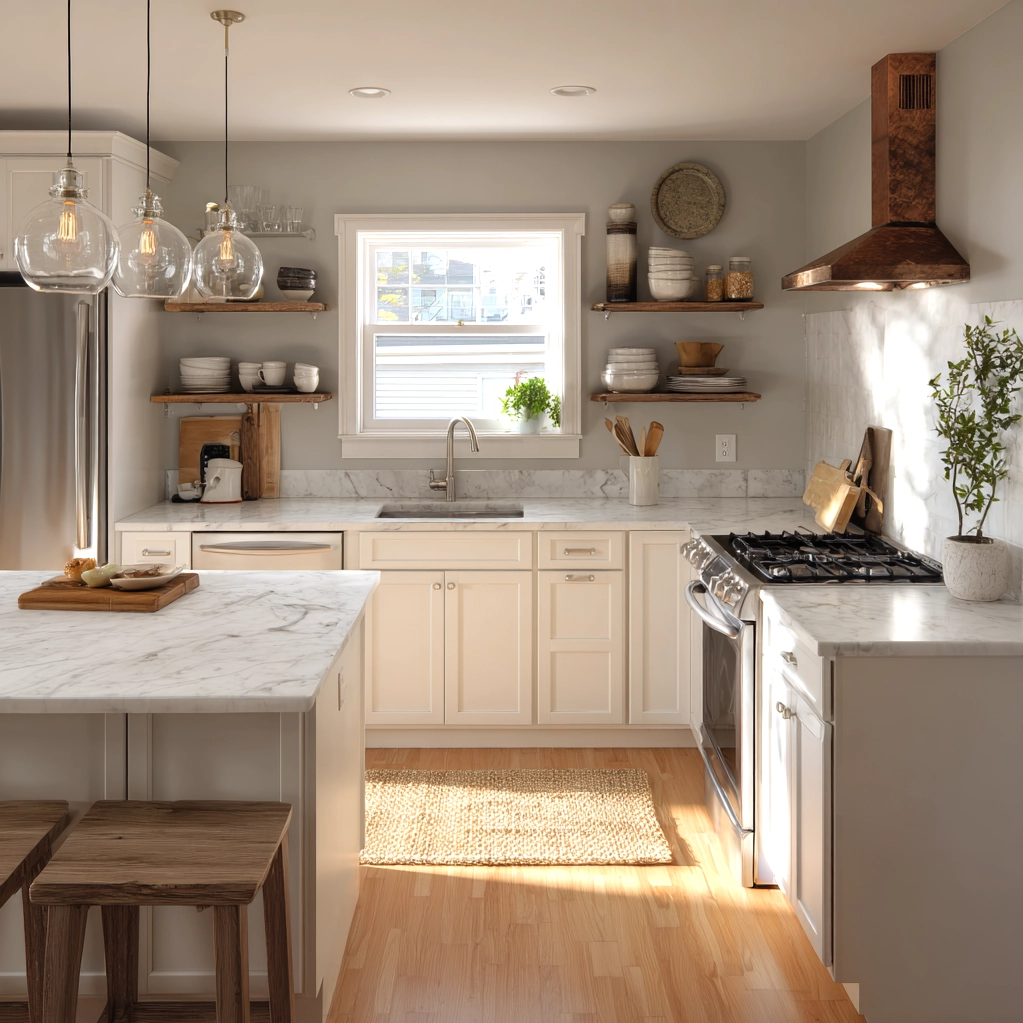
Modern kitchen style design emphasizes clean lines, minimalism, and functional beauty. This approach focuses on simplicity, with uncluttered surfaces and a streamlined appearance that creates a calm, organized environment. Key characteristics include flat-panel cabinetry, often in high-gloss or matte finishes, and a neutral color palette dominated by whites, grays, and blacks. Materials like stainless steel, glass, and engineered quartz are commonly used for their durability and sleek look.
In a modern kitchen, every element serves a purpose, with hidden storage solutions keeping countertops clear. Integrated appliances blend seamlessly into the design, maintaining the clean aesthetic. Lighting plays a crucial role, with recessed or track lighting providing ample illumination, while pendant lights over islands add visual interest. Open shelving may be incorporated sparingly, displaying only essential items to avoid clutter.
This kitchen style design is ideal for those who appreciate contemporary aesthetics and value efficiency. It works particularly well in open-plan homes, where the kitchen flows into living and dining areas. By focusing on quality materials and thoughtful details, a modern kitchen can feel both luxurious and inviting. Remember to balance the cool tones with natural textures, like wood accents or indoor plants, to add warmth and prevent the space from feeling sterile.
Traditional Kitchen Style Design: Classic and Cozy
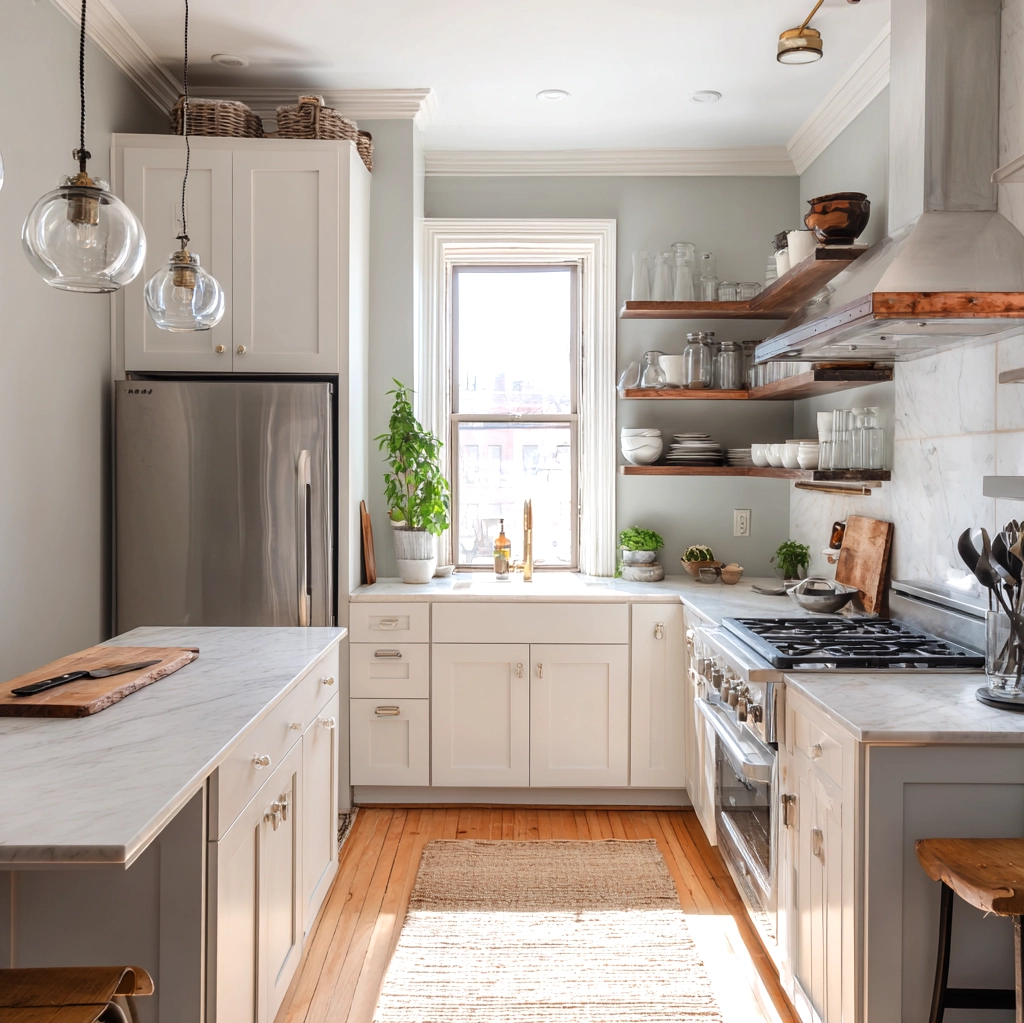
Traditional kitchen style design draws inspiration from classic European influences, creating warm, inviting spaces that feel timeless. This style features ornate details, rich wood tones, and elegant finishes that evoke a sense of history and craftsmanship. Common elements include raised-panel cabinetry, often in cherry or oak, and decorative molding like crown or corbels. A neutral or warm color palette, with shades of cream, beige, or soft green, enhances the cozy atmosphere.
In a traditional kitchen, functionality meets elegance, with features like farmhouse sinks, apron-front faucets, and classic hardware adding character. Countertops may be made of natural stone, such as granite or marble, which develop a patina over time. Lighting fixtures, like chandeliers or lantern-style pendants, contribute to the nostalgic feel. This kitchen style design often includes a central island or breakfast nook, providing a comfortable spot for family gatherings.
This approach is perfect for those who love a homey, lived-in feel and appreciate detailed craftsmanship. It works well in both large and small spaces, as the warm tones and thoughtful layout can make any kitchen feel welcoming. To keep it from feeling dated, mix in modern conveniences, like smart appliances or efficient storage solutions, without compromising the classic aesthetic. The key is balance—blending old-world charm with contemporary comfort.
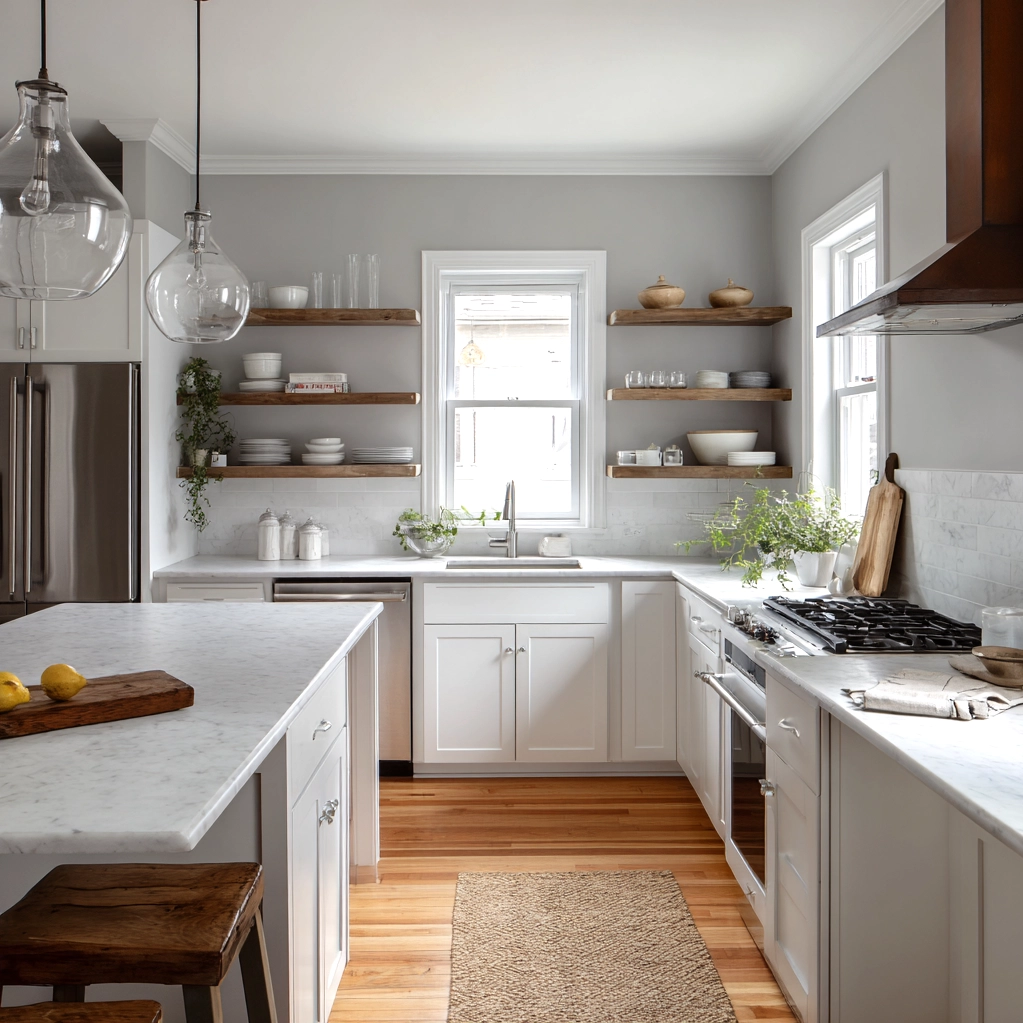
Essential Elements of Kitchen Style Design: Layout and Materials
Successful kitchen style design relies on two fundamental aspects: layout and materials. The layout determines how efficiently you can move and work in the space, while materials impact both aesthetics and durability. Common layouts include the galley, L-shaped, and U-shaped designs, each offering different advantages based on your kitchen's size and shape. For example, an L-shaped layout maximizes corner space, while a galley design is ideal for narrow areas, promoting an efficient workflow.
When planning your layout, consider the work triangle—the relationship between the sink, stove, and refrigerator. A well-designed triangle reduces unnecessary steps, making cooking and cleaning more enjoyable. Islands or peninsulas can enhance functionality, providing extra prep space, seating, or storage. In open-plan homes, the layout should also consider how the kitchen connects to other living areas, ensuring a cohesive flow.
Materials play a crucial role in defining your kitchen style design. Cabinetry materials, like solid wood or laminate, set the tone for the space, while countertop choices, such as quartz, granite, or butcher block, affect both look and maintenance. Flooring options, from hardwood to tile, should be durable and complement the overall design. Don't forget about backsplashes and hardware—these small details can tie the entire look together. By carefully selecting materials that match your lifestyle and aesthetic preferences, you create a kitchen that is both beautiful and practical.
Conclusion
Crafting the perfect kitchen style design is a rewarding journey that combines creativity with practicality. Whether you lean toward modern minimalism, traditional warmth, or a blend of styles, the key is to create a space that reflects your personality and meets your daily needs. By focusing on layout, materials, and cohesive aesthetics, you can transform your kitchen into a functional and inviting heart of your home.
As you plan your design, remember that trends come and go, but timeless principles endure. Invest in quality materials that will stand the test of time, and prioritize elements that enhance your lifestyle. A well-designed kitchen not only adds value to your home but also improves your quality of life, making everyday tasks more enjoyable and gatherings more memorable.
Looking ahead, kitchen design continues to evolve with smart technology and sustainable practices. Consider incorporating energy-efficient appliances or eco-friendly materials to future-proof your space. Start by assessing your current kitchen, identifying what works and what doesn't, then take small steps toward your ideal design. With thoughtful planning, your dream kitchen is within reach—a place where style and functionality harmoniously coexist.
Frequently Asked Questions
Q: What is the most important factor in kitchen style design?
The most important factor in kitchen style design is functionality. While aesthetics are crucial, a kitchen must work efficiently for your daily routines. Focus on the layout first—ensure the work triangle between the sink, stove, and refrigerator is optimized to minimize steps. Then, choose materials and finishes that are durable and easy to maintain. A beautiful kitchen that doesn't function well will quickly become frustrating, so balance style with practicality to create a space that looks great and works seamlessly for your lifestyle.
Q: How can I update my kitchen style design on a budget?
Updating your kitchen style design on a budget is possible with strategic changes. Start with paint—a fresh coat on cabinets or walls can dramatically transform the look. Replace hardware, such as knobs and pulls, with modern or classic options to refresh cabinetry without a full remodel. Update lighting fixtures to enhance ambiance and style. Consider adding a new backsplash or refreshing countertops with affordable materials like laminate or butcher block. Small touches, like new accessories or open shelving, can also make a big impact without breaking the bank.
Q: What kitchen style design is best for small spaces?
For small spaces, a minimalist or Scandinavian-inspired kitchen style design often works best. These styles emphasize clean lines, light colors, and efficient storage to make the area feel larger and more open. Use reflective surfaces, like glossy cabinets or mirrored backsplashes, to bounce light around. Opt for multifunctional elements, such as an island on wheels or fold-down tables, to maximize utility without clutter. Avoid heavy patterns and dark tones, which can make the space feel cramped. Instead, focus on a cohesive palette and smart organization to create a functional and stylish small kitchen.