
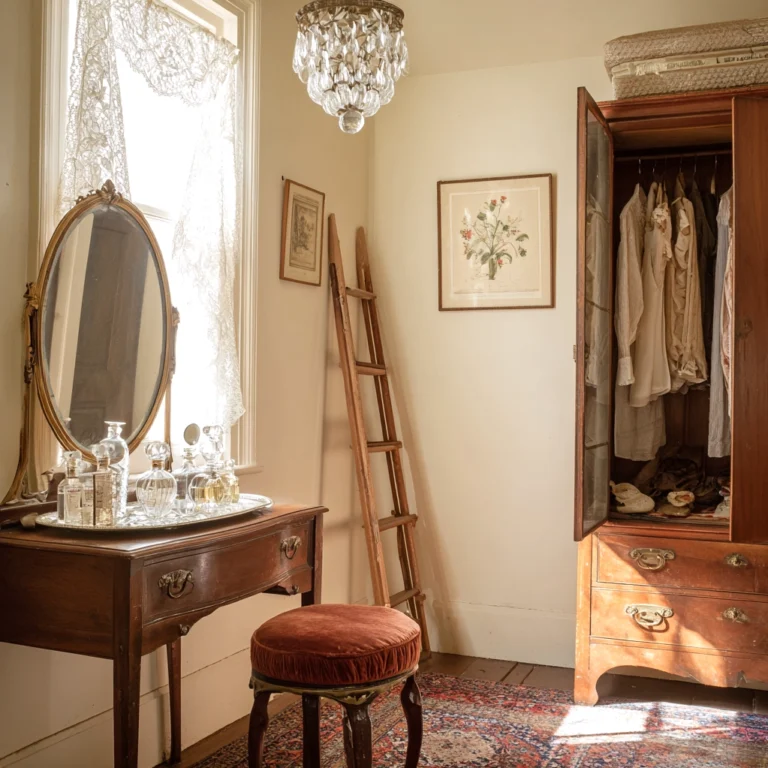
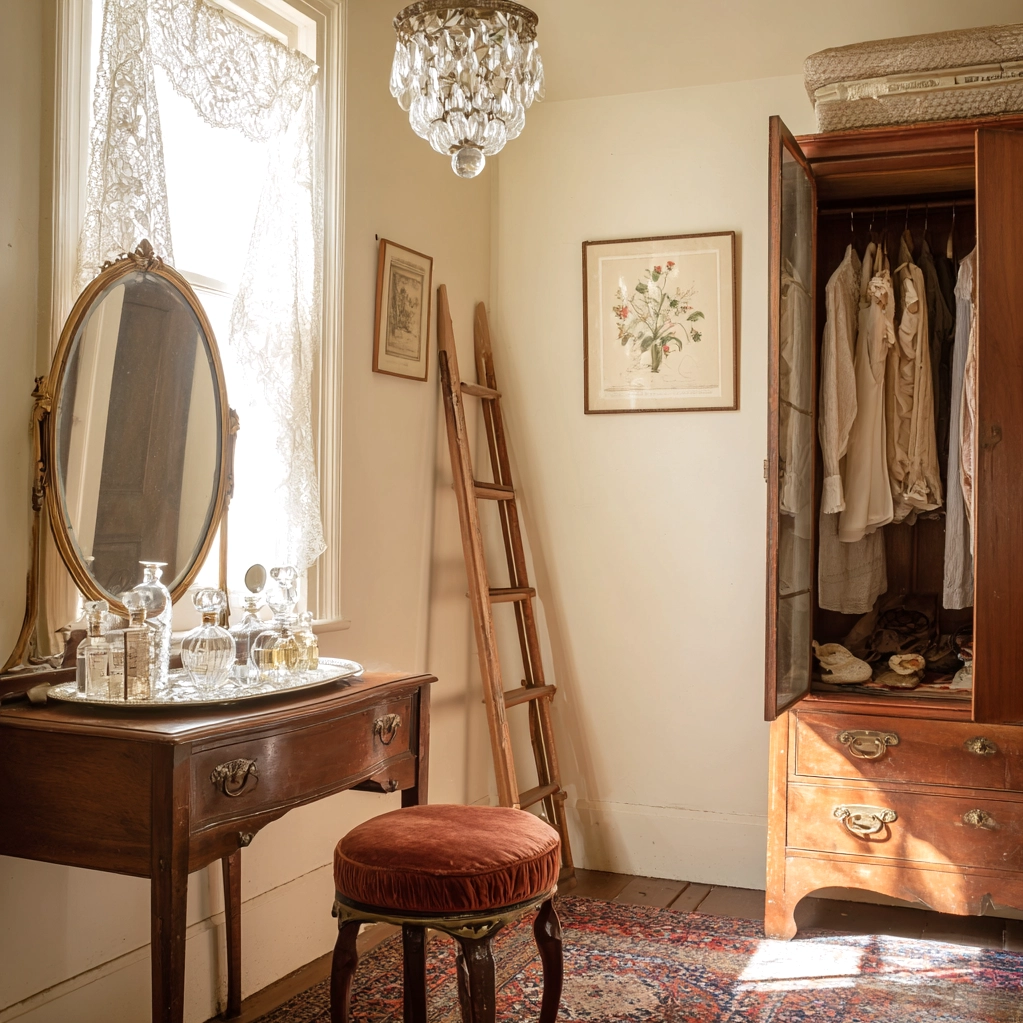
Step into a world where fashion meets nostalgia, and every corner tells a story of elegance and personal expression. The vintage dressing rooms aesthetic is more than just a design trend—it’s a celebration of timeless glamour, meticulous craftsmanship, and the intimate ritual of dressing. In an era dominated by fast fashion and digital distractions, creating a vintage-inspired dressing room offers a sanctuary of slow living and self-care. This aesthetic harks back to eras when dressing was an art form, from the opulent boudoirs of the Victorian era to the sleek Hollywood glamour of the 1950s. It transforms a functional space into a personal retreat, where every detail—from a velvet-upholstered stool to a gilded mirror—invites you to pause, reflect, and embrace your unique style. Embracing this aesthetic isn’t about mere decoration; it’s about curating an environment that honors the past while serving your present needs. Whether you have a dedicated room or a cozy nook, a vintage dressing room fosters creativity, confidence, and connection to history. It’s a space where heirlooms and thrifted finds coexist, telling tales of bygone days. As we navigate modern life’s hustle, this aesthetic reminds us to savor moments of beauty and intention. In this article, we’ll explore how to capture the magic of vintage dressing rooms, blending practicality with romance to create a space that feels both nostalgic and refreshingly personal.
Key Elements of the Vintage Dressing Rooms Aesthetic
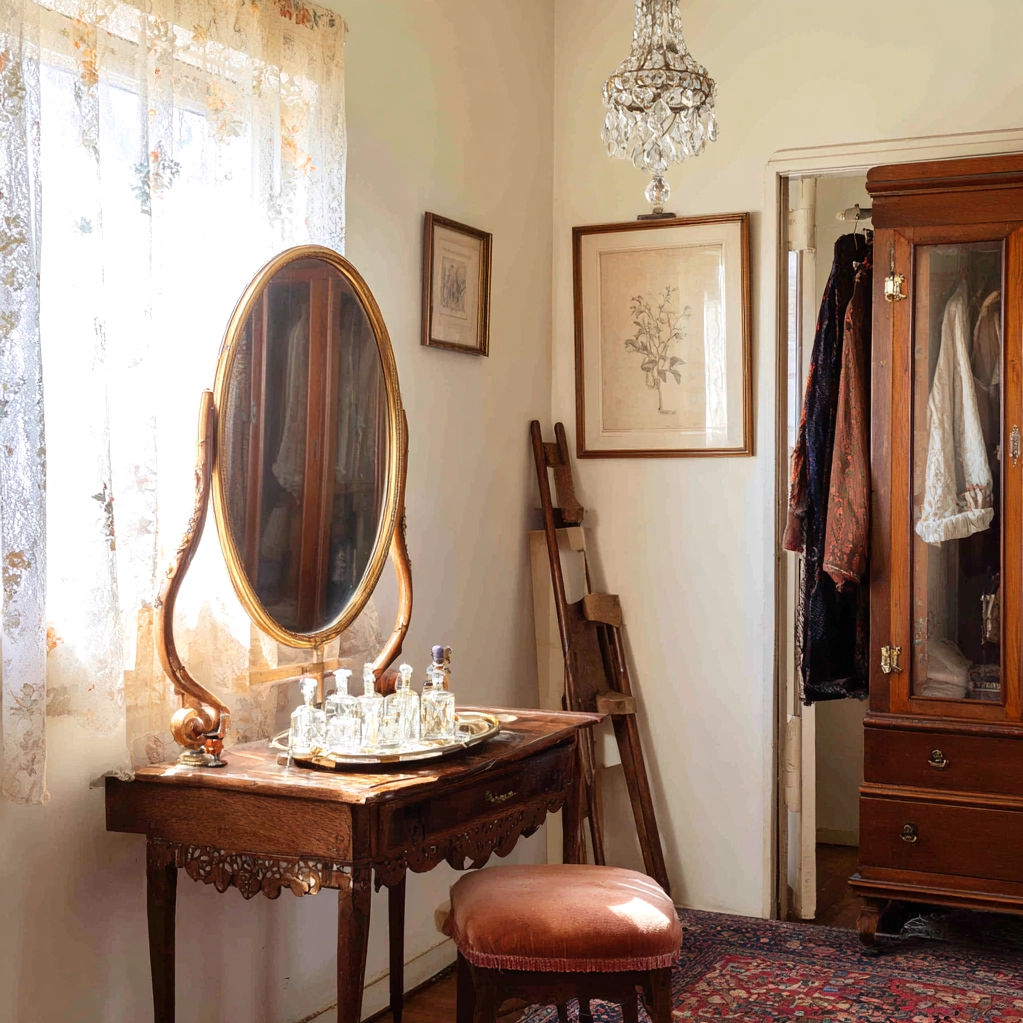
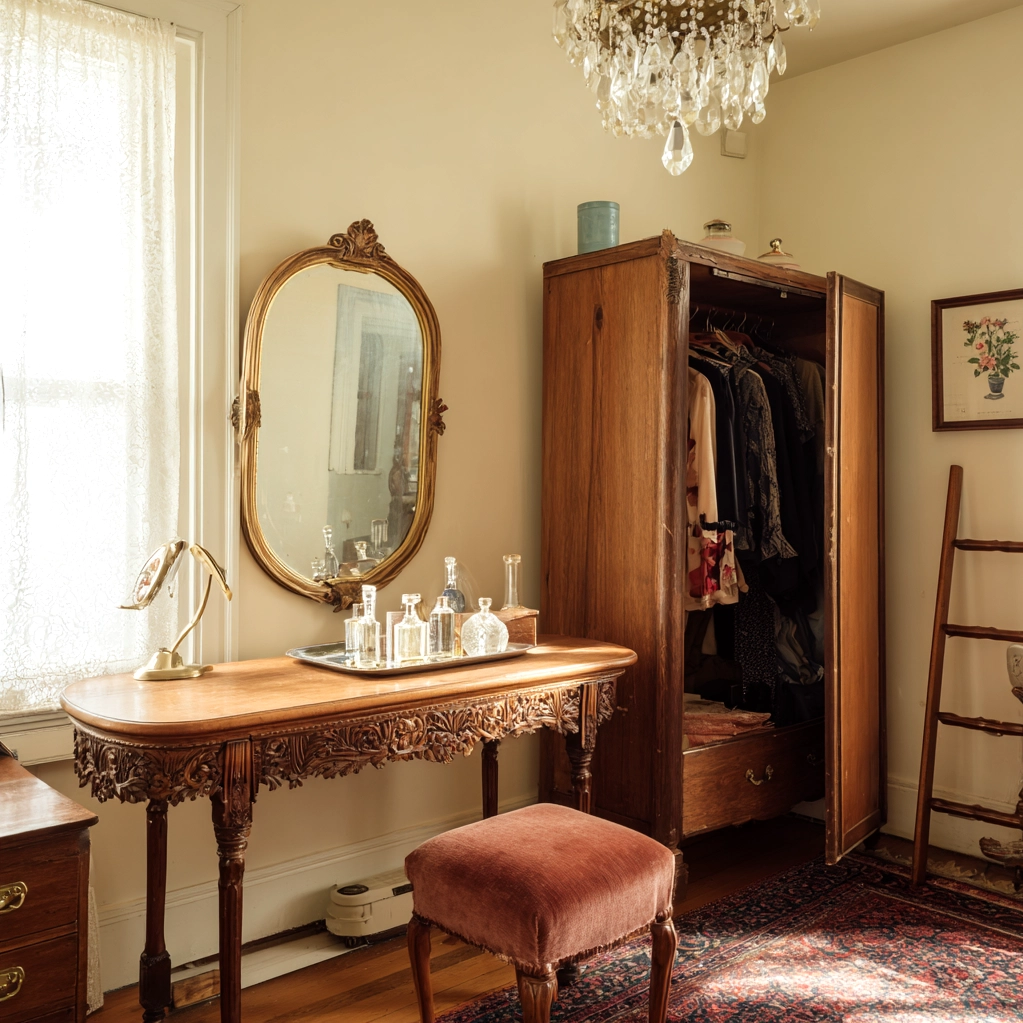
To master the vintage dressing rooms aesthetic, start with foundational elements that evoke nostalgia and elegance. First, focus on furniture with character. Look for pieces like a vanity table with carved wood details, a tufted stool, or a freestanding armoire with brass hardware. These items often feature rich materials such as oak, mahogany, or walnut, showcasing the craftsmanship of past decades. Second, lighting sets the mood. Opt for soft, warm illumination from vintage-style lamps with fabric shades or crystal chandeliers that cast a gentle glow, mimicking the ambiance of old Hollywood dressing rooms. Third, incorporate mirrors with history—think ornate frames in gold leaf or distressed finishes, which not only serve a practical purpose but also act as statement pieces. Fourth, textiles add layers of comfort and style. Velvet curtains, lace doilies, or silk runners on surfaces introduce texture and color, often in muted tones like blush, sage, or cream. Fifth, accessories tell the story. Display vintage perfume bottles, jewelry boxes, or hat stands to personalize the space, making it feel curated rather than staged. Remember, the vintage dressing rooms aesthetic thrives on authenticity. Mix eras thoughtfully—perhaps a 1920s art deco mirror paired with a 1970s bohemian rug—to avoid a museum-like feel. Prioritize functionality too; ensure storage is accessible, with drawers for accessories and hooks for garments. By blending these elements, you create a cohesive yet inviting space that honors the past while suiting modern life.
How to Create Your Own Vintage Dressing Rooms Aesthetic on a Budget
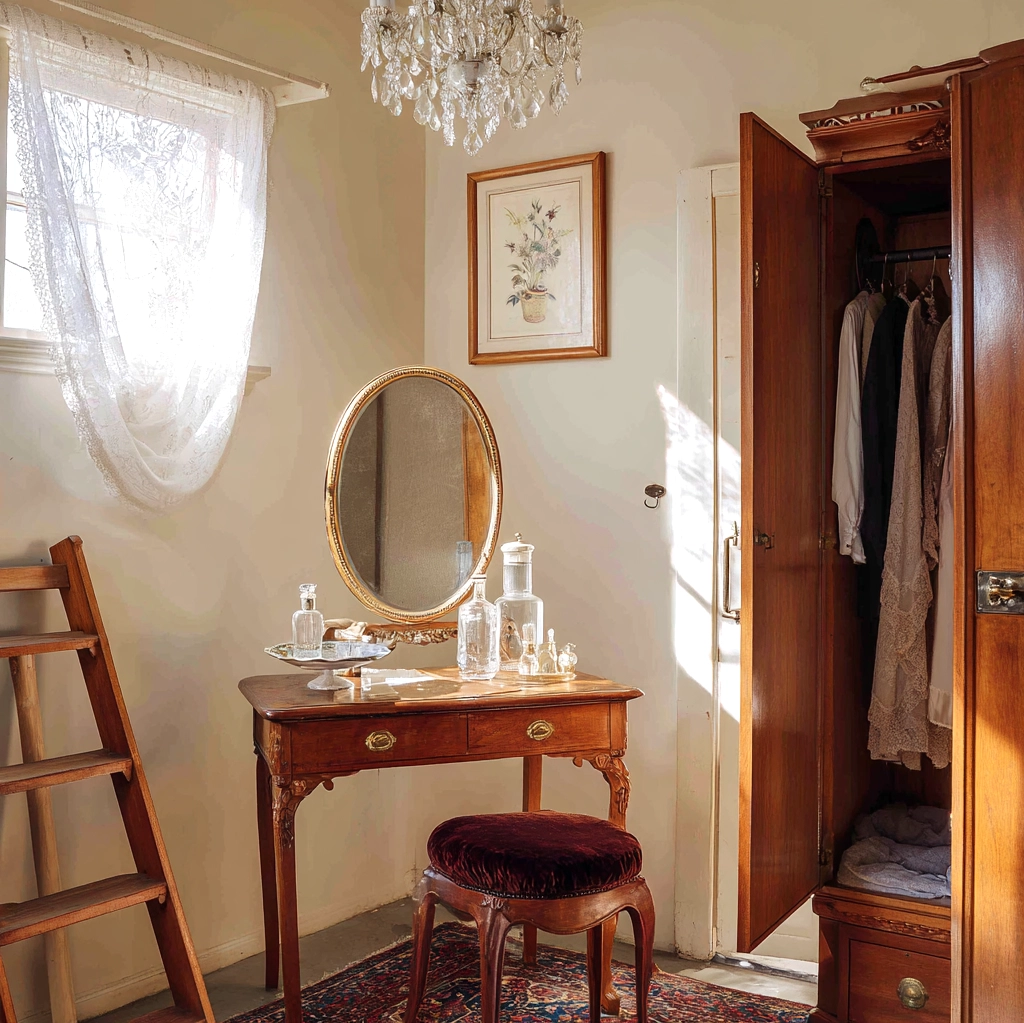
You don't need a fortune to achieve the vintage dressing rooms aesthetic; creativity and thriftiness can yield stunning results. Begin by scouring secondhand sources like flea markets, estate sales, or online platforms for affordable treasures. Look for items with good bones—a plain wooden chair can be reupholstered with vintage fabric, or a basic mirror can be embellished with DIY frame molding. Repurposing is key; an old ladder can become a rustic garment rack, while vintage suitcases stack into unique storage. For furniture, focus on one statement piece, such as a vanity, and build around it with simpler finds. Paint can work wonders: a coat of chalk paint in a soft hue, like antique white or dusty rose, can refresh dated pieces while maintaining a weathered charm. Add vintage flair through accessories—search for crystal knobs to upgrade drawers, or frame old fashion illustrations as wall art. Lighting can be budget-friendly too; shop for vintage-style bulbs or retrofit thrifted lamps with new shades. Textiles are an easy win; hunt for lace tablecloths or embroidered linens at garage sales to use as curtains or table covers. When arranging your space, prioritize organization to keep it functional. Use vintage baskets or hatboxes for storage, ensuring everything has a place. The vintage dressing rooms aesthetic isn't about perfection; embrace imperfections like chipped paint or worn edges, as they add character. By mixing high and low elements—say, a splurge on a quality mirror paired with DIY decor—you can craft a personalized retreat without overspending.
Styling Tips for a Cohesive Vintage Dressing Rooms Aesthetic
Styling is what transforms a collection of items into a harmonious vintage dressing rooms aesthetic. Start with a color palette inspired by historical periods—think soft pastels from the 1950s, moody jewel tones from the Victorian era, or earthy neutrals from the 1970s. Stick to two or three main colors to avoid clutter, using accents like gold or brass for metallic touches. Arrange furniture with flow in mind; place the vanity as a focal point, ideally near natural light, with a stool tucked neatly beneath. Position mirrors to reflect light and create the illusion of space, perhaps leaning against a wall for a casual vibe. Layering textures adds depth; combine a plush rug underfoot with a silk scarf draped over a chair and a woven basket for magazines. Display vintage items intentionally: group perfume bottles on a tray, hang hats on a wall rack, or line up vintage shoes on a shelf. Avoid overcrowding; curate selectively to let each piece shine, storing less-used items out of sight. Incorporate natural elements like dried flowers in a vase or a potted fern to soften the look and add life. Lighting should be layered too—combine overhead fixtures with task lamps on the vanity for practicality. For walls, consider vintage wallpaper or framed prints, ensuring they complement rather than compete with other decor. The vintage dressing rooms aesthetic benefits from a lived-in feel; leave a book open or a jewelry box slightly ajar to suggest daily use. Finally, personalize with items that resonate with you, whether family heirlooms or travel souvenirs, making the space uniquely yours while staying true to its nostalgic charm.
Conclusion
The vintage dressing rooms aesthetic offers more than visual appeal; it's a gateway to slower, more intentional living. By blending historical elegance with personal touches, you create a sanctuary that celebrates self-expression and relaxation. This aesthetic encourages us to appreciate the craftsmanship of the past, whether through a hand-carved vanity or a timeworn mirror, while adapting it to modern needs. As we've explored, key elements like character-rich furniture, soft lighting, and curated accessories form the foundation, achievable even on a budget through thrifting and DIY projects. Styling tips help weave these pieces into a cohesive narrative, ensuring the space feels both functional and enchanting. Looking ahead, the vintage dressing rooms aesthetic is poised to remain relevant as more people seek refuge from digital overload in tactile, nostalgic environments. Future trends might see a blend with sustainable practices, such as upcycling vintage items to reduce waste, or integrating smart storage solutions discreetly. To embrace this aesthetic, start small—perhaps with a vintage stool or a framed print—and let it evolve organically. Remember, the goal isn't replication but inspiration; let your space reflect your story, infused with the charm of yesteryear. In a world of constant change, a vintage dressing room becomes a timeless anchor, reminding us to dress with joy and dwell in beauty every day.
Frequently Asked Questions
Q: What time periods best inspire the vintage dressing rooms aesthetic?
The vintage dressing rooms aesthetic draws from multiple eras, each offering distinct charm. Popular inspirations include the Victorian era (1837-1901), known for opulent details like carved wood, velvet textiles, and ornate mirrors; the Art Deco period (1920s-1930s), featuring geometric patterns, sleek lines, and metallic accents; the 1950s Hollywood glamour, with pastel colors, tufted furniture, and crystal lighting; and the 1970s bohemian style, emphasizing natural materials, earthy tones, and eclectic accessories. Mixing elements from these periods can create a rich, layered look that feels personal rather than dated.
Q: How can I make a vintage dressing room functional for daily use?
To ensure functionality, prioritize organization and practicality. Start with ample storage: use vintage armoires or dressers for clothing, add hooks or racks for frequently worn items, and incorporate baskets or boxes for accessories. Choose a vanity with drawers to keep makeup and jewelry tidy. Ensure lighting is sufficient for tasks like applying makeup—combine overhead lights with adjustable lamps. Keep pathways clear and furniture arranged for easy movement. Modern conveniences can be discreetly integrated, such as charging stations hidden in drawers or LED strips under mirrors. By balancing vintage charm with smart storage, the space remains both beautiful and usable.
Q: Can I mix vintage pieces with modern items in this aesthetic?
Absolutely! Blending vintage and modern items can enhance the vintage dressing rooms aesthetic, making it feel fresh and livable. The key is to maintain a cohesive look by letting vintage pieces dominate while incorporating modern elements for comfort and functionality. For example, pair a vintage vanity with a contemporary stool in a complementary color, or use a modern floor lamp alongside antique mirrors. Choose modern items with clean lines or neutral tones to avoid clashing. This mix allows you to enjoy historical charm while benefiting from today's innovations, like better lighting or ergonomic furniture, creating a space that's both nostalgic and practical.