
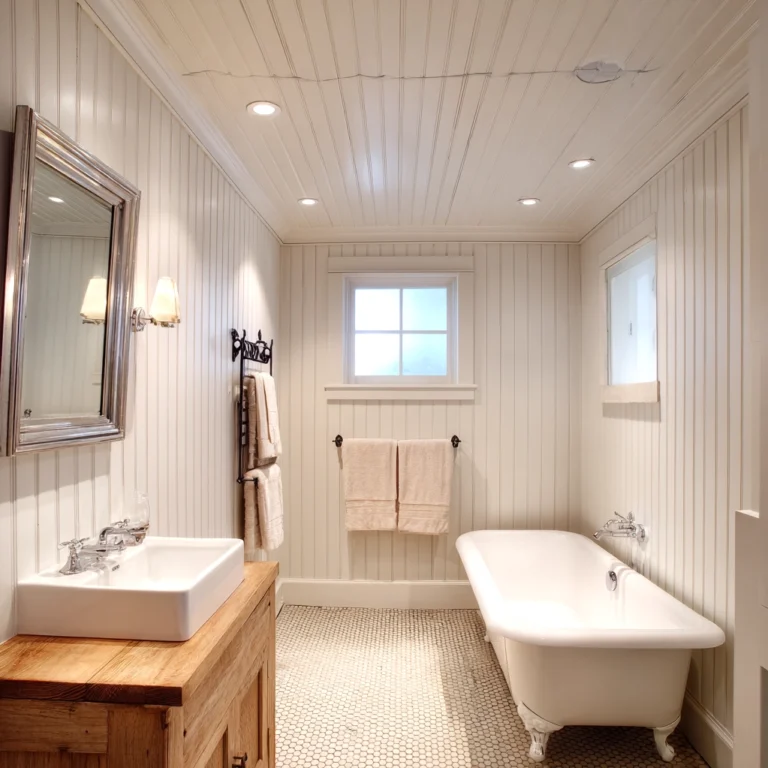
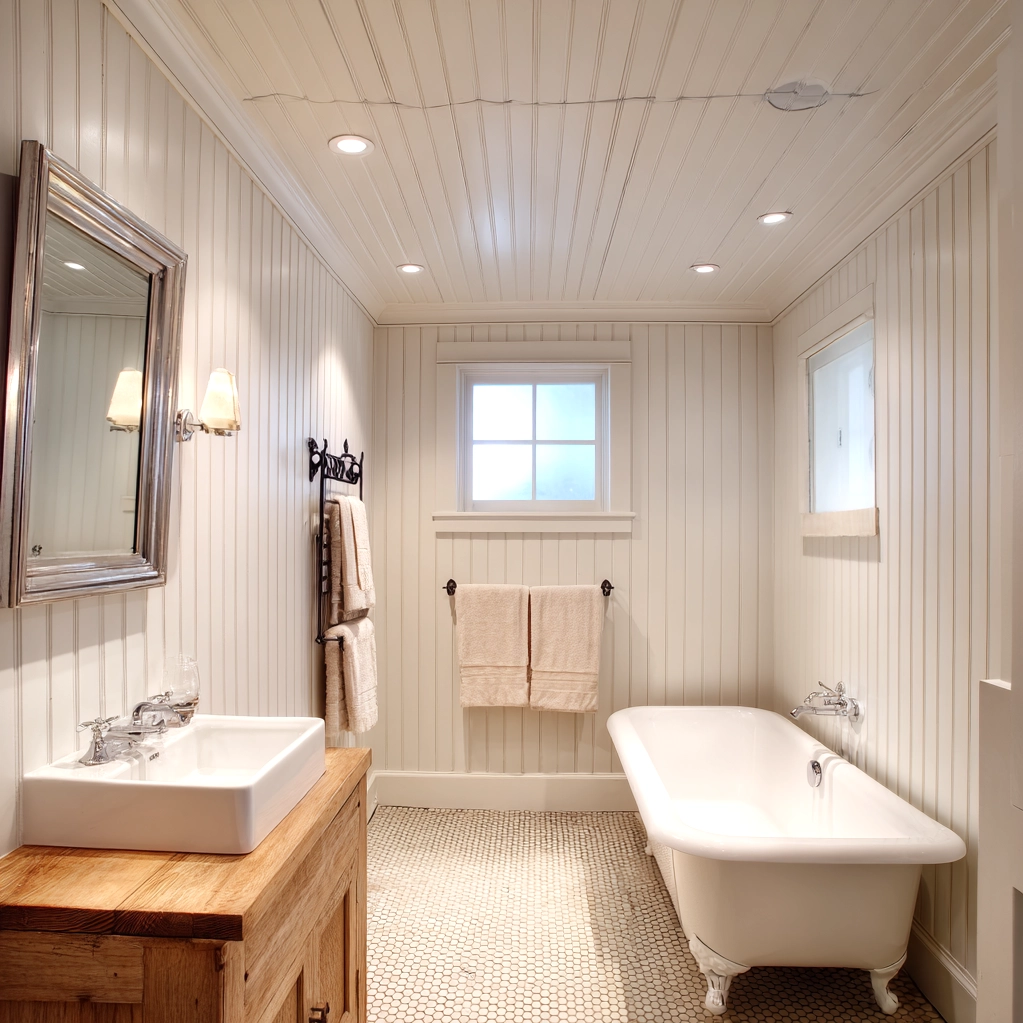
Imagine walking into a room where the walls and ceiling whisper stories of craftsmanship and comfort. Bead board walls and ceiling have long been cherished in home design, blending rustic charm with refined elegance. This classic material, with its distinctive vertical grooves and smooth panels, offers more than just visual appeal—it creates an atmosphere of warmth and character that modern materials often struggle to match. Whether you’re renovating a century-old farmhouse or adding personality to a contemporary space, bead board transforms ordinary rooms into inviting sanctuaries. The importance of bead board walls and ceiling extends beyond aesthetics. These installations provide practical benefits, from hiding imperfections in older walls to adding insulation value that helps regulate room temperatures. The linear patterns draw the eye upward, making ceilings feel higher and spaces more expansive. In today’s world of sterile drywall and impersonal finishes, bead board offers a tactile connection to traditional craftsmanship that feels both nostalgic and refreshingly current. Homeowners are increasingly seeking design elements that offer both beauty and substance, and bead board delivers on both fronts with timeless grace.
The Enduring Allure of Bead Board Walls and Ceiling
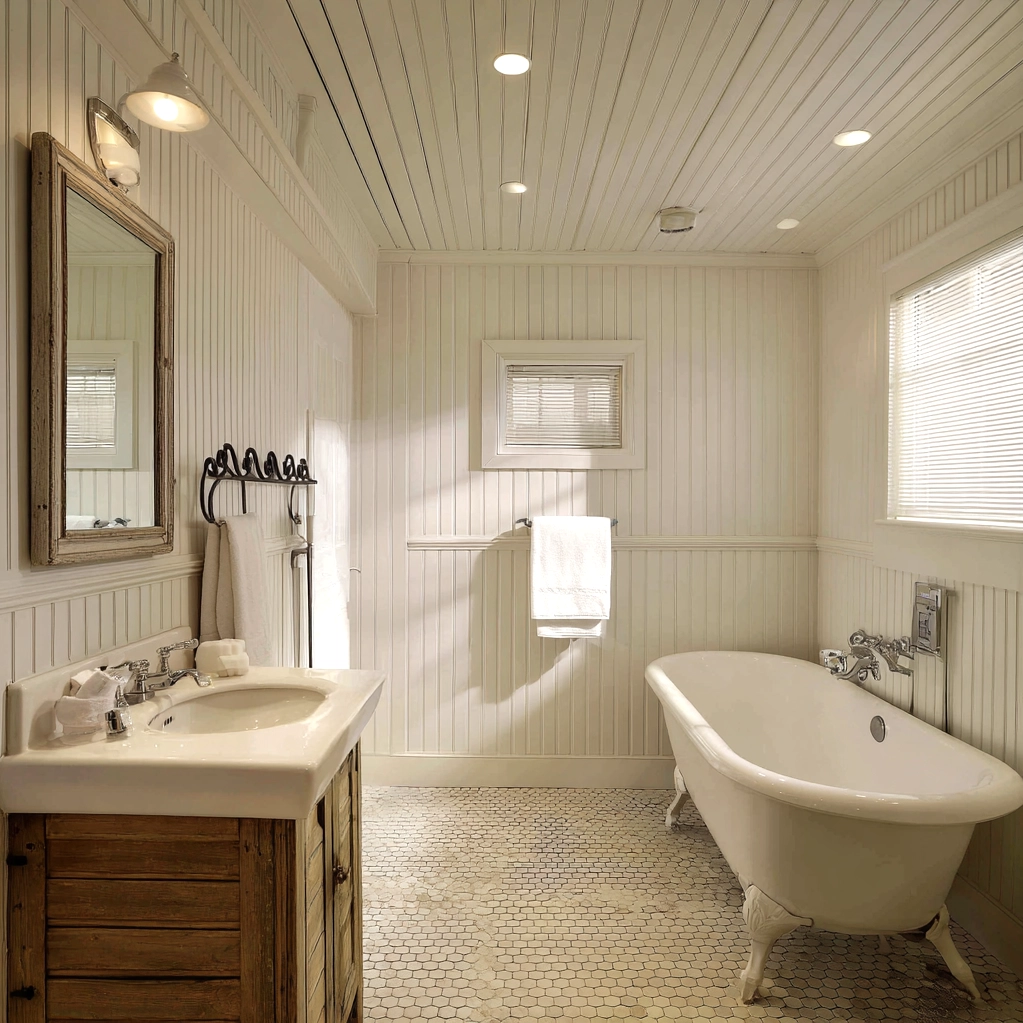
Bead board walls and ceiling possess a magical quality that transcends design trends. Their appeal lies in the perfect balance between simplicity and sophistication. The repeating vertical lines create rhythm and movement in a space, while the wood's natural warmth adds organic texture that synthetic materials can't replicate. Historically used in cottages, farmhouses, and coastal homes, bead board has evolved to suit contemporary interiors without losing its essential character. When installed on both walls and ceiling, it creates a cohesive envelope that feels protective and intimate, like being wrapped in a beautiful, wooden embrace. The visual continuity of bead board walls and ceiling makes rooms feel more integrated and harmonious. Unlike paint or wallpaper that stops at the wall-ceiling junction, bead board flows seamlessly from vertical to horizontal surfaces, eliminating harsh transitions. This continuous treatment is particularly effective in smaller rooms, where it creates a sense of enclosure without feeling claustrophobic. The lines draw the eye upward, emphasizing ceiling height while the warm tones make spaces feel cozy rather than cavernous. From traditional tongue-and-groove installations to modern interpretations using engineered materials, bead board walls and ceiling adapt to various styles while maintaining their distinctive personality. The material works beautifully with both antique furnishings and minimalist decor, proving its versatility across design eras.
Practical Benefits of Installing Bead Board Walls and Ceiling
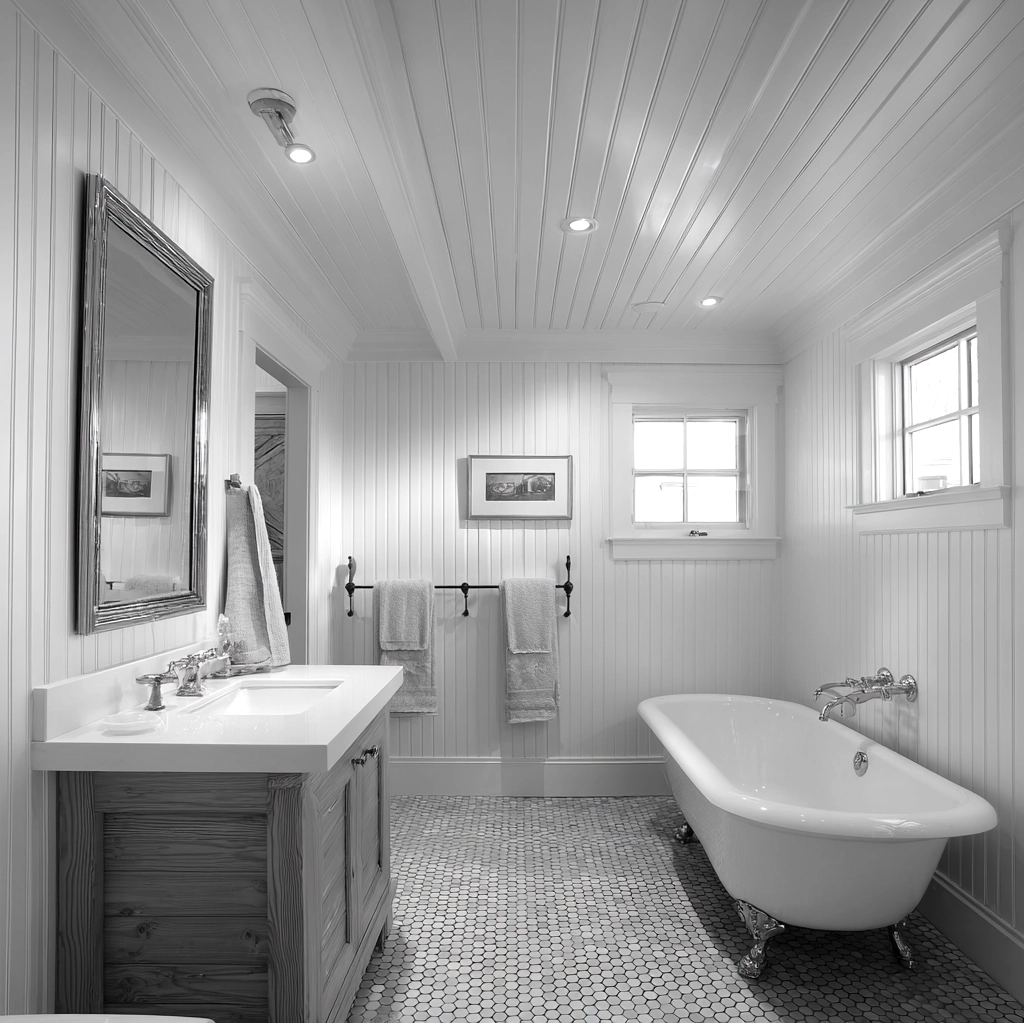
Beyond their undeniable beauty, bead board walls and ceiling offer substantial practical advantages that make them a smart choice for homeowners. First and foremost, they provide excellent durability compared to standard drywall. The solid wood or high-quality engineered materials resist dents and scratches better than painted surfaces, making them ideal for high-traffic areas like hallways, kitchens, and children's rooms. When properly installed and finished, bead board walls and ceiling can last for decades with minimal maintenance, outlasting multiple paint jobs on conventional walls. The installation of bead board walls and ceiling also helps with sound absorption and thermal regulation. The wood or wood-composite materials naturally dampen sound transmission between rooms, creating quieter, more peaceful interiors. In terms of temperature control, the additional layer provides slight insulation value, helping rooms feel warmer in winter and cooler in summer. This can lead to energy savings over time, especially in rooms with exterior walls or under insulated attics. Another significant advantage is how bead board walls and ceiling can conceal structural imperfections. Older homes often have uneven walls or ceilings that would require extensive plaster work to smooth completely. Bead board installation over these surfaces creates a fresh, flawless appearance without the mess and expense of major repairs. The vertical lines also help disguise minor settling or shifting that might occur over time in any home. From a maintenance perspective, bead board is remarkably forgiving—scuffs and marks often blend into the wood's natural character or can be easily touched up with paint or stain.
Design Ideas for Bead Board Walls and Ceiling Combinations
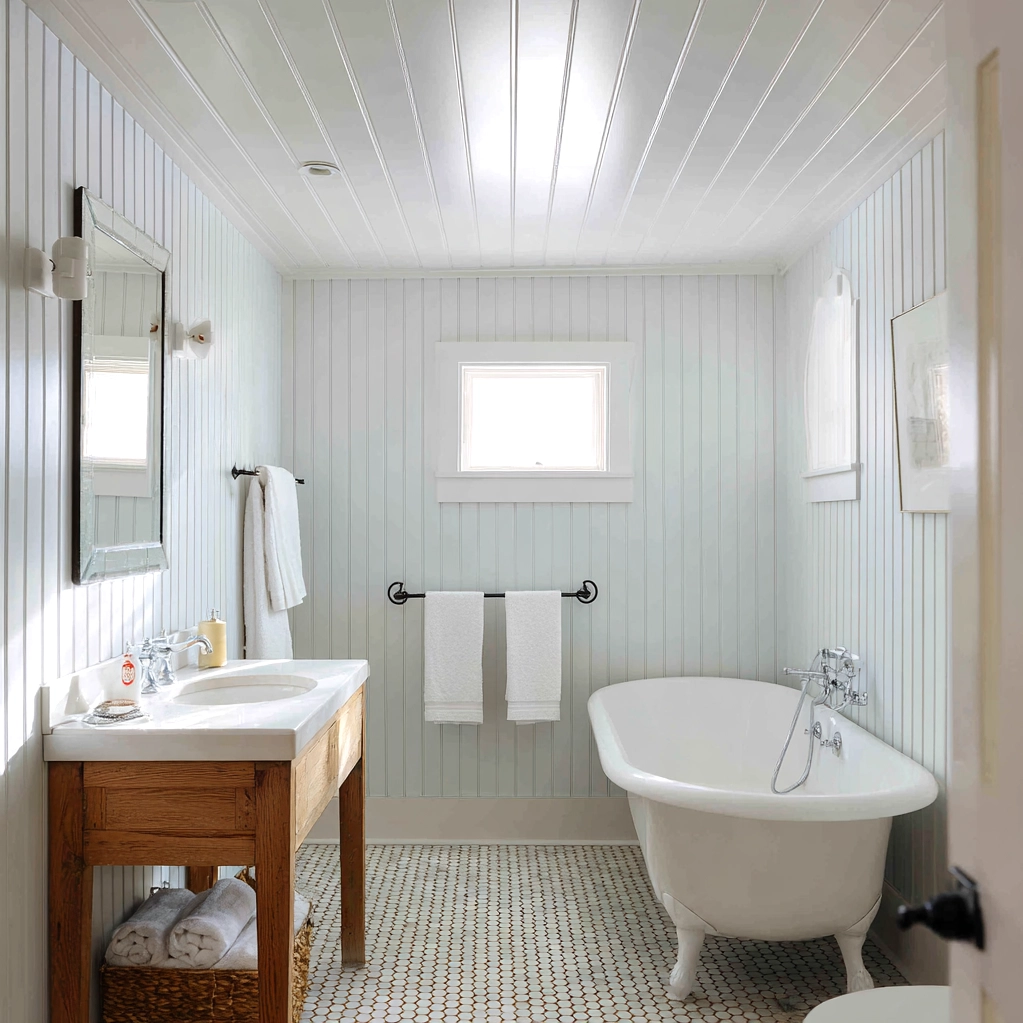
When planning bead board walls and ceiling installations, the design possibilities are wonderfully diverse. One popular approach is the full-room treatment, where bead board covers walls from floor to ceiling and continues across the ceiling surface. This creates a cohesive, enveloping effect that works beautifully in bathrooms, mudrooms, and cozy sitting areas. For a lighter feel, consider installing bead board on the lower portion of walls with a chair rail, then painting the upper walls and ceiling in complementary colors. This traditional wainscoting approach maintains the charm of bead board while preventing the space from feeling too enclosed. Creative applications of bead board walls and ceiling can define different zones within open-concept spaces. For example, a kitchen eating nook with bead board on all surfaces feels distinct from adjacent living areas without requiring physical walls. The material can also be used to highlight architectural features—installing bead board on a ceiling coffer or tray ceiling adds depth and interest to otherwise plain overhead spaces. Color choices dramatically affect the mood created by bead board walls and ceiling. Classic white bead board feels crisp and airy, perfect for coastal or cottage styles. Natural wood tones stained in light oak or walnut create warm, organic spaces that connect indoors with nature. For dramatic effect, dark-stained or painted bead board in navy, forest green, or charcoal gray makes rooms feel intimate and sophisticated. Mixing finishes—perhaps white on walls with a light stain on the ceiling—adds visual layers without overwhelming the space. Consider how lighting interacts with bead board walls and ceiling. The vertical grooves create subtle shadow lines that change throughout the day, adding dynamic texture to rooms. Recessed lighting or statement fixtures reflect beautifully off the smooth surfaces, while sconces mounted on bead board walls become integrated design elements rather than afterthoughts.
Conclusion
Bead board walls and ceiling represent more than just a design choice—they embody a philosophy of creating homes that feel both beautiful and authentically lived-in. Throughout this exploration, we've seen how this timeless material combines aesthetic appeal with practical benefits, from durability and sound absorption to its magical ability to transform ordinary spaces into character-filled rooms. The versatility of bead board allows it to adapt to various architectural styles while maintaining its essential charm, whether in a rustic farmhouse or modern urban apartment. As we look to the future of home design, bead board walls and ceiling continue to offer a refreshing alternative to temporary trends. In an era where many interiors feel impersonal and mass-produced, the craftsmanship and warmth of bead board create spaces with soul and permanence. The growing appreciation for natural materials and artisanal details suggests this classic treatment will remain relevant for years to come. For homeowners considering their next renovation project, bead board walls and ceiling offer an opportunity to invest in lasting beauty rather than fleeting fashion. Start by identifying one room where you'd like to add character—perhaps a bathroom that needs warmth or a hallway that feels sterile. Consult with professionals about material options, from traditional wood to moisture-resistant alternatives for humid spaces. Remember that even partial installations, like bead board on a ceiling or as wainscoting, can dramatically transform a room's atmosphere. Ultimately, choosing bead board walls and ceiling is about creating a home that feels genuinely welcoming—a space where every surface tells a story of care and craftsmanship.
Frequently Asked Questions
Q: What rooms work best for bead board walls and ceiling installations?
Bead board walls and ceiling work beautifully in various rooms, each offering different advantages. Bathrooms benefit from bead board's moisture resistance when using proper materials, creating a spa-like atmosphere with warm, natural textures. Kitchens and dining areas gain character and durability from bead board installations, especially in eating nooks or pantry areas. Bedrooms with bead board walls and ceiling feel cozy and intimate, perfect for creating restful retreats. Mudrooms and entryways handle high traffic well with bead board's durable surface. Even living rooms and studies can be transformed with bead board, particularly in homes with cottage, coastal, or traditional styles. The key is considering the room's function—high-humidity areas need appropriate materials, while formal spaces might use more refined bead board profiles.
Q: How do I maintain and clean bead board walls and ceiling?
Maintaining bead board walls and ceiling is straightforward with regular care. For painted bead board, dust with a soft cloth or microfiber duster weekly to prevent buildup in the grooves. Every few months, use a mild soap solution (like dish soap and water) with a soft sponge to wipe down surfaces, followed by a clean water rinse and thorough drying. Avoid abrasive cleaners or scrub brushes that could damage the finish. For stained or natural wood bead board, use wood-specific cleaners and periodically apply appropriate wood conditioners or refreshers to maintain the finish and prevent drying. In kitchens or bathrooms, promptly wipe away moisture to prevent water damage. Touch up paint chips or scratches as they occur to maintain appearance. With proper care, bead board walls and ceiling can remain beautiful for decades with minimal maintenance requirements.
Q: Can bead board walls and ceiling be installed in modern or contemporary homes?
Absolutely! While bead board has traditional roots, it adapts wonderfully to modern and contemporary homes when approached thoughtfully. For contemporary spaces, consider clean-lined bead board with minimal profile details—some modern versions have very subtle grooves or wider panels that create texture without overwhelming minimalist aesthetics. Painting bead board walls and ceiling in monochromatic schemes (like all white or all gray) creates seamless, textured backdrops for modern furniture. Another approach is using bead board on just one surface—perhaps the ceiling or a feature wall—to add warmth and texture without dominating the space. Mixing materials also works well: bead board ceilings paired with smooth drywall walls, or bead board wainscoting beneath large-format tile or sleek paneling. The key is balancing bead board's character with other contemporary elements, creating spaces that feel both current and comfortably lived-in.