
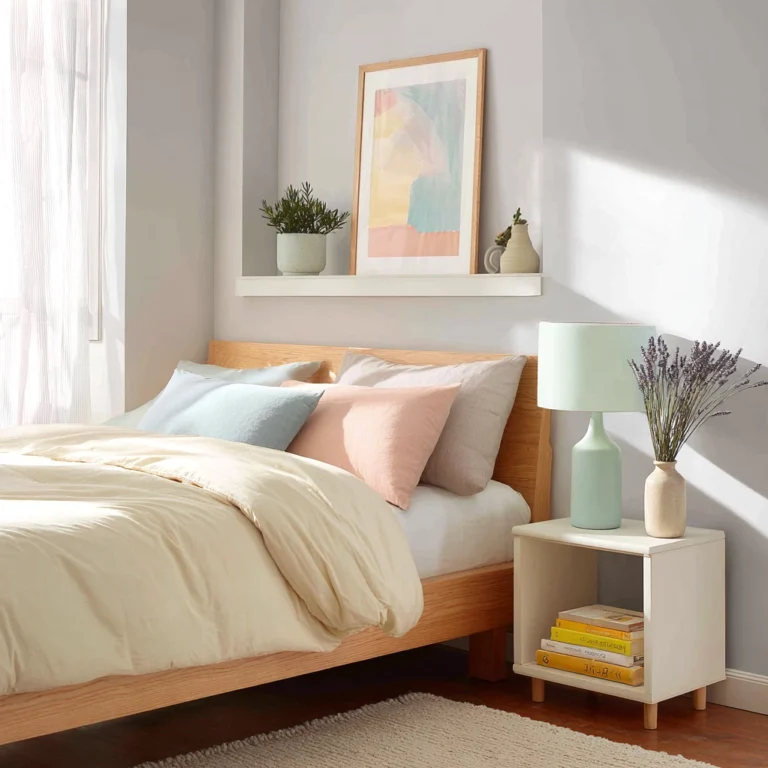
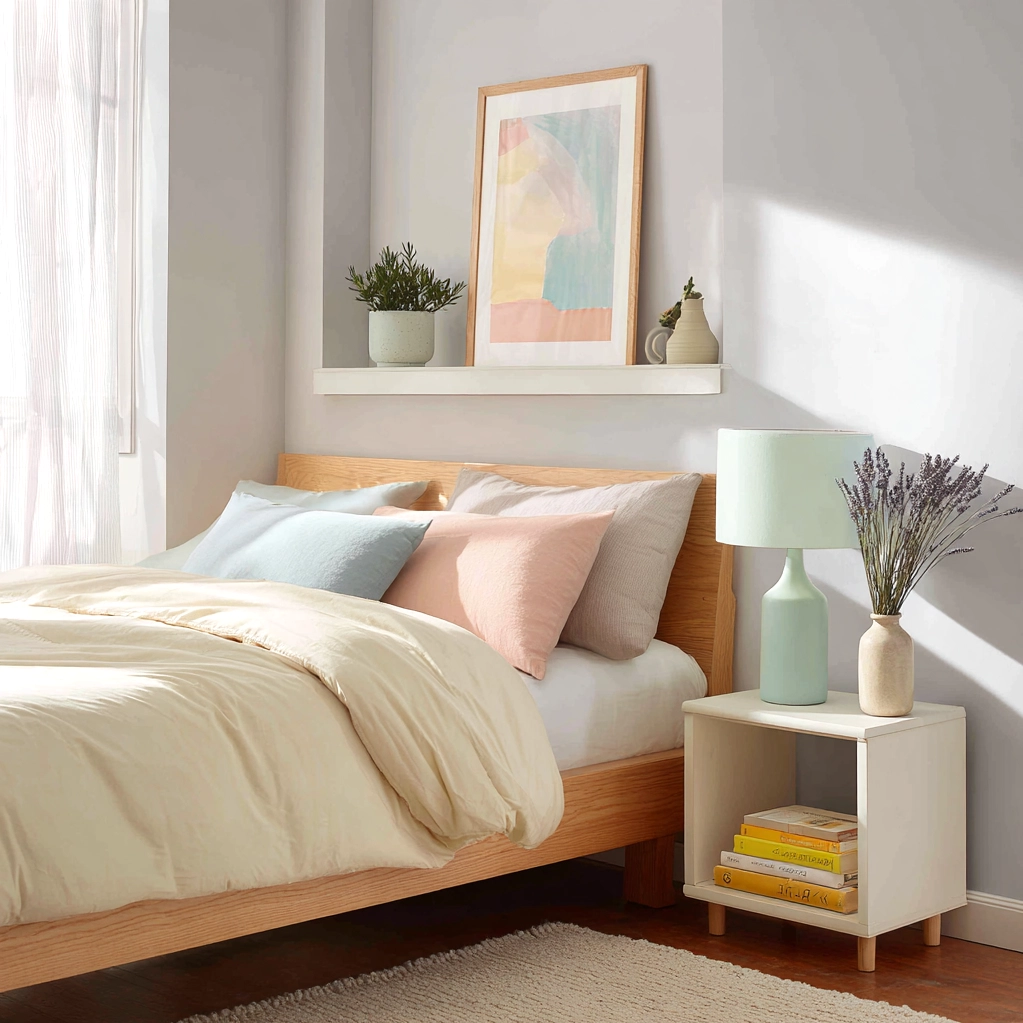
Imagine stepping into a room where stress melts away the moment you cross the threshold. That’s the transformative power of pastel room decor. These soft, muted hues—like blush pink, mint green, lavender, and baby blue—create spaces that feel serene, inviting, and refreshingly modern. In today’s fast-paced world, our homes have become sanctuaries, and pastel decor offers more than just aesthetic appeal; it fosters mental well-being. Studies show that gentle colors can reduce anxiety and promote relaxation, making pastels ideal for bedrooms, living areas, and even home offices. Whether you’re looking to refresh a single corner or overhaul your entire home, pastel room decor provides a versatile foundation. It blends beautifully with various styles, from minimalist Scandinavian to cozy bohemian, without overwhelming the senses. This approach isn’t just about following trends—it’s about crafting environments that nurture peace and joy. In this article, we’ll explore how to harness the magic of pastels to design spaces that are both stylish and soothing. Get ready to discover practical tips and inspiring ideas that will help you create your own calming haven.
Choosing Your Pastel Room Decor Palette
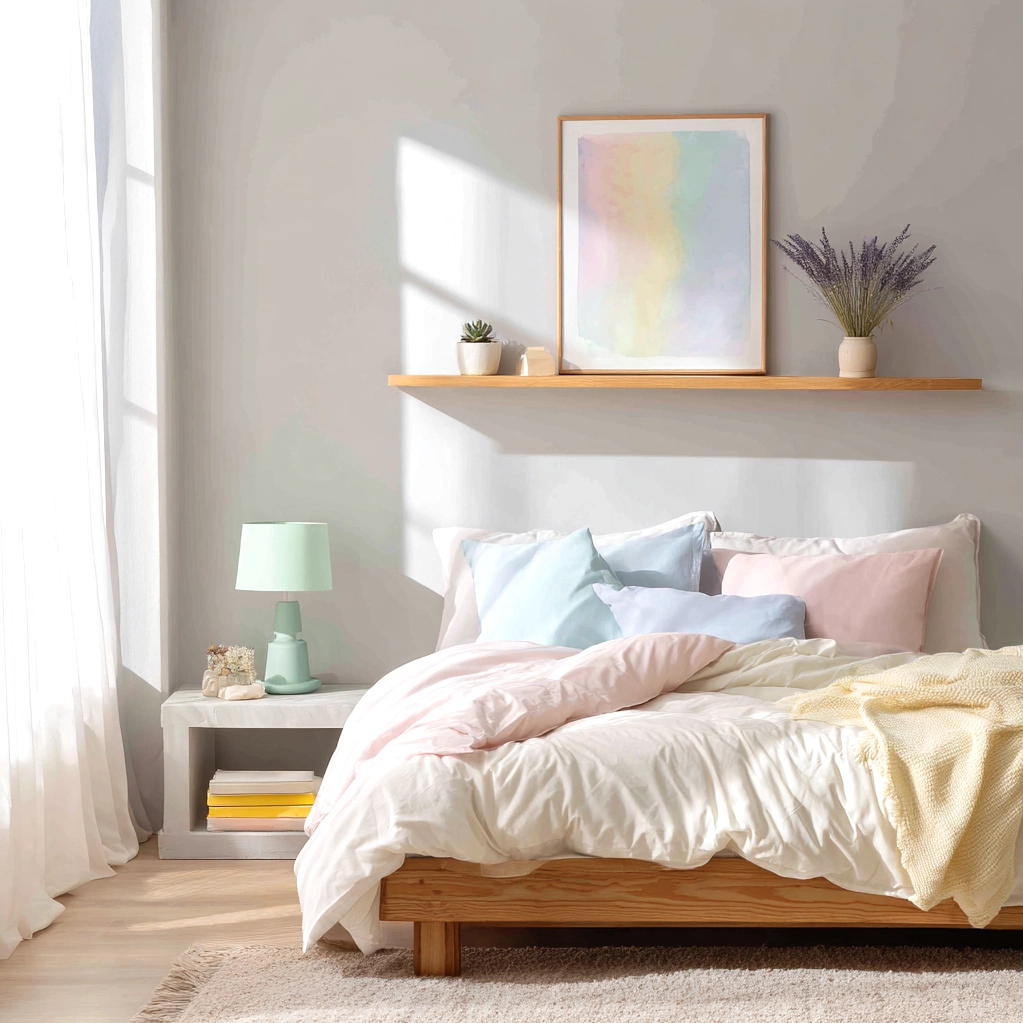
Selecting the right pastel palette is the first step toward creating a harmonious space. Pastel room decor works best when colors complement each other without competing. Start by considering the room's purpose: soft blues and greens are perfect for bedrooms due to their calming effects, while warm pinks and peaches can add coziness to living rooms. For a balanced look, choose one dominant pastel shade as your base, then accent with one or two complementary hues. For example, pair mint green with pale yellow for a fresh, spring-like vibe, or combine lavender with soft gray for a sophisticated touch. Don't forget about neutrals—white, beige, and light wood tones help pastels pop while preventing the room from feeling too sugary. Test your colors in different lighting conditions, as pastels can appear differently throughout the day. Remember, pastel room decor is about subtlety; avoid overly bright shades that might clash. Incorporate textures like linen, velvet, or wool to add depth and prevent the space from feeling flat. With a thoughtful palette, your pastel room will feel cohesive and inviting.
Incorporating Pastel Room Decor with Furniture and Textiles
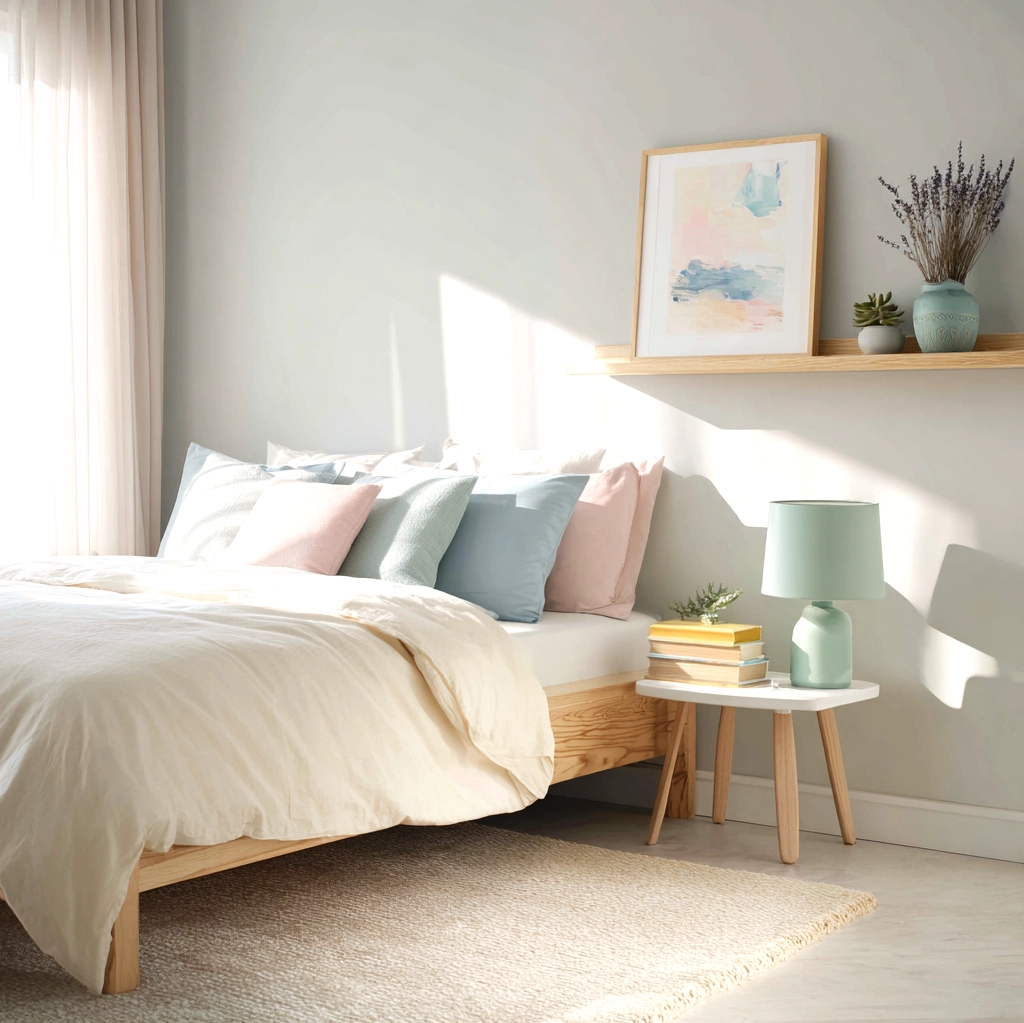
Furniture and textiles are key elements that bring pastel room decor to life. Start with larger pieces like sofas, beds, or cabinets in neutral tones to anchor the space, then layer in pastels through accessories. A beige sofa can be adorned with blush pink throw pillows and a mint green blanket for a cozy look. For a bolder approach, consider pastel-colored furniture, such as a pale blue armchair or a lavender dresser—just ensure these pieces are balanced with neutrals to avoid overwhelming the room. Textiles offer an easy way to experiment: think pastel curtains, rugs, and bedding. A soft peach rug can warm up a floor, while sky blue curtains can make a room feel airy and bright. Mix patterns cautiously; subtle stripes or floral prints in pastel shades can add interest without chaos. In bedrooms, opt for pastel linen sheets for a breathable, luxurious feel. Remember functionality: choose durable fabrics for high-traffic areas. Pastel room decor thrives on texture, so blend materials like cotton, jute, and silk. This layering creates a rich, lived-in atmosphere that's both beautiful and practical.
Accessorizing Your Pastel Room Decor for Personality
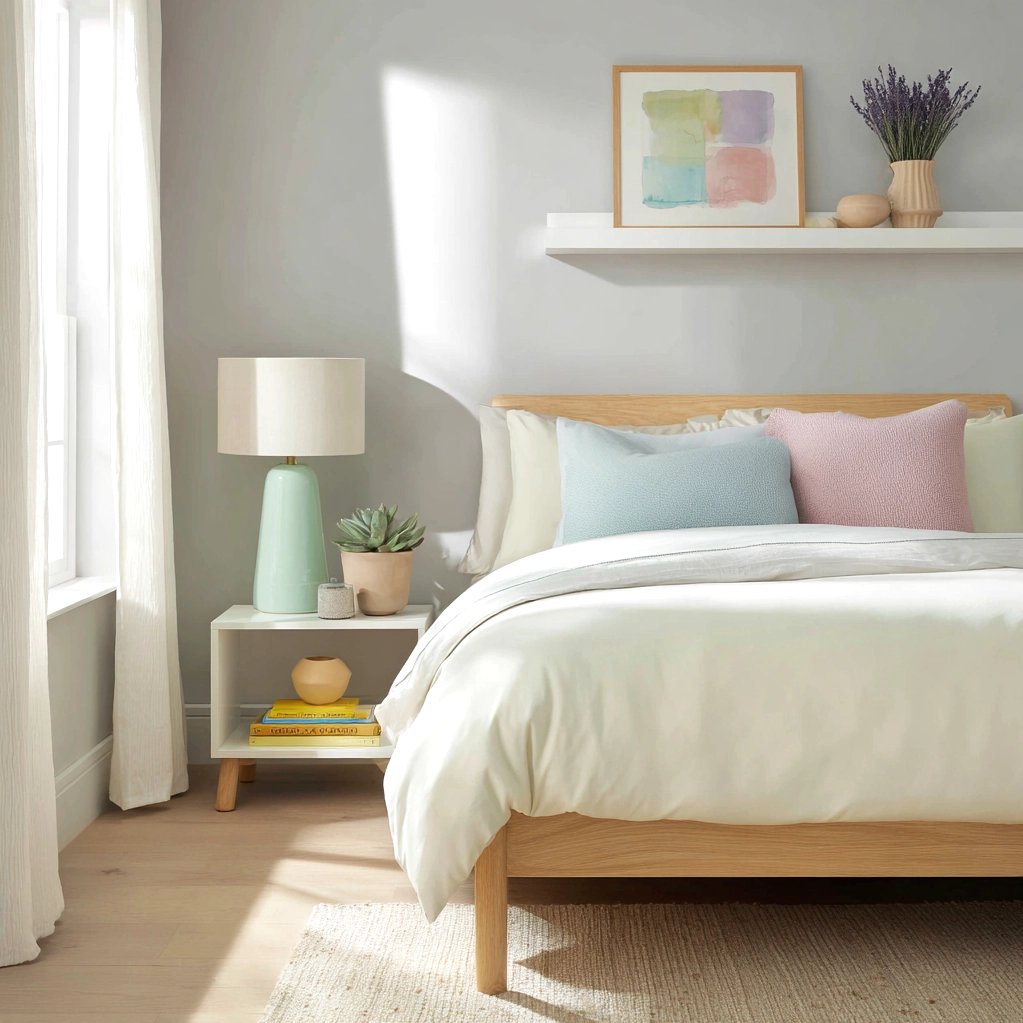
Accessories are where pastel room decor truly shines, allowing you to infuse personality without major renovations. Start with wall art: framed prints or canvases in pastel hues can serve as focal points. Consider DIY projects like painting old frames in soft colors or creating pastel macramé wall hangings. Lighting plays a crucial role; pastel lampshades or string lights can cast a gentle glow, enhancing the serene ambiance. Decorative objects like vases, candles, and books in coordinating shades add subtle pops of color. For example, a cluster of pastel ceramic vases on a shelf can create visual interest. Plants are a natural complement to pastel room decor—succulents in pastel pots or trailing ivy in mint planters bring life and freshness. Don't overlook small details: switch plates, coasters, and even tech accessories in pastel tones can tie the room together. Seasonal updates are easy with pastels; swap out accessories for different hues to reflect the time of year. The key is moderation—too many accessories can clutter the space. Aim for a curated look that feels intentional and calming.
Maintaining and Refreshing Your Pastel Room Decor
Keeping your pastel room decor looking fresh requires minimal effort with the right strategies. Pastels can show dirt more easily than darker colors, so regular cleaning is essential. Vacuum upholstered furniture and rugs weekly, and spot-clean spills promptly to prevent stains. For walls, use washable paint in satin or eggshell finishes, which are easier to wipe down. Sunlight can fade pastel fabrics over time, so consider UV-blocking curtains or rotate decorative items periodically. To refresh your space without a complete overhaul, introduce new accessories or swap out textiles. For instance, change throw pillow covers or add a new pastel rug to update the look seasonally. If you're feeling adventurous, repaint an accent wall in a different pastel shade for a quick transformation. Pastel room decor is versatile; it can evolve with your tastes. Incorporate metallic accents like gold or brass for a touch of elegance, or add natural elements like wood and stone to keep the design grounded. Regular maintenance ensures your pastel haven remains a peaceful retreat for years to come.
Conclusion
Pastel room decor offers a timeless and effective way to create spaces that are both beautiful and beneficial for well-being. By carefully selecting palettes, layering furniture and textiles, accessorizing with personality, and maintaining your design, you can craft rooms that exude serenity and style. This approach isn't just about aesthetics; it's about building environments that support relaxation and happiness in our daily lives. As trends come and go, the calming appeal of pastels remains a constant, making it a smart choice for long-term home design. Looking ahead, consider integrating sustainable materials and smart home elements into your pastel decor for a modern twist. The future of interior design leans toward personalization and wellness, and pastels fit perfectly into this vision. Start small—perhaps with a pastel accent wall or a few decorative pieces—and let the magic unfold. Your home can become a sanctuary where soft colors inspire peace and creativity every day.
Frequently Asked Questions
Q: How can I incorporate pastel room decor without making the space look too childish?
To avoid a childish feel, balance pastels with mature elements. Use sophisticated neutrals like gray, white, or beige as a base, and opt for pastel shades with subtle undertones, such as dusty rose or sage green. Incorporate textures like velvet, metal, or wood to add depth. Choose furniture with clean lines and avoid overly cartoonish patterns. Accessories like abstract art or geometric designs in pastel hues can also elevate the look.
Q: What are the best pastel colors for small rooms to make them appear larger?
Light pastels like soft blue, pale yellow, and mint green are excellent for small rooms because they reflect light and create an airy feel. Pair these with white or light-colored furniture and mirrors to enhance the sense of space. Avoid dark accents that can make the room feel cramped. Use consistent pastel tones on walls, ceilings, and trim to blur boundaries and expand visual perception.
Q: Can pastel room decor work in modern or industrial-style homes?
Yes, pastel room decor can complement modern or industrial styles by adding softness to harsh lines and materials. In industrial spaces, pair pastels with raw elements like exposed brick or concrete—for example, a blush pink accent wall against gray concrete. For modern homes, use pastels in minimalist furniture or artwork to create contrast with sleek surfaces. Stick to muted pastels and avoid frilly details to maintain a contemporary edge.