
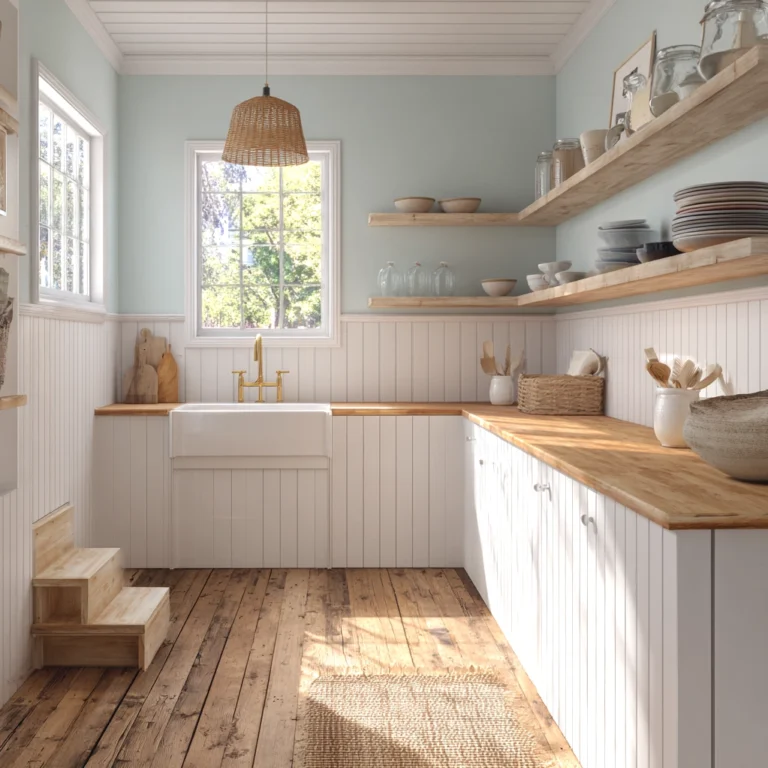
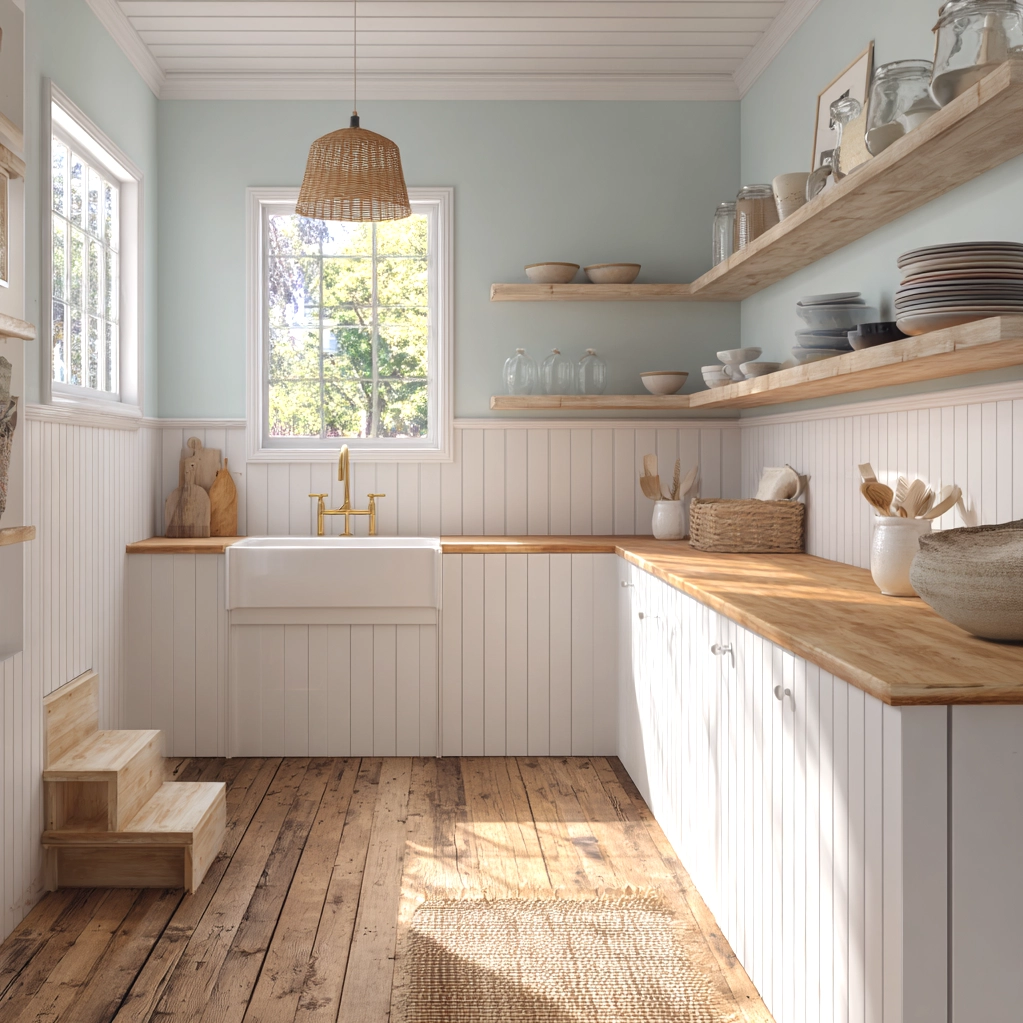
When you think of home design, what comes to mind? For many, it’s the walls—the blank canvases that define our spaces. Among the myriad of wall treatments available, beadboard walls stand out as a classic, versatile choice that can breathe new life into any room. This traditional paneling, with its distinctive grooves and clean lines, has been a staple in homes for centuries, and for good reason. It adds texture, character, and a touch of rustic elegance that modern finishes often lack. But beadboard isn’t just about nostalgia; it’s a practical solution for today’s homeowners looking to enhance their interiors without breaking the bank. Whether you’re aiming for a cozy cottage feel in the kitchen or a crisp, nautical vibe in the bathroom, beadboard walls offer endless possibilities. They can hide imperfections, create visual interest, and even make small spaces feel larger. In a world where trends come and go, beadboard remains a reliable favorite, proving that some designs truly are timeless. This article will explore why beadboard walls deserve a place in your home, from their history and benefits to practical tips for installation. By the end, you’ll see how this simple paneling can transform your living spaces into something extraordinary.
The Enduring Appeal of Beadboard Walls in Modern Homes
Beadboard walls have a rich history that dates back to the 19th century, originally used as a cost-effective way to insulate and protect walls in homes and barns. Today, they’ve evolved into a beloved design element that bridges the gap between vintage charm and contemporary style. What makes beadboard so appealing is its versatility. In kitchens, it can create a warm, inviting backdrop for cabinetry and countertops, while in bathrooms, it adds a fresh, clean look that resists moisture well. Living rooms and dining areas benefit from its texture, which can break up large wall surfaces and add depth without overwhelming the space. Unlike flat paint or wallpaper, beadboard introduces a tactile quality that invites touch and enhances the overall sensory experience of a room. It’s also incredibly durable, often made from materials like MDF, PVC, or real wood, which can withstand daily wear and tear. For those on a budget, beadboard offers an affordable way to achieve a high-end look, as it’s relatively easy to install and can be painted in any color to match your decor. Whether you prefer a traditional white finish or a bold hue, beadboard walls adapt effortlessly, making them a smart choice for any home style, from farmhouse to minimalist.
Practical Benefits and Installation Tips for Beadboard Walls
Beyond aesthetics, beadboard walls offer several practical benefits that make them a worthwhile investment. First, they provide excellent protection for your walls, shielding them from dents, scratches, and moisture damage, especially in high-traffic areas like hallways or mudrooms. This durability means less maintenance over time, saving you money on repairs. Second, beadboard can improve insulation slightly, helping to regulate temperature and reduce noise, which is perfect for creating a quieter, cozier environment. When it comes to installation, there are a few key tips to ensure success. Start by measuring your walls accurately to determine how much material you’ll need; beadboard panels typically come in 4×8-foot sheets or as individual planks. Prepare the surface by cleaning it and repairing any imperfections, as a smooth base will result in a cleaner finish. Use adhesive and nails to secure the panels, starting from the bottom and working your way up to align the grooves properly. For corners and edges, consider using trim pieces to hide seams and create a polished look. Painting is best done after installation, using a high-quality primer and paint suited for your material type. If you’re not confident in DIY skills, hiring a professional can ensure a flawless result. Overall, with careful planning, beadboard walls can be a straightforward project that yields impressive rewards.
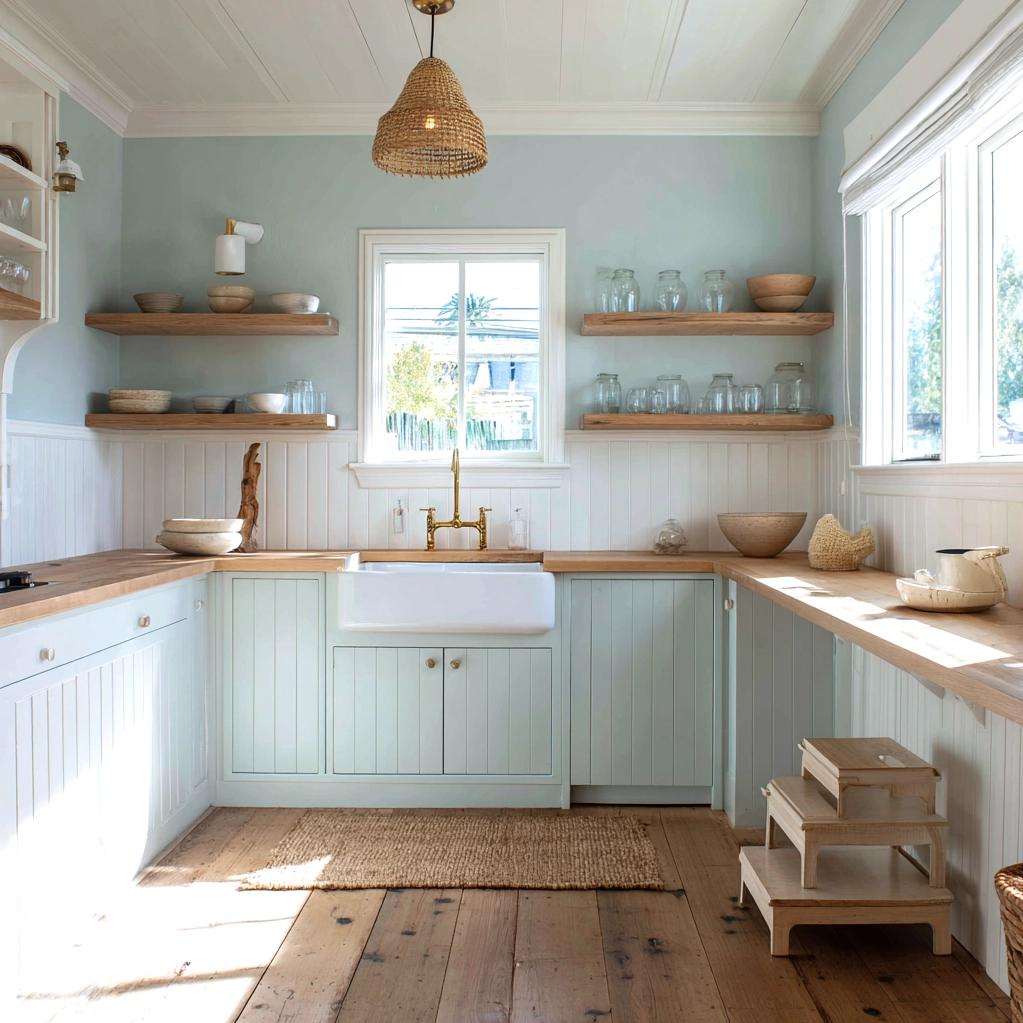
Styling Ideas to Maximize the Impact of Beadboard Walls
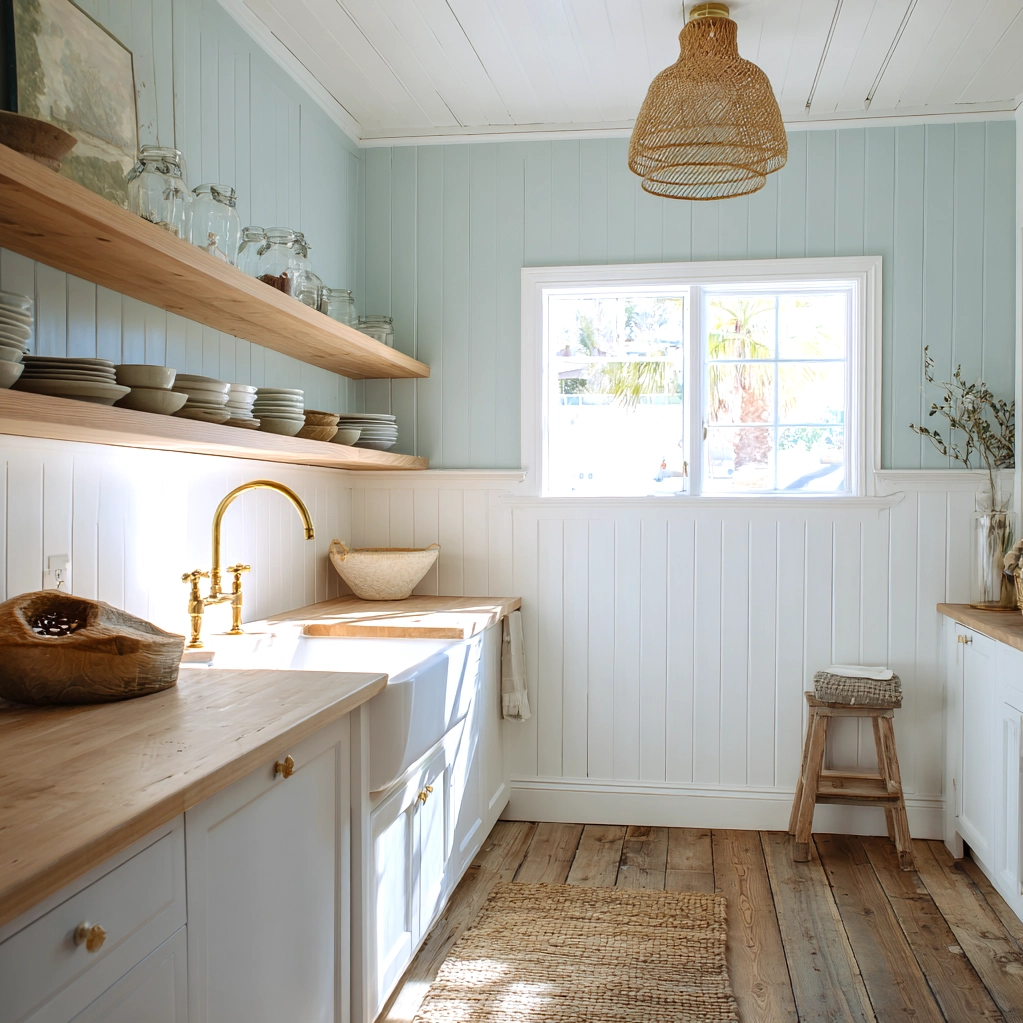
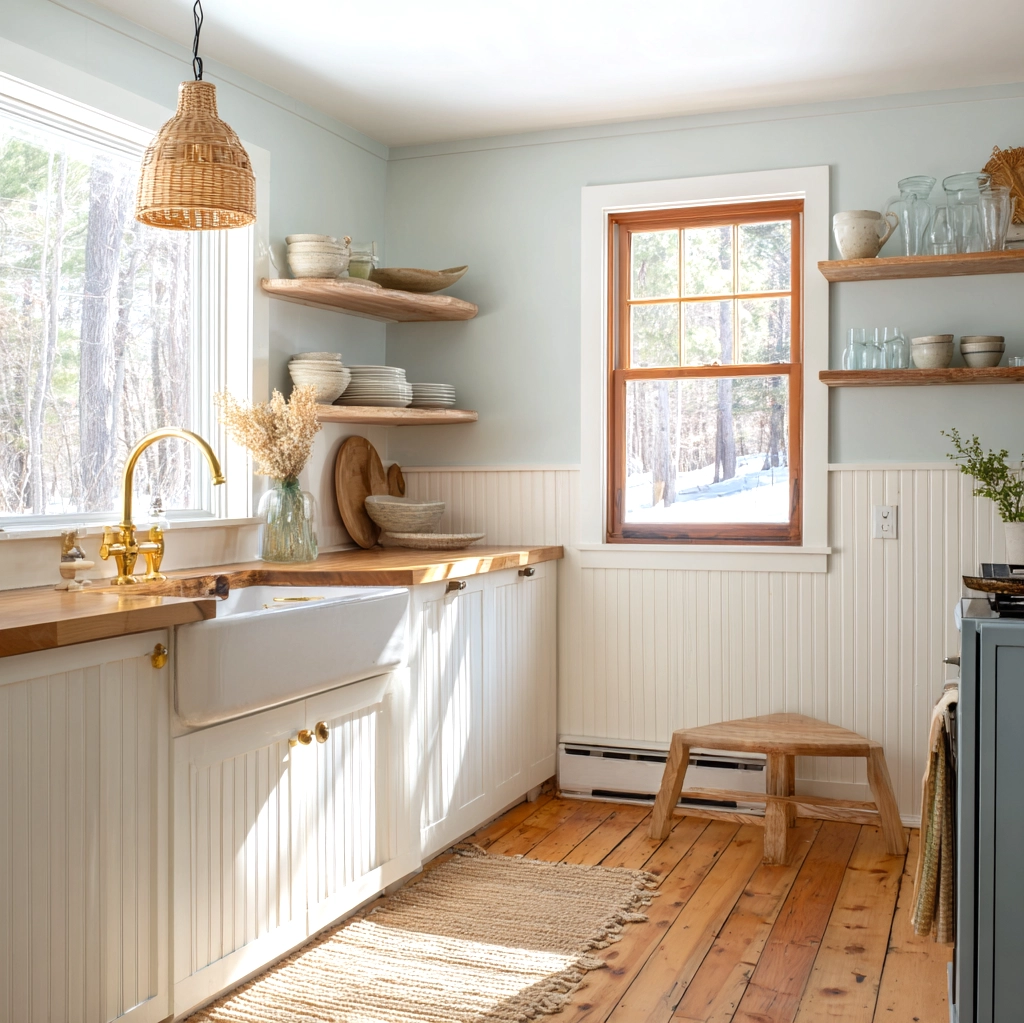
Once installed, beadboard walls open up a world of styling possibilities that can elevate your home’s decor. For a classic look, pair white beadboard with neutral tones and natural materials like wood or wicker, creating a serene, airy feel. This works beautifully in bedrooms or sunrooms where relaxation is key. If you want to add a pop of color, consider painting the beadboard in a soft pastel or a deep, moody shade like navy or charcoal, which can make a bold statement in dining rooms or offices. In kitchens, beadboard can be used as a backsplash or to cover lower walls, complemented by open shelving or metallic accents for a touch of modernity. For bathrooms, opt for beadboard that reaches chair-rail height to protect against splashes while maintaining an elegant profile. To enhance texture, mix beadboard with other elements like shiplap or wallpaper on adjacent walls, creating visual contrast without clutter. Lighting also plays a crucial role; sconces or pendant lights can highlight the grooves and shadows of beadboard, adding depth and warmth. Don’t forget accessories—artwork, mirrors, and shelving can be mounted directly onto beadboard, but use proper anchors to avoid damage. By thoughtfully integrating beadboard into your design scheme, you can create spaces that feel both curated and comfortable.
Conclusion
In summary, beadboard walls are more than just a decorative trend; they are a timeless design solution that combines beauty, durability, and versatility. From their historical roots to their modern applications, beadboard has proven itself as a reliable choice for homeowners seeking to add character and functionality to their spaces. Whether you’re tackling a DIY project or planning a professional renovation, the insights shared here—from installation tips to styling ideas—can help you make the most of this classic paneling. Looking ahead, as home design continues to evolve, beadboard walls are likely to remain a staple, adapting to new styles and technologies. Consider experimenting with sustainable materials or innovative finishes to keep your space fresh. Ultimately, investing in beadboard is an investment in your home’s long-term appeal and comfort. So, take the leap and let these charming walls transform your rooms into havens of style and substance.
Frequently Asked Questions
Q: What materials are best for beadboard walls in high-moisture areas like bathrooms?
For high-moisture areas such as bathrooms, it’s essential to choose materials that resist water damage and mold. PVC or vinyl beadboard is an excellent option because it’s waterproof, easy to clean, and doesn’t warp or rot. Alternatively, moisture-resistant MDF (medium-density fiberboard) treated with a sealant can work well if properly installed and painted. Avoid using solid wood unless it’s specifically rated for wet environments and sealed with a high-quality waterproof finish. Always ensure proper ventilation in the room to prolong the life of your beadboard walls.
Q: Can beadboard walls be installed over existing drywall or plaster?
Yes, beadboard walls can typically be installed over existing drywall or plaster, making them a convenient option for renovations. First, check that the surface is smooth, clean, and free of major imperfections. Repair any cracks or holes, and sand down rough spots to ensure a flat base. Use construction adhesive along with nails or screws to secure the beadboard panels directly to the wall. This method can save time and effort compared to removing old wall coverings. However, be mindful of electrical outlets and switches; you may need to extend them or use spacer rings to accommodate the added thickness of the beadboard.
Q: How do I maintain and clean beadboard walls to keep them looking new?
Maintaining beadboard walls is relatively simple and helps preserve their appearance over time. For regular cleaning, dust the surfaces with a soft cloth or duster to remove debris from the grooves. For deeper cleaning, use a mild soap and water solution, applying it with a damp sponge or cloth—avoid excessive moisture, especially on wood-based materials, to prevent damage. Gently scrub along the grooves to dislodge any dirt. If your beadboard is painted, touch up chips or scratches with matching paint to maintain a seamless look. Avoid harsh chemicals or abrasive tools that could scratch or discolor the surface. With proper care, beadboard walls can stay beautiful for years.