Step into a workspace that whispers of tradition, quality, and quiet confidence. ‘Old money office decor’ isn’t merely a design trend; it’s a philosophy of creating an environment that reflects stability, heritage, and refined taste. This aesthetic moves beyond fleeting fads to embrace materials, craftsmanship, and a sense of permanence that has been cultivated over generations. It’s about an atmosphere that feels both deeply personal and impressively authoritative—a place where deals are sealed and ideas flourish amidst surroundings of understated luxury. In our fast-paced digital world, the allure of such a space is stronger than ever. It offers a sanctuary from the noise, a tangible connection to quality, and a visual narrative of success built on substance rather than spectacle. This article will guide you through the core principles of achieving this coveted look, transforming your home office or professional suite into a bastion of timeless elegance. We’ll explore the key elements—from furniture selection to subtle details—that collectively create an ambiance of established sophistication. Whether you’re redesigning a corner of your home or outfitting an executive suite, understanding old money decor principles can elevate your workspace into a truly inspiring environment.
The Foundational Principles of Old Money Office Decor
At its heart, old money office decor is defined by a few unwavering principles. First is quality over quantity. This aesthetic favors a few exceptional, well-made pieces over a room crowded with items. Think of a solid mahogany desk, a leather armchair that improves with age, or a wool rug woven with intricate patterns. These items are investments, chosen for their durability and timeless appeal. Second is subtlety over ostentation. Loud logos, flashy metals, and overly ornate designs are avoided. Instead, luxury is expressed through material richness—the deep grain of wood, the soft patina of brass, the weight of quality paper. Color palettes tend to be neutral and earthy: deep greens, rich browns, cream, navy, and burgundy. These colors create a calm, focused atmosphere. Third is personal history and authenticity. An old money office feels 'lived-in' and curated. It might feature inherited items, framed diplomas or antique maps, or a collection of leather-bound books. The decor tells a story of achievement and continuity. Finally, comfort is paramount. This is a workspace designed for long hours of thoughtful work. Ergonomic support is disguised within classic forms—a chair that supports your back, a desk at the perfect height, and warm, layered lighting that reduces eye strain. By adhering to these principles, you create a space that feels both impressively formal and genuinely welcoming.
Essential Elements for an Authentic Old Money Office
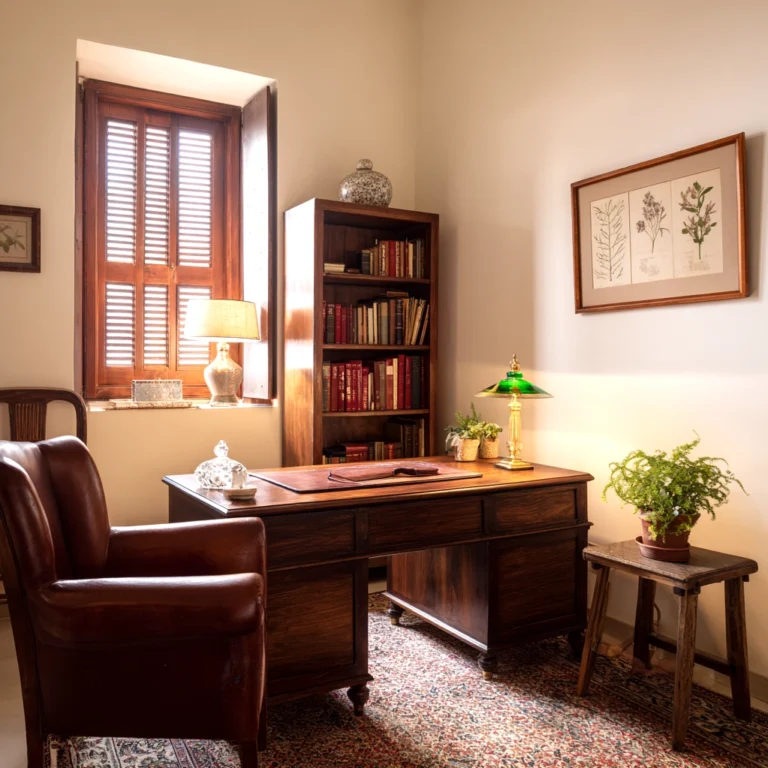
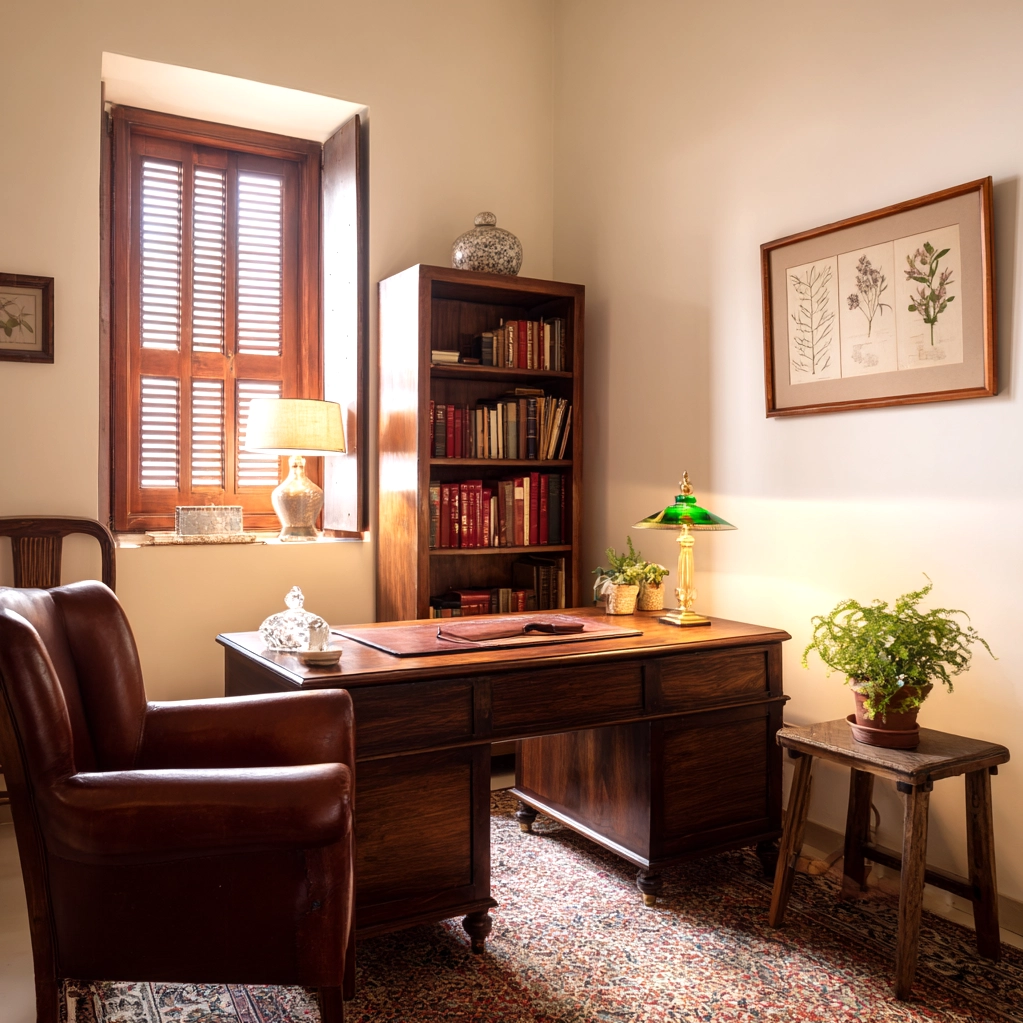
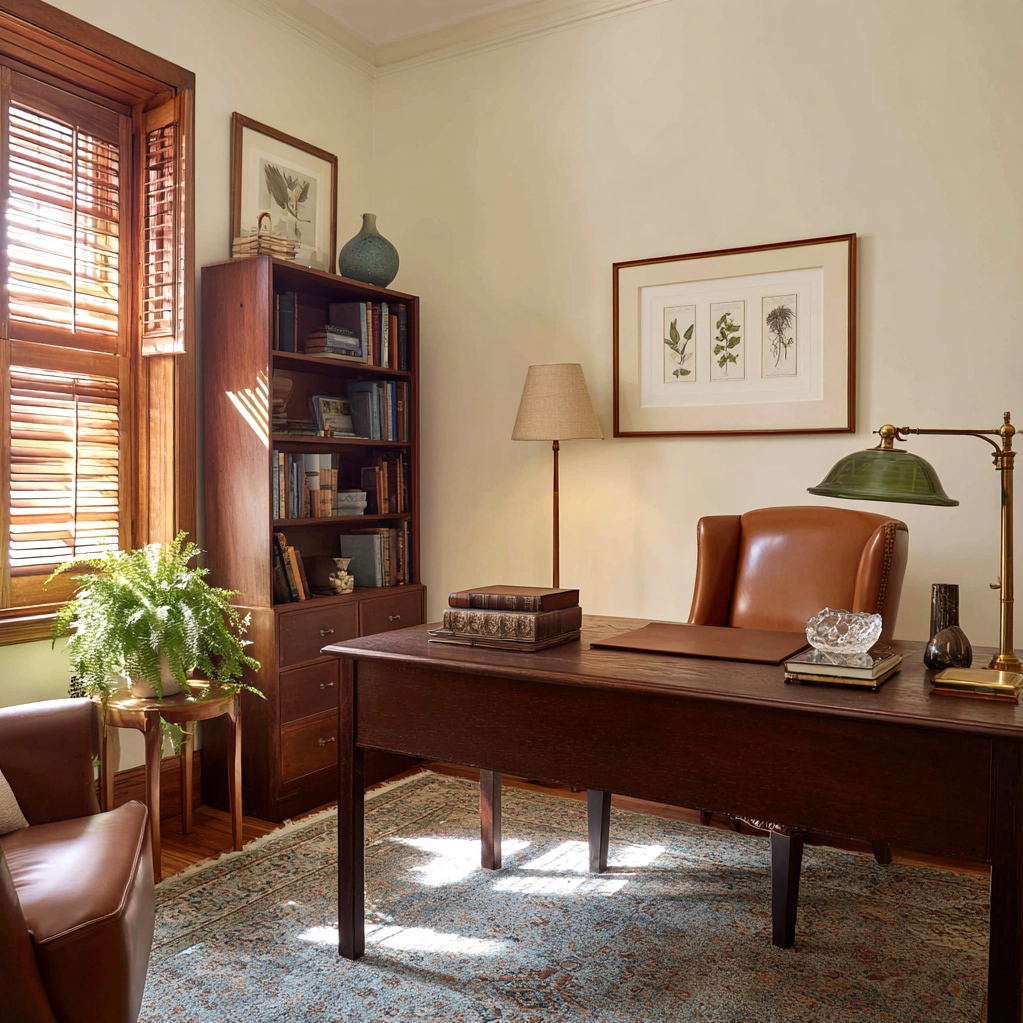
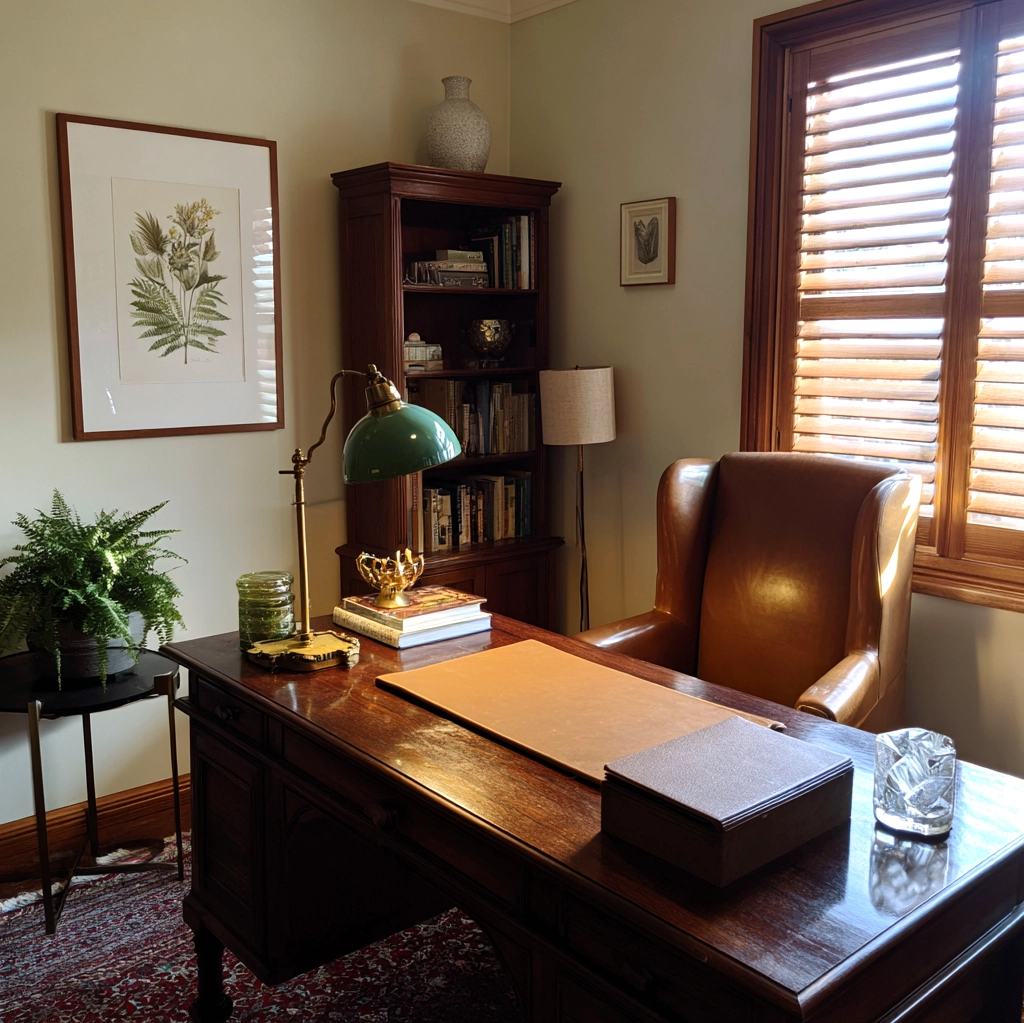
Building an old money office requires careful selection of key elements. Start with the desk. A large, substantial wooden desk is the anchor of the room. Look for styles like a partners desk, a pedestal desk, or a simple, clean-lined Georgian design. Avoid glass or metal modern desks. The chair is equally important—a high-back leather executive chair or a tufted club chair in cognac or oxblood leather adds immediate authority. Lighting should be layered. A classic brass or bronze desk lamp with a green glass shade provides focused task lighting. Add ambient light with a floor lamp featuring a fabric shade and perhaps a table lamp on a side table. For storage, consider a wooden bookcase or a glass-front cabinet to display books and objects. Wall decor is minimal but meaningful. Framed architectural prints, botanical illustrations, or black-and-white photographs in simple wooden frames work well. A quality wool or oriental rug defines the space and adds warmth and sound absorption. Window treatments should be substantial—think wooden shutters, lined drapes in a heavy fabric like velvet or tweed. Accessories are the finishing touches: a leather desk blotter, a brass or crystal pen holder, a sturdy paperweight, and perhaps a globe or a classic analog clock. Every item should feel chosen for its function and beauty, not just as a decorative afterthought.
Achieving the Old Money Office Aesthetic on a Budget
Cultivating an old money office look does not require a limitless budget. It's about mindset and savvy sourcing. The key is to prioritize and invest in one or two anchor pieces, like a solid wood desk or a quality leather chair. Search for these at estate sales, antique stores, or online marketplaces for vintage furniture—often, well-made older pieces cost less than new, mass-produced items and have more character. For other elements, focus on quality materials and classic shapes rather than brand names. A simple wooden bookcase from a thrift store can be sanded and stained to look rich and elegant. Choose a neutral paint color for the walls—a warm grey or cream—which is inexpensive but creates a perfect backdrop. For textiles, look for heavy cotton or wool blends for curtains and a rug; even a simple sisal or jute rug can ground the space. Accessories are where you can save significantly. A simple brass lamp found at a flea market, a set of vintage books with interesting covers, or a framed print from a museum gift shop can add immense character without high cost. The old money aesthetic values patina and history, so don't be afraid of items that show gentle wear—it adds authenticity. The goal is to build the room slowly, choosing each piece with intention, rather than buying a matching set all at once. This curated approach is itself a hallmark of the style.
Common Mistakes to Avoid in Old Money Office Decor
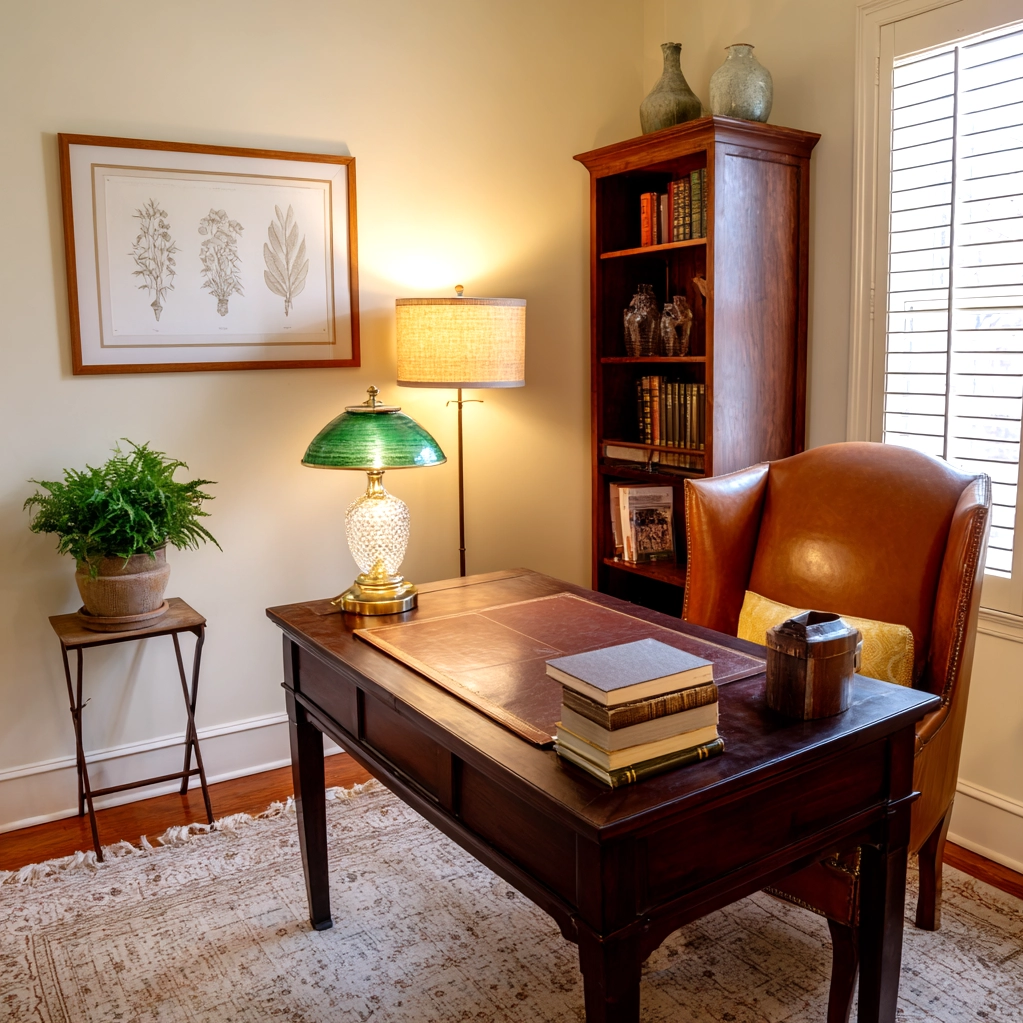
While striving for an old money office, certain pitfalls can undermine the desired effect. The most common mistake is opting for 'faux' luxury—cheap reproductions made with particle board and plastic veneers that mimic wood and leather. These items lack the weight, durability, and subtle imperfections of real materials and will quickly betray their quality. Another error is over-cluttering the space. Old money decor values spaciousness and breathability. Avoid covering every surface with knick-knacks or filling bookshelves with decorative items only. Each object should have purpose or personal significance. Using colors that are too bright or trendy is also a misstep. Neon accents, bold patterns, or ultra-modern art can clash with the serene, traditional vibe. Stick to the classic, muted palette. Lighting mistakes are frequent. Harsh overhead fluorescent lights or overly bright LED strips destroy the ambiance. Rely on warm, incandescent-style bulbs in lamps to create pools of gentle light. Avoid matching furniture sets that look like they came from a showroom floor. The look should feel collected over time, not purchased in a single transaction. Finally, neglecting comfort for the sake of appearance is a critical error. An uncomfortable chair or a poorly lit desk contradicts the principle of creating a space for sustained, productive work. The old money office is about effortless elegance, where beauty and function are seamlessly integrated, not sacrificed for one another.
Conclusion
Embracing old money office decor is about more than just assembling a collection of expensive-looking items. It's a commitment to creating a workspace rooted in quality, history, and thoughtful design. This aesthetic offers a powerful antidote to the disposable culture of modern interiors, providing a sense of permanence and calm that can significantly enhance focus and professionalism. By focusing on foundational principles like material authenticity, subtle luxury, and personal curation, you can craft an environment that feels both impressively established and uniquely yours. Remember, the goal is not to recreate a museum piece but to build a functional, beautiful space that supports your work and reflects your aspirations. Start with one key piece—a desk, a chair, a rug—and build around it with intention. Look for items with character and history, prioritize comfort and ergonomics, and let the room evolve over time. As you do, you'll find that this timeless approach to decor not only elevates your daily work experience but also makes a quiet, confident statement about your values. In a world of constant change, an old money office stands as a testament to enduring style and substance.
Frequently Asked Questions
Q: What is the main difference between 'old money' and 'new money' office decor?
The core difference lies in expression and subtlety. 'Old money' office decor emphasizes understatement, quality materials, heritage, and a collected-over-time feel. It uses neutral palettes, solid wood, leather, and brass, focusing on comfort and tradition. 'New money' decor often trends toward overt displays of wealth—sleek, modern designs, flashy tech, bold brand names, and more contemporary, sometimes trend-driven, aesthetics. It can feel more 'showy' and less personal. Old money whispers luxury; new money might announce it.
Q: Can I incorporate modern technology into an old money office without ruining the aesthetic?
Absolutely. The key is to integrate technology discreetly. Choose devices with minimalist designs in neutral colors like black, silver, or white. Use cable management solutions to hide wires. A laptop can be placed on a leather desk blotter or closed and put away when not in use. A monitor can be mounted on a simple, elegant stand. Consider using a classic wooden or brass desk organizer to hold a phone or tablet. The goal is to have the technology serve its function without becoming the visual focal point of the room.
Q: What is the most important piece of furniture for achieving this look?
The desk is arguably the most critical piece. It sets the tone for the entire room. A large, substantial wooden desk—preferably in a dark stain like mahogany, walnut, or oak—immediately establishes the foundation of quality and tradition. It should be solid, not veneered, and have a clean, classic design. Pair it with a high-quality leather chair, and you have the core of your old money office. Investing in these two pieces first will give you a strong starting point to build the rest of the decor around.