
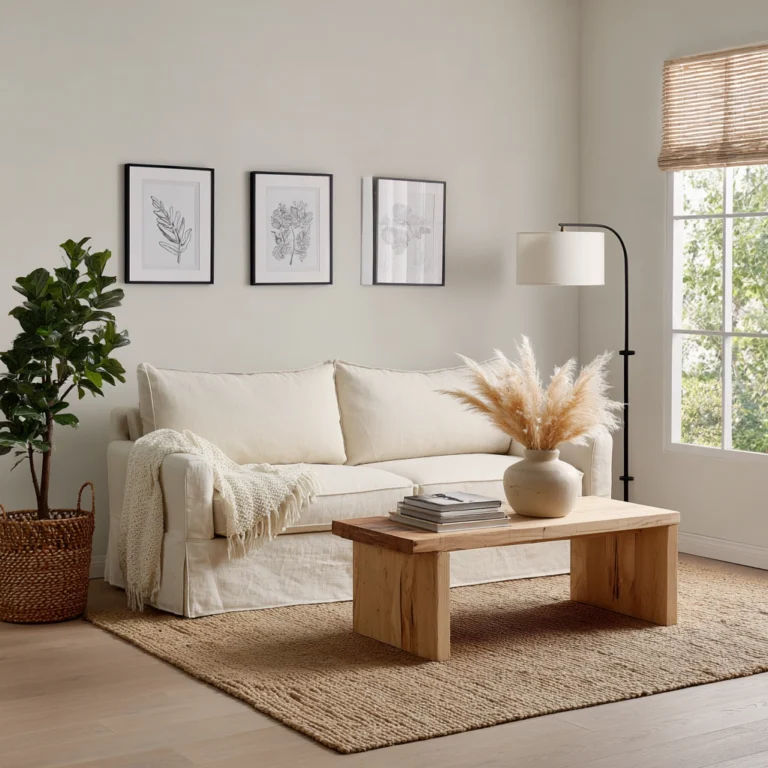
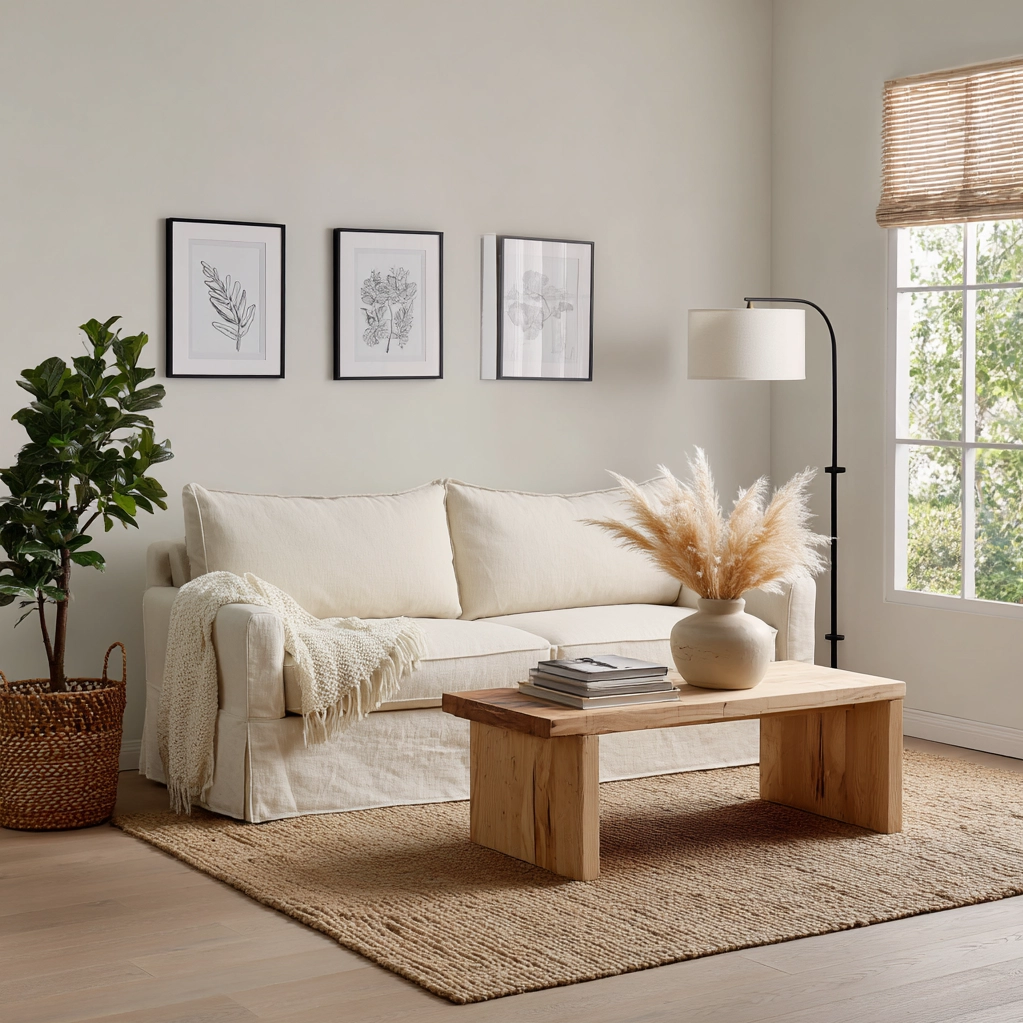
In a world filled with visual noise and constant stimulation, our homes have become sanctuaries where we seek peace, balance, and comfort. This is where the magic of neutral color schemes truly shines. These sophisticated palettes, built around colors like white, beige, gray, taupe, and soft browns, offer far more than just a ‘safe’ design choice. They create adaptable, timeless environments that serve as perfect backdrops for your life and evolving style. A well-executed neutral color scheme provides visual breathing room, allowing your furniture, artwork, and architectural details to take center stage without competing for attention. These schemes work beautifully in any room—from calming bedrooms that promote restful sleep to airy living spaces that encourage connection and relaxation. They’re particularly valuable in today’s open-concept homes, where a cohesive neutral palette can flow seamlessly from one area to another, creating a sense of harmony and spaciousness. Beyond aesthetics, neutral color schemes offer practical advantages. They’re easier to maintain than bold colors, as they don’t show wear and tear as readily. They also provide incredible flexibility for future updates—you can change accessories, textiles, or accent colors without needing to repaint entire rooms. Whether you’re decorating your first apartment or refreshing a family home, understanding how to work with neutral color schemes can transform your approach to interior design and create spaces that feel both sophisticated and welcoming.
The Foundation of Neutral Color Schemes: Understanding Your Palette Options
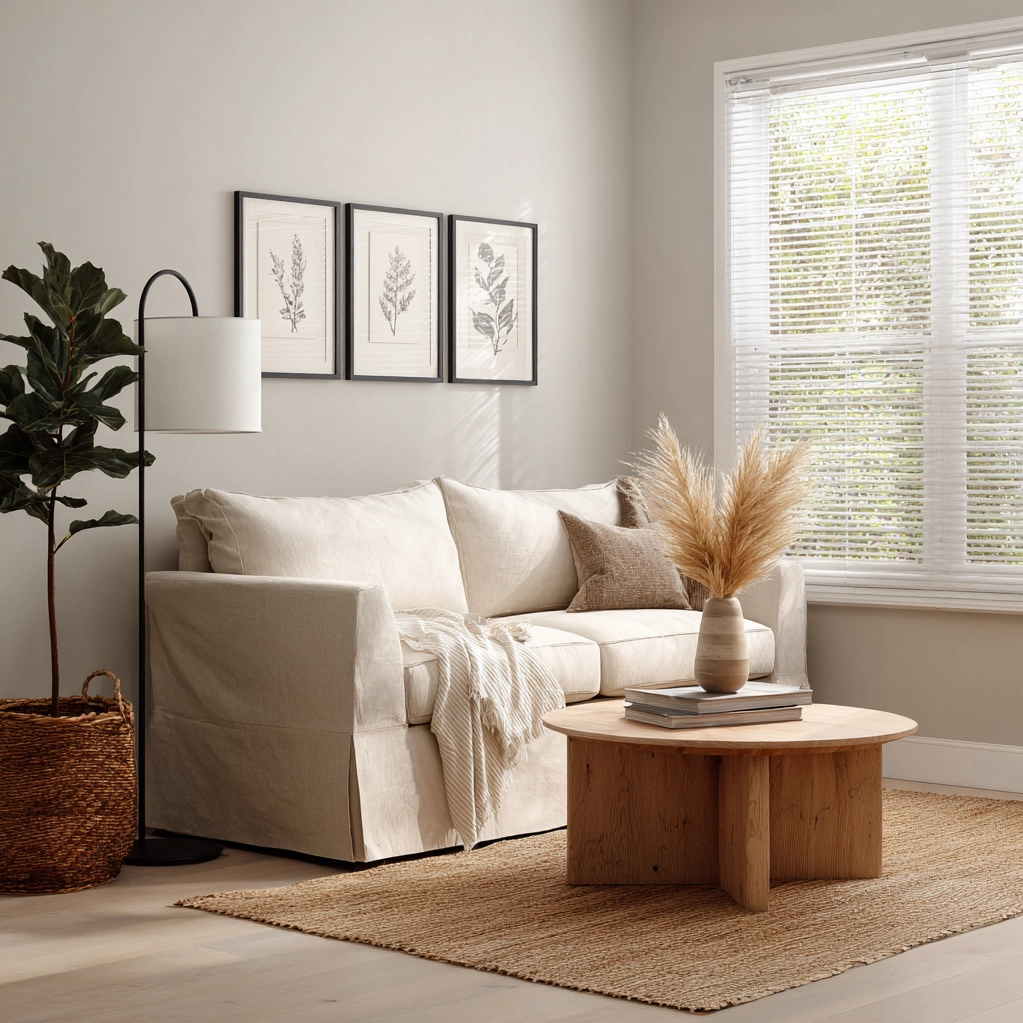
Before diving into decorating with neutral color schemes, it's essential to understand the rich variety within this category. Neutral doesn't mean boring or limited—it encompasses a wide spectrum of hues that can create completely different moods and effects. Warm neutrals include colors like creamy whites, soft beiges, warm grays, and taupes with yellow or pink undertones. These shades create cozy, inviting spaces that feel nurturing and comfortable. Cool neutrals feature whites with blue or green undertones, charcoal grays, and cooler beiges that lend a crisp, clean, and sophisticated feel to rooms. Many successful neutral color schemes combine both warm and cool tones to create depth and interest. For example, you might use warm beige on walls with cool gray trim, or layer different neutral textiles with varying undertones. Texture becomes particularly important in neutral color schemes, as it adds visual interest where bold color might normally provide contrast. Think about incorporating wool throws, linen curtains, leather accents, natural wood grains, and metallic finishes. These textural elements prevent neutral spaces from feeling flat or sterile. Lighting also plays a crucial role in how neutral colors appear throughout the day. North-facing rooms benefit from warmer neutrals to counteract cool light, while south-facing spaces can handle cooler tones beautifully. When planning your neutral color scheme, always test paint samples in different areas of the room and observe them at various times of day. This attention to detail ensures your chosen palette will work harmoniously in your specific space and lighting conditions.
Creating Depth and Interest in Neutral Color Schemes
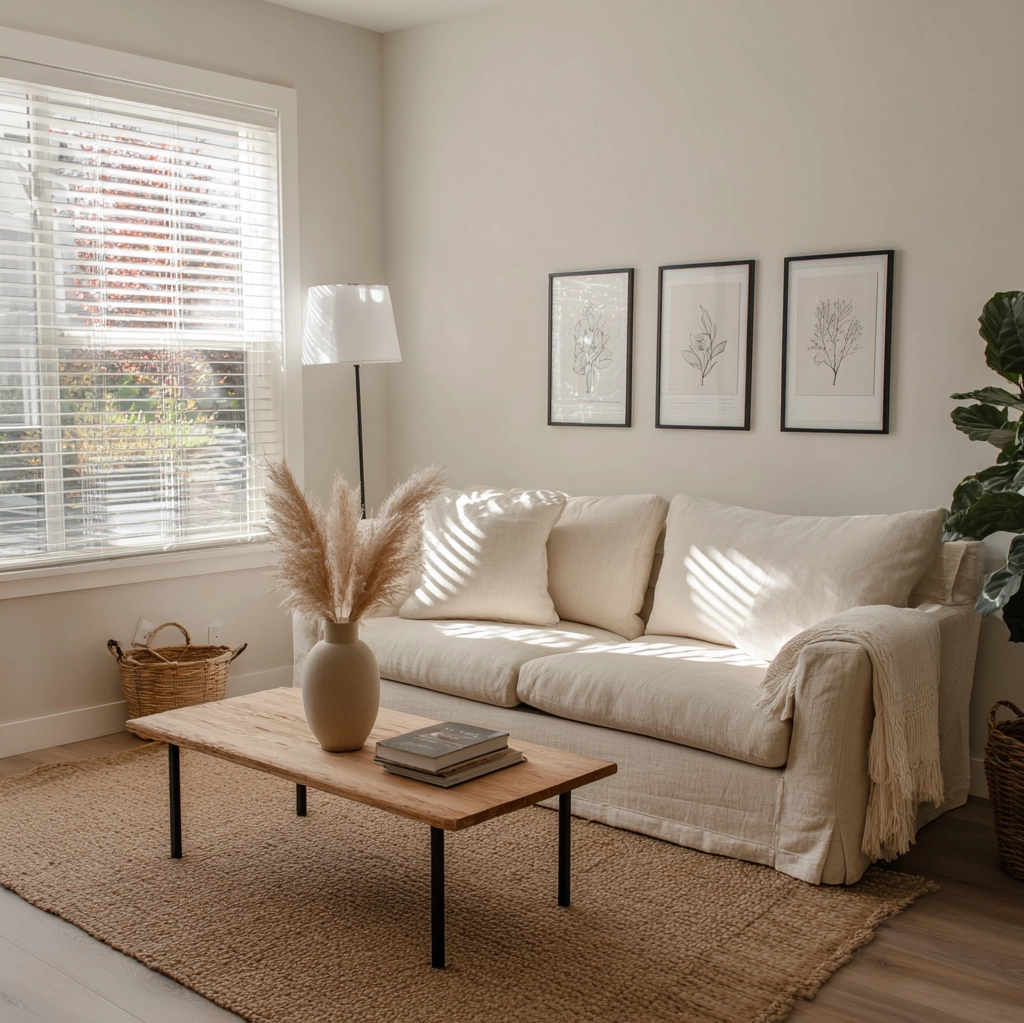
One common misconception about neutral color schemes is that they result in bland, monotonous spaces. The reality is quite the opposite—when executed thoughtfully, these schemes offer incredible opportunities for creating sophisticated depth and visual interest. The secret lies in working with multiple shades within your chosen neutral palette. Instead of painting everything the same beige or gray, create layers by using slightly different tones for walls, trim, ceilings, and built-in elements. A classic approach involves using a lighter neutral for walls and a slightly darker, complementary shade for trim or architectural details. This creates subtle contrast that defines spaces without overwhelming them. Another effective technique is to vary finishes within your neutral color scheme. Pair matte walls with semi-gloss trim, or combine smooth surfaces with textured ones. In living rooms, you might have a velvet sofa in charcoal gray against a matte taupe wall, with satin-finish curtains in a lighter cream tone. Don't forget about the power of natural materials in adding dimension to neutral spaces. Wood grains, stone surfaces, woven baskets, and ceramic vessels all bring their own subtle color variations and textures that enrich a neutral palette. When arranging furniture in rooms with neutral color schemes, consider scale and proportion carefully. Larger pieces in slightly darker neutrals can anchor a space, while lighter-toned accessories keep things feeling airy. Plants are particularly valuable in neutral rooms—their greenery provides a natural accent color that complements rather than competes with the overall scheme. Remember that negative space (areas without objects) is just as important in these designs as filled space, allowing the eye to rest and appreciate the composition as a whole.
Practical Applications: Neutral Color Schemes for Different Rooms
Neutral color schemes adapt beautifully to every room in your home, each with slightly different considerations for optimal results. In living spaces, these schemes create versatile backdrops for entertaining and daily life. Consider a palette of warm grays and creamy whites for a living room, with darker charcoal accents in upholstery or area rugs to ground the space. This approach allows you to easily change seasonal decorations or update accent colors without requiring major redesign. For bedrooms, softer neutral color schemes promote relaxation and rest. Think about pale taupes, soft beiges, or gentle grays that feel soothing rather than stark. Layering different white tones—from crisp cotton sheets to warmer linen duvets—can create a luxurious, hotel-like atmosphere. In kitchens, neutral color schemes offer both timeless style and practical benefits. White or light gray cabinets provide a clean backdrop that won't date quickly, while natural wood elements or stone countertops add warmth and texture. A neutral kitchen allows colorful produce, cookware, or artwork to pop against the simple background. Bathrooms benefit from neutral color schemes that feel spa-like and serene. Consider using different shades of the same neutral on walls, tiles, and textiles to create a cohesive, calming environment. For home offices or study areas, neutral color schemes minimize visual distraction while maintaining an inviting atmosphere. Soft grays or warm beiges on walls help maintain focus, while wood tones in furniture add necessary warmth. Throughout your home, consistent neutral color schemes can create flow between rooms, especially important in open-concept spaces. This doesn't mean every room must be identical, but maintaining a cohesive family of neutrals creates harmony as you move through your home.
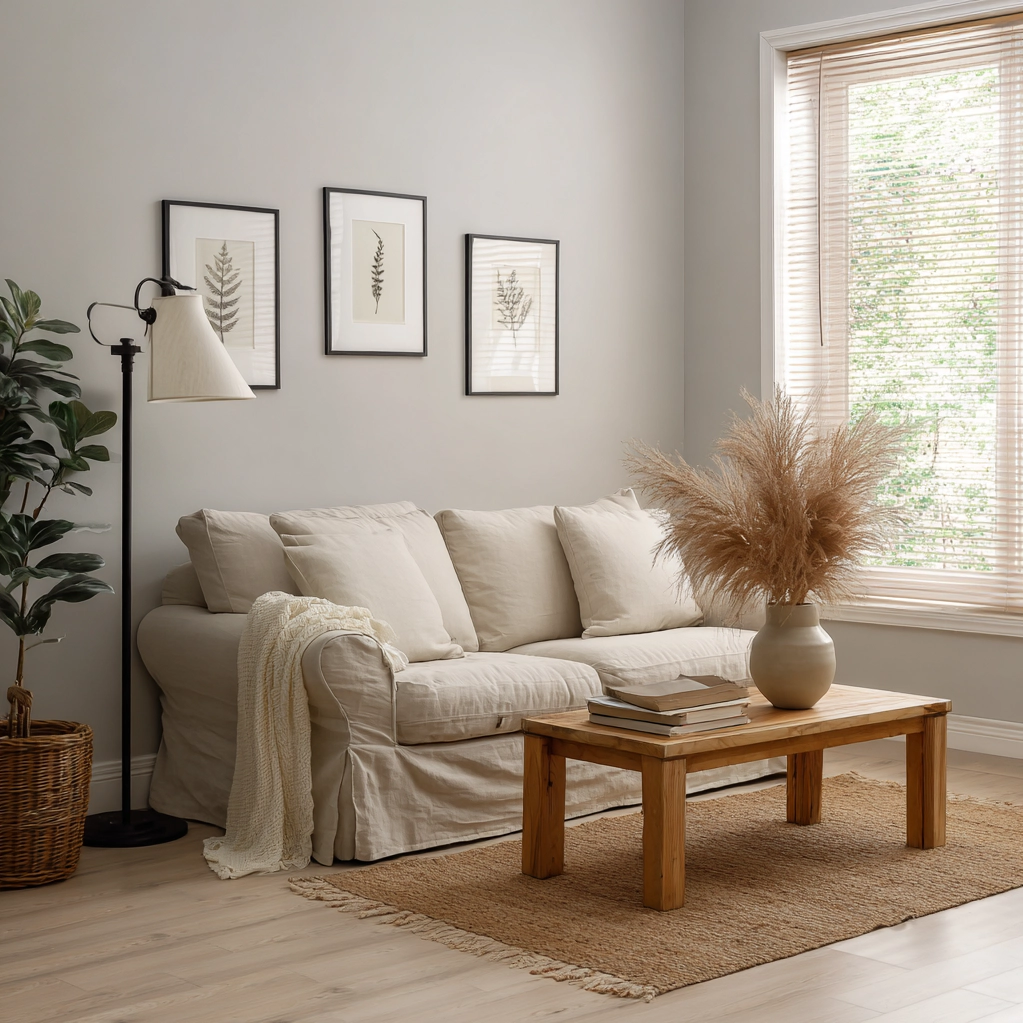
9 Essential Tips for Mastering Neutral Color Schemes
Successfully implementing neutral color schemes requires thoughtful planning and attention to detail. Here are nine essential tips to help you create beautiful, balanced spaces. First, always start with a base palette of three to five neutral colors that work well together—typically including light, medium, and dark values. Second, incorporate natural light considerations into your planning, as it dramatically affects how neutral colors appear. Third, use texture generously to add visual interest; think about combining smooth, rough, shiny, and matte surfaces. Fourth, don't shy away from pattern in neutral schemes—geometric prints, subtle stripes, or organic motifs in neutral tones add sophistication without overwhelming. Fifth, consider the psychological effects of different neutrals; warm tones generally feel cozier while cool tones appear more modern and crisp. Sixth, use metallics strategically—brass, copper, or nickel finishes can serve as 'neutral accents' that add shine without color. Seventh, remember that plants and natural elements provide essential life and movement in neutral spaces. Eighth, create focal points using slightly darker neutrals or textural contrasts rather than relying on bold colors. Ninth, and most importantly, trust your personal response to colors—what feels calming and beautiful to you is more important than following trends. When shopping for neutral elements, bring samples of your existing materials to ensure compatibility. Pay attention to undertones, as a beige with pink undertones might clash with one that has yellow undertones. In larger spaces, you can be more adventurous with darker neutrals on feature walls or in built-in cabinetry. In smaller rooms, lighter neutrals help maximize the feeling of space. Remember that neutral color schemes evolve beautifully over time—you can gradually refine and adjust as you live with the space and discover what works best for your lifestyle and aesthetic preferences.
Conclusion
Neutral color schemes represent one of the most versatile and enduring approaches to interior design. Far from being bland or restrictive, these sophisticated palettes offer a foundation for creating spaces that are both beautiful and functional. They provide the flexibility to evolve with your changing tastes and needs, making them a smart long-term investment in your home's aesthetic. The true power of neutral color schemes lies in their ability to highlight what matters most in your space—whether that's architectural details, cherished artwork, quality furniture, or simply the people who inhabit the rooms. By mastering the principles of layering, textural contrast, and thoughtful composition, you can create environments that feel simultaneously serene and stimulating. As we look toward future design trends, neutral color schemes continue to evolve in exciting ways. We're seeing increased interest in organic, earth-toned neutrals that connect interiors with natural environments, as well as innovative combinations of traditional neutrals with subtle, sophisticated color accents. The growing emphasis on wellness in home design makes neutral schemes particularly relevant, as their calming qualities support mental and emotional wellbeing. Whether you're embarking on a complete home renovation or simply refreshing a single room, consider how neutral color schemes might enhance your space. Start with small experiments—perhaps a new throw pillow arrangement or a repainted accent wall—and observe how different neutral combinations make you feel in your space. With thoughtful application, these timeless palettes can transform your home into a sanctuary of style and comfort that will serve you well for years to come.
Frequently Asked Questions
Q: Are neutral color schemes only for modern or minimalist interiors?
Not at all! While neutral color schemes work beautifully in modern and minimalist spaces, they're equally effective in traditional, rustic, coastal, or eclectic interiors. The key is adapting the specific neutrals and their application to your preferred style. For traditional spaces, consider warmer neutrals like creamy whites, soft beiges, and warm grays paired with rich wood tones and classic patterns. In rustic settings, earth-toned neutrals like taupe, oatmeal, and stone gray complement natural materials beautifully. Even in maximalist designs, neutral backgrounds can help balance bold patterns and collections. The versatility of neutral color schemes makes them suitable for virtually any design aesthetic.
Q: How do I prevent my neutral space from feeling cold or sterile?
To avoid a cold or sterile feeling in neutral spaces, focus on incorporating warmth through materials, textures, and lighting. Choose neutrals with warm undertones rather than cool ones—look for beiges with yellow or pink bases rather than gray-beiges with blue undertones. Layer multiple textures: combine wool throws, linen curtains, leather accents, and natural wood elements. Use warm lighting with bulbs in the 2700K-3000K range rather than cooler daylight bulbs. Add living elements like plants or flowers, and include personal items with sentimental value. Finally, ensure your space has varied lighting sources—ambient, task, and accent lighting—to create cozy pools of light that make the space feel inviting rather than stark.
Q: Can I add color to a neutral color scheme without disrupting the overall look?
Absolutely! Adding color to neutral color schemes can enhance rather than disrupt the overall aesthetic when done thoughtfully. The beauty of neutral backgrounds is that they provide the perfect canvas for strategic color accents. Start with small, easily changeable elements like throw pillows, artwork, or decorative accessories in your chosen accent colors. Natural colors often work particularly well—think sage green, navy blue, terracotta, or mustard yellow. You can also use colorful books, ceramics, or textiles as temporary accents. For more permanent color additions, consider painting a single piece of furniture, adding colorful window treatments, or incorporating patterned area rugs with subtle color variations. The key is maintaining balance—let the neutrals dominate while using color as deliberate highlights rather than the main event.