
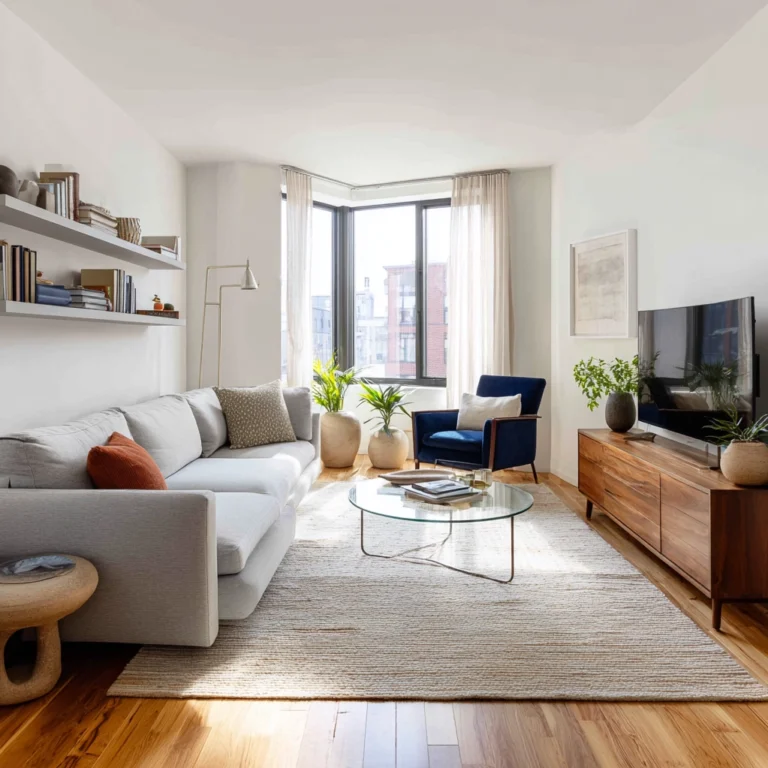
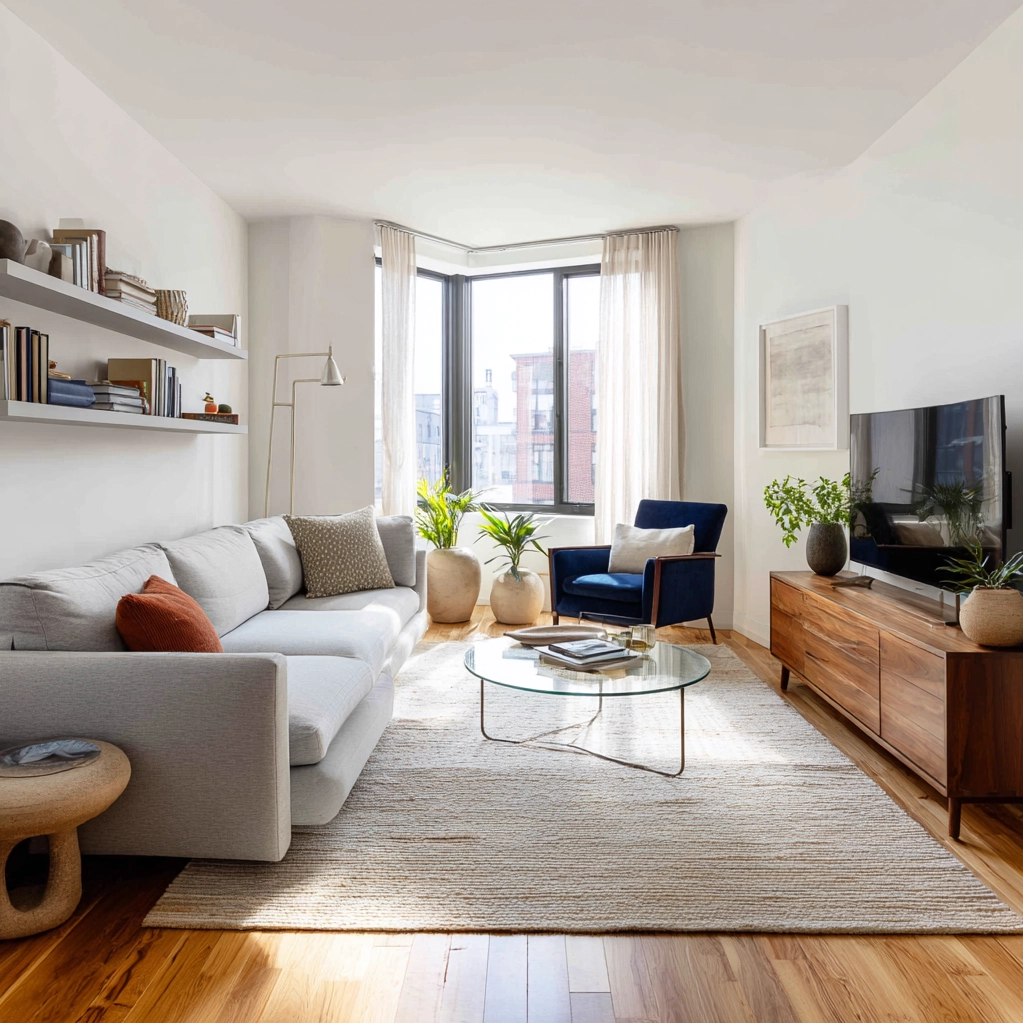
Your living room is more than just four walls and a couch – it’s the heartbeat of your home, where memories are made, conversations flow, and relaxation happens after long days. Living room designs play a crucial role in shaping how you experience this vital space. A well-designed living room can boost your mood, enhance functionality, and reflect your personal style while welcoming guests with warmth and charm. Whether you’re starting from scratch or giving an existing room a refresh, thoughtful design choices can transform an ordinary area into an extraordinary gathering place that serves all your needs. From cozy family movie nights to elegant entertaining, the right living room design creates harmony between aesthetics and practicality. This article will guide you through key principles and inspiring ideas to help you craft a space that feels uniquely yours. With 14 essential transformations to consider, you’ll discover how to balance comfort with style, create visual interest, and maximize every square foot. Let’s explore how living room designs can elevate your daily life and turn your vision into reality.
Key Principles for Effective Living Room Designs
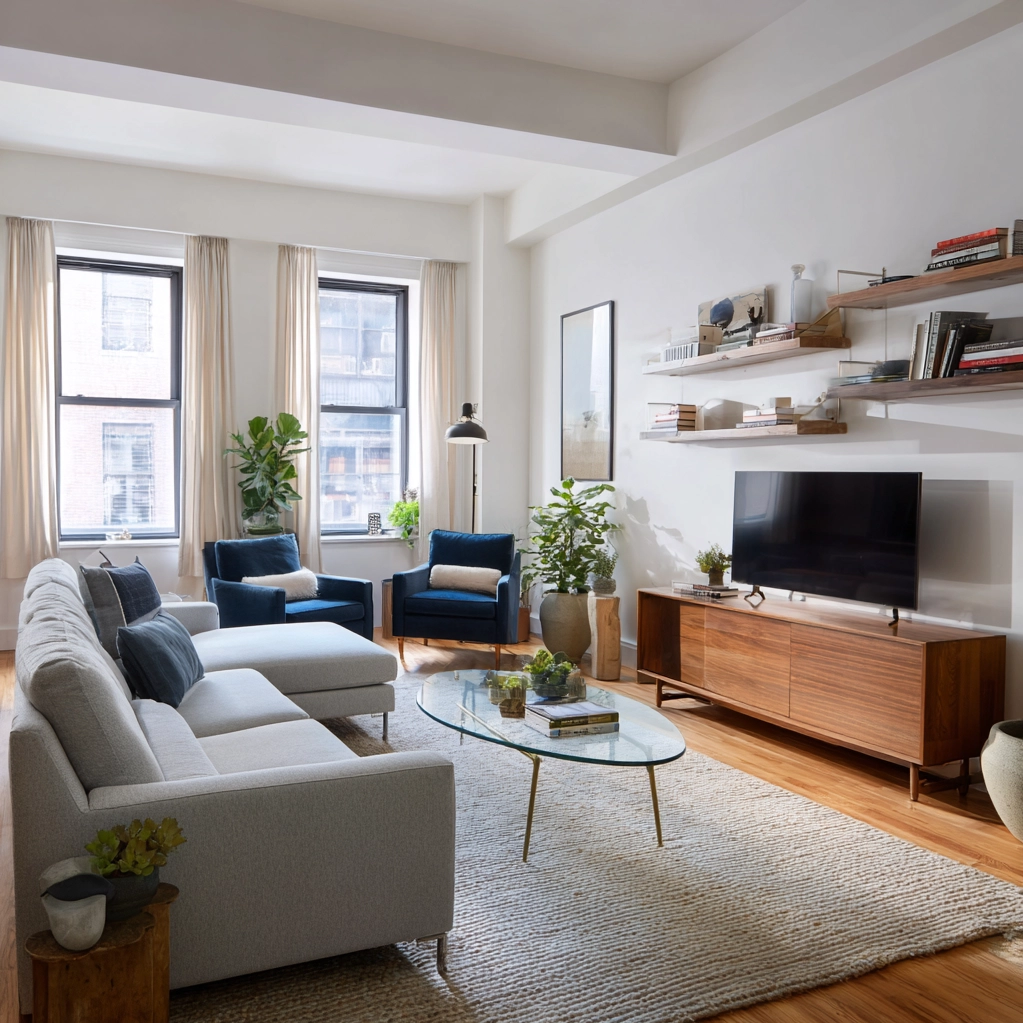
Creating successful living room designs starts with understanding fundamental principles that work across all styles and spaces. First, consider the room's purpose – is it primarily for entertaining, family relaxation, or a multi-functional area? This determines furniture layout and flow. A common guideline is to arrange seating to encourage conversation, typically in a U-shape or around a central focal point like a fireplace or media console. Next, balance is essential. Mix different textures, heights, and scales to avoid monotony. For example, pair a plush sofa with sleek metal side tables and a textured rug. Lighting is another critical element; layer ambient, task, and accent lighting to create depth and adaptability. Use floor lamps for reading corners, overhead fixtures for general illumination, and sconces or table lamps for cozy ambiance. Color psychology also plays a role in living room designs. Warm tones like terracotta or soft yellows foster sociability, while cool blues and greens promote calm. Don't forget about traffic patterns – ensure there's clear pathways (at least 3 feet wide) between furniture pieces to prevent a cramped feel. Lastly, incorporate personal touches through artwork, plants, or heirlooms to make the space feel lived-in and authentic. These principles form a solid foundation for any design project.
Exploring 14 Popular Living Room Designs Styles
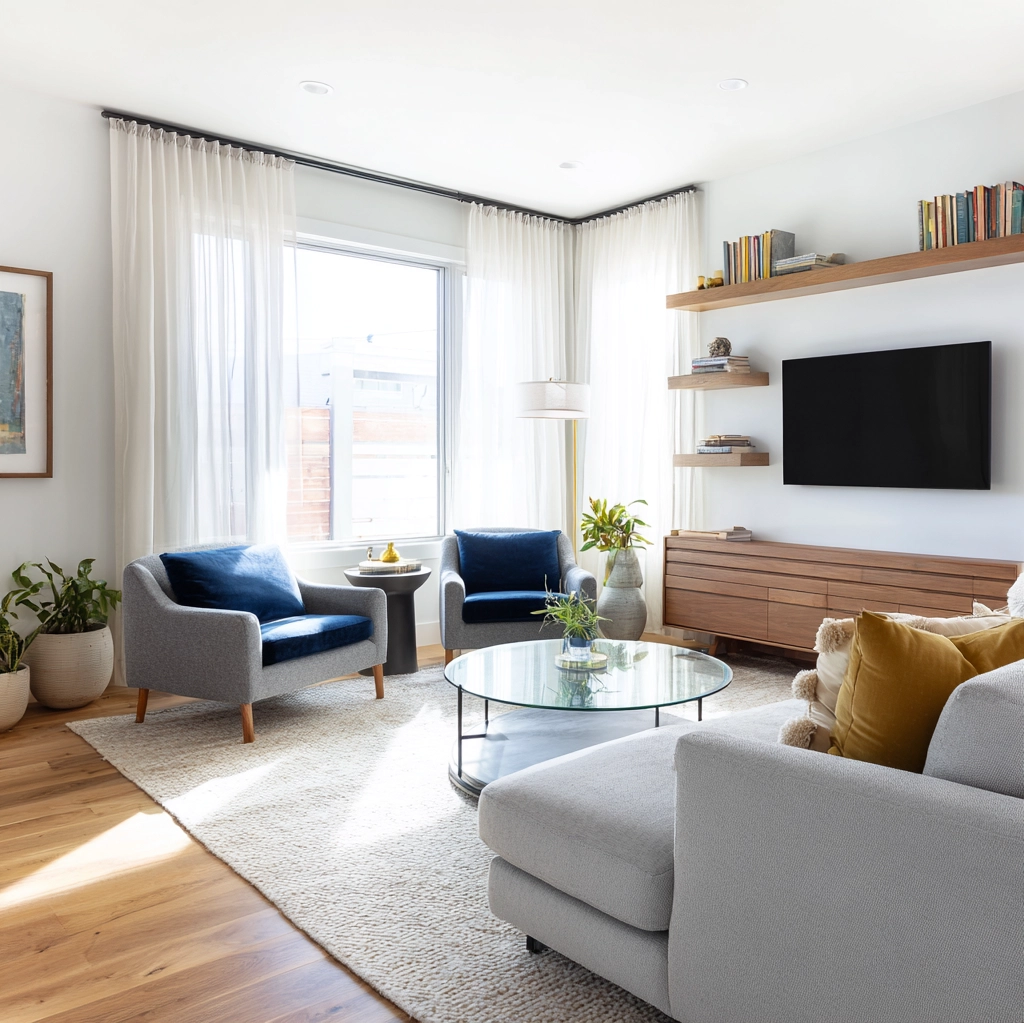
The world of living room designs offers endless style possibilities to suit every taste. Here are 14 popular approaches to inspire your transformation. Minimalist designs focus on clean lines, neutral palettes, and decluttered spaces, emphasizing function over ornamentation. Scandinavian style brings warmth with light woods, cozy textiles, and natural light, perfect for creating hygge. Modern designs feature sleek furniture, geometric shapes, and a monochromatic color scheme with bold accents. Industrial styles embrace raw materials like exposed brick, metal beams, and concrete floors for an urban loft feel. Bohemian designs are eclectic and layered, mixing patterns, global textiles, and vibrant colors for a free-spirited vibe. Mid-century modern revives 1950s-60s aesthetics with organic curves, tapered legs, and retro colors. Traditional designs offer timeless elegance with symmetrical arrangements, rich woods, and classic patterns like damask or toile. Coastal styles evoke beachside relaxation with light blues, whites, sandy neutrals, and nautical accents. Farmhouse designs combine rustic charm with modern comfort, using shiplap, barn doors, and vintage finds. Contemporary styles are ever-evolving, focusing on current trends with open layouts and innovative materials. Transitional designs blend traditional and modern elements for a balanced look. Eclectic styles mix periods and cultures creatively for a unique personality. Art deco brings glamour with geometric patterns, metallic finishes, and luxurious materials. Finally, Japandi fuses Japanese minimalism with Scandinavian coziness for serene simplicity. Each of these living room designs offers distinct atmospheres to match your lifestyle.
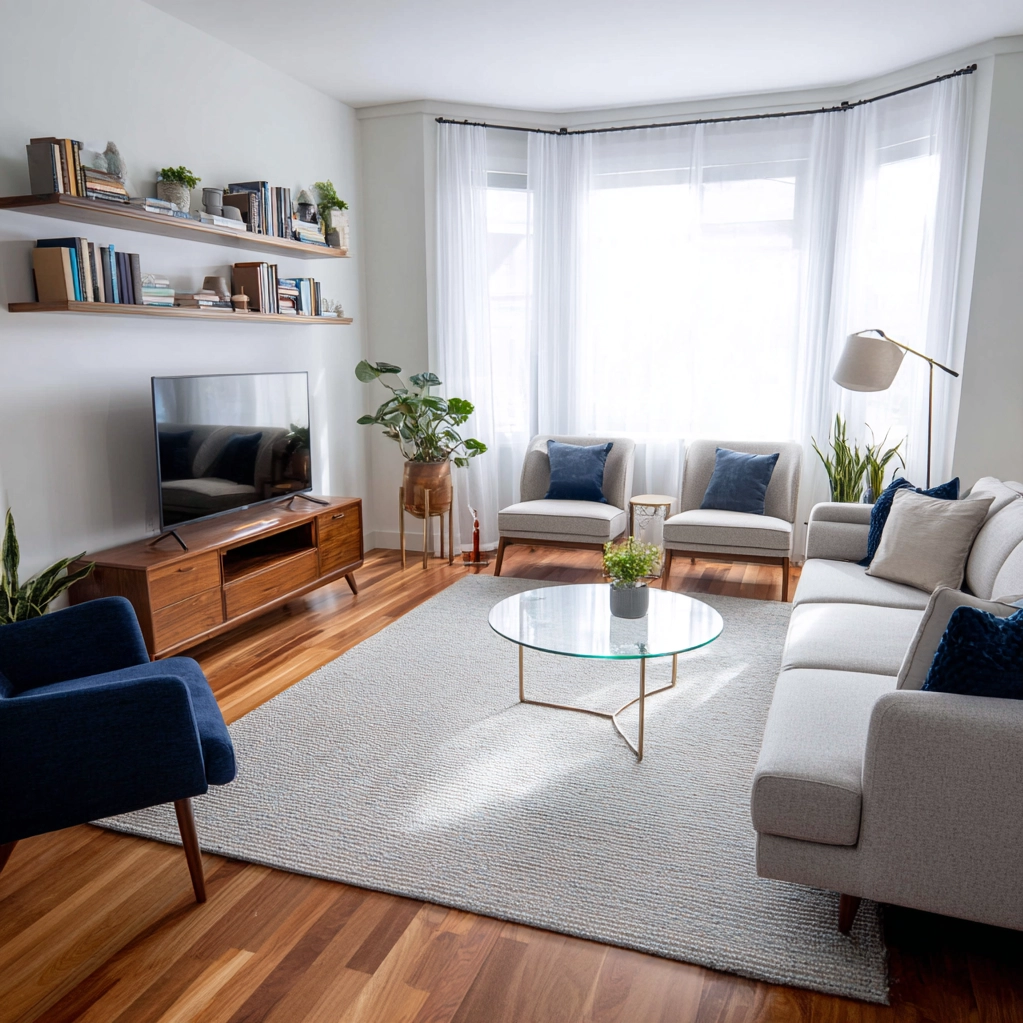
Practical Tips for Implementing Your Living Room Designs
Turning your living room designs from concept to reality requires practical strategies. Start with a floor plan – measure your room and sketch layouts to scale, or use digital tools to visualize furniture placement. This prevents costly mistakes like buying oversized pieces. When selecting furniture, prioritize comfort and durability, especially for items used daily like sofas. Multi-functional pieces, such as storage ottomans or sleeper sofas, maximize small spaces. For color schemes, test paint samples on walls at different times of day to see how light affects them. A 60-30-10 rule works well: 60% dominant color (walls, large furniture), 30% secondary color (accent chairs, rugs), and 10% accent color (pillows, art). In living room designs, textiles add warmth and texture; layer rugs over hard floors, mix throw pillows of varying fabrics, and use curtains to soften windows. Storage solutions keep clutter at bay – incorporate built-in shelves, decorative baskets, or console tables with drawers. Don't overlook vertical space; tall bookcases or wall-mounted shelves draw the eye upward and make rooms feel larger. For budget-friendly updates, consider DIY projects like painting old furniture, creating gallery walls, or swapping hardware. Finally, adapt the design to your lifestyle – if you have pets or kids, choose stain-resistant fabrics and durable materials. Regular updates, like seasonal decor swaps, keep the space feeling fresh without a full redesign.
Conclusion
Living room designs are a powerful tool for enhancing your home's comfort, functionality, and aesthetic appeal. By applying key principles, exploring diverse styles, and implementing practical tips, you can create a space that truly reflects your personality and meets your needs. Remember that great design is not about perfection but about creating an environment where you feel at ease and inspired. Start small if needed – perhaps with a new layout or a fresh coat of paint – and gradually build toward your vision. As trends evolve, stay open to updates that align with your lifestyle, but prioritize timeless elements that will endure. Ultimately, the best living room designs are those that make you and your guests feel welcome and content. Looking ahead, consider how your space might adapt to future changes, such as growing families or new hobbies. Embrace the journey of designing your living room as an opportunity for creativity and self-expression. With these insights, you're equipped to transform your living area into a cherished hub of your home.
Frequently Asked Questions
Q: How often should I update my living room design?
There's no strict timeline, as it depends on your preferences and lifestyle. Generally, consider refreshing elements every 5-7 years to keep the space feeling current. However, focus on timeless foundations like quality furniture and neutral walls, and update accessories like pillows, rugs, or art more frequently – perhaps seasonally or annually – to inject new energy without major expense. If your needs change, such as after a move or with growing kids, a redesign might be timely.
Q: What are common mistakes to avoid in living room designs?
Common pitfalls include overcrowding with too much furniture, which hinders movement and makes the room feel small. Avoid poor lighting by using multiple sources instead of relying solely on overhead lights. Neglecting scale is another issue – ensure furniture proportions match the room size; for example, a massive sofa can overwhelm a compact space. Also, steer clear of ignoring functionality; a beautiful but uncomfortable seating arrangement won't serve you well. Lastly, don't forget personal touches; overly generic designs can lack character.
Q: How can I make a small living room look larger?
Several strategies can create the illusion of more space. Use light, neutral colors on walls and large furniture to reflect light and open up the area. Incorporate mirrors to bounce light and add depth – place them opposite windows for best effect. Choose multi-functional furniture, like nesting tables or sleeper sofas, to reduce clutter. Opt for leggy or transparent pieces (e.g., glass coffee tables) that don't visually block the floor. Keep window treatments simple and mount curtains high to draw the eye upward. Finally, ensure adequate lighting to avoid dark corners that make rooms feel cramped.