
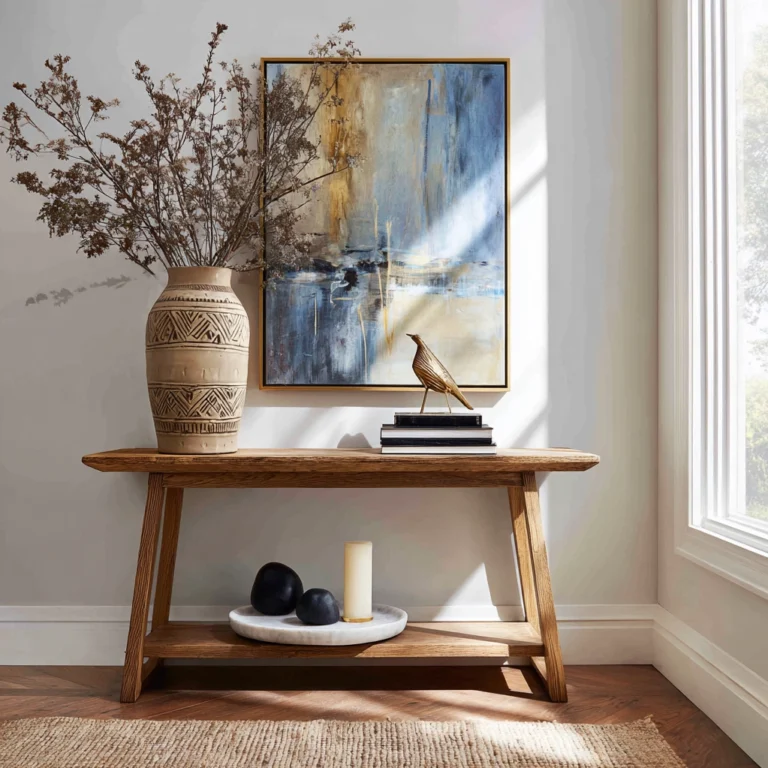
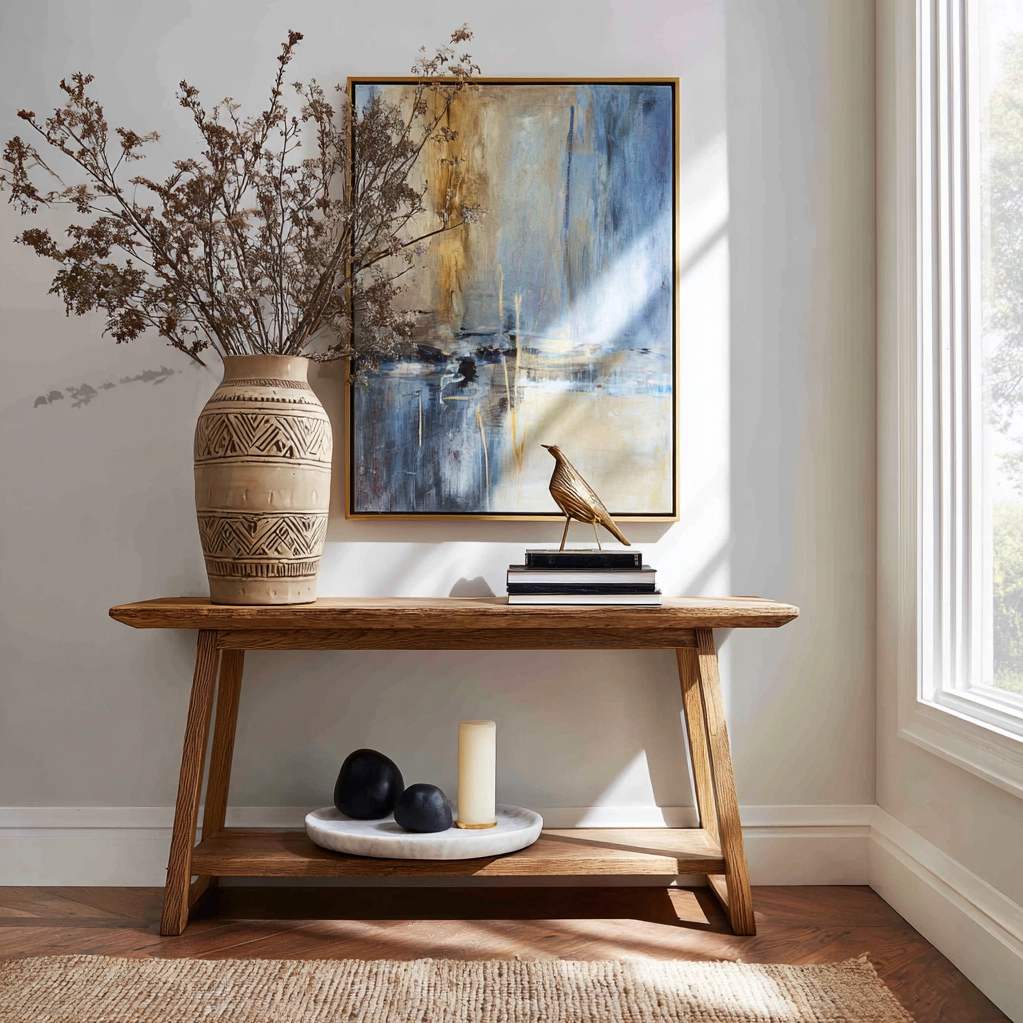
Transforming a house into a home isn’t just about big furniture purchases or expensive renovations. Often, it’s the small details—the party pieces—that breathe life and personality into a space. These carefully chosen items are the secret weapons in any interior design arsenal, allowing you to express your unique style, create focal points, and elevate ordinary rooms into extraordinary ones. Shopping for these essential pieces goes beyond mere decoration; it’s about curating a collection that tells your story and makes your living environment truly yours.
Whether you're refreshing a tired room or starting from scratch, understanding how to shop party pieces effectively can save you time, money, and frustration. These items aren't just accessories—they're conversation starters, mood-setters, and the finishing touches that pull an entire design scheme together. From striking artwork to unique lighting, from textured textiles to sculptural objects, each party piece serves a purpose beyond aesthetics. They can define a room's character, highlight architectural features, or create cozy, inviting atmospheres that make guests feel instantly at home.
The beauty of shopping for party pieces lies in their versatility. Unlike large furniture items that often require careful planning and significant investment, these smaller treasures allow for more spontaneous expression. You can gradually build your collection over time, mixing high-end finds with budget-friendly discoveries. Each piece you add becomes part of your home's evolving narrative, reflecting your travels, interests, and personal growth. Learning to shop party pieces thoughtfully means creating spaces that not only look beautiful but also feel authentic and lived-in—spaces that truly represent who you are.
Shop Party Pieces That Define Your Space's Personality
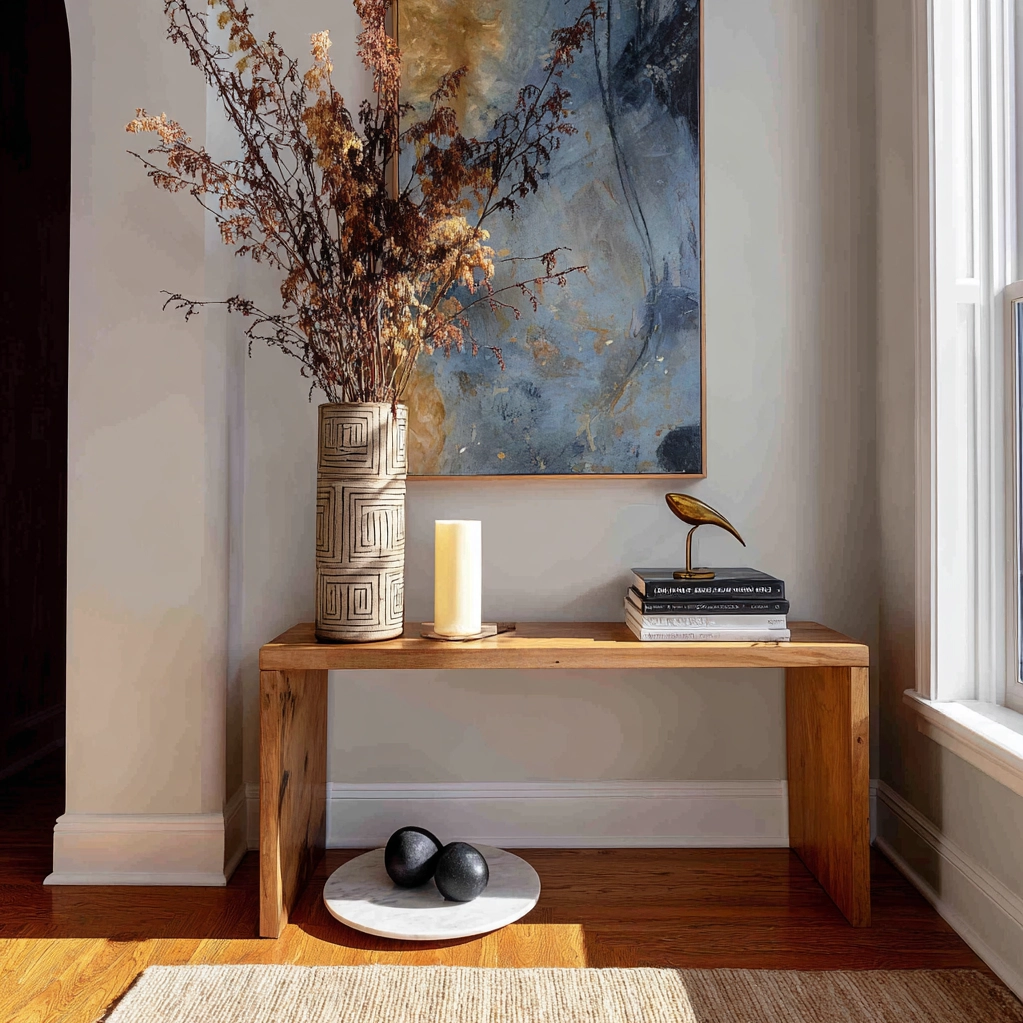
When you shop party pieces, you're essentially shopping for personality. These are the items that give your home its distinctive character and make it unmistakably yours. Think about what makes you smile—perhaps it's vibrant ceramics from local artisans, vintage books with beautiful covers, or unique sculptures that catch the light just right. These pieces should reflect your interests, travels, and passions. A well-chosen collection can tell a story without saying a word, creating an environment that feels both personal and welcoming.
Start by identifying your design style. Are you drawn to minimalist Scandinavian aesthetics, cozy bohemian vibes, or bold maximalist statements? Your party pieces should align with this overarching theme while adding individual flair. For instance, in a minimalist space, a single, striking artwork can serve as the perfect party piece. In a bohemian setting, layered textiles and global finds create depth and warmth. The key is consistency with variety—your pieces should feel cohesive but not matchy-matchy.
Consider scale and proportion when shopping. A tiny vase on a large console table might get lost, while an oversized floor lamp in a small corner could overwhelm. Look for pieces that complement your existing furniture without competing with it. Remember that negative space is important too—not every surface needs decoration. Sometimes, letting one exceptional party piece shine alone creates more impact than crowding multiple items together.
Don't forget functionality. While party pieces are primarily decorative, the best ones often serve practical purposes too. A beautiful tray can corral remote controls, an artistic bowl can hold keys, and a sculptural bookend can keep your favorite reads organized. This dual-purpose approach makes your decor both beautiful and useful, ensuring your space remains livable while looking magazine-worthy.
How to Shop Party Pieces for Maximum Visual Impact
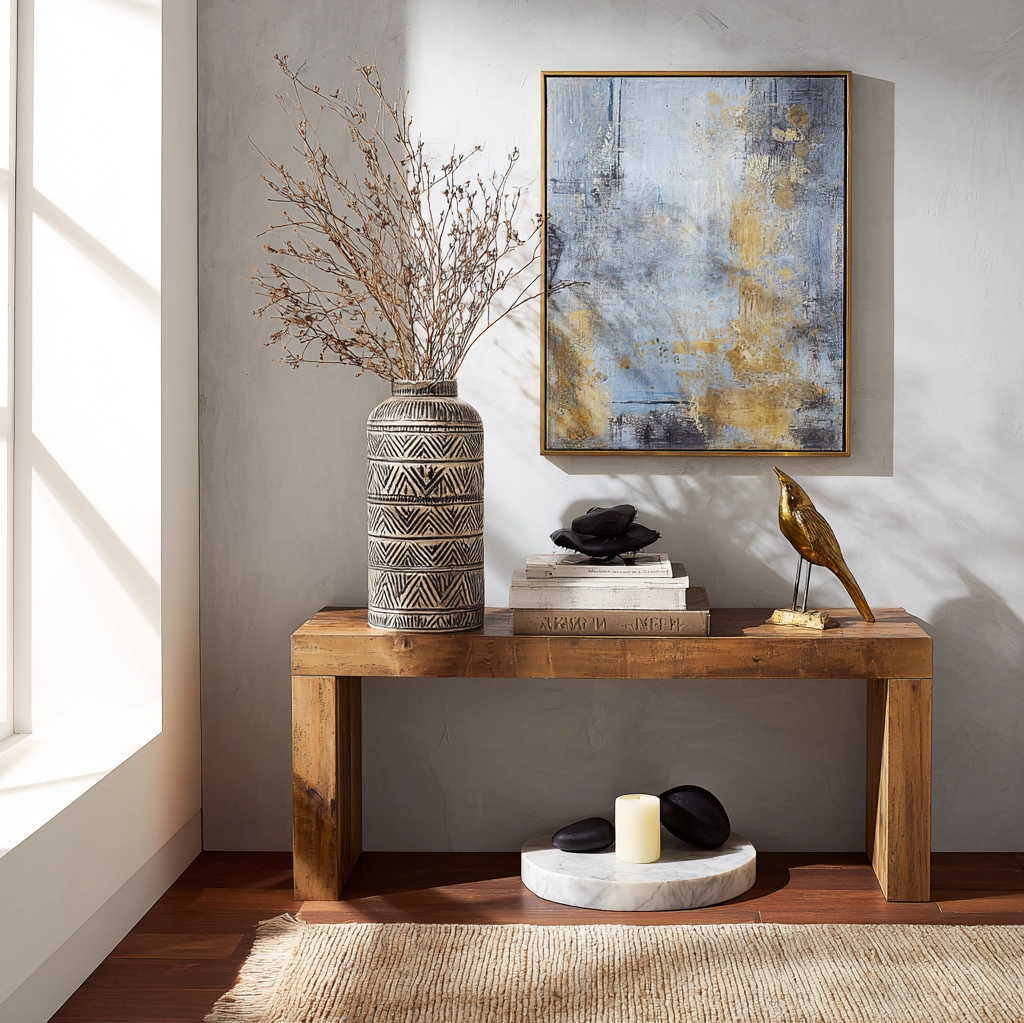
Shopping for party pieces with visual impact requires a strategic approach. These items should command attention and become focal points in your rooms. The most effective party pieces often have one or more of these characteristics: bold color, interesting texture, unique shape, or unexpected placement. When you shop party pieces with these elements in mind, you create moments of visual interest that draw the eye and create memorable impressions.
Color is perhaps the most powerful tool. A single brightly colored item against a neutral backdrop instantly becomes a star. When shopping, look for pieces in hues that either complement your existing color scheme or provide deliberate contrast. Don't be afraid to embrace bold choices—a crimson vase, an emerald green throw pillow, or a sapphire blue artwork can transform an entire room's energy. Remember that color psychology matters too; warm tones create coziness while cool tones feel more serene.
Texture adds depth and tactile appeal. When you shop party pieces, consider materials that invite touch—a chunky knit blanket, a smooth marble sculpture, a rough ceramic pot. Mixing textures creates visual richness and prevents flat, one-dimensional decor. Layering different materials (wood with metal, glass with fabric, stone with rattan) adds sophistication and keeps the eye moving through the space.
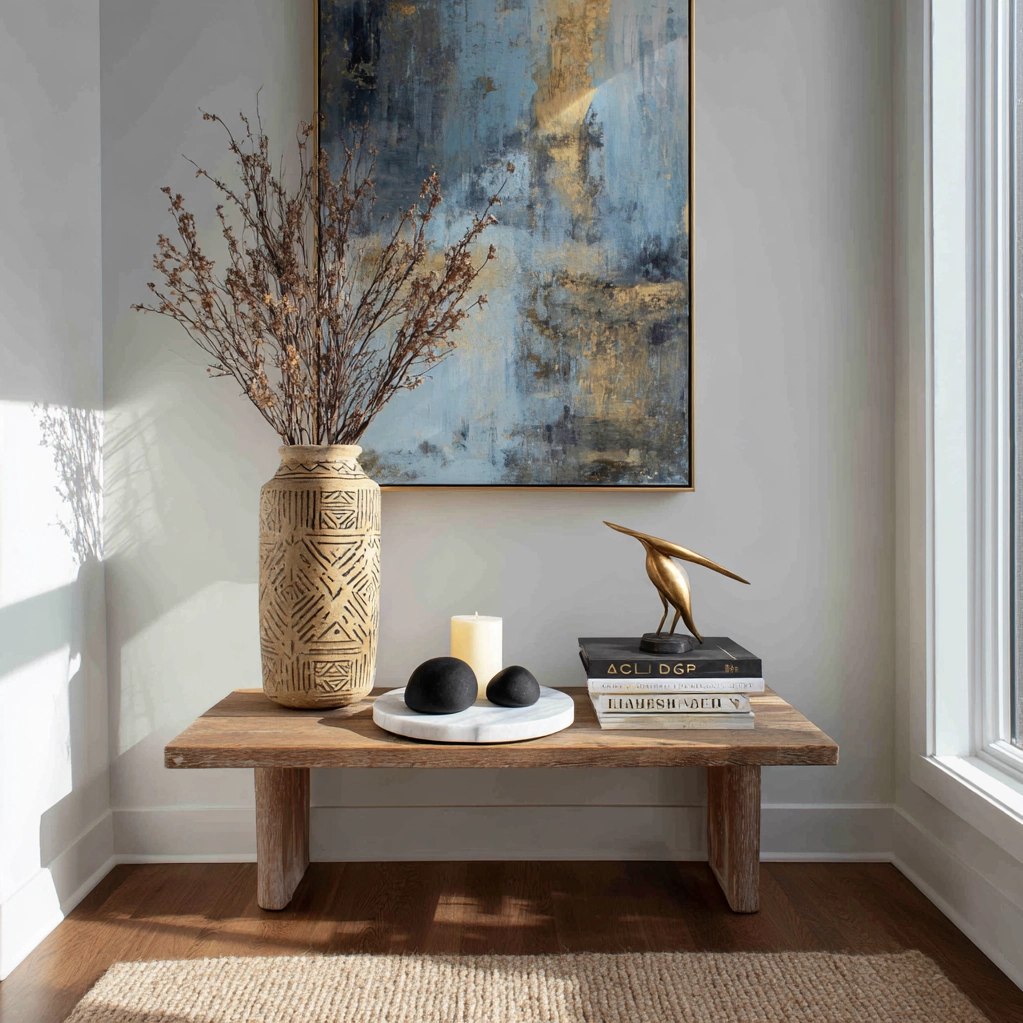
Placement is crucial for impact. Even the most beautiful party piece loses effectiveness if positioned poorly. Create intentional vignettes on shelves, mantels, or console tables. Use the rule of threes—grouping items in odd numbers often looks more dynamic. Vary heights to create visual rhythm, and consider sight lines from different angles in the room. A well-placed mirror can double the impact of your party pieces by reflecting them and making spaces feel larger.
Lighting can elevate your party pieces dramatically. Strategic lighting (spotlights, picture lights, or well-placed lamps) can highlight your favorite items, creating shadows and highlights that add drama. When shopping, consider how light will interact with each piece—transparent items glow with backlighting, metallic surfaces sparkle with direct light, and textured pieces create interesting shadow patterns.
Smart Strategies to Shop Party Pieces on Any Budget
Creating a stunning home doesn't require unlimited funds. With smart strategies, anyone can shop party pieces that look expensive and curated, regardless of budget constraints. The secret lies in knowing where to look, what to prioritize, and how to style your finds creatively. Whether you have hundreds to spend or just want to refresh with minimal investment, these approaches will help you build a collection that feels luxurious and intentional.
First, understand where value lies. Sometimes spending more on one exceptional piece creates greater impact than buying several mediocre items. When budget allows, invest in one or two show-stopping party pieces—perhaps a signature artwork or a designer lighting fixture—and complement them with more affordable accessories. This high-low mixing creates sophistication without breaking the bank. For those on tighter budgets, focus on materials that look expensive but aren't: clear glass, simple ceramics, unfinished wood, and neutral textiles often appear more luxurious than their price tags suggest.
Second, explore beyond traditional home stores. Some of the best party pieces come from unexpected sources. Thrift stores, flea markets, and estate sales offer unique vintage finds with character that mass-produced items lack. Online marketplaces connect you with independent artisans worldwide. Even everyday stores like bookshops, garden centers, or kitchen supply shops can yield surprising decor treasures. The key is seeing potential—a beautiful bowl meant for fruit can become a sculptural centerpiece, an interesting bottle can transform into a vase.
Third, embrace DIY possibilities. Sometimes the most personal party pieces are those you create or customize yourself. Simple projects like painting thrift store frames, creating your own abstract art, or assembling found objects into displays can yield unique results. These handmade touches add authenticity that store-bought items often lack. Even if you're not crafty, simple updates like changing hardware on existing pieces or rearranging items in new configurations can refresh your space without spending anything.
Finally, remember that editing is free. Often, the most effective way to highlight your party pieces is to remove clutter. Clear surfaces, organize shelves, and create breathing room around your favorite items. This minimalist approach makes whatever you do have look more intentional and valuable. Rotating pieces seasonally keeps your space feeling fresh without new purchases.
Conclusion
Learning to shop party pieces effectively transforms home decorating from a daunting task into an enjoyable, creative journey. These carefully selected items do more than fill space—they infuse your home with personality, create visual interest, and make everyday environments feel special. Whether you're starting with a blank canvas or refreshing a well-loved space, the right party pieces can completely change a room's atmosphere and functionality.
Remember that the best collections evolve over time. Don't feel pressured to complete your entire home's decor in one shopping trip. Instead, enjoy the process of discovering pieces that truly speak to you. Each find should feel like a treasure, something that brings you joy every time you see it. This patient, intentional approach results in spaces that feel authentic rather than staged, personal rather than generic.
As you continue to shop party pieces for your home, keep your long-term vision in mind while remaining open to happy accidents. Sometimes the perfect piece appears when you least expect it. Trust your instincts—if something makes you pause and look twice, it probably belongs in your home. Mix styles and eras confidently, balance bold statements with subtle accents, and always prioritize pieces that have meaning to you beyond their decorative value.
Looking ahead, the trend in home decor continues toward personalization and sustainability. Future party pieces might include more upcycled items, locally crafted goods, or smart home elements that combine beauty with functionality. Whatever the trends, the fundamental principle remains: your home should tell your story. By shopping party pieces thoughtfully, you're not just decorating—you're creating a living space that reflects who you are, supports how you live, and welcomes all who enter with warmth and character.
Frequently Asked Questions
Q: What exactly are 'party pieces' in home decor?
Party pieces in home decor refer to standout items that add personality, visual interest, and style to a space. These are typically smaller decorative elements—like unique artwork, sculptural objects, interesting lighting, or special textiles—that serve as focal points or conversation starters. Unlike basic functional items, party pieces are chosen primarily for their aesthetic appeal and ability to define a room's character. They're the 'wow' factors that make your home feel curated and personal rather than generic. Think of them as the accessories that complete an outfit—they pull everything together and express individual style.
Q: How many party pieces should I have in one room?
There's no fixed number, but balance is key. A good rule is to have one to three statement party pieces per room, complemented by simpler supporting items. In larger spaces like living rooms, you might have multiple focal points (a striking artwork above the sofa, an interesting floor lamp in the corner, a unique coffee table centerpiece). In smaller rooms like bathrooms or hallways, one exceptional piece might be enough. The goal is to create visual interest without clutter. If a room starts feeling busy or overwhelming, you likely have too many competing pieces. Edit down to your absolute favorites and give them room to shine.
Q: Where are the best places to shop party pieces?
Excellent party pieces can be found in various places depending on your style and budget. For unique, artisanal items, try local craft fairs, independent boutiques, or online platforms like Etsy. For vintage and one-of-a-kind finds, explore thrift stores, flea markets, and estate sales. Major home decor retailers offer curated selections that follow current trends. Don't overlook non-traditional sources like bookstores (for beautiful books as decor), garden centers (for interesting pots and planters), or even travel destinations (for meaningful souvenirs). The best approach is to mix sources—combine a few investment pieces from designers with affordable finds from unexpected places for a layered, personal look.