
Dreaming of a beautiful bathroom makeover but worried about the cost? You’re not alone. Many homeowners feel stuck with outdated or inefficient bathrooms because they assume remodeling requires a massive financial investment. The good news is that a budget bathroom remodel doesn’t mean settling for less—it means getting creative with your resources. With smart planning and strategic choices, you can transform your bathroom into a space that feels fresh, functional, and stylish without draining your savings. This isn’t about cutting corners on quality; it’s about prioritizing what matters most and finding affordable alternatives that deliver impressive results. Whether you’re dealing with worn-out fixtures, dated tile, or simply a lackluster design, this guide will show you how to approach your project with confidence. We’ll explore practical strategies that real homeowners have used successfully, from repurposing existing elements to discovering budget-friendly materials that look anything but cheap. Your dream bathroom is closer than you think, and it starts with understanding that a limited budget can actually spark more creativity and lead to truly personalized results. Let’s dive into the world of smart remodeling where every dollar works harder and every decision brings you closer to the bathroom you’ve always wanted.
Strategic Planning for Your Budget Bathroom Remodel
The foundation of any successful budget bathroom remodel begins with careful planning. Before you touch a single tile or fixture, take time to assess your current space and define clear priorities. Start by creating a detailed budget spreadsheet that includes every potential expense—materials, labor, permits, and unexpected costs. Allocate at least 10-15% of your total budget for contingencies, as hidden issues often surface during renovations. Next, evaluate what elements of your bathroom truly need replacement versus what could be refreshed. For example, instead of replacing all cabinetry, consider painting or refacing existing units. Similarly, dated tile might be salvaged with professional cleaning and new grout rather than complete demolition. Focus your spending on high-impact areas that affect daily function and visual appeal, such as the vanity, lighting, and shower fixtures. Research shows that homeowners who plan their budget bathroom remodel with precision typically stay within their financial limits while achieving better results. Visit home improvement stores during sales seasons, compare prices across multiple retailers, and consider alternative materials that offer similar aesthetics at lower costs. Porcelain tiles that mimic natural stone, for instance, can provide luxury looks without the premium price tag. Remember that layout changes involving plumbing or electrical work will significantly increase costs, so try to work within your existing footprint whenever possible. By approaching your project with strategic intent, you'll make informed decisions that maximize both style and savings.
Cost-Effective Materials for a Budget Bathroom Remodel
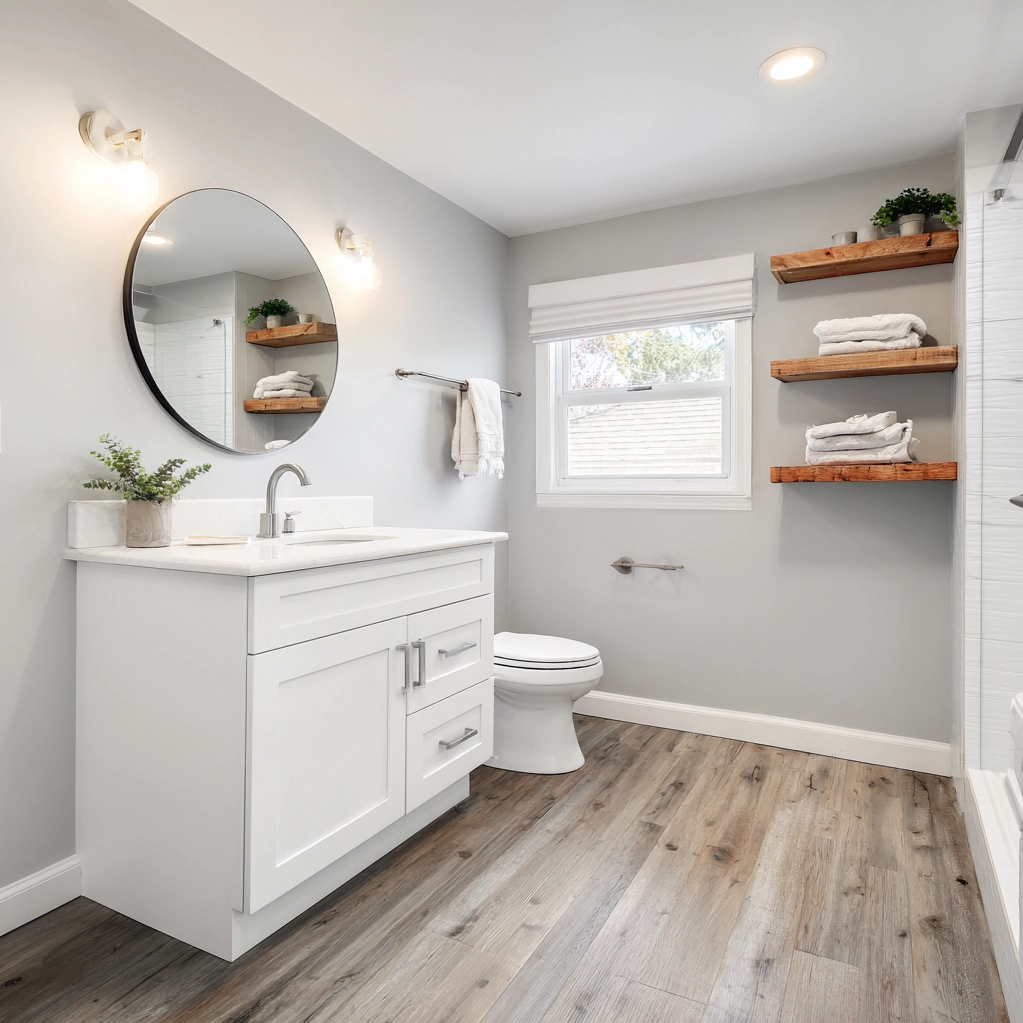
Selecting the right materials is crucial for achieving a beautiful result without overspending. Fortunately, today's market offers numerous affordable options that don't compromise on quality or aesthetics. For flooring, consider luxury vinyl planks or tiles—they're waterproof, durable, and available in designs that convincingly mimic wood, stone, or ceramic. These materials often cost half as much as their natural counterparts and are easier for DIY installation. When it comes to walls, paint remains the most transformative and economical choice. A fresh coat in a modern color like soft gray, navy, or sage green can instantly update the entire space. For added texture and interest, consider beadboard or wainscoting panels, which are surprisingly affordable and simple to install. Countertop alternatives have also expanded dramatically. Laminate surfaces now come in realistic stone and wood patterns that resist moisture and scratches, while solid surface materials like cultured marble offer a seamless look at a fraction of natural stone prices. Don't overlook the power of smart fixture choices either. Chrome and brushed nickel finishes remain classic and budget-friendly, while matte black has emerged as a trendy yet accessible option. For cabinetry, ready-to-assemble units from home improvement stores provide custom looks without custom prices. Many feature soft-close hinges and durable finishes that withstand bathroom humidity. By combining these material choices thoughtfully, your budget bathroom remodel can achieve a cohesive, high-end appearance that belies its modest cost. The key is balancing investment pieces with strategic savings across different elements.
DIY Opportunities in a Budget Bathroom Remodel
One of the most effective ways to control costs during a budget bathroom remodel is by tackling certain tasks yourself. While plumbing and electrical work should typically be left to professionals for safety and code compliance, many cosmetic and installation projects are well within reach of motivated homeowners. Painting is the most accessible starting point—with proper surface preparation and quality moisture-resistant paint, you can transform walls, ceilings, and even cabinetry over a weekend. Installing new fixtures like faucets, showerheads, and towel bars requires basic tools and following manufacturer instructions carefully. Many modern fixtures use simple connection systems that don't require soldering or complex plumbing knowledge. Tile installation, while more advanced, can be learned through online tutorials and practice on a small area first. Start with a backsplash or accent wall rather than the entire shower to build confidence. Demolition of old materials is another area where DIY efforts can save significant labor costs, though proper safety gear and caution around hidden pipes or wires are essential. Even if you hire professionals for major components, you can still contribute by handling demolition, cleanup, and finishing touches like caulking and grout sealing. Before starting any DIY aspect of your budget bathroom remodel, research local permit requirements and building codes to ensure compliance. Remember that your time has value too—balance DIY projects with professional help where it makes sense for your schedule and skill level. The satisfaction of contributing to your own home's transformation adds personal value beyond the financial savings.
Maximizing Small Details in Your Budget Bathroom Remodel
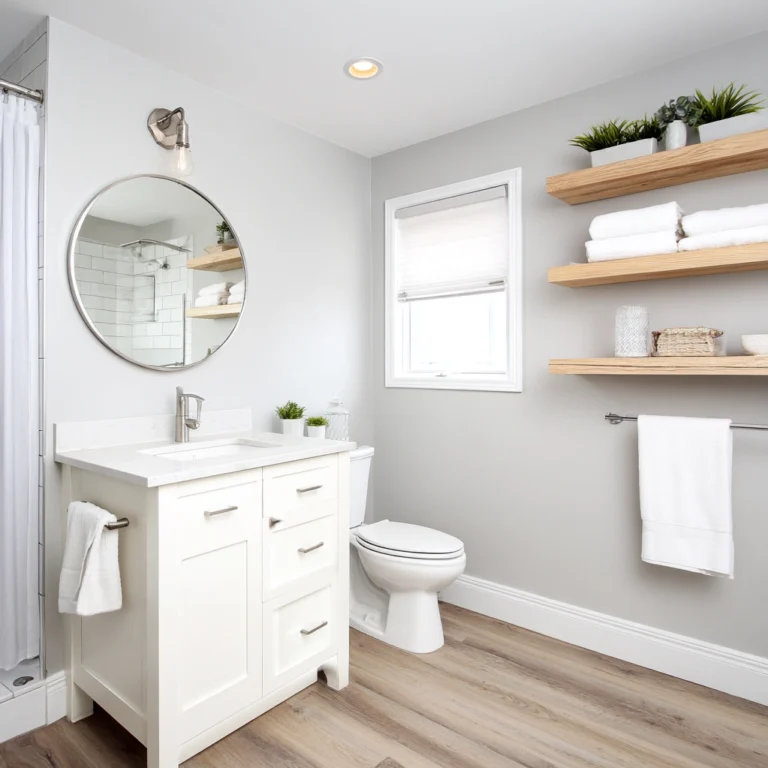
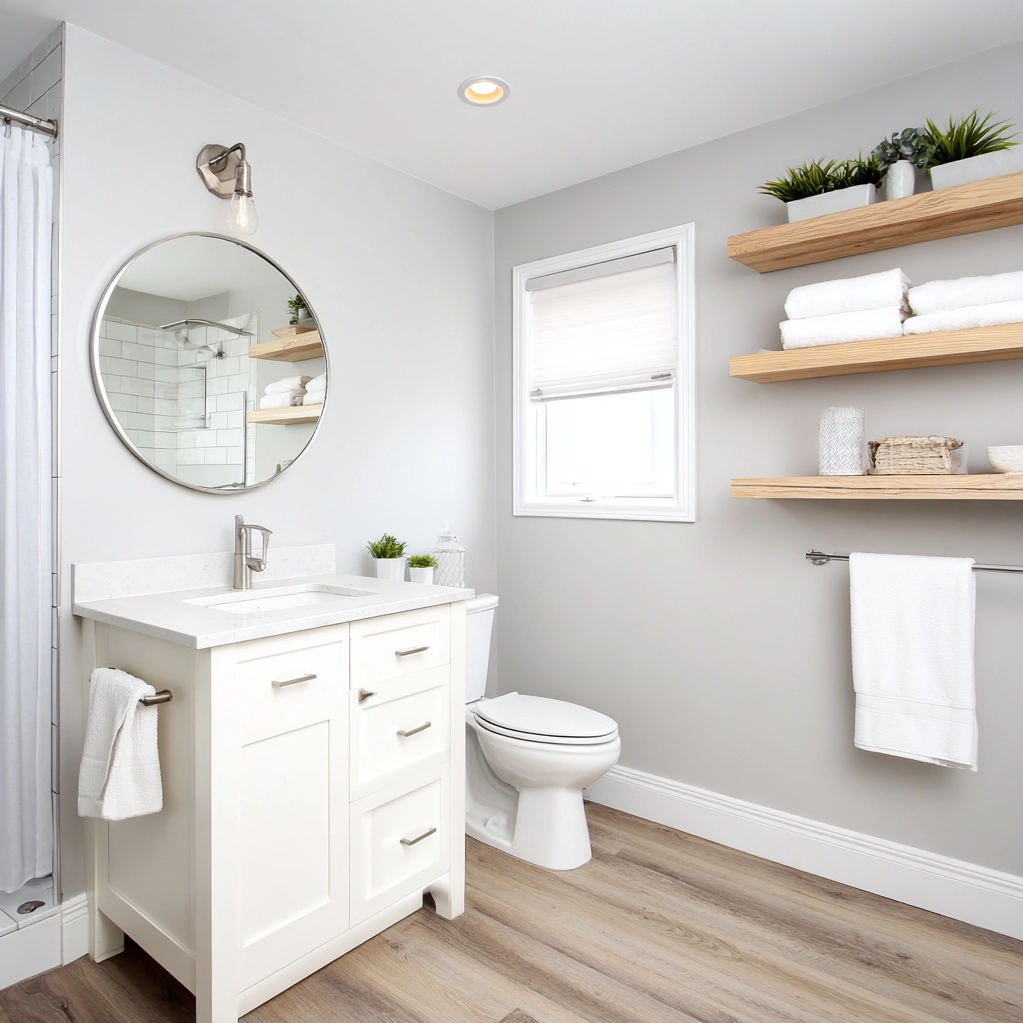
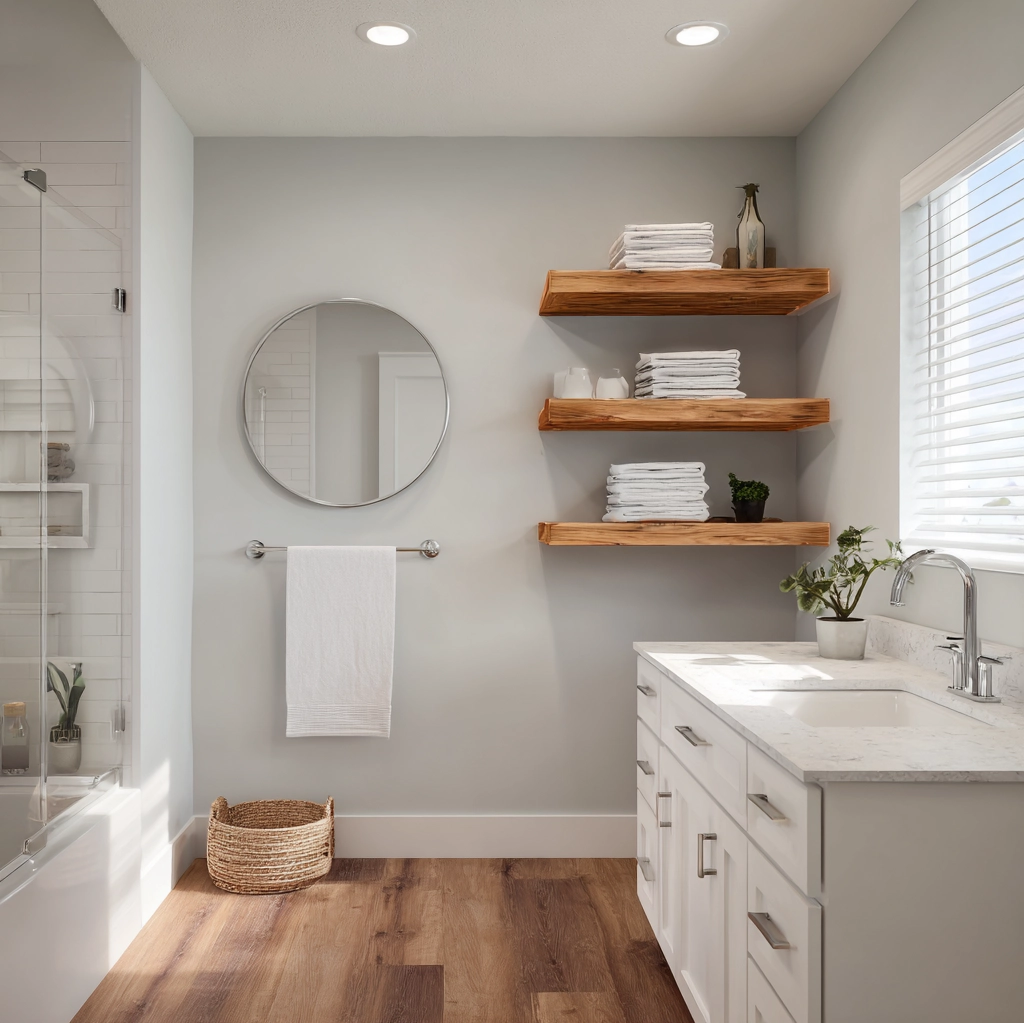
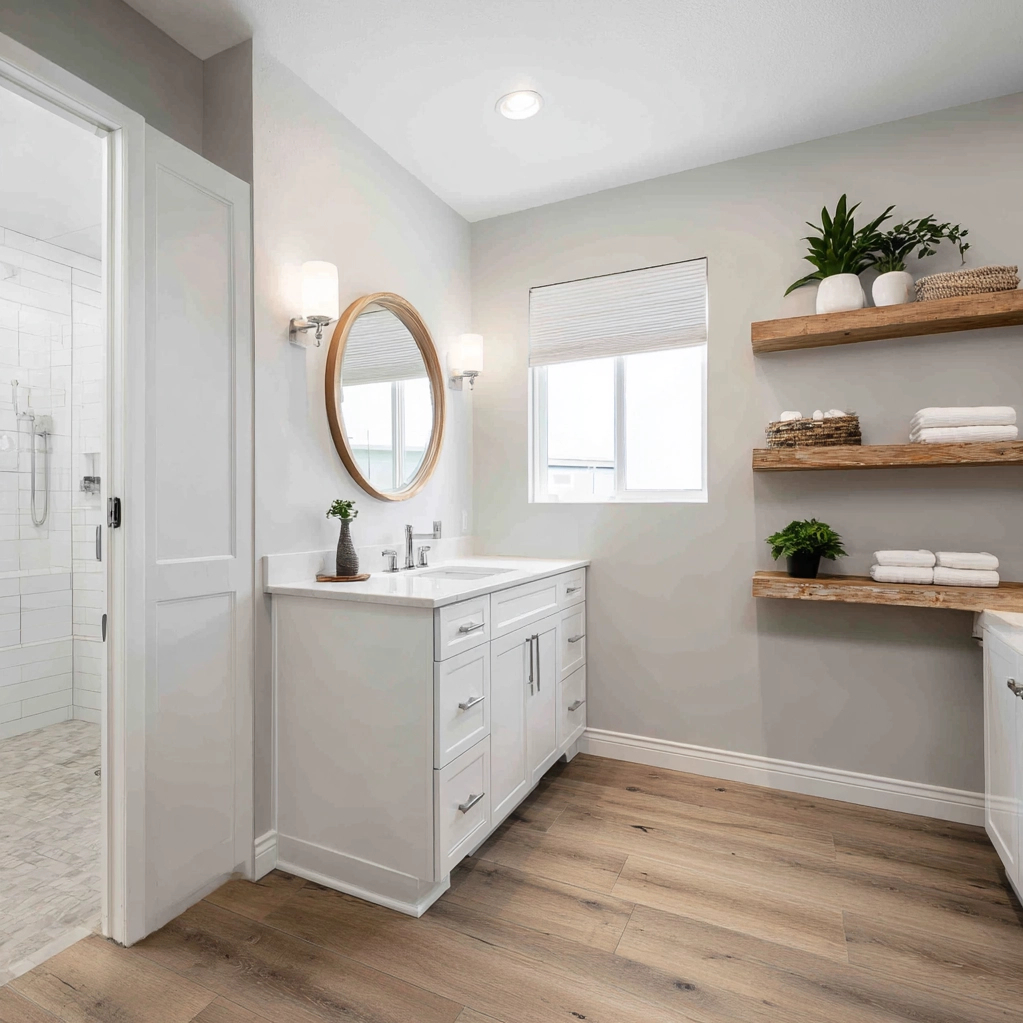
Sometimes the most impactful changes in a budget bathroom remodel come from attention to small details rather than major overhauls. These finishing touches can elevate the entire space while keeping costs minimal. Start with hardware—replacing dated cabinet knobs and drawer pulls with modern alternatives instantly refreshes cabinetry. Choose cohesive finishes throughout, such as matching your faucet, towel bars, and lighting fixtures in the same metal tone. Lighting makes a tremendous difference in how your bathroom feels and functions. Swap out basic builder-grade fixtures for stylish yet affordable options from home improvement stores or online retailers. Consider adding LED strip lighting under vanities or around mirrors for ambient illumination that feels luxurious. Mirrors offer another opportunity for transformation—an oversized or uniquely framed mirror can become a focal point without requiring wall reconstruction. For storage solutions, incorporate open shelving using reclaimed wood or inexpensive brackets and boards. This adds character while providing practical space for towels and toiletries. Don't underestimate the power of accessories either. Coordinated towel sets, a stylish wastebasket, and quality bath mats contribute to a polished look. Plants bring life and color to the space, with varieties like snake plants and pothos thriving in bathroom humidity. Finally, ensure all details work together harmoniously by maintaining a consistent color palette and design style throughout your budget bathroom remodel. Whether you prefer modern minimalism or cozy traditional, these small investments create big visual impact that makes your renovated bathroom feel intentional and complete.
Conclusion
A budget bathroom remodel proves that financial constraints don't have to limit your design aspirations—they can actually enhance creativity and lead to more personalized results. By approaching your project with strategic planning, smart material selections, thoughtful DIY contributions, and attention to finishing details, you can achieve a transformation that feels both luxurious and livable. Remember that successful remodeling isn't about spending the most money; it's about spending money wisely where it matters most. The bathrooms that homeowners love longest often aren't the most expensive ones, but rather those that reflect careful consideration of both aesthetics and practical function. As you move forward with your own project, keep in mind that trends come and go, but timeless choices in layout, lighting, and quality fixtures will serve you well for years. Consider how your renovated space might evolve with future needs—perhaps leaving room for accessibility features or choosing neutral foundations that allow for easy style updates through accessories. Most importantly, celebrate each milestone in your budget bathroom remodel journey. Whether it's successfully installing your first tile or finally seeing the completed paint job, these accomplishments build confidence and connection to your home. Your renewed bathroom will become more than just a functional space—it will be a daily reminder that thoughtful design and financial responsibility can beautifully coexist.
Frequently Asked Questions
Q: What is the average cost range for a budget bathroom remodel?
A budget bathroom remodel typically ranges from $2,500 to $10,000, depending on the size of your space, materials selected, and how much work you do yourself versus hiring professionals. For a small powder room, you might complete a refresh for under $3,000 by focusing on paint, fixtures, and accessories. A full bathroom with standard dimensions (around 5×8 feet) often falls in the $5,000-$8,000 range when using mid-range materials and doing some DIY work. These figures assume you're keeping the existing layout and not moving plumbing or electrical systems, which significantly increase costs. The key to staying within budget is prioritizing updates that deliver the most visual impact and functional improvement for your investment.
Q: How long does a typical budget bathroom remodel take to complete?
The timeline for a budget bathroom remodel varies based on project scope and whether you're doing the work yourself or hiring contractors. A cosmetic refresh involving painting, new fixtures, and accessories might take just a weekend if you're well-prepared. More comprehensive renovations that include tile work, vanity replacement, and lighting updates typically require 1-3 weeks when working steadily. If you're coordinating multiple contractors for plumbing, electrical, and tiling, schedule 2-4 weeks to account for coordination between trades. For DIY-focused projects where you work evenings and weekends, plan for 3-6 weeks to complete everything properly. Always build in extra time for unexpected challenges like discovering water damage or waiting for special-order materials to arrive.
Q: What should I never try to DIY in a bathroom remodel?
While many aspects of a budget bathroom remodel are DIY-friendly, certain tasks should always be left to licensed professionals for safety and legal reasons. Never attempt to move or modify plumbing lines unless you have specific training—incorrect connections can lead to leaks, water damage, and even mold growth. Electrical work involving new circuits, moving outlets, or installing lighting fixtures in wet areas requires proper knowledge of building codes and safety protocols. Structural changes like removing walls or altering load-bearing elements should be evaluated by a contractor or engineer. Gas line work for features like tankless water heaters is strictly for professionals due to explosion risks. Additionally, if your home was built before 1980, you should have professionals handle any demolition or disturbance of walls that might contain asbestos or lead paint. When in doubt, consult with local building authorities about permit requirements and hire qualified tradespeople for complex systems.