
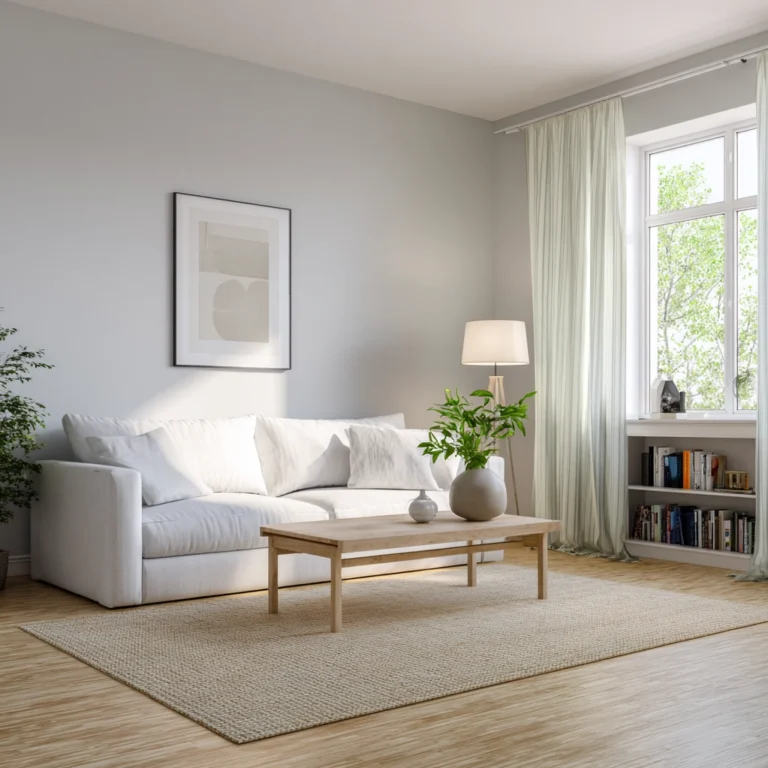
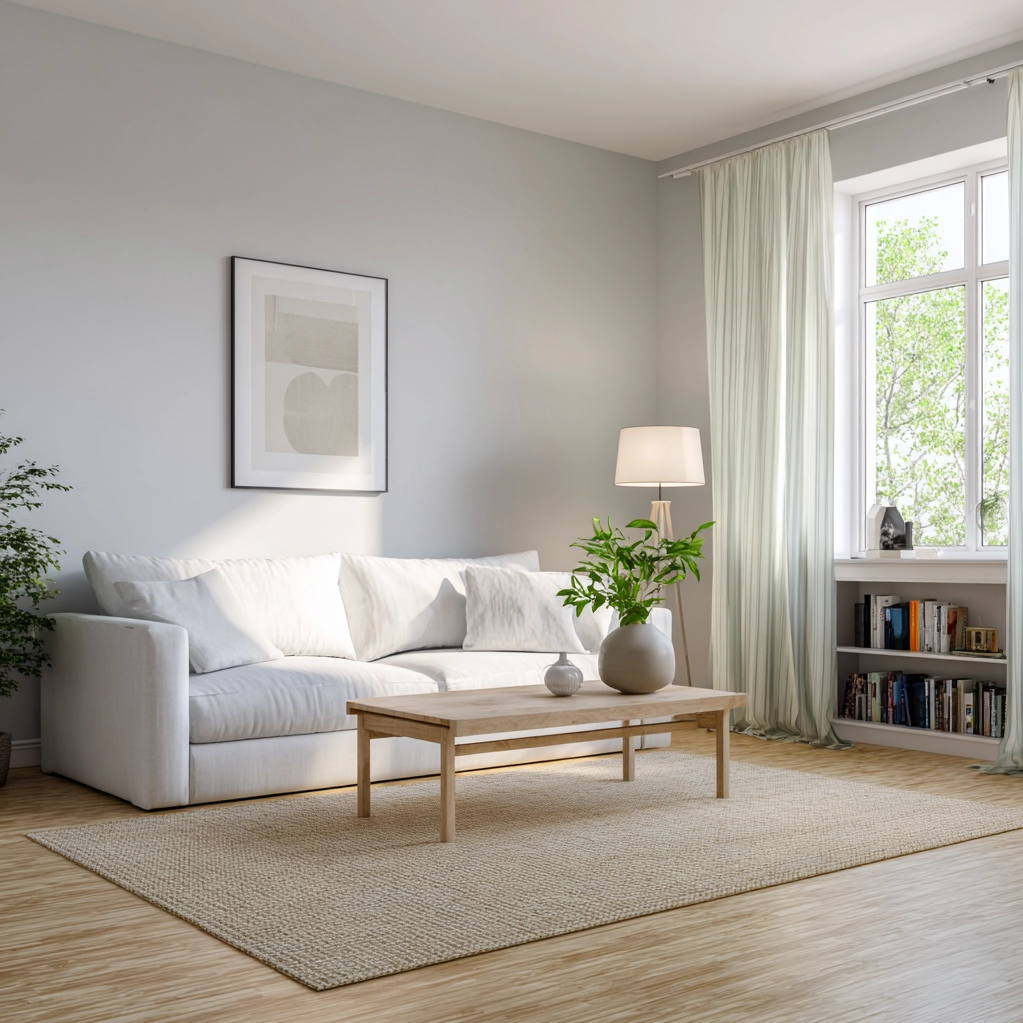
In a world filled with constant noise and visual clutter, the white minimalist aesthetic offers a refreshing escape. This design philosophy emphasizes simplicity, functionality, and tranquility, creating spaces that feel both expansive and deeply calming. At its core, the white minimalist aesthetic isn’t just about removing objects—it’s about intentionally curating your environment to support mental clarity and daily peace. By focusing on clean lines, neutral tones, and purposeful design, this approach transforms ordinary rooms into serene sanctuaries where every element serves a meaningful role. The beauty of the white minimalist aesthetic lies in its versatility. Whether you’re designing a compact apartment or a spacious home, this style adapts seamlessly, emphasizing natural light and open spaces. Many people find that adopting this aesthetic reduces stress and enhances focus, making it more than just a visual choice—it becomes a lifestyle that prioritizes well-being. As we explore this topic, you’ll discover practical ways to incorporate these principles into your own space, creating an environment that feels both timeless and personally resonant. Embracing the white minimalist aesthetic can lead to a more organized, intentional home where you truly enjoy spending time.
The Core Principles of a White Minimalist Aesthetic
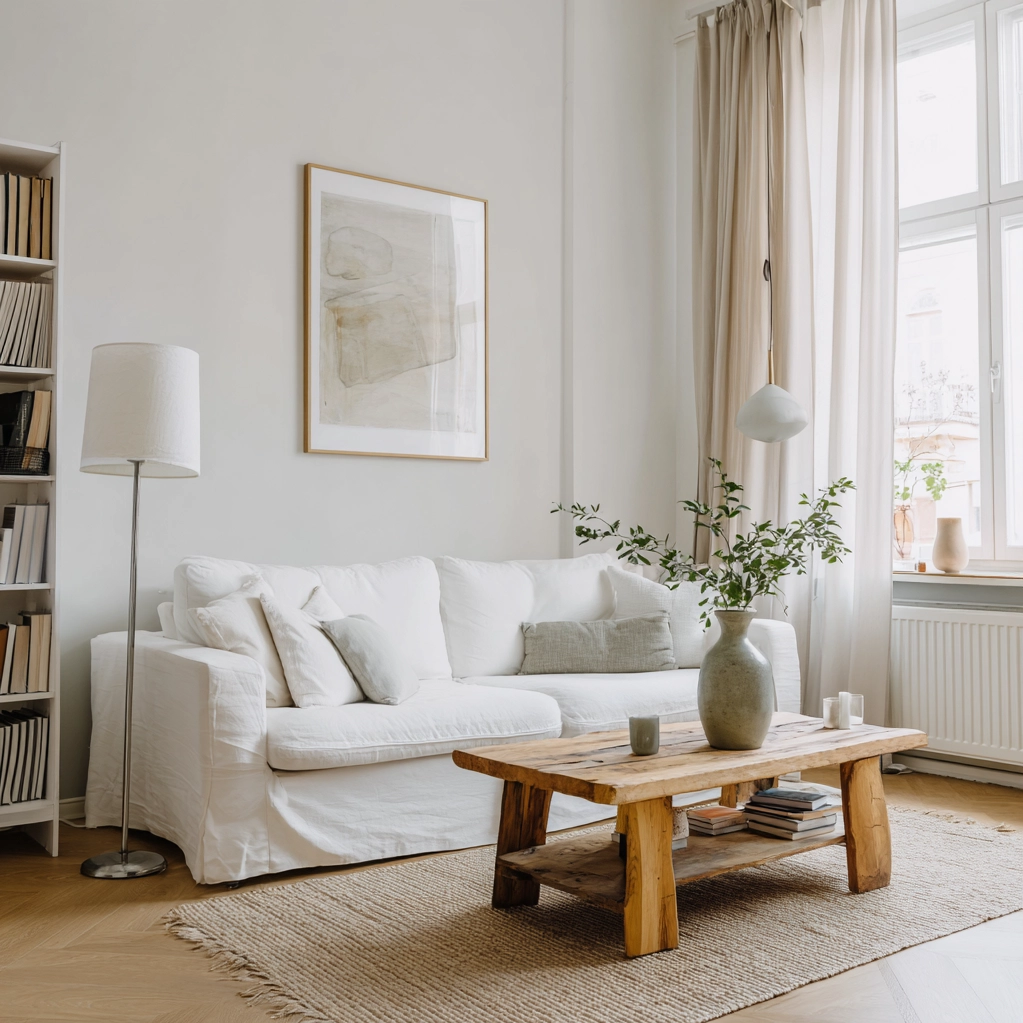
Understanding the foundational principles of the white minimalist aesthetic is essential for creating a cohesive and harmonious space. This design philosophy centers on three key elements: simplicity, functionality, and intentionality. Simplicity involves stripping away unnecessary decorations and focusing on clean, uncluttered surfaces. This doesn't mean spaces must feel sterile; rather, it encourages thoughtful curation where each item has a purpose or brings joy. Functionality ensures that every piece of furniture or decor serves a practical role, reducing visual noise and enhancing daily efficiency. Intentionality is about making deliberate choices—selecting items that align with your values and needs rather than accumulating things out of habit. When applied to color, the white minimalist aesthetic predominantly uses white as a base, complemented by soft neutrals like beige, gray, or light wood tones. This palette creates a sense of openness and reflects natural light, making rooms feel larger and more inviting. Textures play a crucial role here, adding depth through materials like linen, wool, or smooth ceramics. By adhering to these principles, you can craft a home that feels both serene and personally meaningful, avoiding the pitfalls of trends that quickly feel dated. The white minimalist aesthetic encourages mindfulness in design, leading to spaces that support calm and clarity.
Implementing the White Minimalist Aesthetic in Your Living Room
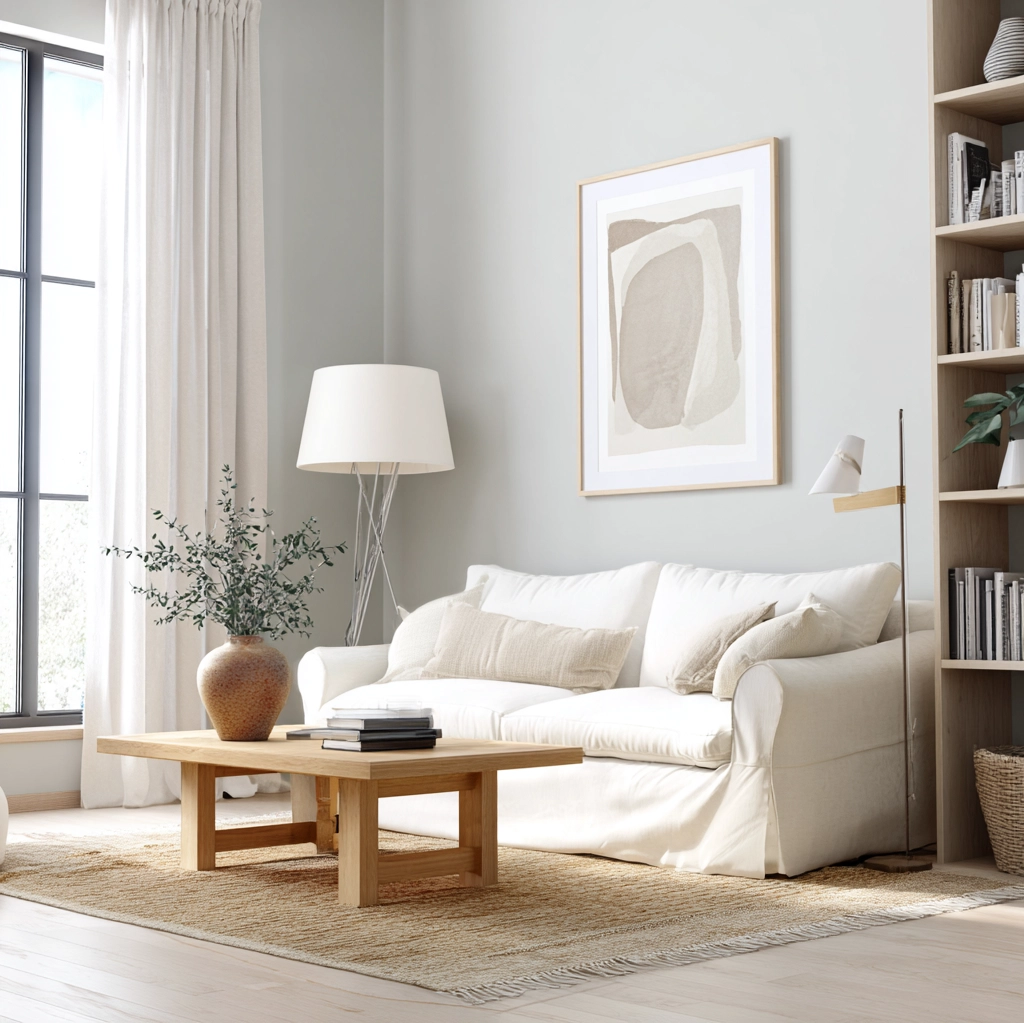
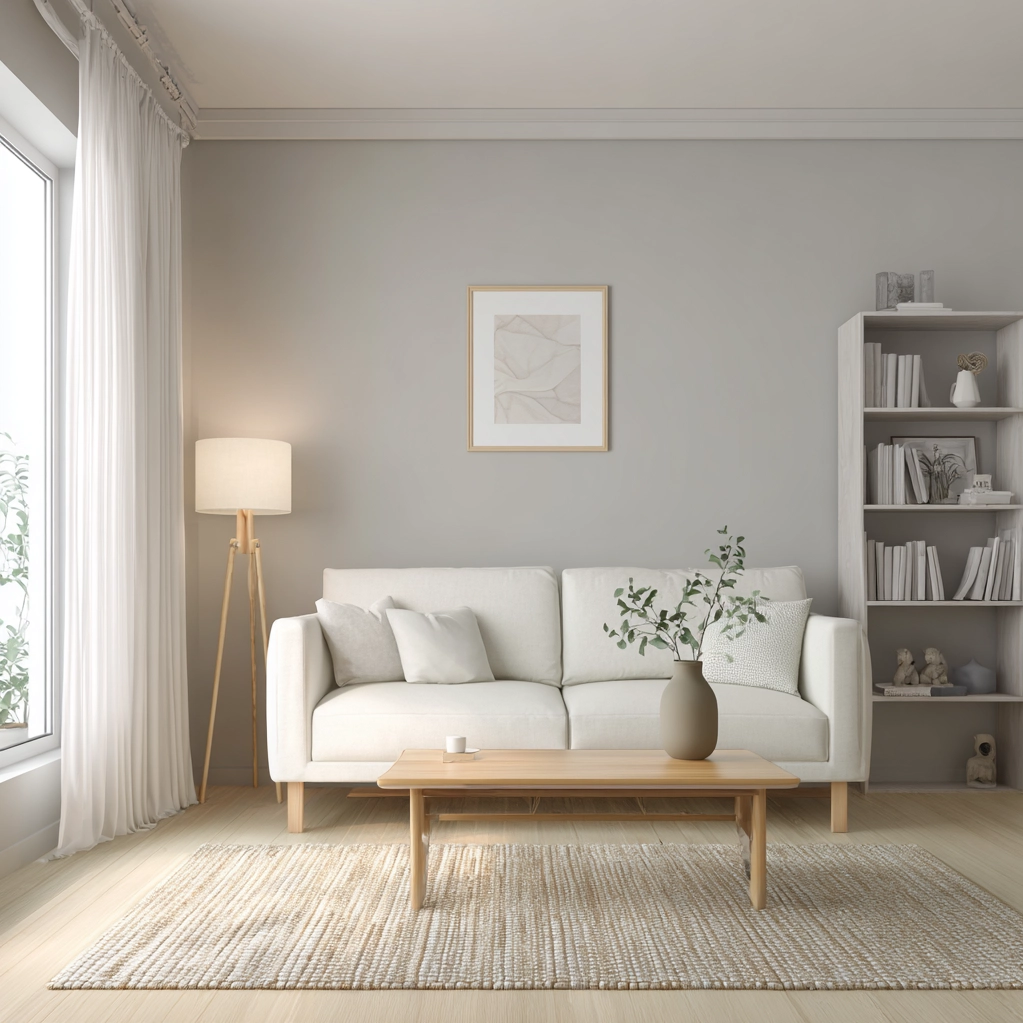
The living room is often the heart of the home, making it an ideal space to embrace the white minimalist aesthetic. Start by decluttering—remove excess items, store away rarely used objects, and keep surfaces clear. This immediate step creates a blank canvas that feels open and airy. Next, focus on furniture selection. Choose pieces with simple, geometric shapes and neutral upholstery, such as a white sofa or light gray armchairs. Opt for multifunctional items, like a coffee table with hidden storage, to maintain cleanliness. Lighting is crucial in a white minimalist aesthetic; maximize natural light by using sheer curtains or leaving windows bare, and supplement with warm, ambient fixtures like floor lamps or pendant lights. Decor should be minimal but meaningful. A single large piece of art with subtle tones or a carefully placed plant can add visual interest without overwhelming the space. Consider incorporating natural elements, such as a wooden side table or a stone vase, to introduce texture and warmth. Arrange furniture to promote flow and conversation, avoiding cramped layouts. By applying these strategies, your living room becomes a tranquil retreat that encourages relaxation and connection. The white minimalist aesthetic here fosters an environment where you can unwind without distraction, making it a true sanctuary from daily stresses.
Maintaining a White Minimalist Aesthetic in Daily Life
Adopting a white minimalist aesthetic requires ongoing effort to keep your space feeling fresh and intentional. Regular maintenance is key—set aside time weekly to tidy up, dust surfaces, and reassess items that may have accumulated. Develop habits like putting things away immediately after use and avoiding impulse purchases that don't align with your aesthetic goals. Storage solutions are vital; use built-in cabinets, baskets, or sleek organizers to hide clutter while maintaining clean lines. For cleaning, stick to simple, effective methods to preserve the pristine look of white surfaces, such as using microfiber cloths and gentle cleaners. Embrace a mindset of less is more by periodically reviewing your belongings and donating or discarding items that no longer serve you. This practice not only keeps your home organized but also reinforces the calming benefits of the white minimalist aesthetic. Additionally, consider seasonal adjustments—swap out lightweight linens in summer for cozy textures in winter, always staying within your neutral palette. By integrating these routines, the white minimalist aesthetic becomes a sustainable part of your lifestyle, reducing stress and enhancing your appreciation for your surroundings. It transforms from a design choice into a daily practice that supports mindfulness and simplicity.
Conclusion
The white minimalist aesthetic is more than a passing trend; it's a thoughtful approach to living that prioritizes peace, clarity, and intentionality. By embracing its principles of simplicity, functionality, and neutral tones, you can create a home that feels both serene and personally resonant. This style adapts to various spaces, from cozy apartments to expansive houses, proving its versatility and timeless appeal. As we move forward, consider how small changes—like decluttering a shelf or choosing a white accent piece—can gradually transform your environment. The future of home design leans towards mindful living, where spaces support well-being rather than mere aesthetics. By adopting the white minimalist aesthetic, you're investing in a lifestyle that reduces clutter, enhances focus, and fosters daily tranquility. Start today by assessing one room and applying the tips shared here. Over time, you'll likely find that this aesthetic not only beautifies your home but also enriches your daily experience, making it a sanctuary you cherish.
Frequently Asked Questions
Q: Is the white minimalist aesthetic too cold or sterile?
Not at all. When done thoughtfully, the white minimalist aesthetic feels warm and inviting. The key is to incorporate textures and natural elements. Add soft textiles like wool throws or linen cushions, use wood accents in furniture or decor, and include plants for a touch of life. Lighting also plays a big role—opt for warm-toned bulbs and maximize natural light. This creates a cozy atmosphere that avoids any sterile feel.
Q: How can I incorporate color without breaking the white minimalist aesthetic?
You can subtly introduce color while maintaining the white minimalist aesthetic. Stick to muted, neutral tones like soft grays, beiges, or pastels. Use color in small doses—for example, a single accent pillow, a piece of art with gentle hues, or a vase in a light shade. Avoid bright or bold colors that dominate the space. The goal is to complement the white base without overwhelming it, keeping the overall look serene and cohesive.
Q: Is the white minimalist aesthetic practical for families with children or pets?
Yes, it can be practical with some adjustments. Choose durable, washable materials for upholstery and surfaces, such as performance fabrics or easy-to-clean paints. Incorporate storage solutions like bins or cabinets to quickly tidy toys and clutter. Opt for stain-resistant rugs and keep decor minimal to reduce breakage risks. The white minimalist aesthetic can actually make cleaning easier by reducing dust-collecting items, and it teaches organizational habits that benefit the whole family.