
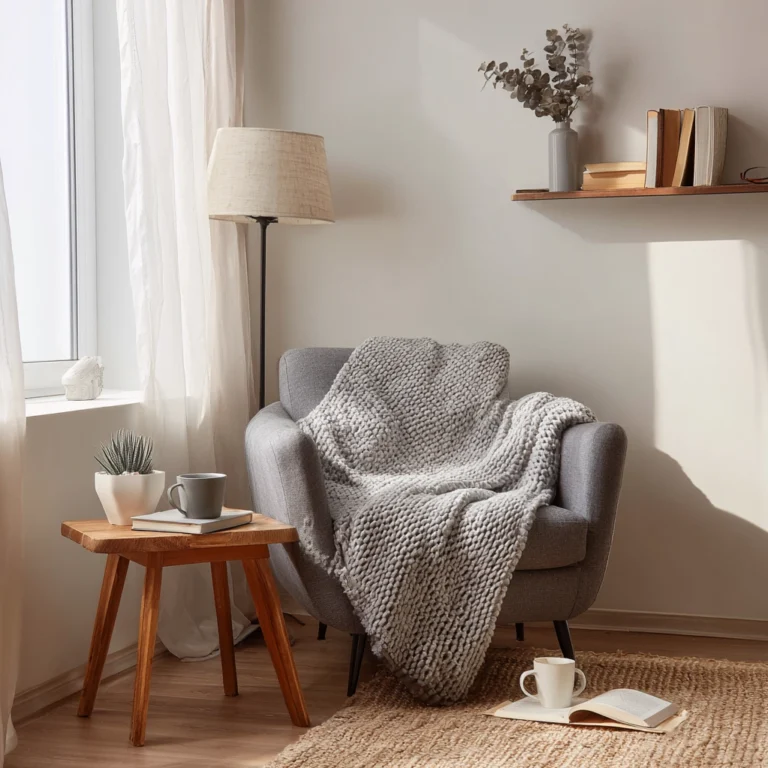
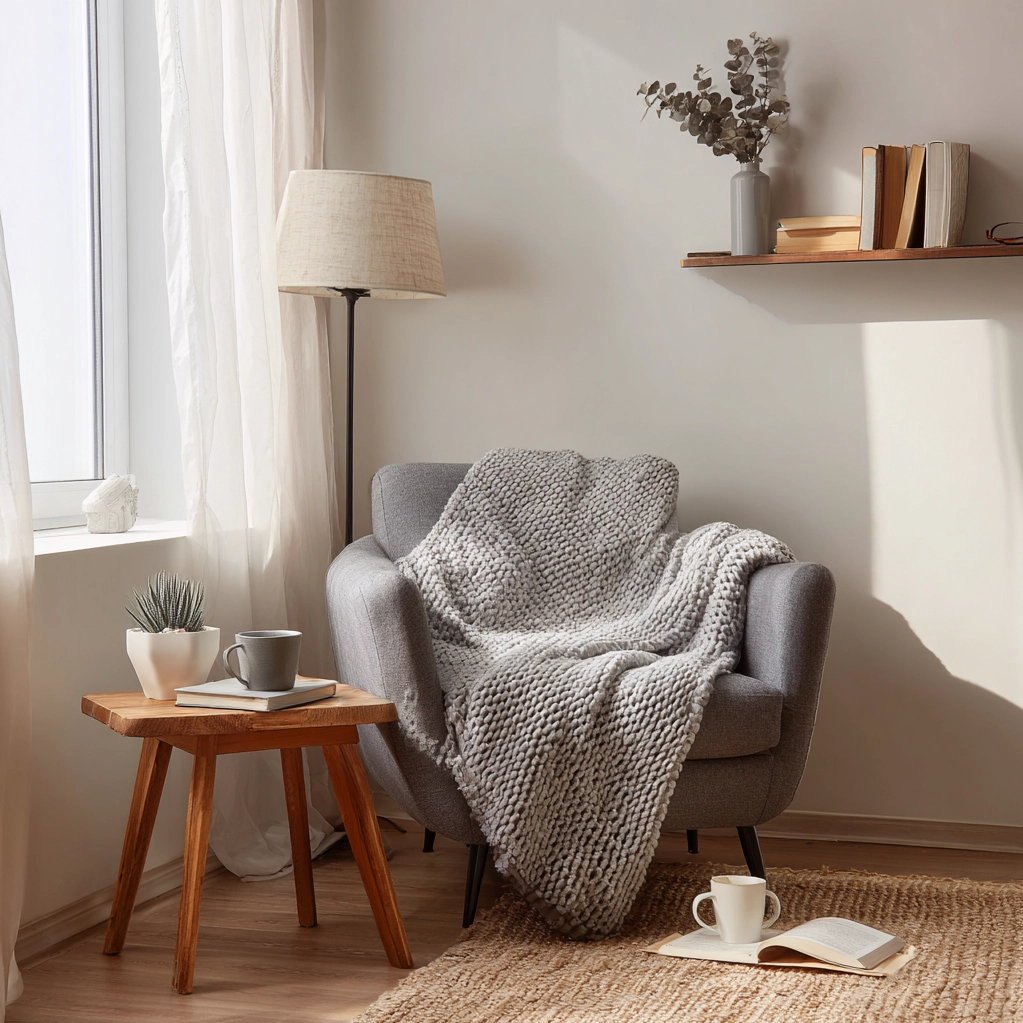
In today’s fast-paced world, finding moments of peace at home has become essential for mental well-being. A dedicated rest corner offers more than just a place to sit—it creates a personal retreat where you can unwind, recharge, and escape daily stresses. Whether you have a spacious room or just a cozy nook, thoughtful rest corner ideas can transform underutilized spaces into havens of comfort and tranquility. These areas serve as physical reminders to prioritize self-care, helping you disconnect from digital distractions and reconnect with yourself. The right setup doesn’t require extensive renovations or large budgets. With intentional design choices, you can create an inviting space that encourages relaxation, reflection, and rejuvenation. This article explores practical and inspiring approaches to designing your perfect rest corner, from furniture selection to atmospheric elements that promote calmness. By dedicating even a small area to rest, you invest in your overall health and happiness, making your home a true sanctuary.
Essential Elements for Cozy Rest Corner Ideas
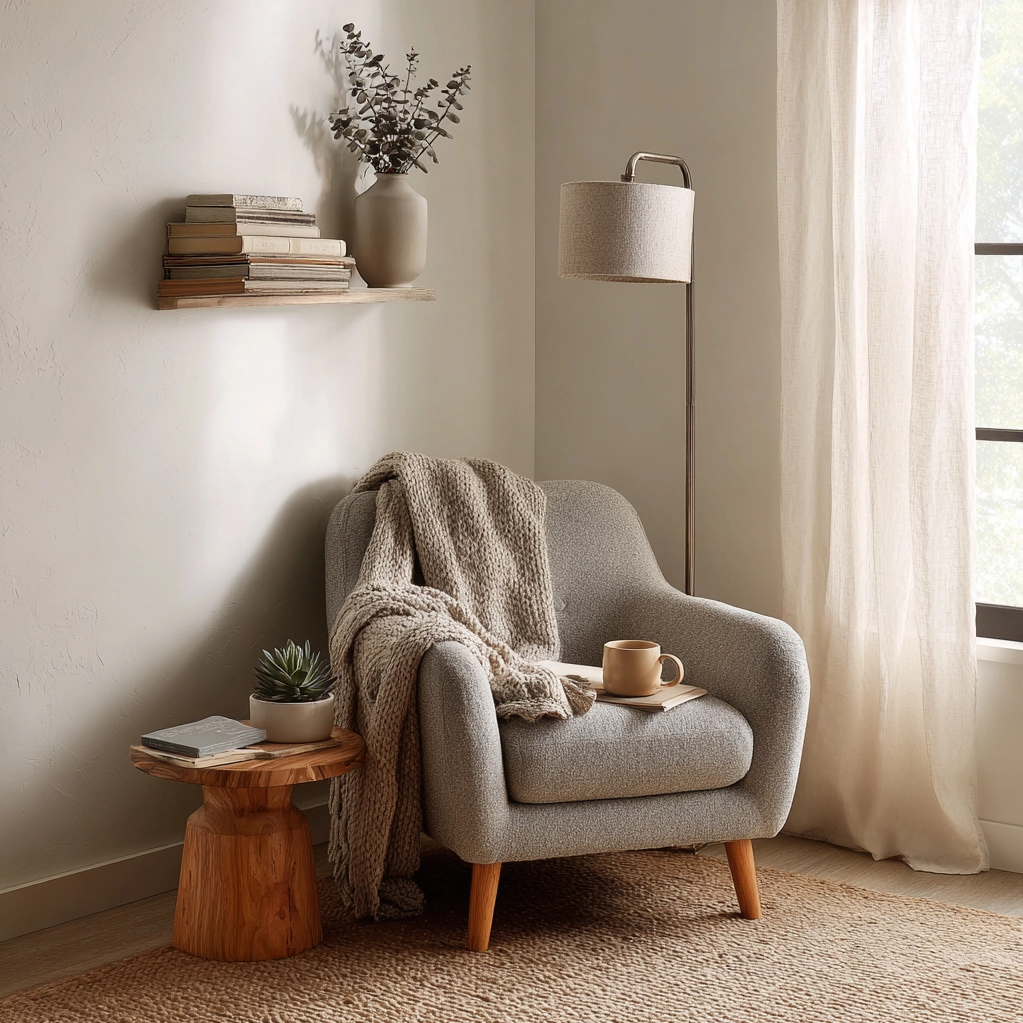
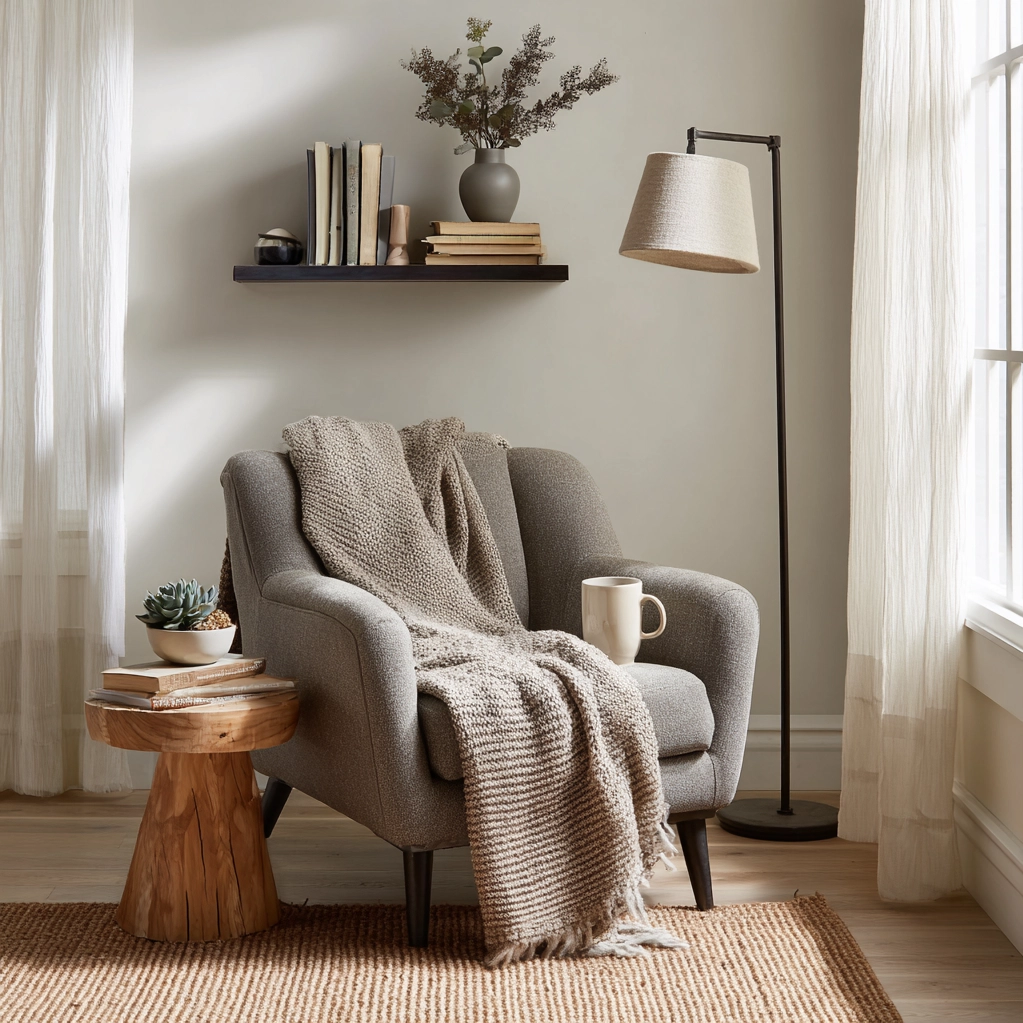
Creating an effective rest corner begins with selecting the right foundational elements. Comfort should always be your top priority—choose seating that supports relaxation, such as a plush armchair, a chaise lounge, or even a floor cushion arrangement. Look for pieces with soft upholstery and adequate back support. Next, consider textiles that enhance coziness: layer throw blankets, accent pillows, and area rugs to add warmth and texture. Opt for natural materials like wool, cotton, or linen for a soothing tactile experience. Lighting plays a crucial role in setting the mood. Incorporate adjustable options like dimmable lamps, string lights, or candles to create soft, ambient illumination that reduces eye strain. Include surfaces for essentials: a small side table for books, drinks, or decorative items keeps your space functional without clutter. Personal touches like family photos, artwork, or plants make the area feel uniquely yours. Remember, the best rest corner ideas balance aesthetics with practicality, ensuring every element contributes to relaxation. Avoid overcrowding—leave enough room to stretch out and breathe. By focusing on these key components, you'll build a foundation for a restful retreat that invites you to slow down and savor quiet moments.
Budget-Friendly Rest Corner Ideas for Small Spaces
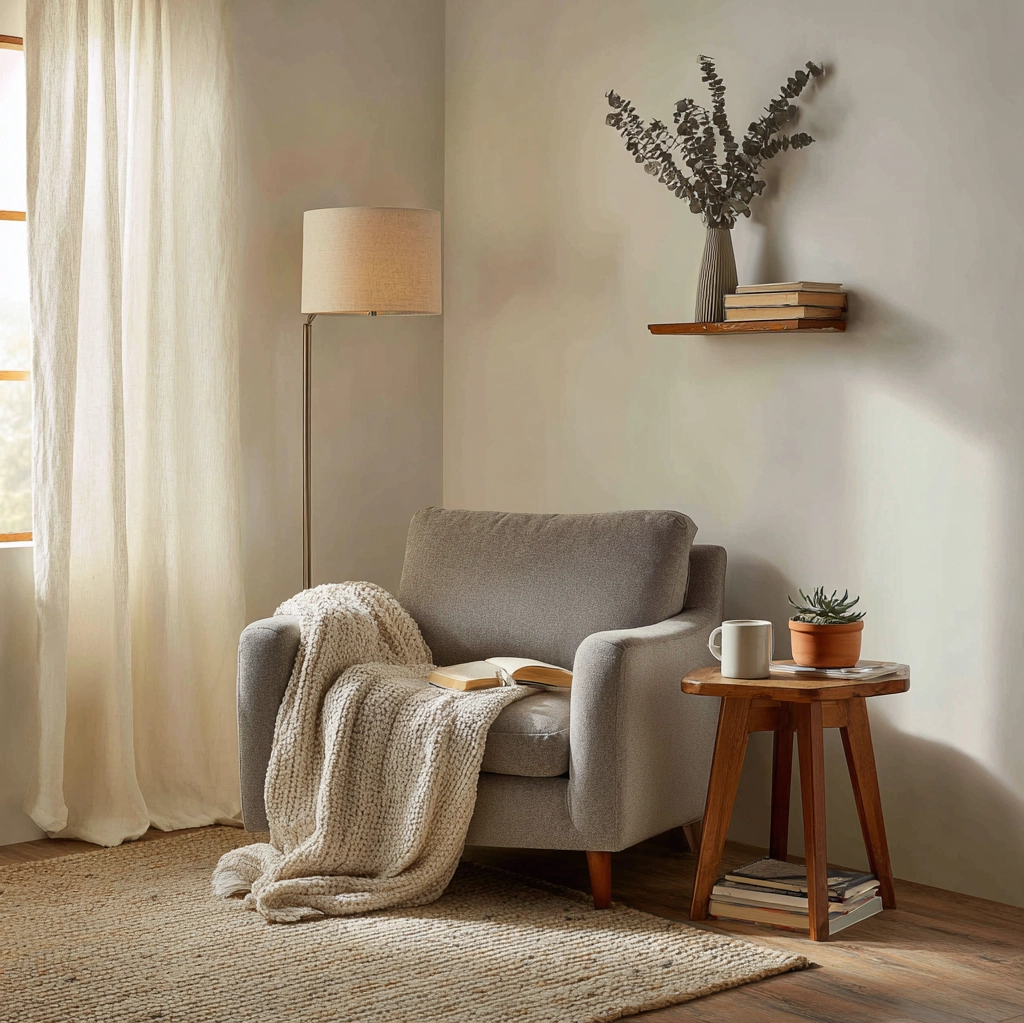
Limited space or budget shouldn't prevent you from creating a peaceful retreat. Many effective rest corner ideas require minimal investment and can fit into compact areas. Start by identifying underutilized spots: a corner by a window, an alcove under stairs, or even a section of your bedroom can become your sanctuary. Repurpose existing furniture—an old armchair with a new slipcover or a wooden crate turned into a side table adds charm without cost. DIY projects offer creative solutions: make floor cushions from fabric scraps, craft a macramé plant hanger, or paint a thrifted lamp to match your decor. Use vertical space to save floor area: install floating shelves for books and decor, or hang curtains to define the nook visually. For seating, consider affordable options like floor pillows, bean bags, or a simple bench with cushions. Incorporate natural elements to enhance tranquility: place potted plants, use woven baskets for storage, or display found stones or shells. Lighting can be economical with battery-operated LED candles or fairy lights. Soft textiles like a secondhand throw blanket or handmade pillow covers add comfort. The key to budget-friendly rest corner ideas is creativity and intentionality. Focus on what brings you joy and peace, rather than expensive items. With thoughtful touches, even the smallest corner can become a cherished escape that supports your well-being daily.
Seasonal Rest Corner Ideas to Refresh Your Space
Adapting your rest corner with the seasons keeps it feeling fresh and aligned with your changing needs. Seasonal rest corner ideas allow you to embrace nature's rhythms and maintain a connection to the outdoors. In spring, incorporate light, airy elements: swap heavy blankets for lightweight linens, add fresh flowers or budding branches, and choose pastel-colored accessories. Open windows to let in breezes and natural sounds. Summer calls for cool, relaxed vibes: use cotton or linen textiles, include a small fan for airflow, and add tropical plants like palms or succulents. Consider moving your rest corner closer to a window to enjoy sunlight, but use sheer curtains to diffuse harsh rays. Autumn invites warmth and coziness: layer chunky knit blankets, introduce richer colors like burgundy or mustard, and incorporate seasonal decor like pinecones or dried leaves. A warm-toned lamp creates a inviting glow as days shorten. Winter focuses on ultimate comfort: add faux fur throws, plush rugs, and thermal curtains for insulation. Include hygge elements like candles, hot beverage stations, and soft lighting to combat cold darkness. Each season, evaluate your rest corner's functionality—adjust seating arrangements, update decor, and rotate items to prevent stagnation. These seasonal rest corner ideas not only refresh your space but also encourage mindfulness of time's passage. By tuning your sanctuary to the seasons, you create a dynamic retreat that continually supports your well-being throughout the year.
Conclusion
Designing a rest corner is more than a decorating project—it's an investment in your mental and emotional health. By implementing these rest corner ideas, you create a dedicated space that encourages relaxation, reduces stress, and enhances your daily life. Remember that the most effective sanctuaries reflect personal preferences: choose elements that resonate with you, whether that's a favorite chair, calming colors, or meaningful objects. Start small if needed; even a simple setup can make a significant difference. As you enjoy your rest corner, notice how it influences your mood and productivity. Over time, you might refine it based on what works best for your routine. Looking ahead, consider how your needs may evolve—perhaps adding storage for hobbies or adjusting lighting for different times of day. The future of home sanctuaries lies in adaptable, multifunctional spaces that support diverse activities, from reading to meditation. By prioritizing rest corners, we cultivate homes that nurture well-being in an increasingly busy world. Take the first step today: identify a spot, gather a few comforting items, and begin crafting your personal retreat. Your mind and body will thank you for this sanctuary of peace.
Frequently Asked Questions
Q: How do I choose the best location for a rest corner in my home?
Select a location that feels naturally calm and away from high-traffic areas. Look for spots with good natural light, such as near a window, but ensure you can control brightness with curtains or blinds. Consider quiet corners in living rooms, bedrooms, or even underutilized spaces like alcoves or large closets. Avoid places near noisy appliances or busy entrances. The key is finding an area where you can disconnect from distractions—even a small nook can work perfectly if it provides privacy and tranquility.
Q: What are some quick rest corner ideas I can implement in a weekend?
You can create a simple rest corner quickly with a few focused steps. First, clear a small area and add a comfortable seat like a floor cushion or a chair you already own. Layer a soft rug and a throw blanket for instant coziness. Place a side table or stool nearby to hold a book, drink, or candle. Add mood lighting with a portable lamp or string lights. Finally, incorporate personal touches like a plant, a framed photo, or a small piece of art. These changes can be done in a few hours, transforming any corner into a inviting retreat.
Q: How can I make my rest corner feel more peaceful and less cluttered?
To maintain a peaceful atmosphere, prioritize minimalism and organization. Limit decorative items to a few meaningful pieces—too many objects can create visual noise. Use hidden storage like baskets or bins to stow away items when not in use. Choose a cohesive color palette with soothing tones like soft blues, greens, or neutrals. Keep surfaces clear except for essentials. Regularly declutter by removing anything that doesn't contribute to relaxation. Incorporate natural elements like plants or wood accents to add calmness without clutter. By simplifying your rest corner, you enhance its ability to promote true tranquility.