
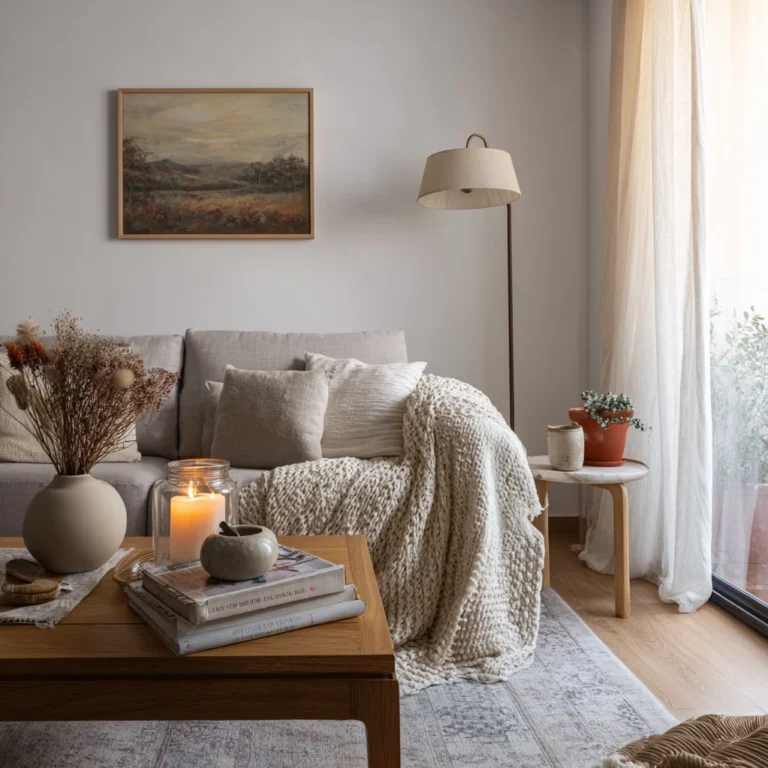
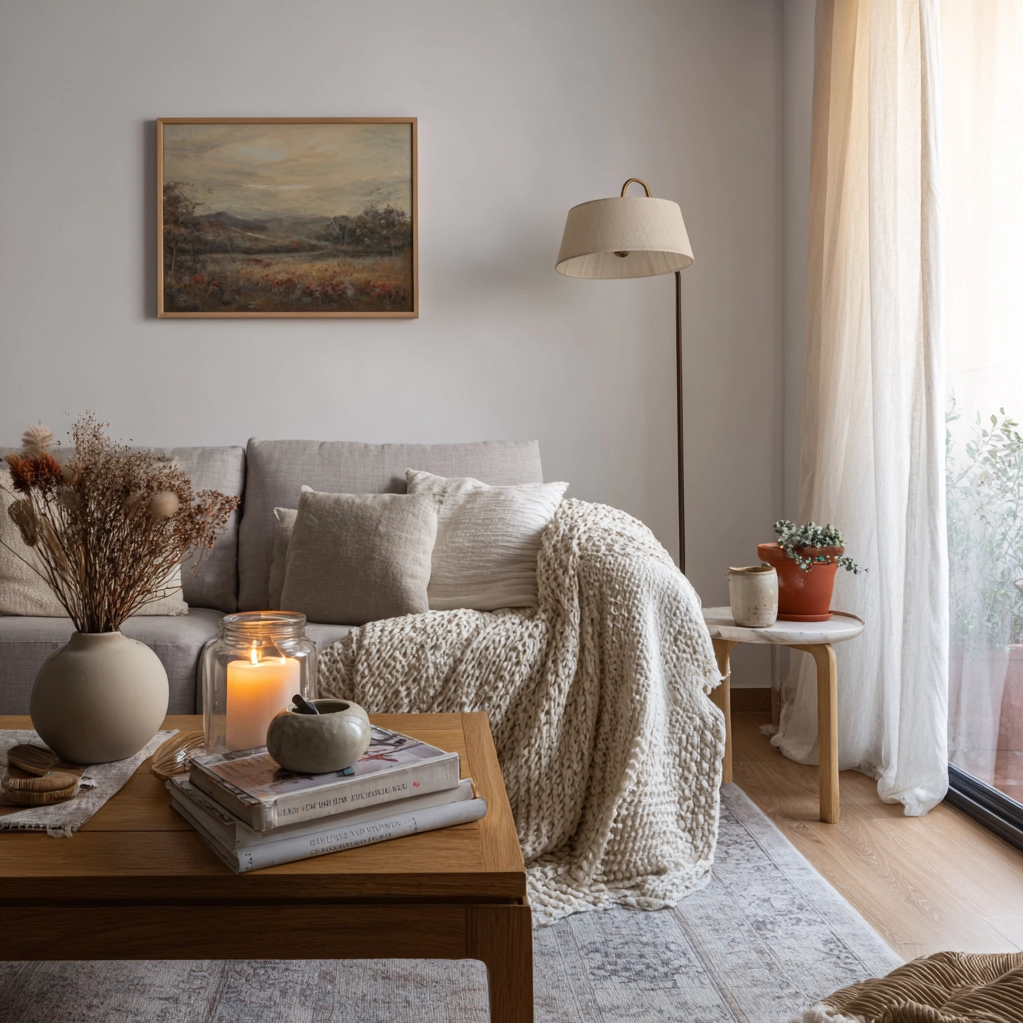
Imagine stepping into a space that immediately wraps you in warmth and comfort—a room where every element invites you to relax and unwind. This is the magic of a cozy living room. In today’s fast-paced world, our homes have become more than just places to live; they are sanctuaries where we recharge, connect with loved ones, and find peace. Creating a cozy living room isn’t just about aesthetics; it’s about crafting an environment that supports your well-being and reflects your personal style. A well-designed cozy space can reduce stress, enhance relaxation, and make everyday moments more enjoyable. Whether you’re curling up with a book, hosting friends for movie night, or simply enjoying a quiet evening, your living room should be the heart of your home—a place that feels genuinely welcoming. Many people underestimate the impact of their living environment on their mood and daily life. By intentionally designing a cozy living room, you’re investing in your happiness and creating memories in a space that truly feels like home. This article will guide you through practical, inspiring ways to transform your living area into the cozy retreat you deserve, focusing on elements that combine comfort with style for a result that’s both beautiful and functional.
Essential Elements for a Cozy Living Room
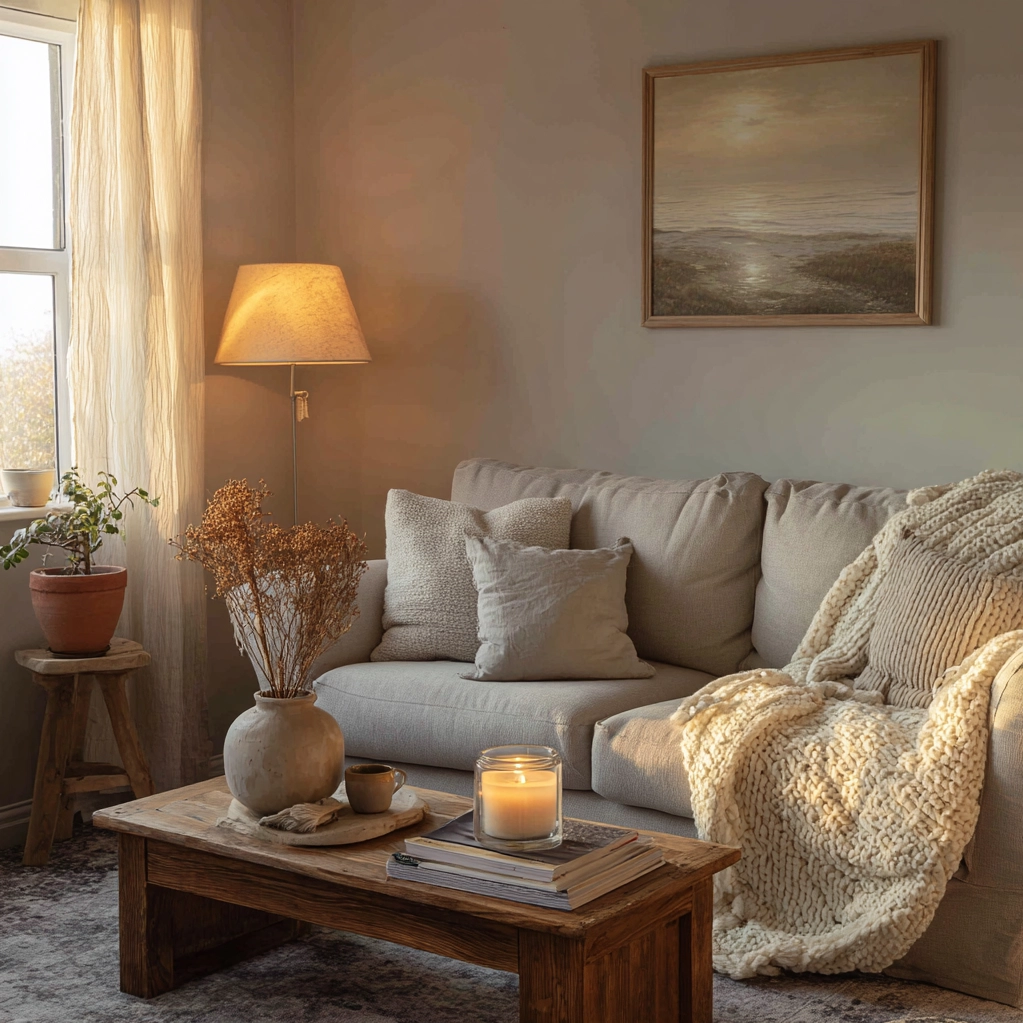
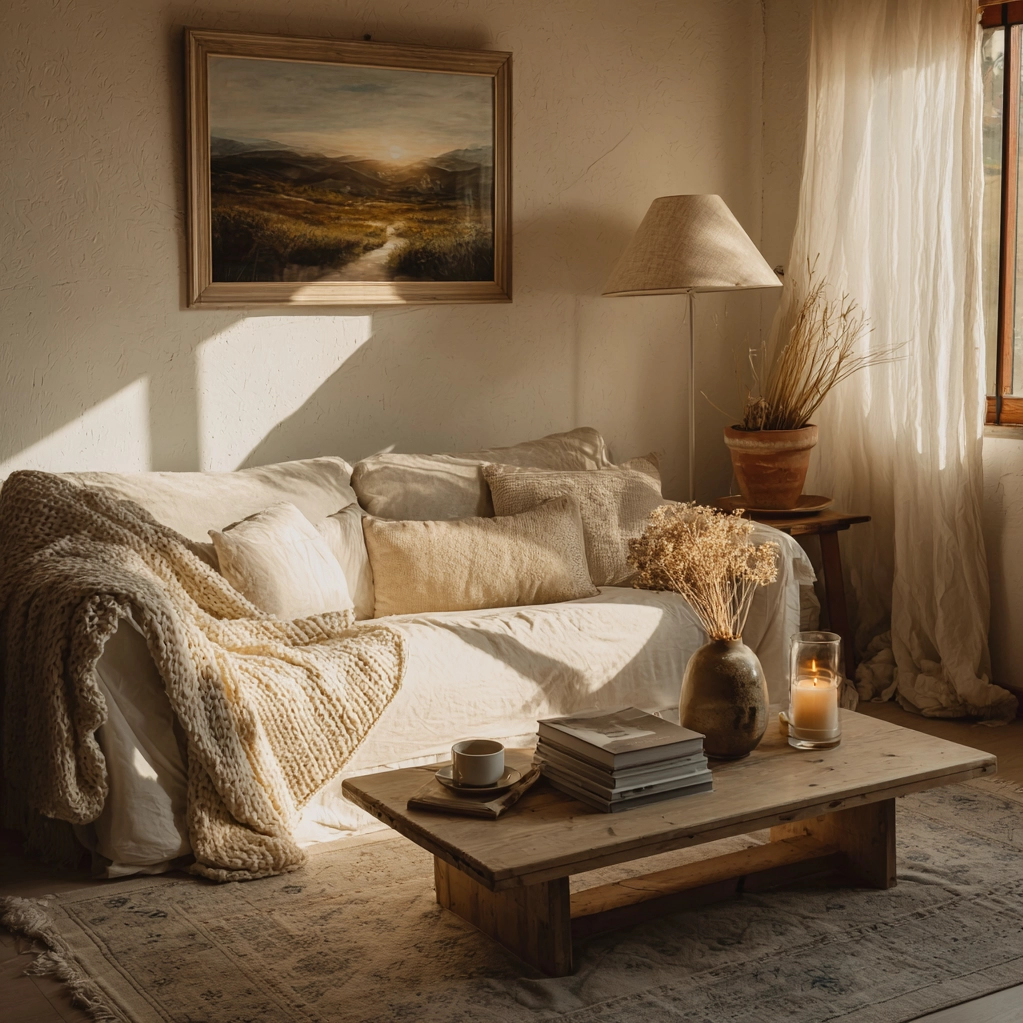
Creating a cozy living room starts with foundational elements that establish warmth and comfort. Begin with lighting, which sets the entire mood of the space. Layer different light sources: use soft, warm-toned overhead lighting as a base, add table lamps with fabric shades for ambient glow, and incorporate accent lighting like string lights or candles for a magical touch. Avoid harsh, bright lights that feel clinical. Next, focus on textiles—the soft touches that make a room inviting. Plush area rugs anchor the space and provide warmth underfoot, especially in cooler months. Choose natural materials like wool or cotton for added texture. Layer throw blankets and cushions on sofas and chairs, mixing different fabrics like knit, faux fur, and velvet to create depth and tactile appeal. Don't forget window treatments; heavy curtains in rich fabrics can insulate the room and soften acoustics, while sheer layers allow gentle light to filter through. Furniture arrangement is crucial for coziness. Arrange seating to encourage conversation and connection, perhaps around a focal point like a fireplace or coffee table. Avoid pushing all furniture against walls; instead, create intimate groupings that make the space feel enclosed and secure. Incorporate natural elements like wood furniture or stone accents to add organic warmth. Finally, personal touches—family photos, cherished books, or travel mementos—infuse the room with your unique story, making it feel lived-in and loved. These elements work together to build a cozy living room that feels both comfortable and intentional.
Color Schemes That Enhance Your Cozy Living Room
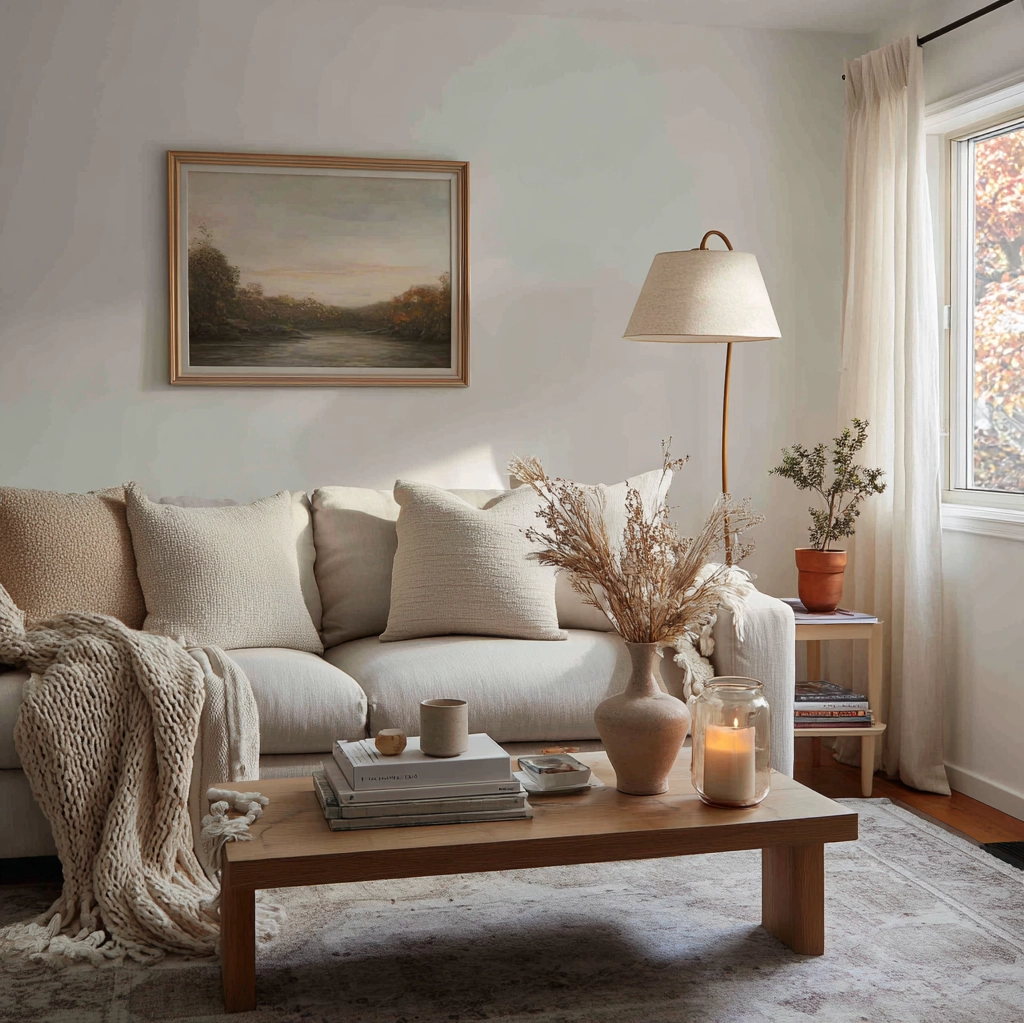
Color plays a powerful role in shaping the atmosphere of your cozy living room. Warm, earthy tones are particularly effective at creating a sense of comfort and enclosure. Consider a palette of rich browns, deep greens, soft terracottas, and creamy neutrals. These colors evoke natural elements and feel grounding, helping to reduce visual clutter and promote relaxation. For walls, opt for matte or eggshell finishes in muted shades rather than stark whites or bright hues, which can feel cold and sterile. If you prefer lighter colors, choose warm off-whites with subtle undertones of beige or gray. Accent walls in deeper colors like navy or charcoal can add drama without overwhelming the space. Incorporate color through textiles and accessories for flexibility. A sofa in a neutral shade allows you to change cushion covers and throws seasonally, refreshing the look without major renovations. Layer rugs in complementary patterns and tones to add visual interest. Don't shy away from darker colors; when used thoughtfully, they can make a room feel intimate and cocoon-like. Balance is key—pair deep walls with lighter furniture or vice versa to avoid a cave-like effect. Natural wood tones in furniture or flooring add warmth and texture, bridging different color elements. Remember, the goal is to create a harmonious environment where colors work together to soothe rather than stimulate. Test paint samples in different lighting conditions before committing, and consider how colors interact with your existing decor. A well-chosen color scheme transforms your cozy living room into a cohesive, inviting retreat that feels both stylish and serene.
Practical Tips for Maintaining a Cozy Living Room
A cozy living room requires ongoing attention to stay inviting and functional. Start with organization—clutter is the enemy of coziness. Implement smart storage solutions like baskets, shelves, and ottomans with hidden compartments to keep everyday items out of sight while remaining accessible. Regularly edit decor to avoid overcrowding surfaces; a few meaningful pieces are more effective than many random ones. Focus on comfort maintenance: fluff cushions and rotate throw blankets to prevent wear, and vacuum rugs frequently to keep them fresh. Consider seasonal updates to keep the space feeling current and cozy year-round. In winter, add heavier textiles like wool blankets and darker hues; in summer, switch to lighter linens and brighter accents. Plants are wonderful for adding life and improving air quality, but choose low-maintenance varieties like snake plants or pothos if you're not a gardening expert. Ensure they have adequate light and water to thrive. Lighting should adapt to the time of day—use dimmers or smart bulbs to adjust brightness, creating softer light in the evenings for relaxation. Pay attention to acoustics; soft furnishings like rugs and curtains absorb sound, making the room quieter and more peaceful. If noise is an issue, consider adding a bookshelf filled with books to act as a sound buffer. Regularly assess furniture arrangement; small tweaks can improve flow and comfort. Finally, embrace imperfections—a slightly worn armchair or a mismatched pillow can add character, making your cozy living room feel authentically lived-in rather than staged. Consistency in these practices ensures your space remains a haven of comfort.
Conclusion
Transforming your living room into a cozy sanctuary is a rewarding journey that blends aesthetics with heartfelt comfort. By focusing on essential elements like layered lighting, plush textiles, and thoughtful color schemes, you can create a space that not only looks beautiful but also feels genuinely welcoming. Remember, a cozy living room is about more than just decor; it's about crafting an environment where you and your loved ones can relax, connect, and recharge. The tips shared here—from practical maintenance to seasonal updates—empower you to sustain that cozy atmosphere over time. As you implement these ideas, trust your instincts and personalize each detail to reflect your unique style. The future of home design continues to embrace comfort and authenticity, moving away from sterile perfection toward spaces that tell stories and foster well-being. Consider starting small: perhaps add a soft throw blanket to your sofa or introduce a warm-toned lamp this week. These incremental changes accumulate, gradually shaping a room that feels like a true refuge. Your cozy living room is a testament to the joy of home—a place where everyday moments become cherished memories. Embrace the process, and enjoy the comfort you create.
Frequently Asked Questions
Q: How can I make a small living room feel cozy without overcrowding it?
In a small living room, focus on multi-functional furniture and strategic decor. Choose a compact sofa with clean lines, and use light, warm colors on walls to make the space feel larger yet inviting. Incorporate mirrors to reflect light and create depth. Opt for a few larger decor items instead of many small ones to avoid clutter—for example, one substantial piece of art rather than several small frames. Use vertical space with shelves to keep floors clear, and select a plush area rug that fits the room's scale to define the seating area. Layered lighting with wall sconces or floor lamps saves surface space. The key is balance: keep pathways open and choose pieces that serve both style and function.
Q: What are the best materials for creating a cozy atmosphere in a living room?
Natural, tactile materials are ideal for coziness. Wool and cotton rugs provide warmth underfoot, while knit or faux fur throws add softness. For furniture, look for upholstery in velvet, chenille, or linen—these fabrics feel inviting and durable. Wood accents, whether in furniture legs or decor items, bring organic warmth. Incorporate stone or ceramic elements in accessories like vases or candle holders for texture. Avoid overly synthetic materials that can feel cold; instead, mix materials to create depth. For example, pair a leather chair with a wool blanket or a metal lamp with a wooden side table. These combinations enhance the sensory experience of your cozy living room.
Q: Can a modern-style living room still feel cozy?
Absolutely! A modern living room can be both sleek and cozy by blending clean lines with warm elements. Start with a neutral color palette in soft shades like warm grays or beiges. Introduce texture through a chunky knit blanket, a shag rug, or wooden accents. Choose furniture with comfortable, deep seating even if it has minimalist designs. Layer lighting with floor lamps and dimmable fixtures to avoid harsh brightness. Add personal touches like books, plants, or art to soften the space. The trick is to balance the crispness of modern design with inviting details—think a streamlined sofa piled with plush cushions or a geometric coffee table topped with a tray of candles. This approach creates a cozy living room that feels contemporary yet comfortable.