
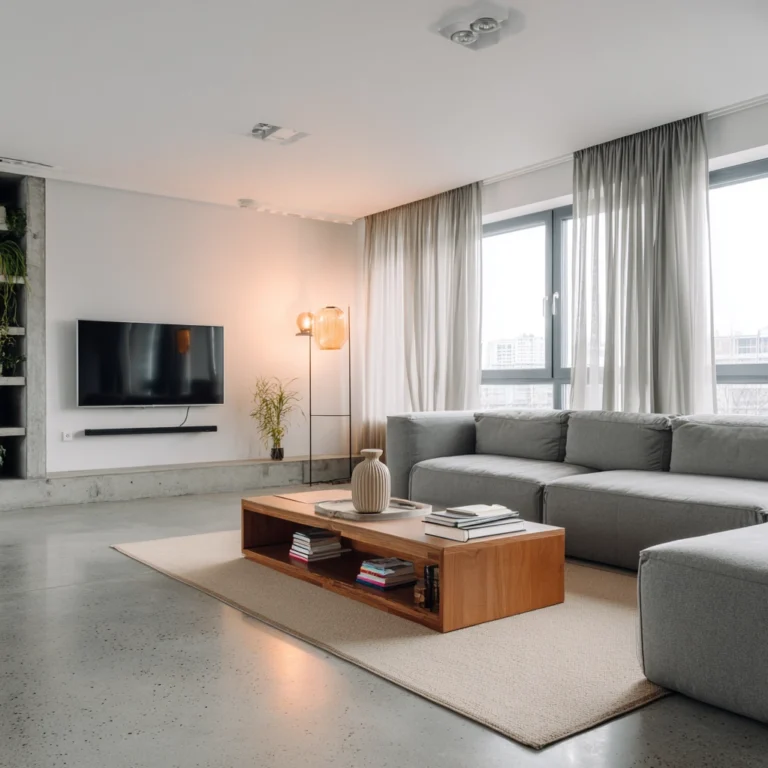
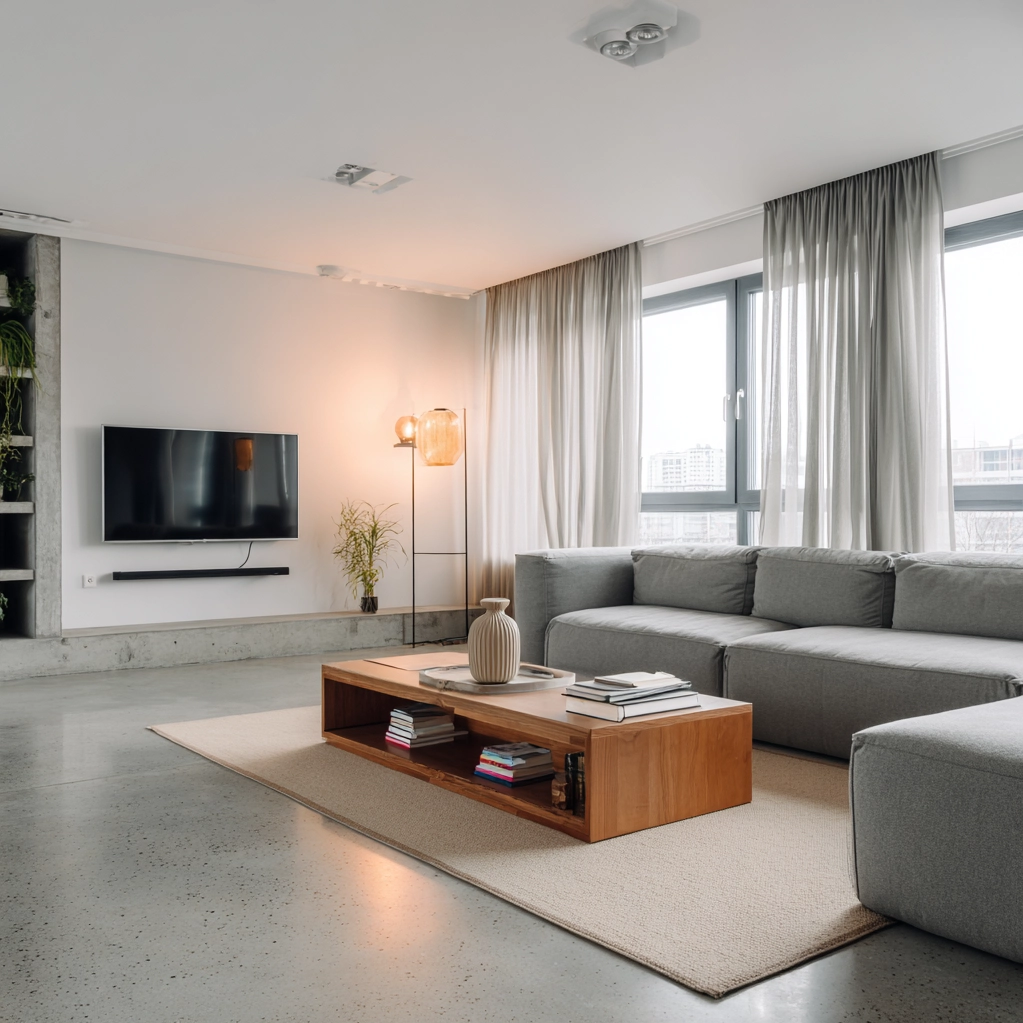
The modern living room represents more than just a place to sit and watch television—it’s the heart of contemporary home life, a sanctuary for relaxation, and a statement of personal style. In today’s fast-paced world, creating a space that balances aesthetics with functionality has become essential for well-being. A well-designed modern living room can transform your daily experience, offering comfort while reflecting your unique taste. This article explores how to achieve that perfect blend of form and function. Why does this matter? Because our living spaces directly impact our mood, productivity, and quality of life. Whether you’re starting from scratch or refreshing an existing room, understanding modern design principles helps you create an environment that feels both inviting and intentional. From minimalist aesthetics to smart technology integration, the modern living room adapts to our evolving lifestyles. It’s not just about following trends; it’s about crafting a space that genuinely works for you and your family. Let’s dive into the key elements that define today’s most inspiring living areas.
Essential Elements of a Modern Living Room
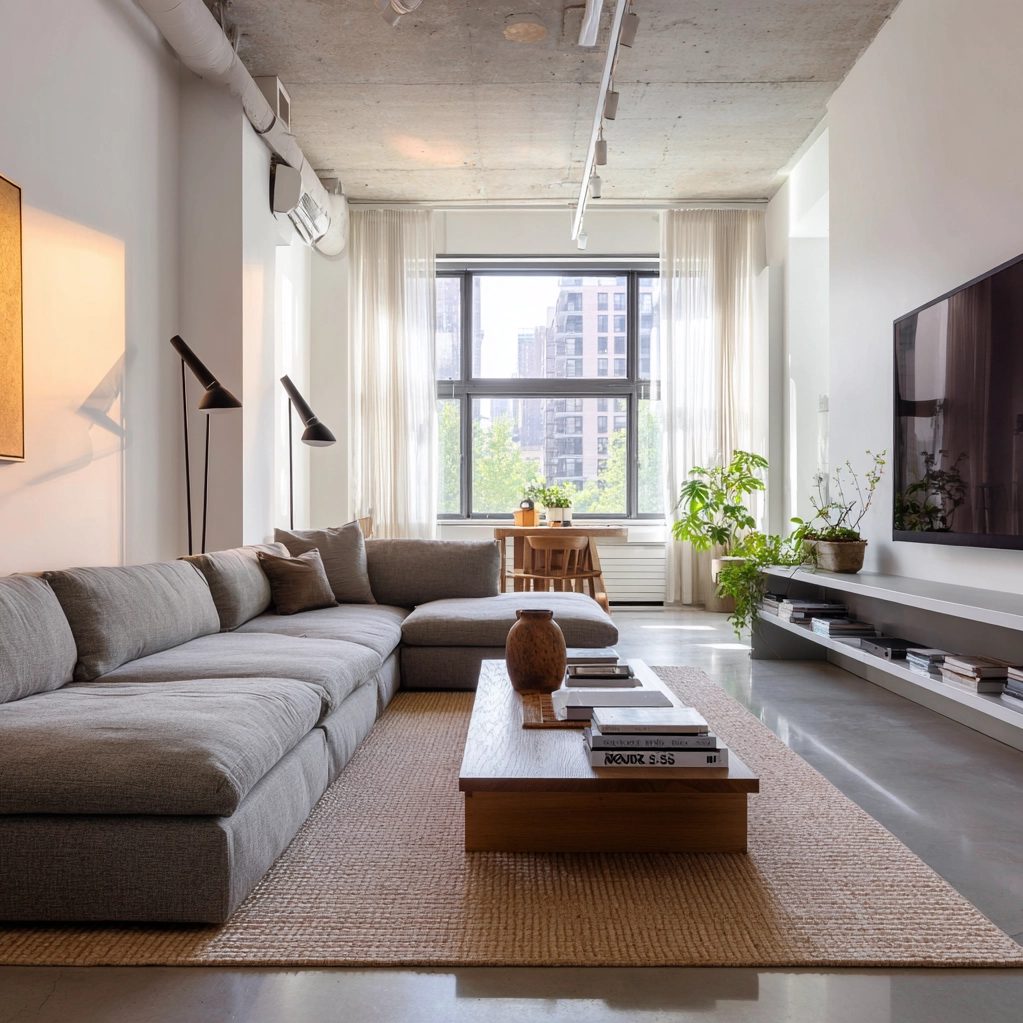
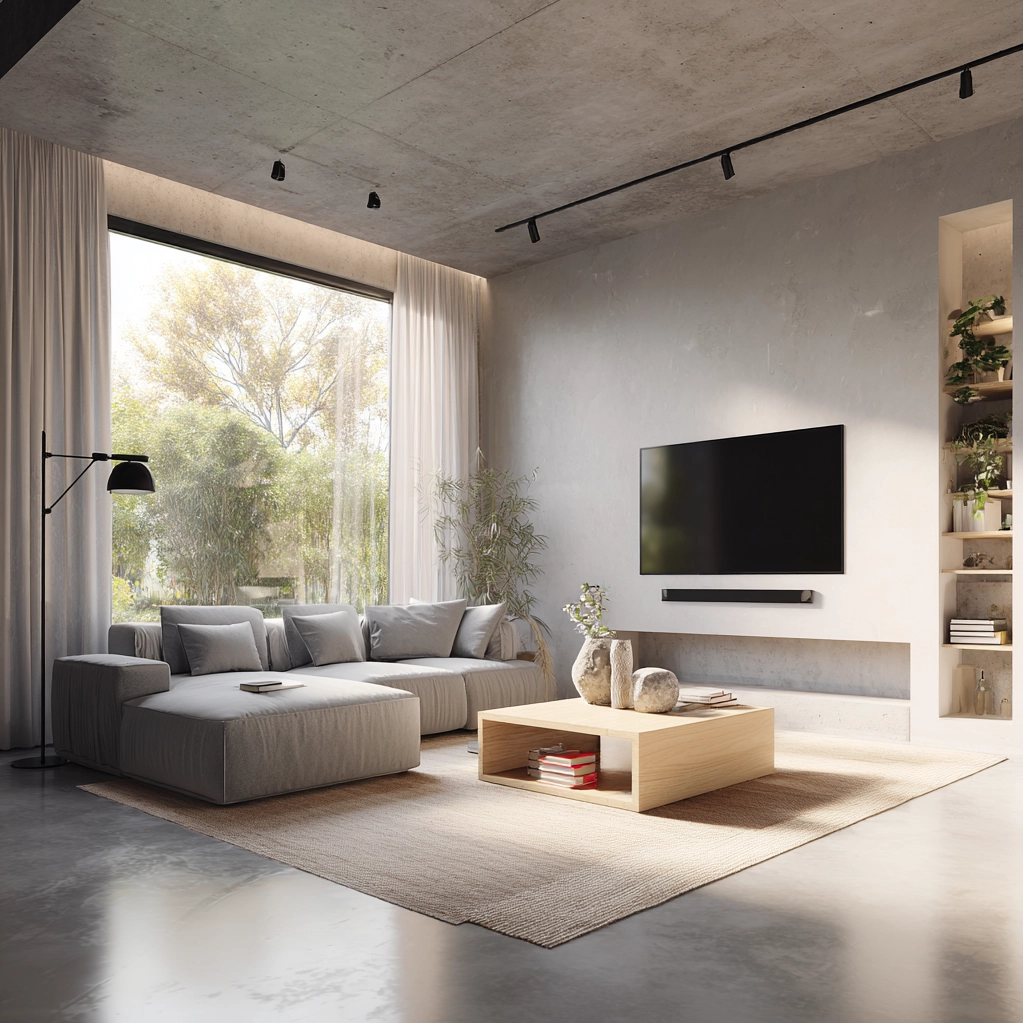
Creating a modern living room begins with understanding its fundamental components. First, focus on clean lines and uncluttered spaces. Modern design favors simplicity over ornamentation, with furniture that features straight edges and geometric shapes. Think sofas with tapered legs, rectangular coffee tables, and shelving units with crisp outlines. Color palettes typically lean toward neutral tones—whites, grays, blacks, and beiges—accented with one or two bold colors for visual interest. Natural materials like wood, stone, and metal add warmth and texture. Lighting plays a crucial role; incorporate layered lighting with recessed ceiling lights, floor lamps, and statement pendants. Window treatments should be minimal, often using sheer curtains or simple blinds to maximize natural light. Storage solutions must be seamless, with built-in cabinets or multifunctional furniture that hides clutter. Technology integration is another key aspect. Consider discreet wiring, smart lighting controls, and entertainment systems that blend into the design. Remember, the goal is harmony: each element should contribute to a cohesive whole without overwhelming the space. By mastering these basics, you lay the foundation for a room that feels both contemporary and comfortable.
Color and Texture Strategies for Your Modern Living Room
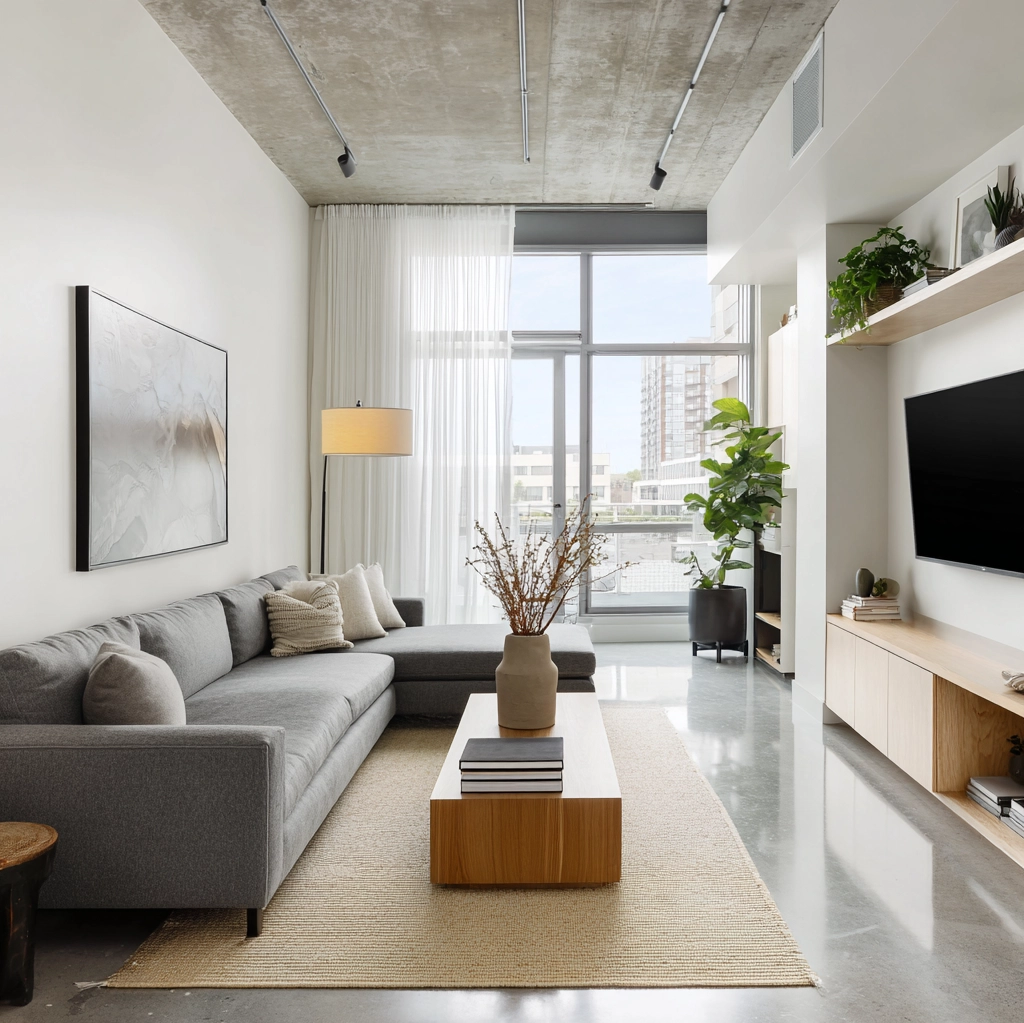
Color and texture transform a modern living room from sterile to stunning. Start with a neutral base—soft grays, warm whites, or earthy beiges—to create a calm backdrop. This allows you to introduce accents without chaos. Popular accent colors include navy blue, emerald green, or terracotta, used sparingly on throw pillows, artwork, or a single statement chair. Texture adds depth and prevents the space from feeling flat. Mix materials like a sleek leather sofa with a chunky knit blanket, a smooth marble coffee table beside a rough-hewn wooden stool, or a polished concrete floor softened by a plush area rug. Don't forget walls and ceilings: textured plaster, wood paneling, or matte paint finishes can enhance visual interest. Lighting affects color perception; use warm LED bulbs to make neutrals feel cozy. For small spaces, light colors and reflective surfaces like mirrors amplify brightness. In larger rooms, darker hues can create intimacy. Balance is key—too much texture feels busy, while too little feels cold. Experiment with samples in your actual lighting before committing. Ultimately, a thoughtful approach to color and texture makes your modern living room feel layered, inviting, and uniquely yours.
Furniture Layout Tips for a Functional Modern Living Room
The layout of your modern living room determines its flow and functionality. Begin by defining the room's purpose: is it for entertaining, family relaxation, or both? Arrange furniture to facilitate conversation, typically with seating facing each other in a U-shape or L-shape around a central focal point like a fireplace or media console. Avoid pushing all furniture against walls; floating pieces create intimacy and better traffic flow. Leave clear pathways at least three feet wide for easy movement. Scale matters: choose appropriately sized furniture—oversized sofas can overwhelm small rooms, while petite pieces may get lost in large spaces. Multifunctional furniture maximizes utility, such as ottomans with storage, nesting tables, or sofa beds. Consider zones for different activities, like a reading nook with a chair and lamp separate from the main seating area. Rugs anchor these zones; ensure they're large enough for all furniture legs to rest on or at least the front legs. Technology placement is critical: position TVs at eye level when seated, and hide cables with cord organizers or built-in channels. Regularly reassess your layout as needs change. A well-planned modern living room layout enhances daily life by making the space both beautiful and practical.
Incorporating Technology and Sustainability in Your Modern Living Room
Today's modern living room seamlessly blends technology with sustainable practices. Smart home devices enhance convenience without compromising style. Install voice-controlled lighting systems that adjust brightness and color temperature throughout the day. Use smart thermostats to maintain comfort efficiently. For entertainment, consider slim, wall-mounted TVs or hidden projector screens, paired with wireless sound systems to reduce cable clutter. Charging stations integrated into furniture keep devices powered discreetly. Sustainability is equally important. Choose furniture made from reclaimed wood, bamboo, or recycled materials. Opt for low-VOC paints and finishes to improve indoor air quality. Energy-efficient LED lighting reduces electricity use. Incorporate plants like snake plants or pothos to purify air and add life. When updating decor, repurpose existing items instead of buying new—reupholster a chair or refinish a table. Support ethical brands that prioritize eco-friendly production. These choices not only benefit the environment but also create a healthier, more mindful living space. Technology and sustainability together future-proof your modern living room, ensuring it remains relevant and responsible. Embrace innovations that align with your values, crafting a room that's both cutting-edge and conscious.
Conclusion
Designing a modern living room is about creating a space that reflects contemporary life—balanced, functional, and aesthetically pleasing. By focusing on essential elements like clean lines and smart storage, you establish a strong foundation. Thoughtful use of color and texture adds warmth and personality, while strategic furniture layouts ensure the room works for your daily routines. Integrating technology and sustainability keeps your space both convenient and responsible. Remember, modern design isn't rigid; it adapts to your needs and evolves with trends. Start with small changes—swap out lighting, rearrange furniture, or introduce a new texture—and build from there. The goal is a room that feels uniquely yours, a sanctuary where you can relax, connect, and thrive. As lifestyles continue to change, the modern living room will keep evolving, embracing innovations that enhance comfort and connection. Your journey to a perfect living space begins today, with inspiration and intention guiding every choice.
Frequently Asked Questions
Q: How can I make a small modern living room feel larger?
Use light colors on walls and floors to reflect light. Choose furniture with exposed legs to create visual space. Incorporate mirrors to amplify natural light. Opt for multifunctional pieces like nesting tables or storage ottomans. Keep decor minimal to avoid clutter. These strategies enhance openness in a compact modern living room.
Q: What are common mistakes to avoid in modern living room design?
Avoid overcrowding with too much furniture or decor. Ensure proper lighting layers—don't rely solely on overhead lights. Don't ignore scale; oversized items can overwhelm. Avoid matching everything perfectly; mix textures for depth. Lastly, don't forget functionality; a beautiful room must also be practical for daily use.
Q: How often should I update my modern living room decor?
Update decor gradually as needed, not all at once. Refresh accents like pillows or art every few seasons. Consider larger changes every 5-10 years for furniture or paint. Focus on timeless pieces for big investments. Regular small updates keep your modern living room feeling fresh without major expense.