
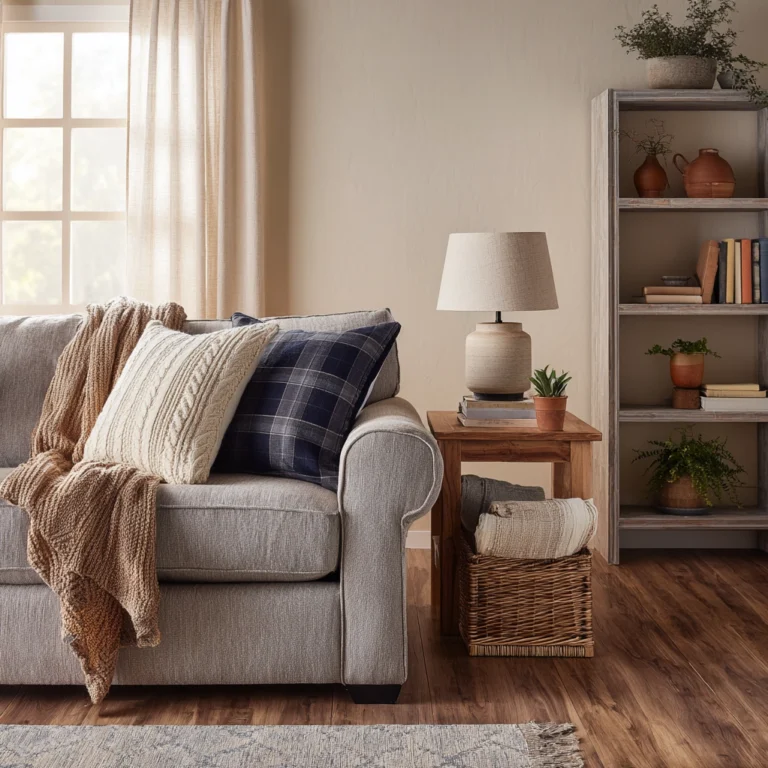
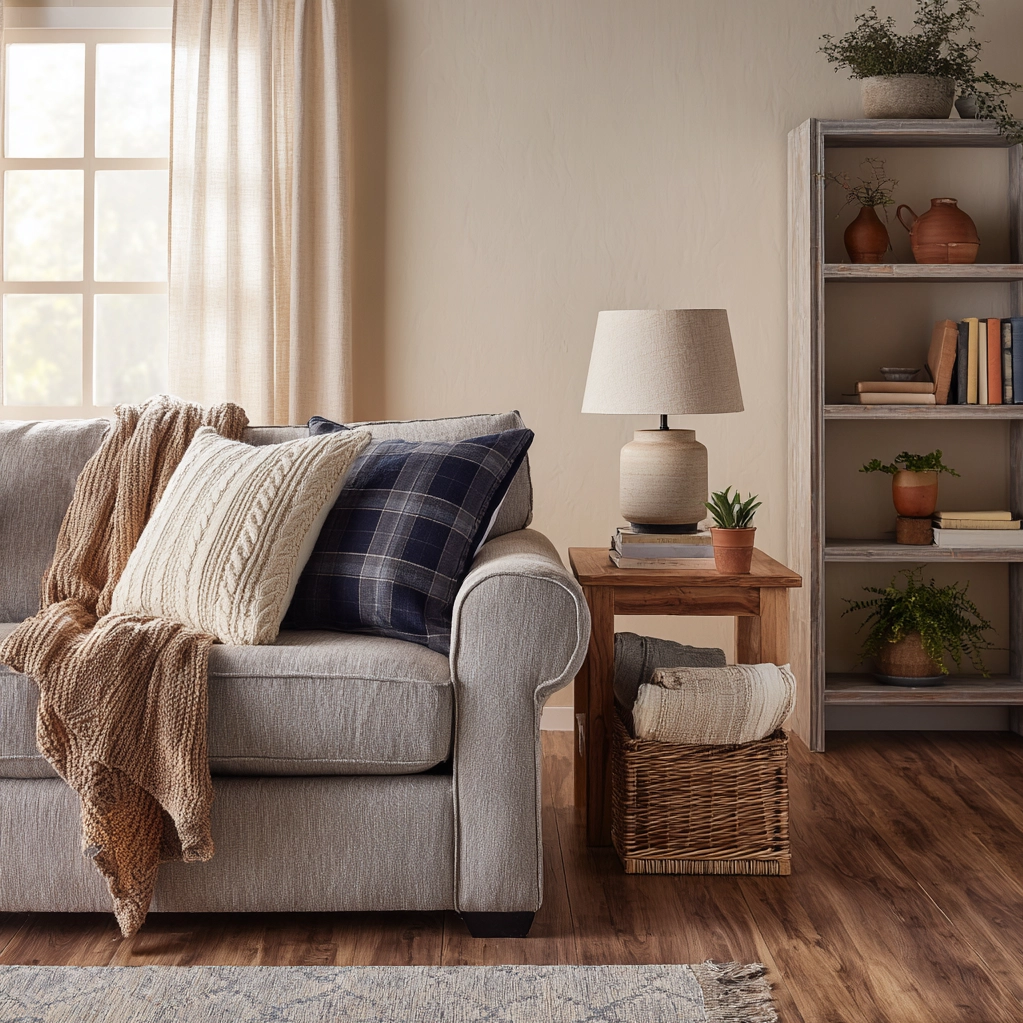
In today’s fast-paced world, our homes have become more than just places to sleep—they’re our sanctuaries. Cozy room styling isn’t just another interior design trend; it’s a transformative approach to creating spaces that nurture our well-being and comfort. When you master the art of cozy styling, you’re not just decorating a room—you’re crafting an environment that welcomes you home, reduces stress, and becomes a personal retreat from life’s demands.
The importance of cozy room styling extends beyond aesthetics. Research consistently shows that our physical environments significantly impact our mental health and emotional state. A well-styled cozy space can lower cortisol levels, improve sleep quality, and enhance overall happiness. This approach to design prioritizes comfort and personal connection over sterile perfection, creating rooms that feel lived-in and loved.
What makes cozy styling so powerful is its accessibility. You don't need a massive budget or professional designer to achieve remarkable results. Whether you're working with a spacious living room or a compact studio apartment, the principles of cozy styling can be adapted to any space. This approach celebrates individuality, encouraging you to incorporate elements that reflect your personality and bring you genuine joy.
The beauty of cozy room styling lies in its flexibility. It's not about following strict rules but rather understanding how different elements—from lighting and textiles to furniture arrangement and personal touches—work together to create warmth and comfort. As we explore this topic, you'll discover practical strategies that can transform even the most uninspiring spaces into cozy retreats you'll never want to leave.
Essential Elements of Cozy Room Styling
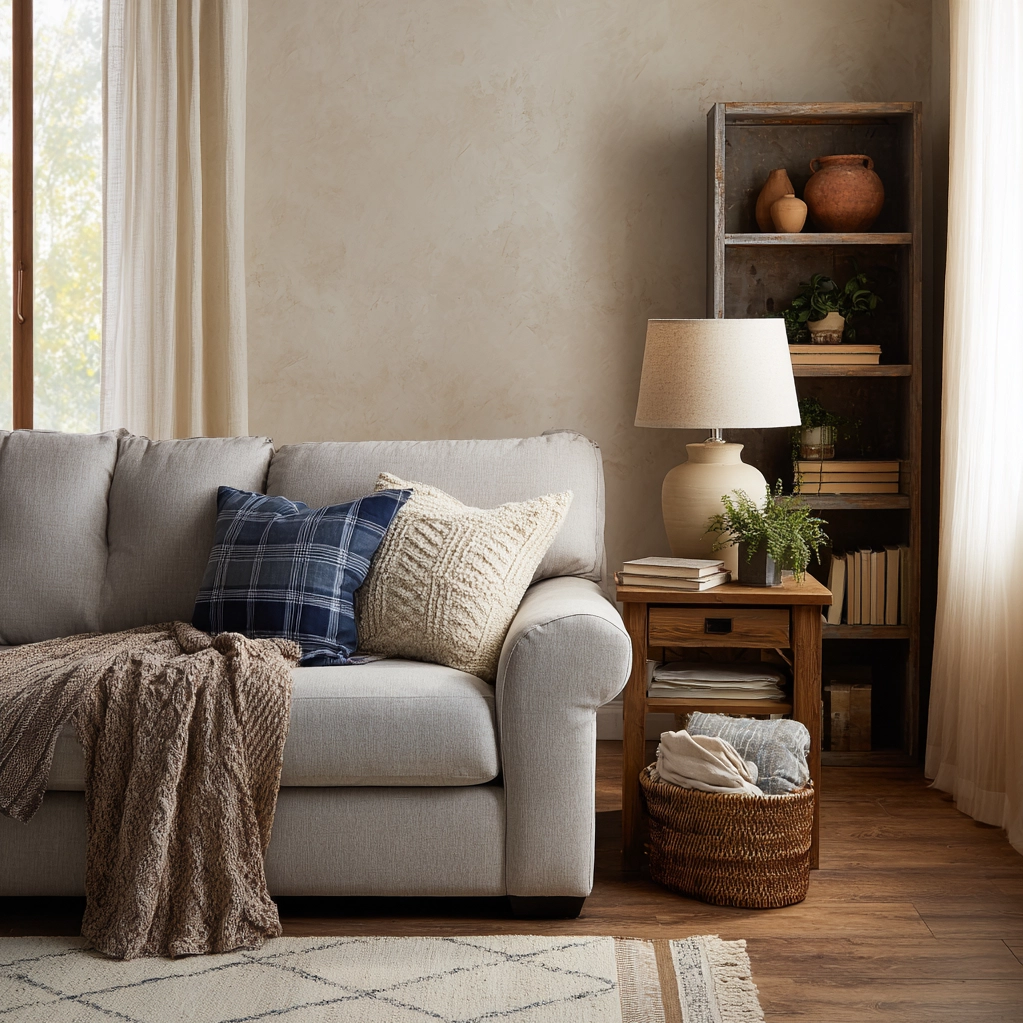
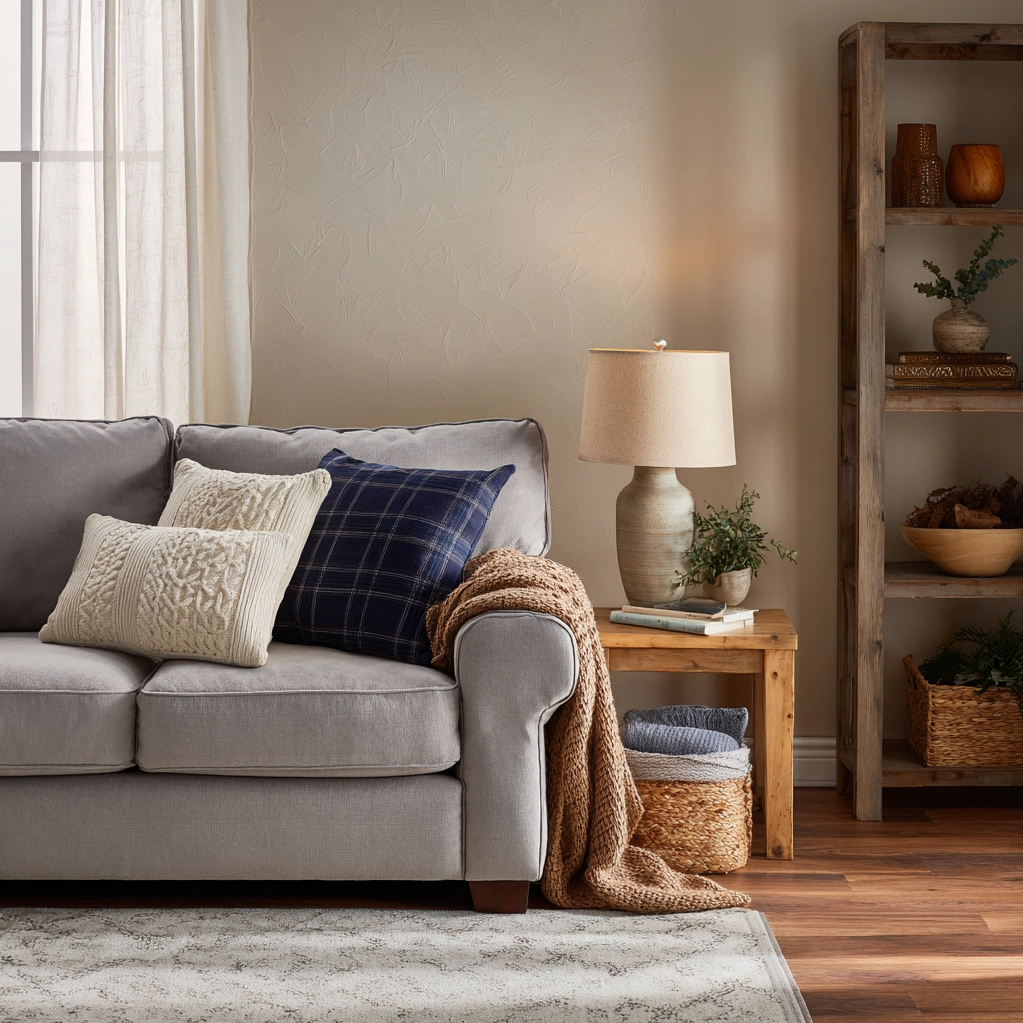
Creating a truly cozy space begins with understanding the fundamental elements that contribute to warmth and comfort. Textiles play a starring role in cozy room styling—think plush throws, soft pillows, and comfortable rugs that invite you to relax. Layering different textures creates visual interest while adding physical comfort. A mix of wool, cotton, velvet, and knit fabrics can transform even the most basic furniture into inviting seating areas.
Lighting is another crucial component of cozy room styling. Harsh overhead lighting should be avoided in favor of multiple light sources at different heights. Table lamps with warm-toned bulbs, floor lamps with adjustable heads, and string lights create soft, diffused illumination that makes rooms feel intimate and welcoming. Consider adding dimmer switches to control light intensity throughout the day, adjusting brightness to match your mood and activities.
Furniture arrangement significantly impacts how cozy a room feels. Instead of pushing furniture against walls, try creating conversation areas with pieces facing each other. This encourages interaction and makes spaces feel more intimate. Incorporate pieces with soft edges and comfortable proportions—oversized chairs with deep seats, sofas you can sink into, and ottomans that serve multiple purposes.
Natural elements bring life and warmth to any space. Houseplants, wooden furniture, stone accents, and natural fiber rugs all contribute to a grounded, cozy atmosphere. Even small touches like a bowl of pinecones, a vase of dried flowers, or a piece of driftwood can connect your interior to the natural world outside.
Finally, personal touches make cozy room styling truly special. Display items with sentimental value, create galleries of meaningful photographs, or incorporate handmade elements. These personal connections transform a styled room into your personal sanctuary, reflecting your history, interests, and personality.
Mastering Color and Texture for Cozy Room Styling
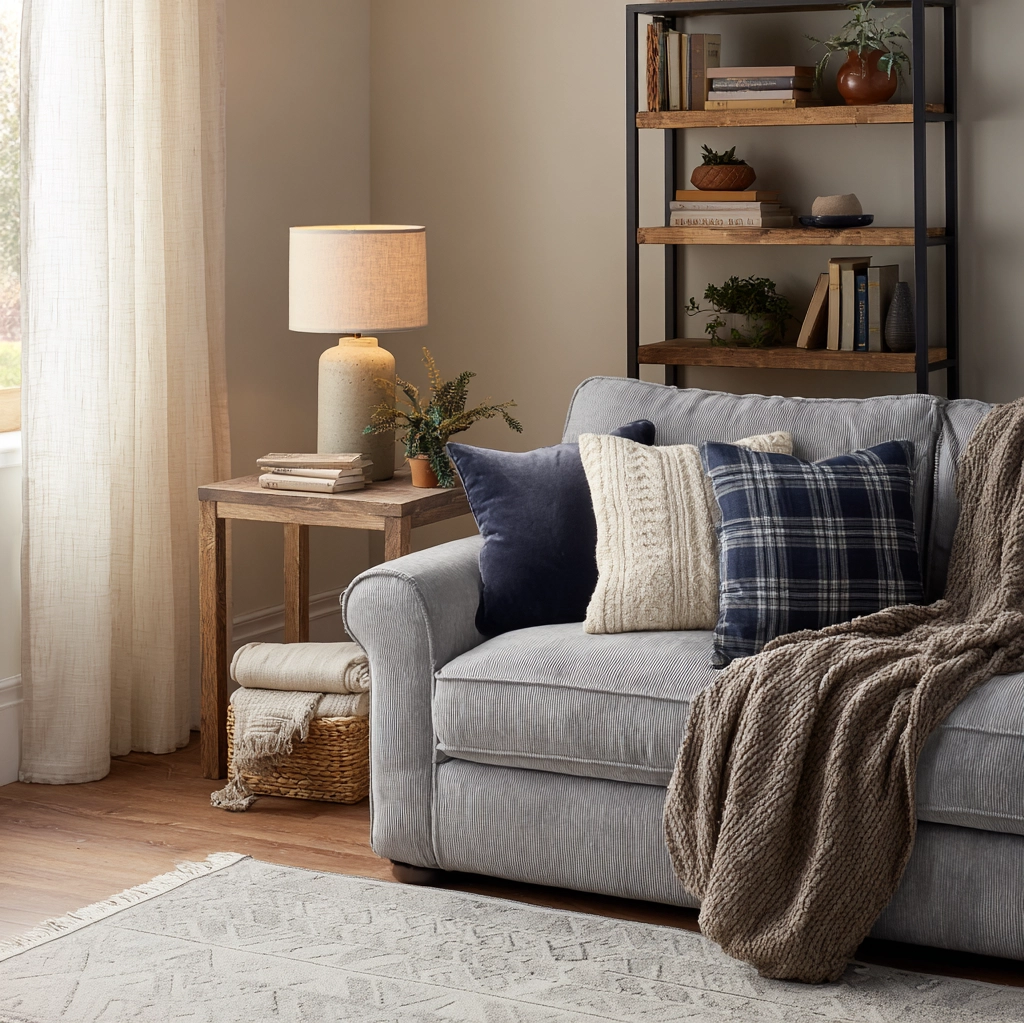
Color selection forms the foundation of any successful cozy room styling project. Warm, muted tones create an immediate sense of comfort and intimacy. Earthy colors like terracotta, ochre, sage green, and warm grays establish a soothing backdrop. Deep jewel tones—navy, burgundy, forest green—add richness and depth when used strategically. Remember that cozy doesn't mean dark; light, warm neutrals can create airy yet intimate spaces when balanced with texture and pattern.
When planning your cozy room styling color scheme, consider the 60-30-10 rule: 60% dominant color (walls, large furniture), 30% secondary color (upholstery, curtains), and 10% accent color (pillows, art, accessories). This creates visual harmony while allowing for personality to shine through. Don't be afraid to incorporate small pops of brighter colors if they bring you joy—a vibrant throw pillow or piece of art can add energy without overwhelming the cozy atmosphere.
Texture is where cozy room styling truly comes alive. Mixing multiple textures creates depth and visual interest that makes spaces feel curated and comfortable. Combine smooth surfaces (polished wood, glass) with rough textures (woven baskets, nubby wool), soft elements (velvet, faux fur) with hard materials (stone, metal). This contrast engages the senses and creates a rich, layered environment.
Pattern plays a supporting role in texture-rich cozy room styling. Subtle patterns like herringbone, plaid, or organic motifs add visual interest without overwhelming the space. Consider textured walls through grasscloth wallpaper, shiplap, or limewash paint for added dimension. Even the flooring contributes to the textural story—a thick wool rug over hardwood creates a luxurious underfoot experience that enhances the cozy feeling.
Remember that texture extends beyond what you see to what you feel. Materials that feel good to touch—soft blankets, smooth wooden arms on chairs, cool marble surfaces—create a multisensory experience that defines truly successful cozy room styling. This attention to tactile qualities transforms rooms from merely looking comfortable to actually feeling comforting.
Practical Strategies for Cozy Room Styling in Small Spaces
Many people assume cozy room styling requires large, spacious rooms, but some of the coziest spaces are actually quite compact. The key to successful small-space cozy styling lies in strategic choices that maximize comfort without sacrificing function. Begin by selecting furniture with dual purposes—a storage ottoman that serves as both seating and organization, a daybed that functions as both sofa and guest bed, or nesting tables that provide flexible surface area.
Lighting becomes even more important in small spaces where cozy room styling is concerned. Instead of bulky floor lamps that take up precious floor space, consider wall sconces, plug-in pendants, or track lighting that directs attention upward. Mirrors strategically placed to reflect natural light can make small rooms feel larger while maintaining their cozy atmosphere. Window treatments should maximize light during the day while providing privacy and warmth at night.
Vertical space utilization is crucial for cozy room styling in compact areas. Floating shelves display personal items without consuming floor space, while tall bookcases draw the eye upward, making ceilings appear higher. Consider a gallery wall arrangement that creates visual interest at eye level without requiring additional furniture. Even your choice of artwork can enhance the cozy feeling—small, intimate pieces often work better in compact spaces than large, dramatic statements.
When it comes to textiles in small-space cozy room styling, choose quality over quantity. One beautifully textured throw blanket and three or four carefully selected pillows can create more impact than a pile of mismatched textiles. Opt for lighter colors on larger pieces to maintain an airy feeling, then add warmth through accessories in richer tones. Rugs should be sized appropriately—too small makes the room feel disjointed, while wall-to-wall carpeting can make small spaces feel cramped.
Storage solutions that maintain the cozy aesthetic are essential. Baskets and boxes that complement your decor style keep clutter hidden while adding textural interest. Consider furniture with hidden storage compartments, like beds with drawers underneath or coffee tables with lift-top surfaces. The goal is to create a space that feels intentionally curated rather than overcrowded, proving that cozy room styling adapts beautifully to spaces of any size.
Conclusion
Cozy room styling represents more than just a design approach—it's a philosophy that prioritizes comfort, personal connection, and well-being in our living spaces. Throughout this exploration, we've seen how fundamental elements like textiles, lighting, and furniture arrangement work together to create environments that nurture rather than merely impress. The beauty of this styling method lies in its adaptability, working equally well in spacious homes and compact apartments when approached with intention and creativity.
As we look to the future of interior design, cozy styling principles are becoming increasingly relevant. In a world where many of us spend more time at home, creating spaces that genuinely support our mental and emotional health has never been more important. The trend toward authenticity and personal expression in home decor aligns perfectly with cozy styling's emphasis on meaningful elements over perfect aesthetics.
Your journey with cozy room styling doesn't end with implementing the strategies discussed here. Consider this an ongoing process of refinement and discovery. As seasons change and your life evolves, your space should adapt with you. Perhaps you'll swap heavy wool throws for lighter linen versions in summer, or introduce new colors that reflect your current mood and interests. The most successful cozy spaces are those that grow and change with their inhabitants.
Start small if the process feels overwhelming. Choose one area—a reading nook, your bedside table, a corner of the living room—and apply these principles. Notice how different textures, lighting arrangements, and personal touches affect how you feel in that space. As you gain confidence, expand your efforts room by room. Remember that true coziness comes from creating spaces that feel authentically yours, not from perfectly replicating images you've seen elsewhere. Your home should tell your story through every carefully chosen element and intentional arrangement.
Ultimately, the most important aspect of cozy room styling is how it makes you feel when you walk through your door. That sense of relief, comfort, and belonging is the true measure of success. As you continue to refine your space, keep returning to this fundamental question: Does this room welcome me home? When the answer is consistently yes, you'll know you've mastered the art of cozy styling.
Frequently Asked Questions
Q: Can I achieve cozy room styling on a tight budget?
Absolutely! Cozy room styling is remarkably budget-friendly because it prioritizes comfort and personal touches over expensive purchases. Start with what you already own—rearrange furniture to create more intimate seating areas, layer existing textiles for added texture, and display meaningful items you already own. Thrift stores and flea markets are treasure troves for affordable cozy elements like vintage blankets, interesting baskets, and unique lighting. DIY projects like painting old furniture, making simple throw pillows, or creating your own artwork can personalize your space without significant expense. Remember that cozy styling is more about thoughtful arrangement and personal connection than costly items.
Q: How do I maintain a cozy feel while keeping my room organized and clutter-free?
Cozy room styling and organization complement each other beautifully when approached intentionally. The key is curated organization—using attractive storage solutions that enhance the cozy aesthetic. Woven baskets, wooden boxes, and fabric bins keep items accessible while adding texture. Designate specific homes for frequently used items to prevent surface clutter. Implement a 'one in, one out' rule to maintain balance. Display only your most meaningful decorative items, storing others to rotate seasonally. Regular editing sessions help maintain the intentional feeling that defines successful cozy styling. Remember that some visual texture is part of the cozy look—a neatly folded throw blanket or a small stack of favorite books can add warmth without creating clutter.
Q: What are common mistakes to avoid when creating a cozy room styling?
Several common mistakes can undermine cozy room styling efforts. First, inadequate lighting—relying solely on harsh overhead lights creates a sterile atmosphere rather than warmth. Second, neglecting scale—oversized furniture in small spaces or too many small pieces in large rooms disrupts the comfortable flow. Third, insufficient texture—rooms with only smooth, shiny surfaces lack the layered comfort that defines cozy spaces. Fourth, forgetting personal elements—spaces that look like showrooms rather than lived-in homes miss the personal connection essential to coziness. Fifth, poor traffic flow—arranging furniture that blocks natural movement paths creates frustration rather than comfort. Finally, ignoring maintenance—dusty surfaces, wrinkled textiles, or poorly maintained plants detract from the inviting atmosphere. Regular care keeps your cozy styling looking intentional rather than neglected.