
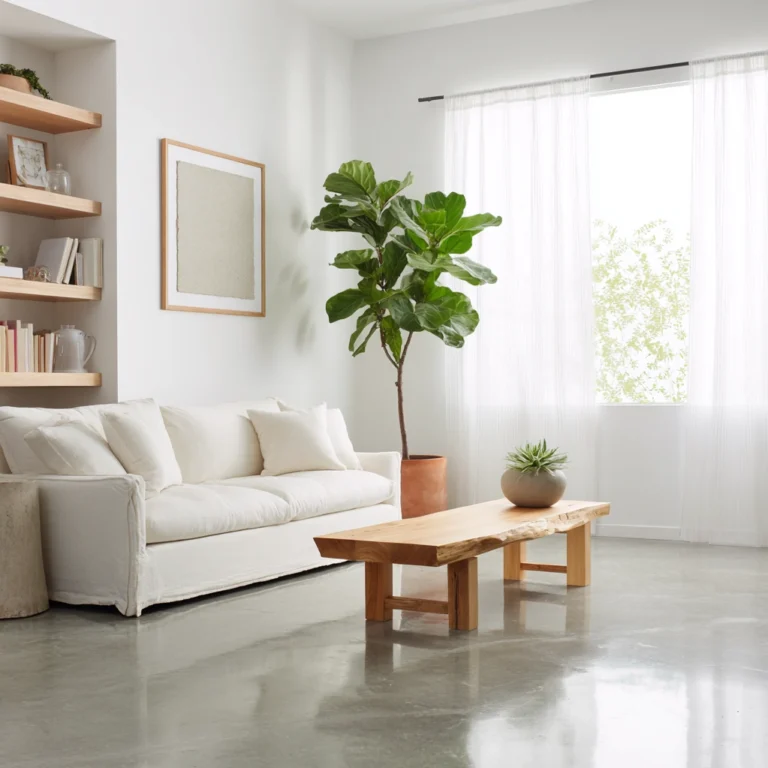
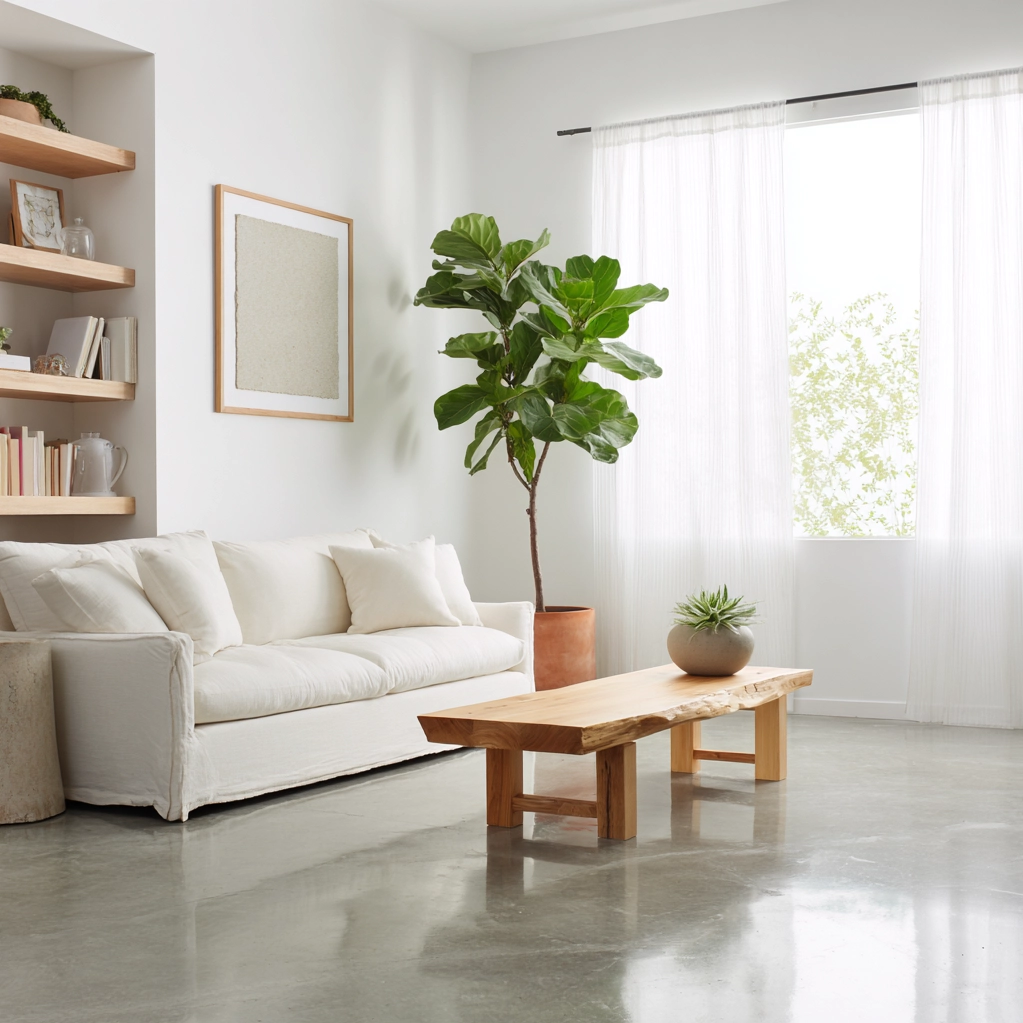
In today’s fast-paced world, our homes have become sanctuaries where we seek peace and clarity. Minimalist room design offers more than just an aesthetic choice—it’s a lifestyle approach that transforms chaotic spaces into havens of tranquility. By embracing simplicity and intentionality, minimalist design creates environments that reduce stress, enhance focus, and improve overall wellbeing. This philosophy centers on the principle that less truly can be more, removing excess to highlight what matters most in your living space. Whether you’re starting from scratch or looking to simplify your current home, understanding minimalist principles can revolutionize how you experience your personal space. The beauty of minimalist room design lies in its versatility—it adapts to any room size, budget, or personal style while consistently delivering clean, uncluttered results. As we navigate increasingly busy lives, creating spaces that promote calm becomes essential. This guide will walk you through the core principles and practical applications of minimalist design, helping you create rooms that feel both functional and profoundly peaceful. By focusing on quality over quantity and purpose over decoration, you’ll discover how minimalist spaces can enhance your daily life in meaningful ways.
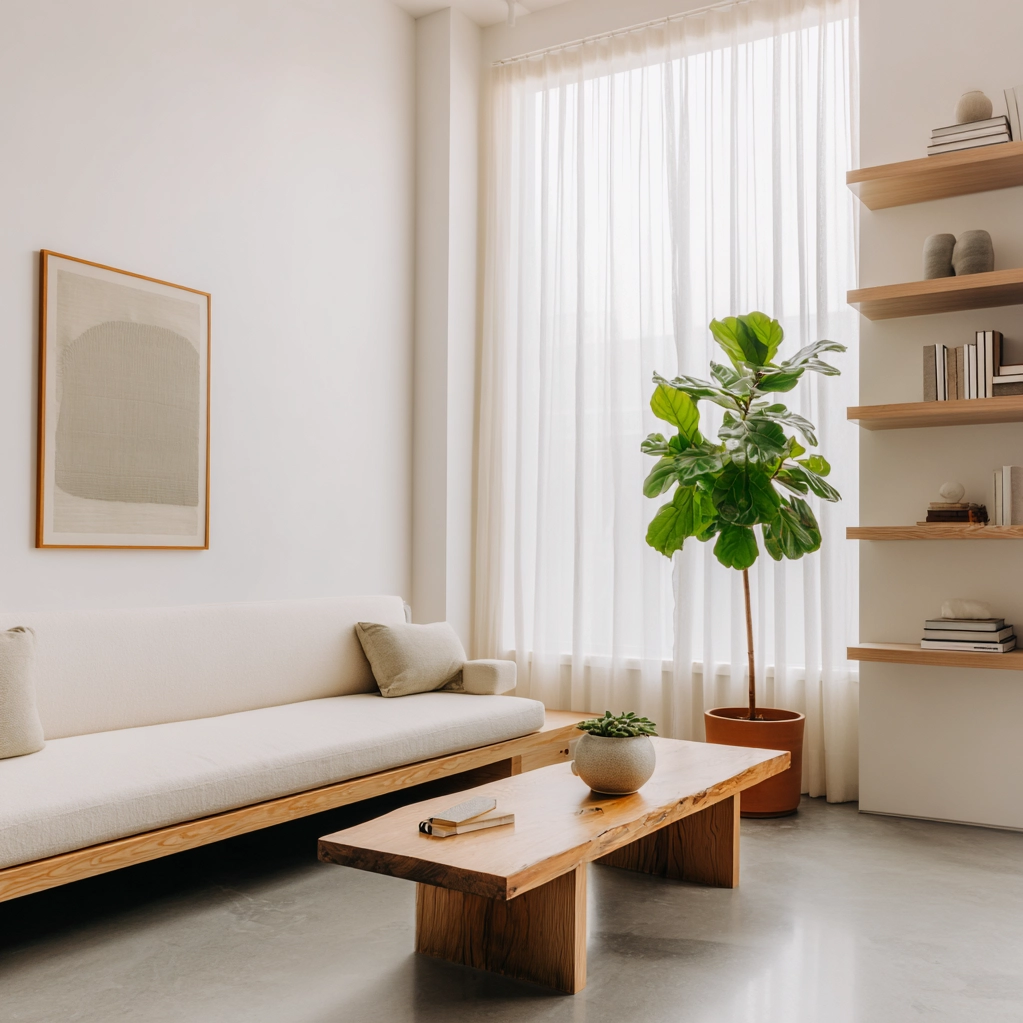
Essential Principles for Effective Minimalist Room Design
At the heart of every successful minimalist room design lies a set of fundamental principles that guide every decision. First and foremost is the concept of intentionality—every item in your space should serve a clear purpose, whether functional or deeply meaningful. This doesn't mean rooms must feel sterile or cold; rather, each element is carefully chosen to contribute to the overall harmony. The second principle centers on negative space, which refers to the intentional emptiness between objects. In minimalist design, negative space isn't wasted space—it's a crucial element that allows the eye to rest and appreciate what's present. Third is the emphasis on quality over quantity. Instead of filling rooms with numerous items, minimalist spaces feature fewer but higher-quality pieces that bring genuine value. This approach not only creates cleaner aesthetics but often proves more economical in the long run. Color palettes in minimalist room design typically lean toward neutral tones—whites, grays, beiges, and soft earth tones—that create calm backgrounds. However, this doesn't exclude color entirely; when used, colors appear intentionally and sparingly, often through a single accent piece or artwork. Texture becomes particularly important in minimalist spaces, adding visual interest without clutter. Natural materials like wood, stone, linen, and cotton bring warmth and tactile variety. Lighting follows similar principles, with clean lines and functional designs that enhance rather than dominate the space. Storage solutions in minimalist room design are often integrated and concealed, maintaining the clean aesthetic while keeping essentials accessible. Ultimately, these principles work together to create spaces that feel both peaceful and purposeful, supporting the activities and mindset you want to cultivate in each room.
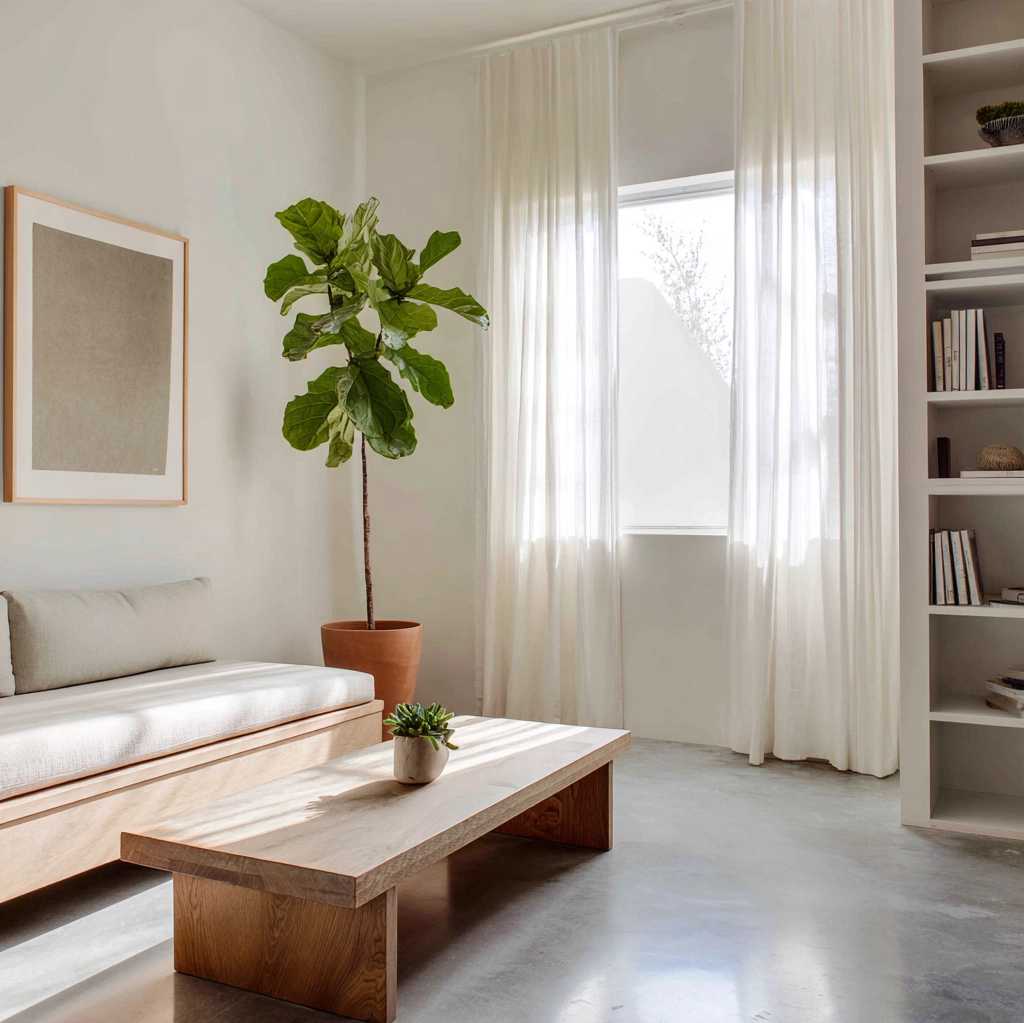
Practical Implementation of Minimalist Room Design in Your Home
Translating minimalist principles into your actual living spaces requires practical strategies that anyone can implement. Begin with a thorough decluttering process—room by room, assess every item using the keep, donate, or discard method. For minimalist room design to succeed, you must first create physical and visual space by removing what doesn't serve you. When selecting furniture, choose pieces with clean lines and multifunctional capabilities. A sofa with hidden storage or a bed with built-in drawers supports minimalist living by reducing the need for additional furniture. Arrange furniture to maximize flow and openness, often by floating pieces away from walls or using see-through elements like glass tables. For walls, minimalist room design favors one or two meaningful art pieces rather than gallery walls, allowing each piece to command attention. Window treatments should be simple—sheer curtains or clean-lined blinds that maximize natural light without visual heaviness. Flooring in minimalist spaces typically features hard surfaces like wood or polished concrete with area rugs used sparingly for texture and comfort. When incorporating decor, follow the rule of threes: group items in odd numbers for visual balance without clutter. Plants deserve special mention in minimalist room design—they add life and organic shapes without creating visual noise. Choose architectural plants like snake plants or fiddle leaf figs that make strong statements with minimal maintenance. For those transitioning to minimalist room design, start with one room—often the bedroom or living room—where you'll immediately feel the benefits. As you implement these strategies, you'll notice how each decision reinforces the others, creating a cohesive environment that feels both intentional and effortless. Remember that minimalist room design isn't about perfection but about creating spaces that genuinely support your lifestyle.
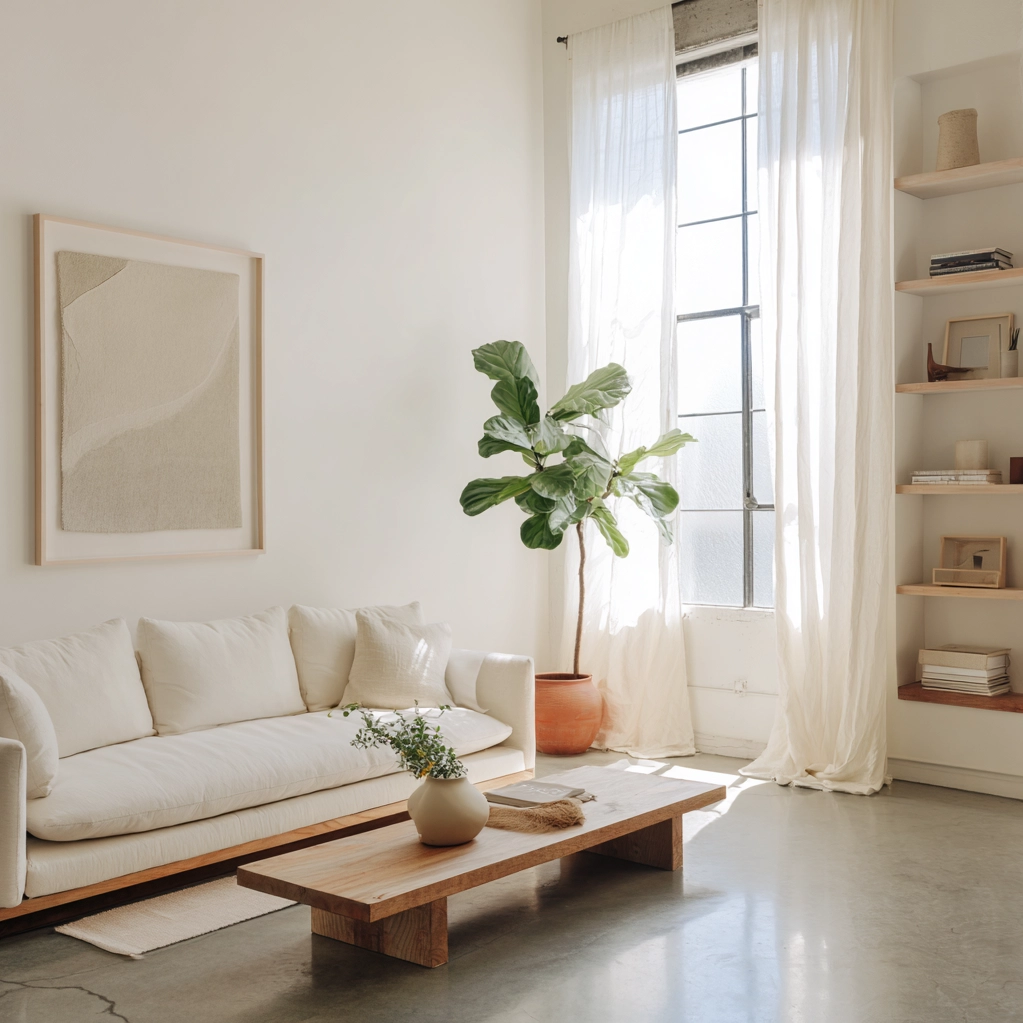
Common Mistakes to Avoid in Minimalist Room Design
While minimalist room design offers numerous benefits, several common pitfalls can undermine its effectiveness if not addressed. The most frequent mistake is confusing minimalism with emptiness—creating spaces that feel cold, impersonal, or uncomfortable. True minimalist room design should feel inviting and warm, achieved through texture, natural materials, and personal touches. Another common error involves over-editing to the point where spaces become impractical. A living room needs comfortable seating; a kitchen requires accessible tools. Minimalist room design enhances functionality rather than sacrificing it. Color avoidance represents another misunderstanding. While minimalist spaces often feature neutral palettes, completely eliminating color can create sterile environments. The solution lies in intentional color use—a single vibrant artwork, colorful textiles, or natural wood tones that add warmth without clutter. Poor lighting choices can also compromise minimalist room design. Relying solely on overhead lighting creates harsh shadows and flat spaces. Instead, incorporate layered lighting: ambient lighting for overall illumination, task lighting for specific activities, and accent lighting to highlight architectural features or art. Storage represents another area where mistakes occur. While concealed storage supports minimalist aesthetics, completely hiding everything can make spaces feel impersonal. Consider open shelving for frequently used items or beloved objects, keeping displays minimal and organized. Finally, many people approach minimalist room design as a one-time project rather than an ongoing practice. Minimalist spaces require maintenance—regular decluttering, thoughtful purchases, and occasional reassessment of what serves your current needs. By avoiding these common mistakes, you'll create minimalist spaces that are both beautiful and livable, truly enhancing your daily experience rather than creating additional constraints. Remember that minimalist room design should simplify your life, not complicate it with rigid rules.
Conclusion
Minimalist room design represents more than a passing trend—it's a thoughtful approach to living that prioritizes intentionality, clarity, and peace in our personal spaces. Throughout this guide, we've explored the core principles that make minimalist design effective, practical strategies for implementation, and common pitfalls to avoid. The true power of minimalist room design lies in its ability to transform not just our environments but our experiences within them. By removing excess and focusing on what truly matters, we create rooms that support our wellbeing rather than distract from it. As you embark on your minimalist journey, remember that this approach adapts to your unique needs and preferences. There's no single right way to achieve minimalist room design—only what works for your lifestyle and brings you genuine contentment. Looking forward, minimalist principles will continue evolving, incorporating sustainable materials, smart home integration, and adaptive designs that respond to changing needs. The future of minimalist room design will likely emphasize even greater connection between indoor spaces and natural environments, with biophilic elements becoming standard. For immediate action, start small: choose one room to transform using the principles discussed, and notice how the changes affect your daily routine. Minimalist room design isn't about achieving perfection overnight but about making consistent choices that align with your values. As more people discover the benefits of living with less, minimalist design will remain relevant, offering sanctuary in an increasingly complex world. Your home should be your refuge—minimalist room design provides the framework to make that refuge truly restorative.
Frequently Asked Questions
Q: Does minimalist room design mean I have to get rid of all my personal items?
Not at all. Minimalist room design focuses on intentionality rather than emptiness. The goal is to keep items that serve a purpose or bring you genuine joy while removing excess that creates clutter. Personal items like photographs, meaningful artwork, or cherished collections can absolutely have a place in minimalist spaces. The key is displaying them thoughtfully—perhaps rotating items seasonally or creating a dedicated display area—so they enhance rather than overwhelm the space. Minimalist room design should reflect your personality, not erase it.
Q: How can I make a minimalist room design feel warm and inviting?
Several techniques add warmth to minimalist spaces without compromising the clean aesthetic. First, incorporate natural materials like wood, stone, wool, or linen that have inherent texture and warmth. Second, use layered lighting—combining overhead lights with floor lamps, table lamps, and candles creates cozy ambiance. Third, add plants, which bring life and organic shapes. Fourth, include textiles like throw blankets and cushions in natural fibers. Finally, allow some personal items that tell your story. These elements work together to create minimalist rooms that feel both serene and welcoming.
Q: Is minimalist room design expensive to implement?
Minimalist room design can actually save money in the long run. While quality pieces might have higher initial costs, buying fewer items means less overall spending. Many minimalist principles are budget-friendly: decluttering costs nothing, repurposing existing furniture saves money, and DIY projects can create custom solutions. Focus on investing in key pieces that will last years rather than buying trendy items you'll replace frequently. Minimalist room design emphasizes quality over quantity, which often proves more economical. Start with what you have, make intentional purchases over time, and remember that the most important aspect—creating peaceful space—comes from thoughtful arrangement rather than expensive items.