
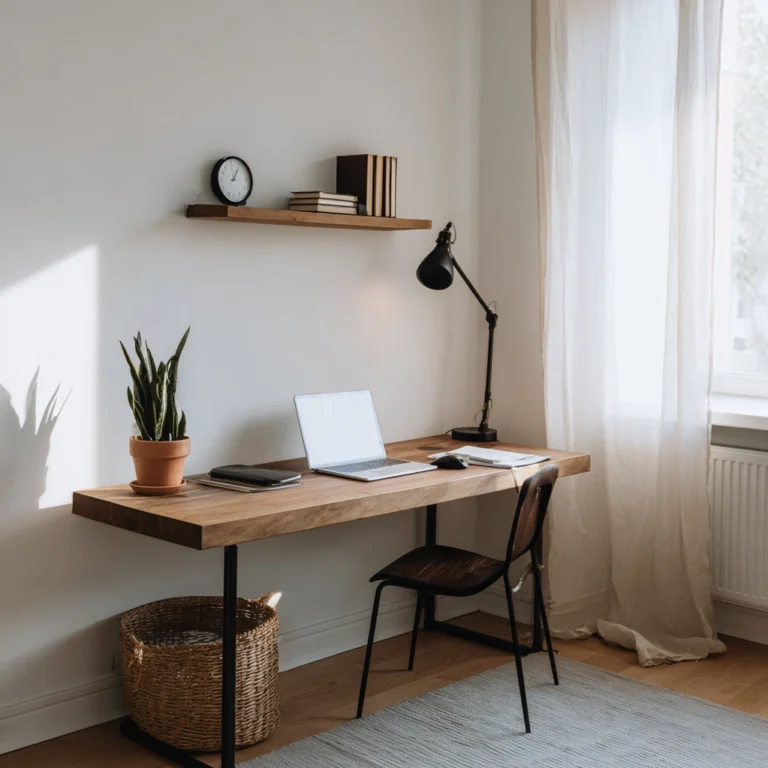
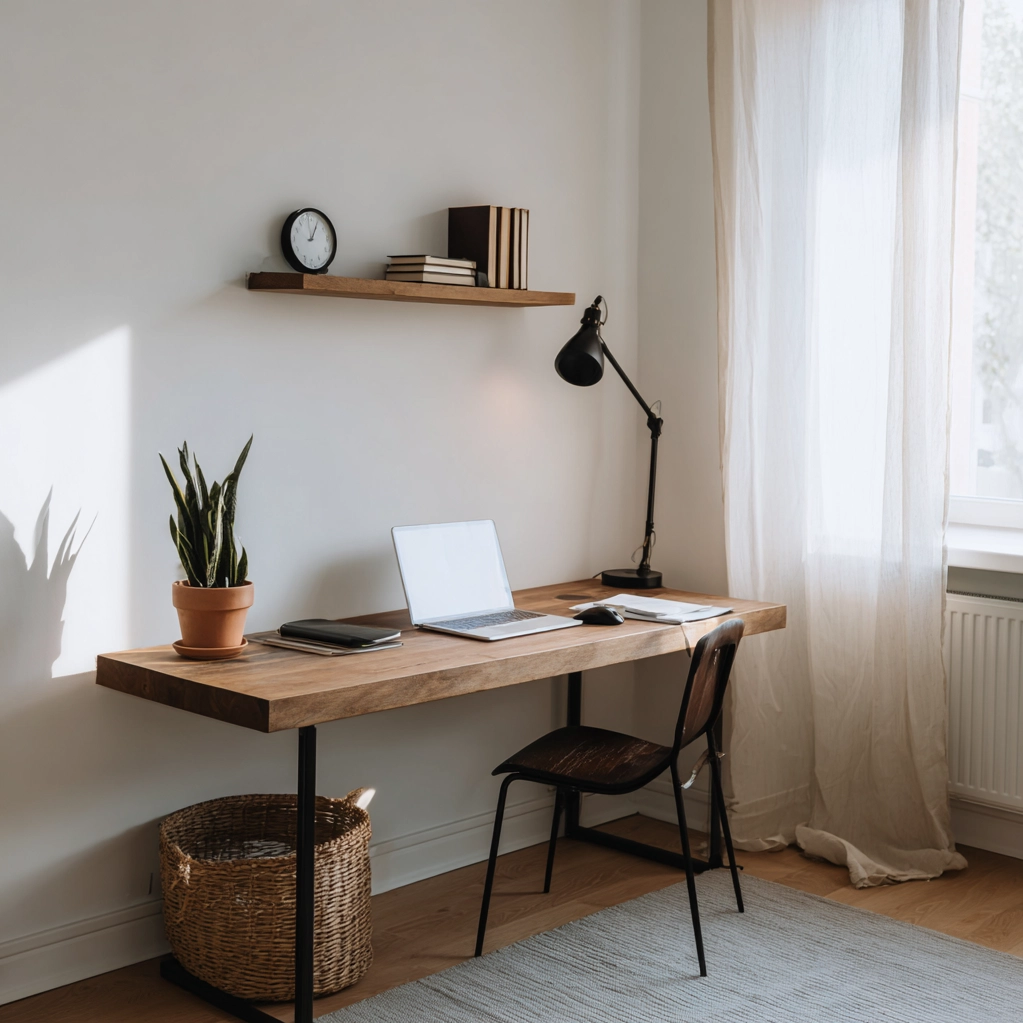
In today’s fast-paced world, our work environments play a crucial role in shaping our productivity, creativity, and overall well-being. A cluttered, chaotic office can drain your energy, scatter your focus, and increase stress levels, making even simple tasks feel overwhelming. This is where minimalist office decor comes in—not as a passing trend, but as a powerful design philosophy that can revolutionize how you work. By embracing simplicity, intentionality, and thoughtful curation, you can create a workspace that supports rather than distracts. Minimalist office decor isn’t about stark, cold spaces or sacrificing comfort. Instead, it focuses on removing the unnecessary to highlight what truly matters. Imagine a desk with only the essentials: your computer, a notebook, and a single plant. The absence of clutter allows your mind to breathe, fostering clarity and concentration. This approach goes beyond aesthetics; it’s about designing an environment that aligns with your goals and values. Whether you work from home or in a corporate setting, adopting minimalist principles can lead to tangible benefits. Studies show that organized, simplified spaces reduce cognitive load, helping you make decisions faster and work more efficiently. Moreover, a minimalist office promotes mindfulness, encouraging you to be present and engaged with your tasks. It transforms your workspace from a source of stress into a sanctuary of productivity. As remote work becomes more common, the need for intentional design grows. Your office should be a place where you feel inspired, focused, and at ease. By investing in minimalist office decor, you’re not just decorating a room—you’re crafting a foundation for success. Let’s explore how you can achieve this balance of beauty and function, creating a workspace that elevates your daily routine.
Essential Elements of Minimalist Office Decor
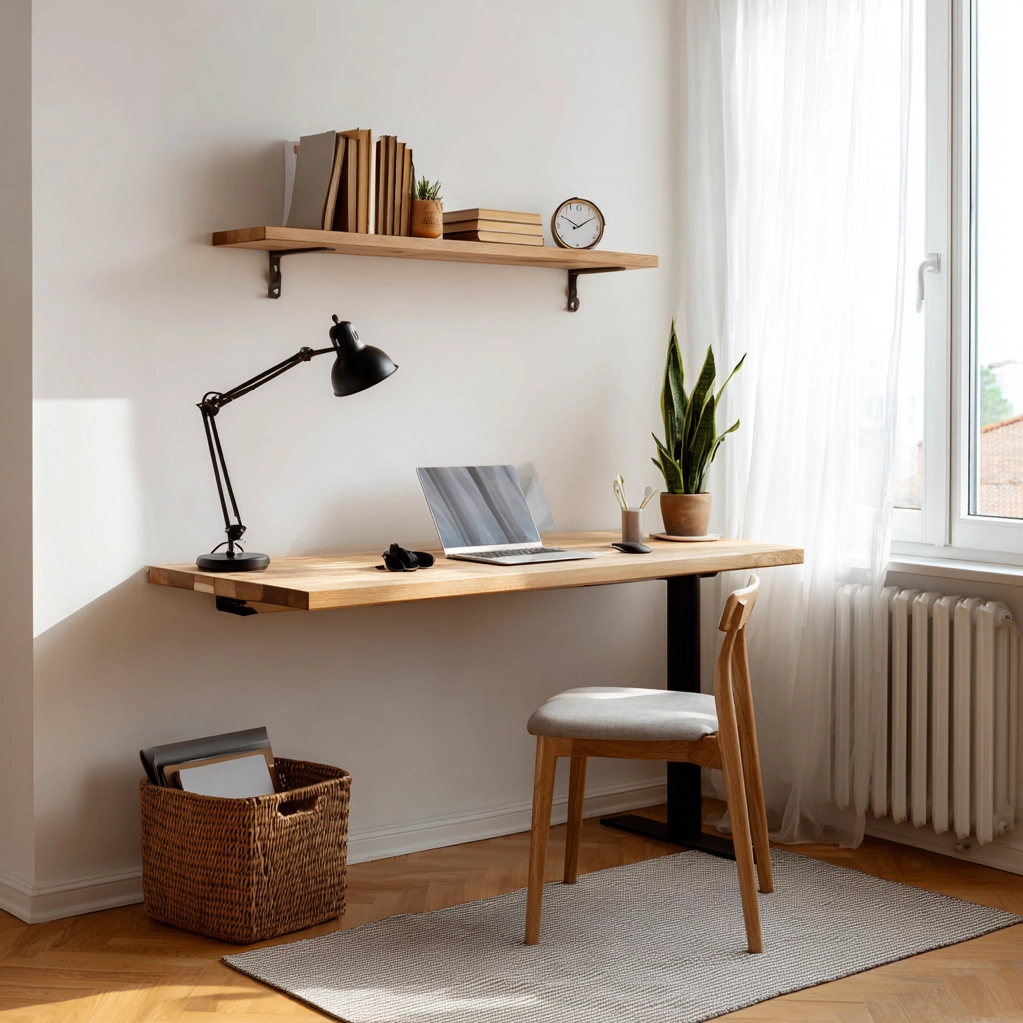
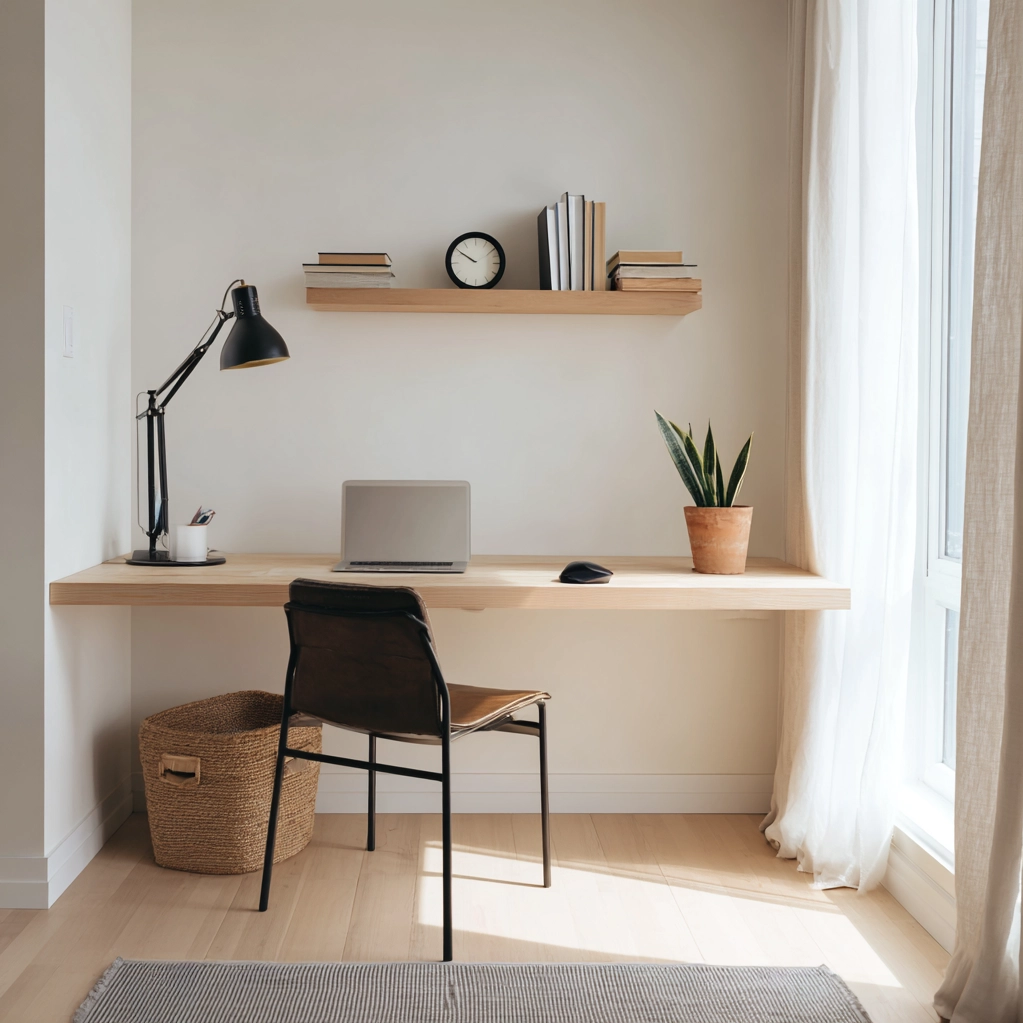
Creating a minimalist office starts with understanding the core elements that define this style. First, focus on functionality. Every item in your workspace should serve a purpose. This means choosing furniture and accessories that are both practical and aesthetically pleasing. A clean-lined desk made of natural wood or metal, for example, provides a sturdy surface without visual clutter. Pair it with an ergonomic chair that supports good posture while maintaining a sleek profile. Storage is another key component. Opt for closed cabinets or floating shelves to keep supplies out of sight. This reduces visual noise and creates a sense of order. When selecting decor, less is more. A single piece of abstract art or a minimalist clock can add personality without overwhelming the space. Color palettes in minimalist office decor tend to be neutral. Shades of white, gray, beige, and black create a calm, cohesive backdrop. You can introduce subtle accents with muted tones like sage green or soft blue to add warmth. Lighting plays a crucial role too. Natural light is ideal, but if that's limited, choose simple fixtures like a pendant lamp or a slim desk lamp. Avoid ornate designs that draw attention away from your work. Finally, incorporate natural elements. A small potted plant, such as a snake plant or succulents, brings life and texture to the room. These elements work together to form a harmonious environment. By prioritizing quality over quantity, you build a workspace that feels intentional and refined. This approach not only enhances the look of your office but also supports mental clarity. As you curate your items, ask yourself: Does this add value? If not, it might be time to let it go. Embrace the beauty of simplicity, and watch your productivity soar.
How to Implement Minimalist Office Decor in Small Spaces
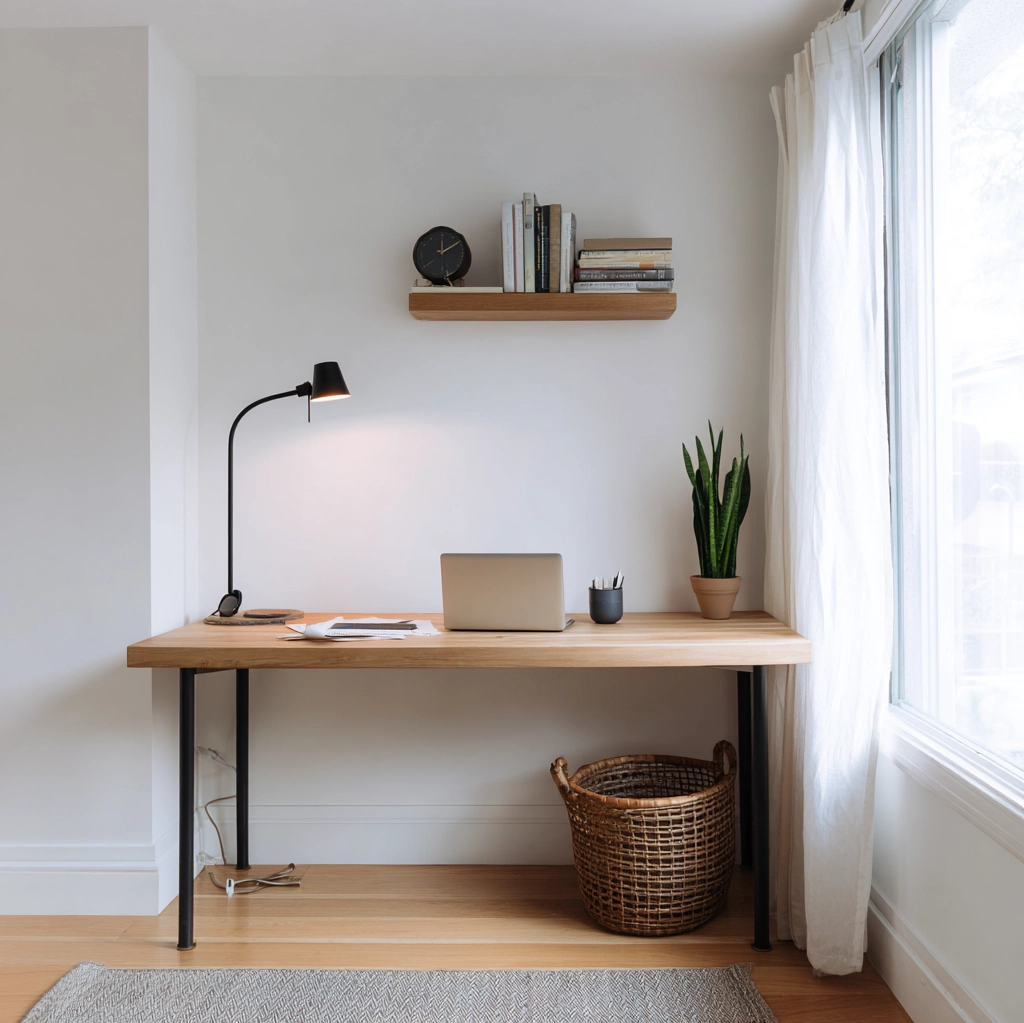
Small offices present unique challenges, but minimalist decor offers effective solutions to maximize both space and style. Start by decluttering ruthlessly. Remove items that don't serve a daily purpose, such as extra paperwork, outdated gadgets, or decorative knick-knacks. This creates physical and mental room to breathe. Next, choose multi-functional furniture. A wall-mounted desk with built-in shelves saves floor space while providing essential storage. Look for pieces that fold or stack when not in use. For example, a compact filing cabinet can double as a side table. Vertical storage is your best friend in small spaces. Install floating shelves above your desk to hold books or supplies, keeping surfaces clear. Use wall hooks for items like headphones or bags to free up desk space. When it comes to color, light hues like white or pale gray can make a room feel larger and airier. Avoid dark colors that might shrink the visual space. Mirrors are another trick; placing one opposite a window reflects light and creates an illusion of depth. In terms of layout, keep pathways clear. Arrange furniture so you can move easily without obstacles. A simple L-shaped desk setup might work better than a bulky traditional one. Lighting should be layered but unobtrusive. A combination of overhead lights and a small desk lamp ensures adequate illumination without clutter. For decor, stick to a few meaningful pieces. One large artwork or a single plant can make a statement without crowding the room. Digital minimalism also helps. Reduce cable chaos with cord organizers and opt for wireless devices when possible. Remember, minimalist office decor in small spaces is about smart choices. Every inch counts, so prioritize items that enhance both function and form. By embracing these strategies, you can transform even the tiniest nook into a productive, peaceful haven. It proves that less truly can be more, no matter the square footage.
Benefits of Minimalist Office Decor for Productivity and Well-being
Adopting minimalist office decor goes beyond aesthetics; it delivers real advantages for your work performance and mental health. One of the primary benefits is enhanced focus. A clutter-free environment reduces visual distractions, allowing your brain to concentrate on tasks at hand. Studies indicate that organized spaces lower stress levels and improve cognitive function. When your desk is tidy, you spend less time searching for items and more time accomplishing goals. This efficiency boost can lead to higher productivity and better time management. Minimalist decor also promotes mindfulness. By intentionally choosing what surrounds you, you cultivate a sense of purpose and control. This mindful approach can reduce anxiety, making your workspace a calm retreat rather than a source of overwhelm. Physically, a minimalist office often incorporates ergonomic principles. Simple, well-designed furniture supports proper posture, reducing strain and fatigue. For instance, a clean desk setup encourages you to maintain an organized workflow, preventing the pile-up of papers and gadgets that can lead to discomfort. The use of natural materials and plants in minimalist design has been linked to improved mood and creativity. Exposure to greenery and sunlight can increase energy levels and inspire innovative thinking. Moreover, minimalist office decor fosters a sense of professionalism. Whether for video calls or in-person meetings, a sleek, orderly space conveys competence and attention to detail. It also simplifies cleaning and maintenance, saving you time and effort. Over time, these benefits compound. You may find yourself feeling more motivated and less prone to burnout. The psychological impact of a serene environment cannot be overstated. It creates a positive feedback loop: as your space improves, so does your mindset, leading to even greater achievements. By investing in minimalist principles, you're not just decorating—you're building a foundation for sustained success and well-being. Embrace the clarity that comes with simplicity, and experience the transformative power of a thoughtfully designed office.
Conclusion
Minimalist office decor is more than a design choice; it's a lifestyle shift that can profoundly impact your work and well-being. Throughout this article, we've explored how simplicity, intentionality, and functional beauty come together to create spaces that foster focus, reduce stress, and enhance productivity. By embracing essential elements like clean lines, neutral palettes, and thoughtful storage, you can transform any office into a sanctuary of efficiency. Even in small spaces, strategic decisions—such as multi-functional furniture and vertical storage—make minimalist principles accessible and effective. The benefits extend beyond aesthetics, offering tangible improvements in mental clarity, physical comfort, and overall job satisfaction. As remote work and flexible schedules become the norm, the importance of a well-designed home office grows. Looking ahead, minimalist trends are evolving to include sustainable materials and smart technology integration, making it easier than ever to create eco-friendly, high-performing workspaces. To start your journey, take a moment to assess your current environment. Identify items that no longer serve you and consider how each piece contributes to your goals. Remember, minimalism isn't about deprivation—it's about curating a space that reflects your values and supports your ambitions. Whether you're revamping a corner of your living room or designing a dedicated office, small changes can yield significant results. Embrace the power of less, and watch as your workspace becomes a catalyst for creativity and success. The future of work is intentional, and with minimalist office decor, you're poised to thrive in it.
Frequently Asked Questions
Q: How can I start with minimalist office decor on a budget?
Beginning a minimalist office makeover doesn't require a large investment. Start by decluttering—remove items you don't use regularly to create a clean slate. Repurpose existing furniture by painting it in neutral colors or rearranging it for better flow. Shop second-hand for simple desks or chairs, and focus on essential pieces first. Use DIY storage solutions like cardboard boxes or mason jars to organize supplies. Add inexpensive decor such as a small plant or a framed print to enhance the aesthetic. The key is prioritizing function and simplicity over cost.
Q: Is minimalist office decor suitable for shared or family workspaces?
Yes, minimalist decor can work well in shared environments by promoting organization and reducing conflicts over clutter. Establish clear zones for each person with designated desks or shelves. Use shared storage solutions like labeled bins or cabinets to keep common supplies tidy. Choose neutral, durable furniture that appeals to all users. Encourage everyone to adopt minimalist habits, such as putting items away after use. This approach creates a cohesive, peaceful space that supports multiple people without feeling cramped or chaotic.
Q: Can minimalist office decor include personal touches without looking cluttered?
Absolutely. Minimalism doesn't mean sterile or impersonal. You can incorporate personal items by being selective and intentional. Choose a few meaningful pieces, such as a favorite photograph in a simple frame or a small souvenir displayed on a shelf. Rotate items seasonally to keep the space fresh without accumulation. Opt for cohesive colors and materials to maintain a unified look. By curating rather than collecting, you can add warmth and character to your minimalist office without sacrificing its clean, focused ambiance.