
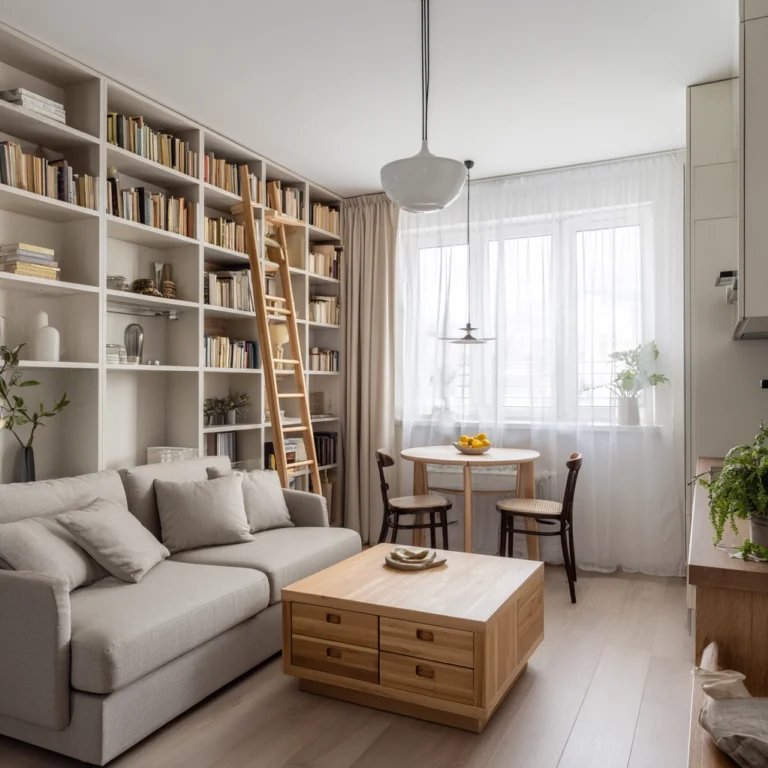
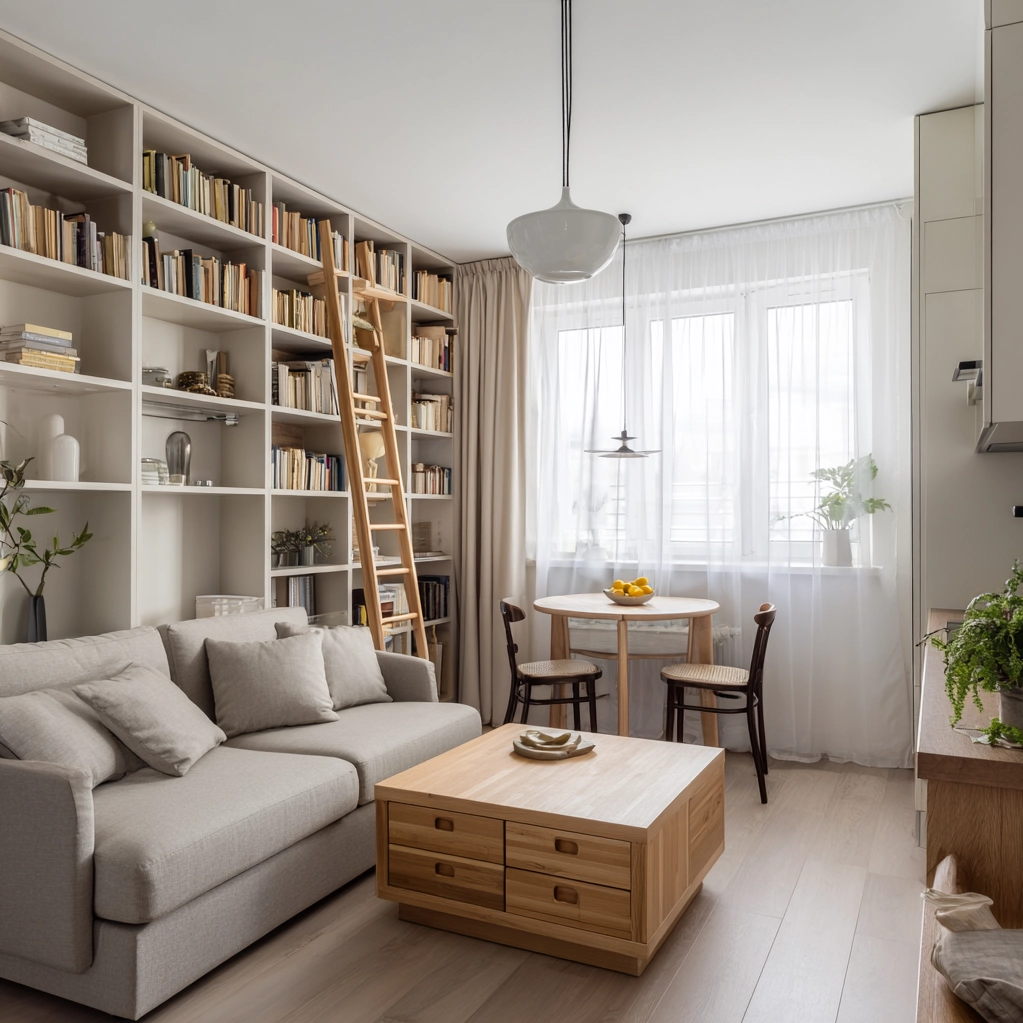
In today’s world of soaring real estate prices and growing environmental awareness, small house design has emerged as more than just a trend—it’s a brilliant lifestyle choice that offers freedom, sustainability, and surprising comfort. As urban spaces shrink and people seek simpler, more intentional ways of living, the art of maximizing compact square footage has become essential for homeowners everywhere. This isn’t about settling for less; it’s about designing smarter, living lighter, and creating homes that feel spacious despite their modest footprints. Whether you’re considering downsizing, planning an addition, or simply looking to make better use of your current space, mastering small house design principles can transform your daily experience. The secret lies not in the square footage itself, but in how you approach the layout, storage, lighting, and flow of your home. Gone are the days when small spaces felt cramped or cluttered. Modern design innovations have revolutionized what’s possible, turning tight quarters into elegant, functional sanctuaries that support your lifestyle without overwhelming your budget or the environment. Embracing small house design means prioritizing what truly matters, eliminating excess, and creating a home that reflects your values while providing all the comfort you need. This journey toward compact living can reduce stress, lower expenses, and create a more sustainable footprint—all while maintaining beautiful, inviting spaces you’ll love coming home to every day.
Clever Small House Design Strategies for Maximum Space
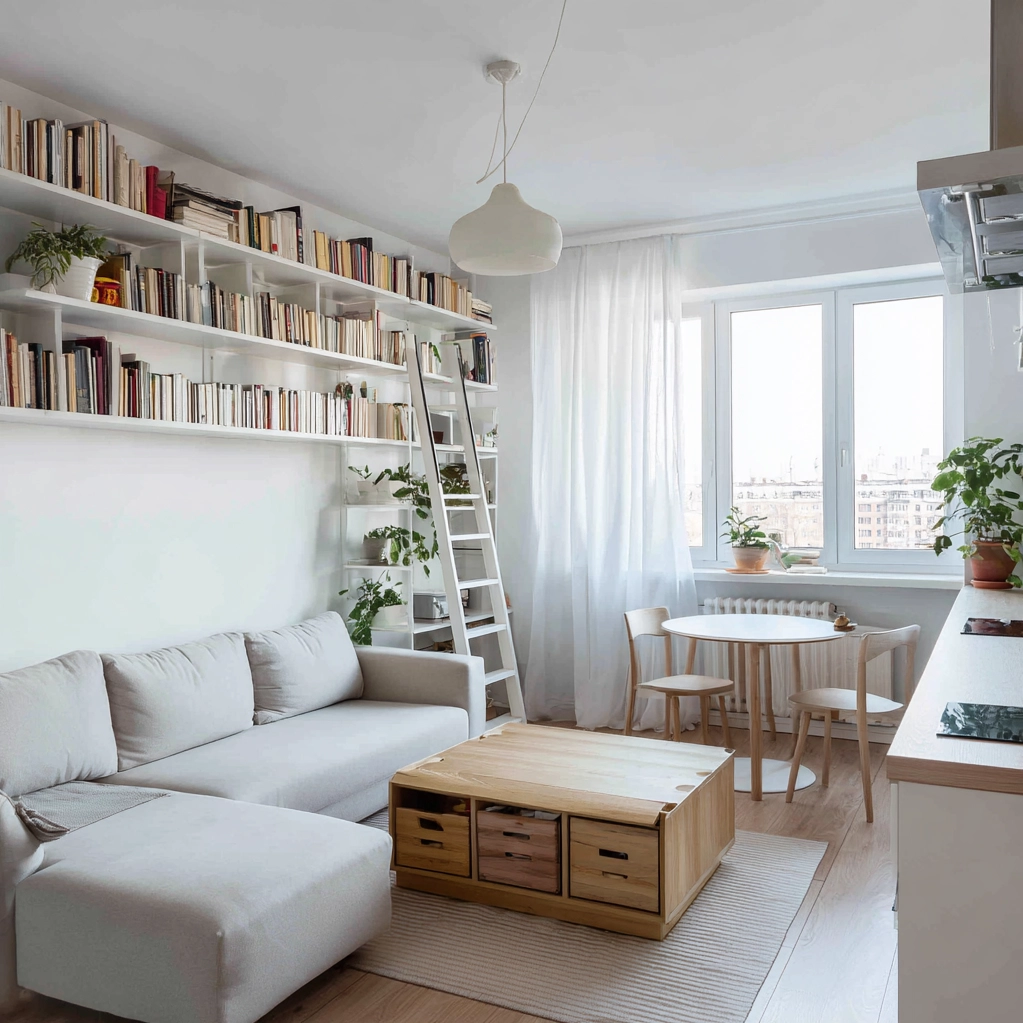
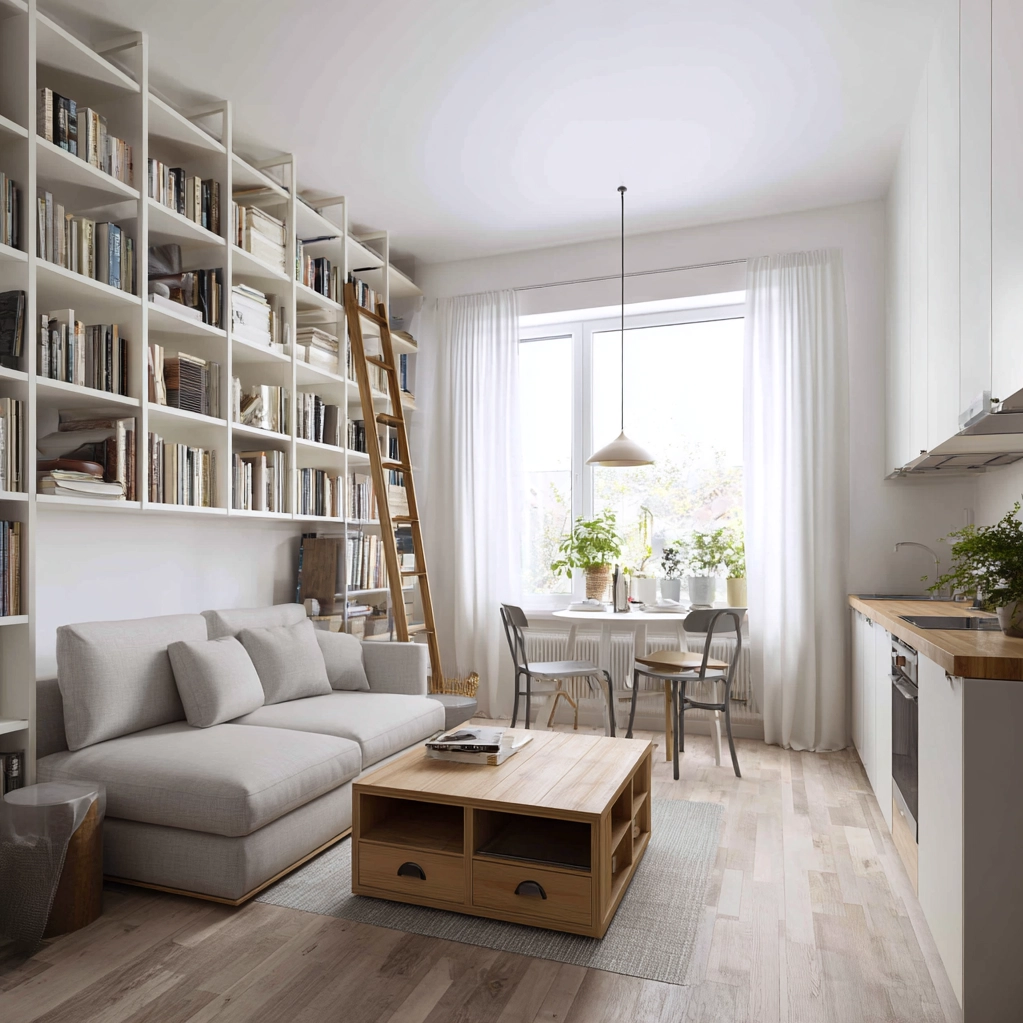
The foundation of successful small house design begins with intelligent space planning that makes every square inch count. Start by adopting an open floor plan whenever possible, which creates visual continuity and eliminates the boxed-in feeling that traditional walls can create in compact areas. Consider multi-functional furniture pieces that serve dual purposes—a sofa that transforms into a guest bed, a dining table with hidden storage compartments, or ottomans that open to reveal interior space. Built-in storage solutions are particularly valuable in small house design, as they utilize vertical space and awkward corners that might otherwise go unused. Think floor-to-ceiling shelving, under-stair drawers, or window seat storage. Another key strategy involves creating visual expansion through design elements. Light-colored paint on walls and ceilings helps reflect natural light, making rooms appear larger and airier. Strategic mirror placement can double the perceived depth of a room, especially when positioned opposite windows or in narrow hallways. Consistent flooring materials throughout connected spaces creates a seamless flow that makes the entire area feel more expansive. Don't forget about the vertical dimension in your small house design—high ceilings, tall bookshelves, and vertical artwork all draw the eye upward, creating an illusion of greater space. Finally, consider flexible room dividers like sliding doors, curtains, or partial walls that can reconfigure spaces as needed without permanent barriers. These approaches, when combined thoughtfully, can transform even the most compact footprint into a home that feels surprisingly spacious and perfectly tailored to your needs.
Essential Small House Design Elements for Everyday Living
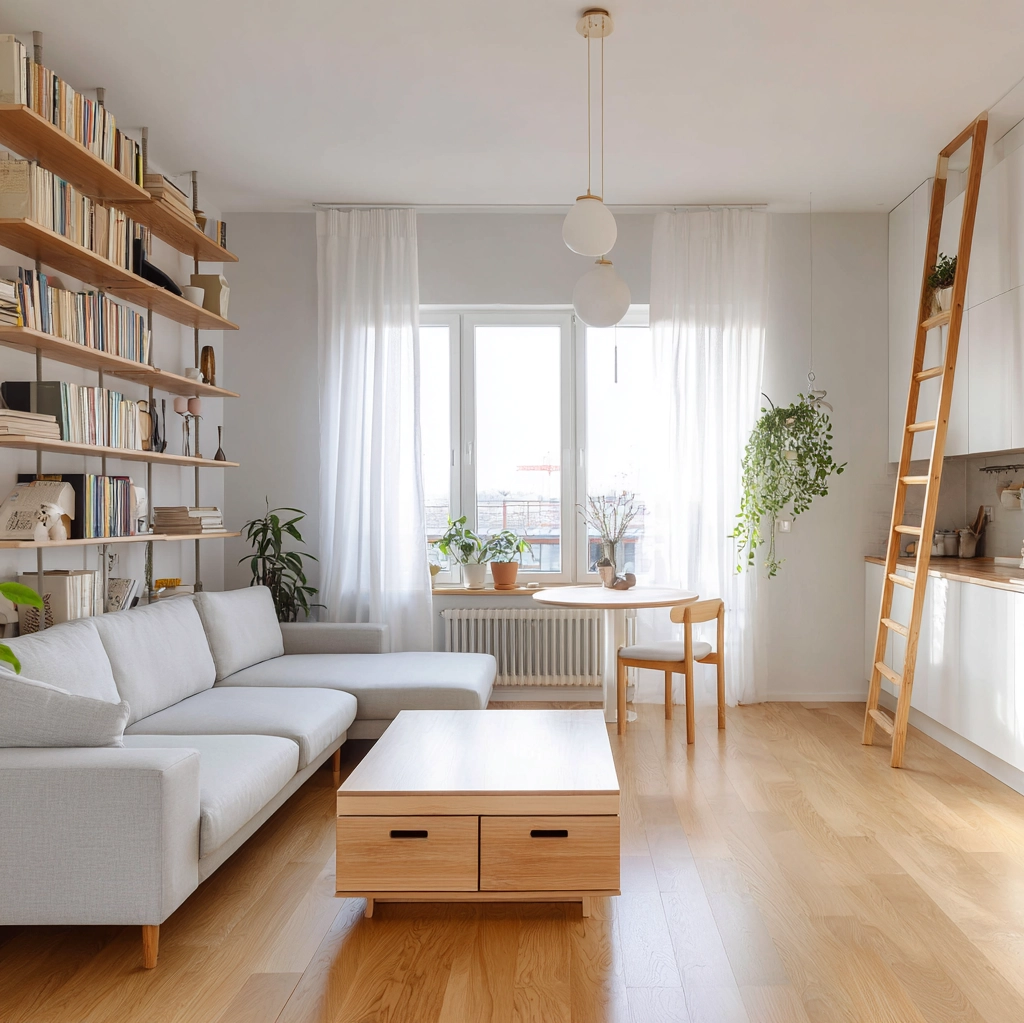
When implementing small house design, certain elements prove particularly effective at enhancing both function and comfort. Lighting deserves special attention, as proper illumination can dramatically alter the perception of space. Layer your lighting with a combination of ambient, task, and accent sources to create depth and dimension. Recessed lighting saves valuable ceiling space, while wall sconces and pendant lights provide illumination without occupying floor area. Natural light remains the most valuable resource in small house design, so maximize window exposure and consider skylights or light tubes where possible. Material selection also plays a crucial role in successful small house design. Opt for light-reflective surfaces like polished stone, glass, and metallic finishes that bounce light around the room. Textured materials add visual interest without overwhelming the space—think subtle linen upholstery, woven rugs, or patterned tiles in limited areas. Color psychology becomes particularly important in compact environments, where your palette choices can either expand or contract the perceived space. Stick to a cohesive color scheme with one or two accent colors to maintain visual harmony. Scale and proportion matter tremendously in small house design. Choose furniture that fits the room's dimensions without dominating it—petite-scale sofas, narrow console tables, and appropriately sized artwork all contribute to balanced spaces. Finally, consider incorporating elements that blur the boundaries between indoors and outdoors. French doors, sliding glass panels, or even well-placed windows that frame exterior views can extend your living area visually and connect your small house design to the surrounding environment, making the entire space feel more generous and integrated with its setting.
Innovative Small House Design Solutions for Modern Challenges
Contemporary small house design has evolved to address today's unique living challenges with creative solutions that prioritize both style and substance. One of the most significant innovations involves technology integration that saves space while enhancing functionality. Smart home systems can control lighting, temperature, and security from compact interfaces, eliminating the need for bulky control panels and wiring. Wall-mounted televisions, hidden charging stations, and wireless sound systems all contribute to cleaner, more open spaces in your small house design. Storage solutions have also advanced dramatically, with companies now offering customized modular systems that adapt to your specific needs and available space. Consider ceiling-mounted racks in garages or storage rooms, pull-out pantries in narrow kitchens, or even retractable desks in home offices. Another innovative approach involves designing for specific lifestyles within small house design parameters. For remote workers, this might mean creating compact but efficient home offices with vertical filing and fold-away work surfaces. For families, it could involve convertible children's rooms that grow with the child through adjustable furniture and storage. Environmental considerations have become increasingly important in modern small house design as well. Energy-efficient appliances, proper insulation, and passive solar principles not only reduce your ecological footprint but also lower utility costs in the long run. Water-saving fixtures and sustainable materials align with the minimalist ethos that often accompanies compact living. Finally, don't overlook the psychological aspects of small house design. Creating designated zones for different activities—even within a single room—helps maintain mental boundaries and organization. A reading nook by a window, a defined dining area, or a meditation corner all contribute to a well-rounded living experience that supports both practical needs and emotional wellbeing within your thoughtfully designed compact space.
Conclusion
Embracing small house design represents far more than a response to limited square footage—it's a conscious choice toward intentional living that prioritizes quality over quantity, experience over excess, and thoughtful design over sheer size. Throughout this exploration, we've discovered that successful compact living hinges on strategic planning, clever solutions, and a mindset that views limitations as opportunities for creativity. The true brilliance of small house design lies in its ability to transform constraints into advantages, creating spaces that are not only functional but deeply personal and environmentally responsible. As housing trends continue to evolve, the principles of efficient, beautiful small house design will likely become even more relevant, particularly as urban populations grow and sustainability concerns intensify. Looking forward, we can expect to see continued innovation in space-saving technologies, multi-functional furniture, and sustainable materials that make compact living increasingly comfortable and appealing. The most important takeaway is this: your small space doesn't have to feel small. With the right approach, it can become a sanctuary that supports your lifestyle, reflects your personality, and provides everything you need without the burden of unnecessary maintenance or expense. Start your small house design journey by assessing what truly matters to you, then apply the strategies discussed here to create a home that's both practical and inspiring. Remember, the measure of a great home isn't its square footage, but how well it serves those who live within it. By embracing the possibilities of small house design, you're not just optimizing space—you're crafting a lifestyle that's focused, sustainable, and uniquely yours.
Frequently Asked Questions
Q: How can I make my small house design feel more spacious without major renovations?
Several effective strategies can create the illusion of more space without undertaking major renovations in your small house design. Start by decluttering and implementing smart storage solutions like under-bed containers, over-door organizers, and multi-functional furniture. Use light, neutral colors on walls and ceilings to reflect light and create an airy feeling. Strategically placed mirrors can double the visual depth of a room, especially when positioned opposite windows. Consistent flooring throughout connected areas creates seamless flow, making spaces appear larger. Finally, maximize natural light by keeping windows unobstructed and using sheer window treatments that don't block light during the day. These approaches, combined with careful furniture arrangement that allows clear pathways, can dramatically enhance the spacious feel of your small house design.
Q: What are the most common mistakes to avoid in small house design?
Several common pitfalls can undermine the effectiveness of small house design. First, avoid oversized furniture that overwhelms the space—always measure carefully and choose appropriately scaled pieces. Don't clutter the space with too many small decorative items; instead, opt for a few meaningful pieces that complement the overall design. Another mistake involves inadequate lighting, which can make small spaces feel cave-like. Ensure you have layered lighting with multiple sources. Avoid closing off spaces unnecessarily; open floor plans typically work better in small house design than compartmentalized layouts. Don't neglect vertical space—walls offer valuable storage and display opportunities that keep floors clear. Finally, resist the temptation to follow every trend; a cohesive, personalized approach works better in compact spaces than a disjointed collection of fashionable elements. By steering clear of these mistakes, your small house design will feel more intentional, functional, and spacious.
Q: Can small house design principles work for families with children?
Absolutely! Small house design can work beautifully for families with children when approached thoughtfully. The key lies in creating flexible, durable spaces that adapt to changing needs. Start with smart storage solutions for toys, clothing, and gear—think built-in cubbies, under-bed drawers, and wall-mounted organizers. Designate specific zones for different activities, even within shared rooms, to maintain organization and boundaries. Choose durable, easy-to-clean materials that can withstand active family life while maintaining aesthetic appeal. Consider furniture that serves multiple purposes, like bunk beds with built-in storage or tables with wipeable surfaces for crafts and homework. Create designated spaces for family time, individual activities, and quiet moments. Most importantly, involve children in the organization process with accessible storage they can use independently. With careful planning, small house design can foster closer family connections while providing all the functionality a growing family needs. The compact environment often encourages more intentional time together and teaches valuable lessons about organization and mindful consumption from an early age.