
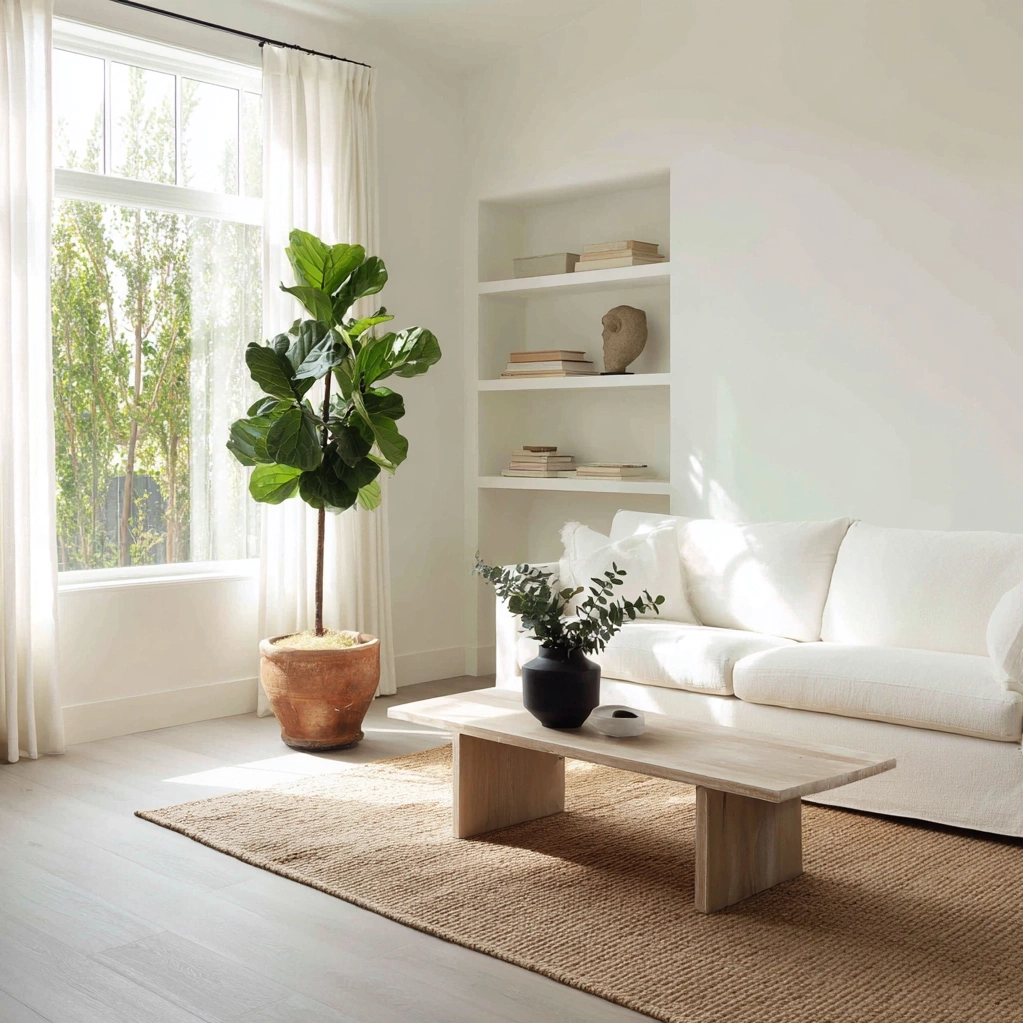
In a world cluttered with visual noise and overwhelming design choices, the minimal white background emerges as a sanctuary of clarity and peace. This isn’t just an aesthetic trend—it’s a lifestyle philosophy that transforms how we experience our living spaces. A clean white canvas in your home provides more than visual appeal; it creates an environment where your mind can breathe, focus, and find genuine relaxation.
Many people hesitate to embrace white backgrounds, fearing they'll create sterile, hospital-like environments or prove impossible to maintain. These concerns are understandable but misguided when approached strategically. The true power of a minimal white background lies in its ability to serve as the perfect foundation for your life and personal style to shine through. It's not about emptiness, but about creating space—both physically and mentally.
Think about the rooms that make you feel most at ease. Often, they're spaces with clean lines, uncluttered surfaces, and a sense of airiness. The minimal white background achieves this by eliminating visual competition, allowing each carefully chosen element to tell its story without shouting. Whether you're working from home, entertaining guests, or simply unwinding after a long day, this approach creates environments that support rather than distract from your daily life. The simplicity becomes the ultimate sophistication.
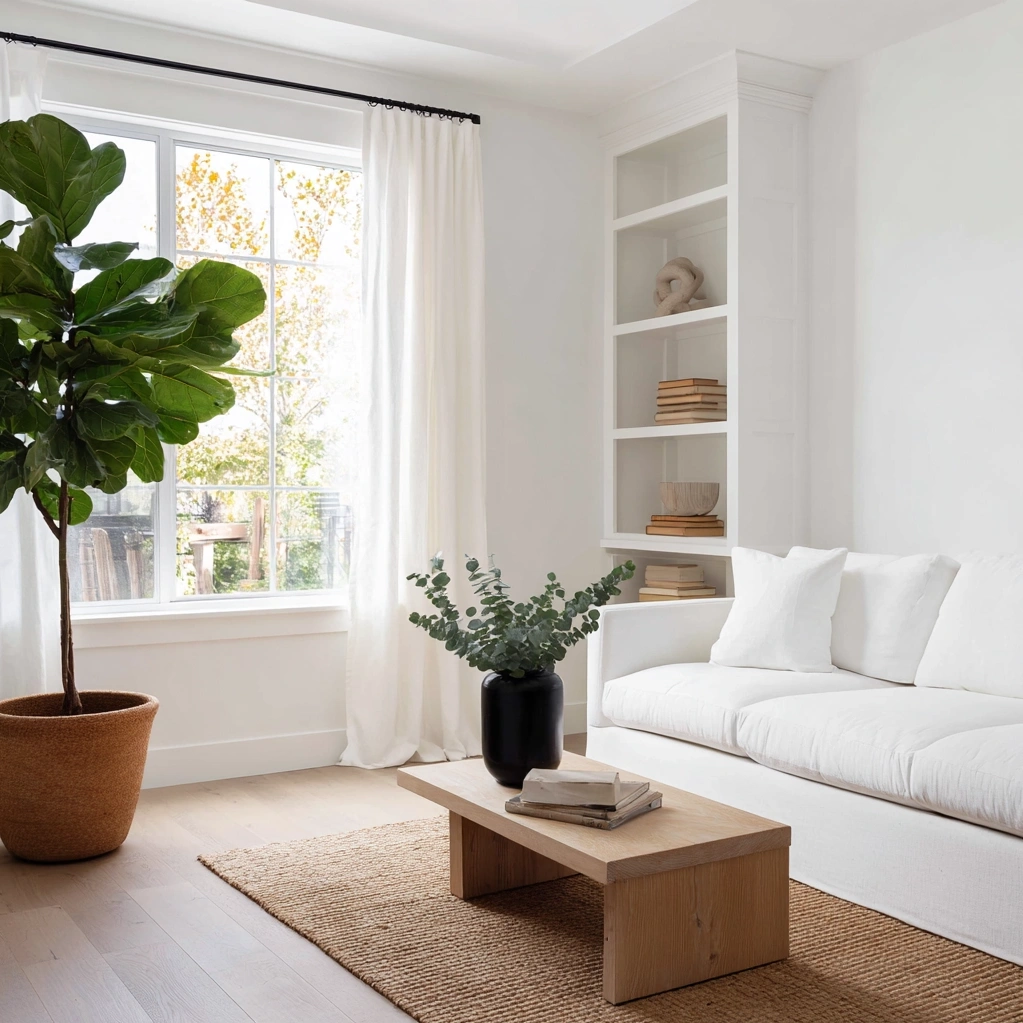
The Psychological Power of a Minimal White Background
A minimal white background does more than look clean—it actively shapes your mental state and daily experience. Scientifically, white spaces have been shown to reduce stress by lowering cortisol levels and creating environments where our brains can process information more efficiently. When you remove visual clutter and overwhelming color schemes, you create mental breathing room that extends far beyond the physical space.
This psychological benefit manifests in practical ways throughout your day. In workspaces, a white background reduces distractions, allowing for improved concentration and productivity. In living areas, it creates a calming atmosphere that promotes relaxation and meaningful connection. Even in small doses—like a white accent wall or clean shelving display—this approach can transform how you feel in a room.
Consider how light interacts with white surfaces to enhance these effects. Natural light reflects beautifully, brightening spaces without harsh artificial lighting. This connection to natural light patterns supports healthier circadian rhythms and overall wellbeing. The minimal white background becomes a tool for intentional living, helping you create spaces that align with how you want to feel rather than just how you want things to look.
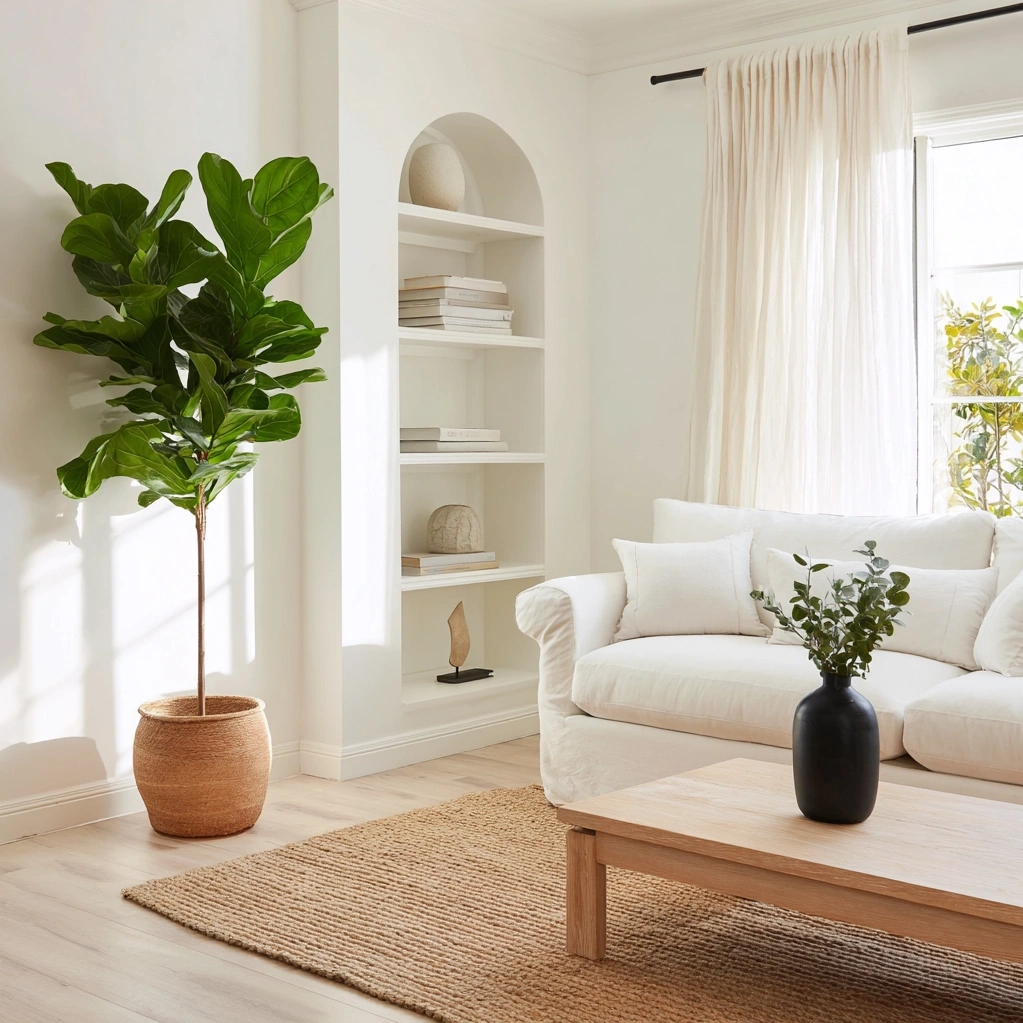
Designing with a Minimal White Background: 3 Essential Principles
Creating a successful minimal white background requires more than just painting walls white. It demands thoughtful application of three key principles that ensure your space feels intentional rather than incomplete. First, embrace texture variation. A room with only flat white surfaces can feel cold and sterile. Instead, incorporate different materials—rough linen curtains, smooth ceramic vases, woven rattan baskets, or natural wood elements. These textural contrasts add warmth and visual interest while maintaining your clean aesthetic foundation.
Second, practice strategic contrast through accent pieces. The minimal white background serves as the perfect stage for meaningful objects to shine. A single vibrant artwork, a sculptural black chair, or a collection of green plants creates focal points that draw the eye without overwhelming the space. This approach transforms white from a blank canvas into an intentional backdrop that highlights what matters most.
Third, master the art of negative space. In minimalist design, what you leave out is as important as what you include. Allow surfaces to breathe by avoiding overcrowding. Leave sections of wall empty, maintain clear pathways, and create visual resting places for the eye. This negative space isn't wasted—it's what gives your minimal white background its power and elegance. When everything has room to exist comfortably, each element gains importance and beauty.
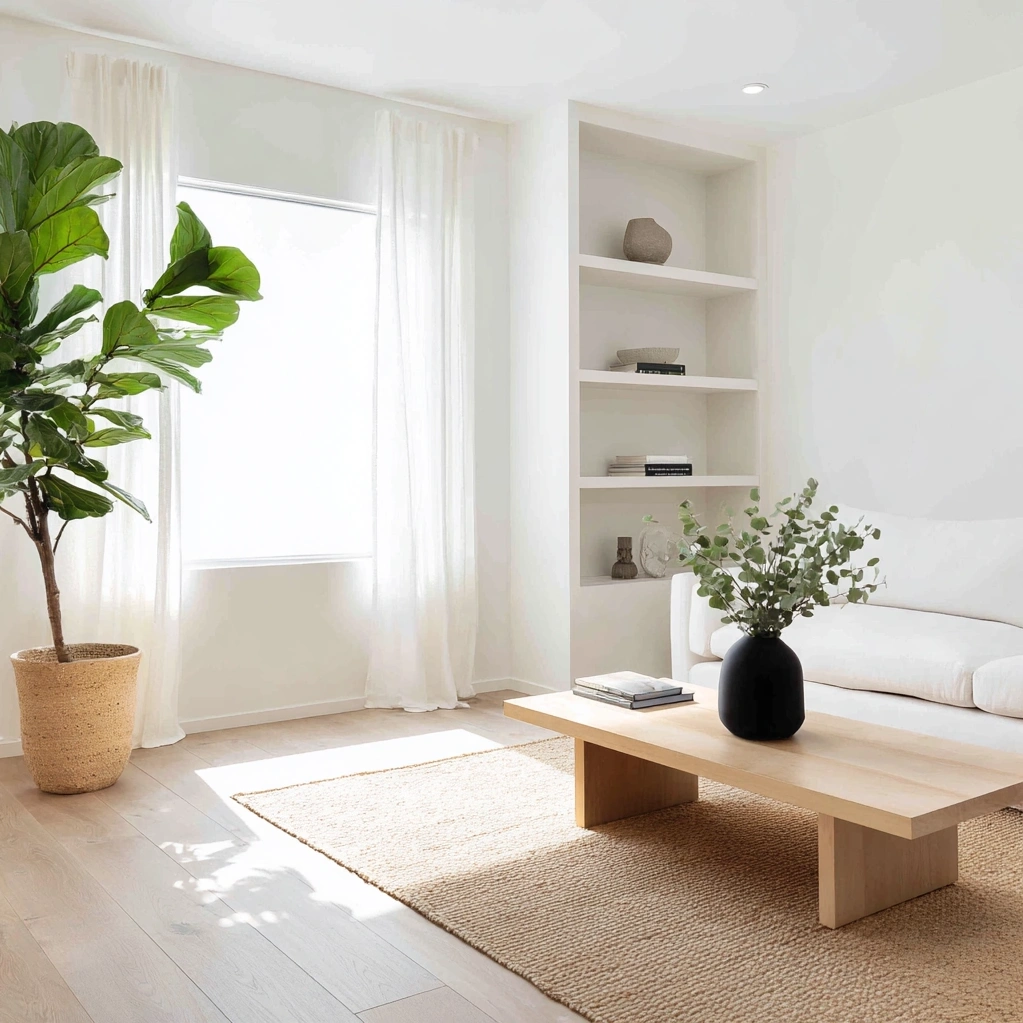
Maintaining Your Minimal White Background with Ease
One of the biggest concerns about white spaces is maintenance, but with smart choices and simple habits, keeping your minimal white background pristine becomes surprisingly manageable. Start with material selection—choose finishes that are both beautiful and practical. Washable paint in satin or eggshell finishes resists stains and wipes clean easily. For furniture and textiles, look for performance fabrics that repel spills and resist fading. These practical decisions upfront save countless hours of cleaning later.
Establish simple daily habits that preserve your peaceful environment. The "one in, one out" rule prevents clutter accumulation—when you bring something new into a space, remove something else. Regular surface wiping with microfiber cloths prevents dust buildup that can dull white surfaces. Designate specific homes for everyday items so they don't end up scattered across your clean backgrounds.
Most importantly, embrace imperfection as part of the living process. A minimal white background isn't meant to be a museum display but a functional living space. Minor scuffs, subtle wear patterns, and occasional clutter are signs of life and use. The goal isn't sterile perfection but creating an environment that supports your daily activities while maintaining overall calm. With these approaches, maintenance becomes a minimal part of your routine rather than a constant chore.
Conclusion
The journey toward embracing a minimal white background transforms more than just your physical space—it reshapes how you interact with your home and yourself. By creating environments of clarity and calm, you design spaces that actively support your wellbeing rather than simply containing your possessions. The three principles we've explored—understanding the psychological benefits, applying intentional design strategies, and establishing manageable maintenance habits—provide a comprehensive roadmap for success.
Looking forward, the appeal of minimal white backgrounds will only grow as our lives become increasingly digital and fast-paced. These spaces offer physical counterpoints to screen-filled days, providing visual rest and mental clarity. As sustainable living gains importance, the minimalist approach naturally aligns with conscious consumption and thoughtful curation.
Begin your transformation with one small space. Paint a single wall, clear a shelf, or create a clean corner where you can experience the benefits firsthand. Notice how the simplicity makes you feel—the reduced stress, the improved focus, the enhanced appreciation for meaningful objects. From this starting point, you can gradually expand the approach throughout your home, creating a sanctuary that reflects both beauty and intentional living. The minimal white background isn't an endpoint but a beginning—a foundation for building the life you want to live.
Frequently Asked Questions
Q: Won't a minimal white background make my home feel cold and sterile?
This is a common concern, but when executed thoughtfully, a minimal white background creates warmth through texture, natural materials, and strategic accents. Incorporate wood elements, woven textiles, and living plants to add organic warmth. Use varied lighting—warm bulbs, candles, and natural light—to create cozy atmospheres. The white serves as a neutral foundation that actually enhances other warm elements rather than competing with them.
Q: How do I prevent a minimal white background from looking too empty or unfinished?
The key is intentional curation rather than simply removing items. Choose a few high-quality, meaningful pieces that you truly love and display them with ample space around each. Use varying heights and scales to create visual interest—a tall plant next to a low sculpture, for example. Layer textures through rugs, throws, and decorative objects. The space between items (negative space) becomes an active design element that gives your selections importance and breathing room.
Q: Is a minimal white background practical for homes with children or pets?
Absolutely, with smart material choices and realistic expectations. Opt for washable paint in satin or semi-gloss finishes that clean easily. Choose performance fabrics for furniture that resist stains and are machine washable. Designate specific, accessible storage for toys and pet items to maintain organization. Embrace the idea that your home is for living—minor scuffs and occasional clutter are normal. The minimal approach actually makes cleaning quicker since there are fewer items to work around and surfaces are easier to access.