
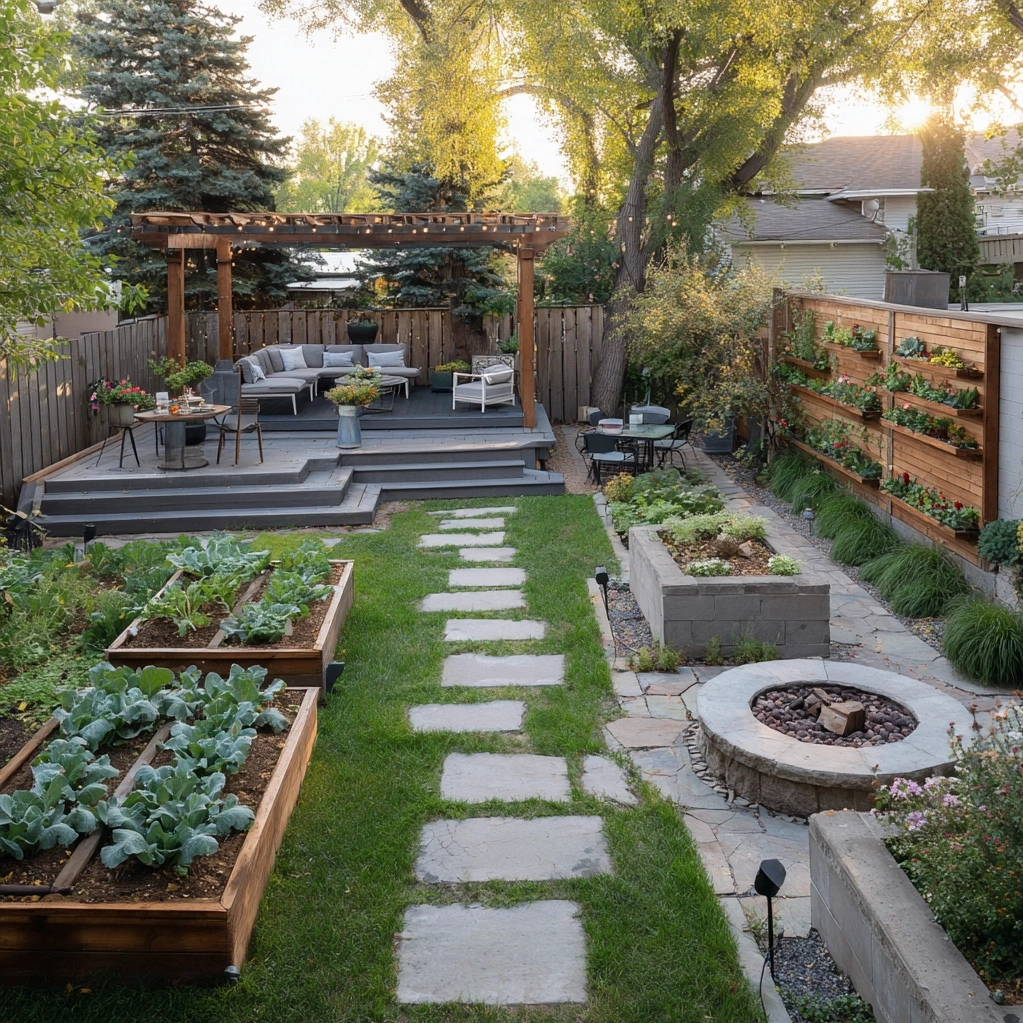
Your outdoor space is more than just a yard—it’s an extension of your home, a sanctuary where memories are made, and a canvas waiting for your creative touch. Landscape design ideas have the power to transform ordinary outdoor areas into extraordinary living environments that reflect your personality and enhance your quality of life. Whether you have a sprawling backyard or a cozy urban balcony, thoughtful landscape design can create functional zones for entertaining, quiet corners for relaxation, and beautiful vistas that change with the seasons. Many homeowners underestimate the impact of well-planned outdoor spaces, settling for basic lawns or neglected gardens. Yet investing time in developing landscape design ideas pays dividends in property value, daily enjoyment, and connection to nature. From creating flow between indoor and outdoor living areas to selecting plants that thrive in your climate, landscape design involves both artistic vision and practical considerations. This article will guide you through inspiring landscape design ideas that work for various spaces and budgets. You’ll discover how to assess your current outdoor area, choose elements that complement your home’s architecture, and create a cohesive design that evolves beautifully over time. Whether you’re starting from scratch or refreshing an existing space, these landscape design ideas will help you envision possibilities you might not have considered.
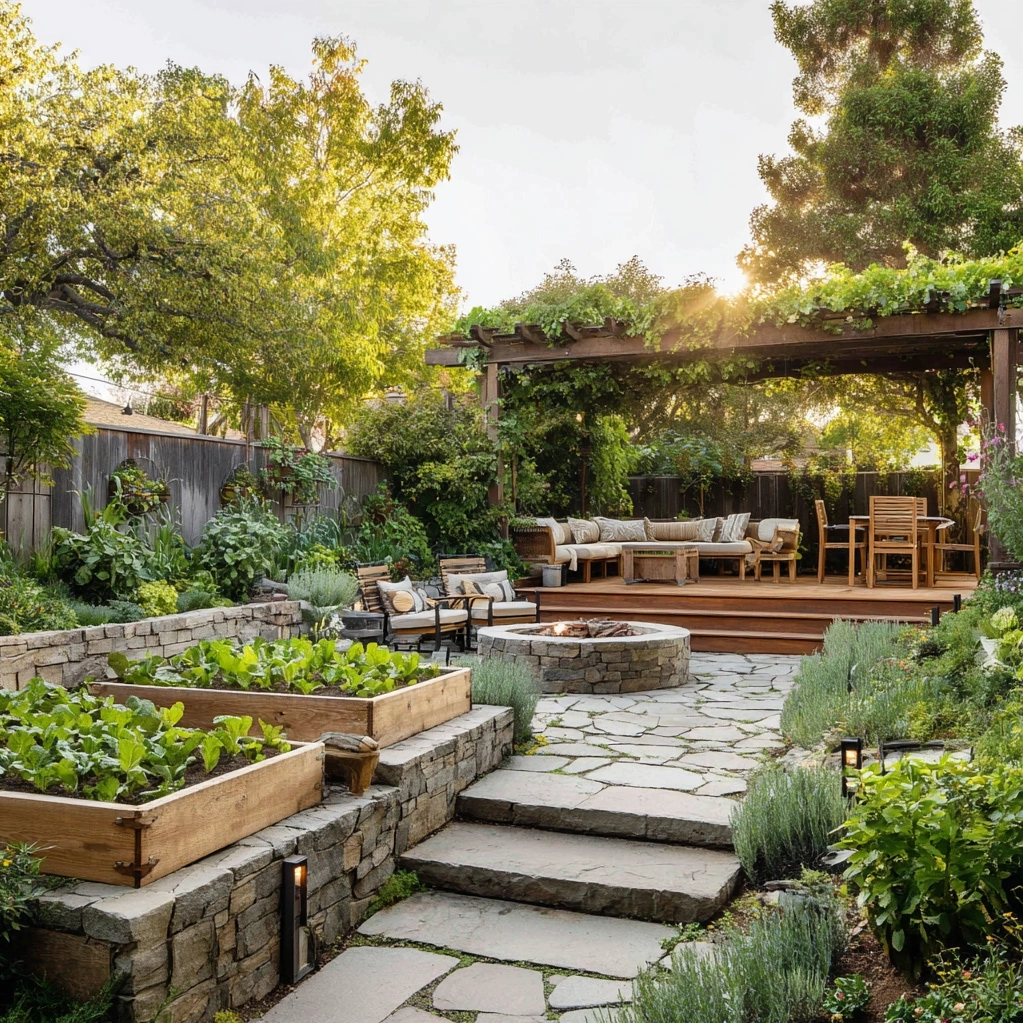
Essential Landscape Design Ideas for Small Urban Spaces
Don't let limited square footage restrict your landscape design possibilities. Small urban spaces offer unique opportunities for creative landscape design ideas that maximize every inch. Vertical gardening is one of the most effective approaches—install wall-mounted planters, trellises with climbing vines, or tiered shelving systems to add greenery without sacrificing floor space. Container gardens provide flexibility, allowing you to rearrange plants seasonally or as your design evolves. Choose multi-functional furniture, like benches with built-in storage or foldable tables, that can be adapted for different uses. When planning landscape design ideas for small areas, consider creating visual depth through layered planting. Place taller plants or structures at the back, medium-height elements in the middle, and ground covers or low-growing plants in front. This technique makes spaces feel larger and more dynamic. Incorporate mirrors strategically placed to reflect light and create the illusion of expanded space, but ensure they're positioned safely and weather-resistant. Lighting plays a crucial role in small landscape design—string lights, solar-powered path markers, and uplighting can transform evening atmospheres. For flooring, consider materials like composite decking or patterned tiles that define zones without overwhelming the space. Even in compact areas, you can implement landscape design ideas that include water features, like tabletop fountains or wall-mounted water walls, which add soothing sounds and visual interest. The key is to prioritize quality over quantity, selecting a few well-chosen elements that create harmony rather than clutter.
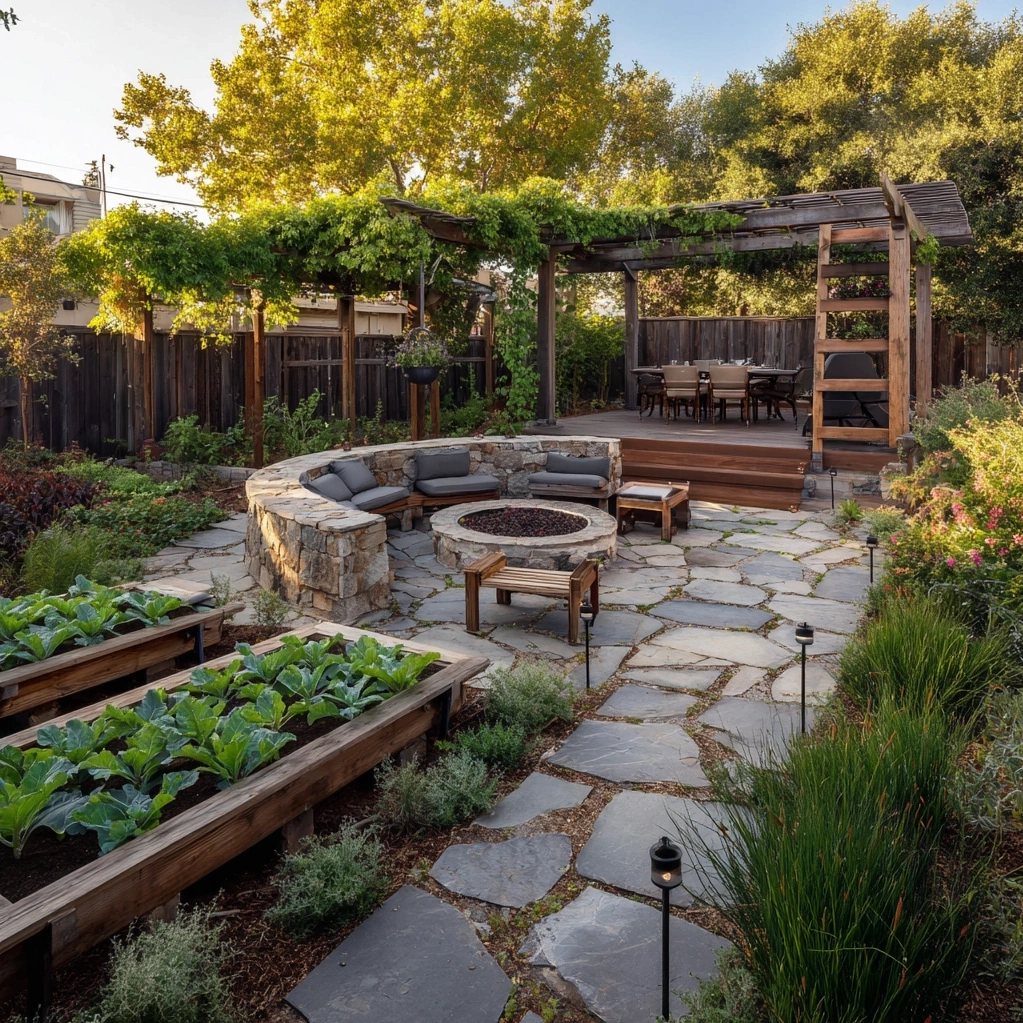
Sustainable Landscape Design Ideas for Eco-Friendly Gardens
Sustainable landscape design ideas not only benefit the environment but also create low-maintenance, resilient outdoor spaces that thrive naturally. Start by choosing native plants adapted to your local climate—they require less water, fewer fertilizers, and provide habitat for local wildlife. Group plants with similar water needs together in hydrozones to optimize irrigation efficiency. Incorporate permeable paving materials like gravel, permeable concrete, or spaced pavers that allow rainwater to infiltrate the soil rather than running off. Rain gardens are excellent landscape design ideas for managing stormwater—these shallow depressions planted with water-tolerant species capture and filter runoff from roofs and driveways. Consider installing a rainwater harvesting system with barrels or cisterns to collect water for irrigation. For hardscape elements, use reclaimed or locally sourced materials to reduce transportation emissions and support circular economies. Edible gardens represent another valuable category of sustainable landscape design ideas—incorporate fruit trees, vegetable beds, and herb gardens that provide fresh produce while enhancing biodiversity. Create habitats for pollinators by including flowering plants that bloom at different times throughout the growing season. Composting systems turn yard waste and kitchen scraps into nutrient-rich soil amendments, closing the loop in your garden's ecosystem. Energy-efficient lighting, such as solar-powered LEDs or motion-activated fixtures, reduces electricity consumption while providing safety and ambiance. These sustainable landscape design ideas create outdoor spaces that are not only beautiful but also contribute positively to local ecosystems and reduce your environmental footprint.
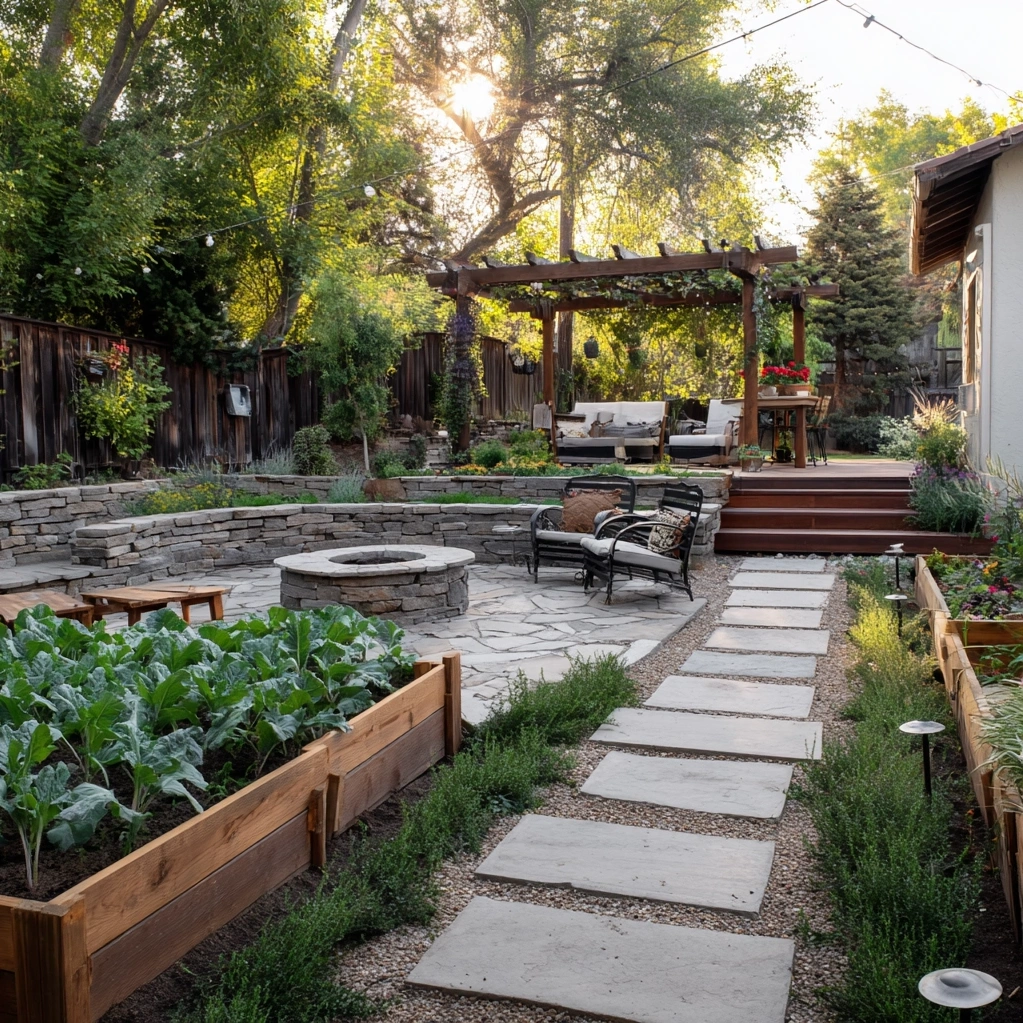
Seasonal Landscape Design Ideas for Year-Round Beauty
Great landscape design ideas consider all four seasons, ensuring your outdoor space remains engaging and beautiful throughout the year. Start by selecting plants with staggered bloom times, foliage interest, and winter structure. Spring-blooming bulbs like tulips and daffodils provide early color, followed by summer perennials, autumn foliage displays, and evergreen structure in winter. Incorporate trees and shrubs with interesting bark, berries, or architectural forms that stand out during dormant months. Hardscape elements become particularly important in seasonal landscape design ideas—stone pathways, retaining walls, and decorative fences provide structure when plants are less visible. Consider adding elements specifically for colder months, like outdoor fire pits or heated seating areas that extend usability into autumn and early winter. For winter interest, include plants with colorful stems (like red-twig dogwood), persistent seed heads (like ornamental grasses), or evergreen foliage. Your seasonal landscape design ideas should also account for maintenance cycles—create accessible storage for seasonal items like cushions, pots, and tools. Implement irrigation systems with timers that adjust for seasonal rainfall patterns. Lighting design should enhance seasonal features: spotlight autumn foliage, use warmer lights for winter evenings, and incorporate festive elements for holidays if desired. Don't forget about supporting wildlife through the seasons—include plants that provide food and shelter year-round. By planning your landscape design ideas with all seasons in mind, you create a dynamic outdoor environment that offers new discoveries and pleasures every month of the year.
Conclusion
Landscape design ideas offer endless possibilities for transforming your outdoor space into a personalized retreat that enhances both your property's value and your daily life. From maximizing small urban areas with vertical solutions to implementing sustainable practices that benefit the environment, thoughtful landscape design considers aesthetics, functionality, and ecological impact. Seasonal planning ensures your garden remains engaging throughout the year, with elements that shine in every season. The most successful landscape design ideas start with understanding your space, needs, and local conditions, then building a cohesive plan that balances hardscape and softscape elements. Remember that landscape design is not a one-time project but an evolving process—plants grow, needs change, and new inspiration emerges. Start with a clear vision but remain flexible to adapt as your space develops. Whether you implement these landscape design ideas gradually or undertake a complete transformation, the key is to create an outdoor environment that reflects your personality and supports your lifestyle. As you move forward, consider consulting with local experts or joining gardening communities to exchange ideas and learn from others' experiences. Your outdoor space awaits your creative touch—begin exploring landscape design ideas today and watch as your vision comes to life, season after beautiful season.
Frequently Asked Questions
Q: What are the first steps in developing landscape design ideas for a new property?
Begin by thoroughly assessing your space—note sunlight patterns throughout the day, soil conditions, drainage issues, and existing features worth keeping. Measure your property accurately and create a basic sketch. Next, identify how you want to use the space: entertainment areas, vegetable gardens, play zones, or quiet retreats. Research plants suitable for your climate and maintenance level. Consider your budget and timeline—some landscape design ideas can be implemented gradually. Many homeowners find it helpful to create a mood board with images, colors, and materials they love before making final decisions.
Q: How can I incorporate landscape design ideas on a limited budget?
Excellent landscape design ideas don't require large investments. Start with inexpensive improvements like defining edges with natural stones or repurposed materials. Propagate plants from cuttings or divisions from friends' gardens. Shop end-of-season sales for perennials and trees. Focus on one area at a time rather than tackling everything simultaneously. Use mulch to create clean, polished looks while suppressing weeds. DIY projects like building raised beds or creating stone pathways can save significant costs. Remember that well-planned, simple landscape design ideas often have more impact than expensive but poorly coordinated elements.
Q: What are common mistakes to avoid when implementing landscape design ideas?
One common mistake is planting without considering mature sizes—plants that outgrow their space require frequent pruning or removal. Another is neglecting soil preparation, which leads to poor plant health. Avoid creating disjointed designs by ensuring all elements work together cohesively. Don't overlook practical considerations like irrigation access, maintenance requirements, and safety issues. Many homeowners make the error of choosing plants based solely on appearance without researching their suitability for local conditions. Finally, resist the temptation to overcrowd spaces—thoughtful negative space is as important as planted areas in successful landscape design ideas.