
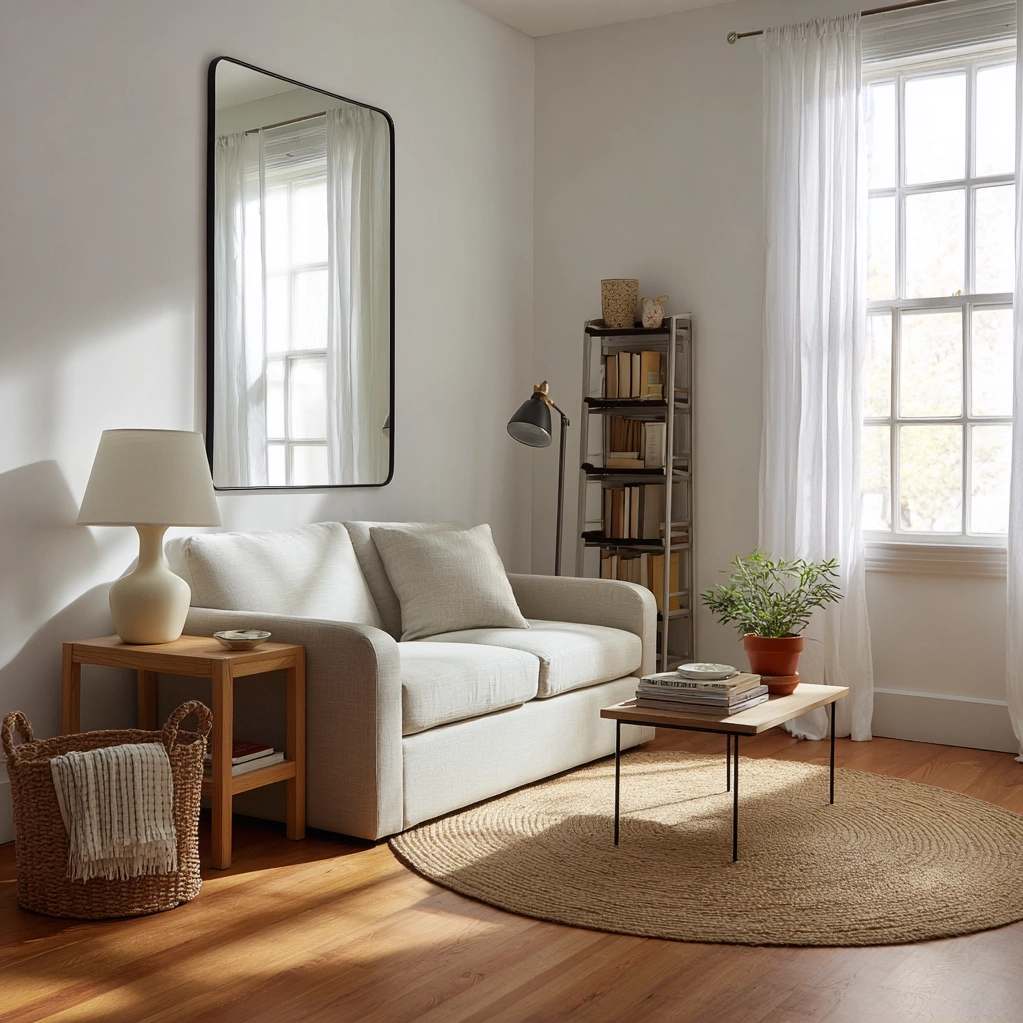
Small sitting rooms often get overlooked or dismissed as challenging spaces to decorate. Many homeowners feel limited by square footage, assuming they must sacrifice style or functionality. Yet, these intimate spaces hold incredible potential. With thoughtful design, a small sitting room can become the most cherished spot in your home—a cozy retreat for relaxation, conversation, or quiet moments. The key lies in embracing the compact nature rather than fighting it. Smart furniture choices, clever storage, and strategic layouts can transform even the tiniest area into a welcoming haven. This isn’t just about making do; it’s about creating a space that feels intentionally delightful. Whether you’re working with a compact apartment living room, a snug reading nook, or a petite parlor, the principles of scale, light, and multi-functionality are your best allies. Let’s explore how to turn your small sitting room into a stunning, practical space you’ll love to use every day.
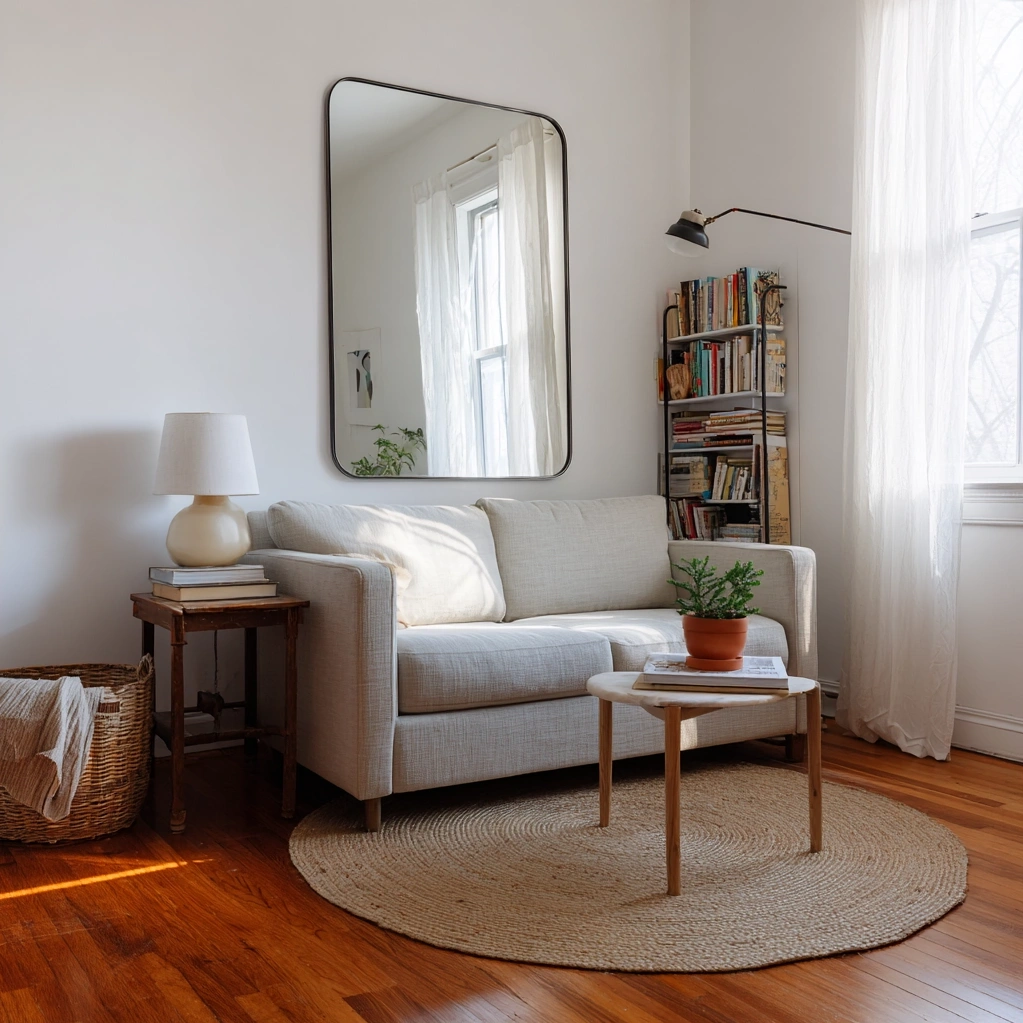
Smart Furniture Choices for Small Sitting Rooms
Choosing the right furniture is crucial for small sitting rooms. Oversized pieces can overwhelm the space, making it feel cramped and cluttered. Instead, opt for furniture with a smaller footprint and clean lines. A loveseat or apartment-sized sofa often works better than a full-sized sectional. Consider armless chairs or slim-profile designs that take up less visual space. Multi-functional pieces are game-changers. An ottoman with hidden storage can serve as a coffee table, extra seating, and a place to stash blankets. Nesting tables offer flexibility—use them together when needed or tuck them away separately. Look for furniture with exposed legs; this creates a sense of airiness by allowing light to flow underneath. Scale is everything. Measure your room carefully before buying. Leave enough walking space around furniture to maintain easy movement. A common mistake is pushing all furniture against the walls. Sometimes, floating a sofa or chair away from the wall can actually make the room feel larger by creating defined zones. Lightweight, movable pieces like accent chairs or stools add versatility. They can be rearranged for different occasions, from solo reading to hosting a few friends. Remember, every piece should earn its place. If it doesn't serve a purpose or bring you joy, it might be worth reconsidering. With thoughtful selection, your small sitting room can feel both functional and inviting.
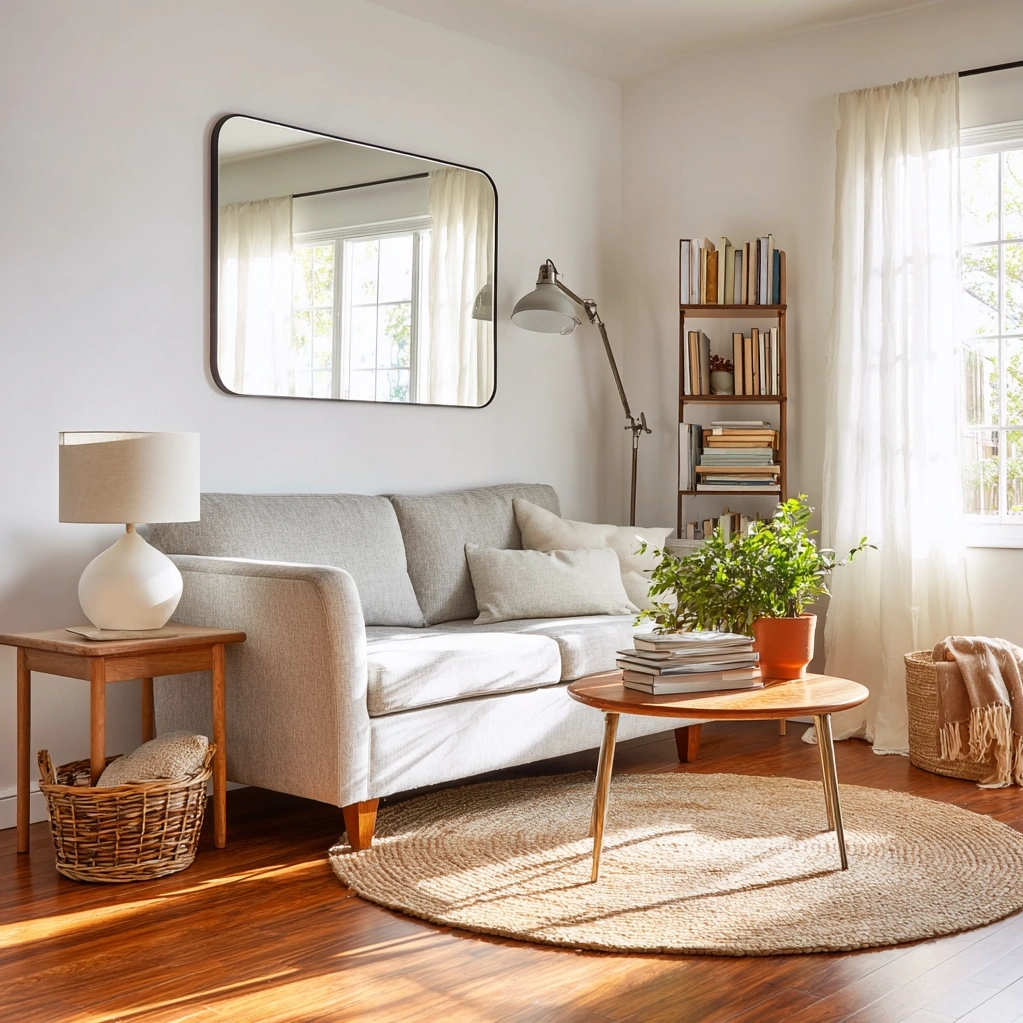
Maximizing Light and Color in Small Sitting Rooms
Light and color play powerful roles in shaping the perception of small sitting rooms. A well-lit space feels more open and inviting. Maximize natural light by keeping windows unobstructed. Use sheer curtains or light-filtering shades that allow sunlight to pour in while maintaining privacy. Mirrors are a classic trick for amplifying light. Place a large mirror opposite a window to reflect light and create the illusion of depth. Consider mirrored furniture or decorative accents for a similar effect. Layered lighting is essential for functionality and ambiance. Combine overhead lights with task lighting (like floor lamps for reading) and accent lighting (such as wall sconces or small table lamps). Dimmers add flexibility, allowing you to adjust the mood throughout the day. When it comes to color, light neutrals like soft whites, pale grays, or creamy beiges can make walls recede, making the room feel larger. But don't be afraid of color entirely. An accent wall in a deeper hue can add drama without overwhelming the space. Use color strategically—paint the ceiling a light shade to draw the eye upward, or incorporate pops of color through accessories like pillows, rugs, or artwork. Monochromatic schemes (using varying shades of one color) create a cohesive, expansive look. Texture adds interest without adding visual clutter. Think woven baskets, plush throws, or a textured rug. These elements make the room feel cozy and lived-in. Ultimately, balance is key. Aim for a palette that feels bright and airy but still warm and personal. Your small sitting room should be a reflection of your style, not just a exercise in optical illusions.
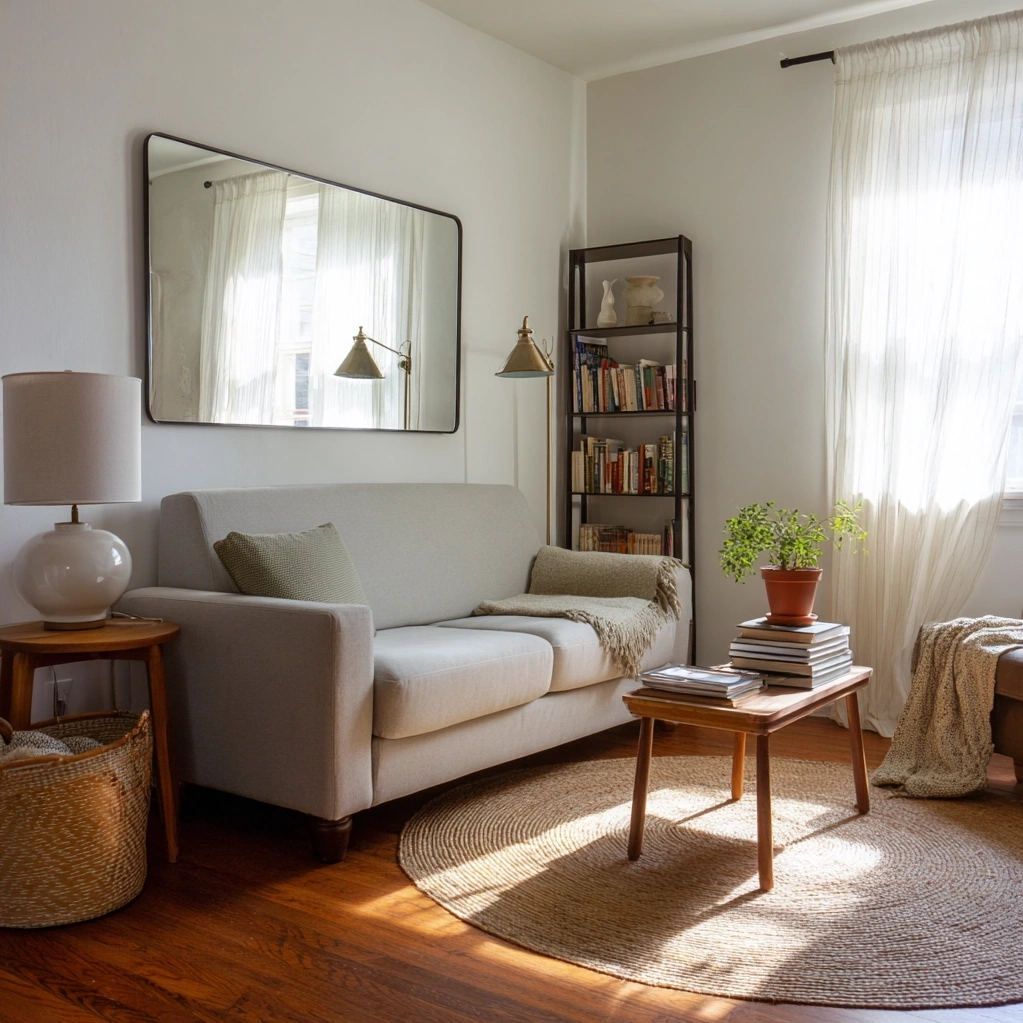
Creative Layouts and Storage for Small Sitting Rooms
An efficient layout and smart storage solutions are the backbone of a functional small sitting room. Start by defining the room's primary purpose. Is it mainly for relaxing, entertaining, or perhaps a multi-use space? This will guide your arrangement. Avoid blocking pathways; ensure there's clear access to doors and windows. Consider a focal point, like a fireplace, TV, or a piece of art, and arrange seating to face it. Angling furniture can sometimes make better use of corners and create a more dynamic flow. For very compact spaces, built-in furniture is a superb option. Custom shelving or banquette seating with storage underneath maximizes every inch. Floating shelves keep floors clear and provide display space for books or decor. Vertical storage is your friend. Tall bookcases or wall-mounted units draw the eye upward, making the ceiling feel higher. Use baskets, bins, and decorative boxes to corral items and reduce clutter. Dual-purpose furniture continues to be a star here. A storage bench can offer seating and hide items. A slim console table behind a sofa provides surface space without bulk. Don't forget about the often-overlooked areas. The space under a window can accommodate a low bench or shelves. Corners can hold a compact armchair or a plant stand. Regularly edit your belongings. A small sitting room benefits from a minimalist approach—keep only what you love and use. With a clever layout and integrated storage, your small sitting room can feel organized, spacious, and utterly livable.
Conclusion
Small sitting rooms are not limitations but opportunities for creative, intentional design. By selecting smart furniture, harnessing light and color, and implementing clever layouts with ample storage, you can transform a compact area into a cozy, functional retreat. The journey to a perfect small sitting room is about balance—blending aesthetics with practicality to create a space that feels both open and intimate. Remember, the goal isn't to mimic a large room but to celebrate the unique charm of a smaller one. These spaces encourage closeness and relaxation, making them ideal for quiet mornings with a book or heartfelt conversations with loved ones. As you refine your small sitting room, consider incorporating personal touches that reflect your style, whether through artwork, textiles, or cherished mementos. Looking ahead, the trend towards mindful living and efficient use of space will only grow, making these design principles more relevant than ever. Start with one change—perhaps a multi-functional ottoman or a fresh coat of paint—and build from there. Your small sitting room has the potential to become your favorite spot in the home, proving that great design truly has no size limit.
Frequently Asked Questions
Q: What is the best sofa size for a small sitting room?
For a small sitting room, opt for a sofa with a compact footprint, typically under 80 inches in length. Apartment-sized sofas, loveseats (around 60 inches), or even a well-proportioned two-seater are excellent choices. Look for styles with low arms or no arms, slim profiles, and exposed legs to enhance the feeling of space. Always measure your room first, leaving at least 18-24 inches of walkway around the sofa for comfortable movement.
Q: How can I make my small sitting room look bigger without remodeling?
You can create the illusion of more space with several simple tricks. Use light, neutral colors on walls and large furniture to make them recede. Incorporate mirrors to reflect light and add depth. Choose furniture with legs to allow light to flow underneath. Keep window treatments minimal to maximize natural light. Declutter regularly and use multi-functional storage pieces to maintain a clean, open look. These strategies can visually expand your small sitting room without any structural changes.
Q: Can I use dark colors in a small sitting room?
Yes, dark colors can be used effectively in small sitting rooms, but it's best to apply them strategically. Consider painting a single accent wall in a deep hue to add drama without overwhelming the space. Alternatively, use dark colors on trim, built-ins, or furniture paired with lighter walls to create contrast. Ensure the room has ample lighting to balance the darkness. Dark colors can make a small sitting room feel cozy and sophisticated when used thoughtfully, rather than making it feel closed-in.