
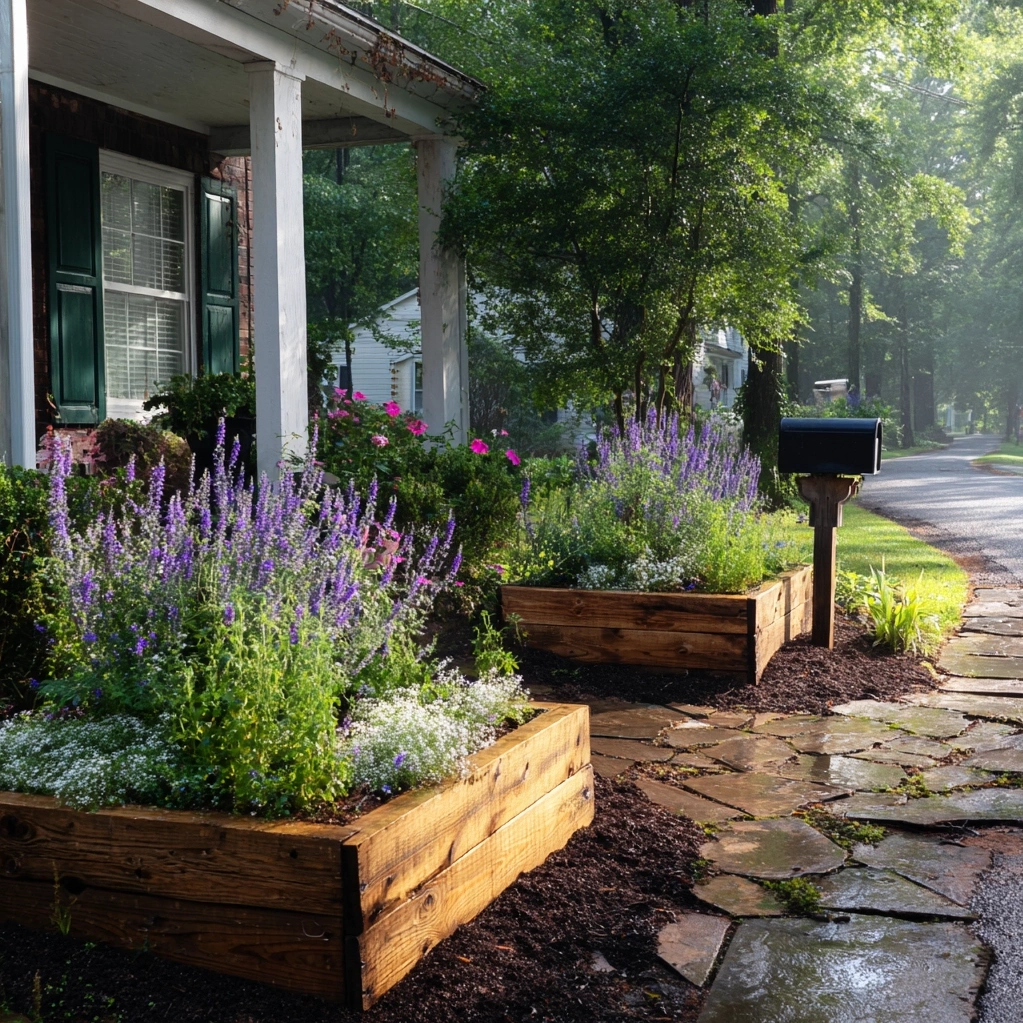
The front of your home is more than just an entryway—it’s the first impression you make on visitors and neighbors. In today’s world of landscaping, raised flower beds in front of house designs have emerged as a game-changing solution for homeowners seeking both beauty and practicality. These elevated gardens offer a distinctive approach to curb appeal that goes beyond traditional ground-level planting, creating visual interest and architectural character right at your doorstep.
Imagine transforming that flat, uninspired patch of grass into a layered, textured garden that welcomes you home each day. Raised flower beds provide numerous advantages over conventional gardening methods. They allow for better soil control, improved drainage, and easier maintenance—no more back-breaking bending or kneeling in the dirt. The elevated nature means you can create perfect growing conditions for your favorite flowers, herbs, or vegetables, regardless of your native soil quality.
Beyond functionality, these raised structures add dimension and structure to your front yard landscaping. They create natural focal points that draw the eye, frame your entryway, and complement your home's architecture. Whether you prefer a modern geometric design with clean lines or a rustic arrangement of natural materials, raised flower beds can be customized to match any aesthetic. They serve as living art installations that change with the seasons, offering year-round interest and color.
This article explores why raised flower beds in front of house setups have become so popular and how you can implement them effectively. We'll cover design considerations, practical benefits, and creative ideas to help you elevate your home's exterior. From choosing the right materials to selecting plants that thrive in raised environments, you'll discover how these gardens can transform not just your landscaping, but your entire outdoor living experience.
Designing Perfect Raised Flower Beds in Front of House Landscapes
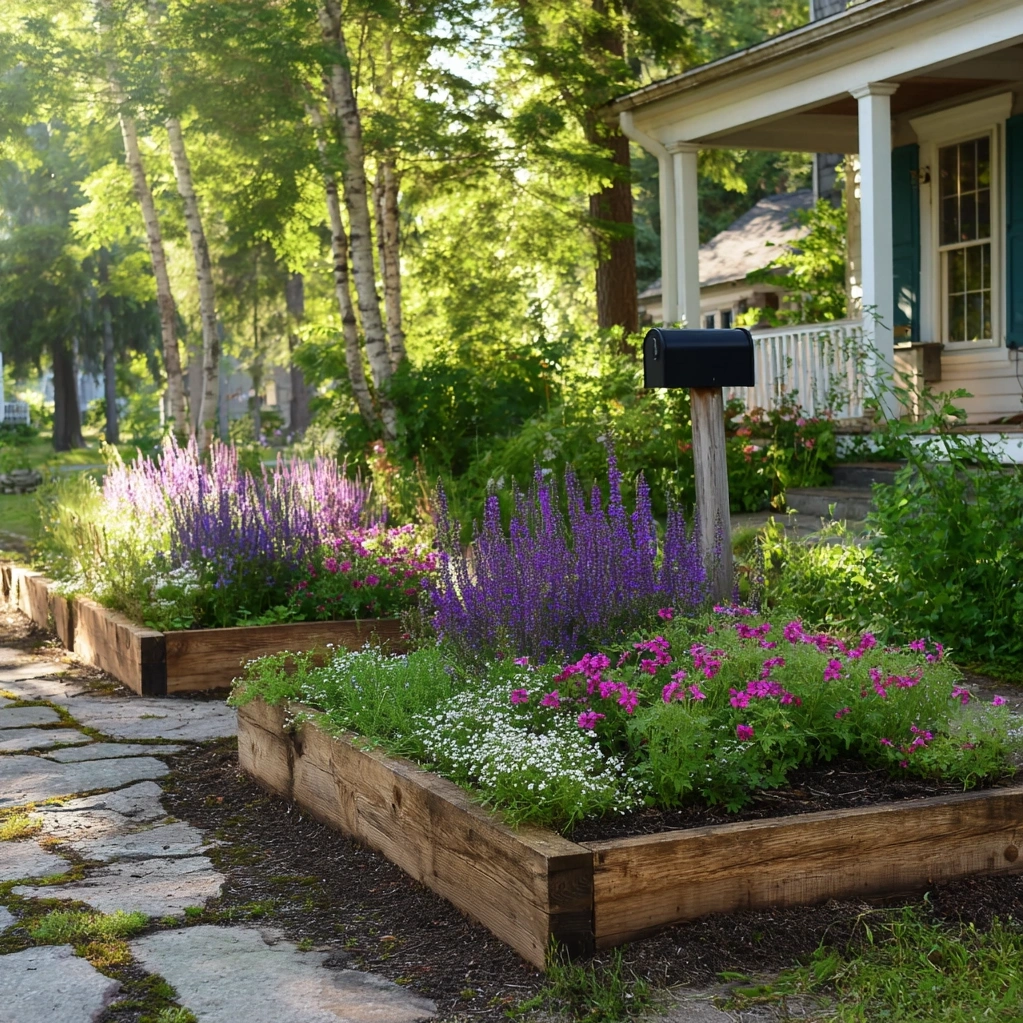
Creating beautiful raised flower beds in front of house settings requires thoughtful planning and design consideration. The placement of these elevated gardens significantly impacts their visual appeal and functionality. Position them strategically to frame your entryway, highlight architectural features, or create natural pathways that guide visitors toward your door. Consider how the beds will look from both the street perspective and from inside your home looking out—you want to enjoy the view from all angles.
Material selection plays a crucial role in the overall aesthetic. Wood offers a warm, traditional look that ages gracefully, with cedar and redwood being popular choices for their natural resistance to rot and insects. Stone or brick provides a more permanent, classic appearance that complements traditional home styles. Metal beds, particularly corten steel, offer a modern industrial look that develops a beautiful rust patina over time. Composite materials provide durability with minimal maintenance, perfect for busy homeowners.
The shape and size of your raised flower beds should complement your home's architecture and available space. Rectangular beds work well for creating clean lines along walkways or foundation walls, while curved designs soften hard architectural edges and create organic flow. Consider varying heights within your arrangement—taller beds at the back or corners, with shorter ones in front—to create depth and visual interest. This layering effect makes even small front yards appear more spacious and thoughtfully designed.
Remember that raised flower beds in front of house installations become permanent landscape features, so proper construction matters. Ensure adequate drainage with gravel layers beneath the soil, and use quality fill dirt and compost mixtures. Consider accessibility for maintenance—leave enough space between beds for comfortable movement, and ensure you can reach all planting areas without straining. With proper design, your raised beds will serve as both beautiful garden features and practical growing spaces for years to come.
Benefits of Raised Flower Beds in Front of House Setups
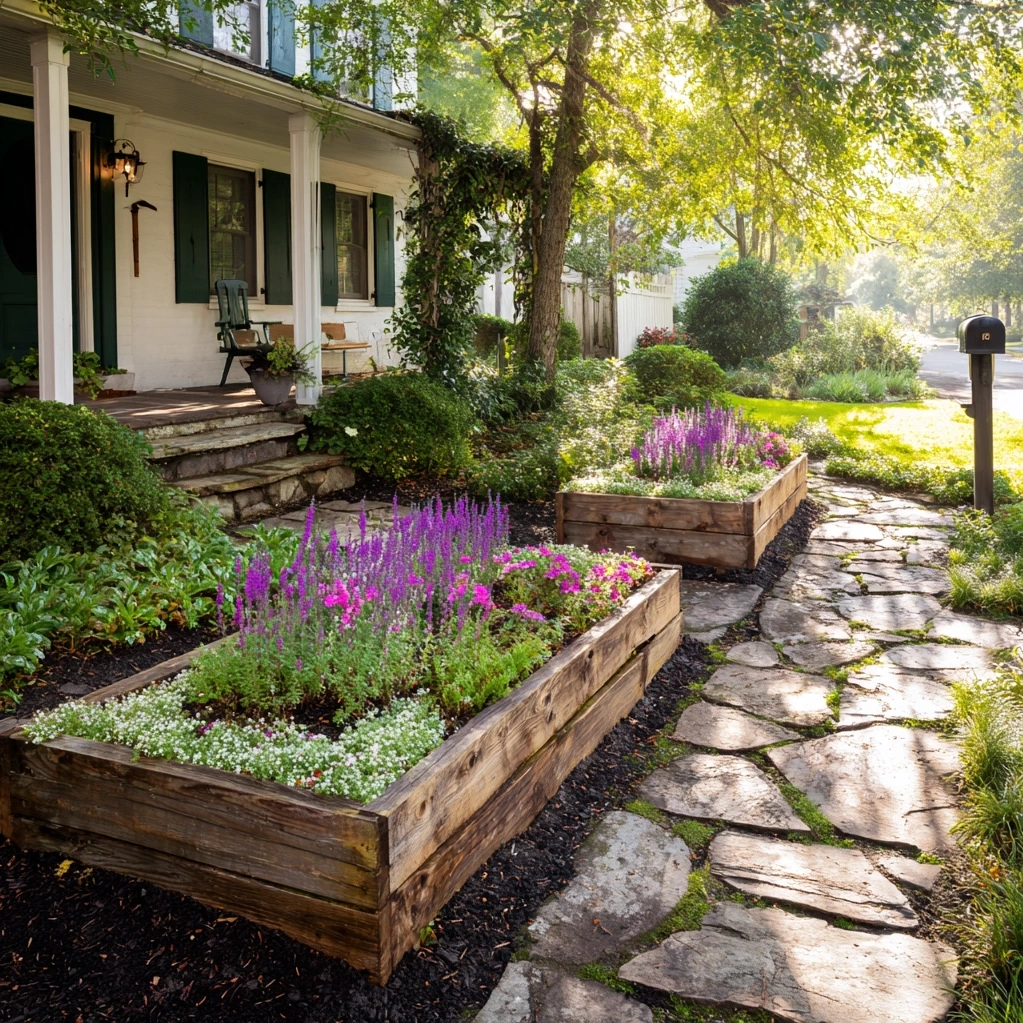
The advantages of installing raised flower beds in front of house locations extend far beyond mere aesthetics. One of the most significant benefits is improved soil quality and drainage. Unlike ground-level gardens that must contend with existing soil conditions, raised beds allow you to create the perfect growing environment from scratch. You can customize the soil mixture to suit specific plants, ensuring proper pH balance, nutrient levels, and texture. The elevated nature also prevents waterlogging, as excess moisture drains more efficiently through the loose, well-aerated soil.
Accessibility represents another major advantage, especially for homeowners with mobility challenges or those who simply want to avoid constant bending. Raised flower beds bring gardening to a comfortable height, making planting, weeding, and harvesting much easier on your back and knees. This accessibility extends the gardening season as well—the soil in raised beds warms up faster in spring, allowing for earlier planting, and stays workable later into fall.
Pest and weed control becomes more manageable with raised flower beds in front of house arrangements. The physical barrier makes it harder for ground-dwelling pests to reach your plants, while the defined boundaries help contain weeds. You can easily install protective covers or netting when needed, and the clean separation between garden and lawn prevents grass from encroaching on your planting areas. This means less time spent on maintenance and more time enjoying your beautiful front yard.
These elevated gardens also offer creative flexibility that ground-level planting cannot match. You can create tiered arrangements, incorporate built-in seating along the edges, or add decorative elements like trellises and lighting. Raised flower beds make excellent focal points that draw attention to your home's best features while concealing less attractive areas like foundation walls or utility access points. They add architectural interest to otherwise flat landscapes, creating depth and dimension that enhances your entire property's visual appeal.
Plant Selection for Raised Flower Beds in Front of House Gardens
Choosing the right plants for your raised flower beds in front of house locations requires consideration of both aesthetic goals and practical growing conditions. The improved drainage and soil quality in raised beds create excellent environments for many plants that might struggle in ground-level gardens. Start by considering your home's architectural style and color scheme—select plants that complement rather than compete with your house's appearance.
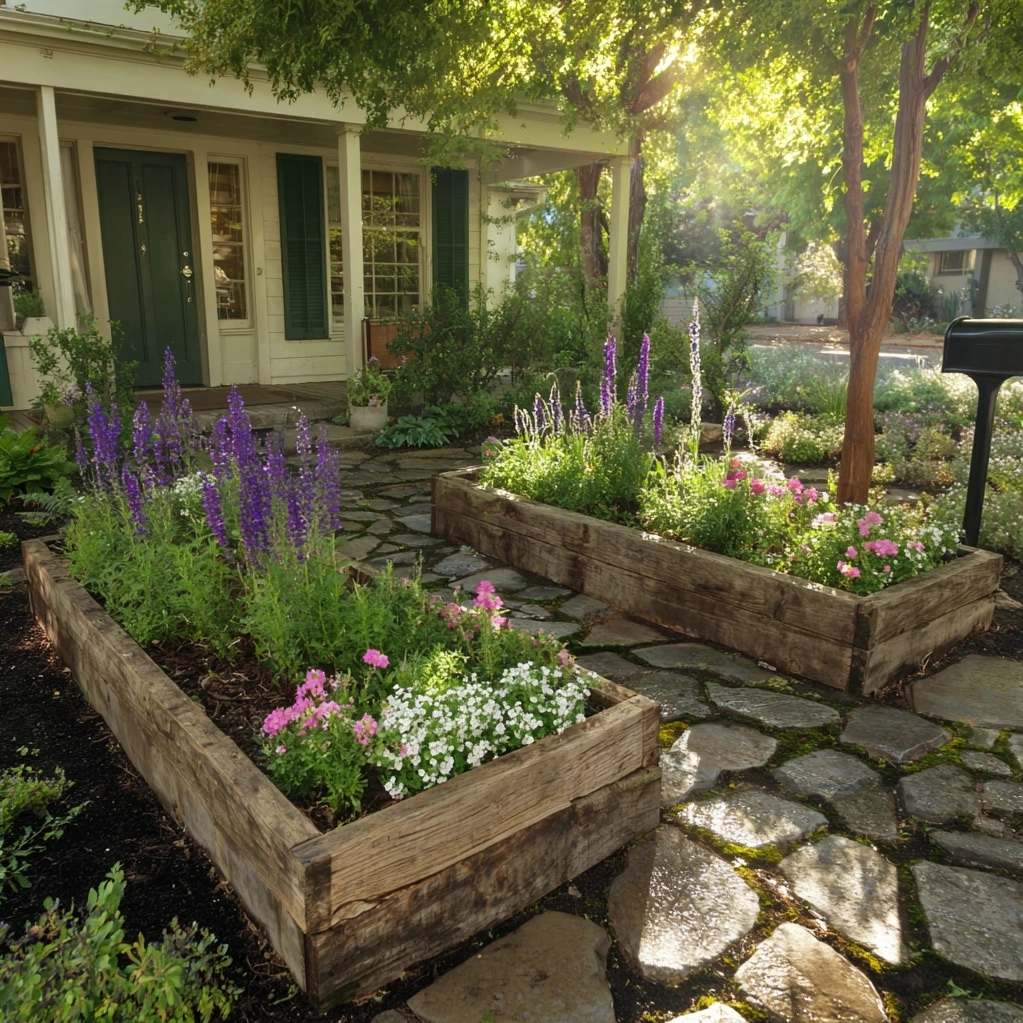
For year-round interest, incorporate a mix of perennials, annuals, and evergreen elements. Perennials like lavender, salvia, and coreopsis provide reliable color and structure year after year, while annuals such as petunias, marigolds, and impatiens offer seasonal bursts of vibrant color. Evergreen shrubs or ornamental grasses planted toward the back or corners of your raised flower beds provide winter interest and permanent structure when other plants have died back.
Consider the height and growth habits of your chosen plants. Taller plants should go toward the back or center of wider beds, with medium-height plants in the middle, and low-growing varieties along the edges. This creates a pleasing graduated effect that showcases all plants while maintaining visibility from the street. For raised flower beds in front of house settings, avoid plants that grow too tall and obstruct windows or views—typically anything over 3 feet should be placed carefully.
Think about maintenance requirements and local climate conditions. Drought-tolerant plants like sedum, yarrow, and Russian sage work well in sunny locations with minimal watering. For shadier spots near porches or under trees, consider hostas, ferns, or astilbes. Remember that raised beds dry out faster than ground-level gardens, so plants with moderate water needs might require more frequent watering during hot periods. Group plants with similar water and sunlight requirements together for easier care.
Don't forget about fragrance and texture when planning your raised flower beds. Scented plants like roses, gardenias, or jasmine planted near entryways create welcoming aromas for visitors. Varied leaf textures—from the fine needles of ornamental grasses to the broad leaves of hostas—add visual interest even when plants aren't in bloom. With thoughtful plant selection, your raised beds will provide continuous beauty through all seasons.
Conclusion
Raised flower beds in front of house installations represent more than just a gardening trend—they're a smart, beautiful solution for enhancing your home's exterior. As we've explored, these elevated gardens offer numerous practical benefits while dramatically improving curb appeal. They transform ordinary front yards into welcoming, layered landscapes that reflect your personal style and gardening passion. The combination of improved soil control, easier maintenance, and creative design flexibility makes them an excellent investment for any homeowner.
Looking forward, the popularity of raised flower beds continues to grow as people seek sustainable, low-maintenance ways to beautify their outdoor spaces. Future innovations may include smarter irrigation systems integrated directly into bed designs, more sustainable building materials, and modular systems that allow for easy reconfiguration as your needs change. The movement toward edible landscaping also makes raised beds ideal for growing herbs and vegetables right at your front door, combining beauty with functionality in exciting new ways.
As you consider implementing raised flower beds in your own front yard, remember that success comes from careful planning. Start small if you're new to raised bed gardening—perhaps with a single bed near your entryway—and expand as you gain confidence. Observe how sunlight moves across your front yard throughout the day, and choose plants accordingly. Consider how your beds will look during different seasons, and plan for year-round interest with a mix of evergreen and seasonal plants.
The most important step is simply to begin. Even a modest raised flower bed can transform your home's appearance and your gardening experience. These elevated gardens invite creativity, encourage outdoor time, and create lasting beauty that you'll enjoy every time you arrive home. Whether you're an experienced gardener or just beginning your landscaping journey, raised flower beds offer a rewarding way to make your house truly feel like home.
Frequently Asked Questions
Q: What is the ideal height for raised flower beds in front of house locations?
The ideal height for raised flower beds typically ranges from 12 to 24 inches. For front house locations, consider both aesthetics and functionality. Beds around 18 inches high offer good visibility from the street while providing sufficient soil depth for most plants. Taller beds (20-24 inches) are excellent for accessibility—they minimize bending and are perfect for gardeners with mobility concerns. Shorter beds (12-15 inches) work well for low-growing plants and create a more subtle look. Consider your home's scale too—taller homes can support higher beds without appearing disproportionate.
Q: How do I prevent soil from washing out of my raised flower beds?
Preventing soil erosion in raised flower beds involves several strategies. First, ensure your beds have proper drainage holes or gaps at the bottom to prevent water accumulation. Use quality soil mixtures with good structure—combine garden soil with compost and organic matter to create a stable, well-draining medium. Adding a 1-2 inch layer of mulch on top helps retain moisture and prevent surface erosion during heavy rains. For sloped locations, consider terracing or creating retaining walls within the bed design. Regularly check and replenish soil levels, as settling naturally occurs over time.
Q: Can I install raised flower beds directly against my house foundation?
While you can install raised flower beds near your house foundation, proper spacing is crucial. Leave at least 6-12 inches between the bed and your foundation to allow for air circulation and prevent moisture buildup against your home's exterior. This gap helps protect your foundation from excess moisture and makes maintenance easier. Use a waterproof barrier on the house-facing side of the bed if planting directly against the foundation, and ensure the bed slopes slightly away from your home for proper drainage. Always check local building codes and consider consulting a professional if you have concerns about moisture or structural issues.