
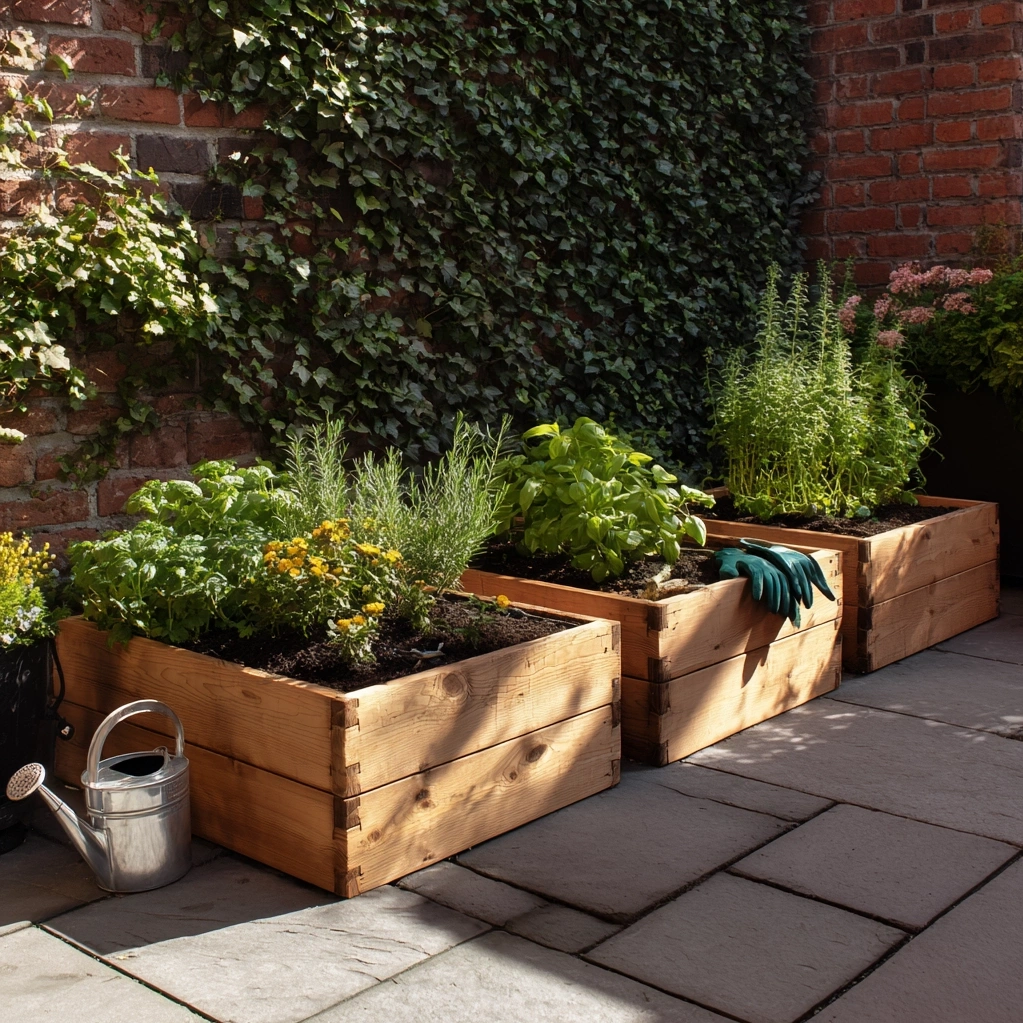
Imagine transforming your outdoor space into a lush, vibrant oasis with a single element that combines natural beauty, functionality, and endless creative possibilities. The wood planter box is more than just a container for plants—it’s a cornerstone of garden design that brings organization, charm, and personal expression to any setting. Whether you’re cultivating herbs on a balcony, creating a floral display in your backyard, or adding greenery to a patio, a well-crafted wood planter box elevates your gardening experience from ordinary to extraordinary. The appeal of wood lies in its timeless aesthetic; it blends seamlessly with both modern and traditional decor while offering durability and a warm, organic feel that synthetic materials simply can’t match. Beyond aesthetics, wood planter boxes provide practical benefits like improved drainage, better soil control, and protection from pests, making them a smart choice for both novice and experienced gardeners. They allow you to garden in spaces where traditional planting isn’t possible, such as concrete patios or urban rooftops, bringing nature closer to home. In this article, we’ll explore why wood planter boxes are an essential addition to any garden, offering tips, ideas, and insights to help you choose, use, and enjoy these versatile pieces. From DIY projects to ready-made options, discover how a simple wood planter box can redefine your outdoor living area, making it more inviting, productive, and beautiful. Let’s dive into the world of wood planter boxes and unlock their potential to enhance your green spaces.
Choosing the Perfect Wood Planter Box for Your Space
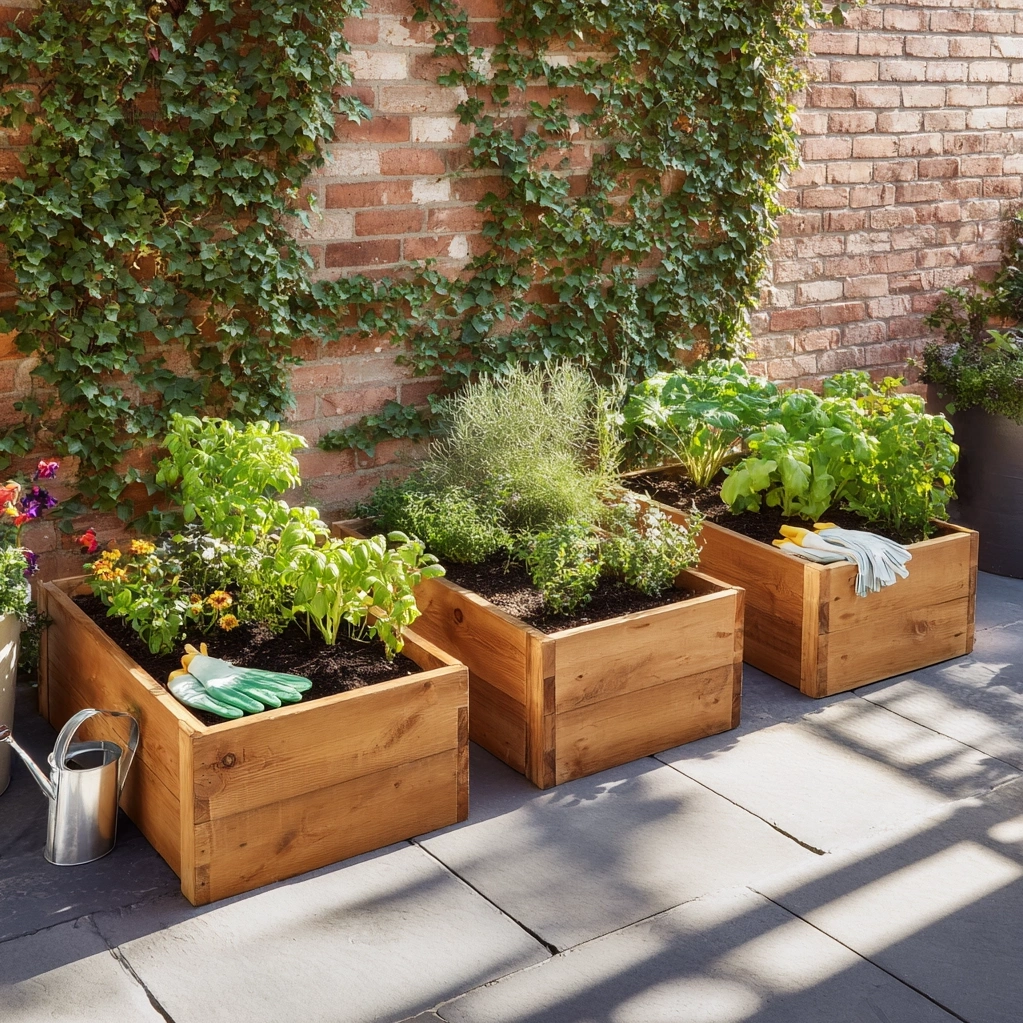
Selecting the right wood planter box involves considering factors like size, wood type, and design to ensure it fits your garden's needs and style. First, assess the available space: measure the area where you plan to place the box, accounting for pathways and other elements. A wood planter box that's too large can overwhelm a small balcony, while one that's too small might not provide enough growing room for your plants. Common wood types include cedar, redwood, and pressure-treated pine, each with unique benefits. Cedar and redwood are naturally resistant to rot and insects, making them ideal for long-lasting outdoor use without chemical treatments. Pressure-treated pine is more affordable but may require sealing to prevent moisture damage. Design-wise, consider the box's depth: shallow boxes (6-12 inches) suit herbs and flowers, while deeper ones (18+ inches) are better for vegetables or shrubs. Look for features like drainage holes, which are crucial for preventing root rot, and optional liners or trays for easy maintenance. Aesthetics matter too—choose a finish that complements your home's exterior, whether it's a natural stain, painted hue, or rustic weathered look. For mobility, consider adding casters to larger boxes, allowing you to rearrange your garden as needed. Remember, a well-chosen wood planter box not only supports plant health but also enhances your outdoor decor, creating a cohesive and inviting atmosphere. Take time to research and compare options, keeping in mind your climate, gardening goals, and personal taste for a perfect match.
DIY Wood Planter Box Projects for Creative Gardeners
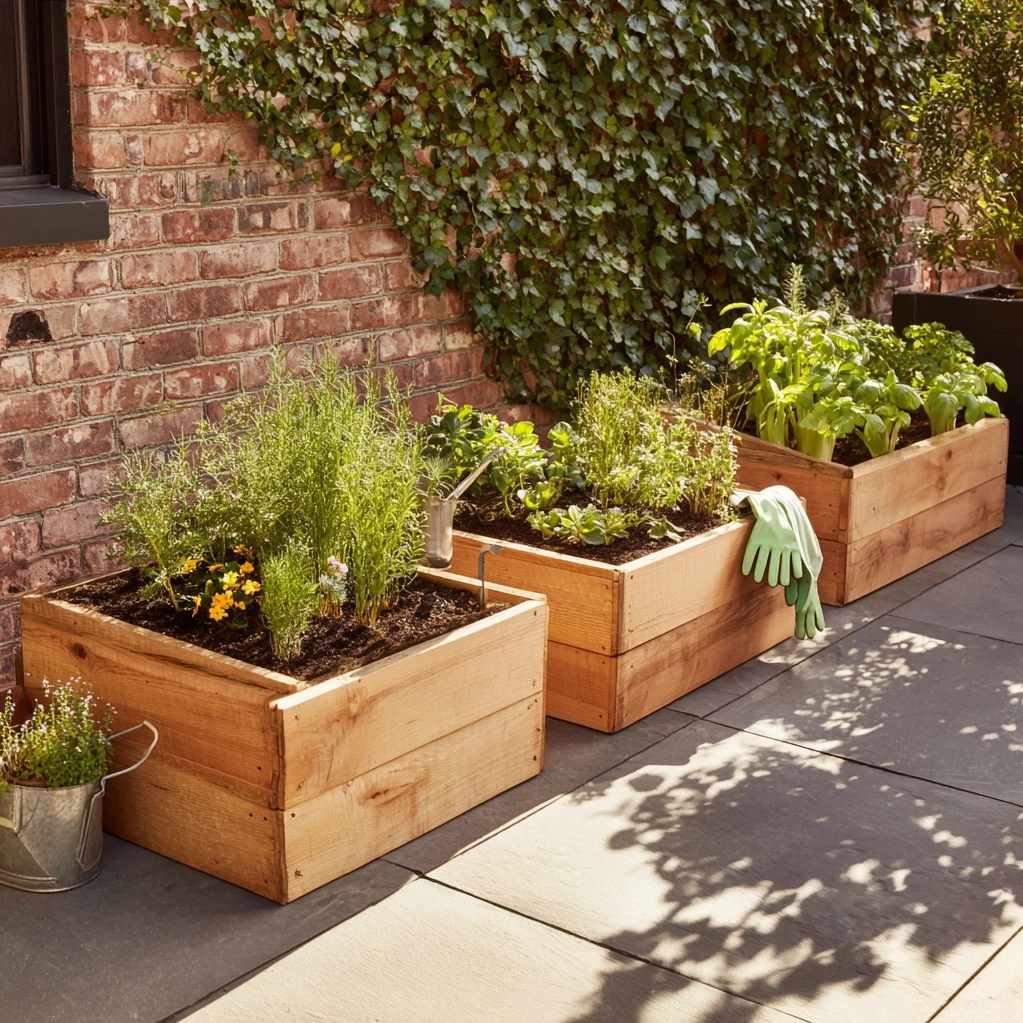
Building your own wood planter box is a rewarding DIY project that adds a personal touch to your garden while saving money. Start with basic tools like a saw, drill, screws, and sandpaper, and choose durable, untreated wood such as cedar or redwood for longevity. A simple rectangular box is ideal for beginners: cut four boards for the sides and bottom, assemble them with screws, and drill drainage holes in the base. For added stability, include corner posts or reinforce with brackets. Customize the size based on your plants—for example, a 2×4-foot box works well for vegetables, while smaller cubes suit succulents. Advanced projects might involve tiered designs, which maximize space by stacking boxes, or window box styles that attach to railings. When constructing, ensure all edges are smooth to prevent splinters and consider adding a protective finish like a water-based sealant to extend the wood's life. DIY wood planter boxes offer flexibility in design; you can paint them in vibrant colors, add decorative trim, or build them to fit odd-shaped areas. They also make great gifts or community projects, fostering creativity and sustainability. Safety is key: wear protective gear, work in a well-ventilated area, and follow local guidelines for treated woods if using them. With a bit of effort, you'll have a functional, beautiful wood planter box that reflects your style and nurtures your plants. Share your creations online or with neighbors to inspire others—DIY projects like these bring gardens to life in unique ways.
Styling and Arranging Wood Planter Boxes for Maximum Impact
Arranging wood planter boxes strategically can transform any garden into a visually stunning and organized space. Start by grouping boxes of varying heights and sizes to create depth and interest—for instance, place a tall wood planter box behind shorter ones to draw the eye upward. Use them to define areas, such as lining a pathway or framing a seating area, which adds structure and flow to your outdoor layout. For aesthetic appeal, mix plant types: combine trailing vines, upright flowers, and leafy greens in a single box for texture, or dedicate boxes to specific themes like a herb garden or seasonal blooms. Color coordination enhances the effect; choose plants with complementary hues or match the wood's finish to your home's palette. Consider the box's placement relative to sunlight—most vegetables need full sun, while ferns thrive in shade, so position accordingly. In small spaces like balconies, stack or hang wood planter boxes vertically using wall mounts or shelves to maximize greenery without crowding. For larger yards, create focal points by clustering boxes around a feature like a fountain or bench. Maintenance is part of styling: keep boxes clean, prune plants regularly, and rotate them seasonally to refresh the look. A well-styled wood planter box arrangement not only boosts curb appeal but also makes gardening more enjoyable, providing easy access and a pleasing environment. Experiment with different layouts until you find one that suits your lifestyle and enhances your outdoor living experience.
Maintaining Your Wood Planter Box for Longevity and Health
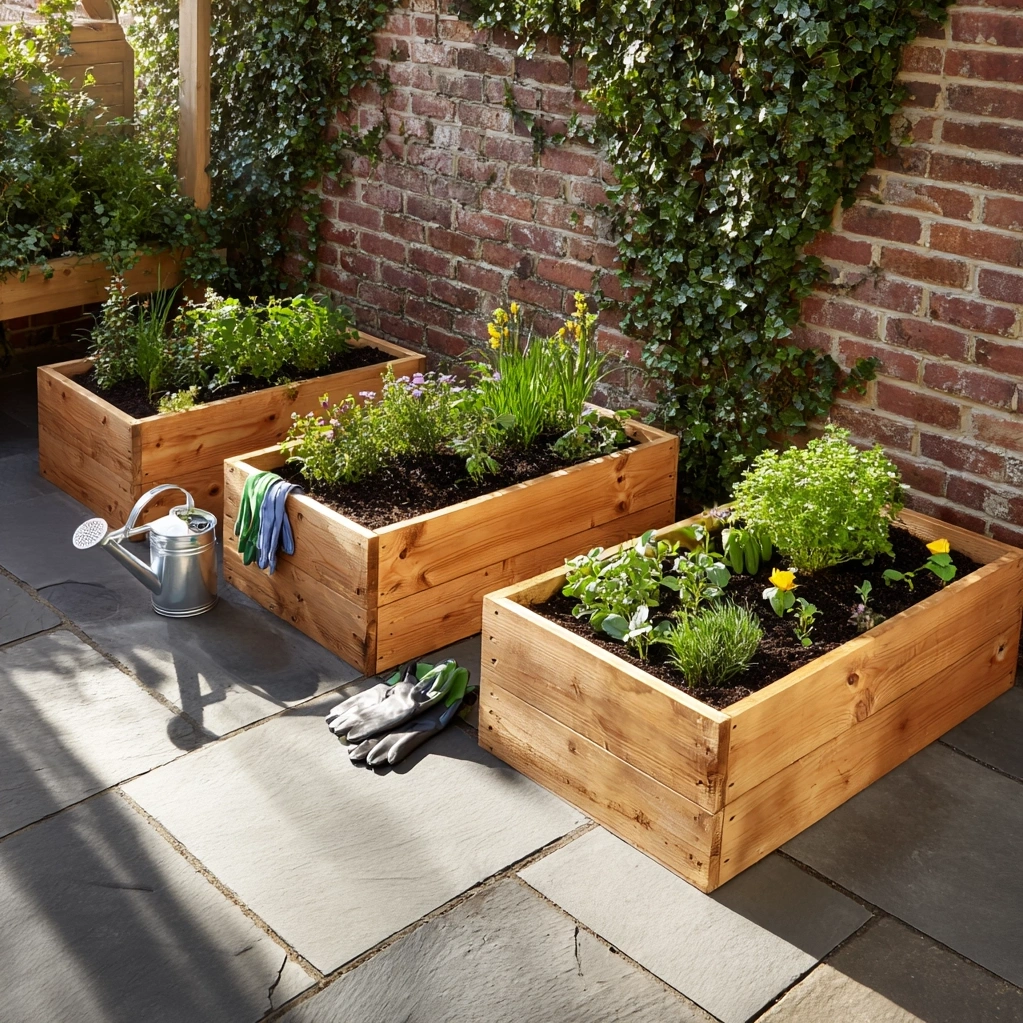
Proper maintenance ensures your wood planter box remains durable and your plants thrive over time. Start with seasonal checks: inspect the wood for signs of rot, cracks, or insect damage, especially after wet weather. If issues arise, sand affected areas and apply a wood preservative or sealant to protect against moisture—this is crucial for untreated woods. Cleaning is simple: wipe the exterior with a damp cloth to remove dirt and debris, and avoid harsh chemicals that could harm plants or the wood's finish. For the interior, refresh the soil annually by removing old mix and adding new, nutrient-rich compost to support plant growth. Ensure drainage holes are clear to prevent waterlogging, which can lead to root rot; use a small tool to unclog them if needed. In winter, protect boxes in cold climates by moving them indoors or covering them with burlap to prevent freezing damage. Plant care ties into maintenance: water appropriately based on species, avoiding overwatering that can stress both plants and wood. Fertilize as needed, and watch for pests, addressing them promptly with natural remedies. Over time, a wood planter box may develop a weathered patina, which adds character, but if you prefer a fresh look, consider repainting or restaining every few years. By investing a little effort in upkeep, you'll extend the life of your box, ensuring it continues to enhance your garden for seasons to come. Share these tips with fellow gardeners to promote sustainable practices and beautiful, healthy outdoor spaces.
Conclusion
Wood planter boxes are more than just functional garden accessories—they are versatile tools that bring nature, beauty, and organization to any outdoor space. From choosing the right materials and designs to DIY projects and stylish arrangements, these boxes offer endless possibilities for enhancing your garden. They support plant health with features like proper drainage and soil control, while their natural aesthetic blends seamlessly with various decor styles. By maintaining them well, you ensure longevity and continued enjoyment. Looking ahead, consider integrating smart gardening trends, such as adding self-watering systems or using eco-friendly woods, to make your wood planter box even more sustainable. Whether you're a seasoned gardener or just starting, a wood planter box can transform your green thumb efforts into a thriving, picturesque haven. Take action today by assessing your space, picking a project, or simply admiring the potential—your garden will thank you with lush growth and serene beauty. Embrace the charm of wood and watch your outdoor area flourish.
Frequently Asked Questions
Q: What type of wood is best for a planter box?
Cedar and redwood are top choices for wood planter boxes due to their natural resistance to rot, insects, and decay, making them durable for outdoor use without chemical treatments. Pressure-treated pine is a budget-friendly option but may require sealing to prevent moisture damage. Avoid woods like untreated pine or fir, as they degrade quickly when exposed to soil and water. Always select untreated or naturally resistant woods if growing edible plants to avoid chemical leaching.
Q: How do I prevent my wood planter box from rotting?
To prevent rotting, start by using rot-resistant woods like cedar or redwood. Apply a water-based sealant or wood preservative to all surfaces, especially the interior and bottom, before planting. Ensure adequate drainage by drilling holes in the base and using a gravel layer at the bottom. Avoid overwatering plants, and place the box in a well-ventilated area to allow moisture to evaporate. Regularly inspect for signs of damage and reapply sealant every 1-2 years as needed.
Q: Can I use a wood planter box for vegetables?
Yes, wood planter boxes are excellent for growing vegetables. Choose a box at least 12-18 inches deep to accommodate root systems, and use untreated, natural wood like cedar to avoid chemicals leaching into the soil. Ensure proper drainage with holes and fill with high-quality, organic potting mix. Position the box in a sunny spot, as most vegetables require 6-8 hours of sunlight daily. Regular watering and fertilizing will help your veggies thrive, making wood planter boxes a productive and attractive gardening solution.