
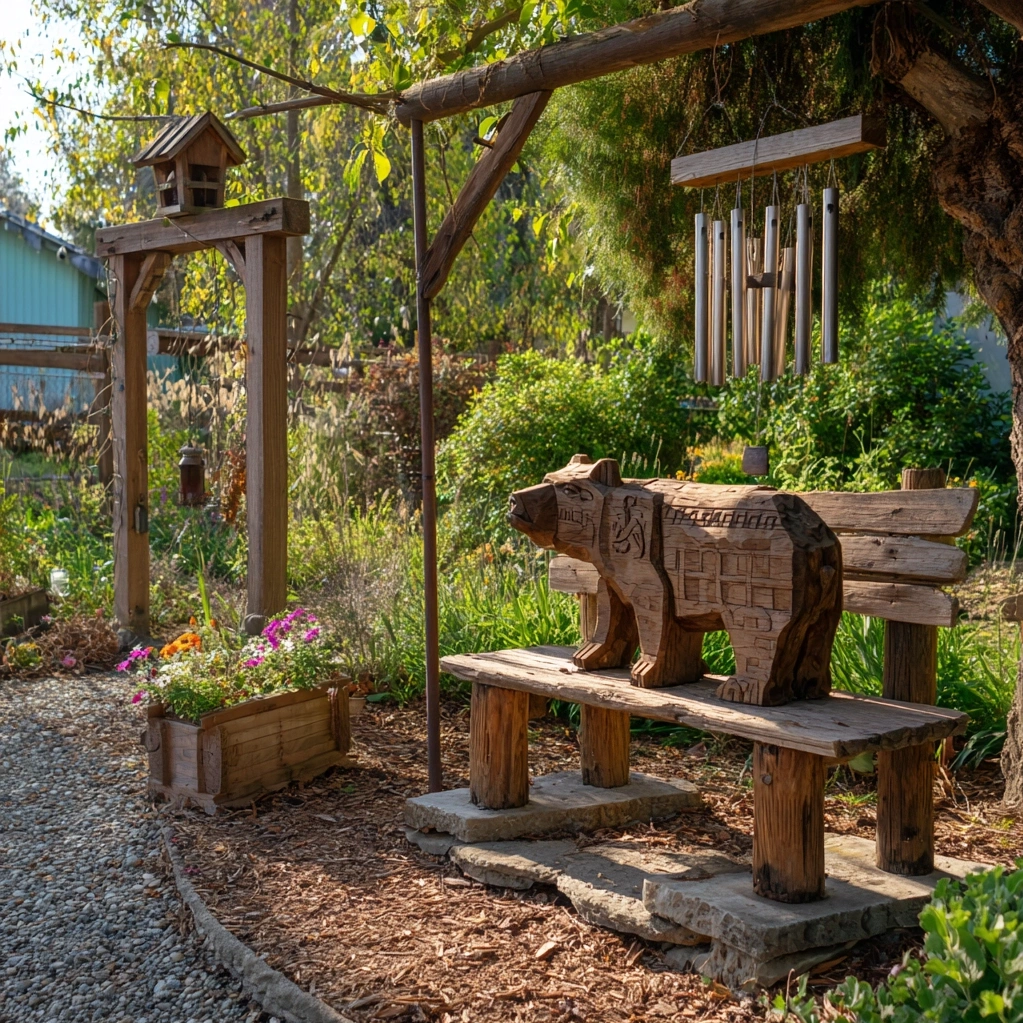
In the world of outdoor decor, wood yard art stands as a timeless and transformative element that bridges natural beauty with artistic expression. These crafted pieces go beyond mere decoration—they infuse personality into your landscape, creating focal points that tell stories and evoke emotions. Whether it’s a hand-carved sculpture, a rustic wind chime, or a whimsical garden stake, wood yard art adds warmth and character to any outdoor setting, turning bland yards into enchanting retreats. The importance of this topic lies in its versatility and sustainability. Wood, as a material, offers endless creative possibilities while being environmentally friendly when sourced responsibly. It weathers beautifully over time, developing a unique patina that connects your space to the rhythms of nature. Moreover, wood yard art encourages personalization, allowing homeowners to reflect their style—from rustic farmhouse charm to modern minimalist designs. As more people seek to create outdoor sanctuaries, understanding how to incorporate these pieces can elevate your garden, patio, or backyard into a cohesive and inviting extension of your home. This article will guide you through selecting, placing, and caring for wood yard art, helping you craft an outdoor oasis that delights the senses and enriches your daily life.
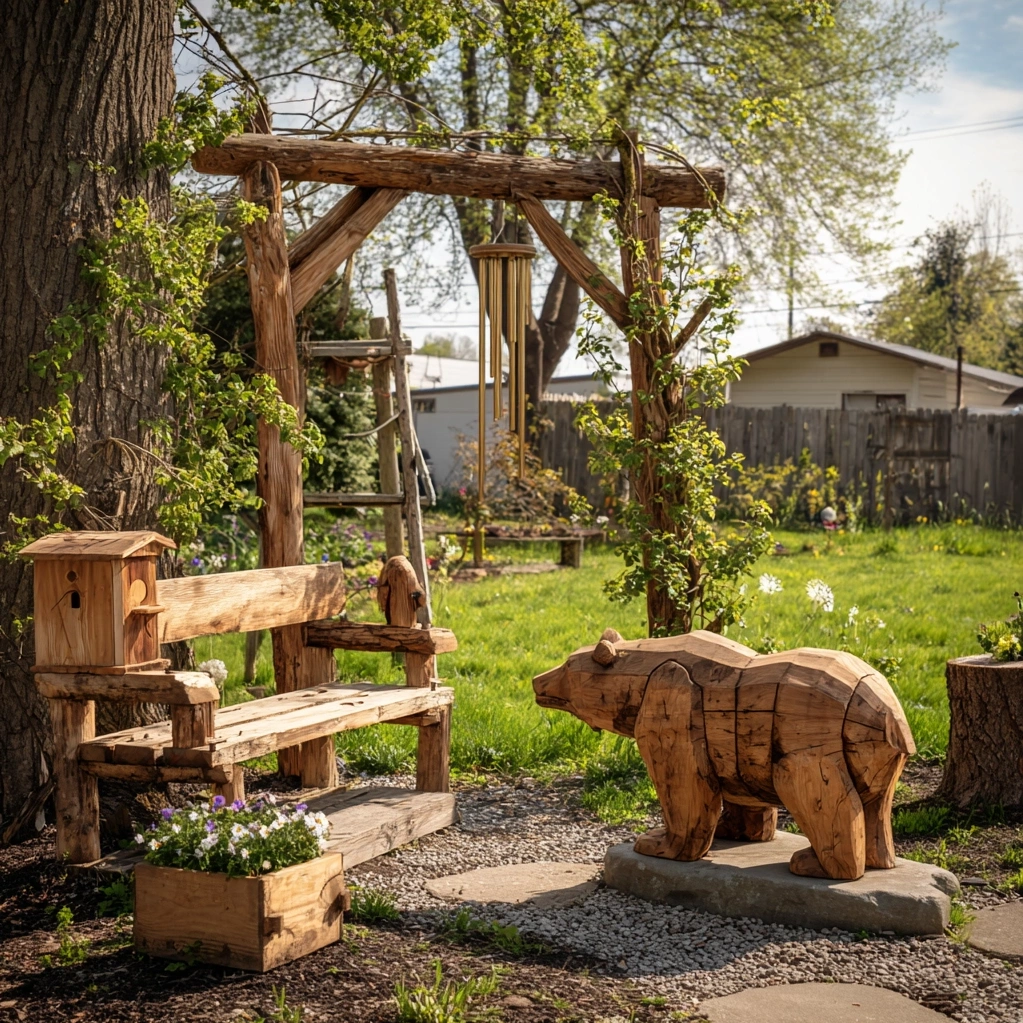
Choosing the Perfect Wood Yard Art for Your Space
Selecting wood yard art begins with assessing your outdoor environment and personal aesthetic. Consider the size and scale of your space—larger pieces like carved tree sculptures or wooden arches work well in spacious gardens, while smaller items such as birdhouses or decorative signs suit cozy patios. The style of the art should complement your home's architecture and existing decor. For a rustic look, opt for pieces with natural bark edges and rough textures, while sleek, polished sculptures align with contemporary designs. Wood type matters too: cedar and redwood resist rot and insects, making them ideal for humid climates, while oak and maple offer durability in varied conditions. Think about functionality as well—some wood yard art serves practical purposes, like planter boxes or trellises, blending beauty with utility. Placement is key to maximizing impact. Use wood yard art to create focal points along pathways, near entryways, or as centerpieces in garden beds. Group smaller pieces together for visual interest, or let a single large sculpture command attention. Consider how sunlight and shadows interact with the art throughout the day, enhancing its texture and form. By thoughtfully choosing wood yard art, you can create harmony in your outdoor space, ensuring each piece feels intentional and inviting.
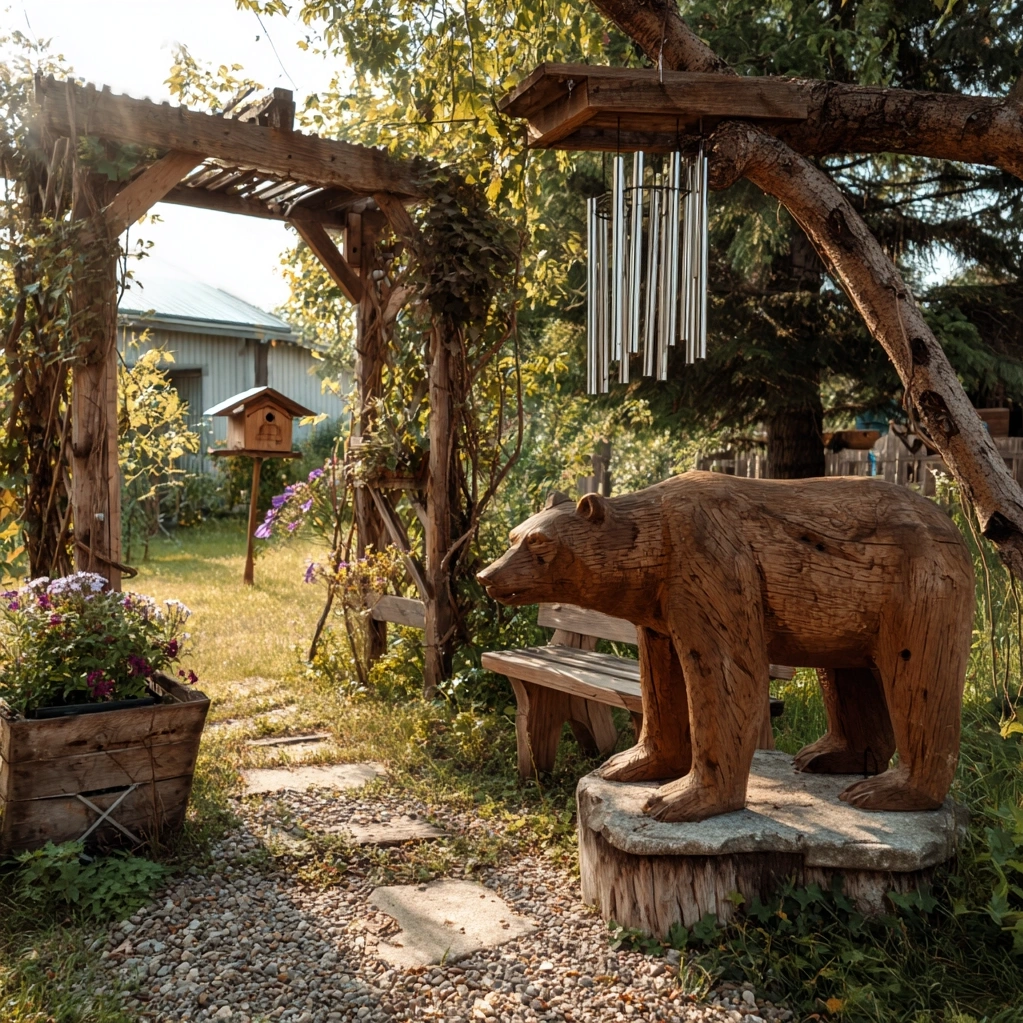
DIY Wood Yard Art Projects for Creative Homeowners
Creating your own wood yard art is a rewarding way to personalize your outdoor space while embracing sustainability. Start with simple projects like painted wooden stakes or reclaimed wood signs, using basic tools such as saws, sandpaper, and outdoor-safe paint. For more advanced endeavors, try carving or assembling sculptures from logs or branches—these can depict animals, abstract shapes, or functional items like benches. Use naturally fallen wood or repurposed materials to reduce waste and add character. Safety is paramount: wear protective gear and choose non-toxic finishes that withstand weather. Popular DIY ideas include wind chimes made from driftwood, mosaic-style wall art using wood slices, or geometric structures that double as plant supports. These projects not only save money but also imbue your yard with unique, handmade charm. When designing, sketch your ideas first and consider how the piece will age outdoors—opt for finishes that enhance wood's natural grain while protecting it from moisture. Share your creations with family or involve kids in painting projects to make it a fun, collaborative activity. DIY wood yard art fosters creativity and connection to your environment, turning ordinary spaces into showcases of personal expression.
Maintaining and Preserving Your Wood Yard Art Collection
Proper maintenance ensures your wood yard art remains beautiful and durable for years. Regular cleaning is essential: use a soft brush or cloth to remove dirt and debris, avoiding harsh chemicals that can damage the wood. For deeper cleaning, a mild soap solution works well, followed by thorough drying to prevent mold. Protecting wood from the elements involves applying sealants or stains annually, especially in areas with extreme weather. Look for products specifically designed for outdoor wood, such as water-repellent finishes or UV-resistant coatings that prevent fading and cracking. Inspect pieces seasonally for signs of wear, like splinters or rot, and address issues promptly with sanding or repairs. In wet climates, elevate wood art on stands or gravel to improve drainage and reduce ground contact. For painted pieces, touch up chips with matching outdoor paint to maintain vibrancy. Storage during harsh winters can extend lifespan—move smaller items indoors or cover them with breathable tarps. Additionally, consider the natural aging process; many woods develop a desirable silvery-gray patina over time, which can be embraced as part of their charm. By investing a little effort in care, you'll preserve the artistry and functionality of your wood yard art, keeping your outdoor space looking fresh and inviting.
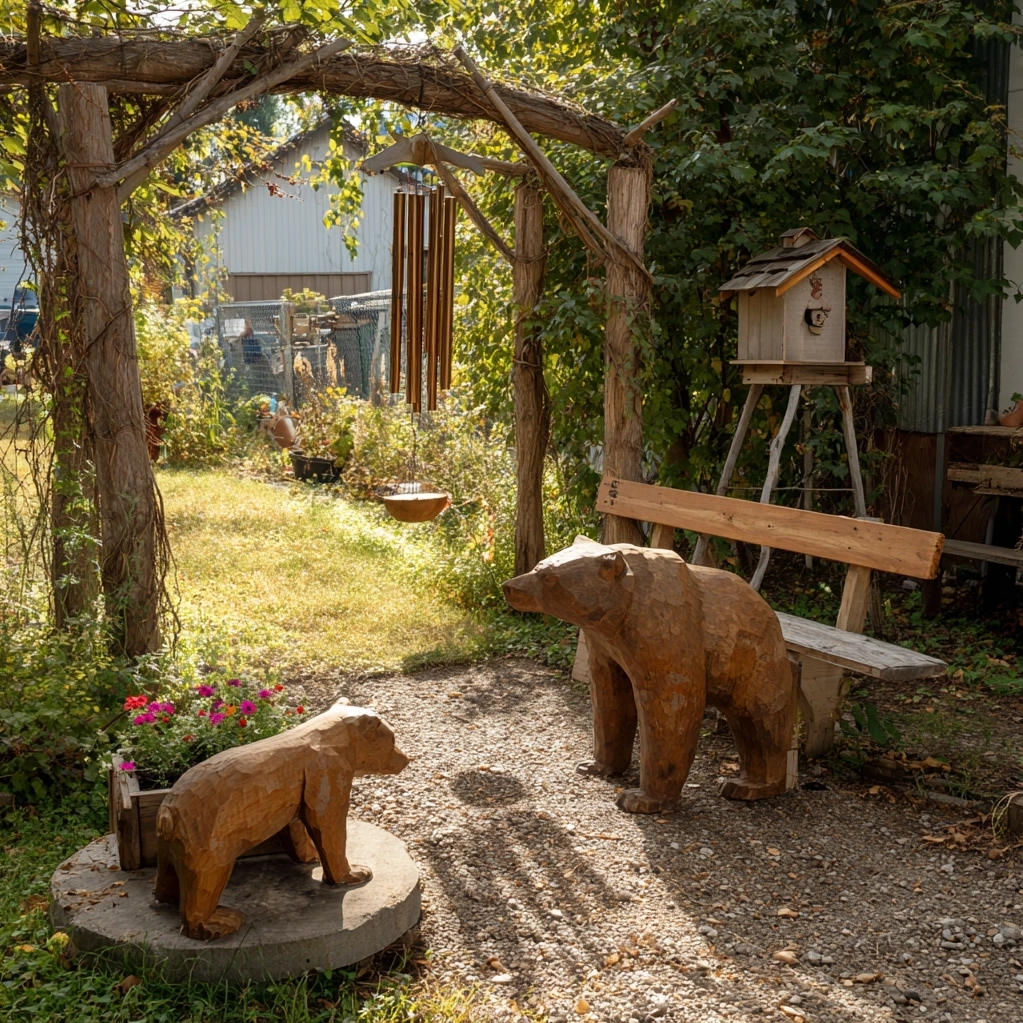
Inspiring Wood Yard Art Ideas to Elevate Your Garden
Wood yard art offers endless inspiration to transform your garden into a dynamic, engaging space. Start with functional pieces like wooden arbors or pergolas that support climbing plants while adding structural interest. Sculptural elements, such as carved animals or abstract forms, can serve as conversation starters and blend seamlessly with greenery. For a whimsical touch, incorporate kinetic art like spinning wind sculptures or chimes that create soothing sounds. Themed collections—such as nautical-inspired driftwood displays or farmhouse-style signs—can unify your decor and reflect your interests. Use wood yard art to define zones in your yard: a rustic bench marks a relaxation area, while a wooden obelisk draws attention to a flower bed. Lighting enhances these pieces at night; consider solar-powered spotlights to highlight textures or string lights woven through wooden structures. Seasonal updates keep things fresh: swap out decor for holidays or rotate pieces to prevent visual fatigue. Draw inspiration from nature itself, using locally sourced wood or designs that mimic organic shapes. By experimenting with different styles and placements, you can create a layered, evolving landscape that feels both curated and natural. These ideas not only beautify your garden but also foster a deeper connection to your outdoor environment.
Conclusion
Wood yard art is more than just decoration—it's a powerful tool for personalizing and enhancing your outdoor living spaces. Throughout this article, we've explored how to choose pieces that complement your style, embark on DIY projects for a custom touch, maintain your collection for longevity, and draw inspiration from creative ideas. By integrating these elements, you can transform a mundane yard into a sanctuary that reflects your personality and connects you with nature. The future of wood yard art looks bright, with trends leaning toward sustainable materials and multifunctional designs that blend art with practicality. As you move forward, consider starting small with a single piece and gradually building a cohesive collection. Remember, the best wood yard art evolves with your space, aging gracefully and telling your unique story. Embrace experimentation, and don't be afraid to mix styles or repurpose materials. Your outdoor area is a canvas waiting for your artistic touch—let wood yard art be the brush that paints a vibrant, inviting picture. Take action today by assessing your space, planning a project, or simply admiring the natural beauty wood brings to your home.
Frequently Asked Questions
Q: What types of wood are best for outdoor yard art?
The best woods for outdoor yard art are those naturally resistant to rot, insects, and weather damage. Cedar and redwood are top choices due to their durability and ability to withstand moisture without extensive treatment. Teak is another excellent option, though often more expensive, known for its longevity and rich appearance. For budget-friendly projects, pressure-treated pine or oak can work well when properly sealed. Avoid softwoods like untreated pine in damp climates, as they may decay quickly. Always use outdoor-rated finishes to enhance protection.
Q: How can I protect my wood yard art from weather damage?
To protect wood yard art from weather damage, start by applying a high-quality sealant or stain designed for outdoor use. Reapply these finishes annually, especially before harsh seasons. Ensure proper drainage by elevating pieces off wet ground using stands or gravel. Clean regularly with mild soap and water to prevent mold and dirt buildup. In extreme conditions, consider moving smaller items indoors or covering them with breathable tarps. Choose woods naturally suited to your climate, and inspect for cracks or splinters periodically, repairing them promptly to maintain integrity.
Q: Can I create wood yard art without advanced tools or skills?
Absolutely! Many wood yard art projects require only basic tools and minimal skills. Start with simple ideas like painting wooden stakes, assembling driftwood into shapes, or decorating pre-cut pieces. Use hand tools like saws, hammers, and sandpaper, which are easy for beginners. Online tutorials and community workshops can provide step-by-step guidance. Focus on repurposing materials—old pallets or fallen branches—to keep costs low and add rustic charm. As you gain confidence, you can progress to more complex projects. The key is to embrace creativity and enjoy the process, regardless of skill level.