
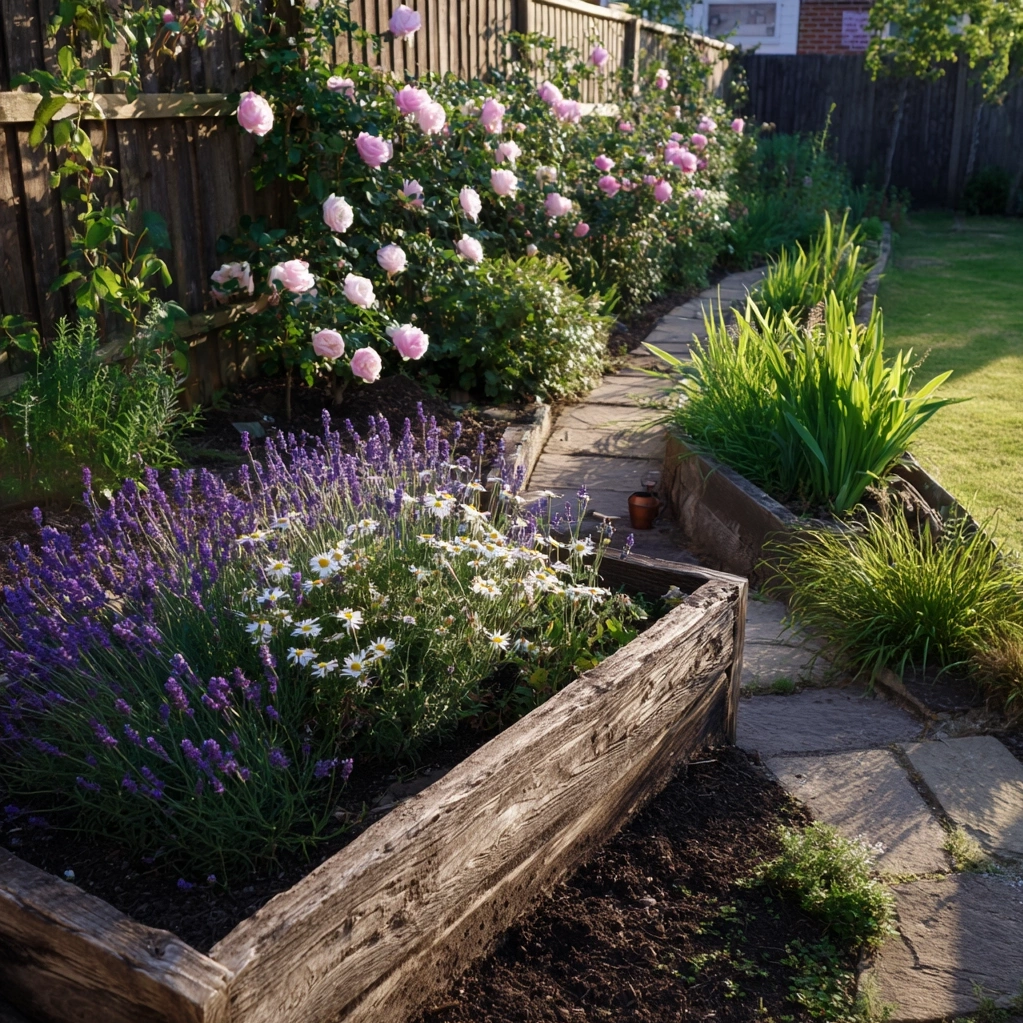
Creating beautiful flower beds can completely transform your outdoor space, turning a simple yard into a vibrant sanctuary. These living artworks add color, texture, and life to any garden, making your home feel more inviting and connected to nature. Whether you have a sprawling backyard or a compact urban balcony, the right flower bed ideas can maximize your space and bring joy throughout the seasons. Flower beds serve as the foundation of garden design, allowing you to express your personal style while supporting local pollinators and creating a healthier ecosystem. They’re more than just decorative elements—they’re living spaces that evolve with time, offering daily surprises as buds open and colors shift with the changing light. Thoughtfully designed flower beds can create privacy, define outdoor rooms, and even increase your property’s value. The best part? You don’t need professional landscaping experience to create stunning results. With some basic planning and creativity, anyone can design flower beds that reflect their personality and enhance their daily life. This guide will explore versatile flower bed ideas suitable for various spaces and skill levels, helping you cultivate beauty right outside your door. From classic cottage gardens to modern minimalist designs, there’s a flower bed approach for every taste and lifestyle. Let’s discover how to turn your gardening dreams into reality.
Classic Flower Bed Ideas for Traditional Gardens
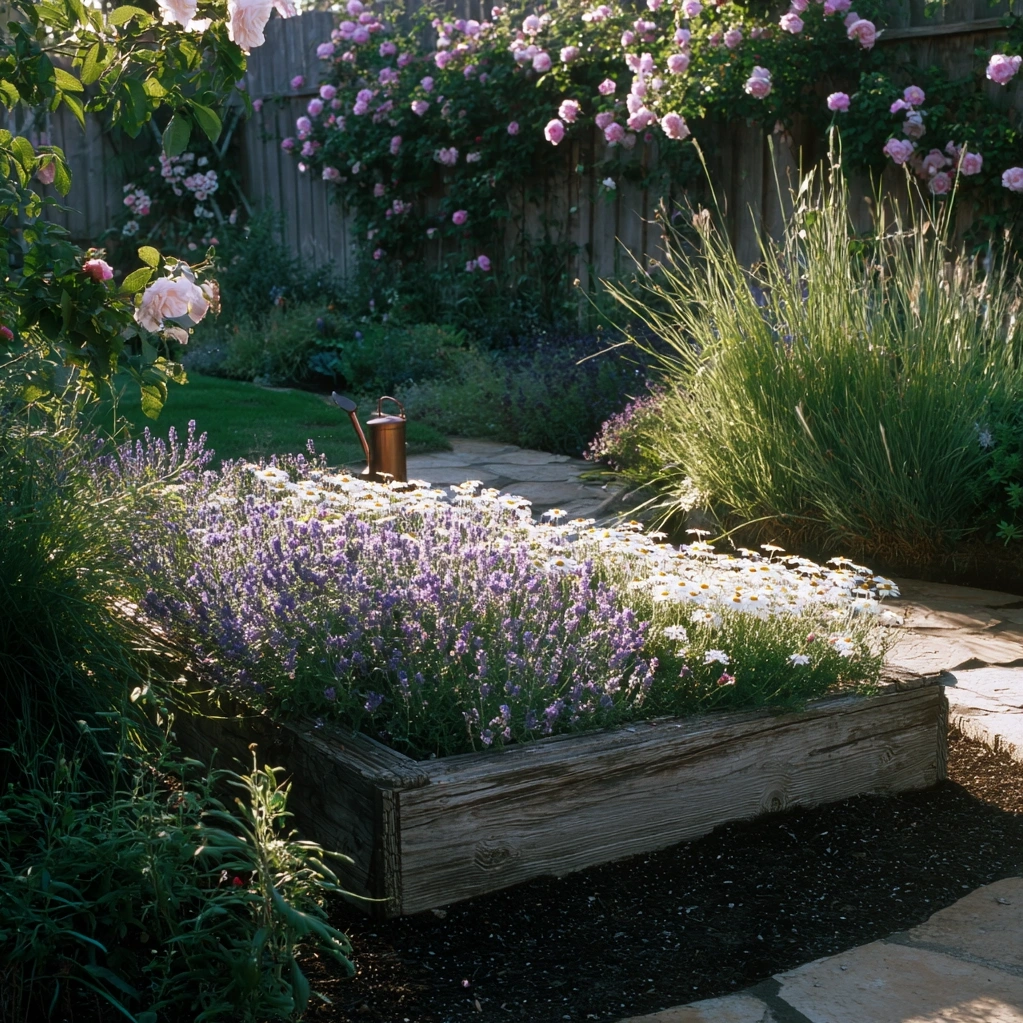
Traditional flower bed ideas offer timeless appeal with structured designs that have stood the test of time. Cottage gardens represent one of the most beloved traditional styles, featuring densely planted beds overflowing with romantic blooms like roses, lavender, and delphiniums. These informal arrangements create a charming, lived-in feel that welcomes both people and pollinators. Another classic approach is the formal parterre, with symmetrical geometric patterns defined by low hedges or borders. These elegant designs work beautifully around patios or as centerpieces in larger gardens, often incorporating herbs and fragrant flowers for multi-sensory appeal. Border flower beds along fences, walls, or pathways represent another traditional favorite, creating depth and framing outdoor spaces. Layered planting with taller plants at the back and shorter varieties in front ensures every bloom gets its moment in the sun. Traditional flower bed ideas often emphasize seasonal interest, with careful selection of plants that provide color from spring through fall. Consider incorporating flowering shrubs like hydrangeas or lilacs for structure, combined with perennial favorites like peonies and daylilies that return year after year. These classic designs prove that sometimes the most beautiful flower bed ideas are those that honor gardening traditions while adapting to your specific space and climate. They create a sense of continuity and connection to gardening history while providing reliable beauty season after season.
Modern Flower Bed Ideas for Contemporary Spaces
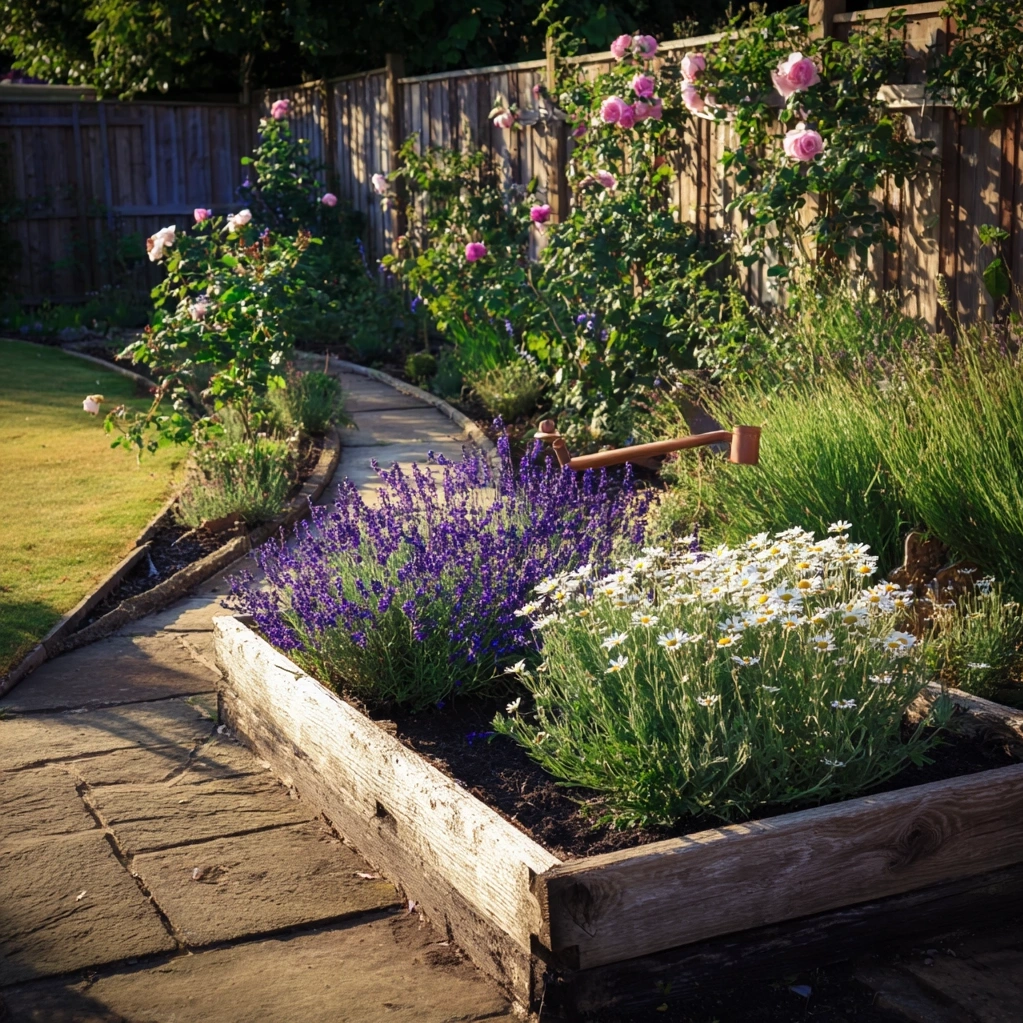
Contemporary gardens demand flower bed ideas that balance beauty with clean lines and intentional design. Modern approaches often feature minimalist arrangements with limited color palettes, focusing on texture and form rather than overwhelming color. Monochromatic flower beds using shades of white, silver, or purple create sophisticated, cohesive looks that complement modern architecture. Raised bed designs offer another popular modern solution, providing better drainage, easier maintenance, and defined geometric shapes that suit contemporary aesthetics. These elevated flower bed ideas work particularly well in urban settings or areas with poor soil, allowing you to control growing conditions precisely. Consider incorporating architectural plants with striking forms—grasses, succulents, or plants with interesting seed heads—that provide visual interest even when not in bloom. Modern flower bed ideas often embrace negative space, using gravel, pavers, or decorative mulch to create breathing room between plant groupings. This approach makes each specimen stand out as an individual element within the larger composition. Container flower beds represent another innovative modern solution, allowing flexible arrangements that can be moved or changed with the seasons. Group pots of varying heights and sizes to create dynamic displays on patios, balconies, or rooftop gardens. These contemporary flower bed ideas prove that modern doesn't mean sterile—thoughtful plant selection can create lush, vibrant spaces that feel both designed and natural. The key is intentionality: every plant serves a purpose, whether providing structure, color, texture, or seasonal interest.
Creative Flower Bed Ideas for Small and Challenging Spaces
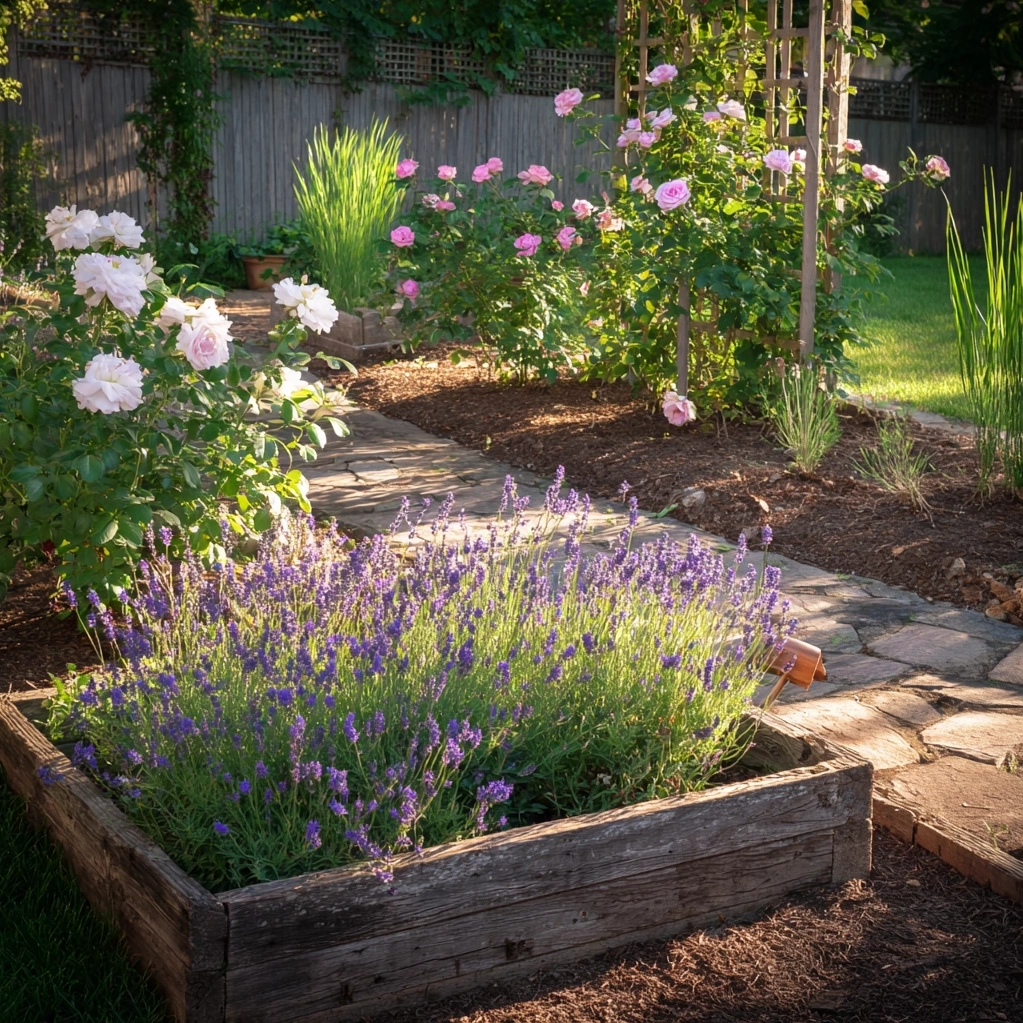
Limited space doesn't mean limited possibilities when it comes to flower bed ideas. Vertical gardening offers brilliant solutions for small areas, turning walls, fences, and even freestanding structures into blooming canvases. Living walls with pocket planters or trellises covered in climbing flowers like clematis or morning glories maximize vertical real estate. Tiered flower beds using stacked planters or built-in shelves create depth and visual interest in narrow spaces, allowing you to grow more in less square footage. For challenging conditions like shady corners or dry areas, specialized flower bed ideas can transform problem spots into garden highlights. Shade-loving plants like hostas, ferns, and impatiens create lush, cool retreats where sun-loving plants might struggle. Drought-tolerant flower beds featuring succulents, lavender, and ornamental grasses thrive in sunny, dry locations while conserving water. Another creative approach involves integrating flower beds with functional elements—planting fragrant blooms around seating areas, creating flower-lined pathways, or designing beds that double as natural privacy screens. For truly tiny spaces like balconies or windowsills, micro flower bed ideas using troughs, window boxes, or even repurposed containers can bring gardening joy to the most compact urban environments. The key to successful small-space flower bed ideas is strategic plant selection and multi-functional design. Choose compact varieties, consider bloom times to ensure continuous color, and don't be afraid to experiment with unusual containers or arrangements. Even the smallest flower bed can become a meaningful connection to nature and a daily source of beauty and inspiration.
Conclusion
Exploring diverse flower bed ideas reveals that beautiful gardening is accessible to everyone, regardless of space, budget, or experience level. Whether you're drawn to classic cottage charm, contemporary minimalism, or creative small-space solutions, the right design can transform any area into a blooming sanctuary. The most successful flower beds balance aesthetics with practicality, considering factors like sunlight, soil conditions, maintenance requirements, and personal style. Remember that gardening is an evolving process—your flower beds will grow and change over time, offering new discoveries with each season. Start with a clear vision but remain flexible, observing what thrives in your specific conditions and adjusting your approach accordingly. Don't be afraid to mix styles or experiment with unexpected combinations; sometimes the most memorable gardens emerge from happy accidents and personal touches. As you implement your chosen flower bed ideas, consider the broader impact of your choices. Selecting native plants supports local ecosystems, while incorporating pollinator-friendly flowers contributes to biodiversity. Even small flower beds can make meaningful environmental contributions while bringing daily joy to your life. Looking forward, sustainable practices like water-wise gardening and organic maintenance will become increasingly important in flower bed design. The future of gardening lies in creating beautiful spaces that work in harmony with nature. Your journey with flower beds is just beginning—each planting decision shapes not just your garden, but your connection to the natural world right outside your door.
Frequently Asked Questions
Q: What are the best plants for beginner flower beds?
For beginners, choose hardy, low-maintenance plants that forgive occasional mistakes. Marigolds, zinnias, and sunflowers are excellent annual choices that grow quickly from seed and provide reliable color. Perennial options like daylilies, coneflowers, and black-eyed Susans return year after year with minimal care. Herbs like lavender and rosemary add fragrance and structure while being quite drought-tolerant. Start with just a few varieties to keep maintenance manageable, and choose plants suited to your specific sunlight conditions. Most garden centers label plants with their light requirements—full sun means 6+ hours of direct sunlight, partial sun means 4-6 hours, and shade means less than 4 hours. Begin with healthy nursery plants rather than seeds for quicker results, and don't be discouraged by initial setbacks; gardening is a learning process.
Q: How do I prepare soil for new flower beds?
Proper soil preparation is crucial for successful flower beds. Start by removing existing grass and weeds completely—either by digging them out or using the sheet mulching method with cardboard and compost. Test your soil's pH and texture; most flowering plants prefer slightly acidic to neutral soil (pH 6.0-7.0) with good drainage. Amend clay soils with compost and coarse sand to improve drainage, while sandy soils benefit from compost to increase water retention. Work 3-4 inches of compost or well-rotted manure into the top 6-8 inches of soil to provide nutrients and improve structure. For raised beds, use a high-quality potting mix specifically formulated for containers. Allow prepared soil to settle for a week before planting, and consider adding a balanced slow-release fertilizer at planting time. Proper preparation might take some effort initially, but it pays off with healthier plants and reduced maintenance later.
Q: How often should I water my flower beds?
Watering frequency depends on multiple factors including plant types, soil conditions, weather, and season. As a general rule, most established flower beds need about 1 inch of water per week, either from rainfall or irrigation. Newly planted beds require more frequent watering—typically every 2-3 days for the first few weeks until roots establish. The best approach is to water deeply but less frequently, encouraging roots to grow downward rather than staying near the surface. Early morning is the ideal watering time, reducing evaporation and preventing fungal diseases. Check soil moisture by inserting your finger about 2 inches deep; if it feels dry, it's time to water. Mulching with 2-3 inches of organic material like wood chips or straw helps retain moisture and reduce watering needs. During heat waves or drought conditions, you may need to water more frequently, while rainy periods might require no additional watering at all. Observe your plants regularly—wilting, yellowing leaves, or reduced flowering can indicate either overwatering or underwatering issues.