
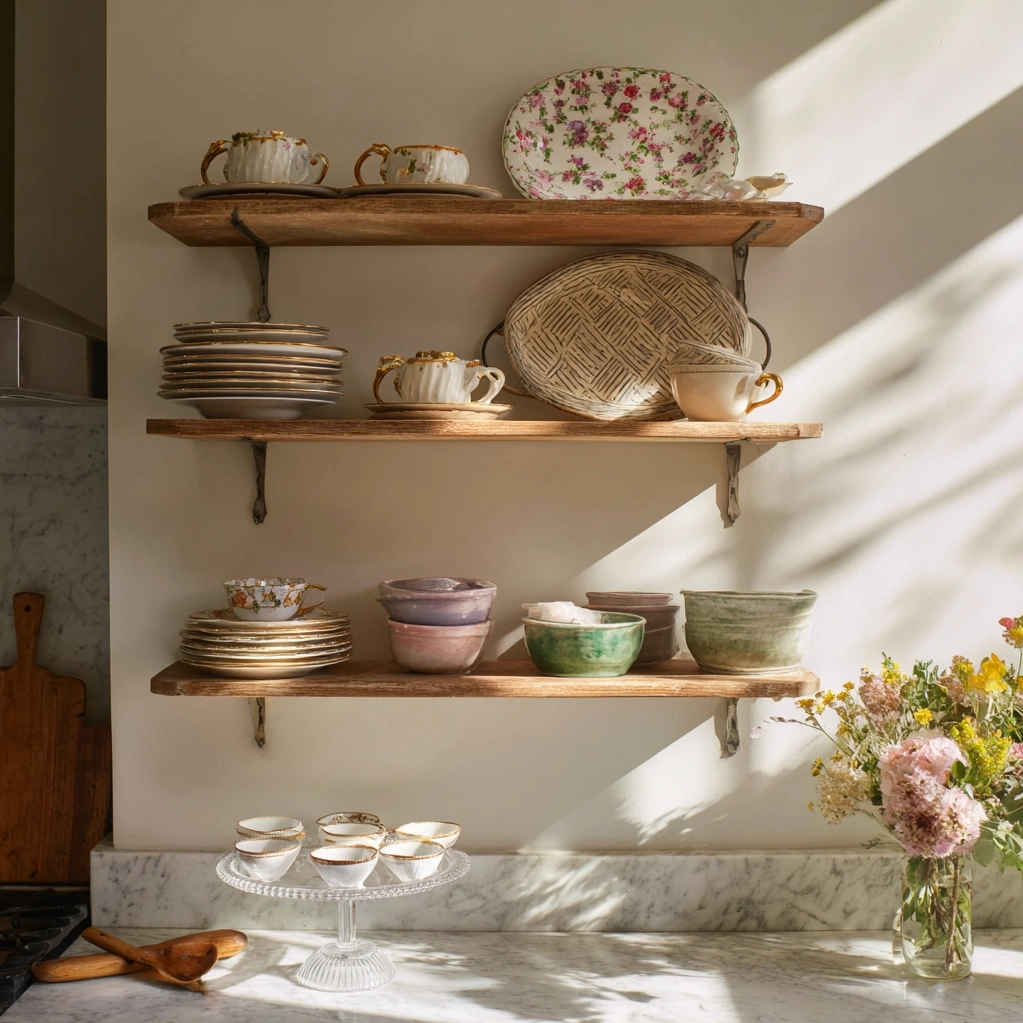
Imagine opening your kitchen cabinets to reveal not just plates and bowls, but stories waiting to be told. A vintage dishware collection offers more than mere functionality—it connects us to history, craftsmanship, and personal nostalgia. Each piece, whether a delicate floral-patterned teacup or a sturdy mid-century platter, carries the legacy of meals shared, traditions upheld, and artistry preserved. In today’s fast-paced world, where disposable items dominate, vintage dishware invites us to slow down and appreciate the beauty of well-made objects designed to last. Building a collection isn’t just about acquiring items; it’s about curating a narrative for your home. These pieces can elevate everyday meals into special occasions, turning a simple breakfast into a moment of reflection or a dinner party into an immersive experience. The textures, colors, and patterns of vintage dishware add depth and character to your table settings, creating visual interest that modern mass-produced sets often lack. Moreover, collecting vintage dishware is an accessible way to engage with history and design. You don’t need to be an expert to start—just a curious eye and appreciation for quality. From Depression glass to Scandinavian stoneware, each era and region offers unique styles that can complement various interior aesthetics. As sustainability becomes increasingly important, choosing vintage is also an eco-friendly decision, reducing waste by giving beautiful objects a second life. Ultimately, a vintage dishware collection enriches your home with warmth, personality, and a sense of continuity, making every meal a celebration of the past and present.
How to Start Your Vintage Dishware Collection
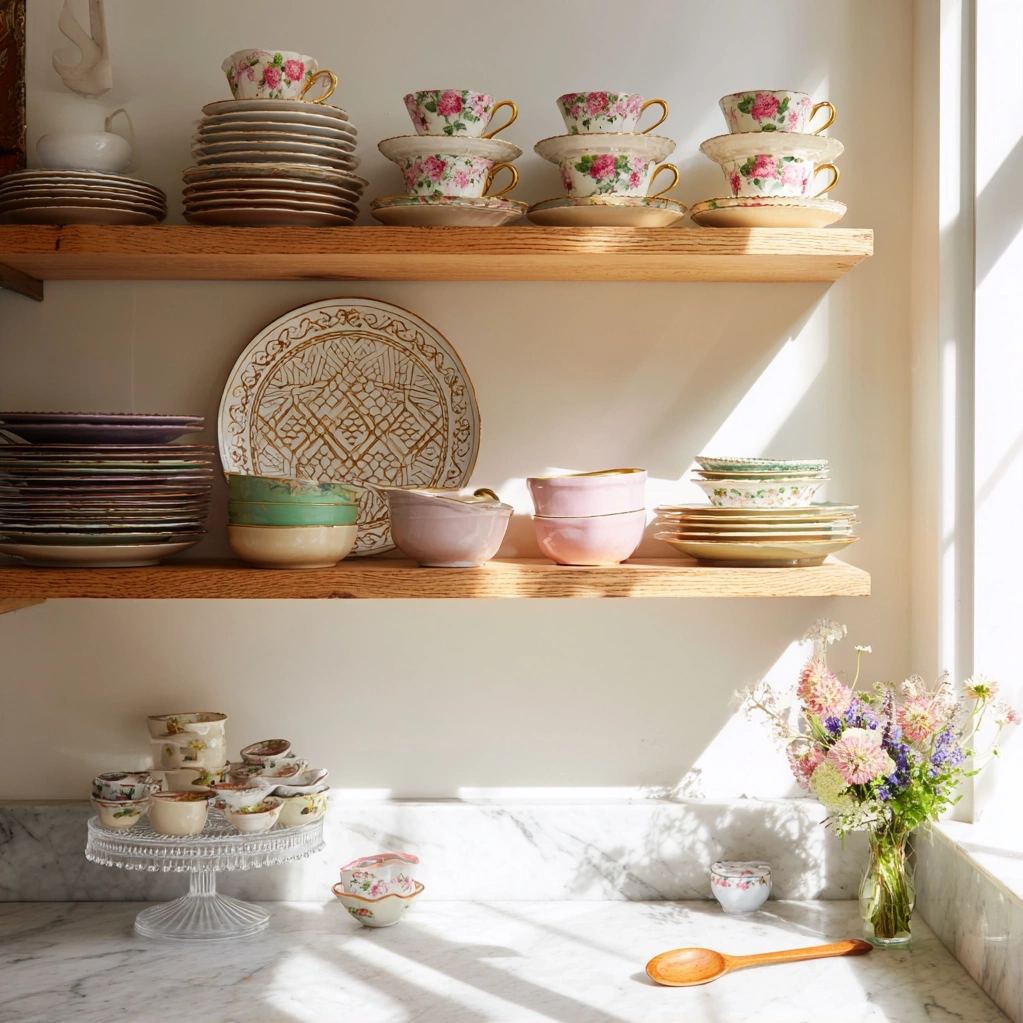
Beginning a vintage dishware collection might seem overwhelming, but with a few simple strategies, you can build a meaningful assortment that reflects your style. First, define your focus. Are you drawn to a specific era, like the Art Deco period of the 1920s or the colorful mod designs of the 1970s? Perhaps you prefer certain materials, such as porcelain, earthenware, or milk glass. Narrowing your interest helps guide your searches and prevents impulsive buys that don't cohere. Next, explore various sourcing options. Thrift stores, estate sales, flea markets, and online marketplaces are treasure troves for vintage finds. When shopping, inspect pieces carefully for chips, cracks, or excessive wear, as condition affects both aesthetics and usability. Don't be afraid to mix and match—part of the charm of a vintage dishware collection lies in its eclectic nature. Look for pieces that speak to you personally, whether through their pattern, shape, or history. Research is key; familiarize yourself with common brands, marks, and styles to make informed decisions. Consider starting with versatile items like dinner plates, salad plates, or cups that you'll use regularly. As your collection grows, you can add more specialized pieces like serving platters or butter dishes. Remember, collecting is a journey, not a race. Take your time to find pieces that truly resonate, and your collection will naturally evolve into a curated reflection of your taste. Displaying your finds in open shelving or glass-front cabinets not only showcases their beauty but also makes them easily accessible for daily use, blending function with decor.
Styling Tips for Displaying Your Vintage Dishware Collection
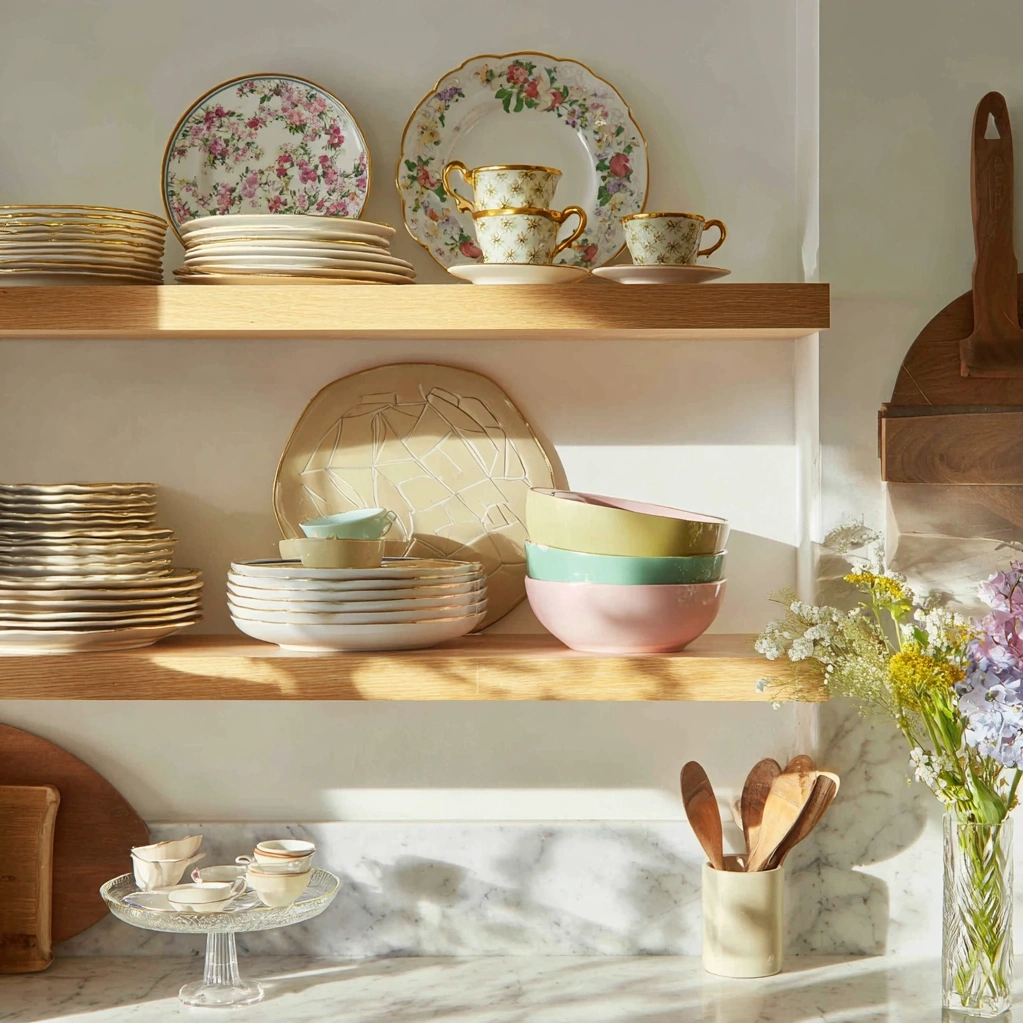
Once you've assembled a selection of vintage dishware, displaying it effectively can transform your kitchen or dining area into a visually engaging space. The goal is to highlight the pieces while maintaining practicality. Open shelving is a popular choice, as it allows you to arrange items by color, pattern, or era for a cohesive look. Group similar pieces together—for example, stack plates of the same design or line up cups with complementary hues. Mixing vintage dishware with modern elements creates a balanced aesthetic; try pairing a rustic stoneware bowl with sleek, contemporary cutlery. Consider using plate stands or wall-mounted racks to showcase standout pieces as art. For a more functional display, incorporate your collection into everyday settings. Set your table with a mix of vintage plates, bowls, and glasses to add character to meals. Layering is key: place a patterned charger beneath a solid-colored plate, or use vintage saucers as coasters. Lighting plays a crucial role; ensure shelves are well-lit to enhance the details of glazes and patterns. Natural light from windows can make colors pop, while warm LED strips under cabinets add a cozy glow. Don't overlook storage solutions—if space is limited, use glass-front cabinets to keep pieces visible but protected. Rotate items seasonally to keep displays fresh; bring out floral patterns in spring and richer tones in autumn. Remember, a vintage dishware collection is meant to be enjoyed, so avoid overcrowding shelves. Leave negative space to let each piece shine. By thoughtfully arranging your collection, you create a dynamic focal point that tells a story and inspires conversation, making your home feel uniquely curated and inviting.
Caring for and Maintaining Your Vintage Dishware Collection
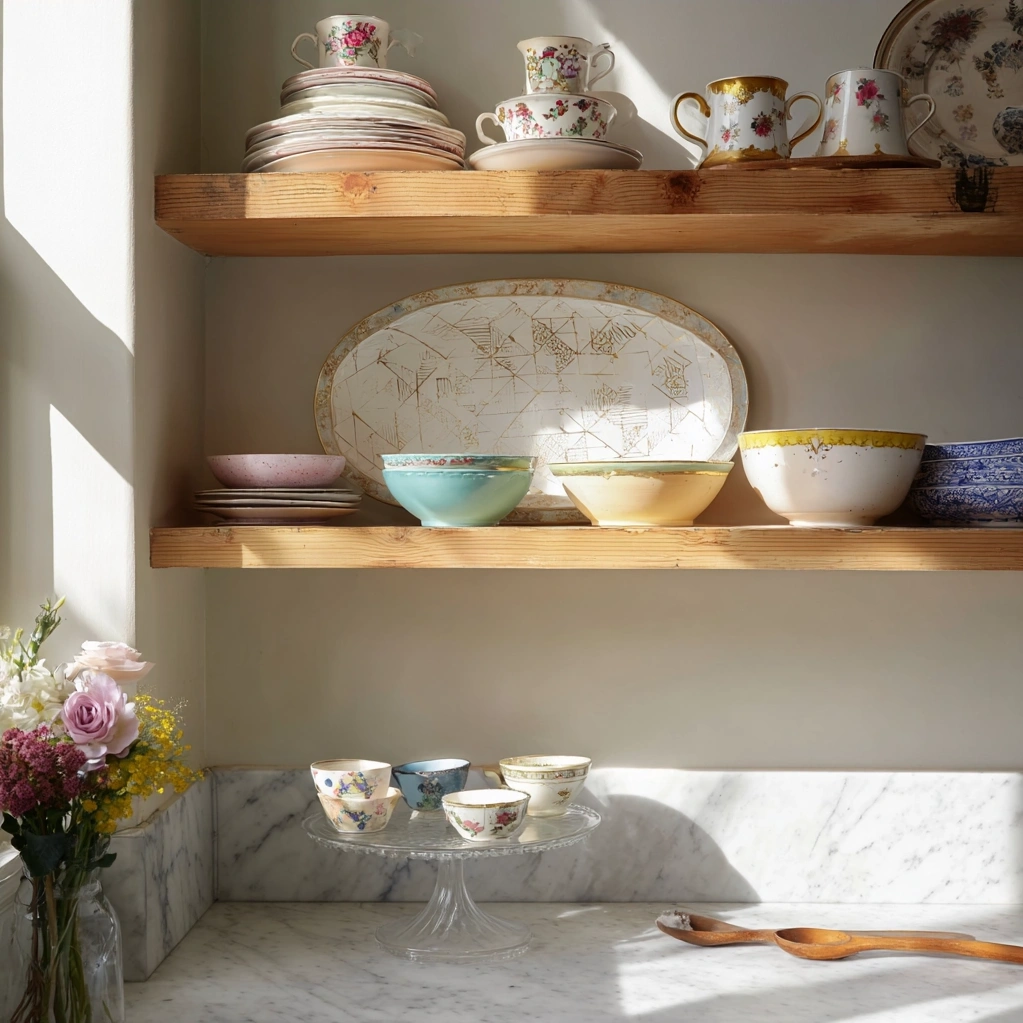
Proper care is essential to preserve the beauty and integrity of your vintage dishware collection, ensuring it lasts for generations. Start by handling pieces gently, as older items may be more fragile than modern counterparts. When cleaning, avoid harsh chemicals or abrasive scrubbers that can damage glazes or decals. Instead, use mild dish soap, lukewarm water, and a soft cloth. For stubborn stains, a paste of baking soda and water can be effective, but test on a small area first. Dishwashers are generally not recommended for vintage dishware, as high heat and detergents can cause cracking or fading. Handwashing is safest, allowing you to inspect each piece for any new damage. Storage is equally important. Stack plates with felt or paper liners between them to prevent scratching. Store cups and bowls upright rather than nested to reduce pressure on rims. Keep your collection in a cool, dry place away from direct sunlight, which can fade colors over time. For display pieces, dust regularly with a soft brush to maintain their luster. If you notice hairline cracks or chips, consider consulting a professional restorer for repairs, though some collectors appreciate these imperfections as part of an item's history. Regularly using your vintage dishware can actually help preserve it, as frequent handling prevents materials from becoming brittle. However, avoid extreme temperature changes, such as moving a cold piece directly into a hot oven, which can cause thermal shock. Document your collection with notes or photos, recording details like origins, dates, and personal stories. This not only aids in insurance or valuation but enriches your connection to each piece. By investing time in care, you honor the craftsmanship of your vintage dishware collection, ensuring it remains a cherished part of your home for years to come.
Conclusion
A vintage dishware collection is more than an assembly of plates and cups—it's a gateway to history, artistry, and personal expression. Throughout this article, we've explored how to start your collection, style it beautifully, and care for it diligently. Each piece you acquire adds a layer of narrative to your home, transforming mundane moments into meaningful experiences. Whether you're drawn to the elegance of porcelain or the rustic charm of stoneware, building a collection allows you to curate a unique aesthetic that reflects your tastes and values. As you continue your journey, remember that the joy lies in the process: the thrill of discovery at a flea market, the satisfaction of a perfectly styled shelf, and the warmth of sharing a meal on plates with a past. Looking ahead, consider expanding your focus to include complementary items like vintage linens or glassware, creating a cohesive tablescape. Embrace sustainability by repurposing chipped pieces as planters or decorative accents. Share your passion with others—host gatherings that showcase your collection, or join online communities to exchange tips and stories. Ultimately, a vintage dishware collection enriches your daily life with beauty and connection, reminding us that the best things are often those with a history. Start small, stay curious, and let your collection evolve naturally, becoming a testament to timeless design and personal heritage.
Frequently Asked Questions
Q: How can I tell if my vintage dishware is valuable?
Determining the value of vintage dishware involves several factors. Look for maker's marks, usually found on the bottom of pieces, which can indicate the manufacturer and era. Research these marks online or in collector guides. Condition is critical—pieces without chips, cracks, or excessive wear are more valuable. Rarity and demand also play a role; limited-edition patterns or items from well-known brands like Franciscan or Spode may command higher prices. Age can be a factor, but not always; some mid-century designs are highly sought after. For a precise valuation, consider consulting an appraiser or checking recent sales on auction sites. Remember, sentimental value often outweighs monetary worth in a personal collection.
Q: Is it safe to use vintage dishware for everyday meals?
Yes, most vintage dishware is safe for everyday use if it's in good condition and properly cared for. However, there are a few considerations. Avoid pieces with lead-based glazes, common in items made before the 1970s, especially those with bright colors or decals. You can test for lead with home kits or consult experts. Ensure there are no cracks or chips where bacteria can hide. Handwash with mild soap to preserve glazes and prevent damage from dishwasher cycles. If you're uncertain, reserve highly decorative or fragile pieces for display rather than daily use. With routine checks and gentle handling, vintage dishware can be both functional and beautiful in your kitchen.
Q: What are some common mistakes to avoid when starting a vintage dishware collection?
Common mistakes include buying impulsively without a focus, leading to a disjointed collection. Set a theme or era to guide purchases. Overlooking condition is another pitfall; inspect pieces thoroughly for damage that affects usability or value. Don't neglect research—familiarize yourself with styles and marks to avoid overpaying. Avoid storing pieces improperly, such as stacking without protectors, which can cause scratches. Lastly, don't be afraid to mix and match; a perfectly matched set isn't necessary for a charming collection. Start small, learn as you go, and prioritize pieces that genuinely appeal to you rather than following trends.