
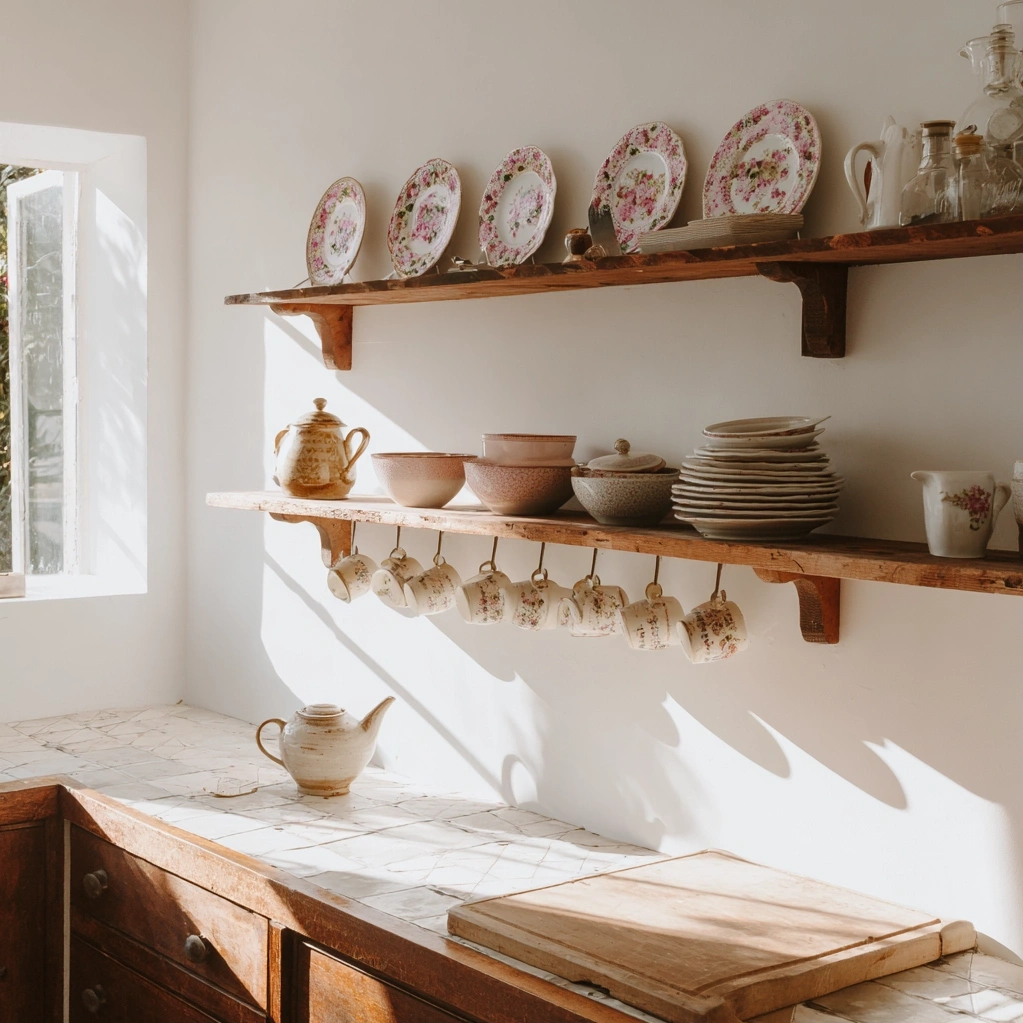
The vintage dishware aesthetic has surged in popularity, transforming from nostalgic keepsakes to a beloved design movement that infolds warmth, history, and personality into contemporary living spaces. This style is not merely about using old plates and cups; it’s a deliberate choice to embrace imperfect beauty, rich stories, and sustainable practices. In an era dominated by mass-produced minimalism, vintage dishware offers a refreshing counterpoint—each piece whispers tales of past gatherings, craftsmanship, and artistry often lost in modern manufacturing. Why does this matter today? Beyond aesthetics, it connects us to heritage, promotes eco-conscious living by repurposing existing items, and creates uniquely layered interiors that feel lived-in and welcoming. Whether you’re drawn to delicate floral patterns, bold mid-century designs, or rustic stoneware, incorporating this aesthetic can elevate everyday moments like morning coffee or dinner parties into cherished rituals. It’s about curating a collection that reflects your taste while honoring the past. This article explores how to seamlessly blend vintage dishware into your home, unlocking its potential to add character and soul to any room, from kitchens to dining areas and beyond.
Embracing the Vintage Dishware Aesthetic in Modern Kitchens
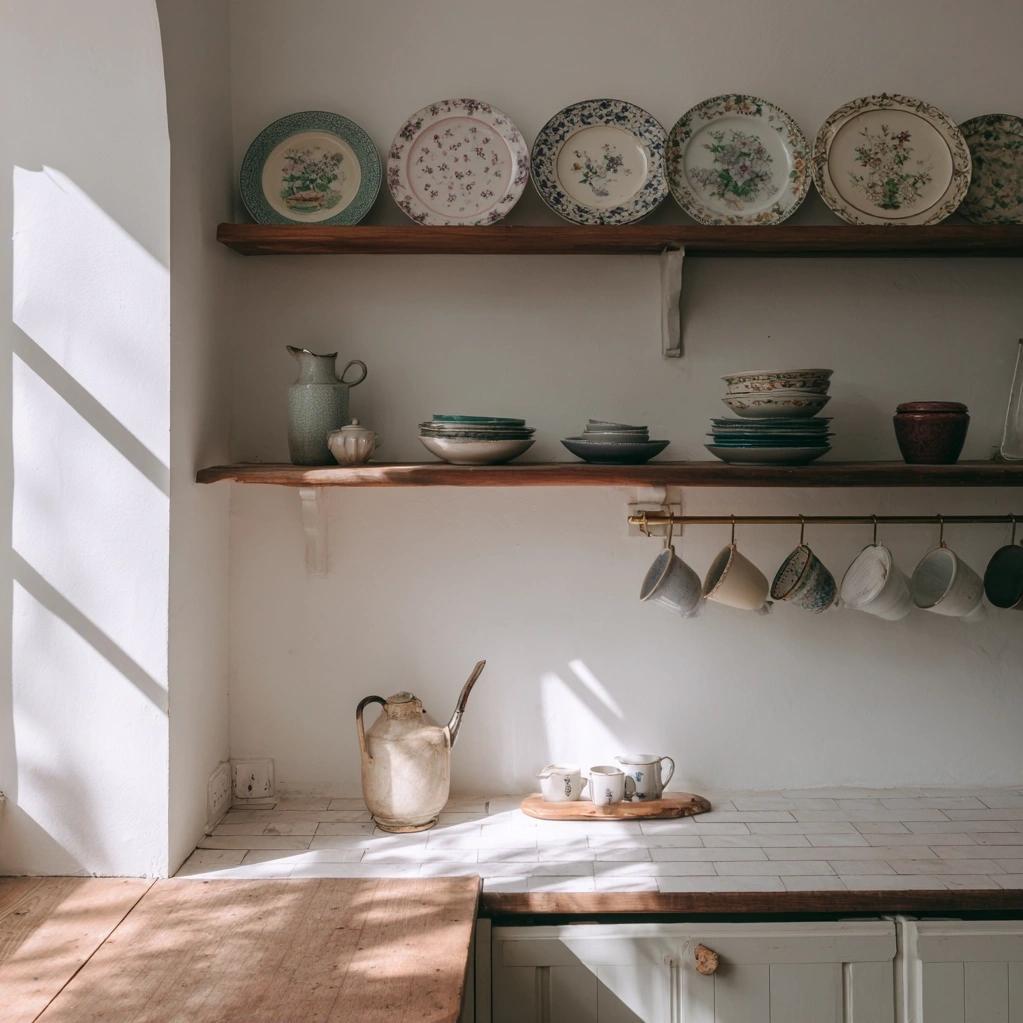
Integrating the vintage dishware aesthetic into modern kitchens creates a harmonious blend of old and new, softening sleek surfaces with timeless charm. Start by displaying pieces openly rather than hiding them in cabinets. Install open shelving or glass-front cupboards to showcase your collection, arranging items by color, pattern, or era for visual impact. Mix and match different styles—pair a rustic ceramic pitcher with delicate teacups or combine bold geometric plates from the 1970s with simpler, neutral bowls. This layering adds depth and interest, preventing the space from feeling too curated or sterile. Use vintage dishware functionally, not just decoratively; serve meals on patterned plates, store utensils in old crocks, or use a vintage cake stand for desserts. The key is balance: offset vintage elements with clean lines and modern appliances to avoid a cluttered look. For example, a minimalist white countertop can highlight a colorful array of vintage mugs, while stainless steel fixtures contrast beautifully with weathered wood cutting boards or enamelware. Consider lighting too; natural light enhances the textures and colors of vintage pieces, making them sparkle. Don't shy away from imperfections like chips or cracks—they add authenticity and tell a story. By thoughtfully incorporating the vintage dishware aesthetic, you transform your kitchen into a cozy, inviting hub that celebrates history and daily life.
Curating a Stunning Vintage Dishware Collection
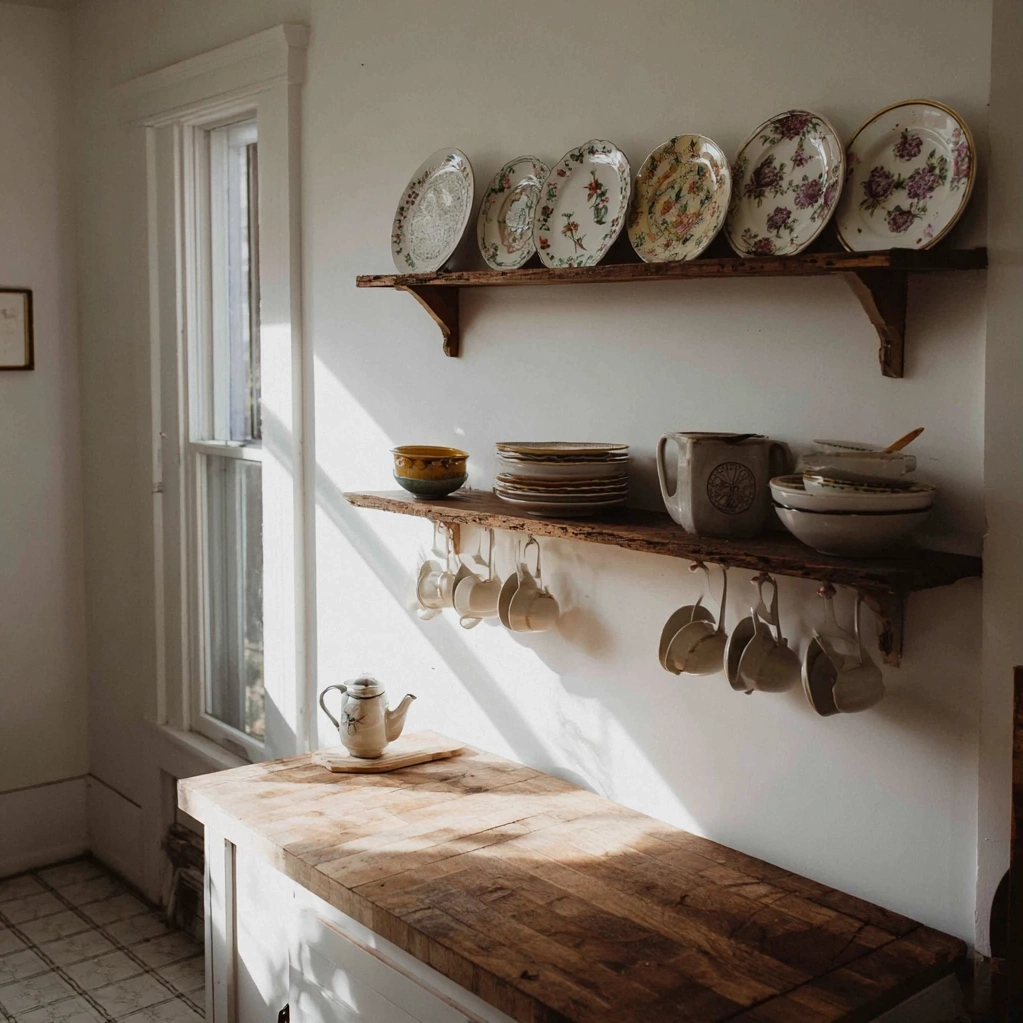
Building a vintage dishware collection is an exciting journey that requires patience, knowledge, and a keen eye for quality. Begin by defining your style preferences: are you drawn to floral patterns from the 1950s, Art Deco designs from the 1920s, or earthy stoneware from the 1970s? Research common brands and eras, such as Pyrex, Fire-King, or Wedgwood, to understand their characteristics and value. Visit thrift stores, flea markets, estate sales, and online marketplaces to hunt for pieces—these venues often yield hidden gems at affordable prices. When selecting items, inspect them for durability and safety: avoid pieces with lead-based glazes or deep cracks that could harbor bacteria, but minor wear like light scratching or faded patterns can add charm. Focus on acquiring a mix of functional pieces—dinner plates, bowls, cups, and serving dishes—that you'll actually use, rather than just accumulating for display. The vintage dishware aesthetic thrives on variety, so don't feel pressured to match everything perfectly; eclectic combinations often create the most dynamic looks. Consider themes, like collecting all blue-and-white transferware or mid-century modern ceramics, to give your collection coherence. As you grow your assortment, store pieces carefully to prevent damage, using felt liners in cabinets or padding between stacked plates. Documenting your finds with notes on their history or origin can enrich your appreciation. Over time, this curated approach ensures your collection reflects personal taste while enhancing your home's aesthetic appeal.
Styling Tips to Showcase the Vintage Dishware Aesthetic
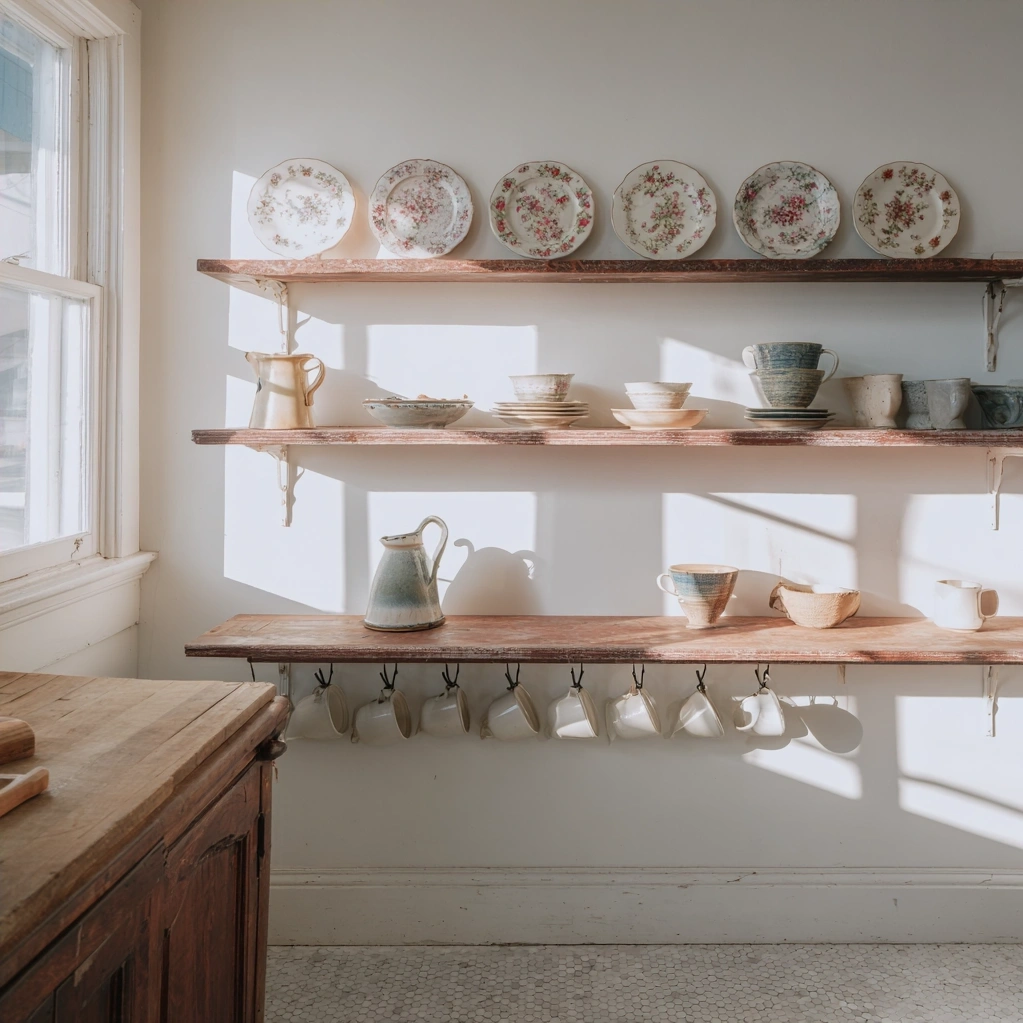
Effectively styling the vintage dishware aesthetic involves creative arrangements that highlight its beauty and functionality throughout your home. Beyond the kitchen, incorporate these pieces into dining areas, living rooms, and even bedrooms for a cohesive look. On dining tables, layer vintage plates with modern flatware and glassware for an eclectic tablescape; mix patterns and colors to create visual interest, but keep a common thread like a shared hue or material to tie it together. Use vintage serving platters, teapots, or tureens as centerpieces or decorative accents on sideboards or mantels, filling them with fresh flowers, fruits, or candles to add life. In living spaces, display collections on wall-mounted shelves or in curated groupings on coffee tables—for instance, stack vintage saucers beneath a lamp or arrange a set of cups on a tray. The vintage dishware aesthetic also shines in unexpected places: repurpose old plates as wall art by hanging them in clusters, use mismatched bowls to organize small items like keys or jewelry, or turn a chipped but beautiful platter into a plant stand. Pay attention to backgrounds and surfaces; neutral walls or wooden furniture allow vintage colors and patterns to pop, while cluttered settings can diminish their impact. Rotate pieces seasonally to keep displays fresh and engaging—lighter patterns for spring and summer, richer tones for fall and winter. By applying these styling tips, you create dynamic, personal spaces that celebrate the enduring appeal of vintage dishware.
Conclusion
The vintage dishware aesthetic offers far more than visual appeal; it's a pathway to infusing your home with history, sustainability, and heartfelt charm. As we've explored, this style can transform modern kitchens into warm, inviting spaces, guide the curation of meaningful collections, and inspire creative styling across various rooms. Looking ahead, this trend shows no signs of fading, driven by a growing appreciation for slow living, eco-friendly practices, and personalized interiors. Future developments may include increased digital resources for identifying and dating pieces, as well as innovations in upcycling—such as turning broken china into mosaic art or jewelry. To embrace this aesthetic, start small: visit a local thrift shop, pick one piece that speaks to you, and incorporate it into your daily routine. Notice how it changes the feel of a meal or a room. As you expand your collection, remember that perfection isn't the goal; it's about the stories and joy these items bring. Whether you're a seasoned collector or a newcomer, the vintage dishware aesthetic invites you to slow down, appreciate craftsmanship, and create a home that truly reflects your unique journey. Let these timeless pieces remind you that beauty often lies in the well-loved and well-used.
Frequently Asked Questions
Q: How can I tell if my vintage dishware is safe to use for eating and drinking?
Safety is crucial when using vintage dishware. First, check for lead content, especially in pieces made before the 1970s, as older glazes may contain lead that can leach into food. You can use lead-testing kits available at hardware stores. Avoid items with cracks, chips, or crazing (fine cracks in the glaze), as these can harbor bacteria and make cleaning difficult. For daily use, stick to pieces in good condition from reputable brands known for food-safe materials, and consider reserving highly decorative or damaged items for display only. When in doubt, consult online resources or antique experts for guidance.
Q: What are some affordable ways to start a vintage dishware collection?
Starting a collection doesn't have to be expensive. Begin by shopping at thrift stores, garage sales, flea markets, and online platforms like eBay or Facebook Marketplace, where you can often find pieces for a few dollars each. Focus on common items like plates, bowls, and cups rather than rare sets to keep costs low. Look for sales or discounts at antique malls, and consider buying in bulk or lots for better deals. Another budget-friendly approach is to repurpose items you already own or inherit from family members. As you learn more, you can gradually invest in higher-quality or rarer pieces.
Q: How do I clean and care for vintage dishware to preserve its condition?
Proper care extends the life of your vintage dishware. Hand-wash items gently with mild soap and warm water, avoiding abrasive scrubbers that can scratch surfaces or damage patterns. For stubborn stains, soak pieces in a mixture of water and baking soda, but never use harsh chemicals or bleach, which can fade colors or weaken materials. Dry thoroughly with a soft cloth to prevent water spots. Store pieces carefully by stacking them with felt or paper liners between to prevent scratches, and avoid extreme temperature changes, such as moving from a hot dishwasher to a cold surface, which can cause cracking. Display items out of direct sunlight to prevent fading over time.