
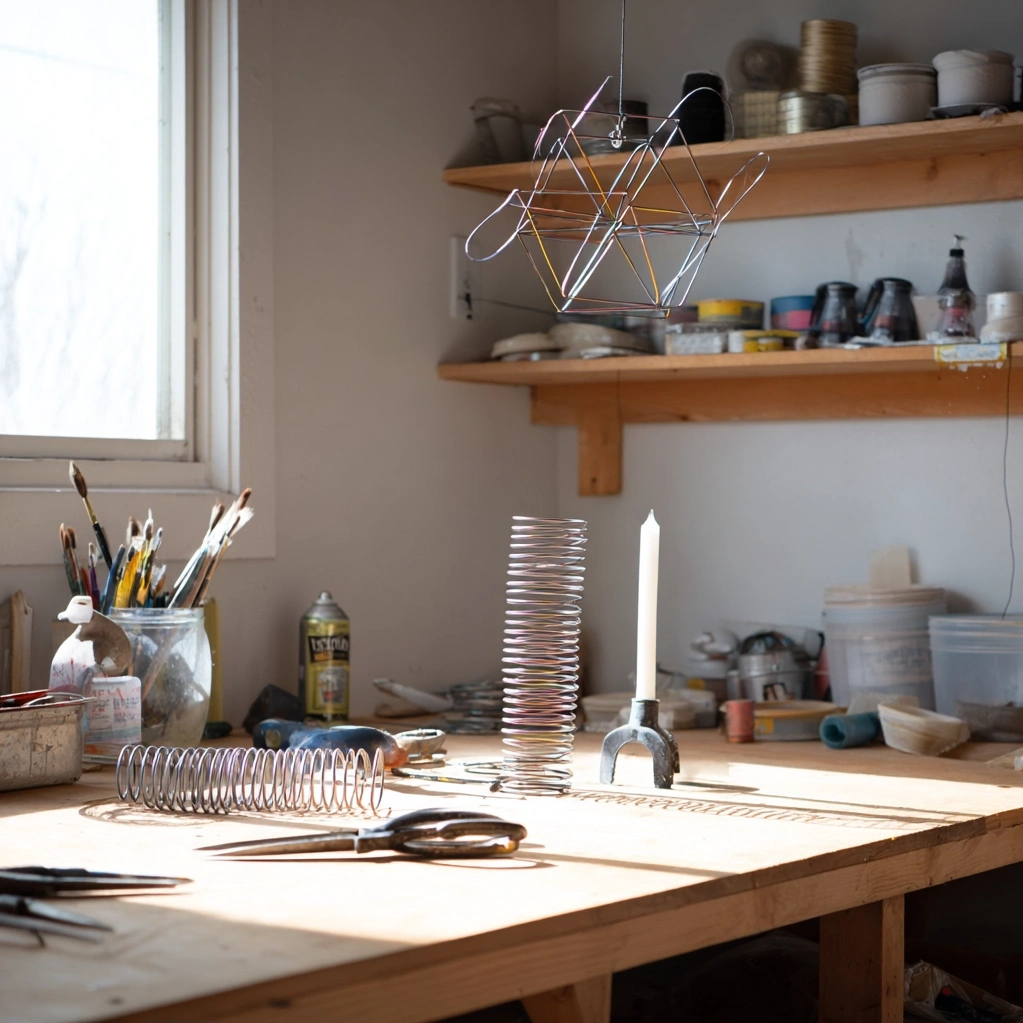
In a world increasingly conscious of sustainability and personal expression, bed spring crafts have emerged as a brilliant fusion of environmental responsibility and artistic creativity. These humble metal coils, often destined for landfills when old mattresses are replaced, hold untapped potential that can transform your living space in remarkable ways. Beyond just recycling, working with bed springs taps into a growing movement that values resourcefulness and character over mass-produced decor.
Why should you care about bed spring crafts? First, they represent an accessible entry point into upcycling. Unlike some specialized materials, bed springs are widely available through mattress retailers, recycling centers, or even your own home during furniture updates. Second, they offer unique structural properties—their spiral shape provides inherent stability and visual interest that flat materials can't match. This makes them perfect for creating three-dimensional art pieces, functional organizers, or statement lighting fixtures.
More importantly, bed spring crafts tell a story. Each piece carries the history of its previous life as part of someone's restful sanctuary, now reborn as something beautiful and useful. This transformation resonates deeply in our current cultural moment, where we seek meaning in our possessions and connection to the objects that surround us. Whether you're a seasoned crafter looking for new challenges or a beginner wanting to start with forgiving, versatile materials, bed spring projects offer satisfaction that goes beyond the finished product.
The versatility of bed spring crafts is truly astonishing. From rustic farmhouse chandeliers to modern geometric sculptures, from practical kitchen utensil holders to whimsical garden ornaments, these simple coils can adapt to virtually any design aesthetic. Their industrial origins provide an interesting contrast when combined with softer elements like wood, fabric, or plants, creating visual tension that sophisticated interiors crave. As we explore this topic, you'll discover that working with bed springs isn't just about making things—it's about developing a new way of seeing potential in everyday objects.
Essential Tools and Techniques for Bed Spring Crafts
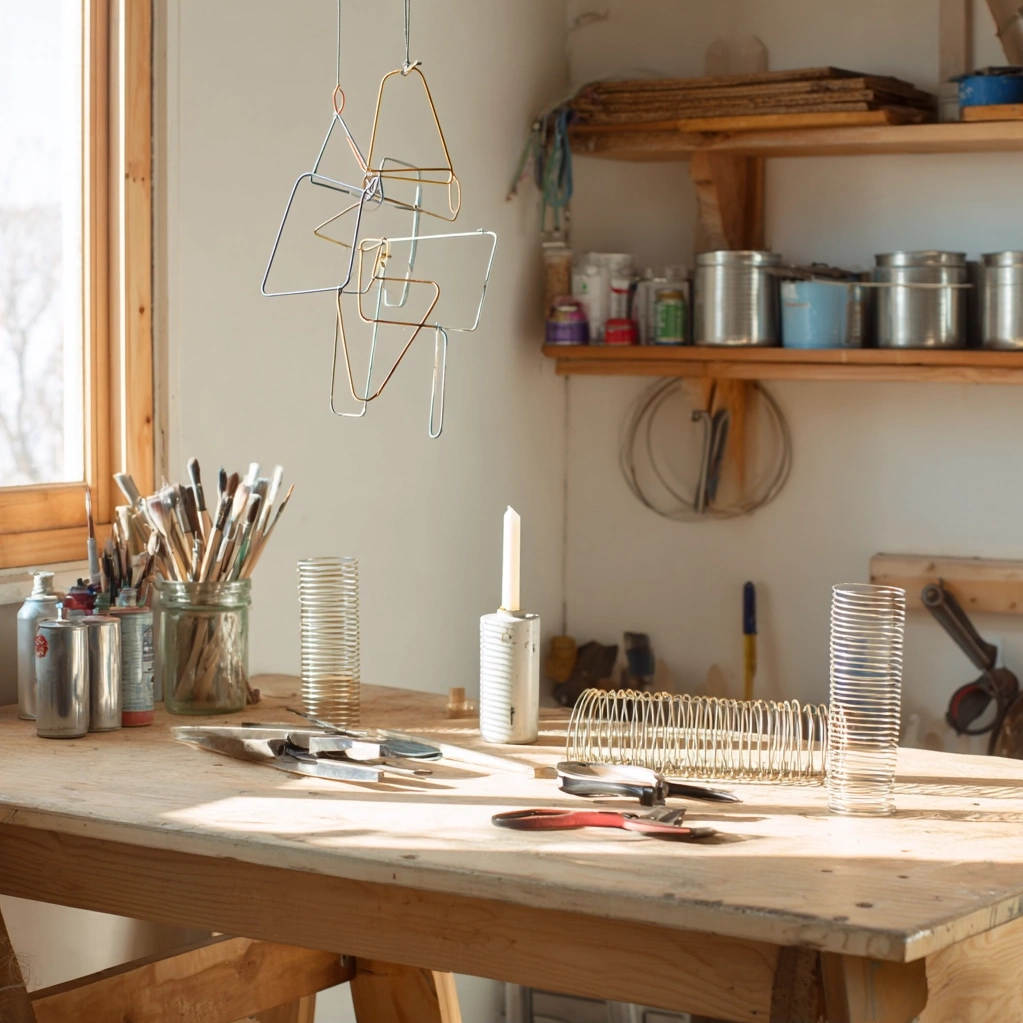
Before diving into specific projects, understanding the fundamental tools and techniques for bed spring crafts will set you up for success. The beauty of working with bed springs is that you don't need expensive equipment or specialized training. Basic safety gear is your first priority: sturdy work gloves to protect against sharp edges, safety glasses for cutting or bending operations, and closed-toe shoes. For tools, start with a good pair of wire cutters (preferably with a spring-loaded return), needle-nose pliers for detailed work, and a metal file to smooth rough ends.
Preparation is crucial when working with bed spring crafts. Most springs come from mattresses with fabric covers that need removal. Use utility scissors to carefully cut away outer layers, then inspect each spring for damage or excessive rust. Light surface rust can add character, but heavily corroded springs may be structurally compromised. For cleaning, a simple solution of vinegar and water with a stiff brush works well, followed by thorough drying to prevent new rust formation.
Mastering basic techniques opens endless possibilities. Bending springs requires gradual pressure rather than forceful manipulation—work slowly to maintain the coil's integrity. Cutting springs demands caution: secure the spring firmly in a vise or with clamps, then make clean cuts. For joining springs together, consider both aesthetics and function. Twisting ends together creates seamless connections for decorative pieces, while using small metal rings or wire provides stronger joints for functional items like hanging planters or lamp frames.
Finishing techniques elevate your bed spring crafts from makeshift to magnificent. Spray paint offers quick, even coverage in countless colors, but consider specialty finishes like hammered metal or antique bronze for more sophisticated looks. Clear sealant protects painted surfaces and prevents rust. For added texture, try wrapping sections with jute rope, leather strips, or colorful yarn. Remember that springs' natural flexibility means your creations can have movement and life—embrace this quality rather than fighting against it. With these fundamentals, you're ready to create bed spring crafts that are both beautiful and durable.
Transformative Bed Spring Crafts for Every Room
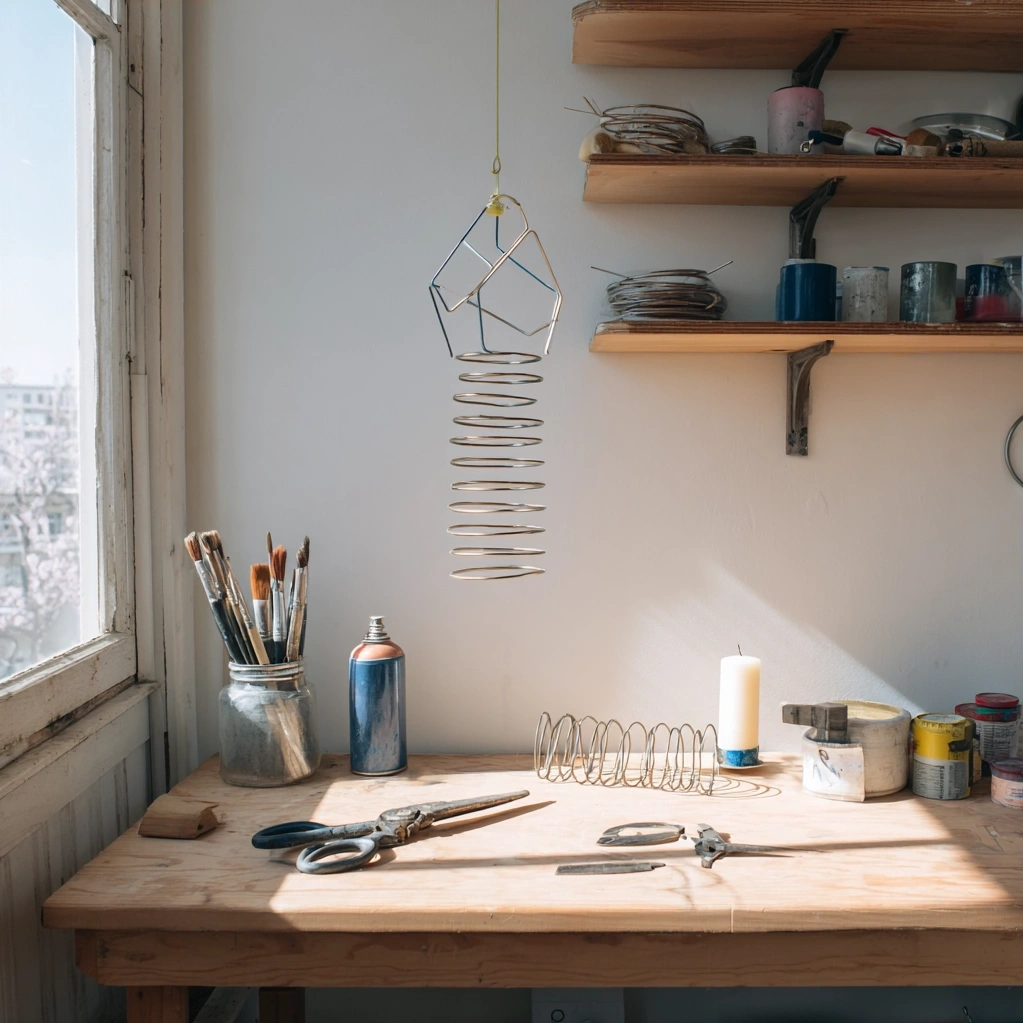
Bed spring crafts offer remarkable versatility that can enhance every corner of your home. In living spaces, create conversation-starting centerpieces by grouping painted springs of varying heights on a coffee table or mantel. Fill them with seasonal decorations like pinecones in winter or dried flowers in summer. For wall art, arrange springs in geometric patterns and secure them to painted wooden backings. These pieces catch light beautifully and cast interesting shadows throughout the day.
In kitchens and dining areas, bed spring crafts become both practical and charming. Create utensil holders by securing springs inside wooden boxes or ceramic pots—their open structure allows easy access while keeping tools organized. For a unique centerpiece, stack springs of decreasing sizes and place a glass bowl on top to hold fruit or candles. Smaller springs make excellent napkin rings when wrapped with fabric strips or painted in coordinating colors with your tableware.
Bedrooms benefit from bed spring crafts that combine function with gentle aesthetics. Fashion jewelry organizers by attaching springs to decorative boards—earrings hook perfectly between coils, while necklaces drape gracefully over the top. For bedside, create minimalist lamp bases using a single large spring as the stand, topped with a simple shade. In children's rooms, paint springs in bright colors and use them as bookends or toy storage for small items.
Outdoor bed spring crafts bring industrial charm to gardens and patios. Create plant markers by attaching painted springs to wooden stakes—their height makes them visible among foliage. For vertical gardens, secure multiple springs to a trellis and fill them with succulents or trailing plants. As wind chimes, springs produce soft, metallic tones that are less intrusive than traditional designs. Larger springs can become unique garden sculptures when arranged in abstract forms and allowed to develop a natural patina over time.
The key to successful room-specific bed spring crafts is matching the piece's style to its environment. Industrial spaces welcome raw, unpainted springs, while traditional rooms might prefer gold-leafed or white-washed finishes. Consider scale carefully—a massive spring sculpture might overwhelm a small bathroom but become a stunning focal point in an entryway. By thoughtfully integrating bed spring crafts throughout your home, you create cohesive design stories that showcase both creativity and intentional living.

Advanced Bed Spring Crafts: From Simple to Spectacular
Once you've mastered basic bed spring crafts, more ambitious projects await. Lighting fixtures represent perhaps the most dramatic use of springs, transforming ordinary illumination into artistic statements. For a chandelier, gather springs of similar diameter and arrange them in a circular cluster, securing them at the top with a metal ring. Run wiring through the center, adding socket adapters and bulbs at varying heights. The result is a stunning piece that casts intricate shadows while providing functional light. For table lamps, use a single large spring as the base, weighted with sand or stones for stability, then add a lamp kit and shade.
Furniture incorporating bed spring crafts bridges the gap between art and utility. Create side tables by welding or securely fastening springs to form legs, then topping with a glass or wooden surface. The springs' natural give provides slight cushioning against vibration. For seating, springs can become the structural base for outdoor stools or porch swings when properly secured and combined with comfortable cushions. Always reinforce furniture projects with additional support structures to ensure safety and durability.
Large-scale sculptural bed spring crafts make breathtaking focal points. Consider creating room dividers by connecting springs with thin metal rods in geometric patterns—these allow light and air to pass while defining spaces. Wall installations can cover entire surfaces when springs are arranged in repeating patterns and painted in gradients of color. For garden art, construct abstract forms that interact with wind and weather, developing unique rust patterns over seasons.
Mixed media approaches elevate bed spring crafts to gallery-worthy pieces. Combine springs with reclaimed wood for rustic wall art, or embed them in resin tables for a modern industrial look. Incorporate glass elements by placing colored glass pieces within spring coils, or add living components like air plants that thrive in the open structures. For holiday decor, springs become extraordinary Christmas tree alternatives when stacked in conical shapes and decorated with lights and ornaments.
These advanced bed spring crafts require more planning and sometimes additional skills like basic welding or electrical work. Start with detailed sketches and material lists. Test structural integrity at each stage, especially for pieces that will bear weight or be used frequently. Remember that the most spectacular creations often come from experimenting—don't be afraid to modify traditional techniques or combine springs with unexpected materials. Your most ambitious bed spring crafts will not only enhance your space but also serve as testaments to creative vision and skillful execution.
Conclusion
Bed spring crafts represent more than just a creative hobby—they embody a mindset of resourcefulness, sustainability, and personal expression that's increasingly valuable in our modern world. Throughout this exploration, we've seen how these humble metal coils transform from discarded mattress components into stunning decor elements that enhance every room. The journey from basic techniques to advanced projects demonstrates that anyone, regardless of skill level, can participate in this rewarding form of creative reuse.
What makes bed spring crafts particularly compelling is their dual nature. They satisfy practical needs for organization and decoration while addressing our growing environmental consciousness. Each spring rescued from landfill represents not just material saved, but energy and resources preserved. More personally, working with these materials connects us to the lifecycle of objects in our consumer society, fostering appreciation for what we already have rather than constant pursuit of the new.
Looking forward, the potential for bed spring crafts continues to expand. As more people discover this medium, we'll see increasingly innovative applications—perhaps in architectural elements, wearable art, or community installations. The basic principles we've discussed remain constant: start with safety, respect the material's properties, and let creativity guide you. Whether creating a simple kitchen organizer or an elaborate chandelier, the satisfaction comes from both the process and the product.
I encourage you to begin your bed spring crafts journey today. Visit local mattress recyclers, check online marketplaces for free materials, or even look at your own home for potential sources. Start with a small project to build confidence, then let your imagination take over. Share your creations with others, either in person or through social media communities dedicated to upcycling. Your bed spring crafts will not only beautify your space but also inspire others to see potential where they once saw waste. In transforming springs, we ultimately transform our relationship with the material world—finding beauty, function, and meaning in the most unexpected places.
Frequently Asked Questions
Q: Where can I find bed springs for crafting projects?
Bed springs are surprisingly easy to source once you know where to look. Start with local mattress stores and recycling centers—they often have springs available for free or minimal cost when replacing old mattresses. Check online marketplaces like Craigslist or Facebook Marketplace, where people frequently give away old bed frames and mattresses. If you're replacing your own mattress, save the springs! Some craft stores now carry cleaned and prepared springs specifically for crafting. Always inspect springs for excessive rust, damage, or unusual odors before using them in your projects.
Q: Are bed spring crafts safe for households with children or pets?
With proper preparation and finishing, bed spring crafts can be completely safe for homes with children and pets. The main concerns are sharp edges and small parts. Always file down any cut ends until smooth, and consider covering exposed wire tips with plastic caps or dipping them in protective coating. For hanging pieces, ensure secure mounting to prevent falls. Avoid using springs that show significant rust, as this can indicate weakness. For projects in children's rooms, position pieces out of reach of young children, and choose paints and finishes that are non-toxic and durable. With these precautions, bed spring crafts add unique character to family-friendly spaces.
Q: What's the best way to clean and prepare old bed springs for crafting?
Proper cleaning ensures your bed spring crafts look great and last longer. First, remove any fabric or padding using utility scissors or pliers—work carefully to avoid bending springs unnecessarily. For cleaning, create a solution of equal parts white vinegar and warm water. Scrub each spring with a stiff brush, paying attention to crevices where dirt accumulates. Rinse thoroughly with clean water. For stubborn stains or rust, use a commercial rust remover following product instructions. After cleaning, dry springs completely with a towel, then allow them to air-dry for several hours to prevent new rust formation. If desired, apply a clear sealant at this stage before painting or decorating. Proper preparation takes time but results in professional-looking finished pieces.