
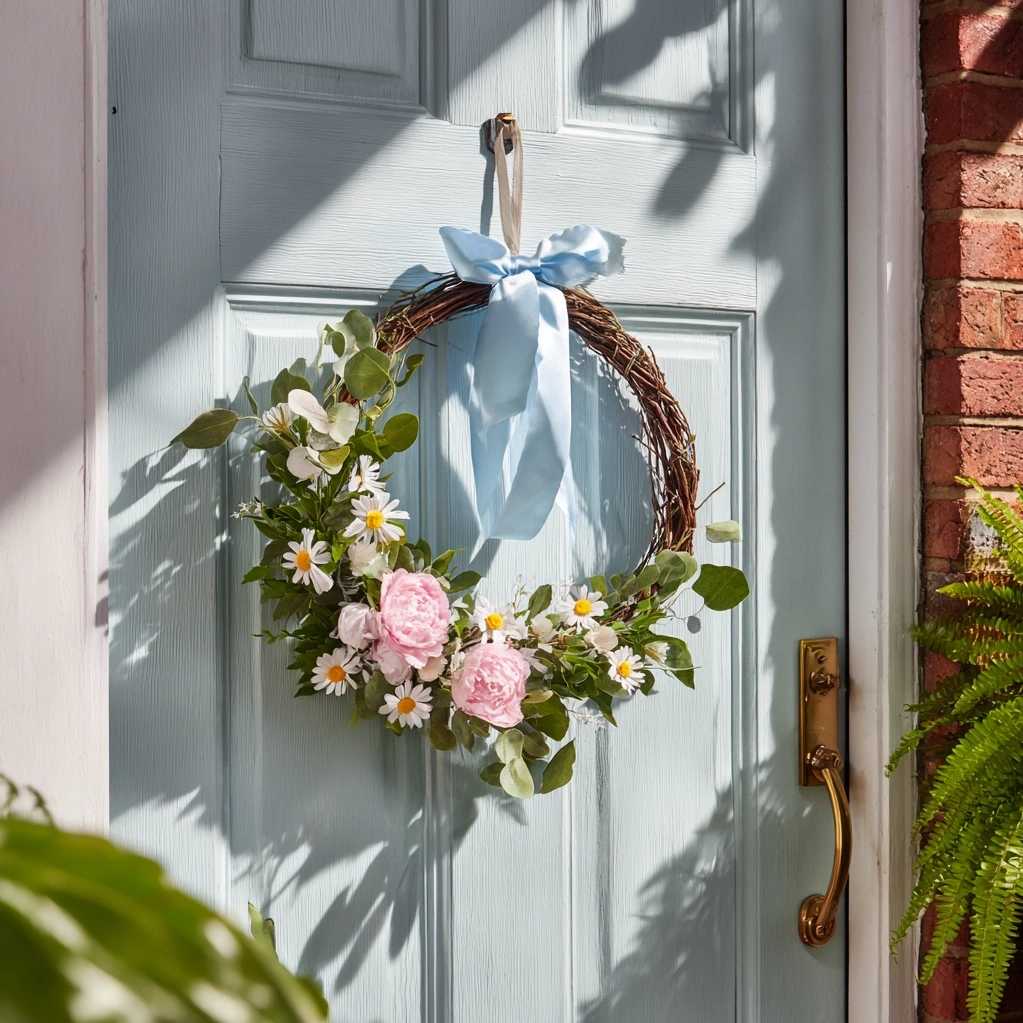
As winter fades and nature awakens, there’s no better way to welcome the season than with a stunning spring floral wreath. These beautiful creations capture the essence of renewal and growth, transforming any space into a vibrant sanctuary. Whether you’re decorating your front door, enhancing your living room wall, or adding charm to a dining area, a floral wreath serves as the perfect focal point that radiates positivity and fresh energy. The tradition of hanging wreaths dates back centuries, originally symbolizing eternity and the cycle of seasons. Today, they’ve evolved into versatile decor pieces that reflect personal style while connecting us to nature’s rhythms. Creating or choosing the right spring floral wreath can completely transform your home’s atmosphere. It brings color, texture, and life to even the most neutral spaces. Imagine coming home to a burst of blossoms that greets you at the door or glancing at a wall adorned with delicate florals that brighten your day. These wreaths aren’t just decorations; they’re expressions of creativity and invitations to embrace the beauty around us. As we spend more time in our homes, these meaningful touches become even more valuable, turning ordinary spaces into inspiring retreats.
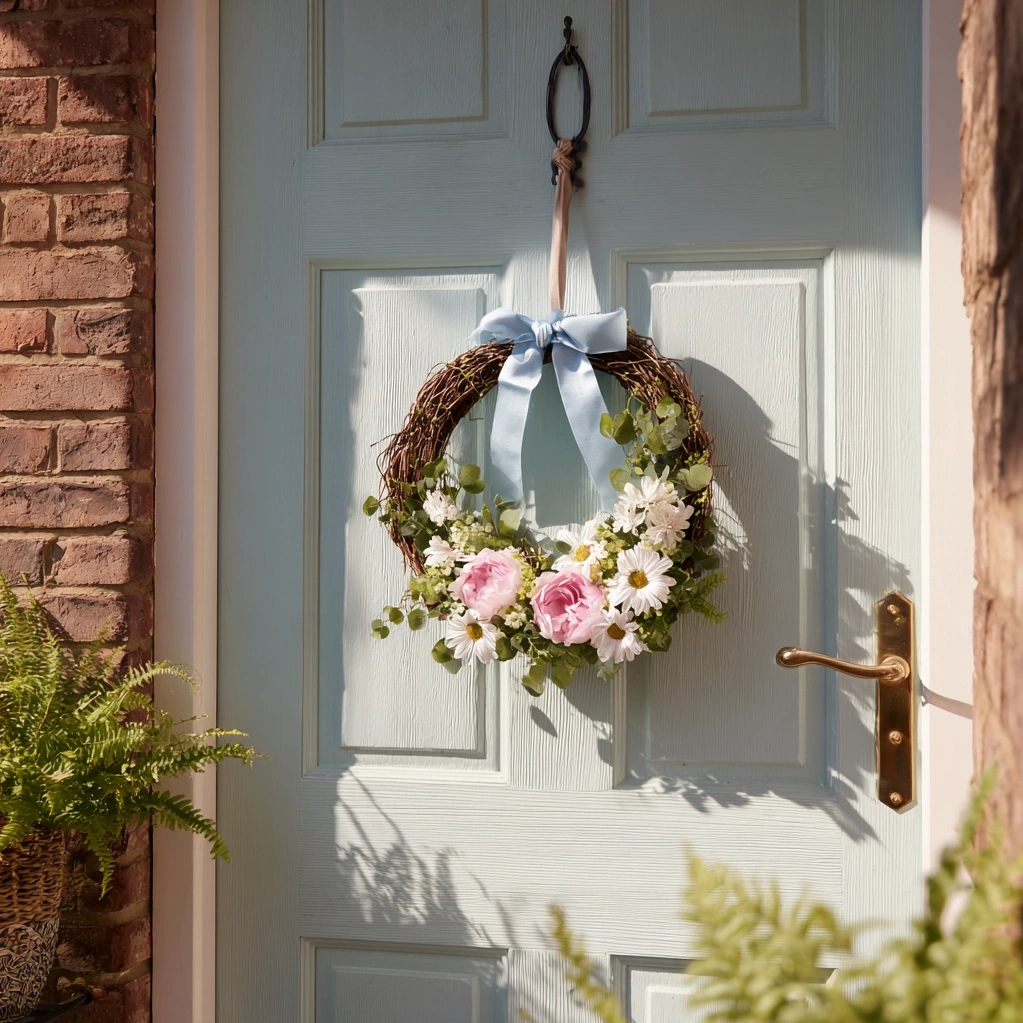
Choosing the Perfect Spring Floral Wreath for Your Space
Selecting the right spring floral wreath involves considering several factors that ensure it complements your home perfectly. First, think about color palette. Spring offers a beautiful range from soft pastels to vibrant hues. If your decor features neutral tones, a wreath with pops of pink peonies or yellow daffodils can create a stunning contrast. For already colorful spaces, consider more subtle arrangements with white blooms and green foliage to add freshness without overwhelming. Next, consider size and placement. A large, statement wreath works wonderfully on a spacious front door or above a fireplace mantel. Smaller, delicate wreaths are perfect for interior walls, windows, or even as table centerpieces when laid flat. The materials matter too. While artificial florals offer durability and year-round beauty, fresh or dried flowers provide authentic texture and scent. Many modern wreaths combine both for lasting appeal. Don't forget about shape beyond the traditional circle. Oval, square, or asymmetrical wreaths can add contemporary flair. Finally, think about theme. Some prefer wildflower arrangements that feel casually gathered from a meadow, while others love structured designs with roses and hydrangeas. Your spring floral wreath should reflect your personal style while enhancing the overall aesthetic of your home. Take measurements of your intended space and consider lighting conditions to ensure your chosen wreath shines in its best light.
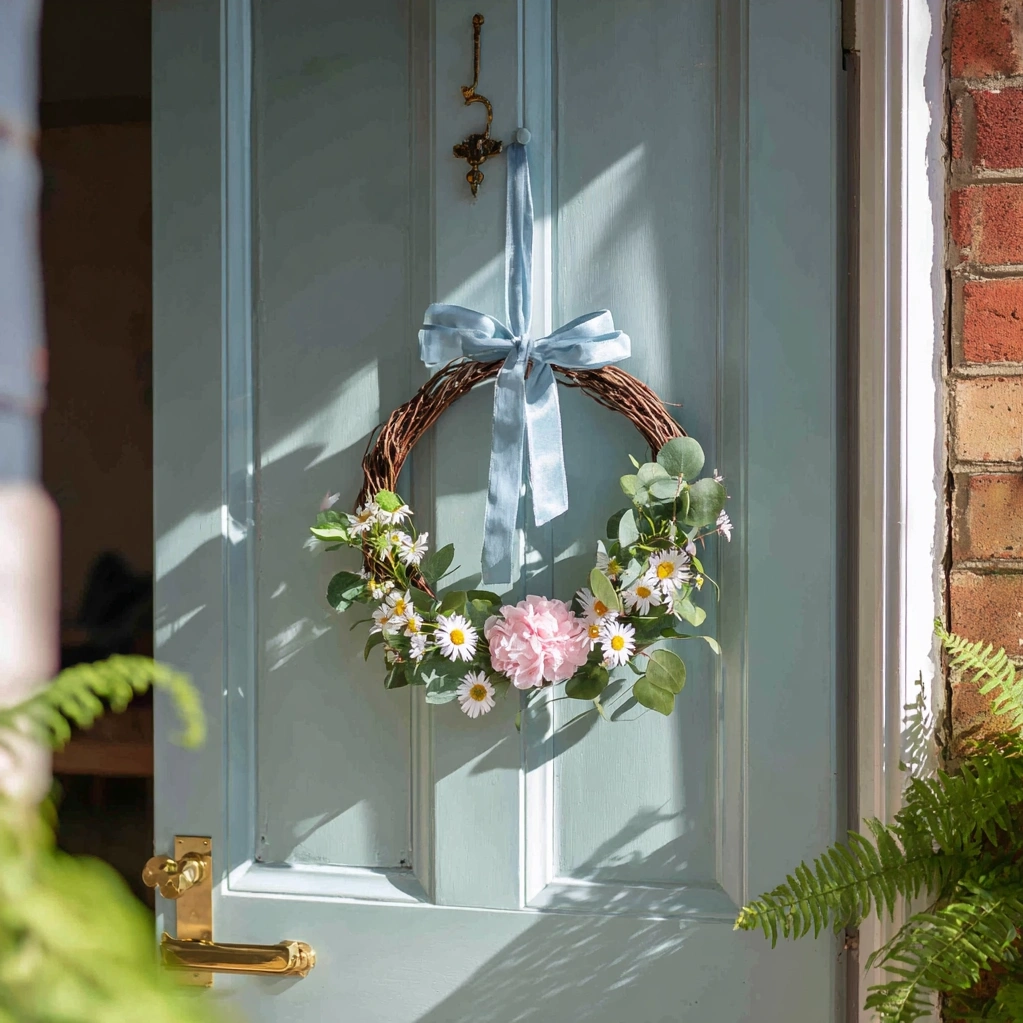
DIY Spring Floral Wreath: Simple Steps for Beginners
Creating your own spring floral wreath is a rewarding project that allows complete customization. Start with gathering supplies: a wreath base (grapevine, foam, or wire), floral wire or hot glue, wire cutters, and your chosen flowers. Grapevine bases work beautifully for a natural look and provide plenty of nooks to tuck stems. Begin by preparing your flowers. Trim stems to 2-3 inches and remove excess leaves. If using artificial flowers, you can bend wires to adjust shapes. Start with your largest blooms first, spacing them evenly around the wreath. Secure each with floral wire wrapped tightly around the base or use hot glue for faster adhesion. Work in one direction, either clockwise or counterclockwise, to maintain consistency. After placing primary flowers, add secondary blooms and filler flowers like baby's breath or small daisies. These fill gaps and create depth. Then incorporate greenery and foliage. Eucalyptus, ferns, or ivy add texture and frame the flowers beautifully. Don't be afraid to let some elements trail beyond the wreath's edge for a relaxed, organic feel. Once all elements are attached, step back and assess balance. Adjust any areas that feel too heavy or sparse. For a finishing touch, consider adding a ribbon bow at the top or bottom. Choose a ribbon that complements your color scheme—satin for elegance, burlap for rustic charm. Your DIY spring floral wreath can dry naturally if using fresh flowers or be preserved with floral spray. This project typically takes 1-2 hours and yields a unique piece that brings personal satisfaction every time you see it.
Creative Placement Ideas for Your Spring Floral Wreath
While front doors are classic spots, spring floral wreaths can enhance numerous areas in your home. Consider hanging one above your bed's headboard for a dreamy, romantic touch. Choose softer colors and delicate flowers to create a calming bedroom atmosphere. In the dining room, a wreath centered on a large wall or above a sideboard adds elegance to meal times. For kitchens, hang a smaller wreath on cabinet doors or above a window where natural light highlights the blossoms. Bathrooms benefit from wreaths too—choose moisture-resistant materials or artificial flowers that won't wilt in humidity. Place one above the mirror or on a blank wall to transform a functional space into a spa-like retreat. Don't limit wreaths to walls. Lay them flat on tables as stunning centerpieces, surrounding them with candles or decorative objects. For outdoor areas, hang wreaths on garden gates, patio walls, or even tree branches to extend your decor beyond the house. Seasonal transitions become easier when you move wreaths between spaces. A wreath that greeted guests at the door in spring might find a new home on your living room wall for summer. Consider creating a wreath collection—different sizes and styles that can be rotated or grouped together for impact. When hanging, ensure proper support. Use wreath hangers for doors, sturdy nails for walls, or decorative ribbons for lighter arrangements. The key is to experiment and find placements that bring you joy daily. Your spring floral wreath should be visible in spaces where you spend time, constantly reminding you of nature's beauty and the season's renewal.
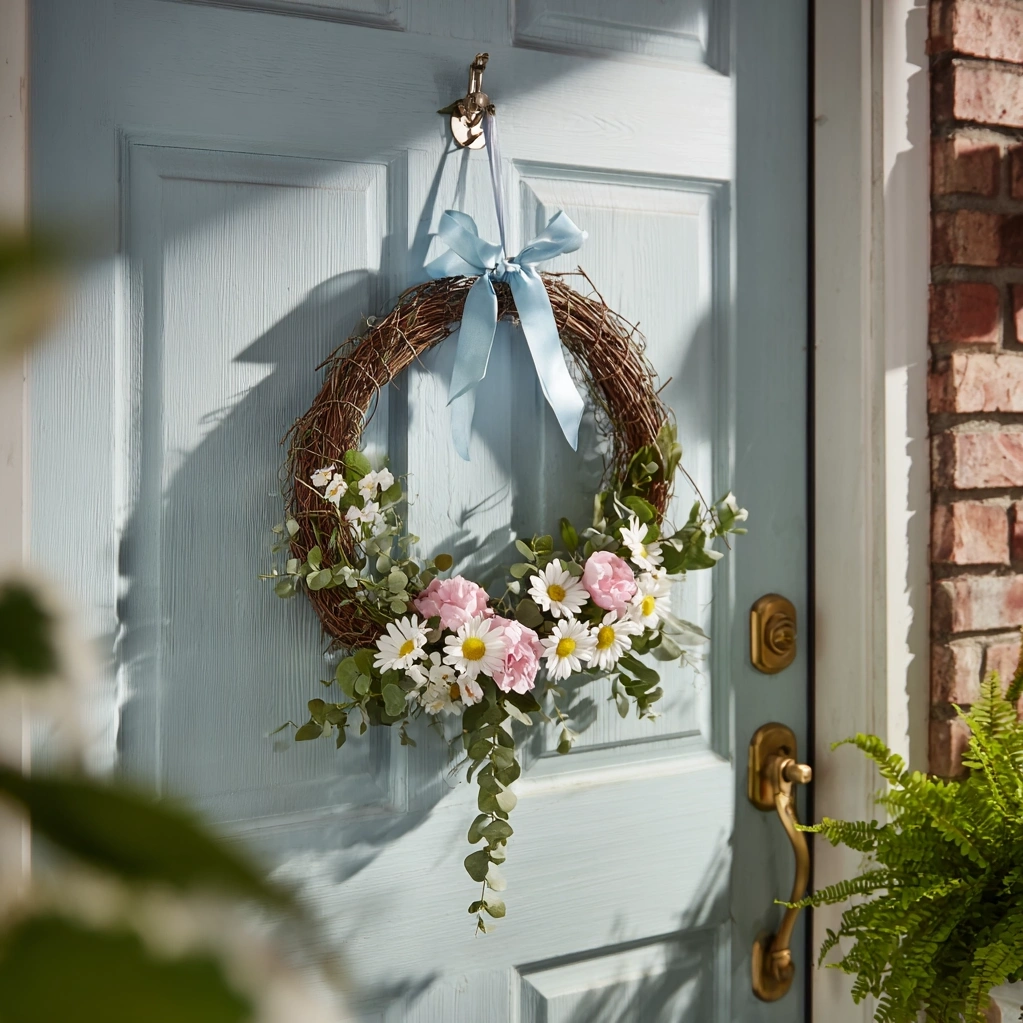
Maintaining and Storing Your Spring Floral Wreath
Proper care extends the life of your spring floral wreath, whether it's made from fresh, dried, or artificial materials. For fresh flower wreaths, mist lightly with water every few days to maintain moisture, but avoid soaking. Keep them out of direct sunlight and away from heat sources to prevent wilting. These wreaths typically last 1-2 weeks before needing replacement. Dried floral wreaths require gentle handling to prevent breakage. Dust them periodically with a soft brush or use a hairdryer on cool setting from a distance. Avoid humid areas that might cause molding. Artificial wreaths offer the most durability. Clean them by gently wiping with a damp cloth or using compressed air to remove dust. For all types, inspect regularly for loose elements and reattach as needed. When spring ends, proper storage ensures your wreath returns beautiful next year. First, remove any decorative elements like ribbons that might crush. For artificial wreaths, place in a sturdy box with tissue paper between layers. Label clearly to avoid confusion. Dried wreaths benefit from airtight containers with silica packets to absorb moisture. Store in cool, dark places like closets or under beds. Avoid attics or basements with extreme temperature fluctuations. If space is limited, consider hanging storage bags designed specifically for wreaths. These protect from dust while maintaining shape. Before storing, take photos of your arrangement to remember placement for next season. Some people enjoy disassembling wreaths and reusing elements in new creations yearly. This sustainable approach reduces waste and keeps your decor evolving. With proper care, a quality spring floral wreath can bring joy for multiple seasons, becoming a cherished part of your home's seasonal rotation.
Conclusion
A spring floral wreath is more than mere decoration; it's a celebration of nature's renewal and an expression of personal style that transforms living spaces. Throughout this article, we've explored how to choose the perfect wreath for your home, create your own through simple DIY steps, discover creative placement ideas beyond the front door, and maintain your wreath for lasting beauty. These versatile pieces bring life and color to any room, creating focal points that uplift moods and welcome the season's energy. As we look to future decorating trends, expect to see more sustainable approaches using locally foraged materials and longer-lasting artificial options that mimic nature's details with incredible realism. The enduring appeal of floral wreaths lies in their ability to adapt—from rustic wildflower arrangements to elegant structured designs, there's a style for every home. Consider making wreath-making a seasonal tradition, perhaps involving family or friends for shared creativity. As you incorporate these beautiful elements into your decor, remember that the best wreaths reflect your unique taste while harmonizing with your space. Whether purchased or handmade, each spring floral wreath tells a story of growth, beauty, and the simple joy of surrounding ourselves with nature's gifts. Let this season inspire you to embrace floral decor that breathes new life into your home.
Frequently Asked Questions
Q: How long does a fresh spring floral wreath typically last?
A fresh spring floral wreath usually lasts 1-2 weeks, depending on flower types and environmental conditions. Hardy blooms like chrysanthemums and carnations may last longer, while delicate flowers like lilies or tulips might fade sooner. To extend freshness, keep the wreath in cool areas away from direct sunlight, heat vents, or drafts. Lightly misting with water can help maintain moisture, especially in dry climates. If possible, choose flowers at different stages of bloom—some buds will open over time, prolonging the display. When flowers begin to wilt, you can often replace individual stems rather than the entire wreath.
Q: Can I use a spring floral wreath indoors and outdoors?
Yes, spring floral wreaths can work both indoors and outdoors, but material choice matters. For outdoor use, select weather-resistant materials. Artificial flowers made from UV-protected plastics or silks hold up best against sun and rain. Avoid fresh flowers outdoors unless protected under covered areas like porches. For indoor wreaths, you have more flexibility with delicate fresh or dried flowers. If moving a wreath between locations, ensure hanging methods are secure—outdoor wreaths need sturdy hooks or hangers that withstand wind. Consider creating separate wreaths for different locations to optimize each for its environment.
Q: What are some budget-friendly alternatives for creating a spring floral wreath?
Creating a beautiful spring floral wreath doesn't require expensive materials. Start with a simple wire or vine base—you can often find these at dollar stores or craft shops. For flowers, consider foraging natural elements like branches, leaves, or wildflowers from your garden (with permission if not yours). Dried flowers from previous arrangements can be repurposed. Artificial flowers are frequently on sale after holidays—look for spring colors in off-season sales. Thrift stores sometimes have unused floral supplies. Instead of buying specialized tools, use household items: scissors instead of floral cutters, twist ties instead of floral wire. Focus on a few statement blooms rather than covering the entire wreath densely. Simple designs with greenery and accent flowers often look more elegant than overcrowded arrangements.