
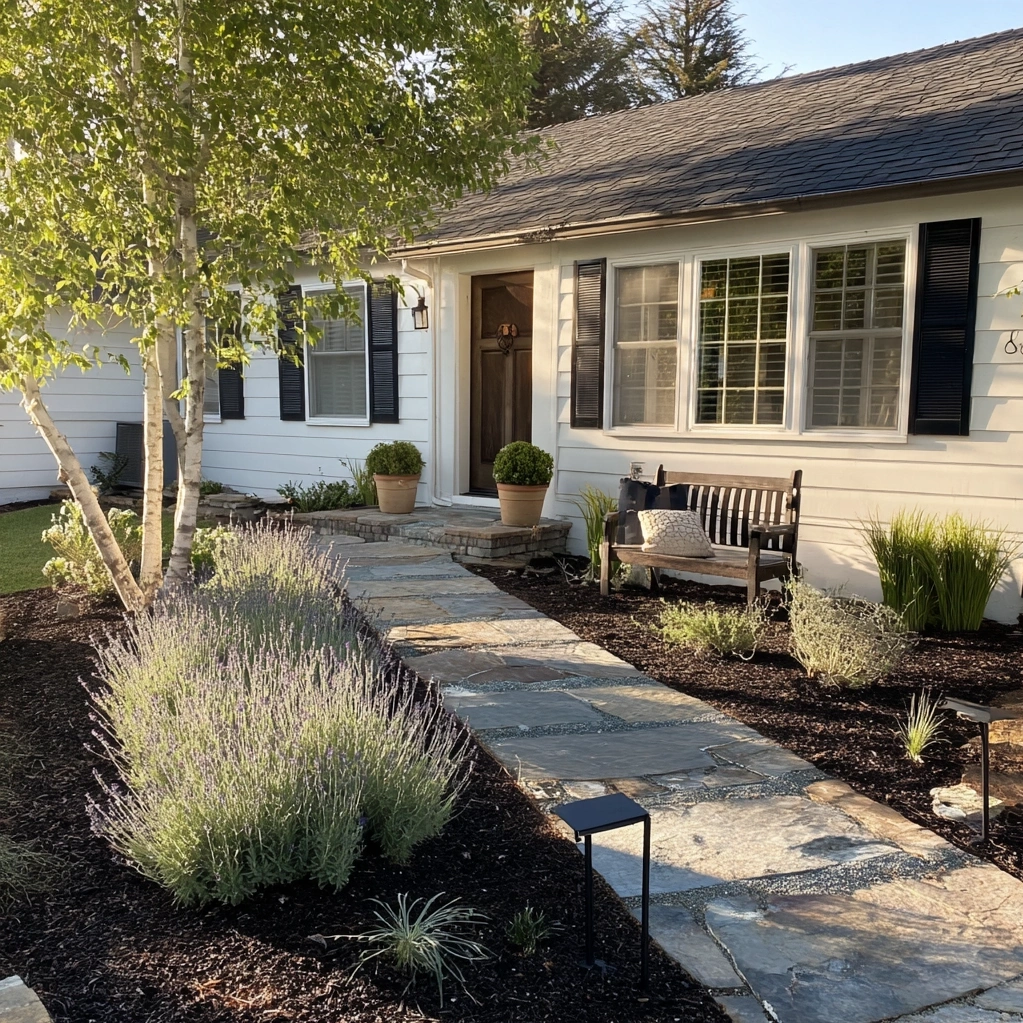
Your front yard is more than just a patch of grass—it’s the welcoming face of your home, the first impression that greets visitors and passersby. An intentional front yard landscaping design can transform an ordinary exterior into a captivating oasis that reflects your personality and enhances your property’s value. Whether you’re starting from scratch or revitalizing an existing space, thoughtful planning makes all the difference. Many homeowners overlook this crucial area, focusing solely on interiors, but neglecting your outdoor entryway means missing a golden opportunity to create harmony between your home and its surroundings. A well-designed front yard landscaping design isn’t just about aesthetics; it fosters a sense of pride, improves neighborhood appeal, and can even boost your home’s resale value significantly. With the right approach, you can turn this often-underutilized space into a functional, beautiful extension of your living area that works with your climate and lifestyle. This guide will walk you through essential principles and creative ideas to help you craft a front yard that truly stands out.
Essential Elements of a Successful Front Yard Landscaping Design
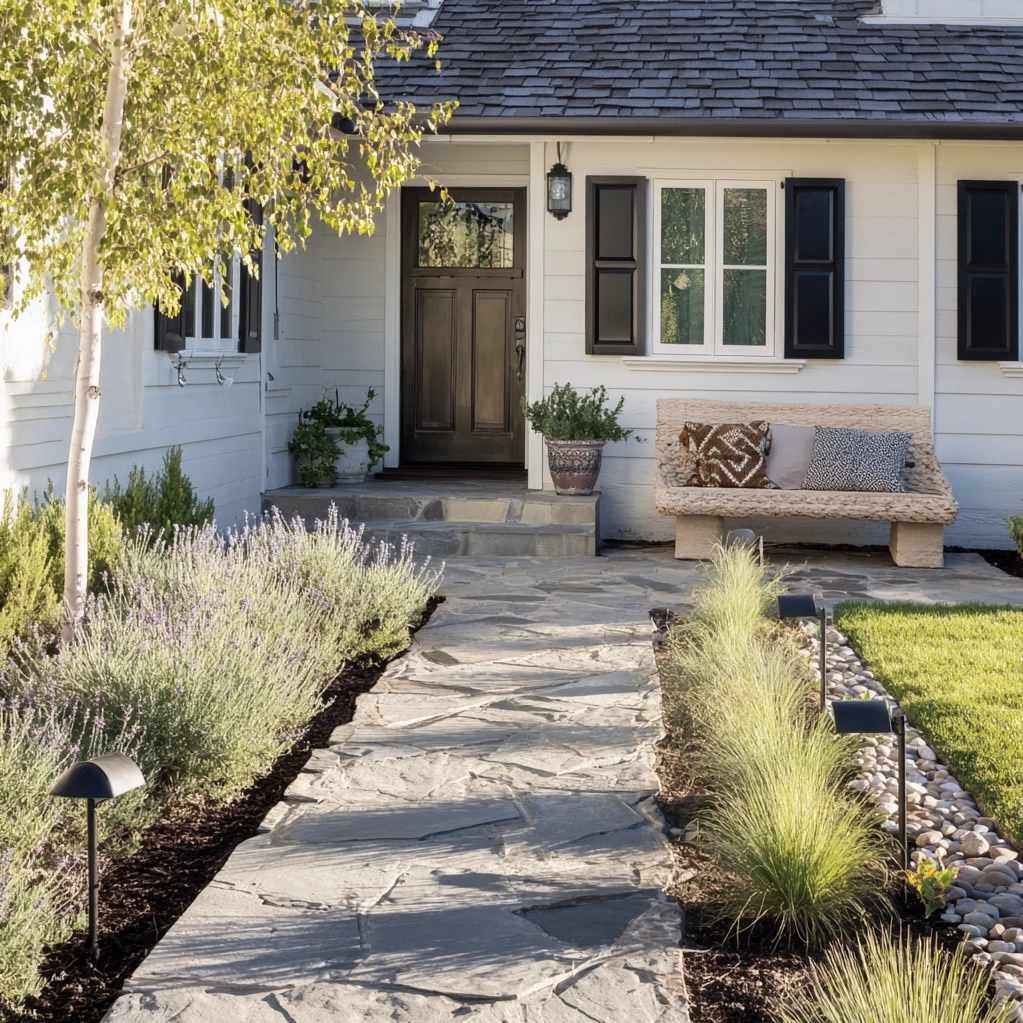
Creating a cohesive front yard landscaping design begins with understanding the fundamental elements that work together to form a balanced, inviting space. Start by considering your home's architectural style—whether it's modern, traditional, cottage, or rustic—and let that guide your plant selections and hardscape choices. A successful design typically incorporates layers: tall trees or shrubs in the back, mid-height plants in the middle, and lower-growing flowers or ground covers at the front. This layering adds depth and visual interest. Hardscaping features like pathways, retaining walls, or decorative borders provide structure and define different zones within your front yard landscaping design. Materials such as natural stone, brick, or gravel should complement your home's exterior. Don't forget about focal points, like a striking tree, a water feature, or an art piece, that draw the eye and create a sense of destination. Balance is key; avoid overcrowding by leaving open spaces for the design to breathe. Seasonal interest ensures your front yard looks appealing year-round, with evergreens for winter structure and flowering plants for spring and summer color. Finally, consider maintenance—choose plants suited to your local climate and soil to reduce watering and upkeep.
Creative Front Yard Landscaping Design Ideas for Every Budget
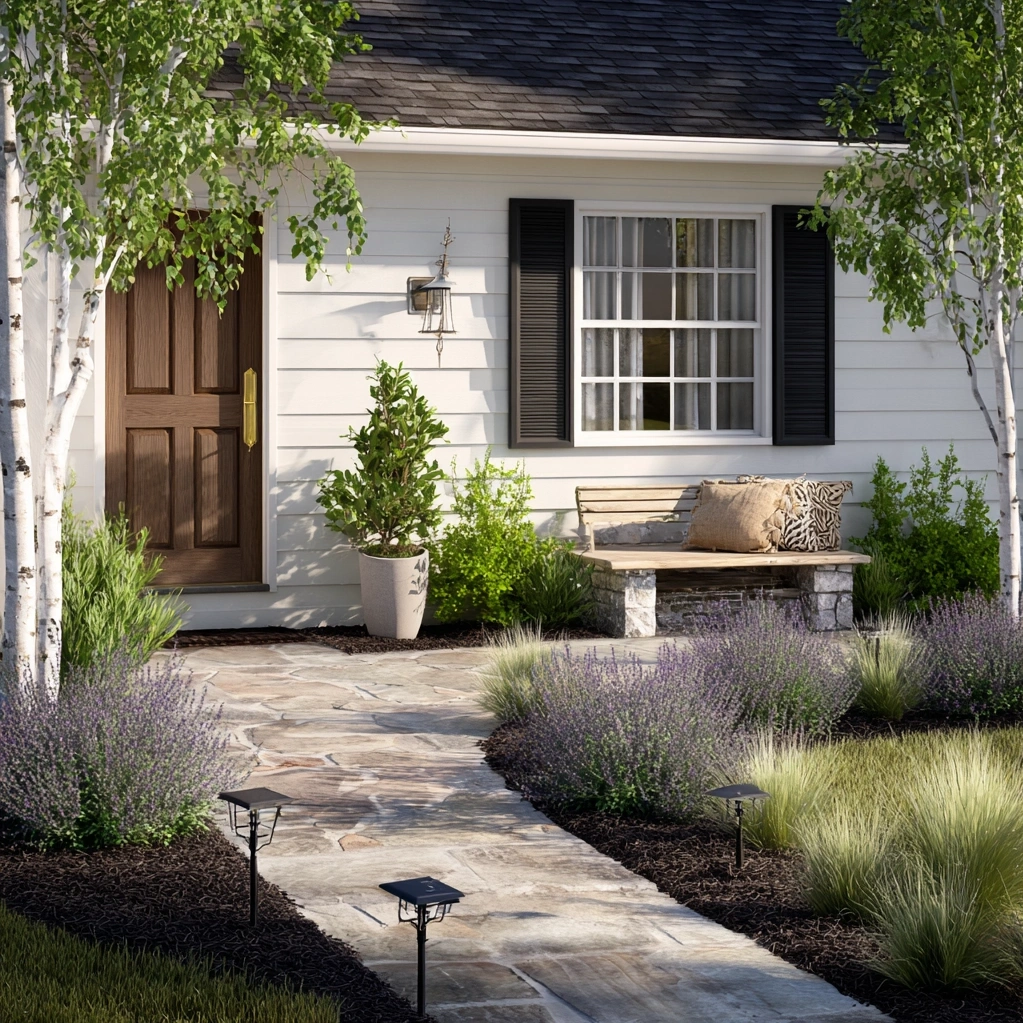
Transforming your front yard doesn't require a massive budget—just creativity and smart planning. For a low-cost approach, focus on simple enhancements like defining edges with mulch or stones, adding container plants near the entrance, or planting perennial flowers that return each year. A DIY pathway using stepping stones or gravel can instantly elevate your front yard landscaping design without breaking the bank. If you have a moderate budget, consider investing in key elements like a small water feature, upgraded lighting for evening ambiance, or a mix of shrubs and trees for instant impact. For those willing to splurge, professional hardscaping with patios, built-in seating, or intricate irrigation systems can create a luxurious, low-maintenance oasis. Xeriscaping—using drought-tolerant plants—is a budget-friendly and eco-conscious choice that reduces water usage while maintaining beauty. Edible landscaping, incorporating herbs or fruit trees, adds both function and charm. Lighting is often overlooked but crucial; solar-powered path lights or uplighting for trees can make your front yard landscaping design shine at night. Remember, even small touches, like a welcoming bench or a decorative mailbox, contribute to the overall aesthetic. The goal is to create a design that feels intentional and cohesive, regardless of your spending limit.
Practical Tips for Maintaining Your Front Yard Landscaping Design
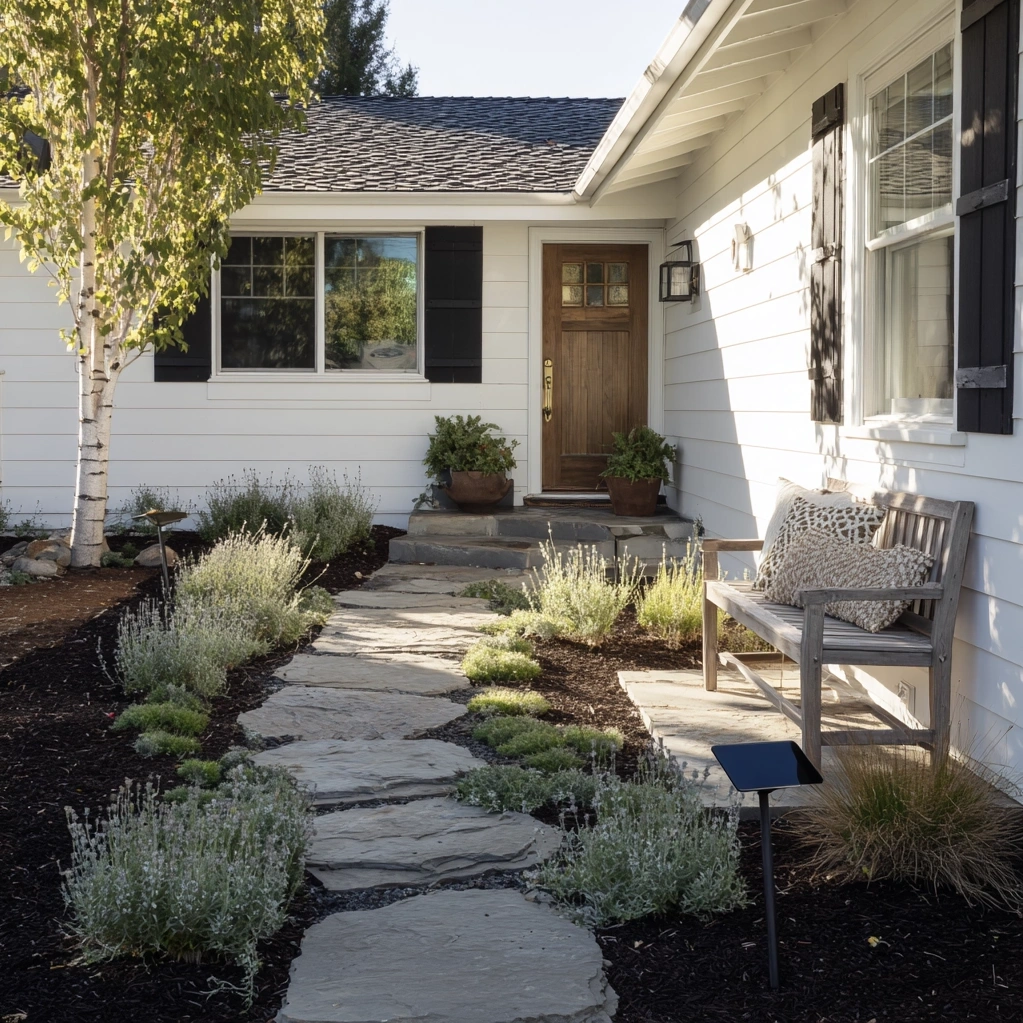
A beautiful front yard landscaping design requires ongoing care to stay vibrant and healthy. Start with a seasonal maintenance plan: spring is ideal for pruning, fertilizing, and planting new additions, while summer focuses on watering, weeding, and deadheading flowers. In fall, rake leaves, aerate soil, and plant bulbs for spring blooms; winter is for protecting sensitive plants and planning next year's projects. Efficient watering is crucial—install a drip irrigation system or use soaker hoses to deliver water directly to roots, reducing waste and preventing disease. Mulching helps retain moisture, suppress weeds, and regulate soil temperature; organic options like wood chips also enrich the soil as they decompose. Regularly inspect plants for pests or diseases, addressing issues early to prevent spread. Pruning maintains shape and encourages growth, but avoid over-pruning, which can stress plants. For hardscape elements, clean pathways and patios periodically to prevent algae or moss buildup, and repair any cracks promptly. Consider sustainable practices, like composting yard waste or collecting rainwater, to support your front yard landscaping design eco-consciously. If time is limited, opt for low-maintenance plants native to your region, which adapt better and require less care. A little consistent effort keeps your design looking its best year after year.
Conclusion
Your front yard is a canvas waiting for your personal touch, and with thoughtful front yard landscaping design, you can create an outdoor space that enhances both your home's beauty and your daily life. By focusing on essential elements, exploring creative ideas within your budget, and committing to practical maintenance, you'll build a welcoming entryway that reflects your style and stands the test of time. Remember, great design balances aesthetics with functionality—choose plants and features that suit your climate and lifestyle to ensure long-term satisfaction. As you embark on this journey, start small if needed; even incremental changes can make a significant impact. Look to your neighborhood for inspiration, but don't be afraid to innovate with unique touches that make your space distinctly yours. The future of landscaping leans toward sustainability and smart technology, so consider incorporating eco-friendly practices or automated systems as you evolve your design. Ultimately, a well-executed front yard landscaping design not only boosts curb appeal but also creates a joyful, inviting atmosphere for you and your guests to enjoy every day.
Frequently Asked Questions
Q: How much does a front yard landscaping design typically cost?
Costs vary widely based on scope and materials, but a basic DIY redesign might range from $500 to $2,000 for plants and simple hardscaping. Professional designs can start around $3,000 for small projects and exceed $10,000 for extensive overhauls with features like patios or irrigation systems. Factors like yard size, plant choices, and labor influence the total. To save money, prioritize key elements and phase the project over time.
Q: What are the best low-maintenance plants for a front yard landscaping design?
Opt for native plants, succulents, or drought-tolerant varieties like lavender, ornamental grasses, or juniper shrubs, which require minimal watering and care. Evergreens provide year-round structure without seasonal cleanup. Ground covers such as creeping thyme or sedum reduce weeding and add texture. Always check your local climate zone and soil conditions to ensure plants thrive with little intervention, keeping your design beautiful with less effort.
Q: How can I improve my front yard landscaping design for better curb appeal?
Focus on clean lines, defined edges, and a cohesive color palette. Add a welcoming pathway, update your entryway with potted plants or lighting, and ensure your lawn is healthy and neatly trimmed. Incorporate focal points like a tree or sculpture, and use layering to create depth. Regular maintenance, such as pruning and weeding, keeps the space looking tidy. Even small upgrades, like fresh mulch or seasonal flowers, can dramatically enhance curb appeal.