
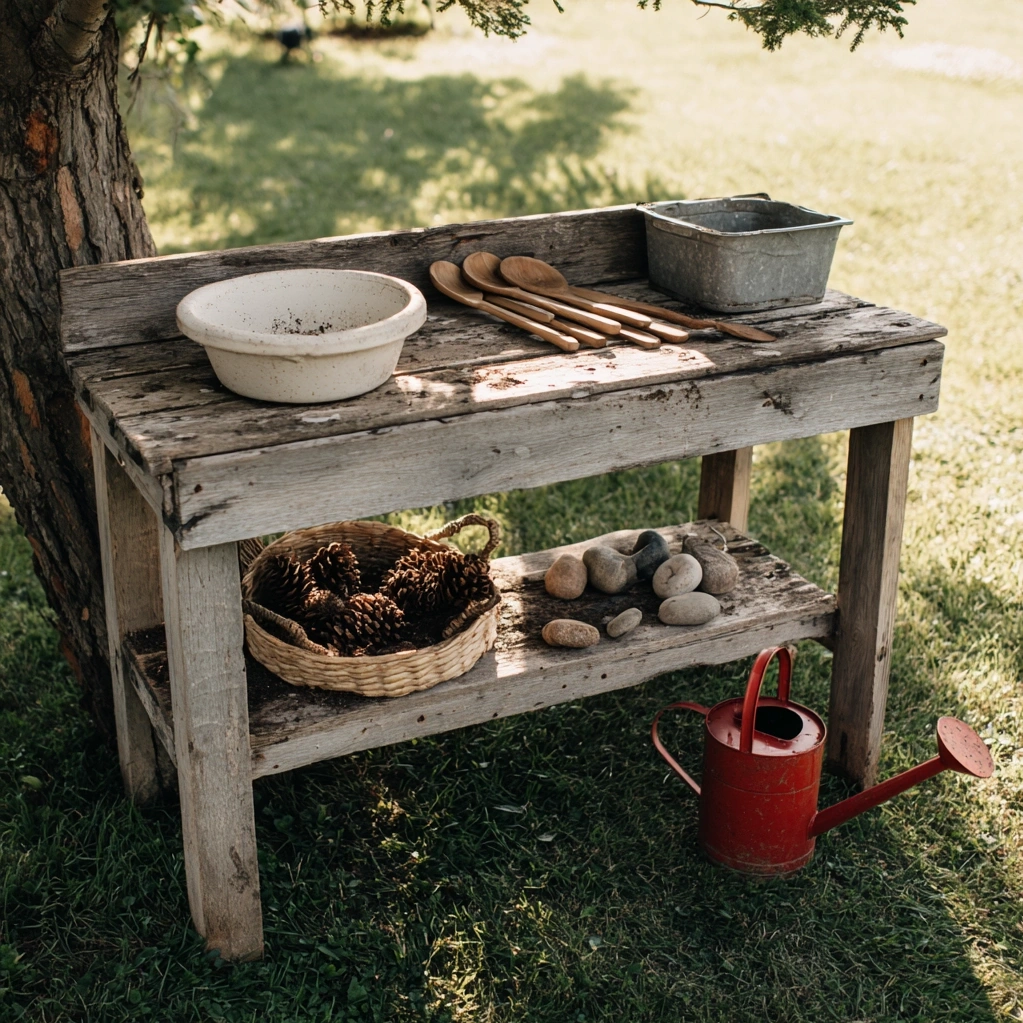
Imagine the joy on your child’s face as they concoct imaginary soups from leaves, mud pies from garden soil, and pretend cakes from flower petals. A mud kitchen for kids isn’t just another backyard toy—it’s a gateway to endless creative play, sensory development, and outdoor adventure. In today’s screen-dominated world, providing children with hands-on, unstructured play opportunities has never been more important. These simple outdoor play stations encourage kids to explore natural materials, develop fine motor skills, and engage in imaginative storytelling without the constraints of structured activities. Parents often report that their children spend hours absorbed in mud kitchen play, developing problem-solving abilities as they mix, pour, and create. The beauty of a mud kitchen for kids lies in its simplicity. It can be as basic as a wooden crate with some old pots and pans, or as elaborate as a custom-built station with multiple work surfaces and storage. What matters most is that it provides a designated space where children can get messy, experiment freely, and connect with nature. This type of play supports cognitive development, emotional regulation, and social skills when multiple children play together. By investing in or creating a mud kitchen for kids, you’re not just adding another plaything to your yard—you’re creating a developmentally rich environment that fosters independence, creativity, and a lifelong appreciation for outdoor exploration.
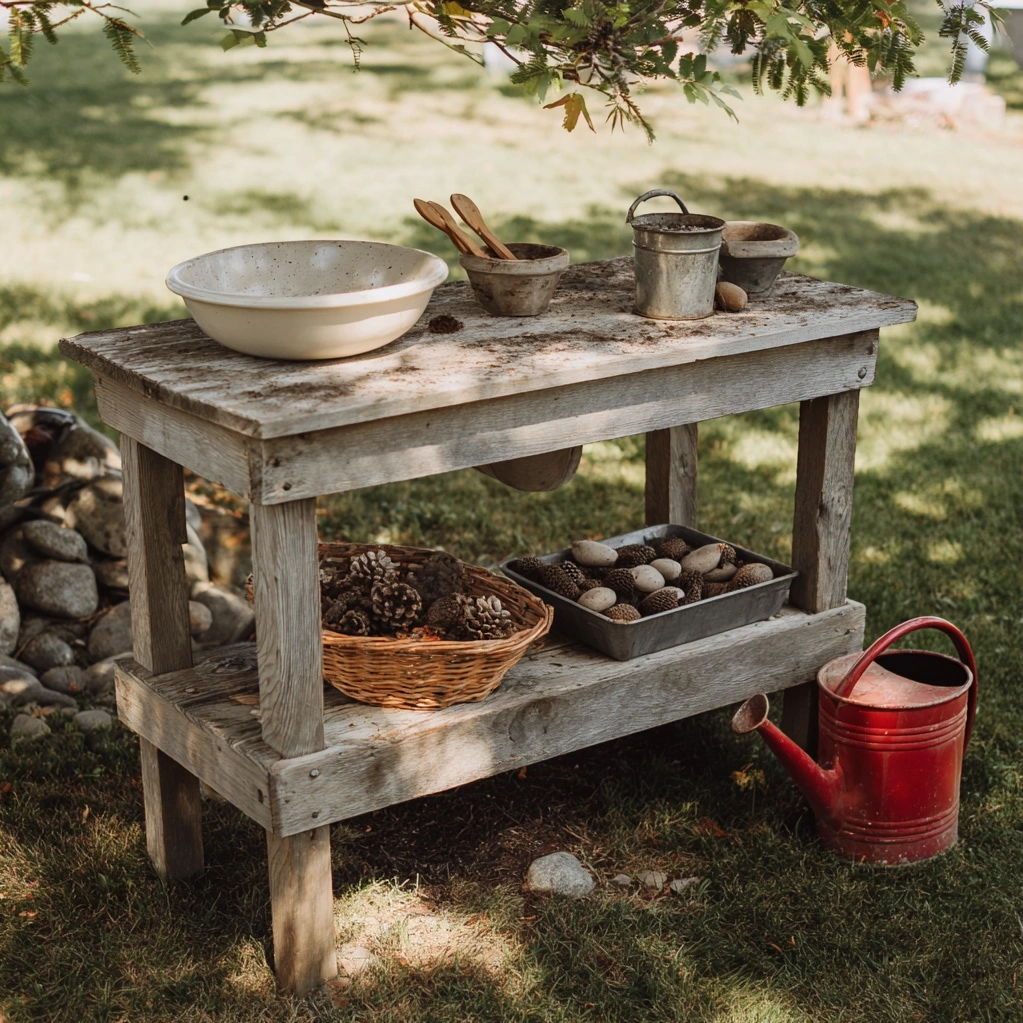
Why Every Child Needs a Mud Kitchen for Kids
The benefits of a mud kitchen for kids extend far beyond simple entertainment. These outdoor play stations serve as powerful developmental tools that support multiple areas of growth simultaneously. Sensory development is perhaps the most obvious advantage. Children engage multiple senses as they squish mud between their fingers, smell earthy scents, hear the sounds of mixing and pouring, and observe color changes as they combine different natural materials. This sensory-rich experience helps build neural connections and supports healthy brain development. Cognitive skills flourish in mud kitchen play as children engage in scientific thinking without realizing it. They experiment with cause and effect when adding water to dry soil, practice measurement as they fill containers, and develop problem-solving abilities when their creations don't turn out as expected. Language development gets a boost as children narrate their cooking adventures, negotiate roles with playmates, and expand their vocabulary with terms like 'stir,' 'sift,' 'measure,' and 'decorate.' Social-emotional growth occurs naturally when multiple children share a mud kitchen for kids. They learn to take turns with tools, collaborate on recipes, and resolve conflicts over resources. This type of cooperative play builds empathy and communication skills in a low-pressure environment. Physical development shouldn't be overlooked either. The pouring, stirring, lifting, and carrying involved in mud kitchen play strengthen fine and gross motor skills. Perhaps most importantly, a mud kitchen for kids fosters a connection with nature. In our increasingly indoor-focused world, this simple play station encourages children to notice seasonal changes, appreciate natural materials, and develop environmental awareness. The unstructured nature of mud kitchen play allows children to follow their curiosity, make their own discoveries, and build confidence in their creative abilities—all while having pure, unadulterated fun.
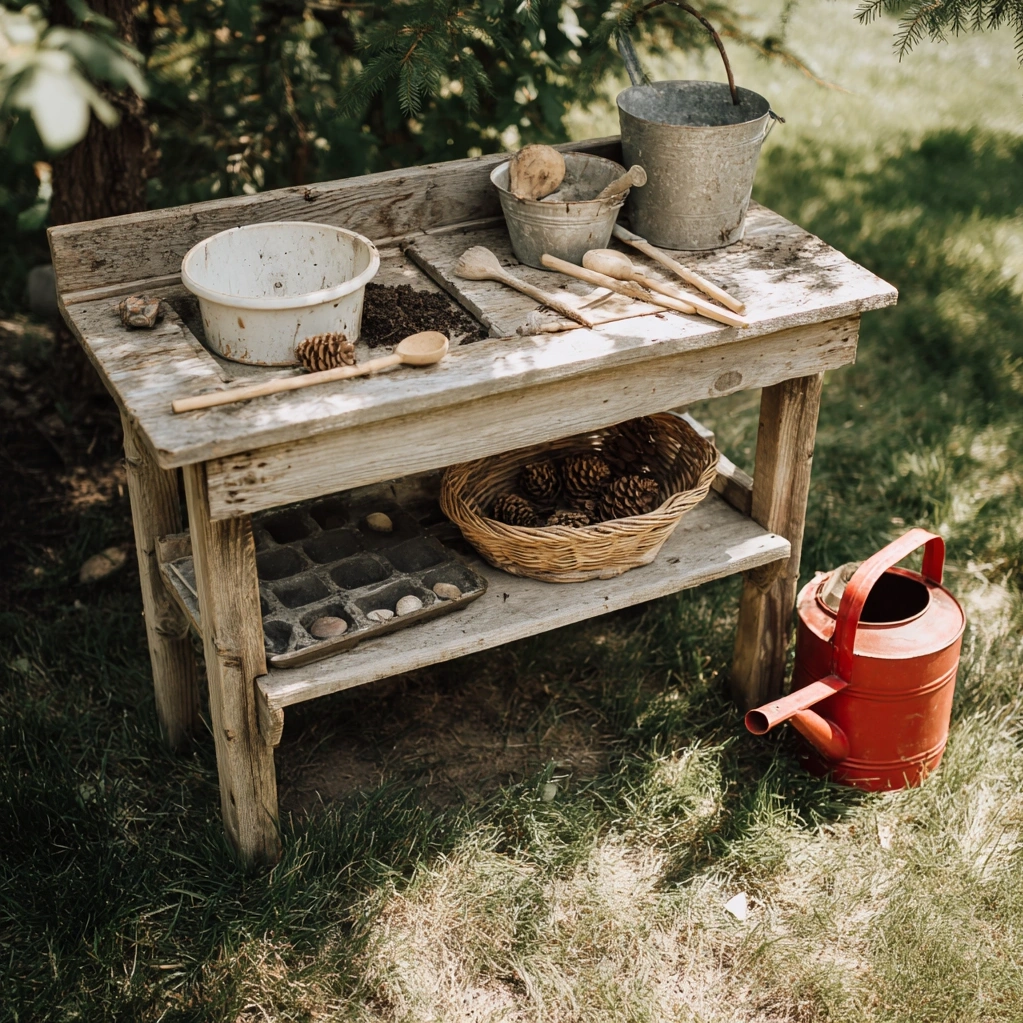
Designing the Perfect Mud Kitchen for Kids
Creating an effective mud kitchen for kids requires thoughtful consideration of both functionality and safety. The ideal design balances sturdy construction with flexible play possibilities. Start with a durable work surface at an appropriate height for your child—typically between 18 and 24 inches high, depending on their age and size. This surface should be waterproof and easy to clean. Incorporate multiple levels if possible, as this creates distinct 'cooking zones' that encourage organized play. Storage is crucial for a successful mud kitchen for kids. Include shelves, hooks, or bins for keeping tools organized and accessible. Old kitchen utensils like wooden spoons, measuring cups, colanders, and muffin tins make perfect additions. Consider adding a 'sink' area with a basin that can hold water for washing ingredients or tools. Many parents repurpose old cabinets, wooden pallets, or even simple cinder block and board constructions to create affordable mud kitchens. When designing your mud kitchen for kids, prioritize natural materials whenever possible. Untreated wood, stone, and metal utensils are preferable to plastic alternatives, as they're more durable and environmentally friendly. Include elements that encourage interaction with the surrounding environment, such as baskets for collecting leaves and flowers, or designated spots for storing found stones and pinecones. Safety considerations include ensuring all structures are stable and won't tip over, removing any sharp edges, and avoiding toxic materials. The location matters too—place your mud kitchen for kids in a spot with good drainage to prevent water pooling, and consider partial shade to protect children from excessive sun exposure. Accessibility is key: arrange tools and materials so children can reach everything independently, fostering autonomy in their play. Don't forget to include space for 'finished creations'—a special shelf or table where children can display their mud pies and leaf salads with pride.
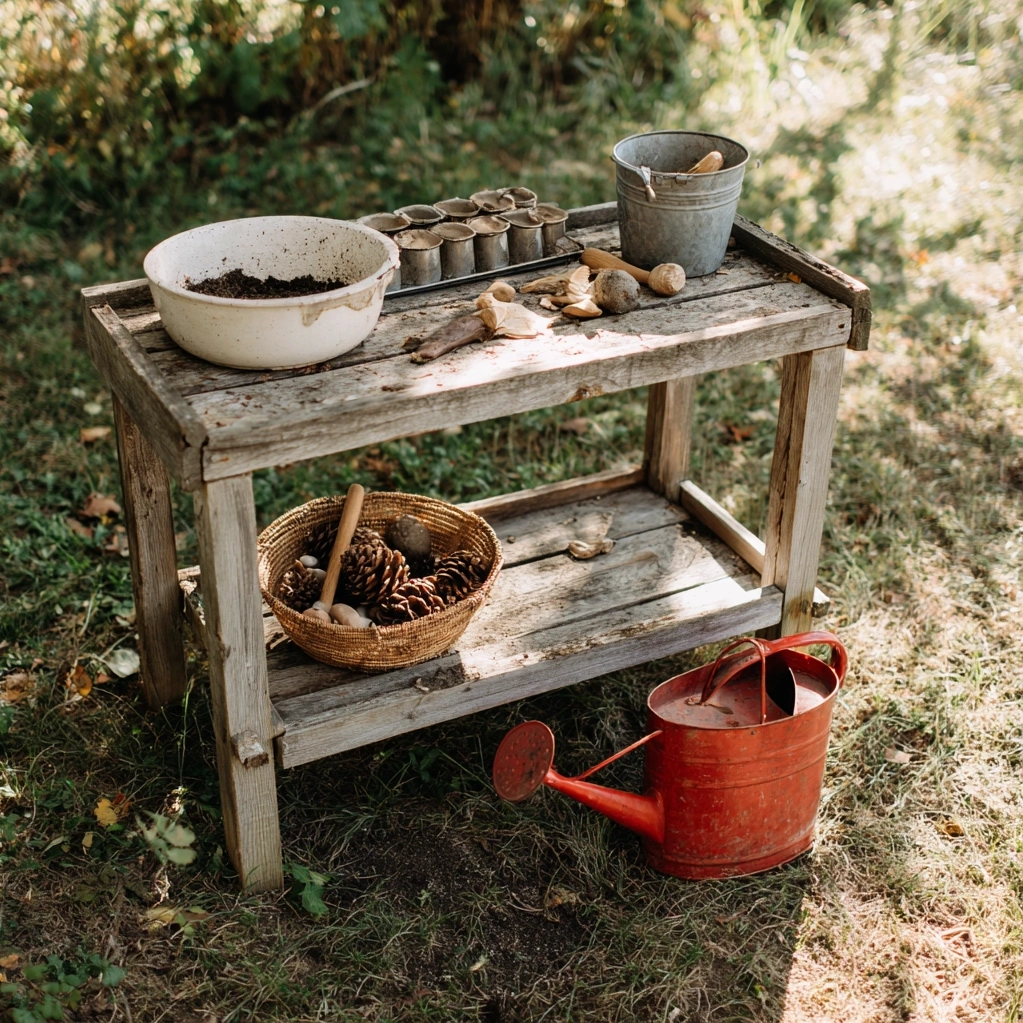
Essential Accessories for Your Mud Kitchen for Kids
While the structure itself provides the foundation, the right accessories transform a simple mud kitchen for kids into an immersive play experience. Start with basic kitchen tools that mimic real cooking implements. Wooden spoons of various sizes, metal mixing bowls, measuring cups and spoons, whisks, and spatulas all encourage realistic pretend play. Include containers for storage and transport—old muffin tins, baking sheets, and mixing bowls work perfectly. Natural materials form the 'ingredients' in any mud kitchen for kids. Keep baskets or buckets nearby for collecting leaves, flowers, grass, pinecones, acorns, and stones. These organic materials add texture, color, and sensory variety to children's creations. Consider adding a small herb garden nearby where children can safely pick mint, basil, or lavender to incorporate into their mud recipes. Water access dramatically expands play possibilities. A simple watering can or bucket allows children to experiment with different consistencies as they mix soil and water. Some families install a simple hand pump or connect a hose with a gentle spray nozzle. Just ensure proper drainage to prevent muddy pools from forming. Don't overlook decorative elements that enhance the imaginative experience. Small ceramic bowls for serving, cloth napkins for cleaning up, and chalkboard signs for labeling creations all add to the realism. Seasonal accessories keep the mud kitchen for kids engaging year-round—pumpkins and gourds in autumn, evergreen branches in winter, blooming flowers in spring. Safety accessories include a small broom and dustpan for cleanup, a towel rack for drying hands, and a first aid kit nearby for minor scrapes. The best accessories for a mud kitchen for kids are often items you already have around the house. Old pots and pans, silicone baking molds, cookie cutters, and tea strainers can all find new life in outdoor play. Rotate accessories periodically to maintain interest and introduce new play possibilities. Remember that simplicity often works best—too many accessories can overwhelm children and limit their creativity. Start with a few versatile items and observe how your child uses them before adding more.
Conclusion
A mud kitchen for kids represents more than just another backyard feature—it's an investment in childhood development, creative expression, and outdoor engagement. By providing this simple yet powerful play space, you give children permission to explore, experiment, and create without limitations. The benefits extend across developmental domains, from sensory processing and fine motor skills to social interaction and environmental awareness. As our lives become increasingly digital and structured, spaces like mud kitchens offer crucial balance, allowing children to engage in open-ended play that follows their natural curiosity. Looking forward, consider how your mud kitchen for kids might evolve with your child. Younger children might enjoy simple pouring and mixing activities, while older children might create elaborate recipes with multiple 'courses' or establish pretend restaurants with menus and prices. The flexibility of mud kitchen play means it can grow with your child, adapting to their changing interests and abilities. For families with limited outdoor space, even a small balcony or patio can accommodate a compact mud kitchen setup using containers and portable elements. The key is creating an environment where messy play is not just allowed but celebrated. As you watch your child immersed in mud kitchen activities, you'll witness the pure joy of unstructured creativity. You might even find yourself joining in—there's something therapeutic about squishing mud between your fingers at any age. By embracing the mess and the magic of mud kitchen play, you're giving your child memories that will last far longer than any spotless patio ever could.
Frequently Asked Questions
Q: What age is appropriate for a mud kitchen?
Mud kitchens are suitable for children as young as 18 months up to about 10 years old, with adaptations for different age groups. Toddlers benefit from simple pouring and mixing activities with close supervision, while preschoolers enjoy more complex pretend play scenarios. School-age children often create elaborate recipes and games. The key is adjusting the complexity of tools and expectations based on the child's developmental stage. Even older children sometimes enjoy mud kitchens for stress relief and creative expression.
Q: How do I keep the area clean and safe?
Maintaining a mud kitchen involves simple routines. Designate the play area clearly with borders like stones or logs. Provide a bucket of water and towel for hand washing nearby. Choose tools without sharp edges and ensure all structures are stable. After play, have children help with basic cleanup using child-sized brooms. The area will naturally get messy during play—that's part of the experience. For hygiene, teach children not to put muddy hands in their mouths and wash thoroughly after playing. Consider placing the kitchen on grass or bark chips for natural drainage.
Q: Can I make a mud kitchen on a budget?
Absolutely! Many families create wonderful mud kitchens using repurposed materials. Old wooden crates, pallets, or an unused cabinet can form the base. Check thrift stores for kitchen utensils—wooden spoons, metal bowls, and muffin tins are often inexpensive. Natural materials like stones, pinecones, and leaves are free. Even a simple setup with a plastic bin on a low table can work beautifully. The most important elements are a work surface, some containers, and access to soil and water—not expensive equipment. Creativity in sourcing materials often leads to the most engaging designs.