
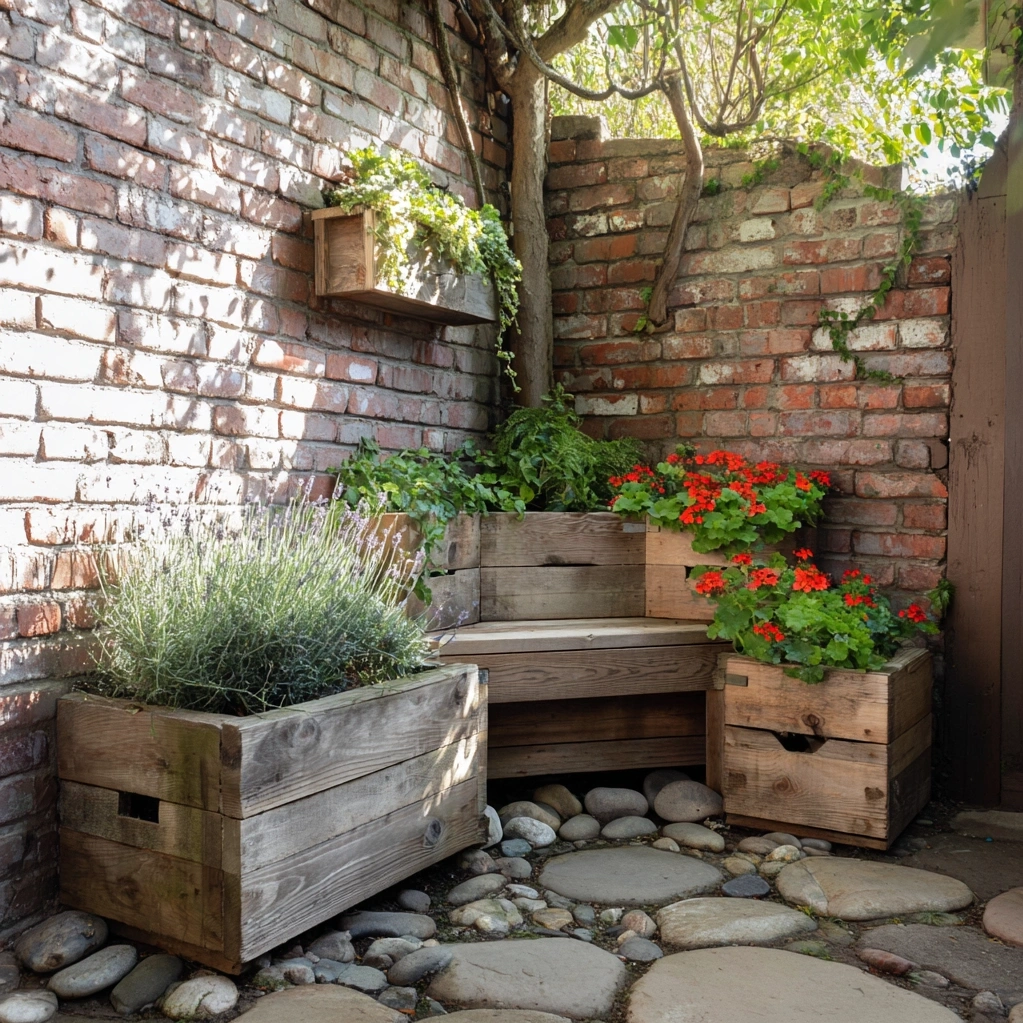
Are you staring at that awkward, underutilized corner in your backyard, wondering how to breathe life into it? You’re not alone. Many homeowners face the challenge of transforming these neglected spaces into something beautiful and functional. Corner garden ideas for backyards offer incredible potential to maximize your outdoor area, adding both aesthetic appeal and practical value. These often-overlooked spots can become the focal point of your yard, creating cozy retreats, productive vegetable patches, or stunning visual displays that enhance your entire outdoor living experience.
Creating a corner garden isn't just about filling empty space—it's about strategic design that complements your backyard's layout. Whether you have a small urban yard or a sprawling suburban space, corner gardens provide opportunities for vertical growth, privacy screening, and creative planting arrangements. They can help define different zones in your yard, from dining areas to relaxation spots, while making efficient use of every square foot.
The right corner garden design can significantly boost your property's curb appeal and even increase its value. More importantly, it creates a personal sanctuary where you can unwind, entertain guests, or connect with nature. As more people seek to extend their living spaces outdoors, clever corner garden ideas for backyards have become essential for modern homeowners who want to create inviting, multi-functional outdoor environments.
Creative Corner Garden Ideas for Backyards with Limited Space
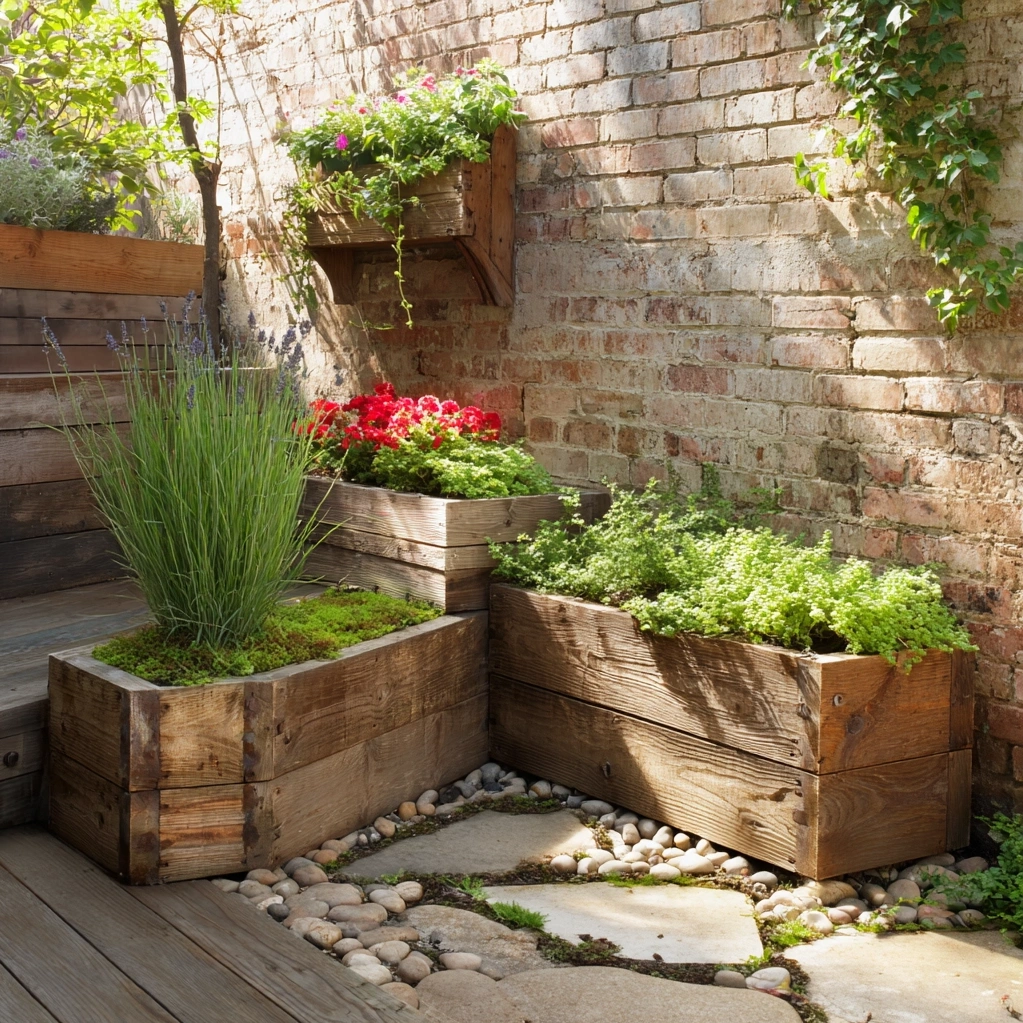
Small backyards present unique challenges, but they also offer opportunities for creative solutions that make every inch count. When working with limited space, vertical gardening becomes your best friend. Consider installing tall, narrow planters or trellises along the walls of your corner. These structures allow climbing plants like ivy, jasmine, or clematis to grow upward, creating lush green walls without consuming precious ground space. Hanging baskets and wall-mounted planters are another excellent option, especially for herbs, succulents, or trailing flowers that add texture and color at different heights.
Another smart approach for small spaces involves using tiered plant stands or shelving units. These allow you to display multiple plants in a compact footprint, creating visual interest through varying heights. Choose plants with different growth habits—some upright, some cascading—to maximize the three-dimensional effect. For ground-level planting, consider circular or curved garden beds that follow the natural angle of the corner. This design feels more organic and inviting than straight-edged beds, making the space appear larger than it actually is.
Don't forget about container gardening as a flexible solution for corner garden ideas in backyards. Large statement pots can hold small trees or shrubs, while smaller containers can be arranged in clusters. The beauty of containers lies in their mobility—you can easily rearrange them as seasons change or as your garden evolves. For ultimate space efficiency, consider creating a corner herb garden with tiered planters. This not only saves space but also provides fresh ingredients right outside your kitchen door. Remember to choose plants that thrive in your specific corner conditions, considering factors like sunlight exposure and drainage.
Implementing Sustainable Corner Garden Ideas for Backyards
Sustainable gardening practices not only benefit the environment but also create healthier, more resilient corner gardens that require less maintenance over time. One of the most effective sustainable corner garden ideas for backyards involves creating a rain garden in that unused corner. By designing a shallow depression with water-loving plants, you can capture and filter rainwater runoff from your roof or patio. This reduces water waste while providing habitat for pollinators and beneficial insects. Native plants are particularly well-suited for such installations, as they're adapted to local conditions and require minimal additional watering once established.
Composting represents another excellent sustainable practice for corner gardens. A discreet compost bin tucked into a backyard corner can transform kitchen scraps and yard waste into nutrient-rich soil amendment for your entire garden. Modern compost systems range from simple bins to rotating tumblers, many designed to be visually appealing and odor-free. Position your compost area in partial shade to prevent it from drying out too quickly, and consider screening it with decorative lattice or tall ornamental grasses if desired.
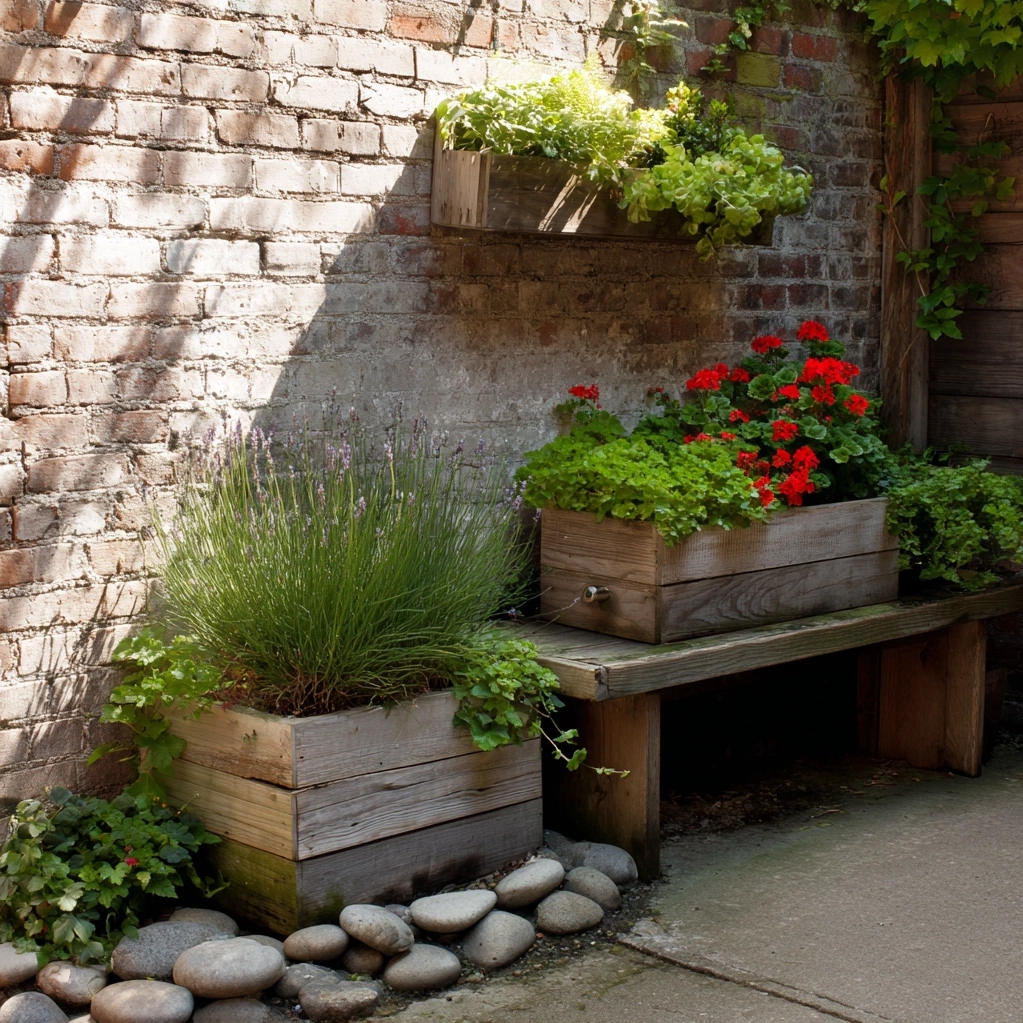
Water conservation should be central to your corner garden planning. Drip irrigation systems deliver water directly to plant roots with minimal evaporation, making them ideal for corner gardens where access might be limited. Mulching with organic materials like wood chips or straw helps retain soil moisture while suppressing weeds. For truly water-wise corner garden ideas, consider xeriscaping with drought-tolerant plants arranged in artistic patterns. Succulents, lavender, ornamental grasses, and Mediterranean herbs can create stunning displays that thrive with minimal watering, even in hot, sunny corners.
Year-Round Corner Garden Ideas for Backyards in Various Climates
Creating a corner garden that looks beautiful throughout the year requires thoughtful plant selection and strategic design. The key lies in choosing plants with staggered blooming periods and incorporating elements that provide interest even during dormant seasons. Start by selecting a backbone of evergreen shrubs or ornamental grasses that maintain structure and color year-round. Boxwoods, holly, or dwarf conifers work well in many climates, providing consistent greenery even when deciduous plants have shed their leaves.
For seasonal color, layer in plants with different flowering times. Early spring bulbs like tulips and daffodils can be planted beneath later-blooming perennials. Summer-blooming plants like daylilies, coneflowers, and hydrangeas take center stage during warmer months, while autumn brings color from changing foliage and late bloomers like asters and sedum. Don't forget about winter interest—plants with colorful bark (like red-twig dogwood), persistent berries (like winterberry holly), or interesting seed heads can make your corner garden compelling even in colder months.
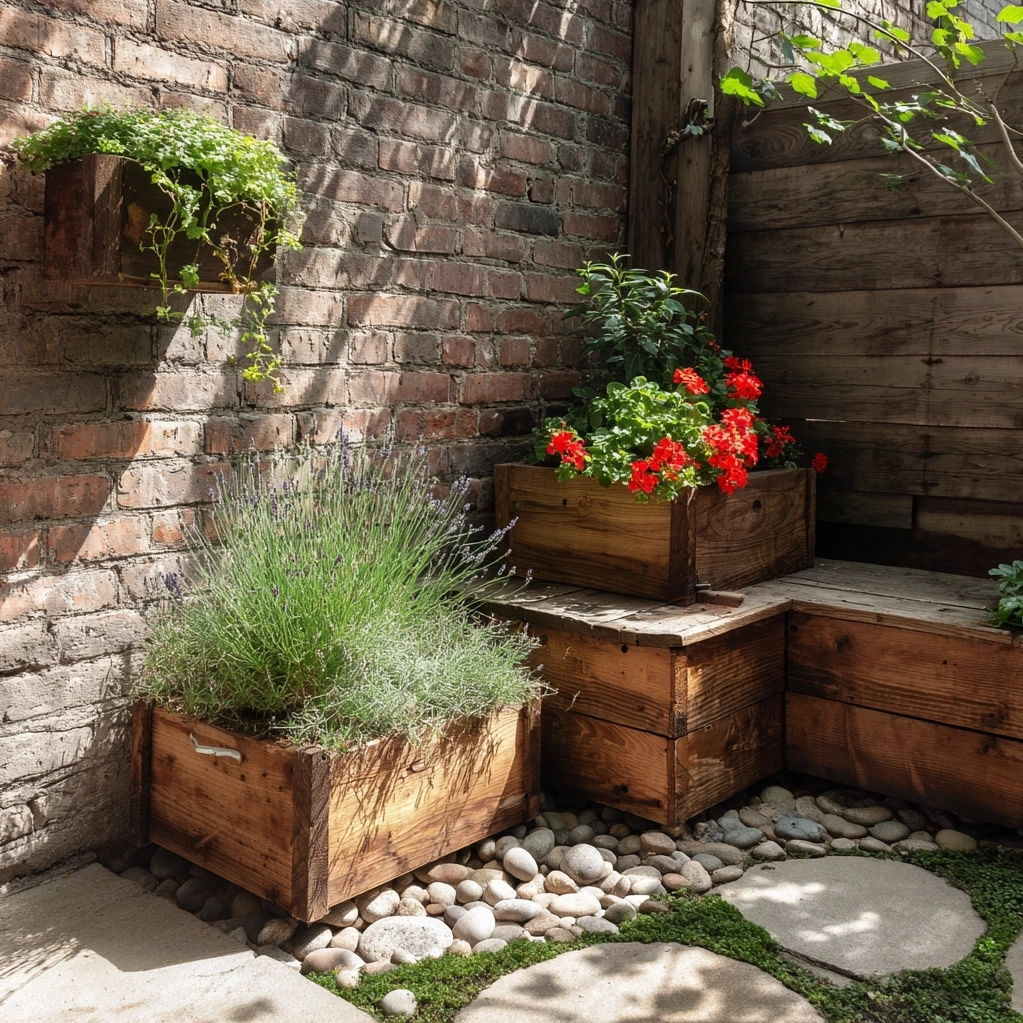
Structural elements extend your corner garden's appeal beyond the growing season. A small water feature, decorative stones, or artistic garden sculptures create focal points that remain attractive year-round. Consider installing subtle lighting to highlight your corner garden after dark—solar-powered path lights or discreet spotlights can transform the space into an evening destination. For colder climates, cold frames or small greenhouses in the corner can extend your growing season, allowing you to cultivate herbs or vegetables well into winter. Remember that different plants thrive in different conditions, so research what works best in your specific climate zone when planning your year-round corner garden.
Conclusion
Transforming overlooked backyard corners into vibrant garden spaces represents one of the most rewarding home improvement projects you can undertake. As we've explored through various corner garden ideas for backyards, these spaces offer tremendous potential regardless of your yard's size, shape, or existing features. From vertical solutions for tight urban spaces to sustainable designs that benefit both your household and the environment, the possibilities are limited only by your imagination and willingness to experiment.
The journey to creating your perfect corner garden begins with assessing your specific space—its sunlight patterns, soil conditions, and how it connects to the rest of your backyard. Start small if needed, perhaps with a few containers or a simple raised bed, then expand as your confidence grows. Remember that gardens evolve over time, so don't feel pressured to create a perfect finished product immediately. Allow your corner garden to develop organically, learning what works best in your particular conditions.
Looking forward, corner gardens will continue to gain importance as homeowners seek to maximize their outdoor living spaces. With growing interest in sustainable practices and food security, we'll likely see more corner gardens dedicated to edible plants, pollinator habitats, and water conservation features. Whatever direction you choose, your corner garden will become more than just a decorative element—it will be a personal retreat, a conversation starter, and a living testament to your creativity. So grab your gardening gloves, pick your favorite ideas from this guide, and start transforming that neglected corner into the backyard oasis you've been dreaming about.
Frequently Asked Questions
Q: What are the best plants for a shady corner garden in my backyard?
Shady corners offer excellent opportunities for lush, textural gardens. Some of the best plants for low-light conditions include hostas with their varied foliage, ferns for delicate texture, astilbe for feathery plumes of color, and hellebores for early spring blooms. For evergreen structure, consider aucuba or Japanese aralia. Groundcovers like sweet woodruff or periwinkle can fill in beneath taller plants. Remember that even shade-loving plants need some light, so monitor how light patterns change throughout the day and season before planting.
Q: How can I make my corner garden look larger than it actually is?
Several design techniques can create the illusion of more space in your corner garden. Using diagonal lines or curved pathways draws the eye along a longer visual path. Incorporating mirrors (safely secured and positioned to avoid bird collisions) can double the apparent space. Choosing a monochromatic color scheme with varying textures creates cohesion that makes the area feel more expansive. Vertical elements like trellises or tall, narrow plants draw the eye upward, making the space feel taller. Finally, keeping the design simple with clear sightlines prevents the corner from feeling cluttered or cramped.
Q: What's the easiest way to start a corner garden for beginners?
Begin with container gardening—it's forgiving, flexible, and requires minimal upfront investment. Choose three to five large pots that complement each other in style and material. Fill them with high-quality potting mix (not garden soil) and select easy-care plants like succulents, herbs, or hardy perennials appropriate for your climate. Arrange the containers in your corner, playing with heights using plant stands or overturned pots. This approach lets you experiment with different arrangements and plants without committing to permanent beds. As you gain confidence, you can expand to in-ground planting or build simple raised beds.