
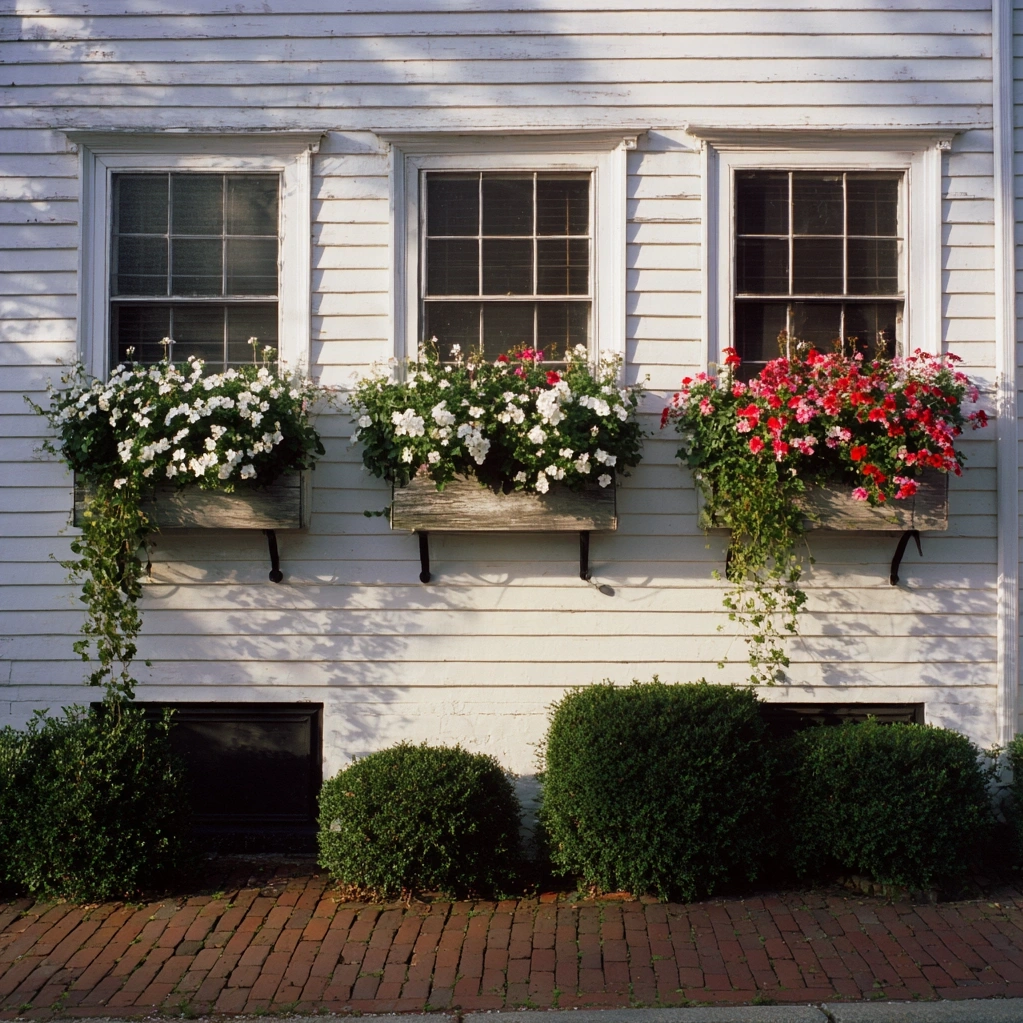
Window flower boxes are more than just decorative containers—they’re a transformative element that can elevate any home’s curb appeal and create a welcoming atmosphere. These charming additions bring life and color to your exterior, turning ordinary windows into vibrant focal points. Whether you live in a cozy cottage or a modern apartment, window flower boxes offer an accessible way to connect with nature and express your personal style right from your living space. The gentle cascade of blooms spilling over the edges creates a picturesque scene that changes with the seasons, providing ongoing visual interest and natural beauty. Installing window flower boxes is one of the simplest home improvements with the most dramatic impact. They don’t require extensive gardening knowledge or large outdoor spaces, making them perfect for both seasoned gardeners and beginners alike. As you look out your window each morning, you’ll be greeted by a living work of art that enhances your mood and connects you to the outdoors. These floral displays can even become conversation starters with neighbors and passersby, spreading joy throughout your community. With proper selection and care, window flower boxes can thrive year-round, offering evergreen foliage in winter and bursts of color in warmer months. They represent a small investment that yields substantial returns in beauty, satisfaction, and connection to the natural world just beyond your glass.
Choosing the Perfect Window Flower Boxes for Your Home
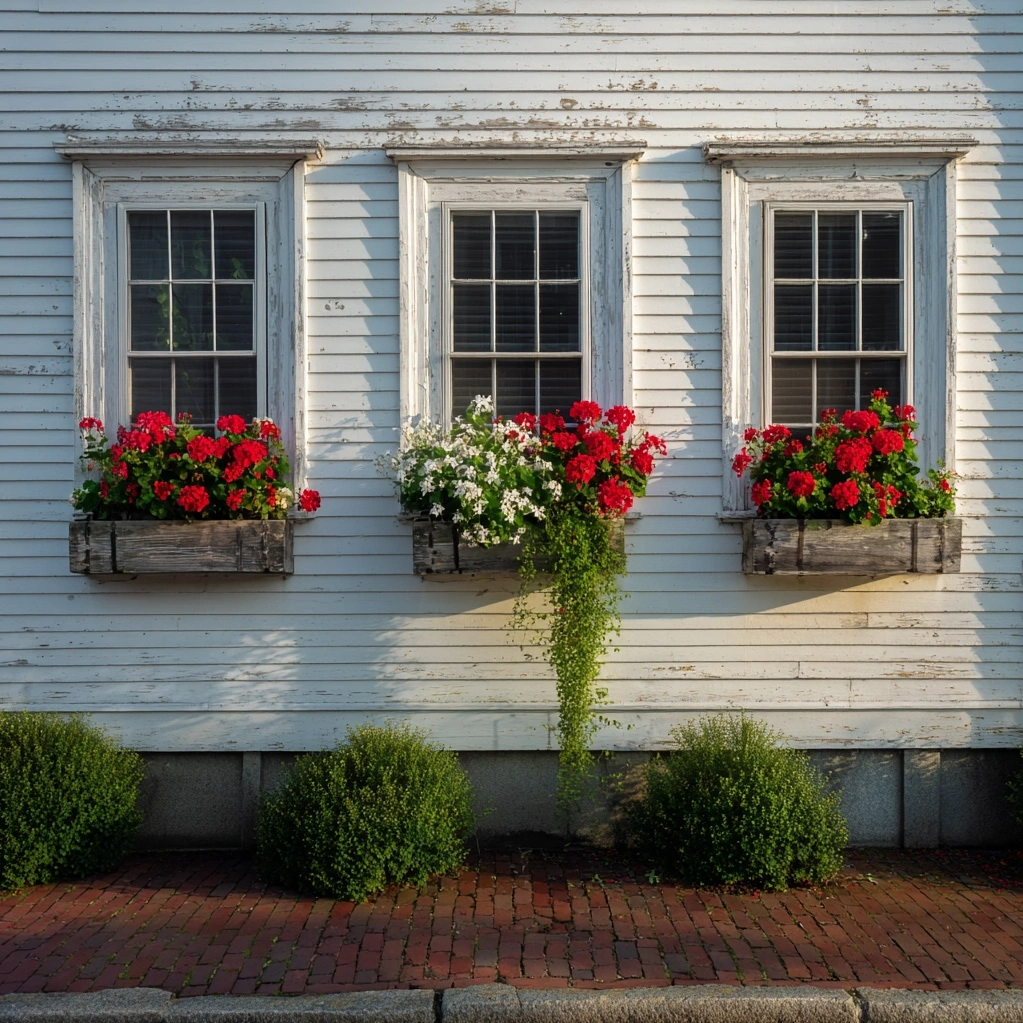
Selecting the right window flower boxes involves considering several key factors to ensure both beauty and functionality. First, assess the architectural style of your home—traditional homes often pair well with classic wooden or wrought iron boxes, while contemporary designs might shine with sleek metal or composite materials. The size of your windows is crucial too; boxes should be proportional to avoid overwhelming or underwhelming the space. A good rule is to choose boxes approximately one-third to one-half the width of your window. Material choice affects both aesthetics and durability. Cedar and teak offer natural beauty and weather resistance but require regular maintenance. Vinyl and composite materials provide excellent durability with minimal upkeep, while metal boxes offer modern appeal but may require drainage considerations. Color selection should complement your home's exterior palette—either matching trim colors for a cohesive look or providing contrast for visual interest. Don't forget practical considerations like drainage holes to prevent waterlogging and weight capacity for different soil types. For rental properties or those who prefer flexibility, consider removable brackets or lightweight options. The best window flower boxes balance your aesthetic preferences with practical needs, creating displays that enhance rather than detract from your home's overall appearance while standing up to weather conditions specific to your region.
Plant Selection and Arrangement for Window Flower Boxes
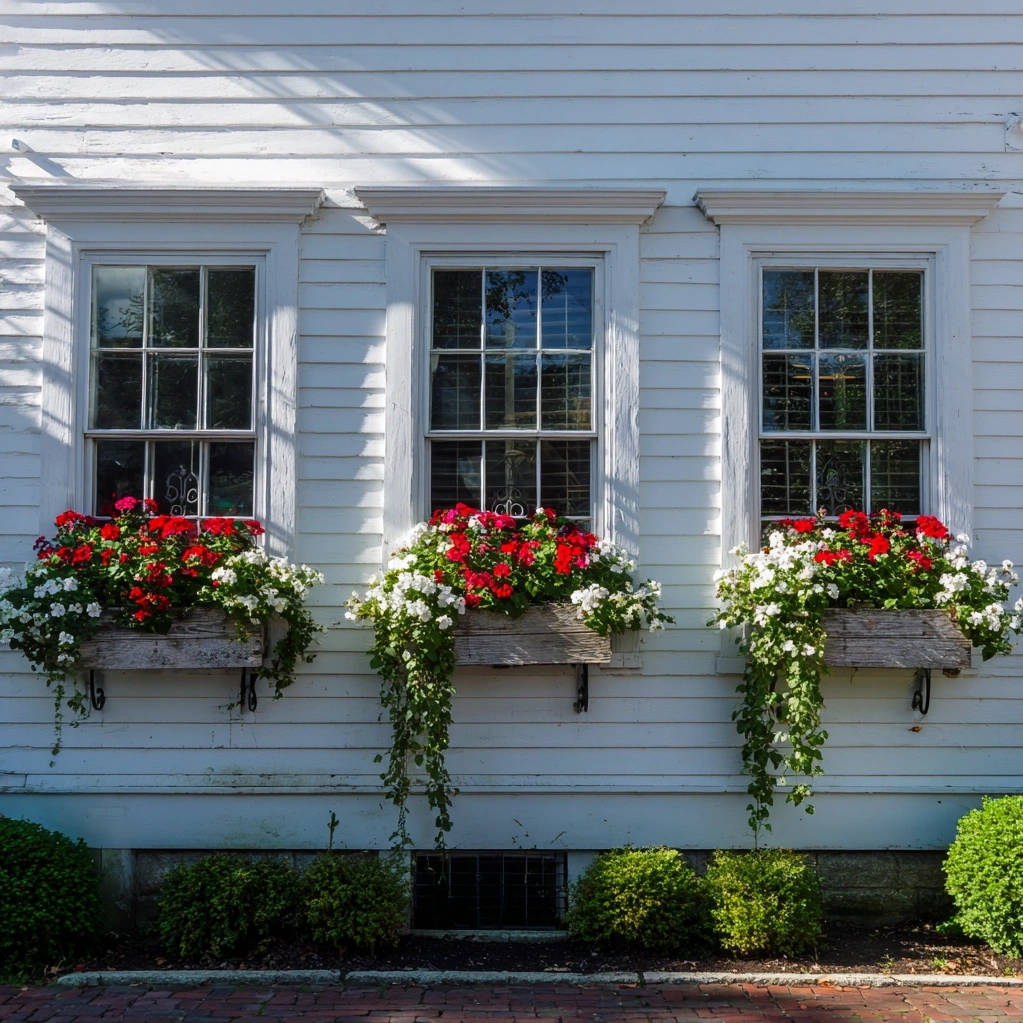
Creating stunning window flower boxes begins with thoughtful plant selection that considers both visual appeal and growing conditions. Start by assessing your window's exposure—south-facing windows typically receive full sun and need sun-loving plants like petunias, geraniums, or marigolds. North-facing windows with shade require plants like impatiens, begonias, or coleus that thrive in lower light. East and west exposures offer mixed conditions perfect for versatile choices like pansies, lobelia, or sweet potato vine. The classic "thriller, filler, spiller" formula works beautifully for window flower boxes: include one taller centerpiece plant (thriller), several medium-height plants to fill space (filler), and trailing varieties that cascade over the edges (spiller). For seasonal variety, consider rotating plants—spring bulbs like tulips and daffodils, summer annuals for continuous blooms, fall mums and ornamental kale, and evergreen arrangements for winter. Pay attention to color coordination, choosing complementary or monochromatic schemes that enhance your home's exterior. Consider plant height at maturity to ensure views aren't completely obstructed. Group plants with similar water and sunlight needs together for easier maintenance. For added interest, mix textures—combine fine foliage with bold leaves, or incorporate herbs like rosemary and thyme that offer fragrance and culinary use. Proper spacing during planting prevents overcrowding as plants grow, ensuring each specimen has room to flourish and contribute to the overall display.
Maintenance Tips for Thriving Window Flower Boxes
Proper maintenance ensures your window flower boxes remain vibrant and healthy throughout the seasons. Regular watering is the most critical task—check soil moisture daily during hot weather, as elevated boxes dry out faster than ground plantings. Early morning watering allows plants to absorb moisture before heat evaporation occurs. Consider self-watering window flower boxes or drip irrigation systems for consistent moisture without daily attention. Fertilization keeps plants blooming vigorously; use a balanced liquid fertilizer every two weeks during growing seasons, or incorporate slow-release granules into the soil at planting time. Regular deadheading—removing spent blooms—encourages continuous flowering and prevents energy waste on seed production. Prune back leggy growth to maintain compact, bushy forms, especially for trailing plants that can become sparse. Seasonal care varies: in spring, refresh soil and replant; in summer, increase watering frequency; in fall, prepare for cooler weather by switching to cold-tolerant plants; in winter, protect boxes from ice damage by bringing them indoors or using insulated covers. Watch for common pests like aphids or spider mites, treating promptly with insecticidal soap or natural remedies. Rotate plant positions occasionally for even growth if sunlight patterns create uneven development. Clean boxes annually to prevent disease buildup, using mild soap and thorough rinsing. With consistent care, your window flower boxes will reward you with lush growth and abundant color that enhances your home's beauty month after month.
Creative Design Ideas for Unique Window Flower Box Displays
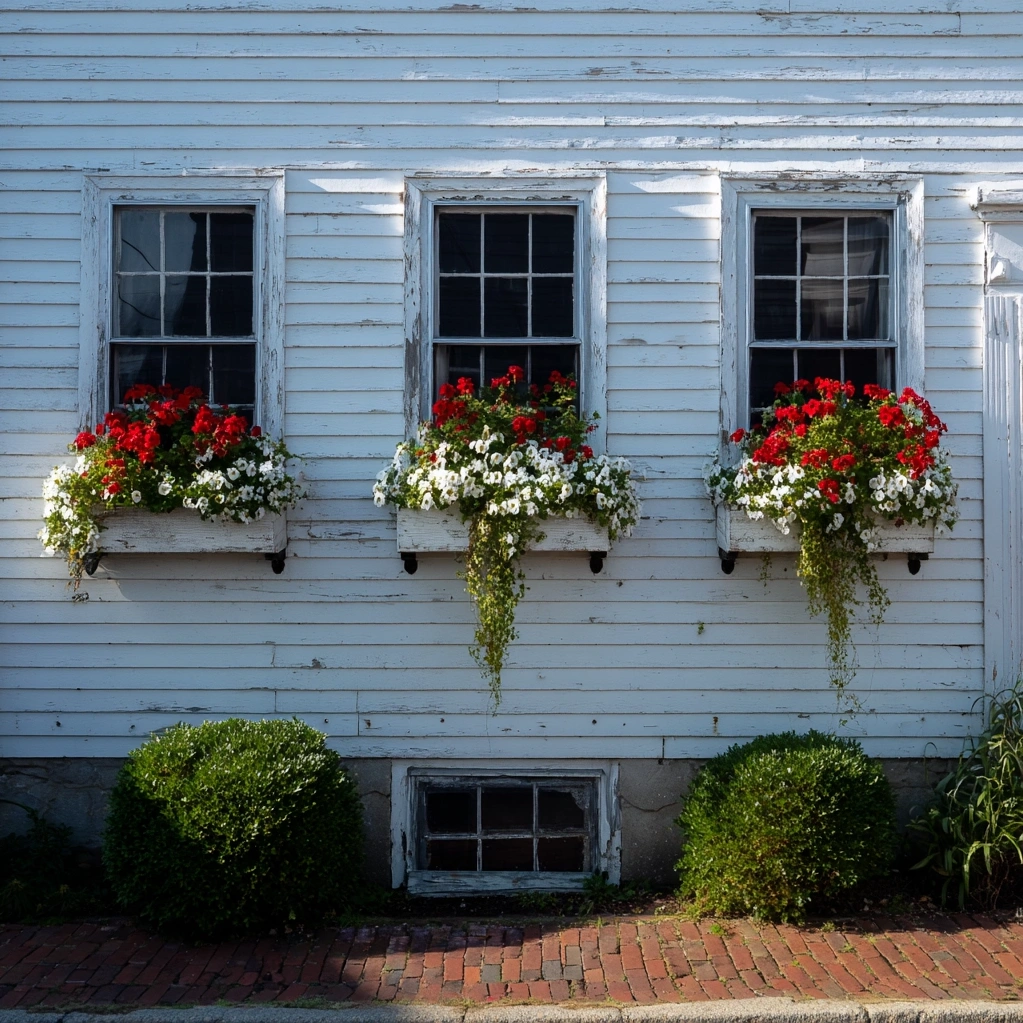
Move beyond traditional arrangements with creative approaches that make your window flower boxes truly distinctive. For architectural interest, consider asymmetrical designs where boxes vary in size or placement along a window series, creating dynamic visual rhythm. Mix materials by combining wooden boxes with metal brackets or adding decorative elements like copper accents or carved details. Themed arrangements tell stories: create a butterfly garden with nectar-rich flowers, design a sensory box with fragrant herbs and textured plants, or assemble a color-themed display using shades of a single hue. For small spaces, vertical window flower boxes that stack or tiered designs maximize planting area without overwhelming the façade. Incorporate unexpected elements like ornamental grasses for movement, edible flowers for dual purpose, or succulents for drought-tolerant beauty. Seasonal transitions offer design opportunities: pair spring bulbs with early annuals, create patriotic red-white-blue displays for summer holidays, or arrange autumn boxes with berries and ornamental peppers. For year-round interest, combine evergreen shrubs with seasonal accents that can be easily swapped. Lighting can extend enjoyment into evening hours—subtle LED strips beneath boxes create magical glow effects. Consider the view from inside too; arrange plants to frame rather than block your outlook, creating living curtains that connect interior and exterior spaces. The most successful designs balance creativity with coherence, ensuring your window flower boxes enhance rather than compete with your home's overall aesthetic while expressing your personal gardening style.
Conclusion
Window flower boxes represent one of home gardening's most rewarding endeavors, offering beauty, connection to nature, and personal expression right outside your windows. Throughout this guide, we've explored how to select the perfect boxes for your home's architecture, choose plants that thrive in your specific conditions, maintain vibrant displays through proper care, and implement creative designs that reflect your unique style. These floral enhancements transform ordinary windows into living artwork that evolves with the seasons, providing daily joy and improving your home's curb appeal. The investment in window flower boxes yields continuous returns—not just in visual beauty, but in the satisfaction of nurturing living things and creating welcoming spaces. As you implement these ideas, remember that gardening is an ongoing journey of learning and adaptation. Don't be afraid to experiment with different plant combinations or design approaches; sometimes the most stunning arrangements come from unexpected pairings. Looking forward, consider how window flower boxes might evolve with smart gardening technology, sustainable materials, and climate-adaptive plant varieties. Whether you're starting with a single box or planning an entire façade transformation, each window flower box you install adds another layer of beauty to your home and community. Begin with one window this season, and watch as the simple act of adding flowers transforms not just your exterior, but your daily experience of home.
Frequently Asked Questions
Q: How often should I water my window flower boxes?
Watering frequency depends on several factors including weather, box material, and plant types. During hot summer months, daily watering is often necessary as elevated boxes dry out faster than ground plantings. Check soil moisture by inserting your finger about an inch deep—if it feels dry, it's time to water. Early morning is ideal to minimize evaporation. In cooler weather or during rainy periods, you may water every 2-3 days. Self-watering boxes or drip irrigation systems can reduce frequency to weekly maintenance. Always ensure your boxes have proper drainage holes to prevent root rot from overwatering.
Q: What are the best plants for shady window locations?
North-facing windows or those shaded by buildings or trees require plants that thrive in lower light conditions. Excellent choices include impatiens, which provide continuous blooms in various colors; begonias, particularly wax or tuberous varieties; coleus with its vibrant foliage patterns; fuchsia with its elegant hanging flowers; and sweet woodruff for delicate ground cover. Ferns like Boston or maidenhair add texture, while hostas offer substantial foliage in shaded spots. For evergreen options in winter, consider English ivy or variegated pachysandra. Remember that even 'shade-loving' plants typically need some indirect light, so avoid completely dark locations.
Q: Can window flower boxes damage my home's exterior?
Properly installed window flower boxes should not damage your home when installed correctly. Key considerations include using appropriate mounting hardware for your siding material (brick, wood, vinyl, etc.), ensuring boxes have adequate drainage to prevent water damage, and distributing weight evenly. Use rust-resistant brackets and screws designed for outdoor use, and avoid mounting directly into mortar joints on brick homes. Regularly check mounting points for stability, especially after severe weather. For rented homes or those concerned about permanent installation, consider freestanding boxes on window sills or removable bracket systems. With proper installation and maintenance, window flower boxes enhance rather than harm your home's exterior.