
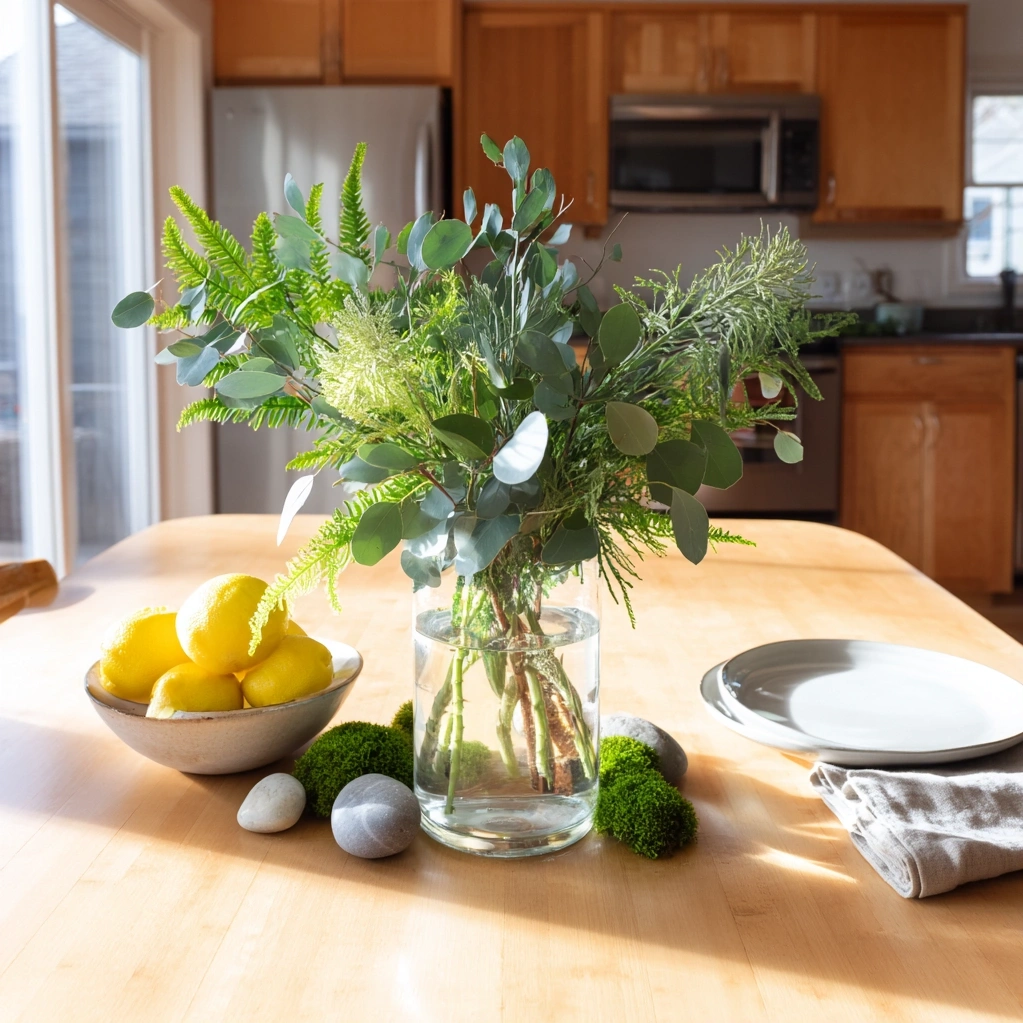
As the days grow longer and nature awakens from its winter slumber, there’s an undeniable urge to bring that vibrant energy indoors. Spring green centerpieces offer the perfect solution—they’re not just decorative elements but transformative accents that breathe life into any room. These fresh arrangements capture the essence of the season, infusing spaces with hope, renewal, and natural beauty that uplifts both mood and atmosphere.
Imagine walking into a room where a carefully crafted centerpiece immediately draws your eye, creating a focal point that whispers of blooming gardens and sunny days. Spring green centerpieces do exactly that—they connect indoor living spaces with the outdoor revival happening just beyond our windows. The color green itself carries powerful psychological benefits, promoting calmness and creativity while evoking feelings of growth and vitality.
Whether you're hosting a festive gathering or simply want to refresh your daily environment, these arrangements serve as more than mere decoration. They become conversation starters, mood enhancers, and personal expressions of seasonal joy. From elegant dining tables to cozy coffee tables, a well-designed spring green centerpiece can redefine a space's entire character. The beauty lies in their versatility—they can be as simple as a single vase of budding branches or as elaborate as multi-layered botanical displays.
Creating these centerpieces doesn't require professional floral expertise or extravagant budgets. With some basic materials and inspiration, anyone can craft arrangements that celebrate spring's arrival. The process itself becomes a therapeutic ritual, connecting us with nature's rhythms and our own creative instincts. As we explore various approaches to spring green centerpieces, you'll discover how these living artworks can transform not just your home, but your entire seasonal experience.
Essential Elements for Perfect Spring Green Centerpieces
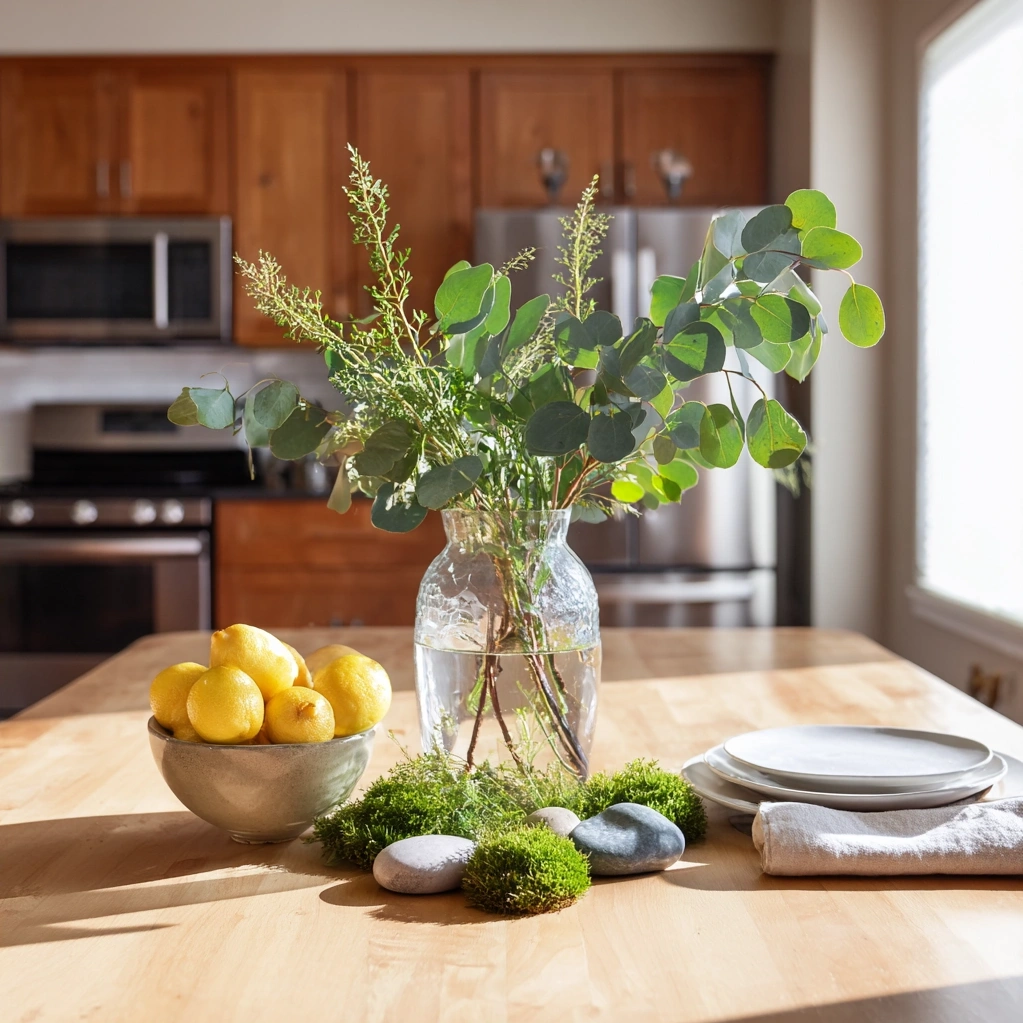
Creating captivating spring green centerpieces begins with understanding the fundamental components that make these arrangements truly special. The foundation lies in selecting the right greenery—think beyond traditional flowers to include various textures and shades of green. Fresh herbs like mint, rosemary, and basil add fragrance and visual interest, while foliage such as eucalyptus, fern fronds, and ivy provide graceful lines and volume. These elements work together to create depth and movement within your arrangement.
Vessels play a crucial role in spring green centerpieces, serving as both functional containers and aesthetic statements. Clear glass containers showcase water and stems beautifully, creating a clean, modern look. Ceramic pots in soft earth tones complement the natural theme, while metallic accents can add unexpected elegance. Consider unconventional containers too—vintage teacups, wooden boxes, or even repurposed glass jars can bring personality to your display. The key is ensuring the container supports the arrangement's scale and style.
Structural elements provide stability and visual balance in spring green centerpieces. Floral foam helps maintain shape for complex designs, while chicken wire or tape grids in clear vases keep stems properly positioned. Don't overlook natural supports like branches or twigs that can serve dual purposes as both structural elements and decorative features. Height variation creates visual interest—taller elements draw the eye upward while lower components fill the base space.
Finishing touches complete your spring green centerpieces. Small blooming flowers in complementary colors add delicate contrast without overwhelming the green theme. Berries, seed pods, or even decorative stones at the base provide texture and interest. Consider adding subtle elements like ribbon-wrapped stems or decorative moss around the container's base. Remember that less is often more—the beauty of spring green centerpieces lies in their natural simplicity and fresh appeal.
Design Techniques for Stunning Spring Green Centerpieces
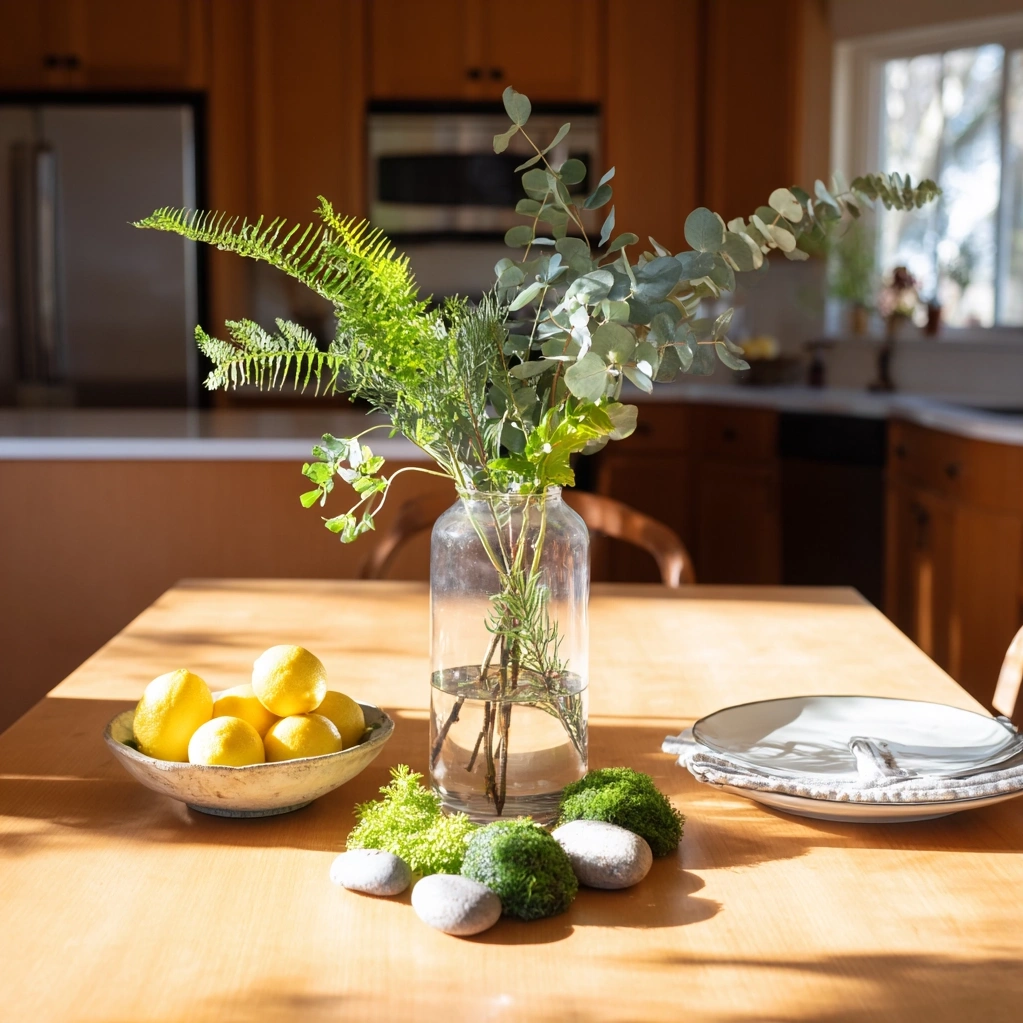
Mastering design techniques elevates simple arrangements into extraordinary spring green centerpieces. The monochromatic approach focuses exclusively on various shades of green, creating sophisticated, cohesive displays. Combine light lime greens with deep forest tones, adding texture through different leaf shapes and surface finishes. This technique works beautifully for minimalist or modern spaces where subtlety reigns supreme.
Layering creates dimension and visual interest in spring green centerpieces. Start with foundational foliage that establishes the arrangement's basic shape and volume. Add secondary elements that introduce different textures and line qualities—curly willow branches for height, delicate ferns for airiness. Finally, incorporate accent pieces that catch the eye, such as glossy magnolia leaves or velvety lamb's ear. Each layer should complement rather than compete with the others.
Color theory application enhances spring green centerpieces even within a predominantly green palette. Understanding how different greens interact helps create harmonious arrangements. Cool blue-greens pair beautifully with warmer yellow-greens, while neutral gray-greens bridge contrasting shades. For added visual pop, incorporate small touches of complementary colors—pale pinks, soft yellows, or crisp whites can make the greens appear even more vibrant without dominating the arrangement.
Seasonal adaptation ensures your spring green centerpieces feel timely and appropriate. Early spring arrangements might feature budding branches and forced bulbs, while late spring designs incorporate fuller foliage and early summer blooms. Consider the specific occasion too—Easter centerpieces might include symbolic elements like wheat or eggs, while Mother's Day arrangements could feature sentimental additions. The most successful spring green centerpieces feel both current and timeless, celebrating the season's unique qualities while maintaining classic appeal.
Practical Tips for Maintaining Spring Green Centerpieces
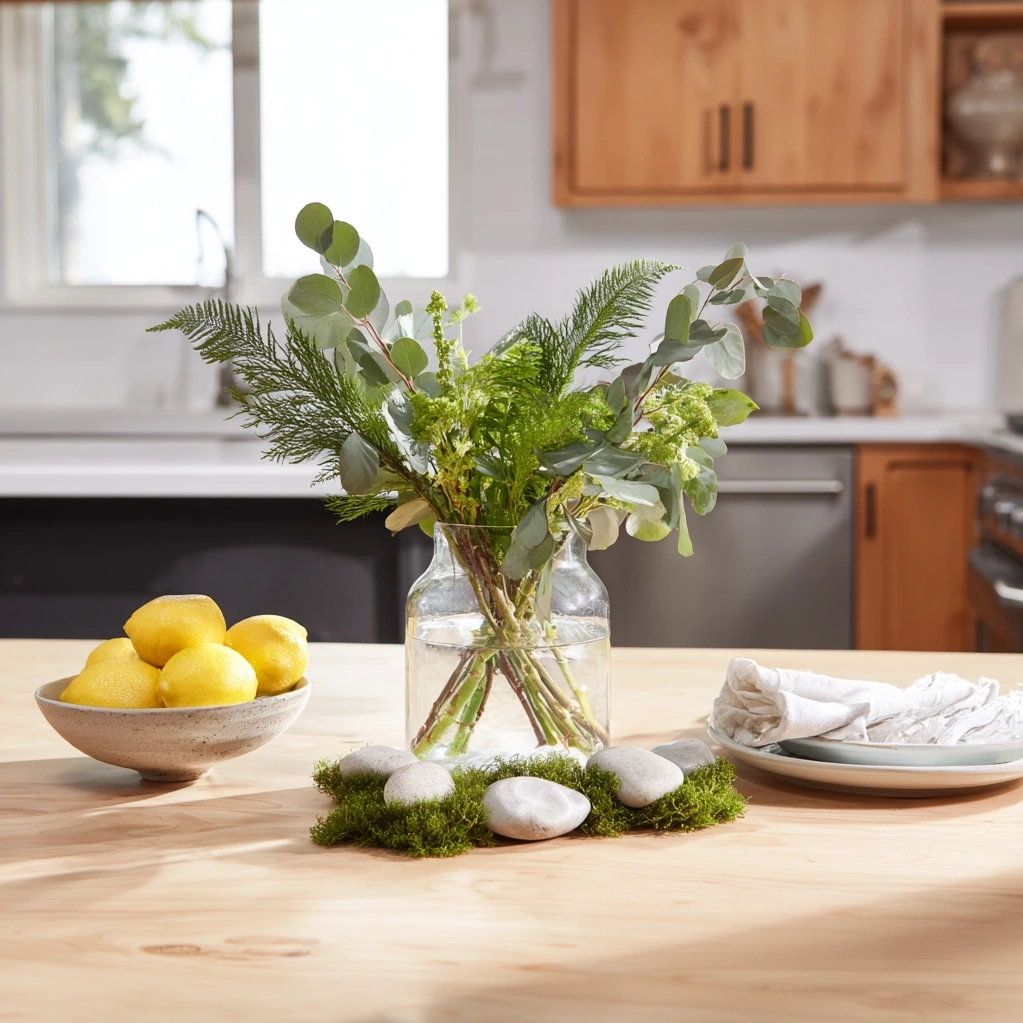
Proper care extends the life and beauty of your spring green centerpieces, ensuring they remain fresh and vibrant throughout the season. Start with preparation—cut stems at a 45-degree angle under running water to prevent air bubbles from blocking water uptake. Remove any leaves that would sit below the waterline to prevent bacterial growth. Use clean, sharp tools to avoid crushing delicate stems, which can impede water absorption.
Water management is crucial for spring green centerpieces. Change water every two to three days, thoroughly rinsing the container each time to remove bacterial buildup. Add floral preservative to the water—commercial products work well, or create your own with sugar (for nourishment), bleach (to control bacteria), and lemon juice (to balance pH). For woody stems like branches, consider splitting the ends or crushing them slightly to increase water absorption.
Environmental considerations significantly impact the longevity of spring green centerpieces. Keep arrangements away from direct sunlight, heating vents, and drafts, as extreme temperature changes cause premature wilting. Most greenery prefers cool environments, so consider displaying arrangements in naturally cooler areas of your home. At night, moving arrangements to a cooler space like a garage or basement (if temperatures remain above freezing) can extend their life by several days.
Refreshment techniques revive spring green centerpieces as they age. Mist arrangements lightly with water daily to maintain humidity around the foliage. Remove any wilted or discolored elements promptly to preserve the overall appearance. For arrangements with floral foam, ensure it remains moist by adding water directly to the foam rather than just the container. With proper care, well-constructed spring green centerpieces can maintain their beauty for one to two weeks, bringing continuous seasonal joy to your space.
Conclusion
Spring green centerpieces represent more than seasonal decoration—they're expressions of renewal, creativity, and connection to nature's rhythms. Throughout this exploration, we've discovered how these living artworks transform spaces through careful element selection, thoughtful design techniques, and proper maintenance. The beauty of these arrangements lies in their accessibility; whether you're a seasoned floral designer or a complete beginner, creating stunning spring green centerpieces is within everyone's reach.
As we embrace the season ahead, consider how these natural accents can enhance your daily life. A simple arrangement on your kitchen table becomes a morning inspiration, while an elaborate centerpiece for special gatherings creates memorable atmospheres. The process of creating and caring for these pieces offers its own rewards—moments of mindfulness as you arrange leaves and stems, satisfaction as you watch guests admire your work, and the simple pleasure of living with natural beauty.
Looking forward, the principles behind spring green centerpieces extend beyond the season itself. The skills you develop—understanding color harmony, creating balanced compositions, maintaining living elements—apply to year-round decorating. As seasons change, you can adapt these techniques to summer blooms, autumn foliage, or winter evergreens. The fundamental appreciation for natural beauty cultivated through spring arrangements enriches your relationship with your living space throughout the year.
Start small with a single vase of fresh herbs or go bold with a layered tablescape. Whatever approach you choose, remember that the most successful spring green centerpieces reflect your personal style and bring you joy. As nature renews itself outside your window, let these indoor creations remind you of growth, possibility, and the simple elegance found in living green things. Your space awaits transformation—one beautiful arrangement at a time.
Frequently Asked Questions
Q: How long do spring green centerpieces typically last?
With proper care, most spring green centerpieces maintain their fresh appearance for 7 to 14 days. Woody branches and hardy foliage like eucalyptus can last up to two weeks, while more delicate greens might begin to fade after about a week. The longevity depends on several factors: the specific plants used, environmental conditions, and maintenance routines. Keeping arrangements in cool areas away from direct sunlight and heat sources significantly extends their life. Regular water changes—every two to three days—and using floral preservative also help maximize freshness. Some elements, like forced branches that haven't yet bloomed, may continue to develop and change over time, offering evolving beauty throughout their display period.
Q: Can I create spring green centerpieces without using flowers?
Absolutely! Spring green centerpieces can be stunningly beautiful using only foliage, branches, and other non-floral elements. In fact, all-green arrangements have become increasingly popular for their sophisticated, minimalist appeal. Focus on combining different textures and shades of green—glossy magnolia leaves, fuzzy lamb's ear, delicate ferns, and structural branches create visual interest without flowers. Add elements like moss-covered stones, decorative seed pods, or even fresh herbs for fragrance and variety. These foliage-only arrangements often last longer than those containing delicate blooms, making them practical choices for busy households. They're particularly effective in modern or minimalist decor schemes where their clean lines and monochromatic palette complement the overall aesthetic beautifully.
Q: What are some budget-friendly options for creating spring green centerpieces?
Creating beautiful spring green centerpieces doesn't require expensive materials. Start by foraging from your own garden or neighborhood—with permission, collect interesting branches, foliage, and budding stems. Many common plants like ivy, hosta leaves, or ornamental grasses work wonderfully. Use repurposed containers instead of buying new vases—mason jars, tin cans, or even interesting bottles can become charming vessels with a little creativity. Grocery stores often sell affordable herb bunches that serve dual purposes as both greenery and cooking ingredients. Consider using inexpensive filler greens like lemon leaf or salal, which provide volume at low cost. For structural elements, gather interesting twigs or branches from outdoor areas. The most budget-friendly approach often yields the most creative results, as working with limited resources encourages innovative thinking and personal expression in your arrangements.