
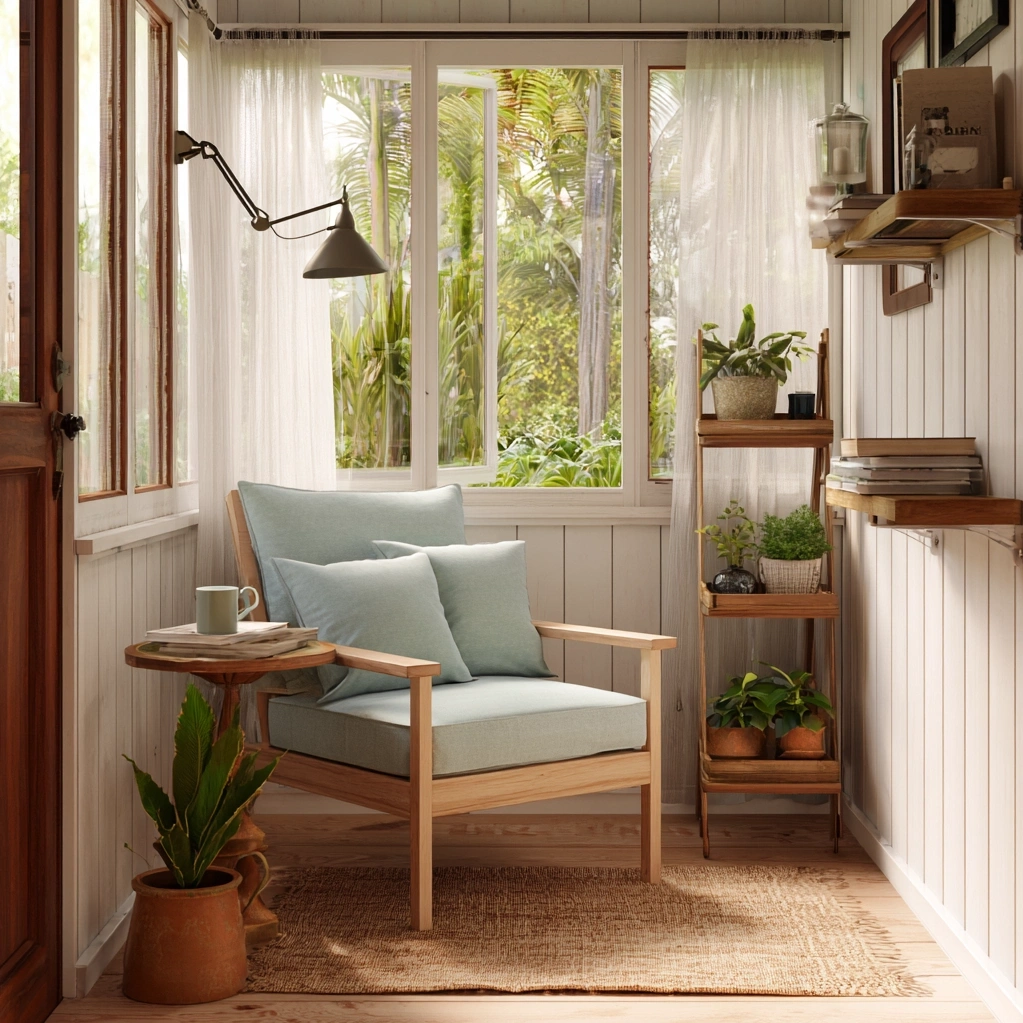
Small enclosed porches might seem like overlooked corners of your home, but they hold tremendous potential to transform your living experience. These transitional spaces, often tucked away between the outdoors and your interior rooms, can become sanctuaries of comfort, creativity, and connection. Whether you’ve inherited a neglected screened porch or are considering enclosing an existing space, these compact areas offer unique opportunities to enhance your home’s functionality without requiring extensive renovations or overwhelming square footage. Many homeowners underestimate what small enclosed porches can become, dismissing them as mere storage areas or seasonal pass-throughs. Yet with thoughtful design and intentional planning, these spaces can evolve into your favorite retreats—places for morning coffee, evening reading, plant cultivation, or quiet contemplation away from household bustle. The beauty of small enclosed porches lies in their dual nature: they provide shelter from the elements while maintaining a connection to the outdoors through windows, screens, or glass panels. This creates an environment that feels both protected and expansive, even in limited dimensions. As urban living spaces shrink and the desire for multifunctional areas grows, these porches have emerged as valuable real estate within the home. They offer a canvas for personal expression while solving practical needs like mudroom functions, greenhouse spaces, or additional seating areas. The journey from underutilized space to cherished nook begins with recognizing the inherent value of what you already have and envisioning what it could become with purposeful design choices.
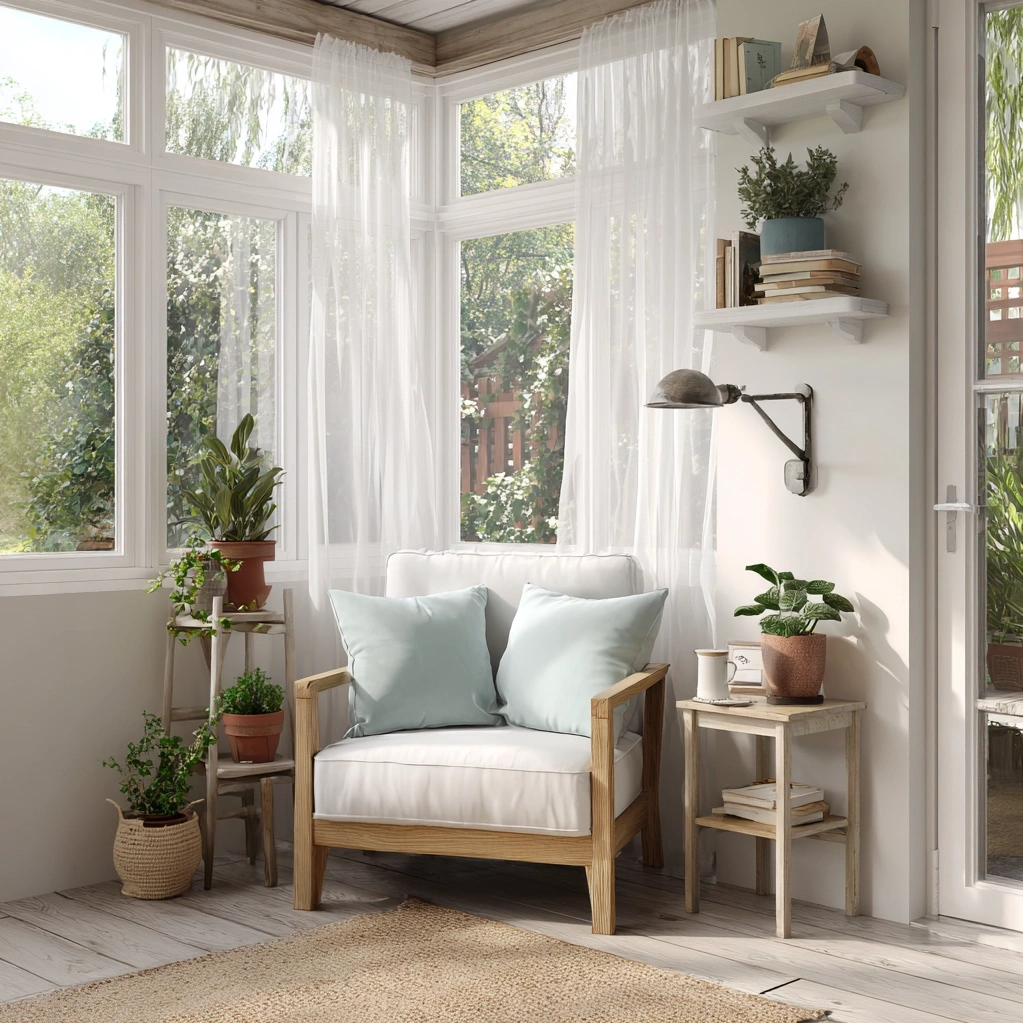
Design Strategies for Maximizing Small Enclosed Porches
Transforming small enclosed porches begins with smart design strategies that make every inch count. First, consider the primary function: will this be a reading nook, plant sanctuary, dining area, or multipurpose space? Defining the purpose guides all subsequent decisions about furniture, storage, and layout. For furniture, opt for pieces that serve multiple functions—benches with hidden storage, nesting tables that can expand when needed, or wall-mounted desks that fold away. Choose furniture with slender profiles and light visual weight to prevent the space from feeling crowded. Light colors for walls and flooring help reflect natural light and create an airy atmosphere, while mirrors strategically placed can visually double the space. Vertical space is your greatest asset in small enclosed porches. Install shelves from floor to ceiling for books, plants, or decorative items, using the upper shelves for less frequently accessed items. Hanging planters, wall-mounted lighting, and suspended storage baskets keep floors clear. For flooring, durable materials like vinyl plank, ceramic tile, or painted wood withstand temperature fluctuations and foot traffic while adding visual interest. Window treatments should be minimal—sheer curtains or simple blinds that allow maximum light penetration. If your small enclosed porch includes screening, consider adding weather-resistant curtains for privacy and sun protection. The transition between indoor and outdoor elements is crucial; choose materials and colors that complement both your home's interior and the surrounding landscape. Finally, lighting deserves special attention: layered lighting with overhead fixtures, task lighting for specific activities, and accent lighting for architectural features creates depth and functionality throughout the day and evening.
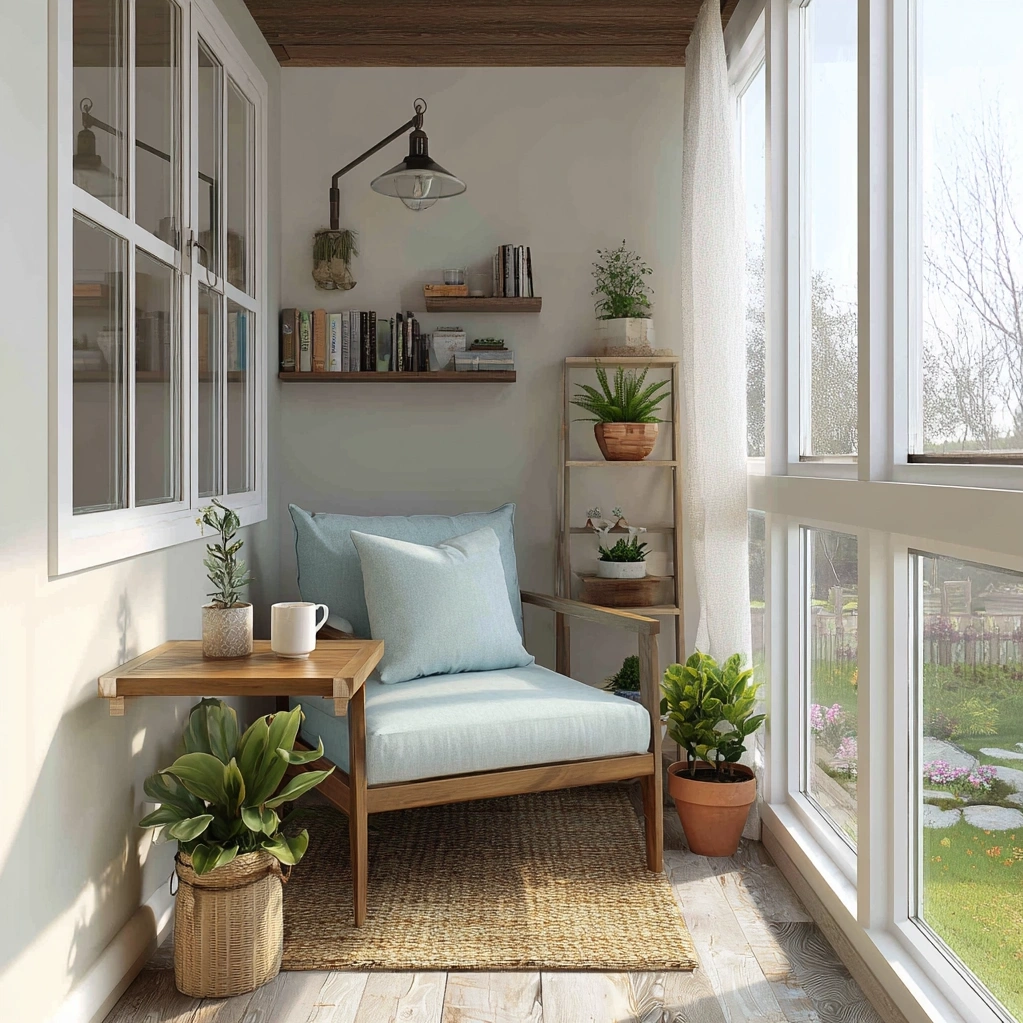
Functional Transformations for Small Enclosed Porches
Small enclosed porches can serve numerous practical functions beyond their traditional roles. One popular transformation is creating a year-round greenhouse or plant room. With proper insulation, heating for colder months, and ample windows for sunlight, these spaces become ideal for nurturing plants that might not thrive indoors. Install shelves at varying heights to accommodate different light needs, and consider a small water source for easy plant care. Another excellent use is as a mudroom or entryway organizer—perfect for homes lacking a formal entry. Add benches with shoe storage beneath, hooks for coats and bags, and shelves for seasonal items like hats and gloves. This keeps outdoor clutter contained while providing a transition space between outside and inside. For those working from home, small enclosed porches can become peaceful home offices with natural light and separation from household distractions. A compact desk, comfortable chair, and organizational systems create a productive environment with inspiring views. Entertainment spaces are another possibility: arrange comfortable seating around a small table for board games, puzzles, or intimate conversations. Add weather-resistant speakers for music and ensure adequate lighting for evening use. Crafting and hobby areas also thrive in these spaces, with storage for supplies and surfaces for projects. Perhaps the simplest yet most rewarding transformation is creating a personal retreat—a quiet corner with a comfortable chair, side table for beverages, good lighting for reading, and perhaps a small bookshelf. This dedicated space for relaxation becomes a sanctuary within your home. Whatever function you choose, ensure it aligns with how you live and adds genuine value to your daily routine.
Seasonal Adaptations for Small Enclosed Porches
One of the greatest advantages of small enclosed porches is their adaptability across seasons, allowing you to enjoy these spaces year-round with thoughtful adjustments. During warmer months, maximize ventilation by opening windows or using screened sections to welcome fresh air while keeping insects out. Lightweight, breathable fabrics for seating and minimal decor create a breezy atmosphere. Consider adding a ceiling fan to circulate air and enhance comfort on hot days. Plants can thrive during this period, with careful attention to watering and sunlight exposure. As temperatures cool, transition your small enclosed porch for autumn enjoyment. Add cozy textiles like wool blankets, thicker cushions, and warm-toned accessories. This is an ideal time for hot beverage stations with an electric kettle or small coffee maker. Ensure windows seal properly to prevent drafts, and consider adding thermal curtains for evening use. For winter, proper insulation becomes crucial if you plan to use the space regularly. Check for gaps around windows and doors, and add weatherstripping where needed. Portable heaters designed for safe indoor use can extend usability, but always follow manufacturer guidelines and never leave them unattended. Choose furniture and decor materials that withstand temperature fluctuations without warping or cracking. In spring, refresh the space with new plants, lighter colors, and thorough cleaning after winter. Throughout these seasonal shifts, maintain flexibility with modular elements that can be easily swapped or stored. Storage solutions within the porch itself—like cabinets or benches with hidden compartments—help manage seasonal items without cluttering your main living areas. By planning for seasonal changes, your small enclosed porch remains functional and inviting regardless of the weather, extending your living space and connection to the outdoors throughout the year.
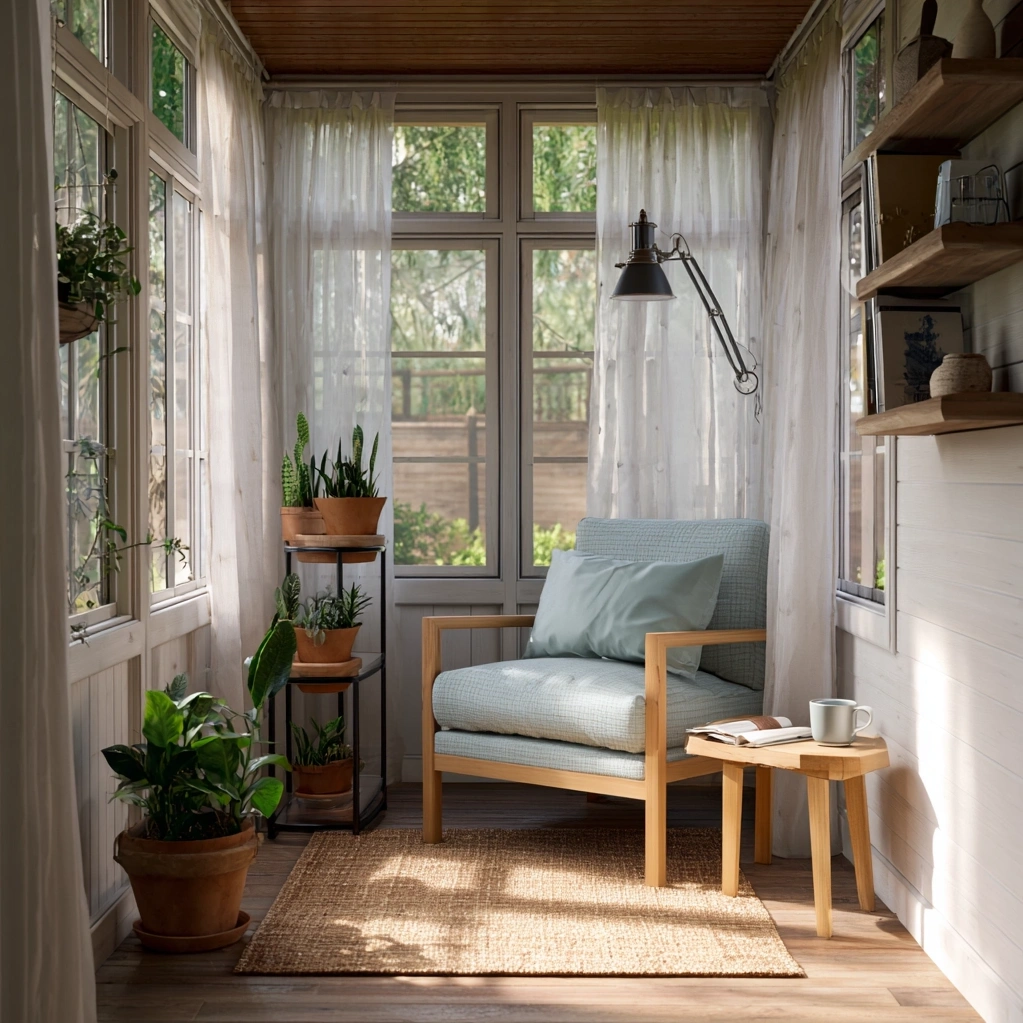
Budget-Friendly Upgrades for Small Enclosed Porches
Enhancing small enclosed porches doesn't require a significant financial investment when you focus on strategic, cost-effective improvements. Begin with a thorough cleaning and repair assessment—often the most impactful changes cost nothing but effort. Repair any damaged screens, replace worn weatherstripping, and fix loose boards or tiles. A fresh coat of paint on walls, ceiling, and floor can dramatically transform the space for minimal expense; light colors make the area feel larger and brighter. Secondhand or repurposed furniture offers excellent value: look for sturdy pieces at thrift stores, garage sales, or online marketplaces that can be refurbished with paint or new upholstery. DIY projects like building simple shelves, creating custom plant stands, or sewing cushion covers personalize the space while saving money. Lighting upgrades provide substantial impact; replace outdated fixtures with affordable LED options that offer better illumination and energy efficiency. Add inexpensive string lights or solar-powered lanterns for ambient lighting. For flooring, consider painting existing surfaces with porch and floor paint designed for durability, or use indoor-outdoor rugs to define areas and add comfort. Plants represent one of the most affordable ways to enhance small enclosed porches—start with easy-to-grow varieties and propagate from cuttings to expand your collection over time. Organizational solutions need not be expensive: use repurposed jars for storage, install basic hooks and shelves from hardware stores, or create hanging systems with rope and dowels. When selecting decor, choose a few meaningful pieces rather than filling the space with items; this creates a curated look while keeping costs down. Remember that the most valuable upgrades address how you actually use the space rather than following trends. By prioritizing function and personal preference over expensive finishes, you can create a beautiful, practical small enclosed porch that fits your budget and enhances your daily life.
Conclusion
Small enclosed porches represent some of the most versatile and rewarding spaces in any home. These compact areas, when thoughtfully designed and utilized, can significantly enhance your living experience by providing additional functional square footage, connection to the outdoors, and personal sanctuary away from main living areas. Throughout this exploration, we've seen how strategic design maximizes limited dimensions, functional transformations adapt these spaces to various needs, seasonal adjustments ensure year-round enjoyment, and budget-friendly approaches make enhancements accessible to all homeowners. The true magic of small enclosed porches lies in their ability to evolve with your changing needs—today's plant haven might become tomorrow's home office or reading nook without requiring major renovations. As you consider your own space, remember that perfection isn't the goal; rather, focus on creating an environment that serves you practically and brings you joy. Start with small, manageable improvements and let the space reveal its potential gradually. Looking forward, the value of these transitional spaces will only increase as homes continue to serve more diverse functions and our desire for connection with nature grows alongside urban living trends. Whether you're revitalizing an existing porch or planning a new enclosure, approach the project with creativity and patience. Your small enclosed porch awaits transformation into whatever you need it to be—a quiet retreat, productive workspace, green oasis, or simply a comfortable spot to watch the world go by. The journey of making it your own may become as rewarding as the finished space itself.
Frequently Asked Questions
Q: What are the most important considerations when designing a small enclosed porch?
The most important considerations start with defining the primary function of the space—whether it's for relaxation, plants, dining, or multipurpose use. Next, assess practical elements: insulation and weatherproofing for year-round comfort, adequate ventilation (especially if it will house plants or be used in warm weather), and durable materials that withstand temperature fluctuations. Lighting is crucial, both natural and artificial; maximize window space and plan layered lighting for different times of day. Storage solutions that utilize vertical space help keep the area organized without consuming floor area. Finally, ensure the design creates a seamless transition between indoor and outdoor aesthetics while reflecting your personal style.
Q: How can I make my small enclosed porch usable in winter without expensive heating systems?
Several strategies can extend winter usability without major heating investments. First, ensure the space is properly sealed: check weatherstripping around doors and windows, add draft stoppers, and consider thermal curtains that provide insulation when closed. Use area rugs on floors to add warmth underfoot. For heating, portable electric heaters designed for indoor use can be effective for temporary warming; choose models with safety features like tip-over protection and automatic shut-off, and never leave them unattended. Focus on creating cozy zones with warm textiles—thick blankets, plush cushions, and wool throws make the space feel warmer. Use the porch during daylight hours to take advantage of solar gain through windows, and consider adding a hot beverage station with an electric kettle for warm drinks. If you have plants, move sensitive varieties indoors during freezing temperatures.
Q: What furniture works best in limited porch spaces?
The best furniture for small enclosed porches prioritizes multifunctionality, proportional scale, and visual lightness. Choose pieces that serve multiple purposes: benches with hidden storage, nesting tables that can be separated when needed, or ottomans that provide both seating and surface area. Slim-profile furniture with legs that elevate them off the floor creates a sense of openness. Foldable or stackable chairs offer flexibility for different activities. For seating, consider built-in options along walls to maximize floor space. Materials should be durable and suitable for the porch's climate conditions—weather-resistant wicker, metal with protective finishes, or treated wood. Avoid oversized pieces that dominate the space; instead, select furniture that fits comfortably with room to move around. Finally, consider furniture that can be easily rearranged to adapt to different uses or seasonal changes.