
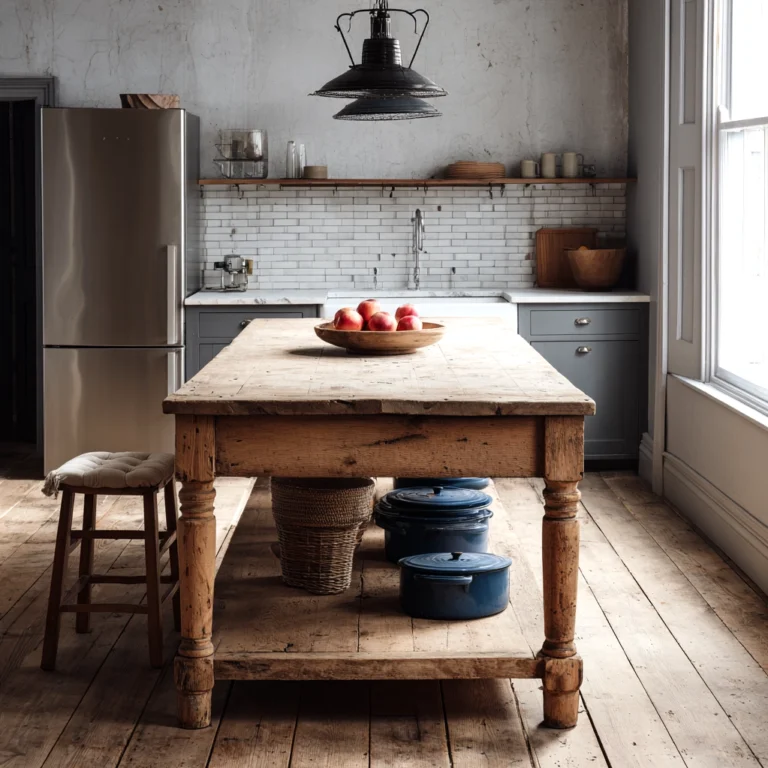
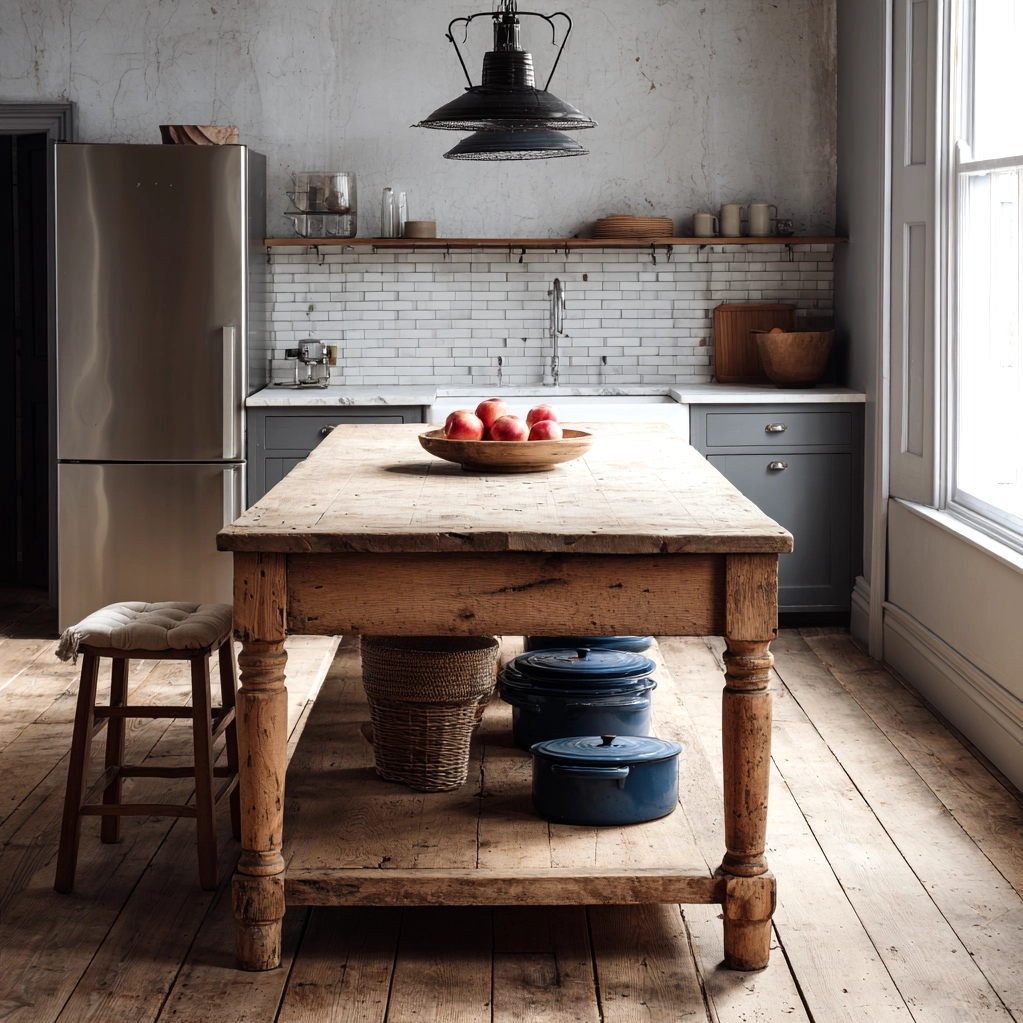
Imagine walking into a kitchen that tells a story. Not just any story, but one woven with history, craftsmanship, and character. That’s the magic an antique kitchen island brings to your home. More than just a functional piece for meal prep or storage, it serves as the heart of your culinary space, blending utility with undeniable charm. In today’s world of mass-produced furniture, incorporating an antique island is a bold statement. It says you value uniqueness, sustainability, and the artistry of bygone eras. This isn’t about following trends—it’s about creating a kitchen that feels lived-in, warm, and authentically yours from day one. The right antique island can anchor your entire design, providing a focal point that draws eyes and sparks conversation. It adds texture through aged wood or patinated metal, creating visual interest that modern pieces often lack. Plus, these pieces are built to last, having already stood the test of time. Whether you’re renovating a farmhouse, updating a traditional home, or adding character to a contemporary space, an antique kitchen island offers versatility few new items can match. It bridges generations, connecting your daily life to craftsmanship that deserves preservation. This guide will show you how to find, style, and care for these treasures, helping you create a kitchen that’s not just beautiful, but meaningful.
Finding Your Perfect Antique Kitchen Island
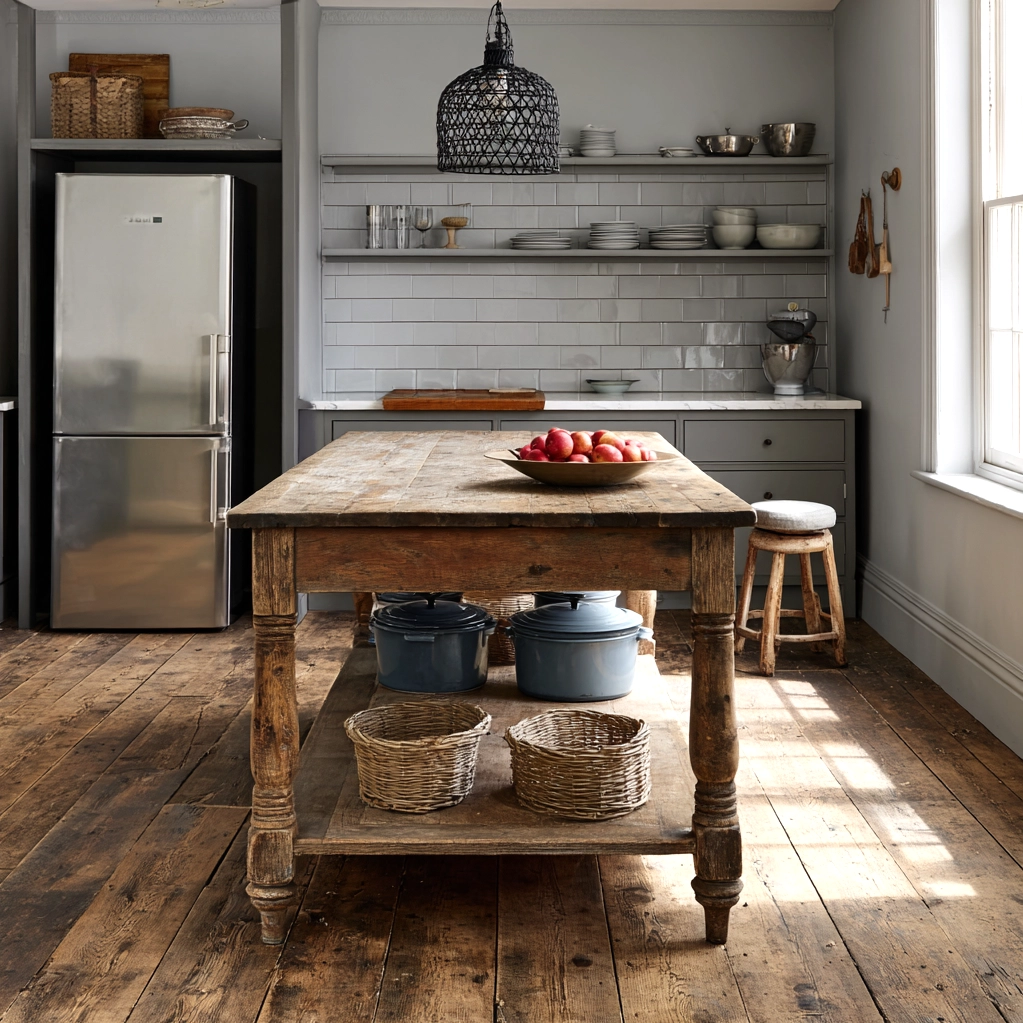
The journey to finding the right antique kitchen island begins with knowing where to look and what to prioritize. Start by visiting local antique shops, estate sales, and flea markets—these are goldmines for authentic pieces. Online marketplaces can also be useful, but always request detailed photos and ask about provenance when possible. When evaluating an island, consider both aesthetics and functionality. Look for solid construction: dovetail joints in drawers, thick wood tops, and sturdy legs indicate quality. Check for structural integrity; some wear is expected, but avoid pieces with significant rot or unstable frames. Size is crucial—measure your kitchen space carefully, accounting for clearance around the island. Standard heights range from 36 to 42 inches, but antique pieces might vary. Think about your needs: do you want extra storage, a prep surface, or seating space? Many antique islands feature drawers, shelves, or even original butcher block tops. Materials matter too. Reclaimed pine offers a rustic feel, while oak or maple provides durability. Metal islands with wrought iron bases add industrial flair. Don't shy away from pieces needing minor repairs; a fresh coat of food-safe sealant or new hardware can work wonders. Remember, imperfections like scratches or fading add character. Your goal is a piece that fits your space physically and stylistically, blending history with your daily routine.
Styling Your Antique Kitchen Island for Maximum Impact
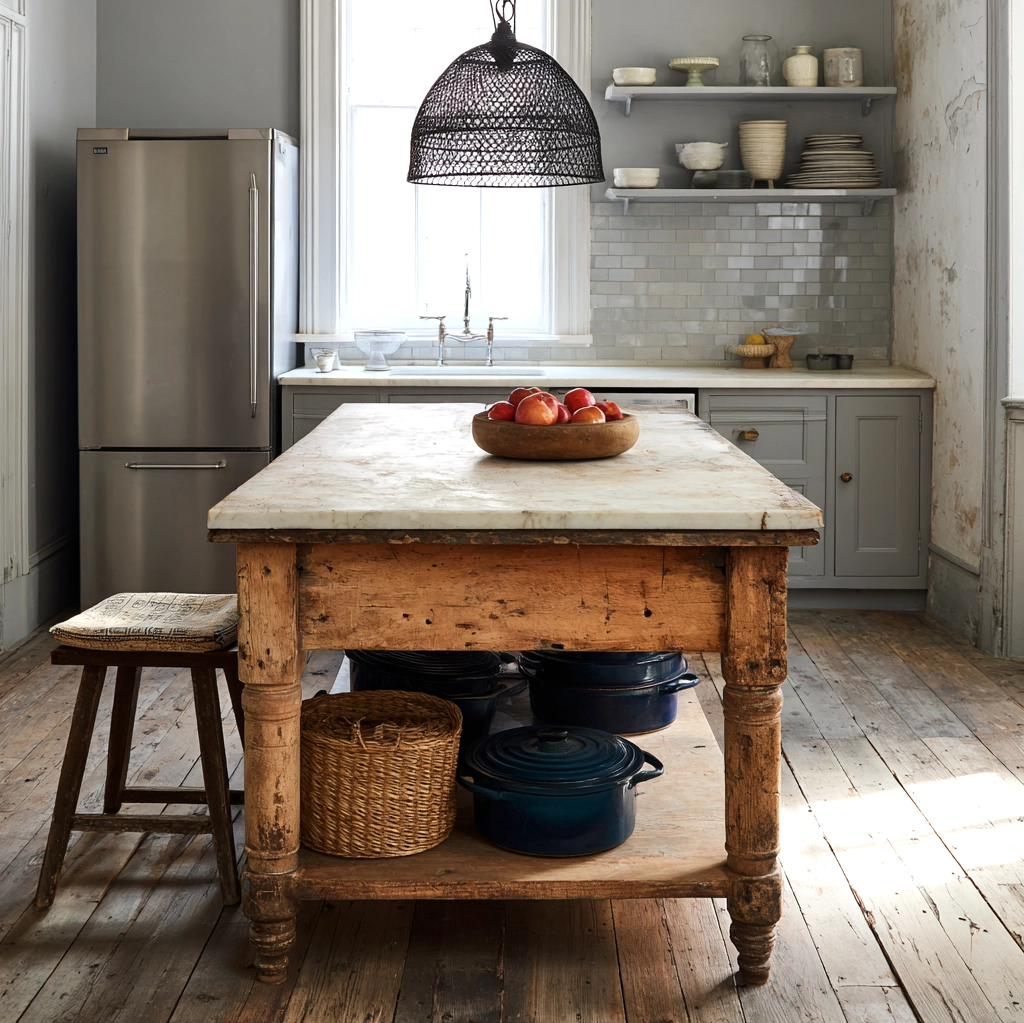
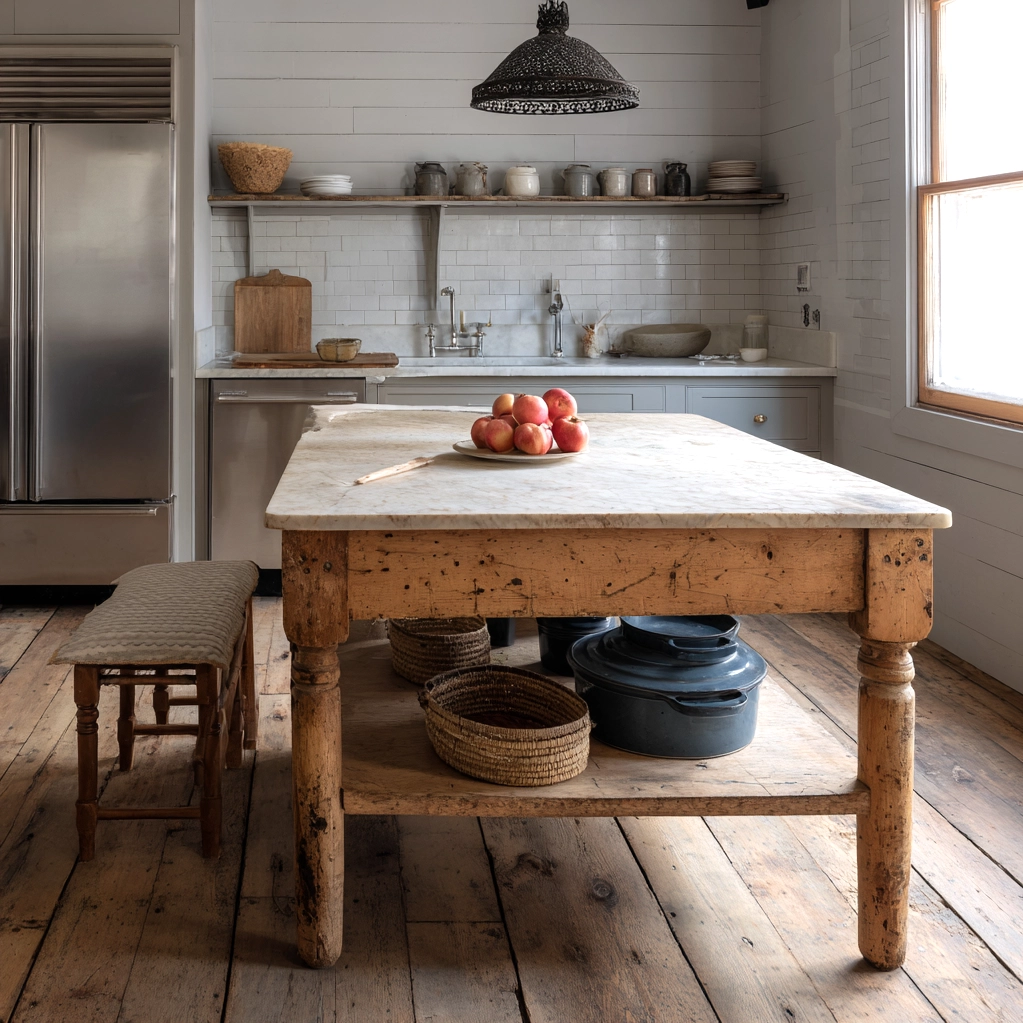
Once you've found your antique kitchen island, styling it effectively can elevate your entire kitchen. Start by considering placement. Center it in an open layout for a natural gathering spot, or position it against a wall if space is limited. Ensure there's enough room to move around comfortably—at least 36 inches of clearance on all sides. Next, think about complementary elements. Pair your island with modern appliances or sleek cabinetry to create a striking contrast. This blend of old and new prevents the space from feeling dated. For a cohesive look, repeat materials from the island elsewhere, like using similar wood tones for open shelves or hardware finishes. Lighting plays a key role. Hang a statement pendant light above the island to highlight its texture and details. Choose fixtures that match the era of your piece, such as an industrial cage light for a metal island or a rustic chandelier for a wooden one. Decorate the surface thoughtfully. Keep it functional with a bowl of fresh fruit, a cutting board, or a vase of flowers. Avoid clutter; let the island's craftsmanship shine. If it has open shelving, display vintage cookware or linen stacks. For seating, add stools that complement the island's height and style—wooden stools for a farmhouse feel, or metal ones for an industrial vibe. Finally, consider the surrounding palette. Neutral walls allow the island to stand out, while bold backsplashes can create a dynamic backdrop. The key is balance, letting the antique piece anchor the room without overwhelming it.
Caring for and Maintaining Your Antique Kitchen Island
Proper care ensures your antique kitchen island remains beautiful and functional for years to come. Start with cleaning. Use gentle, non-abrasive methods. For wood surfaces, dust regularly with a soft cloth and clean with a mild soap solution—avoid harsh chemicals that can strip finishes. For metal parts, a damp cloth usually suffices; if rust appears, use a specialized metal cleaner. Protection is vital. Apply a food-safe sealant to wood tops to guard against stains and moisture. Reapply as needed, especially if the island sees heavy use. For painted surfaces, touch up chips with matching paint to prevent further damage. Address wear thoughtfully. Scratches and dents often tell a story; consider preserving them rather than eliminating them entirely. For structural issues like wobbly legs or loose joints, consult a professional restorer to maintain authenticity. Avoid extreme conditions. Keep the island away from direct sunlight to prevent fading, and maintain stable humidity levels to prevent wood warping. If your kitchen gets humid, use a dehumidifier. Regular inspections help catch problems early. Check for signs of pests, water damage, or loose hardware every few months. When using the island for prep, always use cutting boards to protect the surface. For storage, organize items to avoid overloading shelves or drawers. Remember, antique pieces require a gentle touch—they've survived decades, and with mindful care, they'll thrive in your home. This maintenance not only preserves its value but honors the craftsmanship behind it.
Conclusion
Incorporating an antique kitchen island into your home is more than a design choice—it's an investment in character, sustainability, and timeless style. Throughout this article, we've explored how to find the right piece, style it for impact, and care for it diligently. These islands bring a unique warmth that new furniture often lacks, creating a kitchen that feels inviting and personal. They serve as functional works of art, blending history with modern living. As you embark on this journey, remember that patience is key. The perfect island might not appear overnight, but the search is part of the adventure. Once found, it can transform your space, becoming the heart of your home where meals are prepared, stories are shared, and memories are made. Looking ahead, the trend toward sustainable, meaningful decor is growing. Antique pieces align perfectly with this movement, reducing waste and celebrating craftsmanship. Whether you're a seasoned collector or a first-time buyer, an antique kitchen island offers endless possibilities. Start by visiting local sources, measuring your space, and imagining how a piece could fit into your daily life. With care and creativity, you can create a kitchen that's not only beautiful but rich with history—a space that truly feels like home.
Frequently Asked Questions
Q: How do I know if an antique kitchen island will fit in my modern kitchen?
Measure your kitchen space carefully, ensuring at least 36 inches of clearance around the island for movement. Antique islands often have standard heights of 36-42 inches, but check dimensions before purchasing. Blend it with modern elements like sleek appliances or minimalist cabinetry to create a balanced look. The contrast can actually enhance both styles, making the island a focal point without clashing.
Q: What are common materials used in antique kitchen islands, and how do I maintain them?
Common materials include solid wood like oak, pine, or maple, and metals such as wrought iron or cast iron. For wood, clean with mild soap and water, and apply food-safe sealants periodically to protect against stains. For metal, wipe with a damp cloth and use metal cleaner for rust spots. Avoid harsh chemicals, and address repairs professionally to preserve the piece's integrity and value.
Q: Can I modify an antique kitchen island to add modern features like electrical outlets or wheels?
Yes, but proceed cautiously to maintain its character. For electrical outlets, consult a professional to install discreetly, perhaps on the side or beneath the counter. Adding locking casters can enhance mobility, but choose styles that match the island's era. Avoid over-modernizing; subtle updates that improve functionality without compromising aesthetics are best, preserving the piece's antique appeal.