
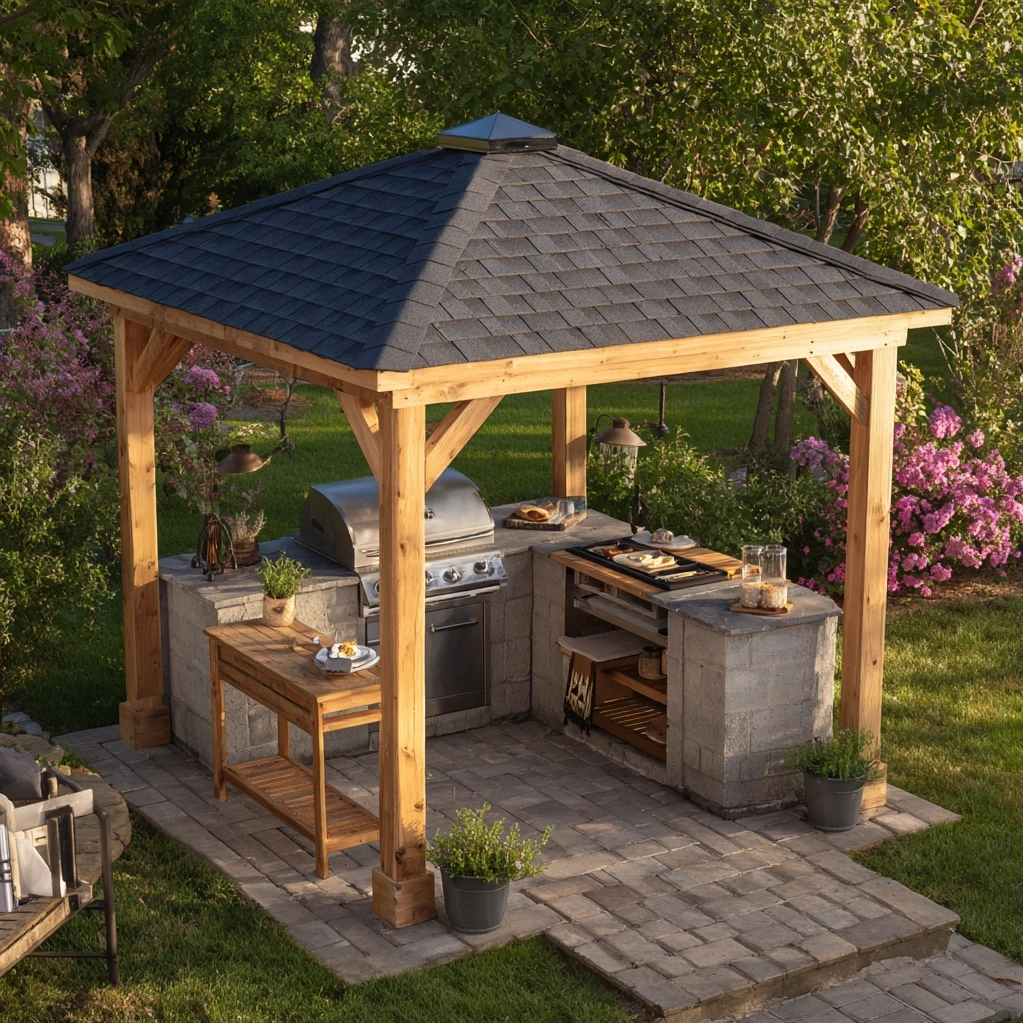
Imagine stepping into your backyard and finding not just a grill, but a dedicated sanctuary where cooking becomes celebration and gatherings transform into cherished memories. A backyard grill gazebo is more than a structure; it’s the ultimate upgrade to your outdoor living space, blending functionality with aesthetic appeal in ways that elevate every barbecue from ordinary to extraordinary. In today’s homes, where outdoor areas serve as extensions of our living rooms, creating versatile, weather-protected zones for cooking and entertaining has become essential. A well-designed gazebo shelters your grill from rain, sun, and wind, ensuring you can cook year-round regardless of weather conditions. But its benefits extend far beyond protection. This versatile structure creates a focal point for your backyard, organizing your cooking area while providing space for prep stations, seating, and storage. It transforms chaotic outdoor cooking into a seamless, enjoyable experience where you’re not just flipping burgers but hosting in style. Whether you’re planning intimate family dinners or lively weekend parties, a backyard grill gazebo adds value to your home and enhances your lifestyle. It’s where culinary creativity meets outdoor comfort, turning every meal into an event worth remembering. Investing in one means investing in countless future moments of joy, connection, and delicious food shared with loved ones under your very own sheltered haven.
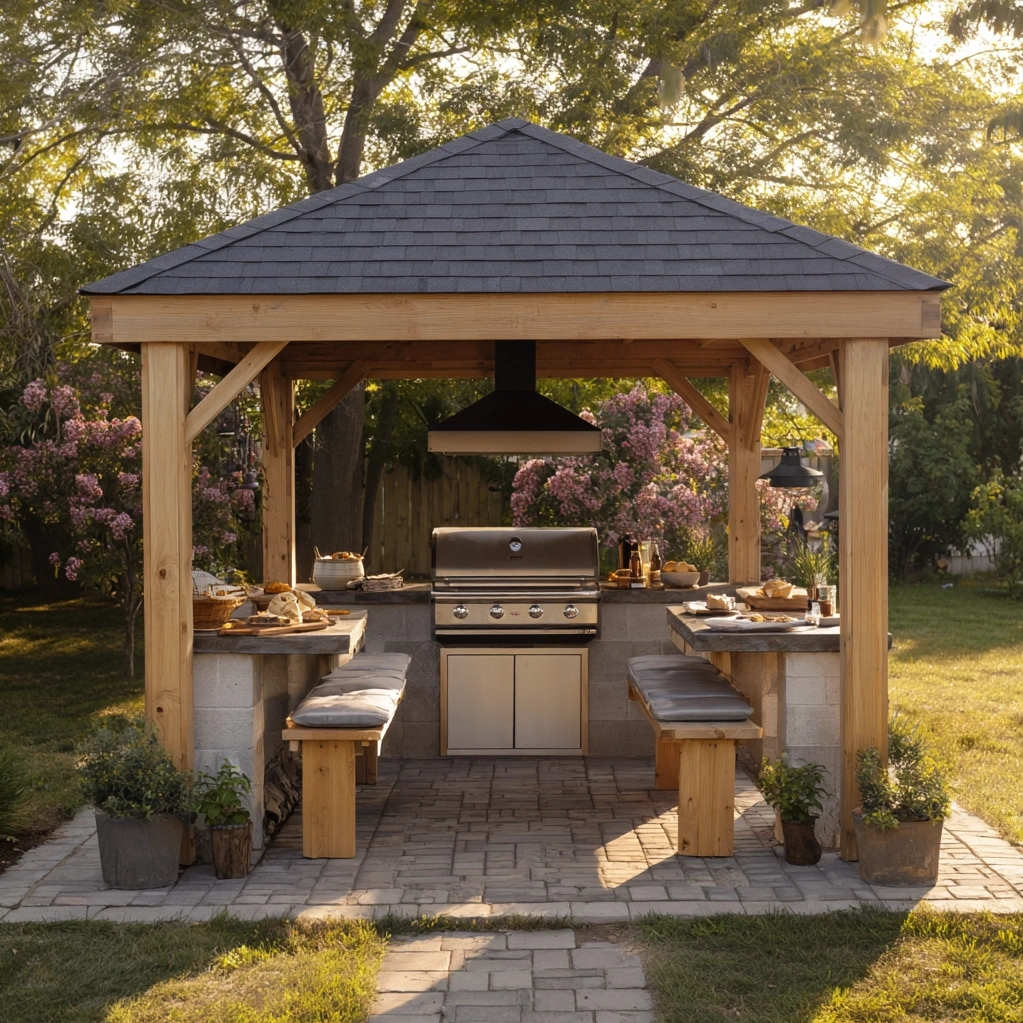
Why Every Home Needs a Backyard Grill Gazebo
A backyard grill gazebo is not just an accessory; it's a game-changer for outdoor living. First, it provides essential protection for your grill and cooking area. Rain won't cancel your barbecue plans, harsh sun won't make cooking unbearable, and wind won't scatter your charcoal or blow out flames. This protection extends the lifespan of your grill by shielding it from weather damage, saving you money on replacements. Second, it creates a dedicated cooking zone that organizes your backyard. No more running between the kitchen and grill, forgetting utensils, or struggling with inadequate prep space. With proper design, your backyard grill gazebo can include countertops for food preparation, storage for tools and seasonings, and even small refrigerators or sinks. This transforms cooking from a chore into a pleasure. Third, it enhances entertainment value. When guests gather, the gazebo becomes the natural centerpiece of your backyard. People can congregate around the cooking area without crowding the chef, creating a social atmosphere where food preparation becomes part of the fun. The structure also provides shade and shelter for seating areas, making outdoor dining comfortable even during midday heat or light drizzle. Finally, a backyard grill gazebo adds significant aesthetic and financial value to your property. Well-designed structures complement your home's architecture and landscaping, creating a polished, intentional look that makes your backyard feel like a resort. When properly maintained, these gazebos can increase your home's resale value by making outdoor spaces more functional and appealing to potential buyers.
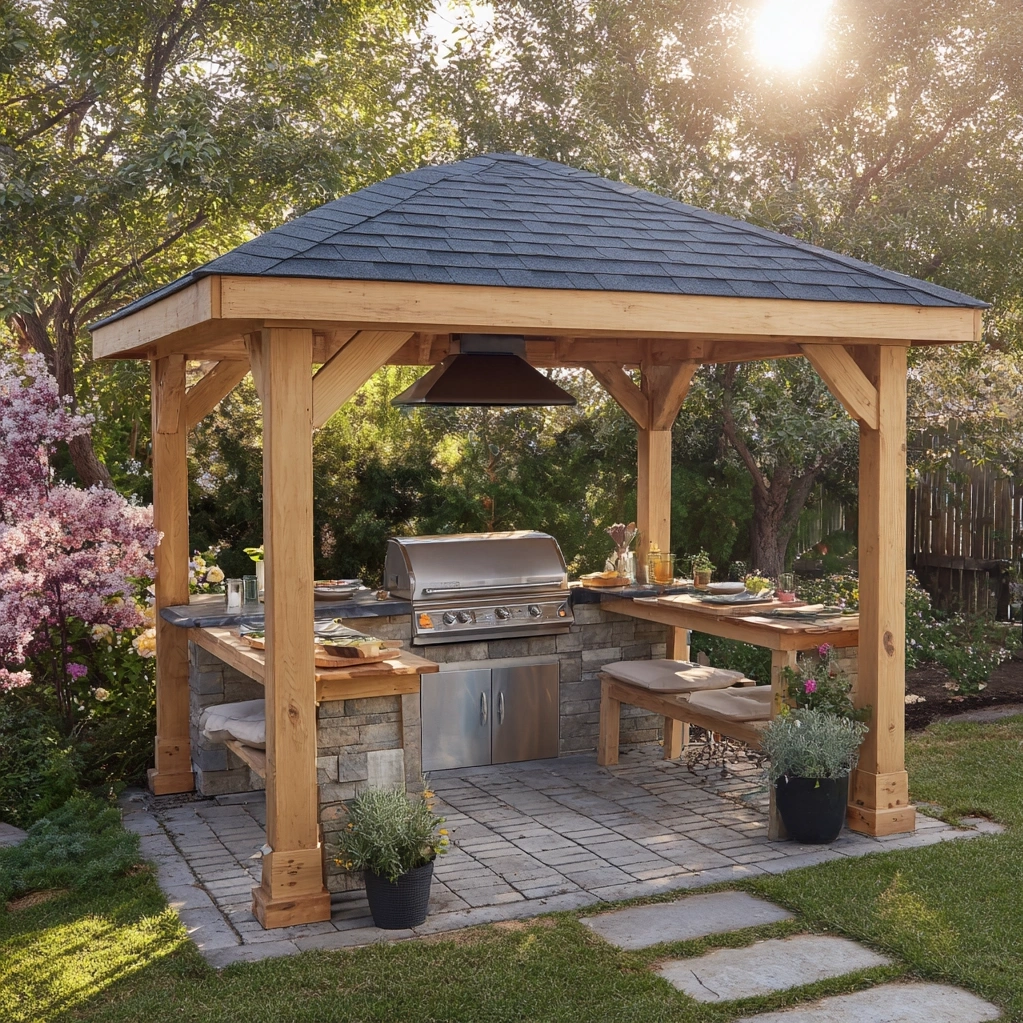
Designing Your Perfect Backyard Grill Gazebo
Creating the ideal backyard grill gazebo requires thoughtful planning around function, aesthetics, and safety. Start by considering location. Place your gazebo close enough to your kitchen for convenience but far enough from your house to prevent smoke issues. Ensure it's on level ground with proper drainage to avoid water accumulation. Next, select materials that balance durability with style. Wood offers traditional warmth but requires regular maintenance. Metal provides modern sleekness and weather resistance. Vinyl is low-maintenance and versatile. Consider roofing materials too—asphalt shingles match your home, while polycarbonate panels let in light while blocking rain. For the grill area itself, incorporate essential features. Include heat-resistant countertops (like granite or tile) on both sides of the grill for food prep. Install proper ventilation to disperse smoke, especially if your gazebo has walls. Add storage cabinets for grilling tools, fuel, and supplies. Don't forget lighting for evening cooking—overhead LED lights and task lighting around the grill make nighttime barbecues safe and enjoyable. For seating areas within or adjacent to your backyard grill gazebo, choose weather-resistant furniture that complements the structure's style. Consider built-in benches for space efficiency or movable chairs for flexibility. Finally, personalize with decorative elements that reflect your taste—hanging plants, outdoor curtains for privacy, or a weatherproof sound system for entertainment. Remember to check local building codes and obtain necessary permits before construction begins.
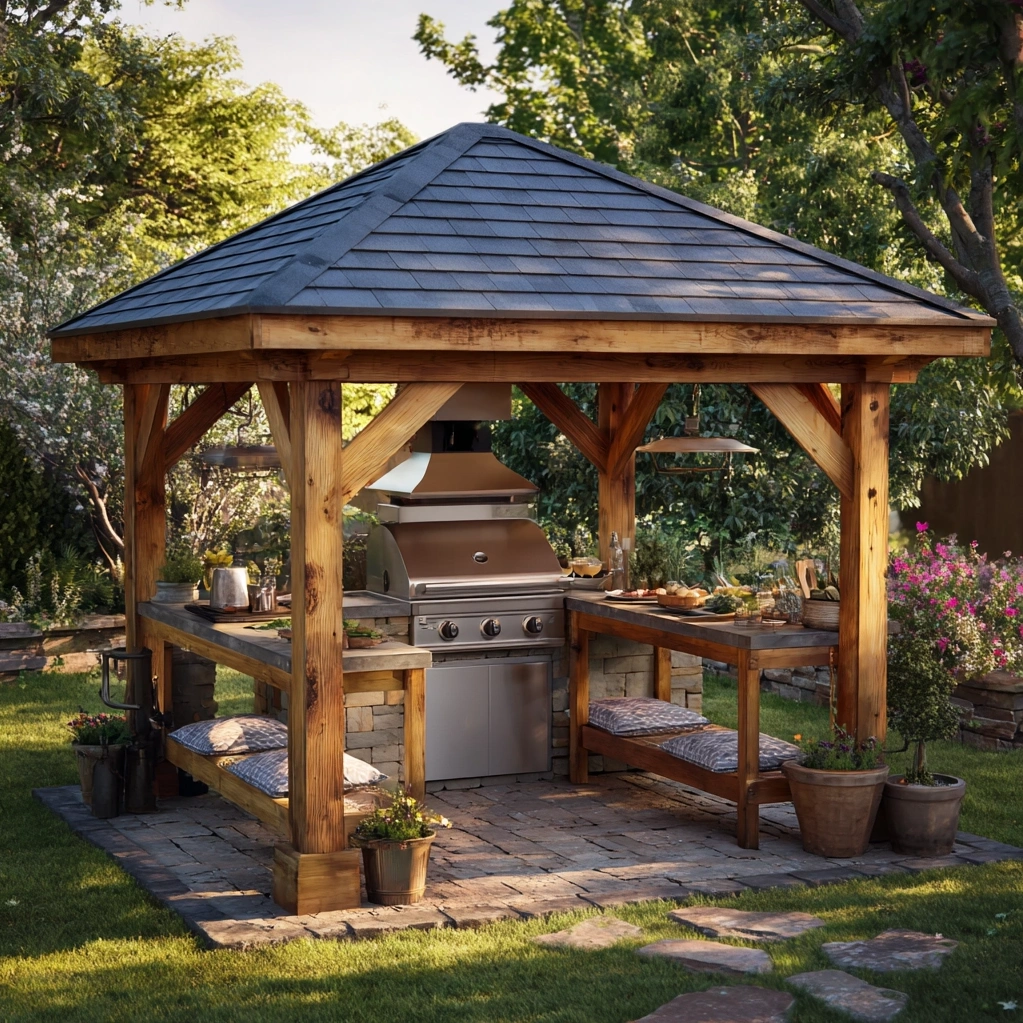
Essential Features for a Functional Backyard Grill Gazebo
To maximize your backyard grill gazebo's utility, incorporate these essential features. First, adequate ventilation is crucial for safety and comfort. Install vents in the roof or walls to allow heat and smoke to escape naturally. For enclosed gazebos, consider adding an exhaust fan specifically designed for outdoor cooking areas. This prevents smoke accumulation and reduces fire risk. Second, include ample workspace. The grill should have counter space on both sides—one for raw food preparation and another for cooked food plating. Choose heat-resistant, easy-to-clean materials like stainless steel, tile, or sealed concrete. Third, storage solutions keep your grilling area organized. Install cabinets or shelves for utensils, spices, charcoal, and grill accessories. Waterproof containers protect items from moisture. Fourth, lighting transforms your gazebo from daytime-only to evening-appropriate. Combine overhead lighting for general illumination with focused task lighting above the grill and prep areas. Solar-powered lights offer energy efficiency, while LED options provide bright, long-lasting light. Fifth, consider utility access. If possible, run electricity to your backyard grill gazebo for lighting, small appliances, or entertainment systems. A nearby water source simplifies cleaning and food preparation. Sixth, incorporate seating that complements the space. Built-in benches save space and create a cohesive look, while movable chairs offer flexibility for different group sizes. Finally, add personal touches that make the space uniquely yours—decorative hooks for hanging tools, a thermometer for monitoring cooking temperatures, or herb planters for fresh ingredients. These features work together to create a backyard grill gazebo that's not just beautiful but supremely functional for everyday use and special occasions alike.
Conclusion
A backyard grill gazebo represents more than just outdoor furniture; it's an investment in lifestyle enhancement that pays dividends in comfort, convenience, and joy. By providing weather-protected cooking space, organized storage, and inviting gathering areas, this structure transforms how you use your backyard throughout the year. Whether you're hosting summer barbecues, preparing cozy autumn meals, or simply enjoying quiet evenings outdoors, your gazebo becomes the heart of outdoor living. The design possibilities are endless—from rustic wood structures that blend with natural surroundings to sleek modern designs that make architectural statements. What matters most is creating a space that reflects your needs and aesthetic preferences while maximizing functionality. As outdoor living continues to grow in popularity, incorporating dedicated cooking and entertainment spaces will only become more valuable. Looking ahead, consider how your backyard grill gazebo might evolve with smart technology integration, sustainable materials, or multi-season adaptations. For now, start with solid fundamentals: proper placement, quality materials, and features that support your cooking style. Your perfect outdoor sanctuary awaits, ready to turn every meal into a memorable occasion and every gathering into a celebration of home, food, and connection under your very own sheltered retreat.
Frequently Asked Questions
Q: What size should my backyard grill gazebo be?
The ideal size depends on your grill dimensions and how you plan to use the space. For a basic setup with just a grill and minimal workspace, aim for at least 10×10 feet. This provides room for the grill with counter space on both sides. If you want to include seating, storage, or prep areas, consider 12×12 feet or larger. Measure your grill first, then add 2-3 feet on each side for safe clearance and workspace. Also consider traffic flow—people should be able to move around comfortably without crowding the cooking area. For larger gatherings, you might want separate zones for cooking and dining within the gazebo.
Q: How do I maintain my backyard grill gazebo?
Regular maintenance keeps your gazebo looking great and functioning properly. For wooden structures, clean annually with mild soap and water, then re-stain or seal every 2-3 years to prevent weathering. Metal gazebos benefit from occasional cleaning with appropriate cleaners to prevent rust. Vinyl requires simple washing with soap and water. Always keep the grill area clean—wipe down surfaces after each use and deep clean periodically. Check roofing materials for damage, especially after storms. Ensure proper drainage to prevent water pooling. For safety, regularly inspect structural integrity and tighten any loose screws or fittings. During winter in cold climates, consider covering your grill or storing it if not in use, even under the gazebo protection.
Q: Can I install a backyard grill gazebo myself?
DIY installation is possible with proper planning, skills, and tools, but consider several factors first. Pre-fabricated gazebo kits with clear instructions are most suitable for DIY projects. You'll need basic construction skills, appropriate tools, and at least one helper for safety. Always start by checking local building codes and obtaining necessary permits. Ensure you have level ground and proper foundation—concrete pads offer stability. For complex designs, electrical work, or permanent structures, hiring professionals is recommended. They ensure proper ventilation, safety clearances, and durable construction. If you choose DIY, allow ample time, follow all manufacturer instructions carefully, and don't skip safety steps like proper anchoring against wind. Many homeowners successfully combine DIY with professional help for specific elements like electrical wiring or complex roofing.