
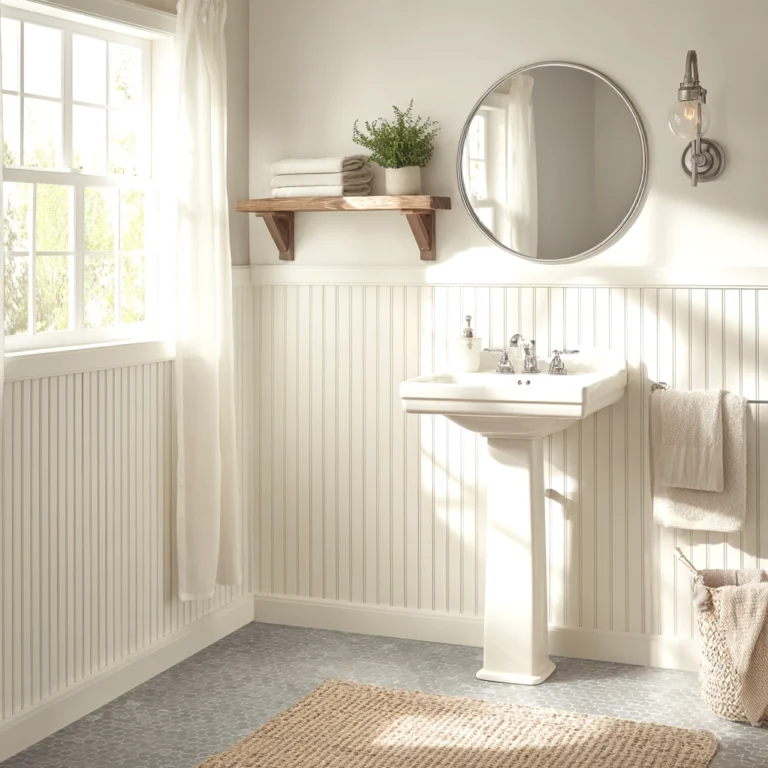
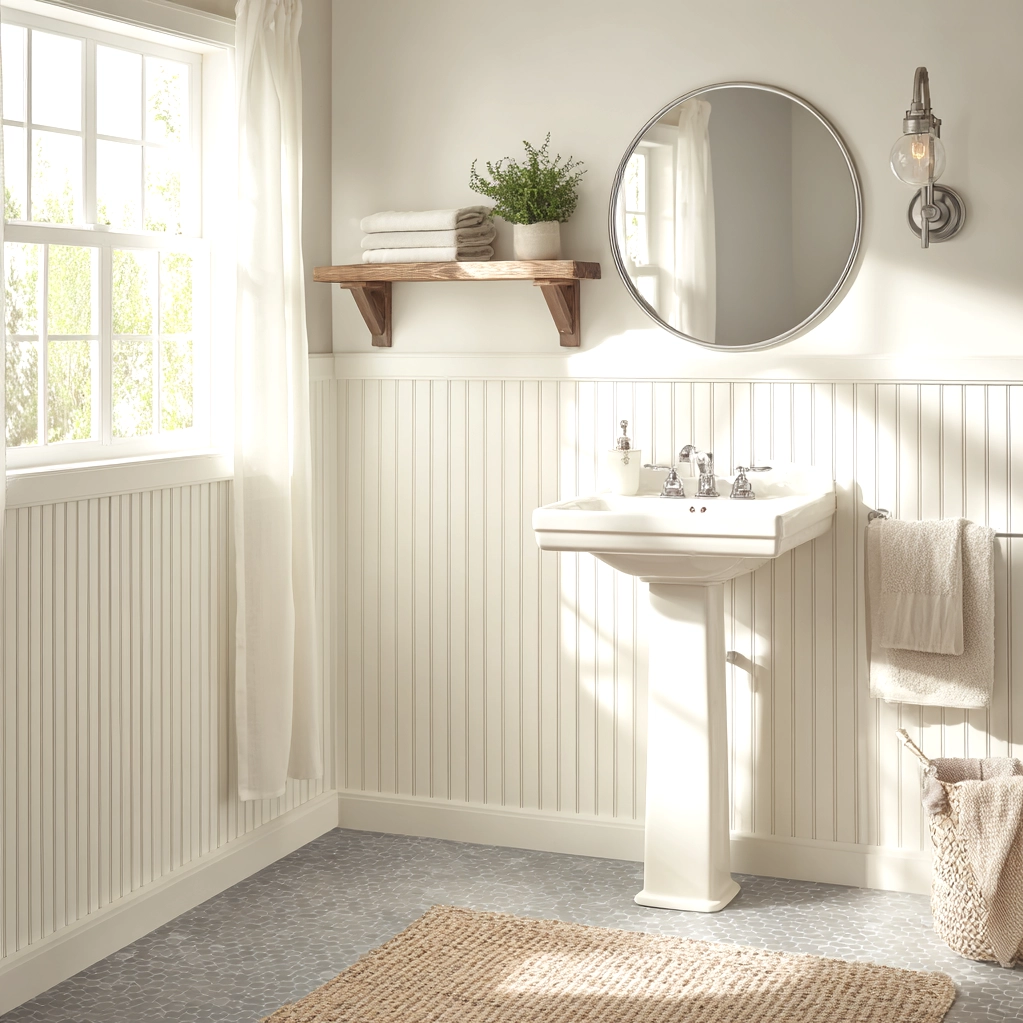
Looking to refresh your bathroom but want something more character-filled than plain drywall? Bead board walls might be the perfect solution. This classic design element, with its vertical lines and subtle texture, brings a sense of warmth, tradition, and craftsmanship to any bathroom, big or small. It’s a versatile choice that works with countless styles, from crisp coastal retreats to cozy farmhouse havens. Whether you’re considering a full room makeover or a simple accent wall, bead board adds visual interest and protects your walls from moisture and daily wear. In this article, we’ll explore why bead board is such a smart choice for bathrooms and dive into creative ideas to inspire your next project. You’ll discover how this humble material can elevate your space, making it feel both polished and inviting. Let’s explore how bead board walls can transform your bathroom into a sanctuary you’ll love for years to come.
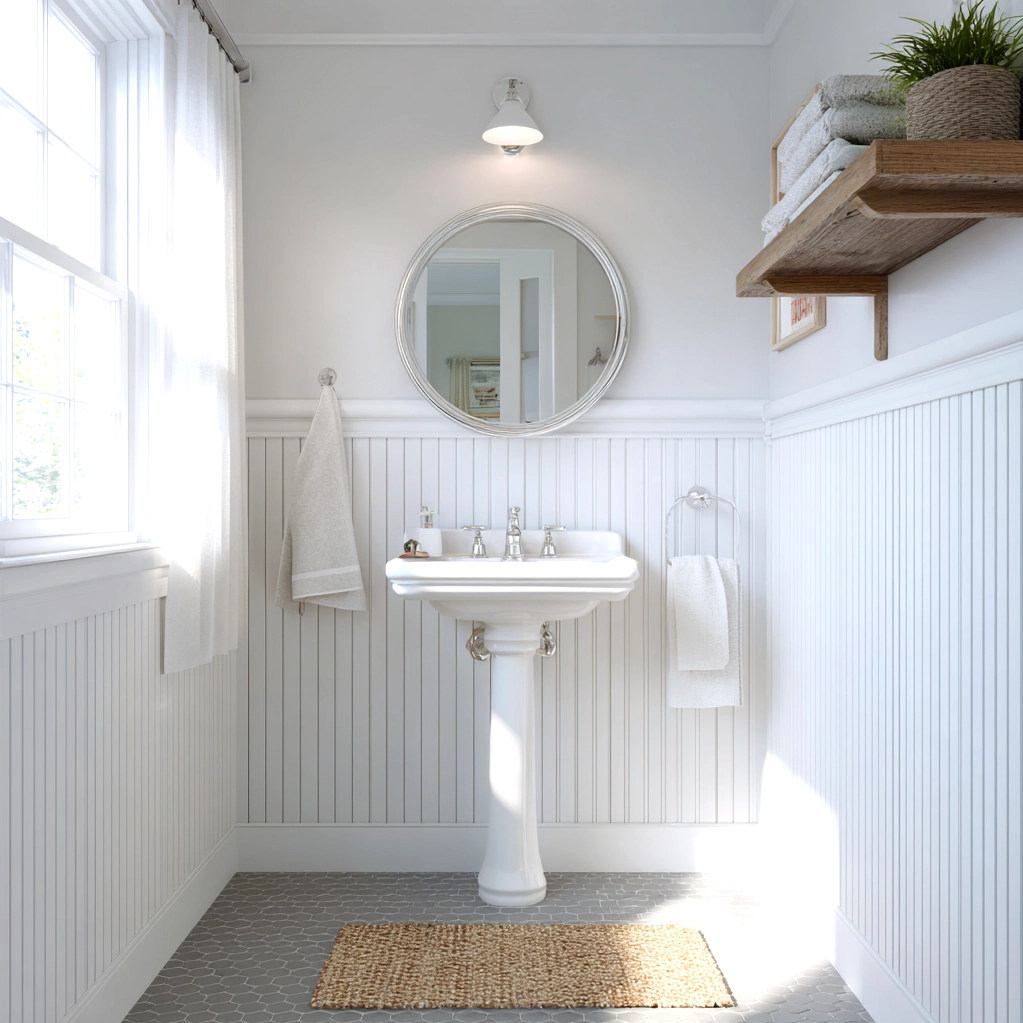
Why Bead Board Walls Are Perfect for Bathroom Designs
Bead board walls bring a unique blend of practicality and aesthetics to bathroom spaces, making them an ideal choice for homeowners. First, their durability stands out. Made from wood, PVC, or MDF, bead board panels resist moisture better than standard drywall, especially when properly sealed or painted with moisture-resistant finishes. This makes them perfect for humid bathroom environments where mold and mildew can be concerns. Aesthetically, the vertical lines of bead board create visual height, making small bathrooms feel more spacious and airy. The texture adds depth without overwhelming the space, providing a subtle backdrop that complements various fixtures and decor styles. Whether you're aiming for a vintage look with white-painted boards or a modern twist with dark stains, bead board adapts beautifully. Installation options also add to their appeal. You can cover entire walls for a cohesive look, create wainscoting by installing it on the lower half of walls, or use it as an accent behind vanities or tubs. This flexibility allows for budget-friendly updates, as you can choose how much area to cover. The clean lines and classic appeal of bead board walls ensure your bathroom remains stylish through changing trends, offering timeless charm that never goes out of fashion.
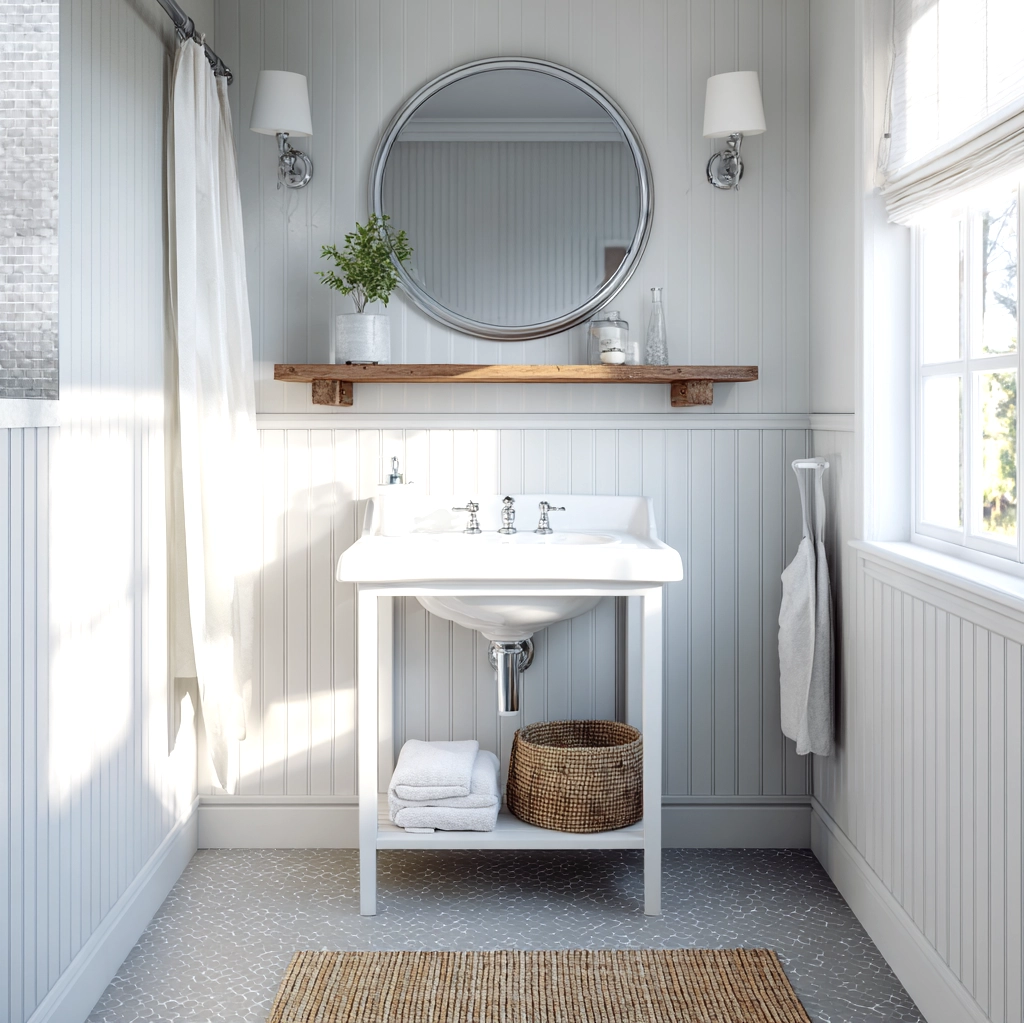
Creative Bead Board Walls Bathroom Ideas for Every Style
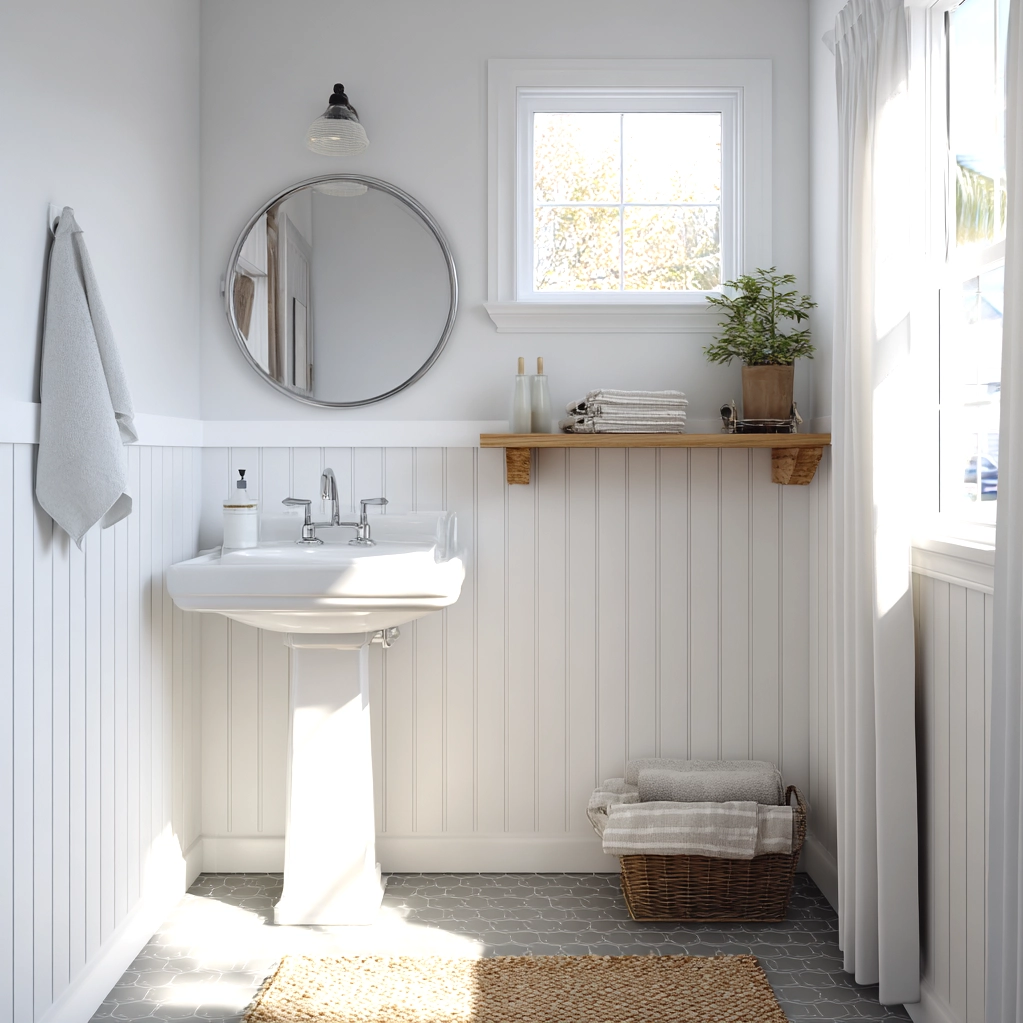
When planning bead board walls for your bathroom, the design possibilities are nearly endless. For a coastal or cottage vibe, paint the bead board in soft blues, greens, or classic white. Pair it with nautical accents, woven baskets, and light wood vanities to enhance the relaxed feel. In farmhouse-style bathrooms, bead board works wonderfully with shiplap or subway tile. Consider painting it a warm gray or leaving it natural for a rustic touch. Add vintage fixtures and open shelving to complete the look. Modern bathrooms can also benefit from bead board. Opt for sleek, painted panels in dark hues like charcoal or navy, and combine them with minimalist hardware and geometric patterns. For small bathrooms, bead board can make a big impact. Use it on one accent wall to draw the eye without overwhelming the space. In larger bathrooms, consider installing bead board from floor to ceiling for a dramatic, enveloping effect. Don't forget about creative applications. Use bead board on ceilings for added texture, or frame mirrors and windows with it to create cohesive details. Mixing materials can also yield stunning results. Combine bead board with tile in shower areas or with wallpaper on upper walls for a layered, custom look. These bead board walls bathroom ideas show how this versatile material can adapt to any aesthetic, from traditional to contemporary.
Installation and Maintenance Tips for Bead Board Walls in Bathrooms
Proper installation and maintenance are key to ensuring your bead board walls look great and last long in a bathroom setting. Start by choosing the right material. PVC bead board is highly moisture-resistant and easy to clean, making it ideal for high-humidity areas. Wood options like pine or cedar offer natural beauty but require thorough sealing. MDF is budget-friendly but must be well-primed to prevent swelling. Before installation, ensure walls are clean, dry, and level. Use a moisture barrier if needed, especially in shower-adjacent areas. For installation, you can opt for traditional tongue-and-groove panels or sheet-style bead board for quicker coverage. Secure panels with adhesive and nails, making sure seams are tight to prevent water infiltration. Caulk all edges and seams thoroughly, and apply a high-quality primer and paint designed for bathrooms. Maintenance is straightforward. Regularly wipe down bead board with a damp cloth to remove dust and splashes. Avoid abrasive cleaners that could damage the finish. Inspect caulking annually and reapply if cracks appear to maintain moisture protection. If painted, touch up chips promptly to prevent water from seeping into the material. For wood bead board, consider reapplying sealant every few years to preserve its integrity. With these steps, your bead board walls will remain beautiful and functional, enhancing your bathroom's appeal for decades.
Pairing Bead Board Walls with Bathroom Fixtures and Decor
To maximize the impact of bead board walls in your bathroom, thoughtful pairing with fixtures and decor is essential. Start with color coordination. If your bead board is painted white, consider fixtures in brushed nickel, oil-rubbed bronze, or matte black for contrast. For darker bead board, light-colored vanities and countertops can balance the look. Vanity choices matter significantly. A floating vanity with clean lines complements modern bead board installations, while a freestanding wooden vanity enhances traditional styles. Mirror frames should echo the bead board's texture—try round mirrors for softness or rectangular ones to reinforce linear patterns. Lighting fixtures can highlight bead board beautifully. Sconces mounted on bead board walls add functional elegance, while pendant lights above vanities draw attention to the textured backdrop. Don't overlook hardware. Cabinet knobs, towel bars, and hooks in finishes that match or contrast with your bead board can tie the room together. Decor elements like plants, artwork, and textiles should complement without competing. Simple, framed art works well against bead board, while lush greenery adds life. Towels and rugs in coordinating colors enhance cohesion. For a cohesive bead board walls bathroom design, ensure all elements work in harmony, creating a space that feels intentional and inviting. This attention to detail transforms a functional room into a personal retreat.
Conclusion
Bead board walls offer a timeless, versatile solution for bathroom design, blending aesthetic appeal with practical benefits. From their moisture-resistant properties to their ability to make spaces feel larger and more inviting, bead board is a smart choice for any bathroom update. Whether you prefer a coastal retreat, a farmhouse haven, or a modern oasis, the ideas and tips shared here can help you create a space that reflects your style while standing up to daily use. Remember to choose materials wisely, install with care, and maintain regularly to enjoy your bead board walls for years to come. As you plan your project, consider starting small—perhaps with an accent wall or wainscoting—to see how bead board transforms your bathroom. The future of bathroom design continues to embrace materials that combine beauty and functionality, and bead board fits perfectly into this trend. Embrace its charm and versatility to craft a bathroom that's not only beautiful but also a joy to use every day.
Frequently Asked Questions
Q: Can bead board be used in shower areas or around tubs?
Yes, bead board can be used in shower areas or around tubs, but it requires proper preparation and materials. For these high-moisture zones, choose PVC bead board, which is highly water-resistant, or use wood bead board that is thoroughly sealed with waterproof coatings. Ensure all seams and edges are well-caulked to prevent water infiltration. Regular maintenance, like checking caulking for cracks, is essential to keep it protected. Avoid direct, constant water exposure unless specifically designed for wet environments.
Q: What is the best paint finish for bead board in bathrooms?
For bead board in bathrooms, a semi-gloss or satin paint finish is recommended. These finishes are more moisture-resistant and easier to clean than flat or eggshell paints, making them ideal for humid environments. Use a high-quality, mold-resistant primer before painting to enhance durability. Choose paints labeled for bathrooms or kitchens, as they often contain additives that resist mildew and stains, ensuring your bead board walls stay fresh and vibrant with minimal upkeep.
Q: How do I clean and maintain bead board walls in my bathroom?
Cleaning bead board walls is simple. Wipe them down regularly with a damp cloth to remove dust and splashes. For tougher stains, use a mild soap solution and avoid abrasive cleaners that could damage the finish. Check caulking annually and reapply if needed to maintain moisture protection. If painted, touch up any chips promptly to prevent water damage. For wood bead board, consider reapplying sealant every few years to preserve its appearance and integrity, ensuring long-lasting beauty.