
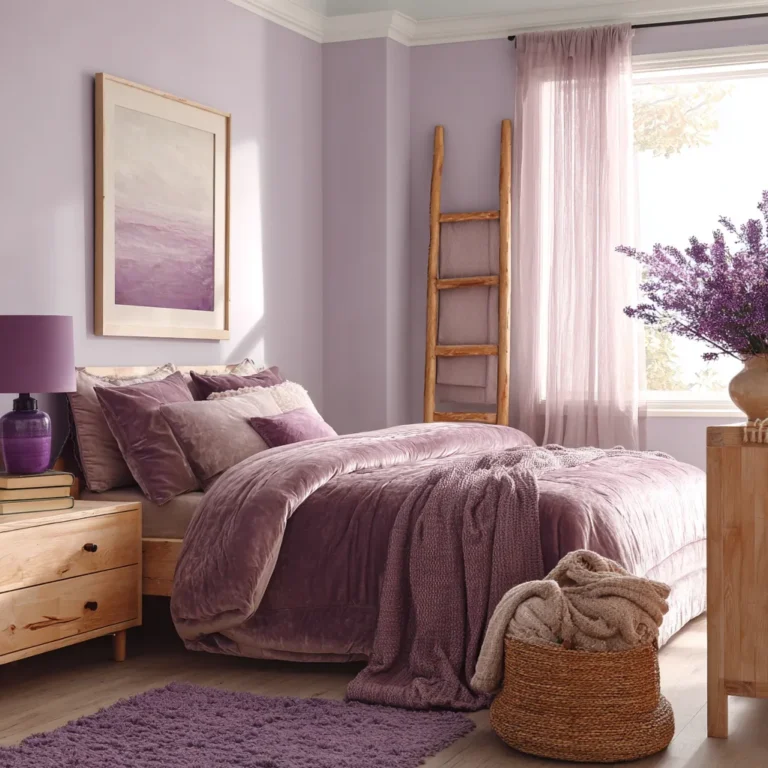
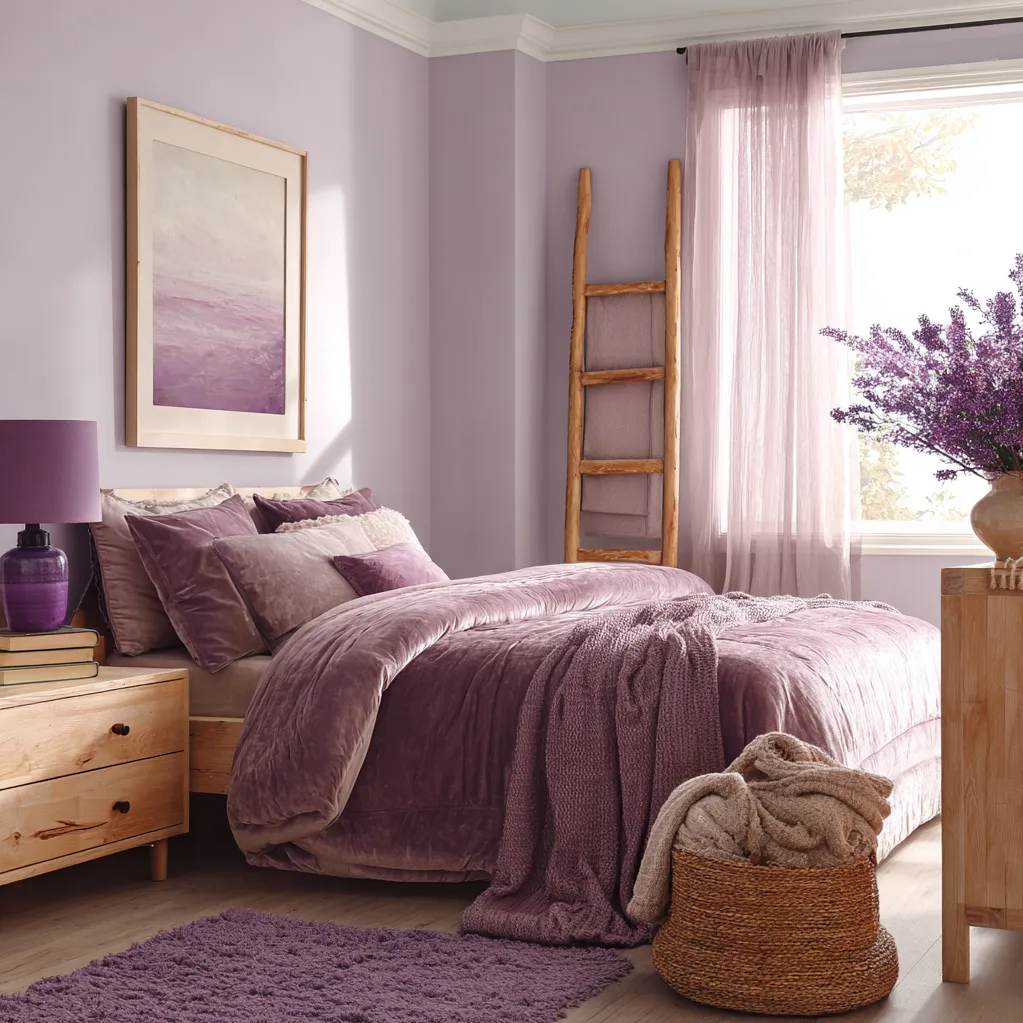
Imagine stepping into a bedroom that instantly calms your mind and sparks your creativity—a space where the soothing hues of purple wrap you in comfort and elegance. The purple aesthetic isn’t just a trend; it’s a powerful design choice that can transform your bedroom into a personal sanctuary. Whether you’re drawn to soft lavenders for a tranquil retreat or bold violets for a touch of drama, incorporating a purple theme can enhance your mood and overall well-being. Research shows that colors like purple are linked to creativity and relaxation, making them ideal for restful environments. In today’s fast-paced world, having a bedroom that promotes rest is more important than ever. This article dives into practical and inspiring bedroom ideas purple aesthetic, helping you create a space that’s both beautiful and functional. From color palettes to decor accents, we’ll guide you through easy ways to achieve this look without overwhelming your senses. Ready to redesign? Let’s explore how purple can bring harmony and style to your sleep haven, making every day start and end on a peaceful note. Embrace this versatile color to express your personality and turn your bedroom into a cozy escape you’ll love coming home to.
Essential Purple Color Palettes for Your Bedroom Aesthetic
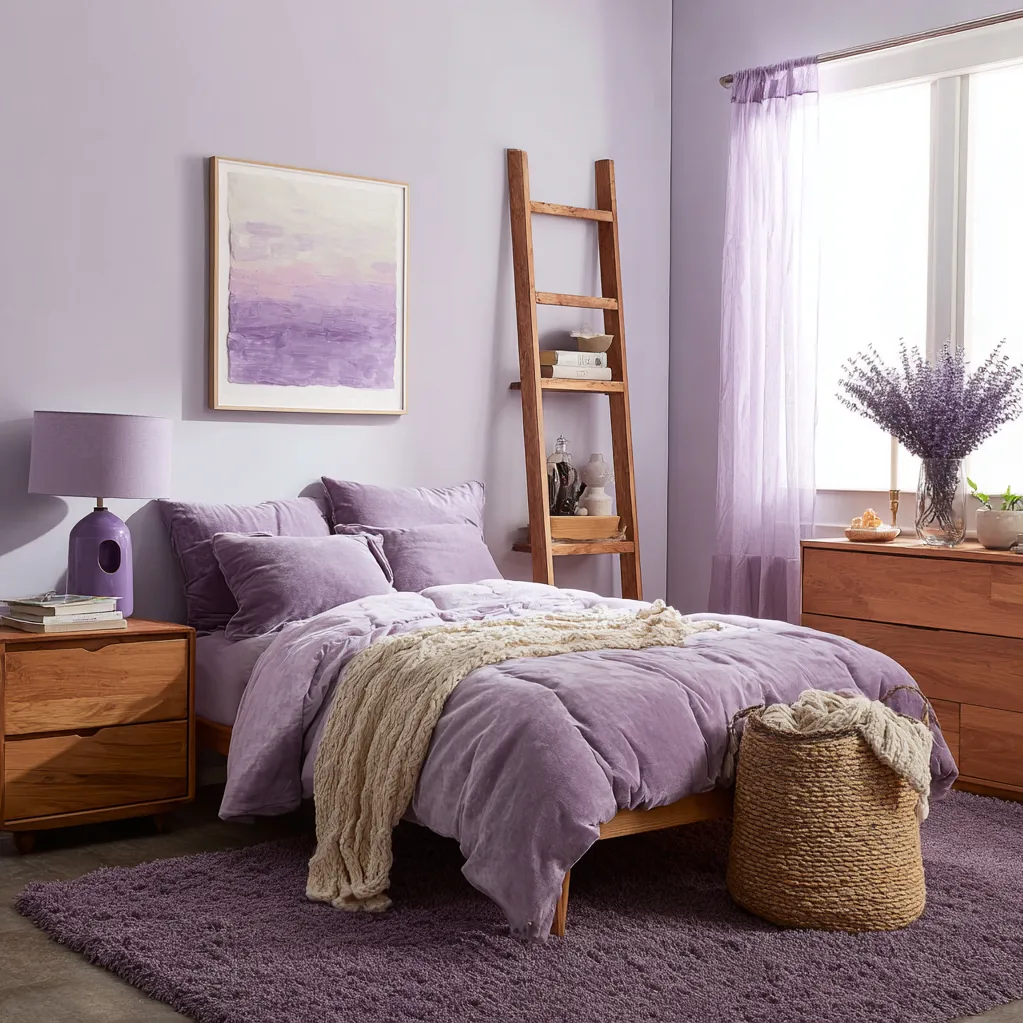
Choosing the right purple palette is the foundation of your bedroom ideas purple aesthetic. Start with soft shades like lilac or lavender for a calming effect, perfect for walls or bedding. These lighter tones pair well with neutrals like white or gray, creating a serene backdrop that doesn't feel overpowering. For a bolder look, incorporate deep purples such as plum or eggplant through accent walls or furniture. These rich hues add depth and sophistication, especially when balanced with metallic touches like gold or silver. According to color psychology experts, purple stimulates imagination and tranquility, making it ideal for sleep spaces. To avoid a monotonous look, mix in complementary colors—think soft pinks for warmth or cool blues for contrast. For instance, a lavender wall with white trim and blush pink pillows can create a dreamy, inviting atmosphere. Don't forget textures; velvet purple throws or satin curtains can enhance the aesthetic without relying solely on color. If you're on a budget, focus on small additions like purple artwork or rugs to gradually build your theme. Remember, the key is balance—too much purple might feel intense, while too little won't achieve the desired impact. By experimenting with different shades, you can craft a personalized purple aesthetic that suits your style and promotes restful nights. Check out this guide from House Beautiful for more color inspiration to refine your palette.
Furniture and Layout Tips for a Purple-Themed Bedroom
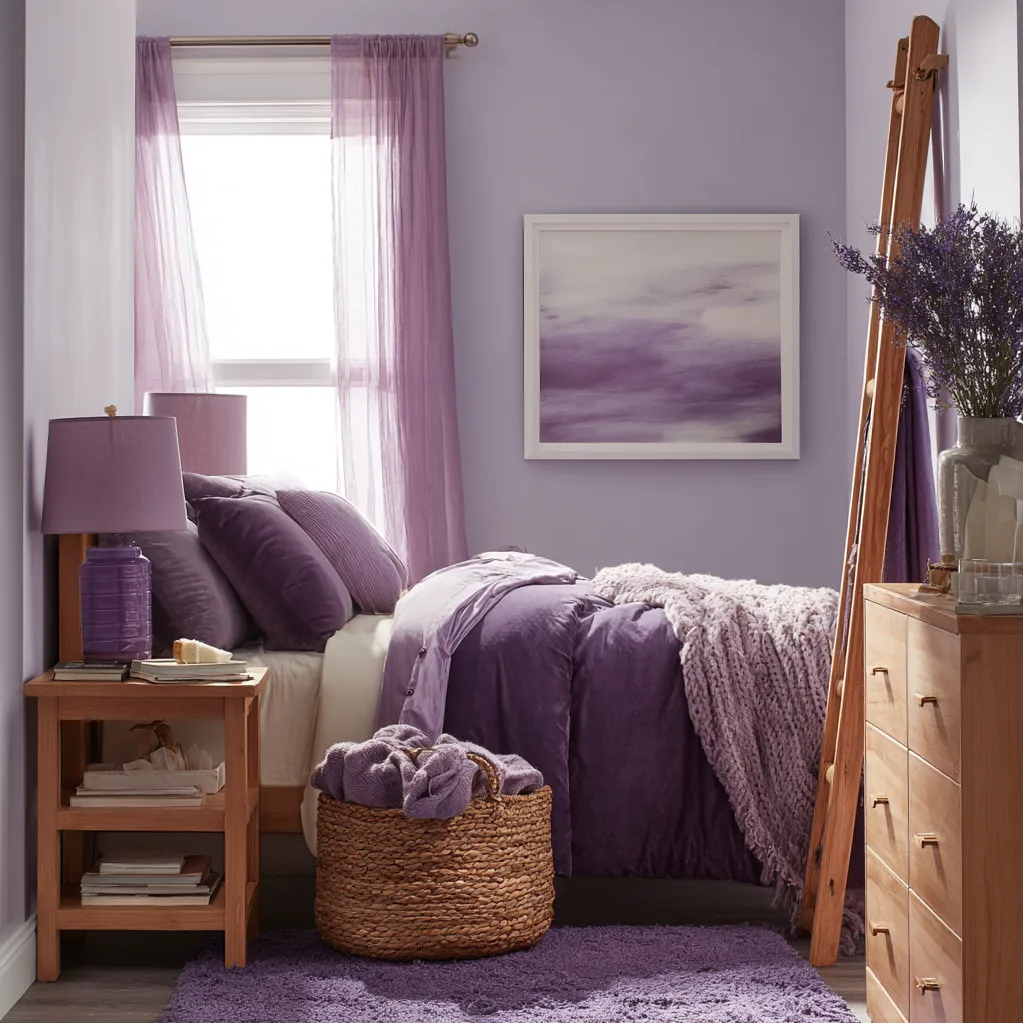
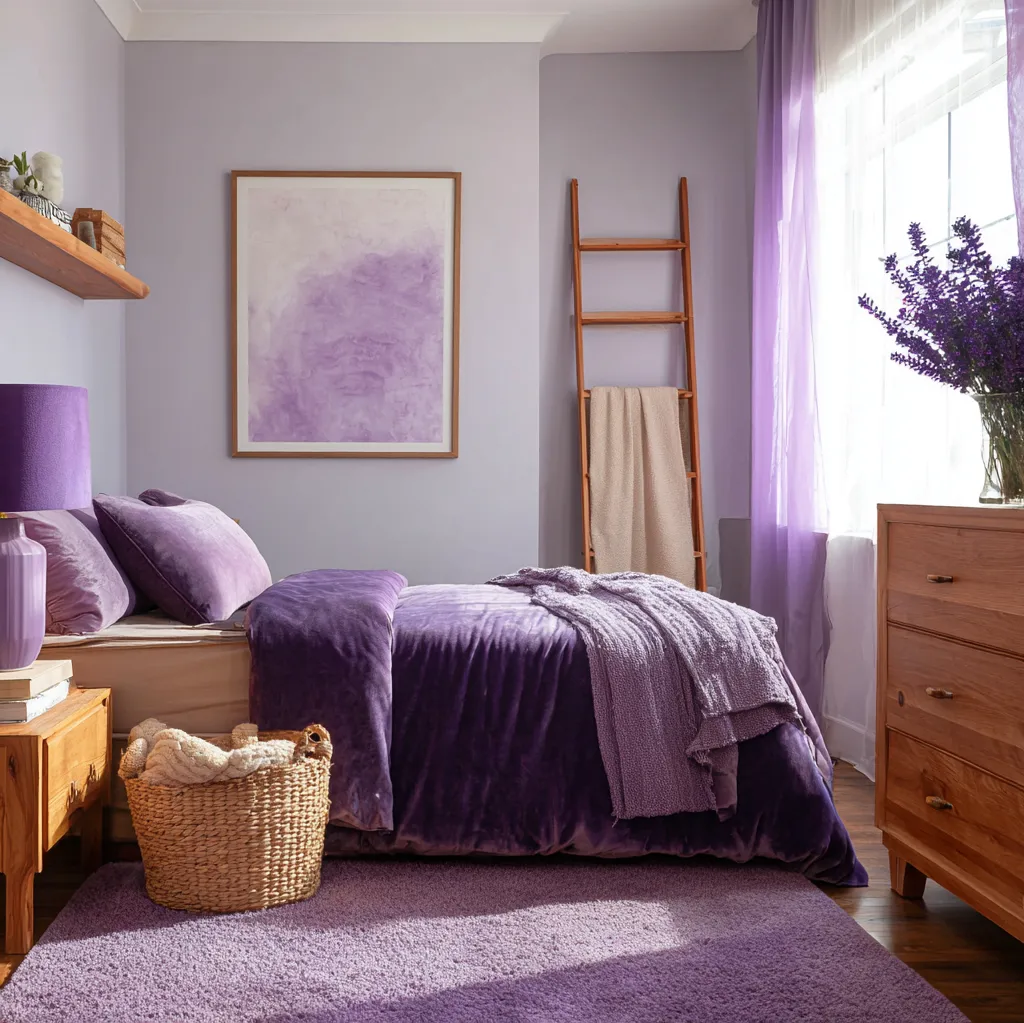
Furniture selection plays a crucial role in bringing your bedroom ideas purple aesthetic to life. Opt for pieces that complement the color scheme, such as a upholstered bed in a muted purple or wooden furniture with purple accents. For example, a dark wood dresser with purple knobs can tie the room together elegantly. When arranging furniture, prioritize flow and functionality—place the bed against a focal wall, perhaps with a purple headboard, and ensure nightstands are within easy reach for lamps and essentials. Bunk beds or lofted setups should include accessible ladders or stairs, as seen in realistic designs where safety and practicality are key. Incorporate storage solutions like purple-toned baskets or cabinets to keep the space clutter-free, enhancing the serene vibe. Lighting is another essential element; add purple-hued lampshades or string lights to create a cozy ambiance without harsh glare. To maximize space in smaller rooms, consider multifunctional furniture, such as a purple ottoman that doubles as storage. Position larger items like wardrobes against walls to open up the center, making the room feel more spacious. By thoughtfully selecting and arranging furniture, you can achieve a harmonious purple aesthetic that's both stylish and livable. For DIY enthusiasts, repainting old furniture with purple chalk paint is an easy update—just ensure proper ventilation and priming for a lasting finish.
Decor and Accessories to Elevate Your Purple Bedroom Aesthetic
Decor and accessories are the finishing touches that make your bedroom ideas purple aesthetic truly shine. Start with textiles: layer purple bedding, throws, and curtains in varying textures like cotton, velvet, or linen to add depth and comfort. Accent pillows in patterns such as geometric or floral designs can introduce visual interest without overwhelming the space. Wall decor is another opportunity—hang purple-themed art prints or tapestries, or create a gallery wall with frames in complementary colors. For a personalized touch, add items like purple vases with fresh flowers or scented candles in lavender fragrances to engage multiple senses. Mirrors with purple frames can make the room feel larger and reflect light, enhancing the overall brightness. When placing decor, consider height variations; for instance, a tall floor lamp next to a low bedside table creates balance. If you have shelves, style them with purple books, trinkets, or plants like lavender succulents for a natural element. Remember, every accessory should serve a purpose, whether functional or aesthetic, to maintain a cohesive look. Avoid clutter by grouping items in odd numbers, which is more visually appealing. For inspiration on accessorizing, browse our tips on https://chicaurahome.com/decor-essentials to find ideas that fit your style. Ultimately, these small details will transform your bedroom into a curated retreat that embodies the calming yet creative purple aesthetic.
Conclusion
In summary, embracing a bedroom ideas purple aesthetic can turn your sleeping space into a haven of tranquility and style. We've explored how to select the right color palettes, arrange furniture for optimal flow, and accessorize with decor that enhances the theme. By integrating soft lavenders or rich plums, you can create an environment that promotes relaxation and creativity, backed by color theory principles. Remember, the goal isn't perfection but personalization—mixing textures, balancing hues, and adding functional elements will make your bedroom uniquely yours. As you move forward, consider how small updates, like swapping out pillowcases or adding a purple rug, can refresh the space without a full remodel. The future of home design leans towards adaptable, mood-boosting interiors, and purple's versatility makes it a timeless choice. For ongoing inspiration, keep experimenting with seasonal accents or DIY projects to keep the aesthetic evolving. Ultimately, a well-designed purple bedroom isn't just about looks; it's about crafting a sanctuary that supports your well-being. Start with one change today, and watch as your room transforms into a cozy, inspiring escape you'll cherish for years to come.
Frequently Asked Questions
Q: What are the best shades of purple for a small bedroom?
For small bedrooms, lighter shades of purple like lavender, lilac, or soft mauve work best as they reflect light and make the space feel more open and airy. Avoid dark purples on large surfaces, as they can make the room feel cramped. Instead, use deeper hues as accents in pillows, art, or rugs to add depth without overwhelming the area.
Q: How can I incorporate a purple aesthetic without repainting the walls?
You can easily add a purple aesthetic through decor and textiles without repainting. Start with purple bedding, curtains, or an area rug to introduce color. Then, accessorize with throw pillows, blankets, and artwork in various purple tones. Even small items like lamps, vases, or photo frames can build the theme. This approach is budget-friendly and allows for quick changes if you want to update the look later.
Q: Is the purple aesthetic suitable for all bedroom styles, like modern or rustic?
Yes, the purple aesthetic is highly adaptable and can fit various bedroom styles. For a modern look, use sleek purples with metallic accents and minimalist furniture. In a rustic setting, opt for earthy purples like heather or plum paired with wooden elements and natural textures. The key is to match the shade and accessories to the style—softer purples for cozy themes and bolder ones for contemporary spaces, ensuring harmony in your design.