
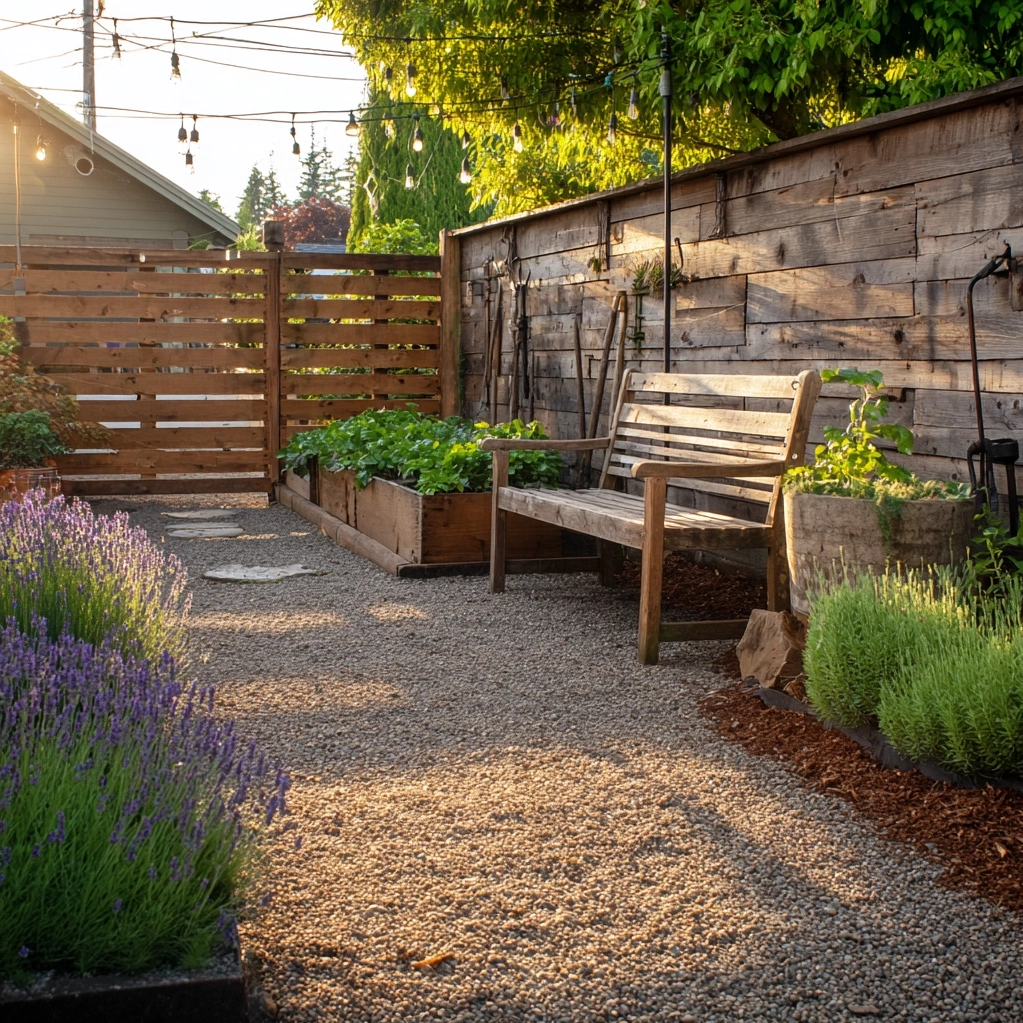
Dreaming of a beautiful backyard but worried about the cost? You’re not alone. Many homeowners assume that creating an inviting outdoor space requires a hefty investment, but that doesn’t have to be your reality. Budget backyard landscaping is about working smarter, not harder—and definitely not spending more than necessary. With some creativity and strategic planning, you can transform your outdoor area into a personal oasis without draining your savings. This approach makes outdoor living accessible to everyone, regardless of financial constraints. It’s not about cutting corners on quality but rather prioritizing what matters most and finding clever alternatives for expensive materials and features. A well-designed backyard serves multiple purposes: it extends your living space, increases your home’s value, and provides a sanctuary for relaxation and entertainment. Even on a tight budget, you can create an environment that feels luxurious and functional. The secret lies in focusing on smart design principles, repurposing materials, and understanding which elements deliver the most visual impact for your investment. Whether you’re starting from scratch or updating an existing space, budget backyard landscaping offers endless possibilities. Let’s explore how you can achieve remarkable results without remarkable expenses, turning your backyard dreams into reality one smart decision at a time.
Smart Planning for Budget Backyard Landscaping Success
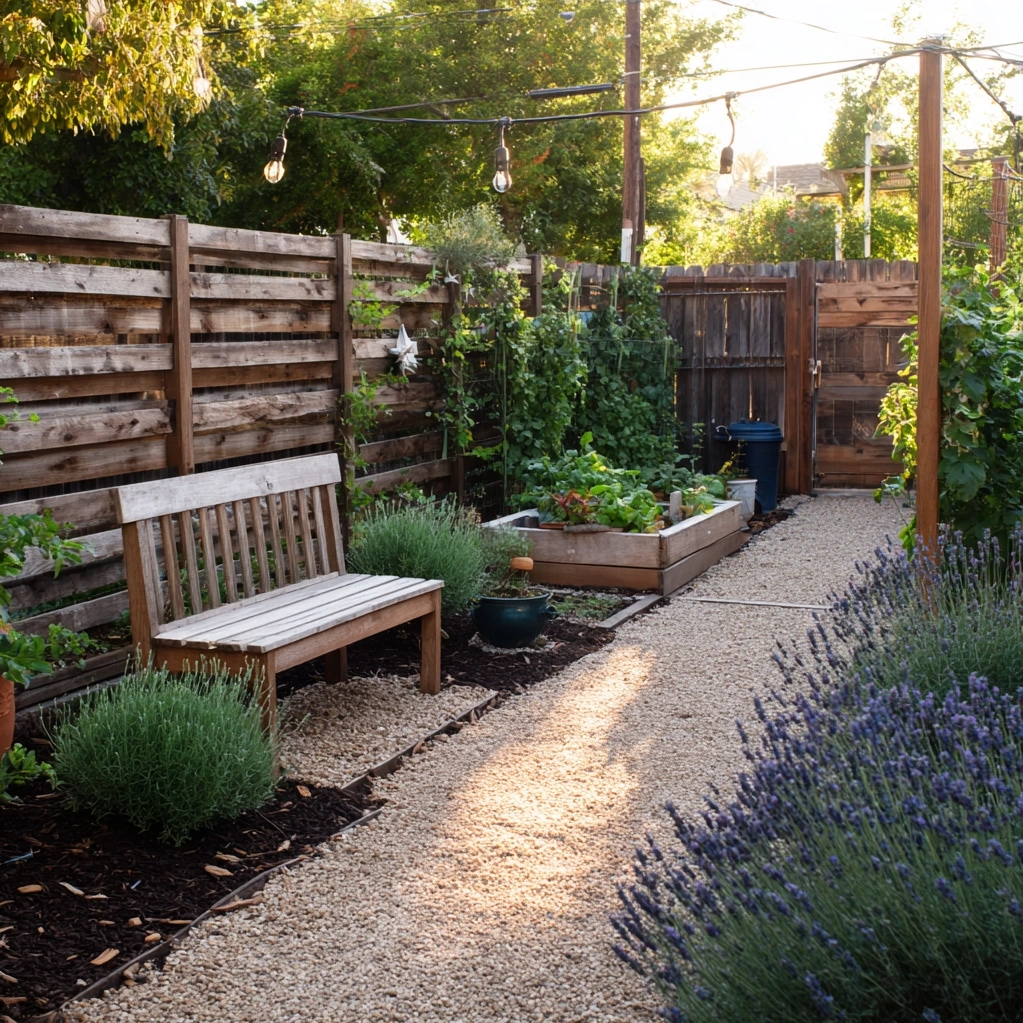
The foundation of any successful budget backyard landscaping project begins with thoughtful planning. Before you spend a single dollar, take time to assess your space and define your goals. Start by sketching your backyard layout, noting existing features like trees, fences, and slopes that might influence your design. Identify areas that receive full sun versus shade, as this will affect plant selection and placement. Determine how you want to use the space—do you need dining areas, play zones for children, or quiet corners for reading? Prioritizing these functions helps allocate your budget effectively. Next, research local materials and resources. Visit garden centers during sales seasons, check online marketplaces for second-hand items, and explore community resources like plant swaps or municipal composting programs. Many cities offer free mulch or discounted trees to residents. Create a phased approach to your project, tackling the most impactful elements first while leaving less critical features for later. This prevents overspending and allows you to adjust plans as you go. Consider DIY options for tasks like building simple raised beds or installing gravel paths—skills that save money and add personal satisfaction. Always measure twice and cut once to avoid costly mistakes. By investing time in planning, you ensure every dollar contributes to a cohesive, functional design that grows with your needs and budget.
Cost-Effective Materials for Budget Backyard Landscaping Projects
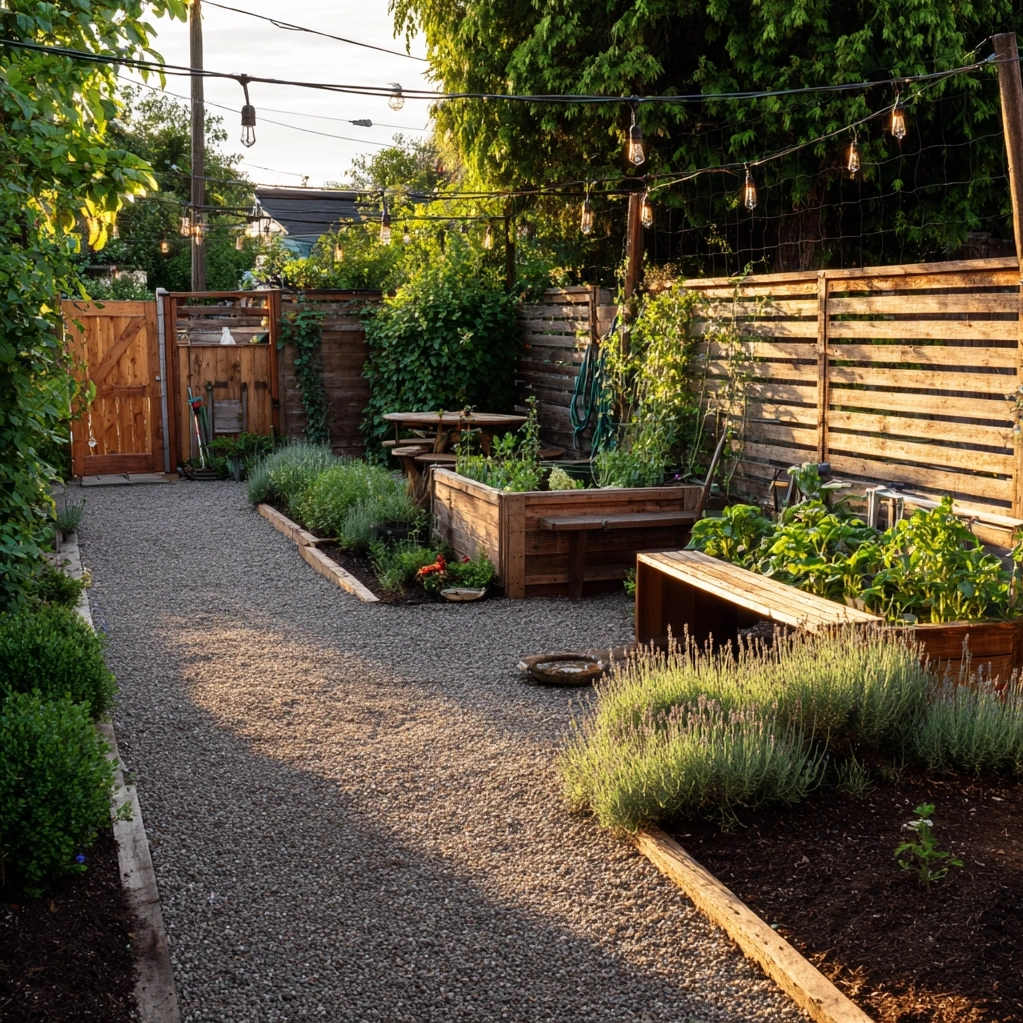
Choosing the right materials is crucial for budget backyard landscaping that looks expensive without the high price tag. Instead of expensive pavers for pathways, consider gravel, mulch, or decomposed granite—these materials are affordable, easy to install, and provide excellent drainage. For seating areas, concrete pavers offer durability at a fraction of natural stone costs. Repurposed materials add unique character while saving money. Check construction sites for leftover bricks or stones (with permission), or visit salvage yards for vintage items like old railroad ties or metal edging. Pallet wood, when properly treated, makes excellent planters, benches, or even vertical gardens. For planting, focus on perennial plants that return year after year rather than annuals that need constant replacement. Native plants are particularly budget-friendly as they're adapted to local conditions, requiring less water and maintenance. Divide existing plants from friends or neighbors to fill beds without purchasing new specimens. When it comes to furniture, weather-resistant resin wicker or powder-coated metal offers longevity without the premium price of teak or wrought iron. Add colorful cushions for instant vibrancy. Lighting can transform your space at minimal cost—solar-powered path lights and string lights create ambiance without electrical work. By mixing high-impact, low-cost materials with strategic splurges on key items, you achieve a polished look that belies its modest budget.
DIY Techniques That Elevate Budget Backyard Landscaping
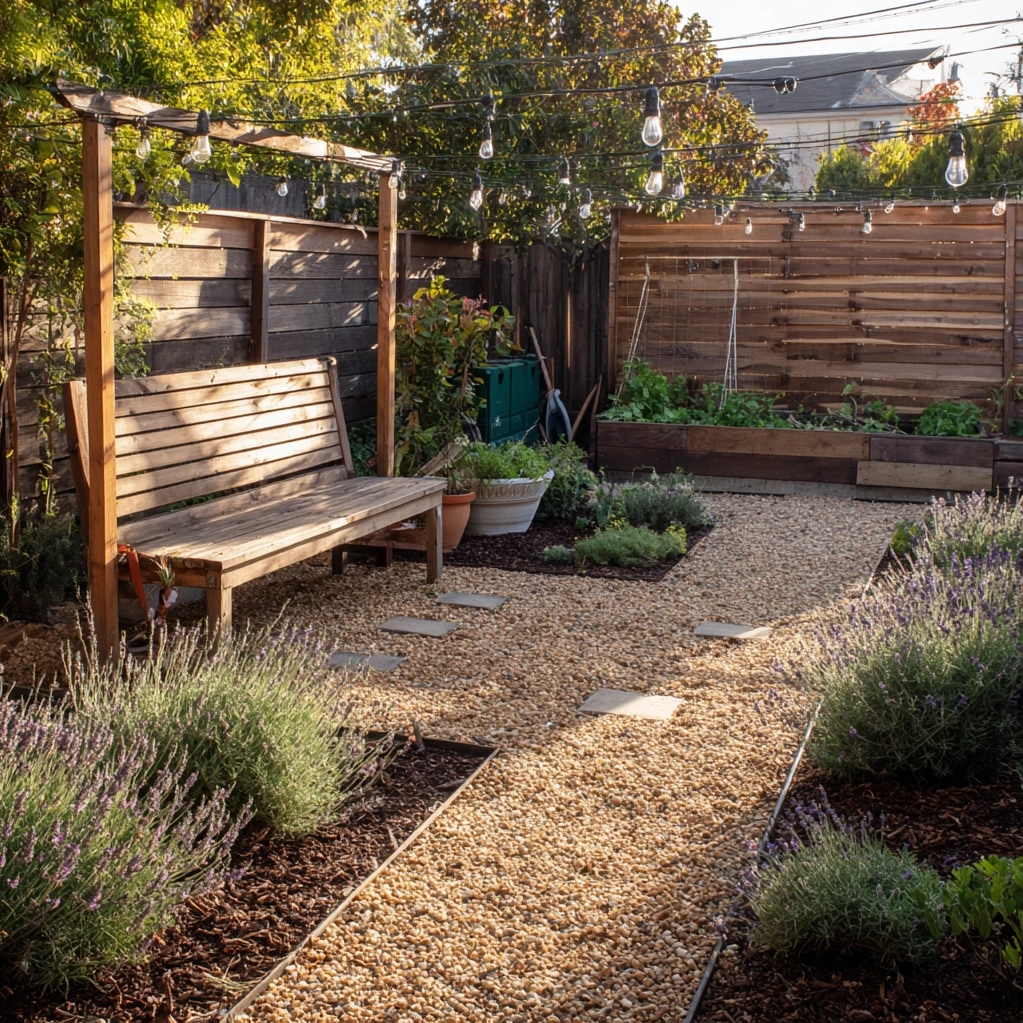
Mastering a few simple DIY techniques can dramatically reduce costs while adding personal touches to your budget backyard landscaping. Start with soil preparation—the secret to healthy plants. Instead of buying expensive bagged soil, create your own compost from kitchen scraps and yard waste. This improves soil structure and fertility at virtually no cost. For hardscaping, learn basic skills like laying a gravel path: excavate a shallow trench, line it with landscape fabric to prevent weeds, then add and compact your chosen material. Building raised beds from untreated cedar or repurposed wood extends growing seasons and improves drainage. Vertical gardening maximizes small spaces—attach pocket planters to fences or create a living wall from recycled gutters. Water features don't need to be expensive; a simple recirculating pump in a large ceramic pot creates soothing sounds without complex plumbing. For privacy, grow fast-climbing vines like morning glory on trellises instead of installing costly fencing. Maintenance practices also save money long-term. Mulching beds reduces water evaporation and suppresses weeds, while proper pruning keeps plants healthy and productive. Collect rainwater in barrels for irrigation during dry spells. Learn to propagate plants from cuttings—many herbs, succulents, and flowering perennials root easily in water or soil. These techniques not only cut expenses but also deepen your connection to the space, creating a backyard that truly reflects your effort and creativity.
Conclusion
Budget backyard landscaping proves that financial constraints don't limit beauty or functionality in outdoor spaces. By embracing smart planning, cost-effective materials, and DIY techniques, you can create a backyard that serves as an extension of your home without exhausting your resources. Remember that transformation happens gradually—start with one area, master it, then move to the next. This phased approach prevents overwhelm and allows you to refine your vision as you gain experience. The most successful landscapes often evolve over several seasons, incorporating lessons learned along the way. As you continue your journey, focus on sustainability by choosing native plants, conserving water, and repurposing materials whenever possible. These practices not only save money but also benefit the local ecosystem. Your backyard should be a place of joy and relaxation, not financial stress. With the strategies outlined here, you're equipped to make informed decisions that balance aesthetics with practicality. Looking ahead, consider how your space might adapt to changing needs—perhaps adding edible gardens as interest grows or creating shaded areas as trees mature. The true value of budget backyard landscaping lies in its accessibility: everyone deserves a beautiful outdoor retreat, and now you have the tools to create yours. Start small, think creatively, and watch your backyard transform into a personal sanctuary that feels anything but budget-conscious.
Frequently Asked Questions
Q: What's the first step when starting budget backyard landscaping?
Begin with a thorough assessment of your existing space and clear goal-setting. Sketch your backyard layout, noting sunlight patterns, drainage issues, and existing features. Determine how you'll use the space—for dining, play, relaxation, or gardening. Create a prioritized list of needs versus wants, then research local resources like plant sales, material exchanges, and municipal programs. Developing a phased plan prevents overspending and allows adjustments as you progress.
Q: How can I save money on plants for my backyard?
Focus on perennial and native plants that require less water and maintenance over time. Divide existing plants from friends or neighbors, join local plant swap groups, or propagate from cuttings. Many communities offer free tree programs or discounted native plants through conservation districts. Start seeds indoors for annual flowers and vegetables rather than buying mature plants. Choose smaller specimens that will grow into their space rather than instant-large options that carry premium prices.
Q: What are common mistakes to avoid in budget backyard landscaping?
Avoid underestimating maintenance requirements—choose plants suited to your climate and time availability. Don't skip soil preparation, as poor soil leads to struggling plants and replacement costs. Resist impulse purchases without a plan; every element should serve your overall design. Avoid using non-porous materials near planting areas where drainage matters. Finally, don't overlook functionality—ensure pathways are wide enough and seating areas are positioned for both sun and shade throughout the day.