
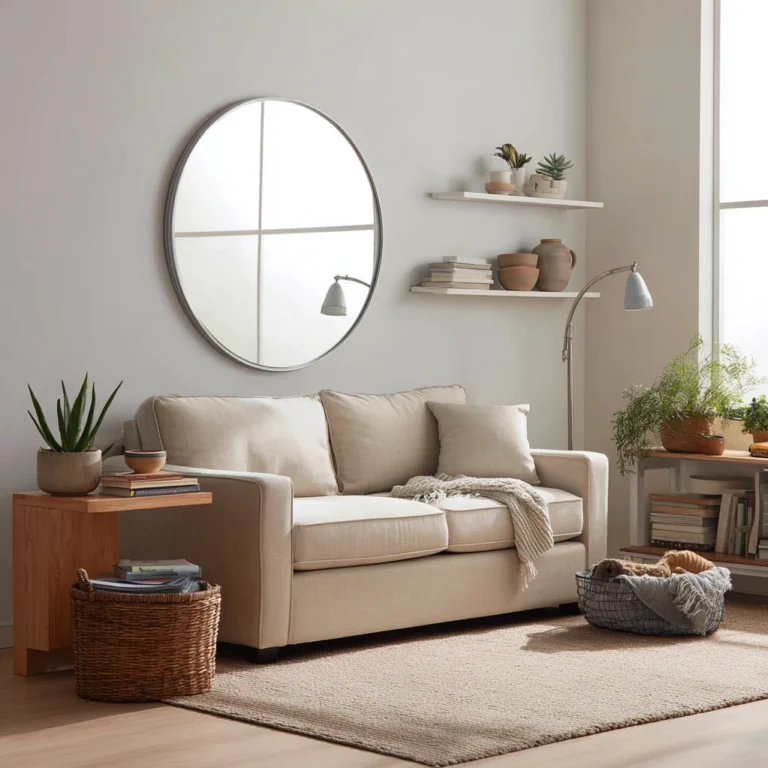
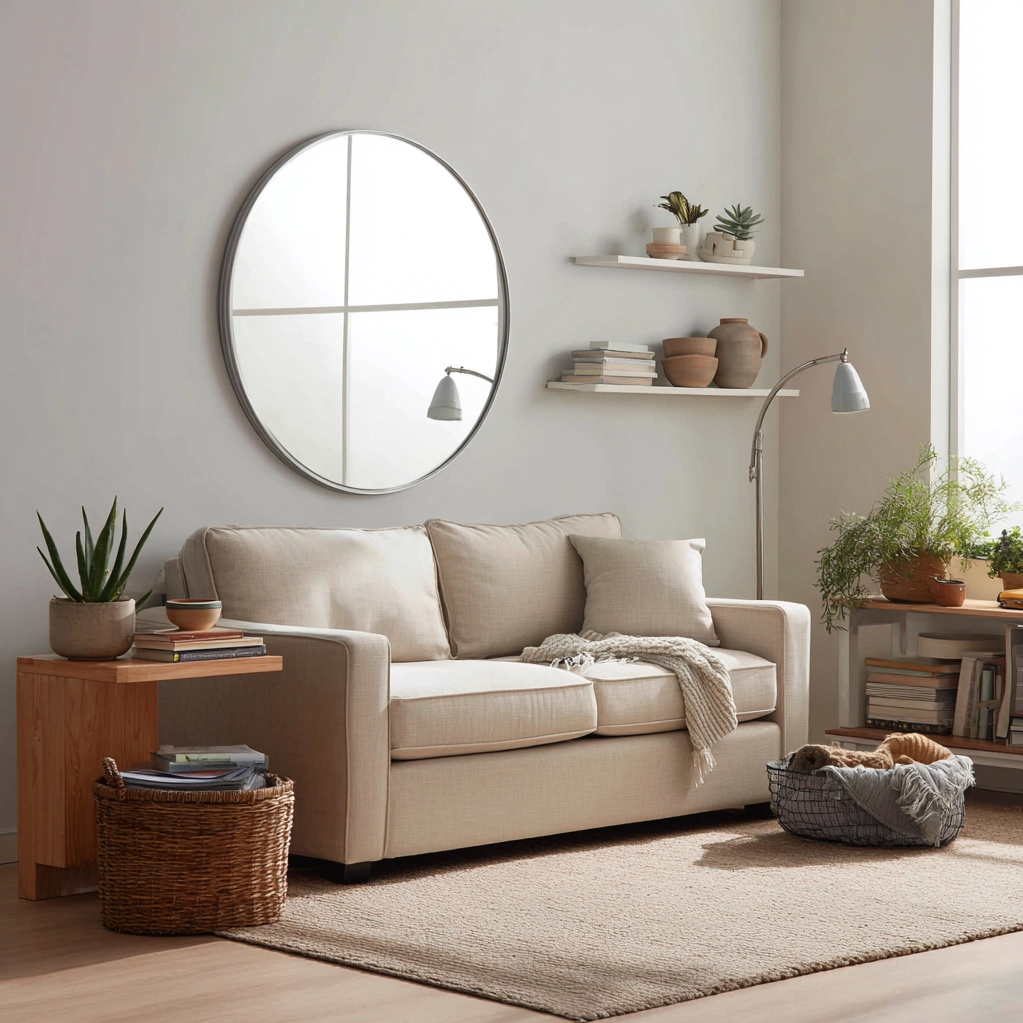
Creating a beautiful, inviting home doesn’t have to drain your bank account. Many people assume that stylish interiors require expensive furniture and designer accessories, but that’s far from the truth. With some creativity and smart planning, you can achieve a magazine-worthy look on a tight budget. The key is to focus on what truly matters: functionality, personal expression, and strategic updates that deliver maximum impact. Budget home decor isn’t about settling for less; it’s about making intentional choices that reflect your style without overspending. This approach allows you to refresh your living space regularly, adapt to changing trends, and invest in quality pieces over time. Whether you’re decorating your first apartment, updating a family home, or simply looking for a seasonal refresh, these principles will guide you toward a space that feels both curated and comfortable. By embracing budget-friendly strategies, you’ll discover that a limited budget can actually fuel creativity rather than stifle it. Let’s explore how to transform any room into a sanctuary you love, one affordable step at a time.
Smart Budget Home Decor Strategies for Every Room
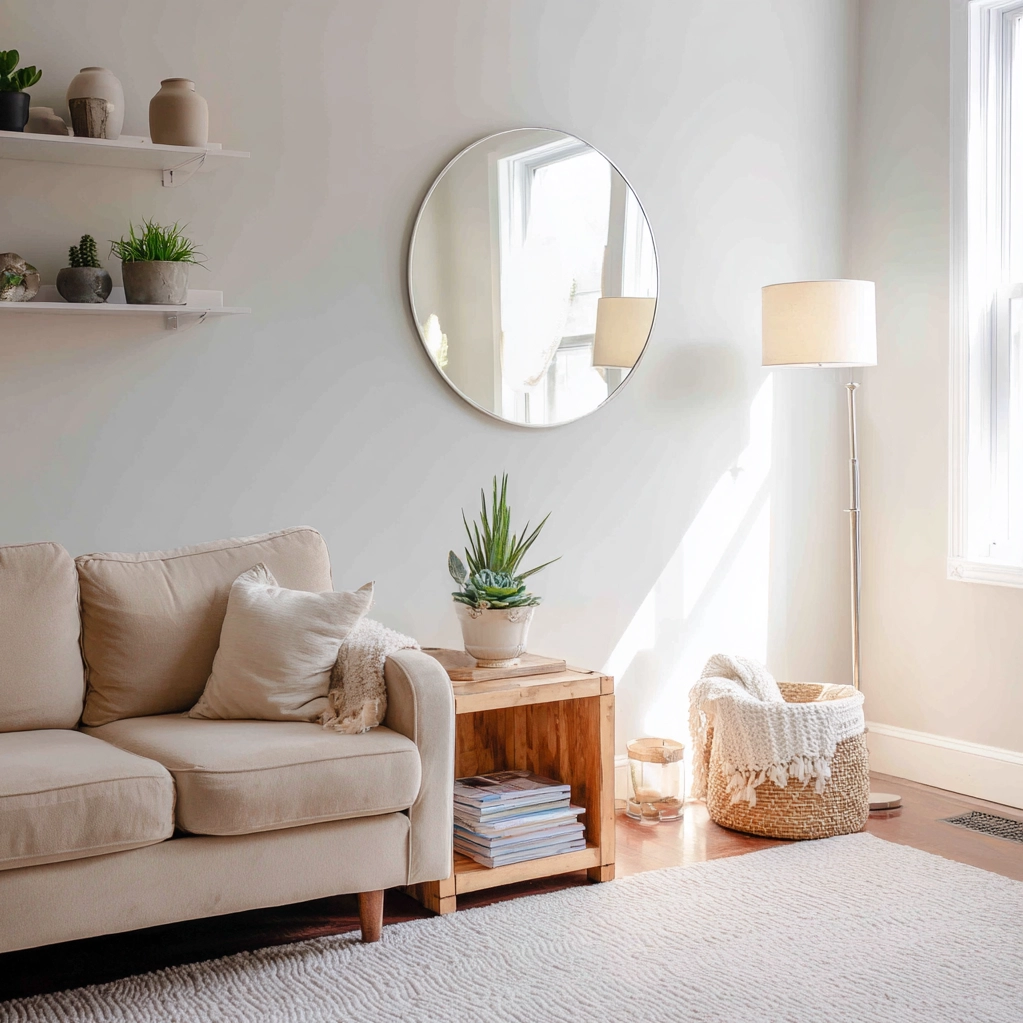
When approaching budget home decor, start with a clear plan. Assess each room's needs and prioritize changes that offer the biggest visual return. Focus on high-impact areas like walls, lighting, and textiles. A fresh coat of paint in a modern hue can instantly revitalize a space for minimal cost. Consider painting an accent wall or updating trim for added dimension. Lighting plays a crucial role in ambiance. Swap outdated fixtures for affordable alternatives from discount stores or online marketplaces. Layer lighting with floor lamps, table lamps, and string lights to create warmth and depth. Textiles are another budget-friendly powerhouse. New throw pillows, blankets, and curtains can completely transform a room's color scheme and texture. Mix patterns and materials for visual interest. Don't overlook the power of rearranging existing furniture. Sometimes, simply moving a sofa or rotating a rug can make a room feel brand new. These strategic moves allow you to allocate funds where they matter most while achieving a cohesive, polished look. Remember, budget home decor thrives on patience and gradual improvements.
Thrifty Finds and DIY Projects for Budget Home Decor
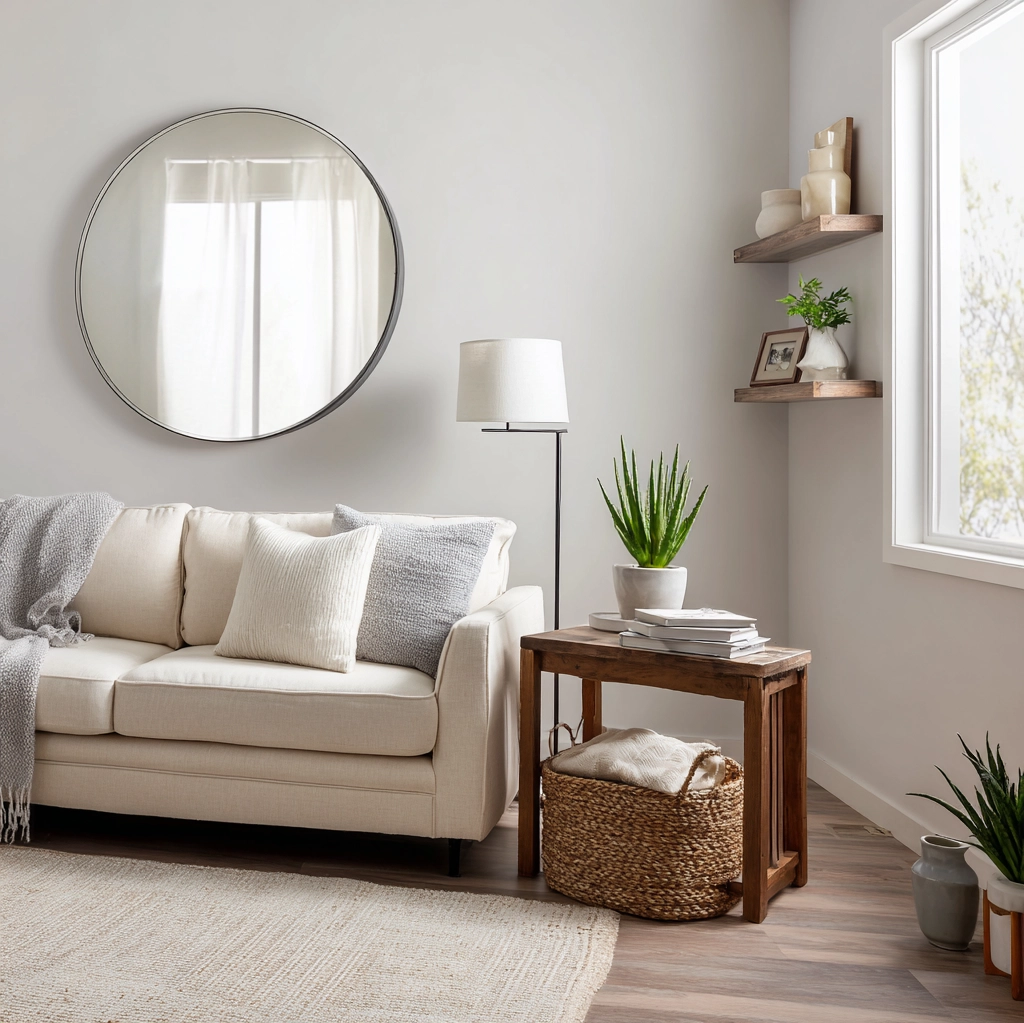
One of the most rewarding aspects of budget home decor is discovering hidden gems and creating custom pieces. Thrift stores, garage sales, and online platforms offer endless possibilities at a fraction of retail prices. Look for solid wood furniture with good bones that can be refinished or painted. A dated dresser can become a chic statement piece with sanding and a new stain. DIY projects add personal touches while saving money. Create your own art using canvases, paint, or framed fabric scraps. Build simple shelves from reclaimed wood or basic brackets. Even small crafts like macrame plant hangers or painted vases can elevate a space. Upcycling is key to budget home decor success. Transform old jars into storage containers, use crates as rustic shelves, or repurpose ladder into a blanket rack. These projects not only cut costs but also ensure your home reflects your unique style. When shopping secondhand, focus on quality materials over perfect condition. Minor flaws can often be fixed with minimal effort. Embrace the hunt as part of the creative process, and you'll build a home filled with character and stories.
Maximizing Impact with Minimal Budget Home Decor Investments
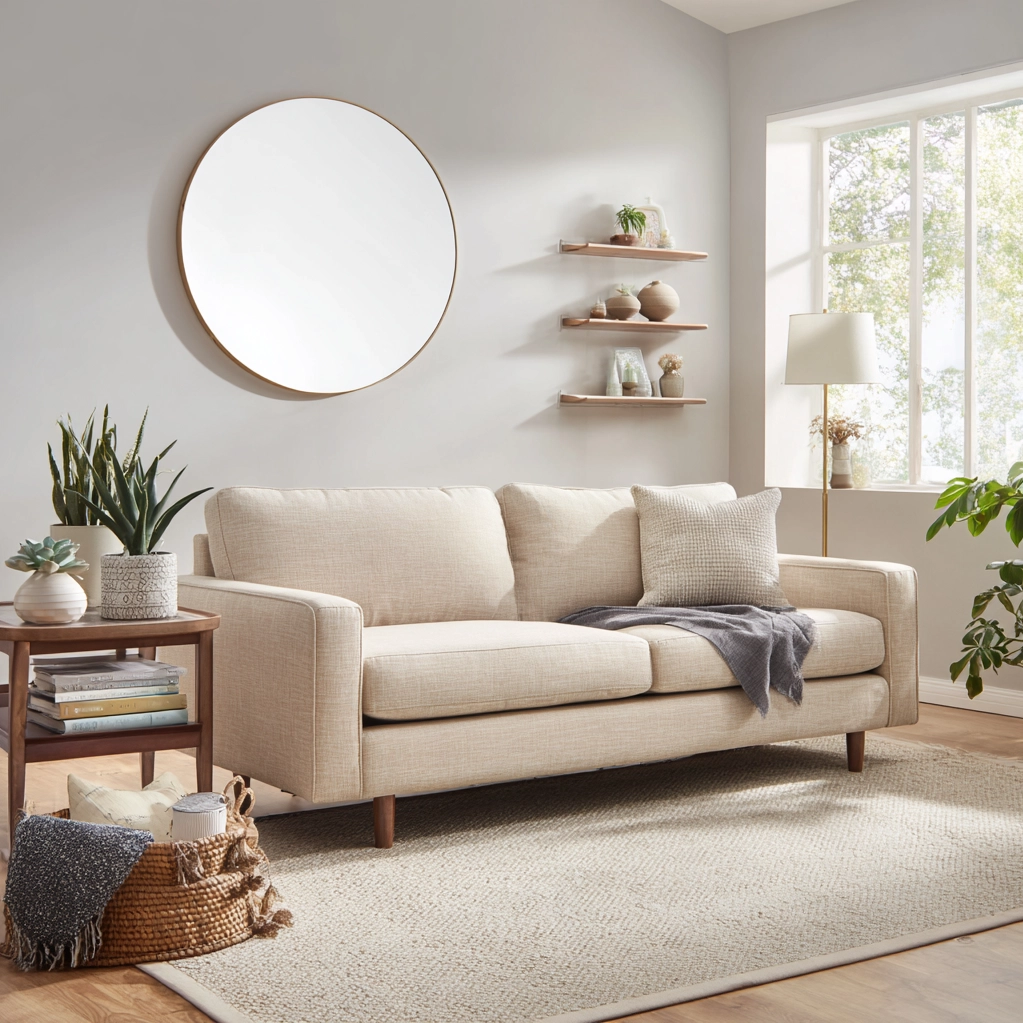
To make the most of your budget home decor efforts, concentrate on elements that deliver significant visual payoff. Start with decluttering and organizing. A clean, streamlined space always looks more expensive. Use baskets, bins, and simple storage solutions to reduce visual chaos. Next, incorporate natural elements. Houseplants are affordable and bring life to any room. Choose low-maintenance varieties like succulents or snake plants. Fresh flowers or foraged branches add seasonal charm. Mirrors are another budget-friendly secret weapon. They reflect light, making spaces feel larger and brighter. Place them opposite windows or in dark corners. Rugs can define areas and add texture without breaking the bank. Look for flatweave or machine-woven options that offer style at lower price points. Finally, focus on details that tell a story. Display collections of books, travel souvenirs, or family photos in cohesive groupings. These personal touches make a house feel like a home without requiring large expenditures. By investing in these high-impact categories, you'll create a layered, intentional look that belies its modest cost.
Sustainable and Long-Lasting Budget Home Decor Choices
True budget home decor isn't just about initial savings; it's about making choices that stand the test of time. Opt for classic, versatile pieces that won't quickly go out of style. Neutral foundations like a durable sofa or sturdy dining table can be adapted with accessories as trends change. Quality over quantity should guide your purchases. It's better to buy one well-made item than several cheap ones that will need replacement. Look for natural materials like cotton, linen, wood, and metal that age gracefully. Sustainability also means repurposing what you already own. Before buying new, consider if an existing item can be refreshed or relocated. This reduces waste and keeps costs down. Another aspect of lasting budget home decor is maintenance. Proper care extends the life of furnishings, from regular cleaning to timely repairs. Finally, think about versatility. Multi-functional furniture, like ottomans with storage or fold-out tables, maximizes utility and value. By adopting this mindful approach, you build a home that evolves with you, minimizing future expenses and environmental impact while maintaining aesthetic appeal.
Conclusion
Transforming your home on a budget is not only possible but incredibly rewarding. By embracing smart strategies, thrifty finds, and DIY creativity, you can create a space that reflects your personality without financial strain. Remember that budget home decor is a journey, not a destination. Start with small, manageable projects and gradually build upon them. Celebrate each improvement, whether it's a freshly painted wall or a refinished thrift store find. Over time, these efforts accumulate into a cohesive, beautiful home that tells your unique story. Looking ahead, continue to refine your space as your tastes and needs evolve. Stay inspired by following interior design blogs, visiting open houses, or exploring nature for color palettes. Share your successes with friends and family, and don't be afraid to experiment. The most memorable homes are those filled with love and creativity, not expensive labels. With these principles, you can enjoy a stylish, comfortable sanctuary that proves great design is accessible to everyone.
Frequently Asked Questions
Q: Where should I start with budget home decor if I have very little money?
Begin with decluttering and deep cleaning, which costs nothing but dramatically improves a space's appearance. Then, focus on one high-impact, low-cost change per room, such as painting an accent wall, rearranging furniture, or adding affordable textiles like throw pillows or curtains. DIY projects using materials you already have can also create instant updates without spending.
Q: How can I make my budget home decor look expensive?
Incorporate elements like mirrors to amplify light, use cohesive color schemes, and prioritize quality materials in key pieces. Pay attention to details like proper lighting, layered textures, and thoughtful styling. Keep spaces organized and minimal to avoid a cluttered look. Thrifted items can be upcycled to appear high-end with simple refinishing or new hardware.
Q: What are common mistakes to avoid in budget home decor?
Avoid buying cheap, low-quality items that will need quick replacement, as this wastes money long-term. Don't overlook functionality for style; ensure pieces serve their purpose. Resist the urge to follow fleeting trends that may date quickly. Instead, invest in timeless basics. Also, avoid overcrowding spaces; too many decor items can make a room feel chaotic rather than curated.