
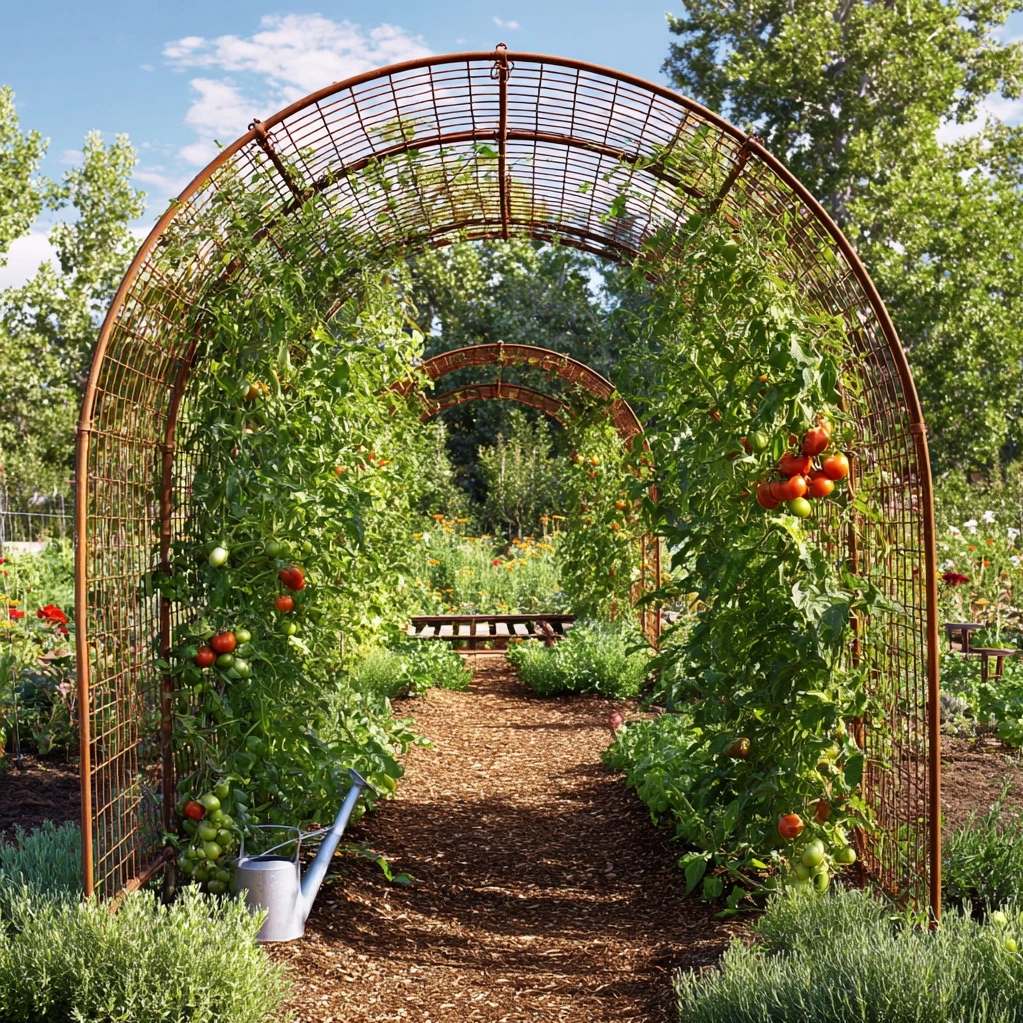
In the world of gardening and outdoor design, finding versatile and affordable solutions can feel like searching for a needle in a haystack. Yet, one remarkable innovation stands out for its simplicity, durability, and incredible potential: the cattle panel trellis. This humble material, originally designed for livestock fencing, has become a secret weapon for gardeners and DIY enthusiasts looking to add structure, beauty, and functionality to their outdoor spaces. A cattle panel trellis isn’t just a support system for climbing plants; it’s a canvas for creativity that can transform your garden into a lush, organized paradise. Imagine vertical gardens bursting with tomatoes, cucumbers, or fragrant flowers, all supported by sturdy, rust-resistant panels that blend seamlessly into your landscape. The importance of this topic extends beyond aesthetics. Vertical gardening with a cattle panel trellis maximizes limited space, improves air circulation around plants, and makes harvesting easier. It’s an eco-friendly choice that repurposes agricultural materials into something beautiful and practical. Whether you’re a seasoned gardener or a beginner, understanding how to use a cattle panel trellis can elevate your outdoor living area. This article will guide you through everything from selecting materials to installation tips, helping you create a stunning garden feature that combines rustic charm with modern functionality. Embrace the versatility of cattle panels and discover how they can revolutionize your gardening experience.
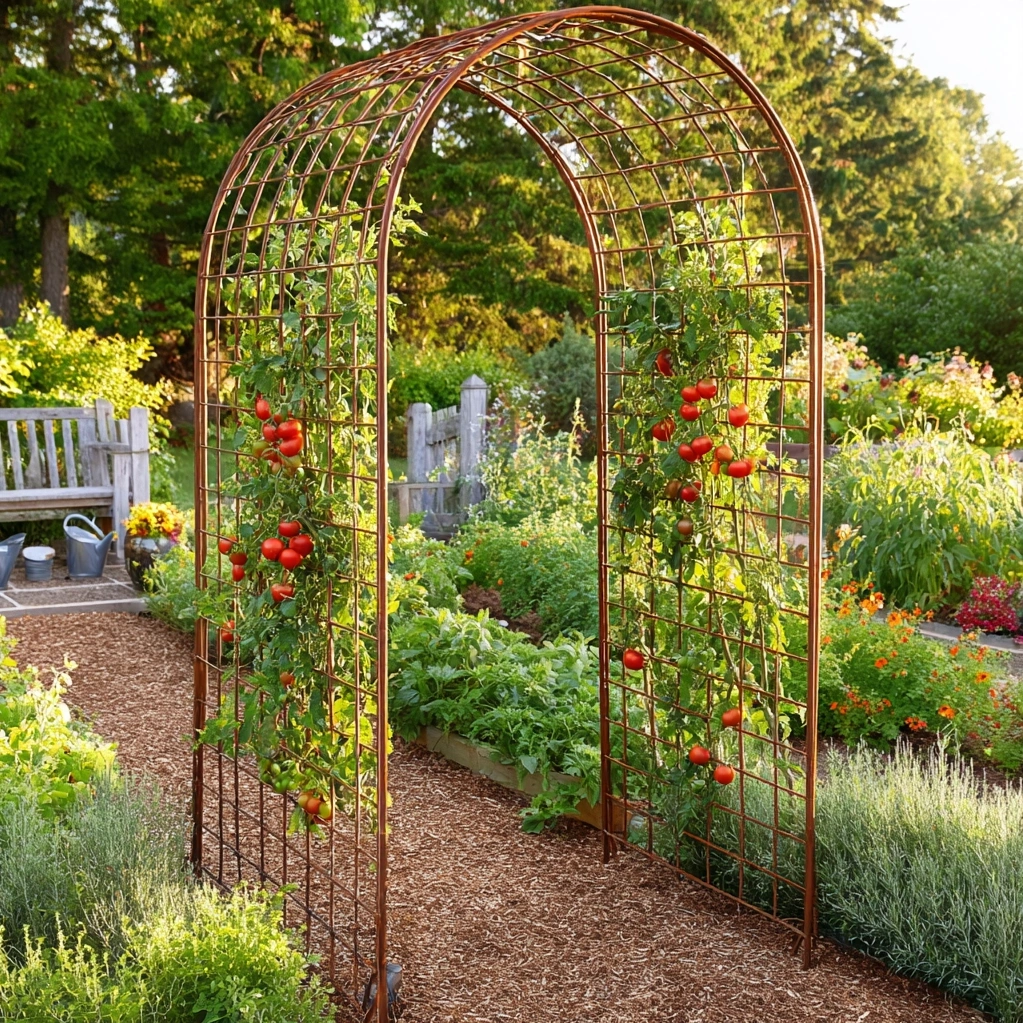
Why Choose a Cattle Panel Trellis for Your Garden
When considering garden structures, a cattle panel trellis offers unique advantages that make it a standout choice. First and foremost, durability is a key factor. Made from heavy-gauge steel, cattle panels are built to withstand years of outdoor exposure, resisting rust and bending under the weight of vigorous plants. Unlike wooden trellises that may rot or plastic ones that can degrade in sunlight, a cattle panel trellis provides long-lasting support. Its grid-like design, typically with 4-inch by 4-inch or 6-inch by 6-inch openings, offers perfect spacing for climbing plants to weave through while maintaining stability. This structure ensures that even heavy vegetables like pumpkins or melons can be supported without sagging. Another compelling reason to choose a cattle panel trellis is its versatility. These panels can be bent into arches, leaned against walls, or installed as freestanding partitions, allowing you to customize your garden layout. For small spaces, a vertical cattle panel trellis maximizes growing area without consuming precious ground space. In larger gardens, they can create stunning visual dividers or pathways. The rustic appearance of the steel adds a charming, farmhouse aesthetic that complements both traditional and modern garden designs. Additionally, installation is straightforward. With basic tools like wire cutters, zip ties, or U-posts, you can set up a cattle panel trellis in a weekend. This ease of use makes it accessible to DIYers of all skill levels. By opting for a cattle panel trellis, you're investing in a sustainable, functional, and beautiful garden feature that enhances plant health and yields.
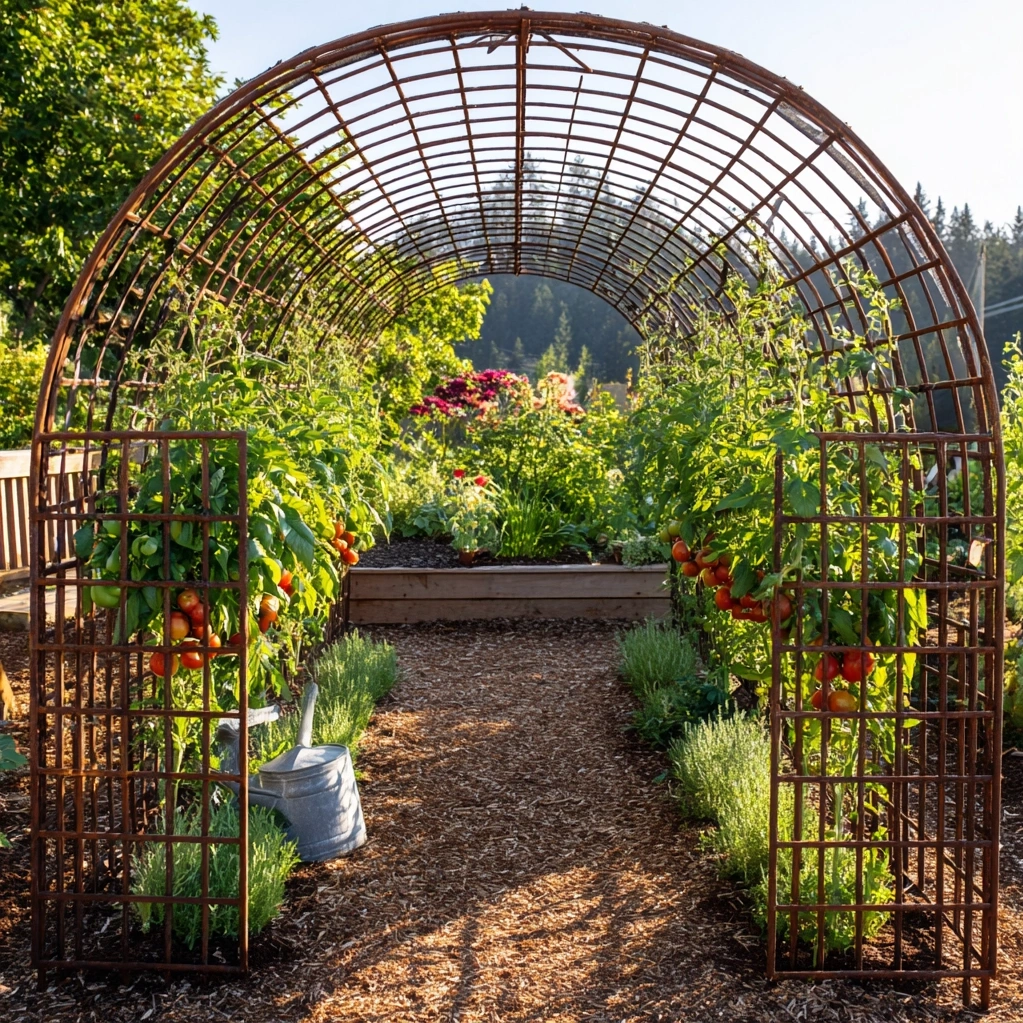
Step-by-Step Guide to Building Your Cattle Panel Trellis
Building a cattle panel trellis is a rewarding DIY project that requires minimal tools and materials. Start by gathering your supplies: a standard 16-foot by 50-inch cattle panel, available at farm supply stores or home improvement centers; sturdy posts like T-posts or wooden stakes; zip ties or heavy-duty wire for securing; and gloves for safety. First, plan your design. Decide whether you want an arch, a flat panel against a fence, or a freestanding structure. For a classic arch, position the cattle panel in your garden bed and gently bend it into a curve, using your body weight to shape it evenly. This creates a tunnel-like effect perfect for climbing plants on both sides. Next, install support posts. Drive T-posts into the ground at each end of the panel, sinking them at least 12 inches deep for stability. If using wooden stakes, consider setting them in concrete for added strength. Attach the cattle panel to the posts using zip ties or wire, wrapping securely at multiple points to prevent shifting. Ensure the panel is taut and level to support plant growth effectively. For a wall-mounted cattle panel trellis, attach it to a fence or shed using brackets or screws, leaving a small gap for air circulation. Once installed, prepare the soil beneath by adding compost or mulch to nourish your plants. You can also paint the panel with rust-resistant spray paint in a color that matches your garden theme, though many prefer the natural patina that develops over time. Test the structure by applying light pressure to ensure it's secure. With these steps, your cattle panel trellis will be ready for planting, providing a sturdy foundation for vines, vegetables, or flowers to thrive.
Creative Ideas for Using a Cattle Panel Trellis in Your Landscape
A cattle panel trellis isn't limited to supporting tomatoes or beans; it can serve as a multifunctional element in your landscape design. One innovative idea is to create a living wall by training flowering vines like clematis, morning glories, or jasmine across the panel. This adds vertical interest and fragrance to patios or entryways. For vegetable gardens, use a cattle panel trellis to grow cucumbers, peas, or pole beans in an organized, space-saving manner. The open grid allows for easy harvesting and prevents fruits from touching the ground, reducing rot and pest issues. In larger yards, consider building multiple cattle panel trellises to form garden rooms or pathways. Arrange them in a zigzag pattern to create privacy screens or windbreaks, adorned with fast-growing plants like ivy or hops. Another creative application is crafting a cattle panel trellis into a decorative archway over a garden gate or walkway. Bend the panel into a gentle curve and secure it between posts, then plant climbing roses or wisteria for a romantic, cottage-garden feel. For those with limited space, a compact cattle panel trellis can be leaned against a balcony railing or wall to grow herbs or small flowers in containers. You can even use smaller sections of cattle panel as plant supports within raised beds, cutting them to size with bolt cutters. To enhance aesthetics, weave fairy lights or solar lanterns through the grid for evening ambiance. By thinking beyond traditional uses, a cattle panel trellis becomes a dynamic tool for personalizing your outdoor space, blending functionality with artistic expression.
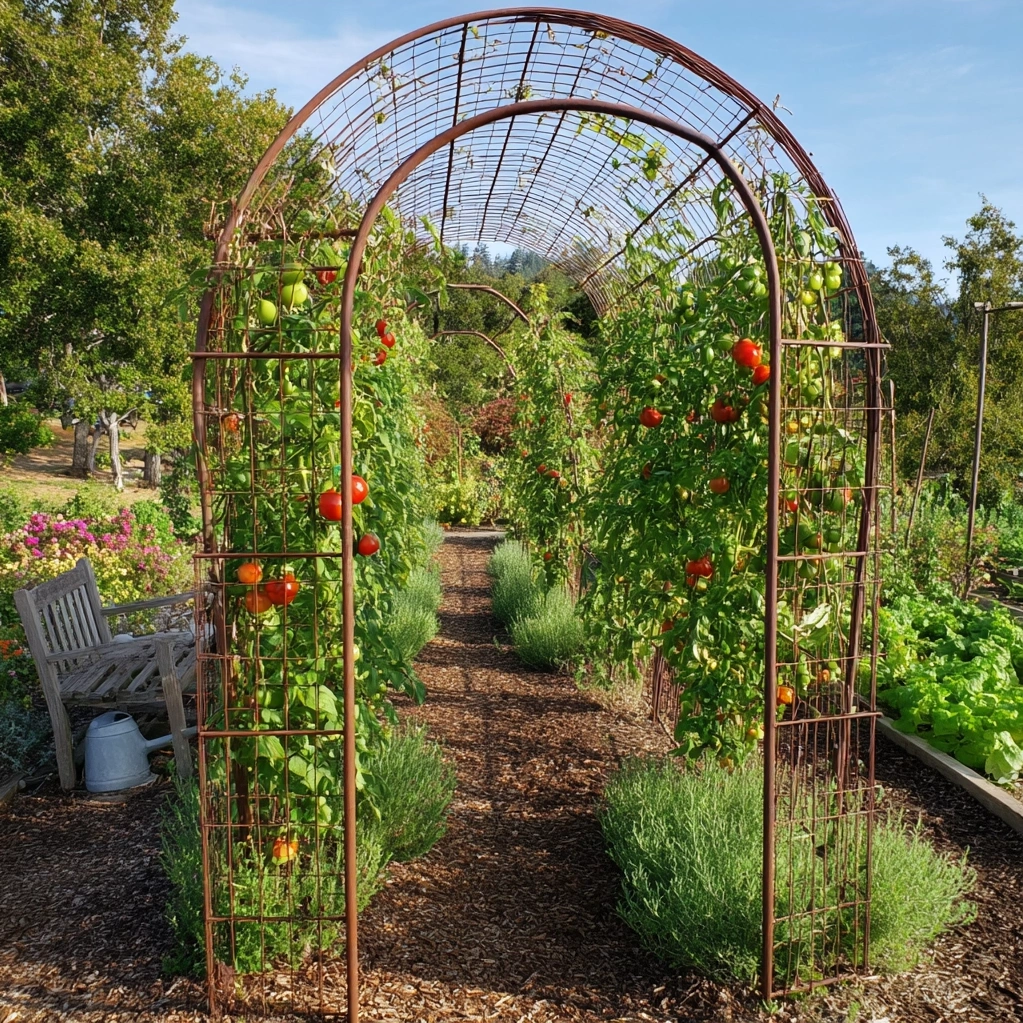
Maintaining and Enhancing Your Cattle Panel Trellis Over Time
Proper maintenance ensures your cattle panel trellis remains a durable and attractive feature for years. Start with regular inspections, especially after harsh weather. Check for loose connections at posts or mounting points, and tighten zip ties or wires as needed. If using a cattle panel trellis in areas with high humidity or salt air, consider applying a rust-inhibitor spray annually to prolong its life. For painted panels, touch up chips with matching paint to prevent corrosion. During the growing season, monitor plant growth to prevent overcrowding. Gently guide vines through the grid openings, and prune excess foliage to maintain airflow and reduce weight on the structure. In winter, remove dead plants and debris to prevent moisture buildup that could accelerate rust. To enhance your cattle panel trellis, incorporate companion planting. Grow nitrogen-fixing plants like beans at the base to enrich the soil, or add pollinator-friendly flowers to attract bees and butterflies. For a polished look, edge the surrounding area with mulch or stones to define the garden bed. You can also attach hanging baskets or small shelves to the panel for additional planting space. Over time, as the steel develops a natural rust patina, embrace this weathered aesthetic by pairing it with rustic decor like wooden benches or vintage planters. If mobility is a concern, design a portable cattle panel trellis by attaching wheels to the base posts, allowing you to reposition it seasonally. By investing a little effort in upkeep, your cattle panel trellis will evolve with your garden, providing reliable support and visual appeal through every growth cycle.
Conclusion
A cattle panel trellis is more than just a garden accessory; it's a transformative element that brings structure, beauty, and efficiency to your outdoor space. Throughout this article, we've explored its durability, versatility, and creative potential, from building sturdy arches to crafting living walls. By choosing a cattle panel trellis, you're opting for a sustainable solution that maximizes growing area, supports plant health, and adds rustic charm to any landscape. The step-by-step guide and maintenance tips empower you to implement this DIY project with confidence, regardless of your gardening experience. As you look to the future, consider how a cattle panel trellis can adapt to your evolving needs. Perhaps it will become the centerpiece of a new vegetable patch, a privacy screen for a cozy patio, or a decorative frame for climbing flowers. The possibilities are limited only by your imagination. To get started, visit a local farm supply store, gather your materials, and begin planning your design. Remember, gardening is a journey of growth—both for your plants and your skills. Embrace the simplicity and strength of a cattle panel trellis, and watch as it helps your garden flourish season after season. Share your creations with fellow enthusiasts, and let this humble material inspire a greener, more organized outdoor haven.
Frequently Asked Questions
Q: What size cattle panel is best for a trellis?
A standard 16-foot by 50-inch cattle panel is ideal for most trellis projects, as it offers ample length for arches or large panels while being manageable to handle. The 4-inch by 4-inch or 6-inch by 6-inch grid openings provide excellent support for climbing plants. For smaller spaces, you can cut panels to size using bolt cutters, but ensure any cut edges are filed smooth to prevent injury.
Q: How do I secure a cattle panel trellis in windy areas?
In windy conditions, enhance stability by using heavier posts, such as metal T-posts driven at least 18 inches into the ground. Attach the panel with multiple zip ties or galvanized wire at regular intervals. For freestanding structures, consider adding cross-braces or anchoring the base with concrete. Positioning the trellis against a fence or wall can also reduce wind impact.
Q: Can I paint a cattle panel trellis to match my garden decor?
Yes, painting is a great way to customize your cattle panel trellis. Use a rust-resistant spray paint designed for metal surfaces, applying it in a well-ventilated area after cleaning the panel with a wire brush to remove debris. Choose colors that complement your garden, such as green for blending in or black for a modern look. Allow paint to dry thoroughly before installation.