
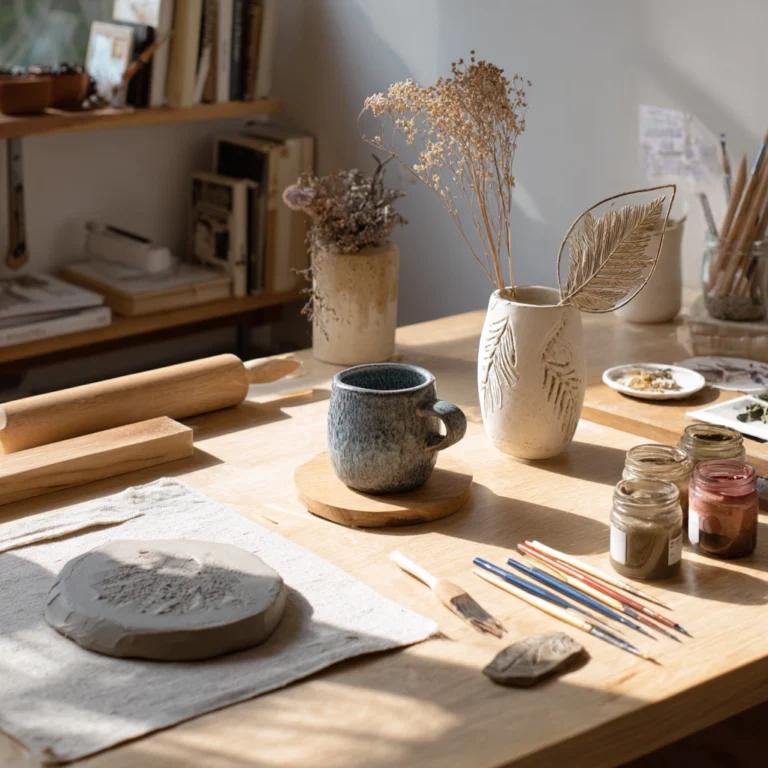
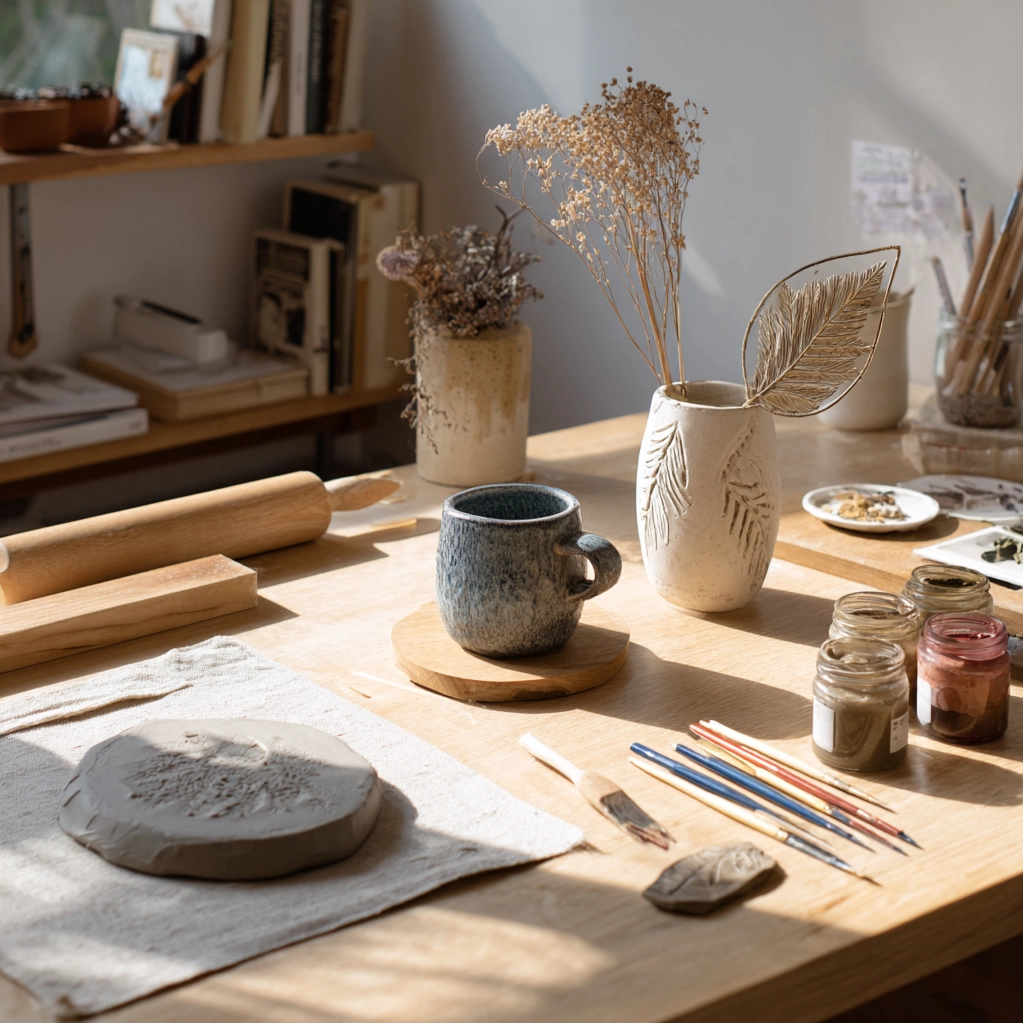
Ceramics have a timeless appeal that can transform any space from ordinary to extraordinary. Whether you’re looking to add personality to a bland corner or create functional pieces that spark joy, ceramic DIY projects offer endless possibilities. This isn’t just about making pottery—it’s about crafting items that reflect your style and make your home uniquely yours. The tactile nature of working with clay, the satisfaction of glazing, and the anticipation of the final reveal make ceramics one of the most rewarding creative outlets. With so many techniques and styles available, from hand-building to wheel-throwing, there’s something for every skill level. You don’t need a fancy studio or expensive equipment to get started. Many projects can begin with air-dry clay or simple polymer options that require no kiln. The beauty of ceramic DIY inspo lies in its accessibility and versatility. Imagine sipping coffee from a mug you shaped yourself or displaying a vase that perfectly complements your decor. These creations become more than objects; they’re stories you can touch, memories you can hold. As our homes become increasingly digital spaces, working with ceramics reconnects us to the physical world in the most satisfying way. It’s mindful, therapeutic, and incredibly practical. This article will guide you through inspiring projects that blend creativity with functionality, proving that you don’t need to be a master potter to create beautiful ceramic pieces. Let’s dive into the world of clay, color, and creativity.
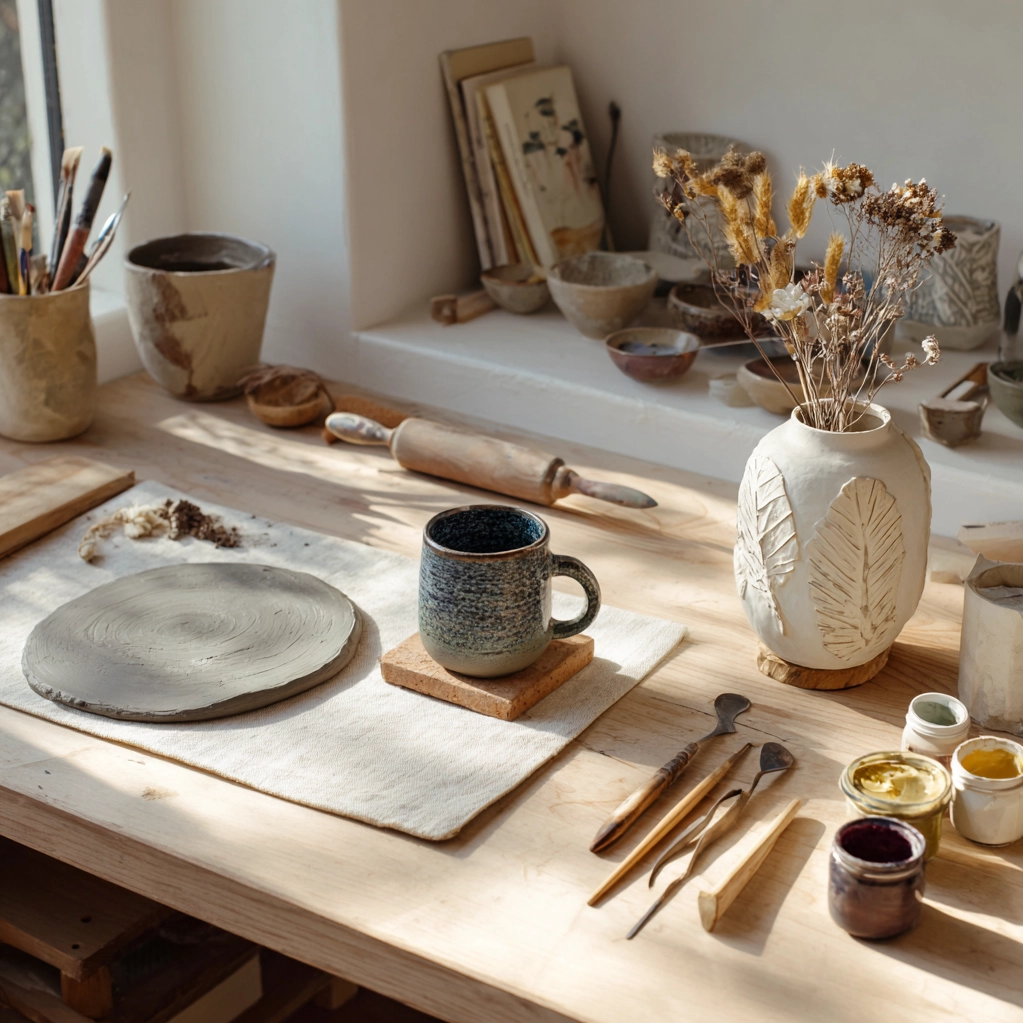
Ceramic DIY Inspo for Functional Kitchenware
Transform your kitchen with handmade ceramic pieces that combine beauty with practicality. Start with simple mugs—they're the perfect beginner project. Roll out clay slabs, shape them around a form, and smooth the seams. Personalize them with carved designs or textured patterns using everyday items like forks or lace. For more advanced projects, try making nesting bowls. These require careful attention to thickness and balance but result in stunning, usable pieces. Consider creating a set of matching dinner plates or unique serving dishes. The glazing process is where your kitchenware truly comes to life. Food-safe glazes in earthy tones or vibrant colors can complement any kitchen aesthetic. Don't forget about practical items like spoon rests or butter dishes. These small projects build confidence and add thoughtful touches to your cooking space. Working with ceramics for kitchen items teaches valuable skills like consistency in thickness and proper drying techniques. Each piece becomes part of your daily routine, making meals more special. The weight of a handmade mug feels different from store-bought ones—more substantial, more personal. As you gain experience, you might experiment with more complex forms like teapots or casserole dishes. Remember that imperfections add character to functional ceramics. A slightly uneven rim or unique glaze drip tells the story of its creation. These pieces aren't just dishes; they're conversations starters that bring warmth to your kitchen.
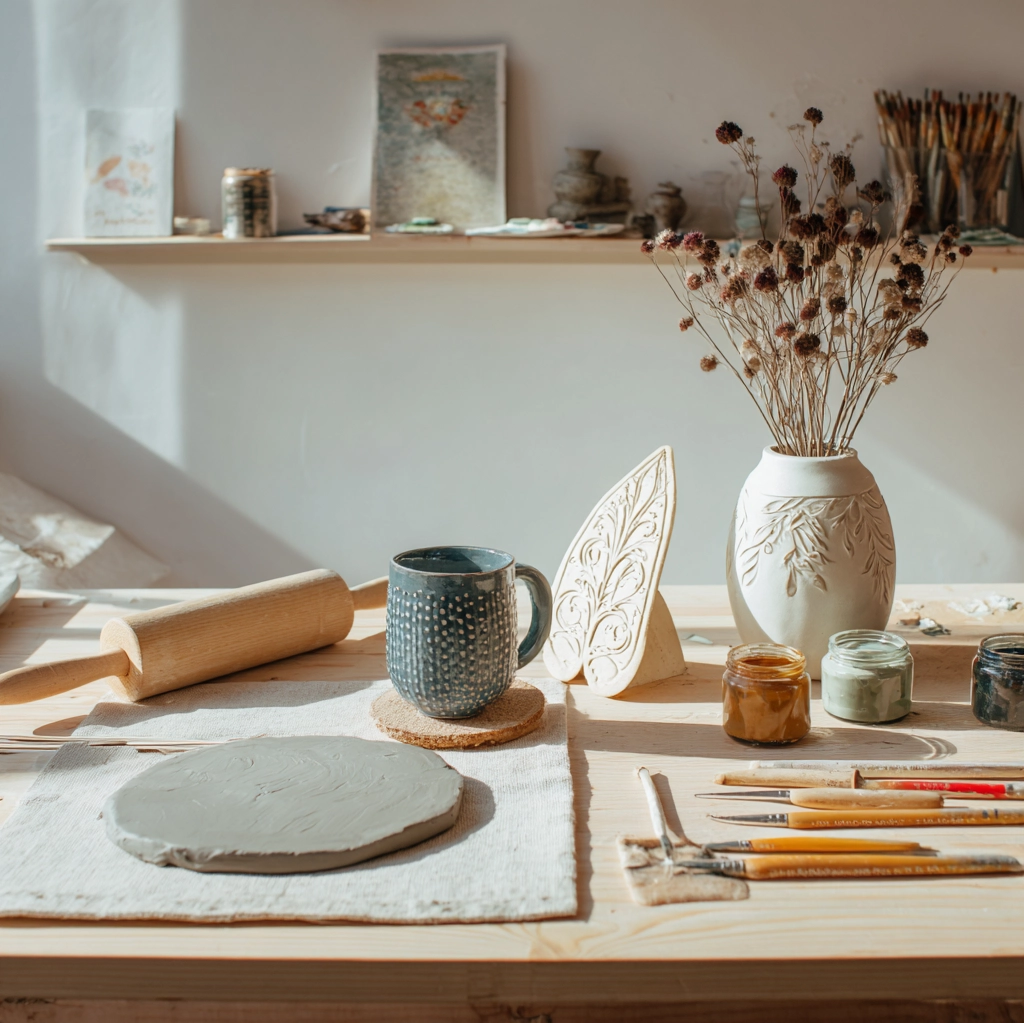
Ceramic DIY Inspo for Home Decor Accents
Elevate your living spaces with ceramic decor that reflects your personal style. Wall hangings offer a fantastic starting point. Create textured tiles or sculptural pieces that catch light and shadow beautifully. Consider making a series of connected tiles that form a larger artwork when arranged together. For tabletop decor, try crafting unique vases. Hand-building techniques like coiling or pinching allow for organic shapes that mass-produced items can't replicate. These vases become focal points when filled with fresh flowers or standing empty as sculptural elements. Don't overlook smaller accents like candle holders or bookends. Ceramic candle holders with carved patterns cast beautiful shadows when lit, creating cozy atmospheres. Bookends can be functional art, holding your favorite novels while adding visual interest to shelves. Another wonderful project is creating decorative bowls or trays for organizing everyday items. These catch-alls for keys, jewelry, or remote controls combine utility with beauty. The finishing touches make all the difference in decor pieces. Experiment with different surface treatments—underglazes, stains, or even incorporating other materials like wood or metal. Consider the placement of each piece in your home. A large ceramic platter might become a wall sculpture in the dining room, while smaller figurines could adorn bathroom shelves. The beauty of ceramic DIY inspo for decor lies in its adaptability to any style, from minimalist modern to rustic farmhouse. Each creation becomes an extension of your personality, making your space truly feel like home.
Ceramic DIY Inspo for Garden and Outdoor Spaces
Bring ceramic charm to your outdoor areas with projects designed to withstand the elements. Garden markers are simple yet impactful starting points. Roll small clay slabs, cut them into shapes, and inscribe herb names or decorative patterns. After firing and glazing with weather-resistant finishes, these markers add personality to vegetable patches or flower beds. For more substantial projects, create ceramic planters. Hand-built planters allow for custom sizes that fit specific spaces on patios or balconies. Consider making self-watering planters by incorporating reservoir systems—a practical touch for busy gardeners. Bird baths offer another rewarding project. These require careful attention to balance and water capacity but result in beautiful focal points that attract wildlife to your garden. Don't forget about wind chimes with ceramic elements. Create various shapes that produce different tones when struck by the breeze. For pathway accents, make stepping stones with embedded ceramic tiles or create mosaic patterns using broken ceramic pieces—a great way to repractice materials. Outdoor ceramics require special considerations. Use clay bodies rated for outdoor use and select glazes that can handle temperature fluctuations and moisture. Proper drainage holes in planters prevent root rot, while textured surfaces on stepping stones provide better traction. The natural aging of outdoor ceramics adds character over time, with moss or patina enhancing their beauty. These projects bridge indoor creativity with outdoor living, making your garden an extension of your home's aesthetic. Imagine sipping morning coffee surrounded by ceramics you created—a truly satisfying experience.
Conclusion
Ceramic DIY projects offer more than just beautiful objects; they provide a pathway to personal expression and home transformation. Throughout this exploration of ceramic DIY inspo, we've seen how accessible and versatile this craft can be. From functional kitchenware that makes daily routines more enjoyable, to decor accents that infuse personality into living spaces, to outdoor pieces that extend your creative vision into nature—each project builds skills and confidence. The tactile process of working with clay grounds us in the present moment, offering therapeutic benefits beyond the finished products. As you continue your ceramic journey, remember that progress matters more than perfection. Those slightly uneven edges or unique glaze variations aren't flaws—they're signatures of handmade craftsmanship. Looking forward, consider how these skills might grow. Perhaps you'll invest in a small kiln to expand your firing options, or take a wheel-throwing class to master new techniques. The ceramic community thrives both online and locally, with workshops and sharing platforms offering endless inspiration. Most importantly, keep experimenting. Mix different clay bodies, try unconventional tools, or combine ceramics with other materials. Your home will gradually fill with pieces that tell your creative story. Start with one simple project this weekend—a mug, a wall hanging, or a garden marker. That first creation will spark the inspiration for countless more. Happy creating!
Frequently Asked Questions
Q: What basic tools do I need to start with ceramic DIY projects?
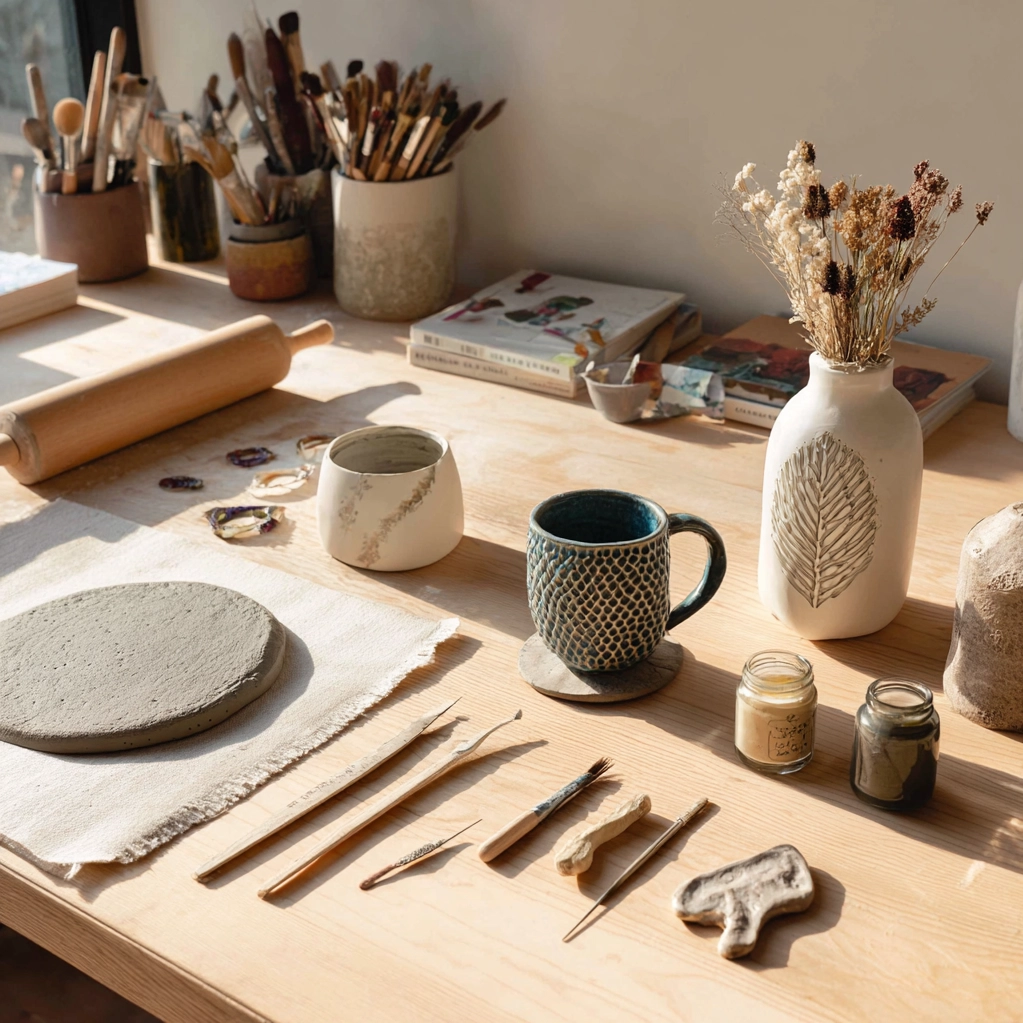
You can begin with surprisingly few tools. Essential items include clay (air-dry or oven-bake varieties require no kiln), a rolling pin or slab roller for flattening clay, basic sculpting tools like wooden ribs and loop tools, a scoring tool for joining pieces, and various household items for texture (forks, lace, leaves). For surface decoration, gather brushes, sponges, and simple glazes or paints suitable for ceramics. A work surface covered with canvas or plastic protects tables. As you advance, you might add specialized tools like kilns or pottery wheels, but these aren't necessary for getting started with most beginner projects.
Q: How do I ensure my ceramic pieces are food-safe?
Food safety involves several considerations. First, use clay bodies specifically labeled as food-safe or suitable for dinnerware. After shaping, ensure pieces are properly fired to maturity—undercooked ceramics can remain porous and harbor bacteria. Most importantly, use only glazes certified as food-safe and non-toxic, applying them to all surfaces that contact food. Follow manufacturer instructions for application thickness and firing temperatures. For added safety, avoid using decorative techniques like metallic lusters on food surfaces, and never use ceramics with cracks or chips for food purposes. When in doubt, consult with ceramic suppliers or experienced potters about your specific materials.
Q: Can I do ceramic projects without access to a kiln?
Absolutely! Several options allow kiln-free ceramic work. Air-dry clays harden naturally over days and can be painted with acrylics or sealed for durability. Polymer clays bake in standard home ovens at low temperatures, offering good detail work possibilities. Cold porcelain (a clay-like material made from cornstarch and glue) air-dries to a ceramic-like finish. For traditional clay, some communities have kiln-sharing programs at studios, schools, or through local potters who rent firing services. Another option is pit-firing for decorative pieces, though this requires outdoor space and safety precautions. Many beautiful projects don't require high-fire ceramics, so explore these alternatives based on your available resources.